Direct Production & Global Export
Precision-Crafted Carbon Steel & Aluminum Cookware Series
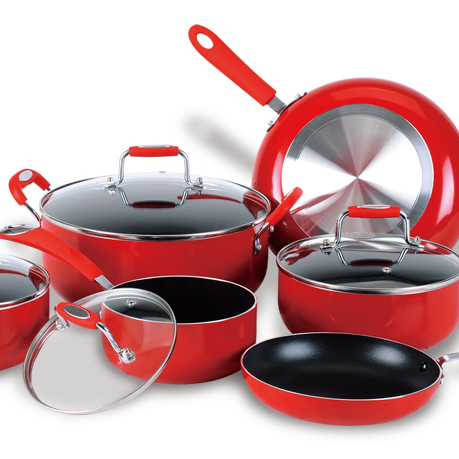
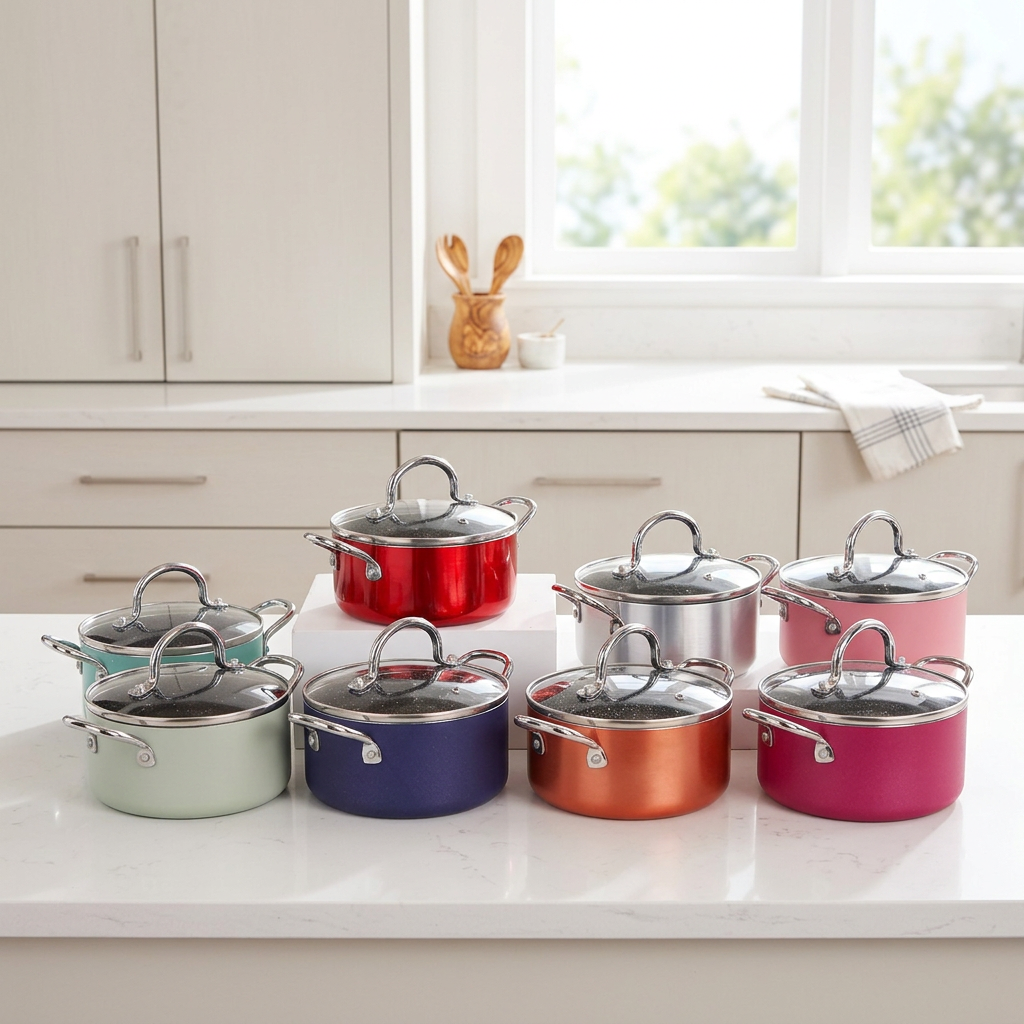
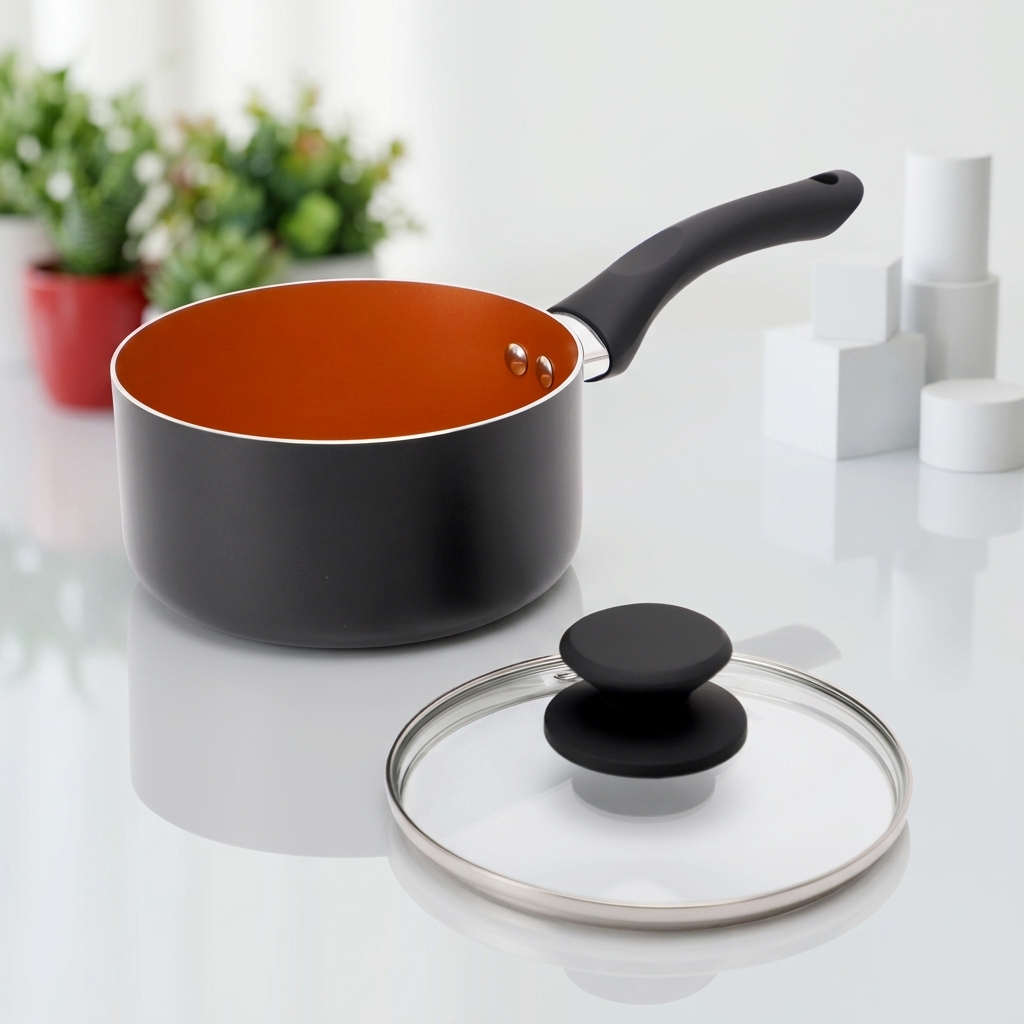
Manufactured on high-tonnage hydraulic drawing, nitrogen hardening, and automated multi-layer ceramic spray lines in Jinhua, Zhejiang. Built specifically for demanding commercial kitchens and consumer retail standards in the Argentine market.
20+
Years Cookware Manufacturing
105
Skilled Floor Operators & QC
TÜV
Rheinland On-Site Assessed
100%
Magnetic Flux & Adhesion Audited
Engineering Carbon Steel Fry Pans for Rosario: Metallurgical & Market Analysis
Rosario, positioned along the deepwater Paraná River waterway, serves as the economic hub of Santa Fe province and one of Argentina's prime agricultural, industrial, and gastronomic centers. The local culinary landscape—spanning bustling urban eateries along the Costanera, high-turnover parrillas, and a discerning household consumer segment—places extreme demands on cookware reliability. For high-volume importers, major supermarket distributors, and HORECA wholesalers in Rosario, selecting an OEM manufacturing partner requires deeper considerations than initial quotation prices.
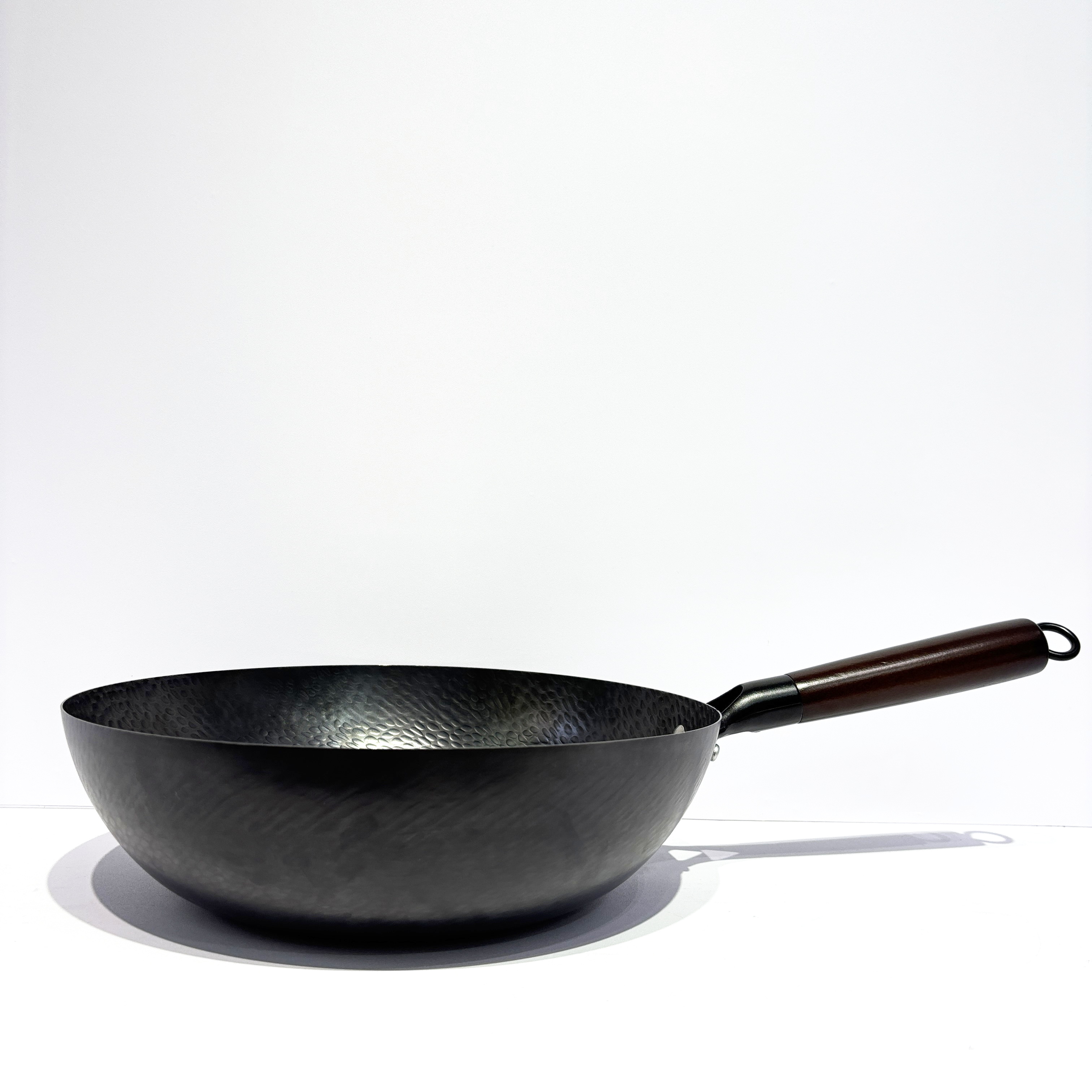
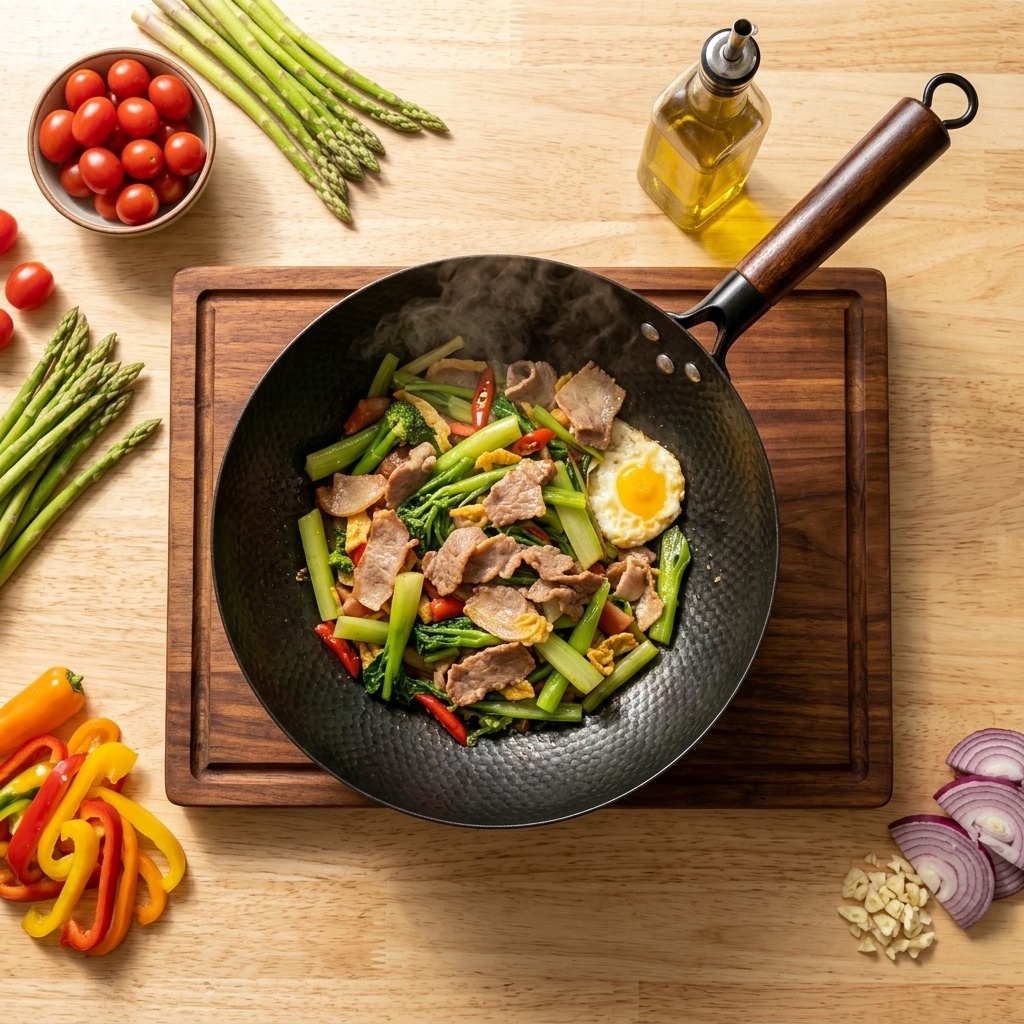
In South American gastronomy, thermal shock performance and heat endurance define cookware lifespans. Unlike standard nonstick cookware that deteriorates when subjected to high-temperature searing, our heavy-gauge carbon steel fry pans combine the rapid thermal responsiveness of pressed aluminum with the heat retention characteristics of cast iron. Stamped from refined, low-carbon structural steel sheets, each pan undergoes precision stamping, stress-relief annealing, and optional nitriding surface engineering to eliminate structural micro-porosities.
Intense Flame & Gas Hob Synergy
Rosario's commercial kitchens rely heavily on high-output natural gas infrastructure. Our heavy-gauge 2.0mm to 3.0mm carbon steel bottoms eliminate hot spotting and base warping under continuous high-BTU open flame usage, guaranteeing permanent flatness.
Natural Induction Compatibility
Because carbon steel is inherently ferromagnetic, our cookware operates on high-efficiency induction ranges without requiring clad sandwich discs or cold-stamped magnetic plates, drastically reducing peeling and thermal detachment risks.
Gas Nitriding Anti-Corrosion Barrier
Designed for humid riverine storage conditions near the Port of Rosario, our thermochemical liquid/gas nitriding alters the steel lattice, creating an Fe3N outer layer that resists rust, corrosion, and acidic marinade pitting without synthetic fluoropolymer films.
Procurement Technical Matrix: Base Alloys & Surface Systems
For procurement officers managing bulk inventory across Santa Fe retail chains, evaluating total lifecycle costs against cooking performance is critical. Below is an engineering evaluation comparing the operational trade-offs of carbon steel against conventional forged aluminum and classic cast iron.
| Evaluation Parameter | Heavy-Gauge Carbon Steel (MEIS) | Die-Forged Aluminum | Traditional Cast Iron |
|---|---|---|---|
| Thermal Response Rate (m²/s) | Ultra-Rapid: Instant heat pickup for stir-searing | Moderate to Fast: Uniform wall distribution | Slow: High inertia, long preheat requirements |
| Weight-to-Handling Ergonomics | Balanced: 40% lighter than equivalent cast iron | Lightest: Suitable for retail nonstick users | Heavy: Ergonomically fatiguing in fast prep lines |
| Max Temperature Tolerance | Up to 450°C (Non-Coated / Nitrided) | Limited to 260°C (Polymer Coating Constrained) | Up to 500°C |
| Induction Efficiency Factor | 100% Direct Core Coupling (Native Steel) | Requires perforated or full-spray clad disc | 100% Native Coupling |
| Structural Resilience | Shatter-proof, impact-resistant under dropped load | Prone to rim denting under rough kitchen transit | Brittle: Susceptible to fracturing under thermal shock |
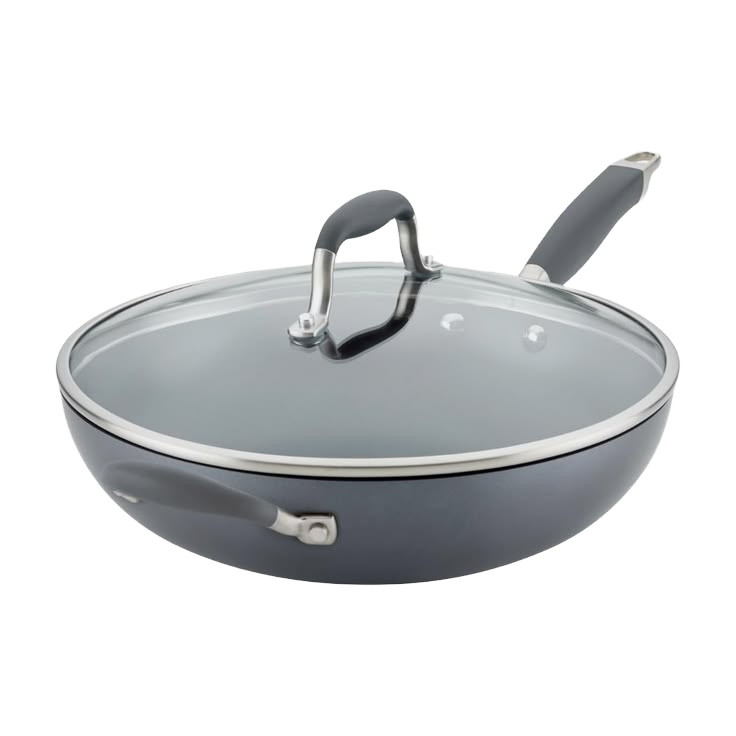
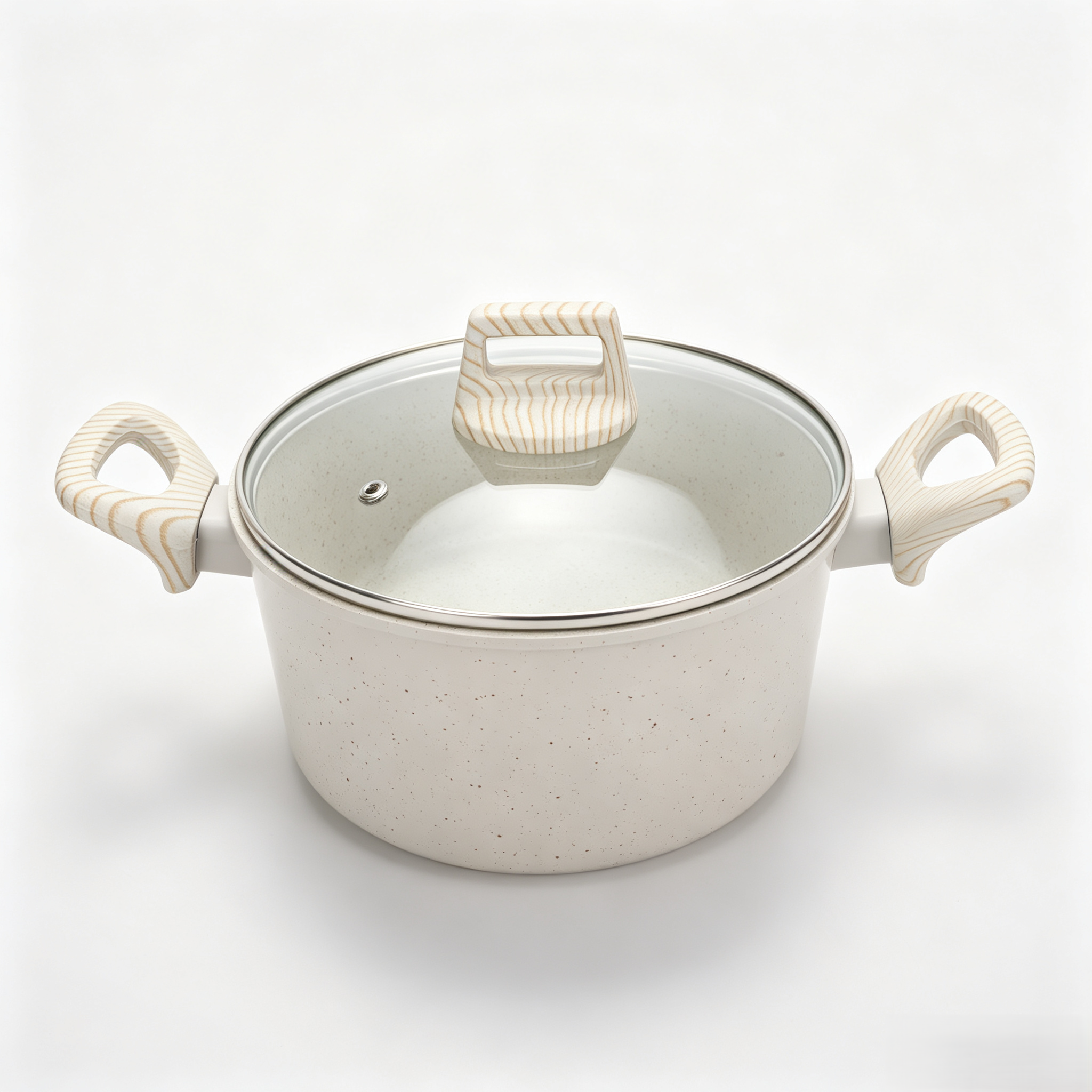
For Rosario bulk buyers supplying both the retail home sector and regional steakhouse lines, maintaining a portfolio that blends heavy-gauge pressed carbon steel for high-heat performance and forged ceramic-coated aluminum for effortless domestic cleanup represents the optimal commercial strategy.
Emerging Procurement Trends Across Rosario & Argentine Cookware Markets
Argentina’s domestic kitchenware sector is undergoing structural changes driven by shifts in consumer wellness priorities, supply chain economics, and industrial supply regulations. Cookware buyers targeting the Rosario and Greater Santa Fe markets are adapting to three significant market dynamics:
The "Chemical-Free" Shift
Conscious consumers in Rosario increasingly reject synthetic polymer chemical coatings. Our un-coated, pre-seasoned, and micro-embossed carbon steel fry pans build a clean, organic polymerized patina with vegetable oil, aligning with demand for non-toxic cooking surfaces.
Freight Volume Maximization
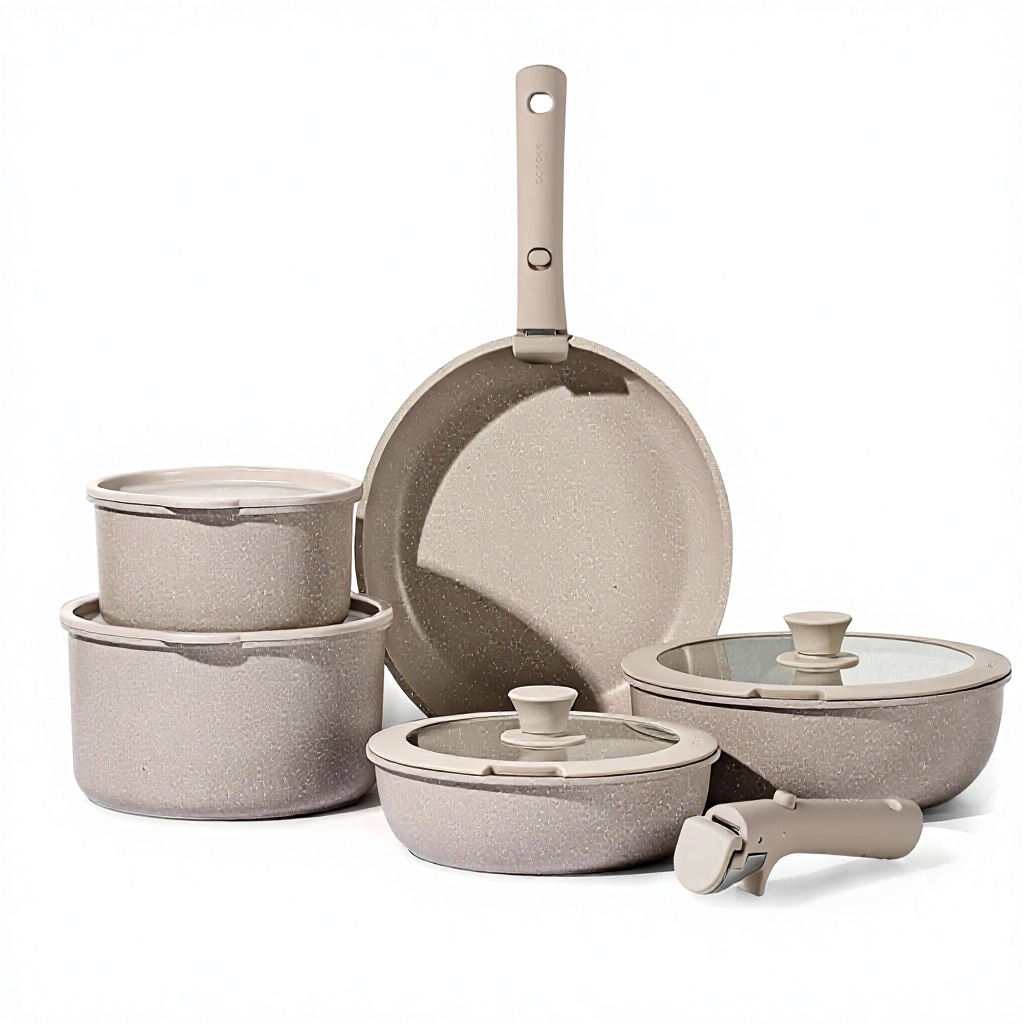
Given international shipping costs into South American deepwater ports, spatial optimization is critical. We manufacture modular cookware sets featuring detachable handle mechanisms and interlocking nesting geometries, saving up to 45% in ocean container cubic space.
Stricter SENASA / INAL Clearance
Importing kitchen items into Argentina requires verification against toxic chemical leaching. Every batch of our cookware is audited for heavy-metal migration, complying with strict international food-contact benchmarks including FDA, LFGB, and MERCOSUR standards.
Integrated Manufacturing Architecture: Why MEIS Outperforms Trading Intermediaries
Headquartered in the Dongnan Industrial Zone of Jinhua, Zhejiang, Zhejiang MEIS Kitchenware Co., Ltd. operates a modern 105-person manufacturing plant covering raw material deep drawing, CNC trimming, high-pressure sandblasting, automated spray coating lines, and packaging bays. With over 20 years of operational experience, we eliminate broker markups, provide technical traceability, and preserve margin integrity for Latin American commercial importers.
TÜV Rheinland Assessed Factory
Our facility holds complete on-site validation from TÜV Rheinland. We maintain dedicated testing labs on the factory floor covering mechanical handle endurance, salt-spray corrosion resistance, and thermal fatigue cycles to ensure structural stability.
In-House Tooling & Rapid Prototyping
With integrated CNC turning centers, spark erosion EDM, and custom mold shops, we take bespoke fry pan profiles, rivet configurations, and embossed branding concepts from CAD blueprints to pilot samples in under 20 business days.
Full Private-Label Customization
We provide comprehensive branding support for our partners in Rosario, including custom laser engraving, pantone exterior enamel sprays, induction bottom laser etchings, full-color protective retail boxes, and drop-test certified mailer packaging.
Frequently Asked Questions: Carbon Steel Cookware Procurement for Rosario
How do you protect carbon steel fry pans from marine corrosion during transit to Argentina?
Ocean transit from Ningbo/Shanghai to Buenos Aires or Rosario involves sustained high humidity across multiple climate zones. We employ a three-tier anti-rust strategy: (1) Industrial gas nitriding or electrostatic thin food-grade mineral oil protection; (2) Individual sealed heat-shrink moisture barriers with desiccant packs; and (3) Heavy-duty multi-wall corrugated master cartons lined with anti-humidity moisture film.
What is the minimum order quantity (MOQ) for custom private label brands?
For standard carbon steel configurations with custom laser marking and private brand labeling, our entry-level MOQ starts at 1,000 units. For fully customized press dies, bespoke cast stainless handles, or proprietary packaging boxes, standard production runs typically start at 2,000 to 3,000 pieces per size. Mixed-SKU container loading is supported to optimize initial cash flow for new importers.
Are your carbon steel fry pans certified food-safe under international and MERCOSUR standards?
Yes. Our cookware is manufactured strictly from food-contact-grade raw steels and non-toxic surface treatments. We routinely supply inspection documentation proving compliance with FDA 21 CFR 175.300, European LFGB, and regional MERCOSUR GMC Resolution limits covering lead, cadmium, and arsenic chemical migration.
What handle attachment methods are best suited for high-heat cooking environments?
We provide three primary configurations based on target user profiles: (1) Solid heavy-gauge steel rivets for commercial restaurant kitchens, tested on handle shear testers up to 1,500N of force; (2) Ergonomic hollow-cast stainless steel handles that stay cool on induction surfaces; and (3) Detachable heat-resistant bakelite or beechwood handles with tool-free quick-release buttons for space-constrained home environments.
How does your factory accommodate Argentine import documentation and payment structures?
Our international trade desk handles export documentation, including accurate HS code classification (typically Chapter 7323), verified packing lists, commercial invoices, and Embassy-legalized Certificates of Origin where needed. We accept standard commercial payment structures including confirmed Irrevocable Letters of Credit (L/C at sight) and T/T deposit balances tied to pre-shipment quality audits.
Ready to Expand Your Cookware Margins in Rosario?
Partner directly with Zhejiang MEIS Kitchenware. Share your target specifications, annual volume projections, or packaging requirements to receive an engineered DDP/FOB quotation and rapid prototyping support.
Contact Us