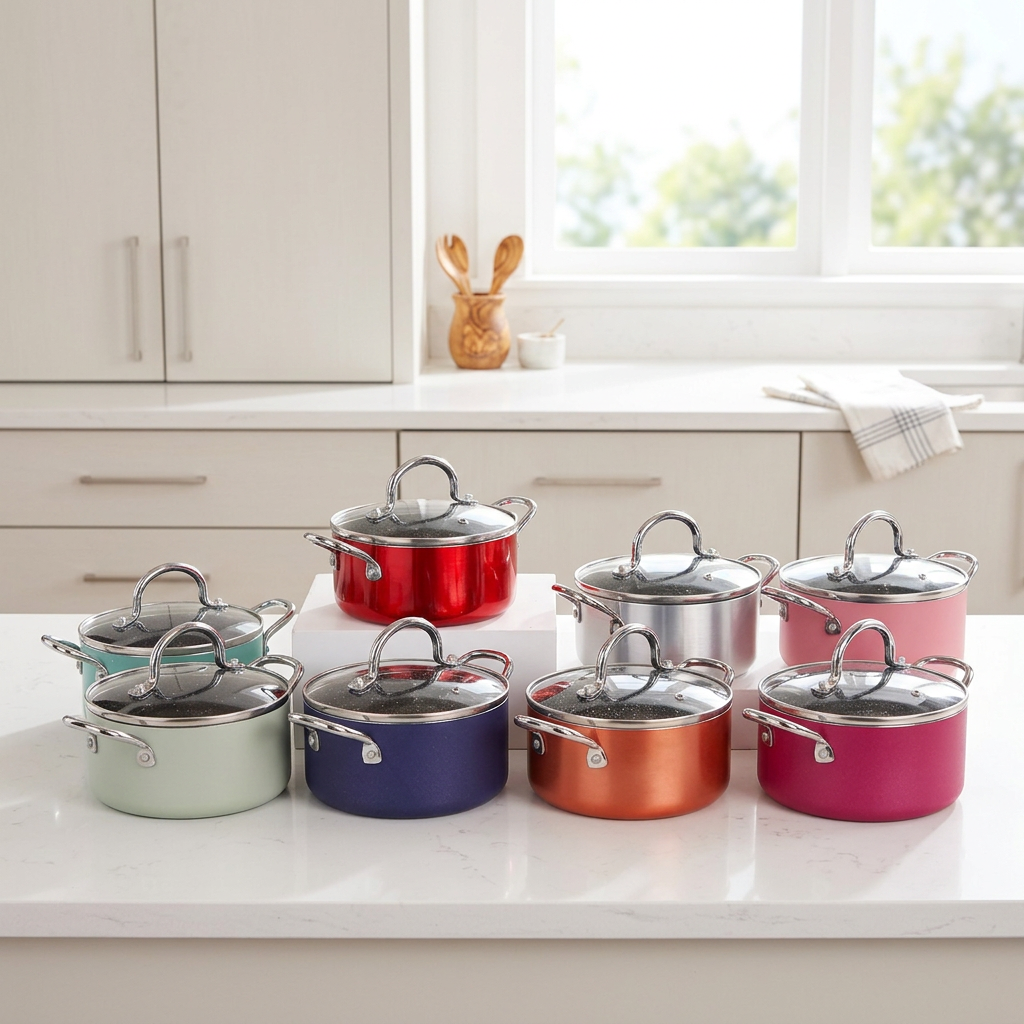
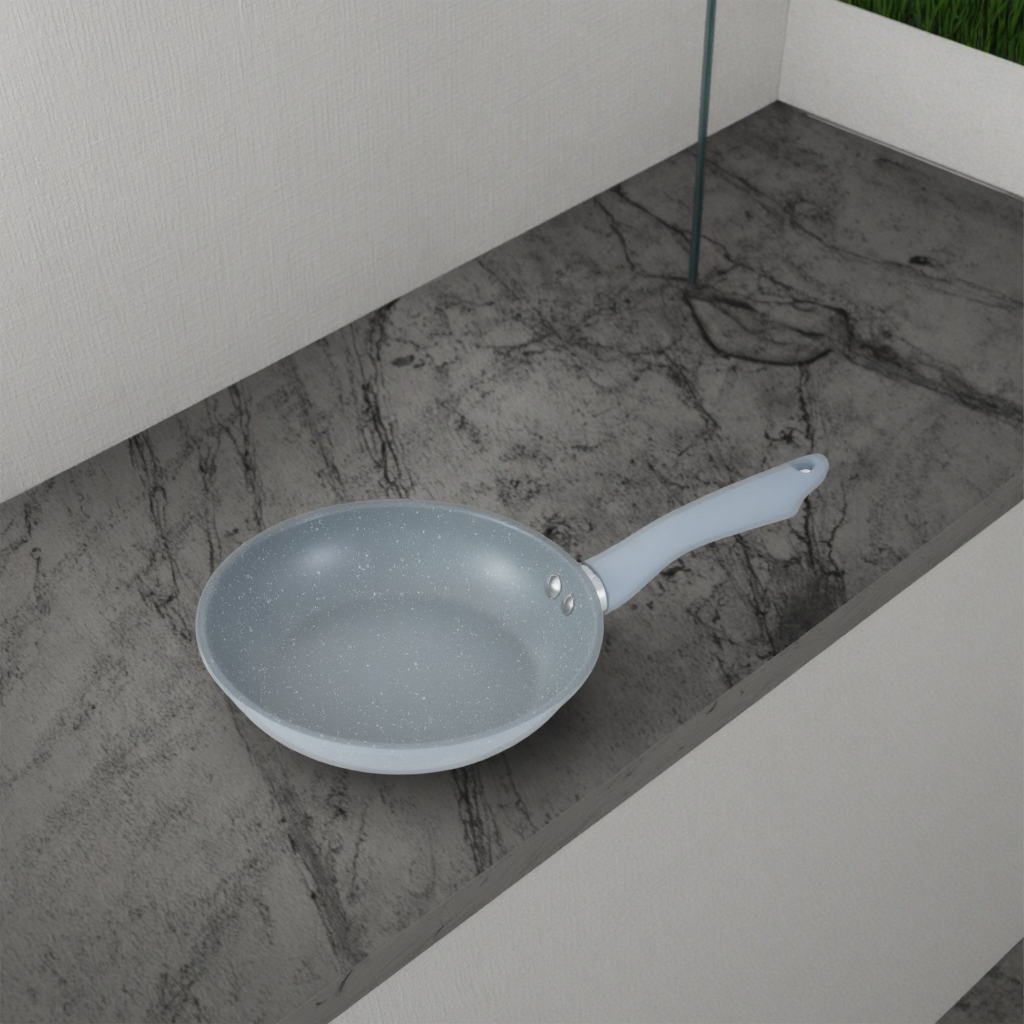
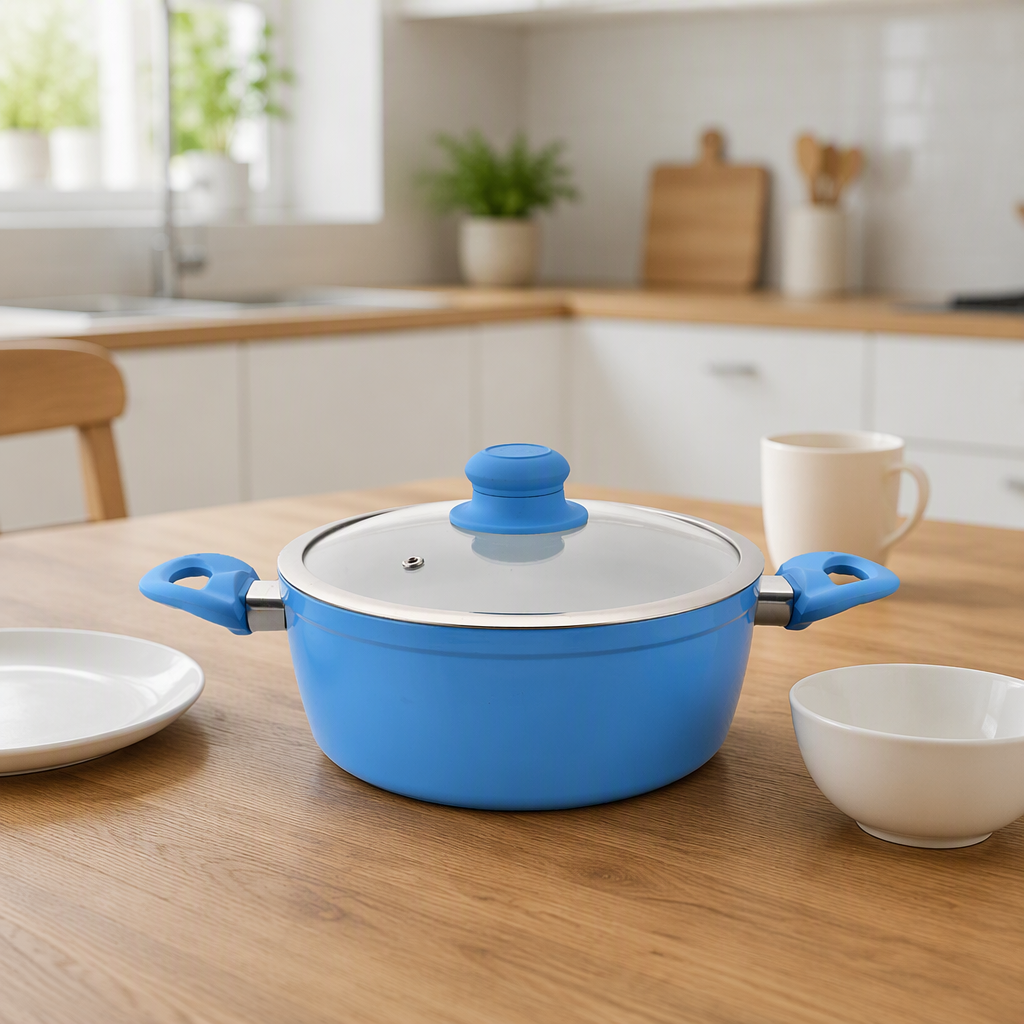
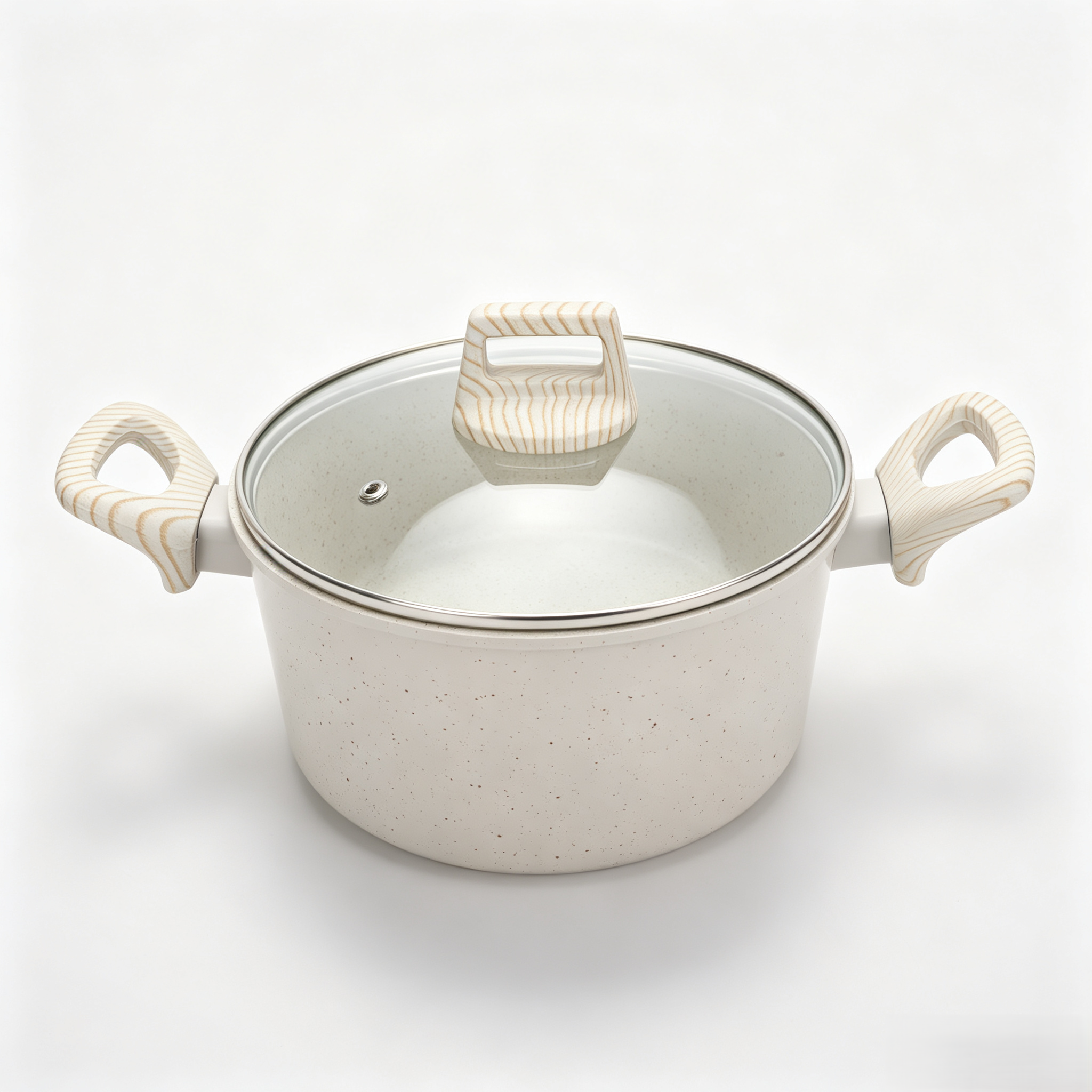
14cm Mini Sauce Pan with Glass Lid Colorful Non Stick Cookware
View Specifications →
Designed for professional thermal efficiency, consistent heat conduction, and extreme durability under continuous commercial duty cycles.
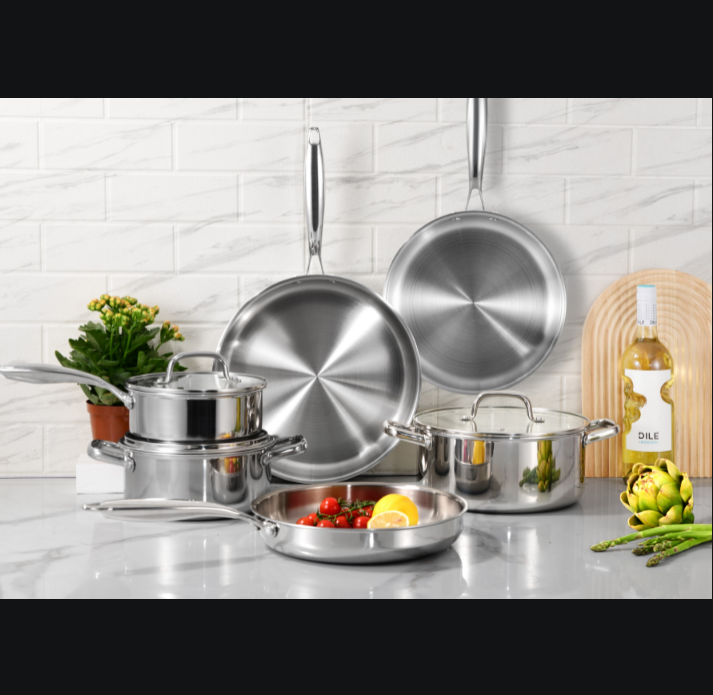
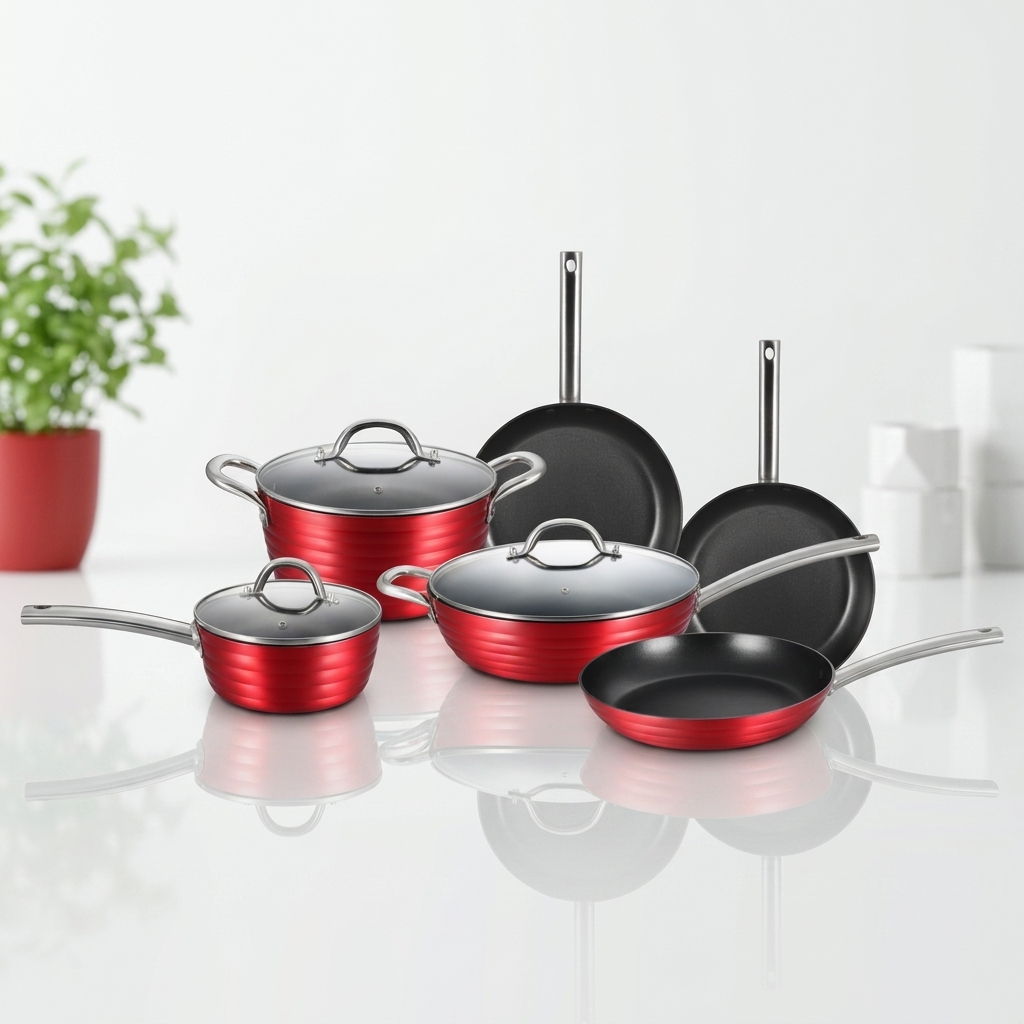
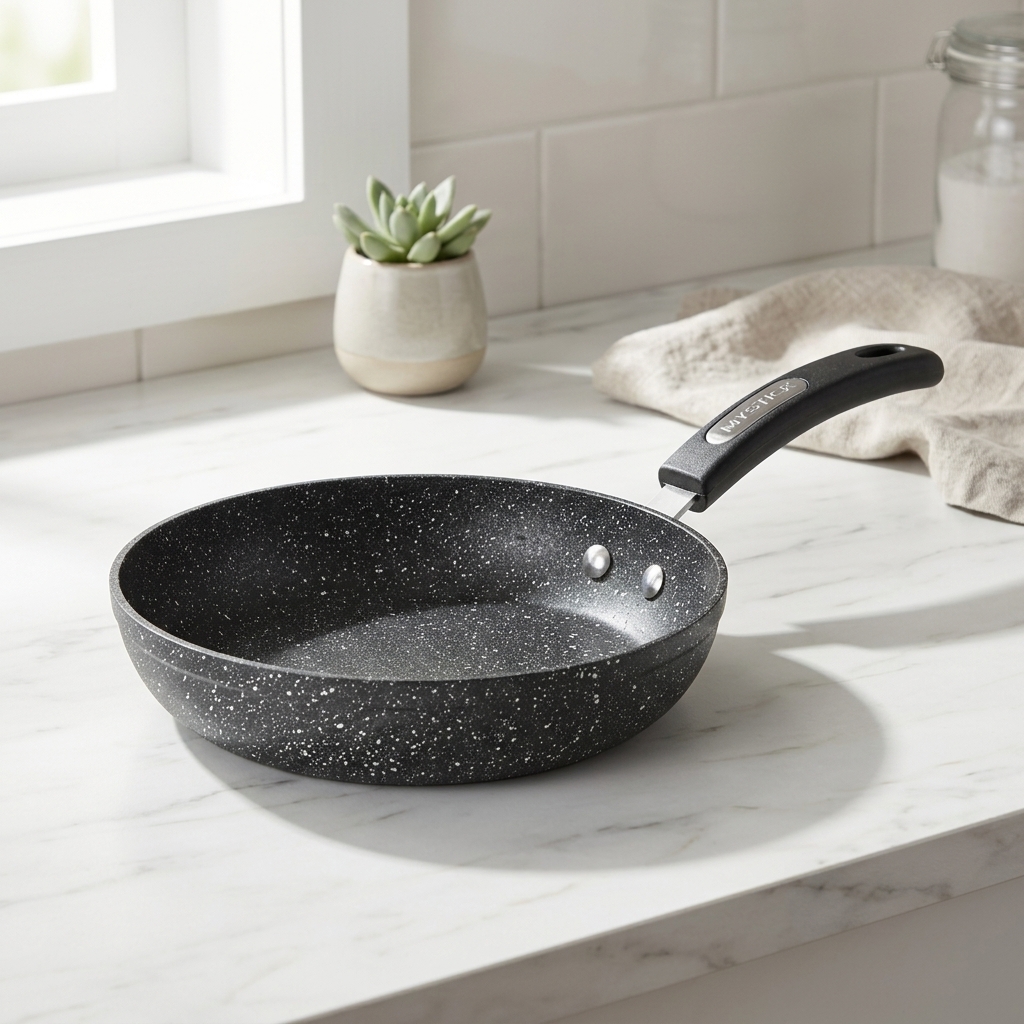
The culinary and baking infrastructure serving the Vatican City State (Stato della Città del Vaticano) and its extraterritorial pontifical institutions operates under unique, rigorous parameters. Encompassing papal residence kitchens, Swiss Guard barracks dining facilities, ecclesiastical colleges, and diplomatic pilgrim reception centers, food preparation in this micro-sovereign territory demands professional kitchenware that combines historical gastronomic precision with uncompromising modern structural standards.
As a verified manufacturer, Zhejiang MEIS Kitchenware Co., Ltd. supplies heavy-gauge carbon steel loaf pans engineered to meet the stringent thermo-conductivity and European food-safety frameworks mandated across Rome and Vatican precincts. Unlike standard consumer bakeware that suffers thermal shock and structural warping under continuous rotation, our commercial-grade carbon steel utilizes high-density stamped and drawn steel sheet, delivering balanced heat retention and uniform Maillard reaction across artisanal yeast breads, liturgical loaves, and traditional festive confectionery.
| Structural Parameter | MEIS Industrial Carbon Steel Loaf Pan | Standard Pressed Aluminum Pan | Cast Iron Bakeware Alternative |
|---|---|---|---|
| Thermal Conductivity Rate | Balanced thermal gradient; avoids crust scorching during long bakes | Rapid heat surge; frequently leads to thin, overcooked bread corners | Sluggish initial absorption; requires lengthy preheating cycles |
| Structural Warp Resistance | Reinforced wire-rimmed hem edge; zero distortion up to 260°C (500°F) | Prone to base buckling during thermal transition cycles | Extremely brittle; vulnerable to micro-fractures under heavy impacts |
| Coating Release Matrix | Double-layer silicone non-stick or ceramic; PFOA/PTFE compliant | Single-coat standard PTFE; limited resistance to abrasive sugar crystals | Requires periodic manual seasoning with oil; susceptible to moisture rust |
| Handling Ergonomics | Lightweight yet rigid; facilitates swift pan loading in deck ovens | Lightweight, but edges bend easily under full multi-kilo dough weight | Excessively heavy; creates operational fatigue in commercial kitchens |
Anticipating operational shifts across institutional catering, ceremonial hosting, and sustainable material compliance.
Following strict European Food Safety Authority (EFSA) guidance and Italian health ministerial regulations, institutional buyers serving pontifical convents and diplomatic hospices are strictly phasing out legacy coatings. MEIS provides organofluorine-free ceramic and multi-layer silicone food-safe surfaces engineered to endure abrasive sourdough fermentation without leaching.
Procurement teams managing holy feasts, Jubilee celebrations, and canonization events require bakeware capable of handling massive seasonal production surges. Our carbon steel pans maintain uniform heat transfer across convection deck racks, allowing continuous production of artisanal *Panettone*, *Colomba*, and brioche-style loaves without crust burn or structural warping.
Consolidated delivery within the historic Aurelian walls and Vatican gates demands strict customs packaging and standardized stackability. MEIS develops nested loaf pans featuring folded corners and wire reinforcement that optimize container cube utilization, reducing freight overheads for regional distributors and hotel supply importers based in Lazio.
TÜV Rheinland On-Site Assessed Production Facility in Jinhua, Zhejiang, China.
Unlike export traders, Zhejiang MEIS operates its own pressing, punching, CNC finishing, surface degreasing, spray coating, and assembly lines within Dongnan Industrial Zone, Jinhua. Every step of our manufacturing is third-party audited for quality control and structural traceability.
Equipped with high-precision CNC equipment, precision lathes, and hydraulic pressing molds, our engineering department provides complete OEM and ODM design-based customization, translating technical drawings into physical loaf pan prototypes within rapid development cycles.
Every commercial production batch undergoes comprehensive in-house mechanical and environmental testing: cross-hatch coating adhesion checks, salt spray corrosion verification, handle torsion fatigue tests, and base thermal stability screening before export packing.
Years in Manufacturing
Years on Alibaba.com
Verified Factory Staff
Food Safety Certified
Direct technical and operational answers for institutional buyers, commercial hotel suppliers, and wholesale importers.
Consult directly with our engineering and export team for custom OEM/ODM tooling quotes, technical material datasheets, and sample evaluations.
Send an Inquiry