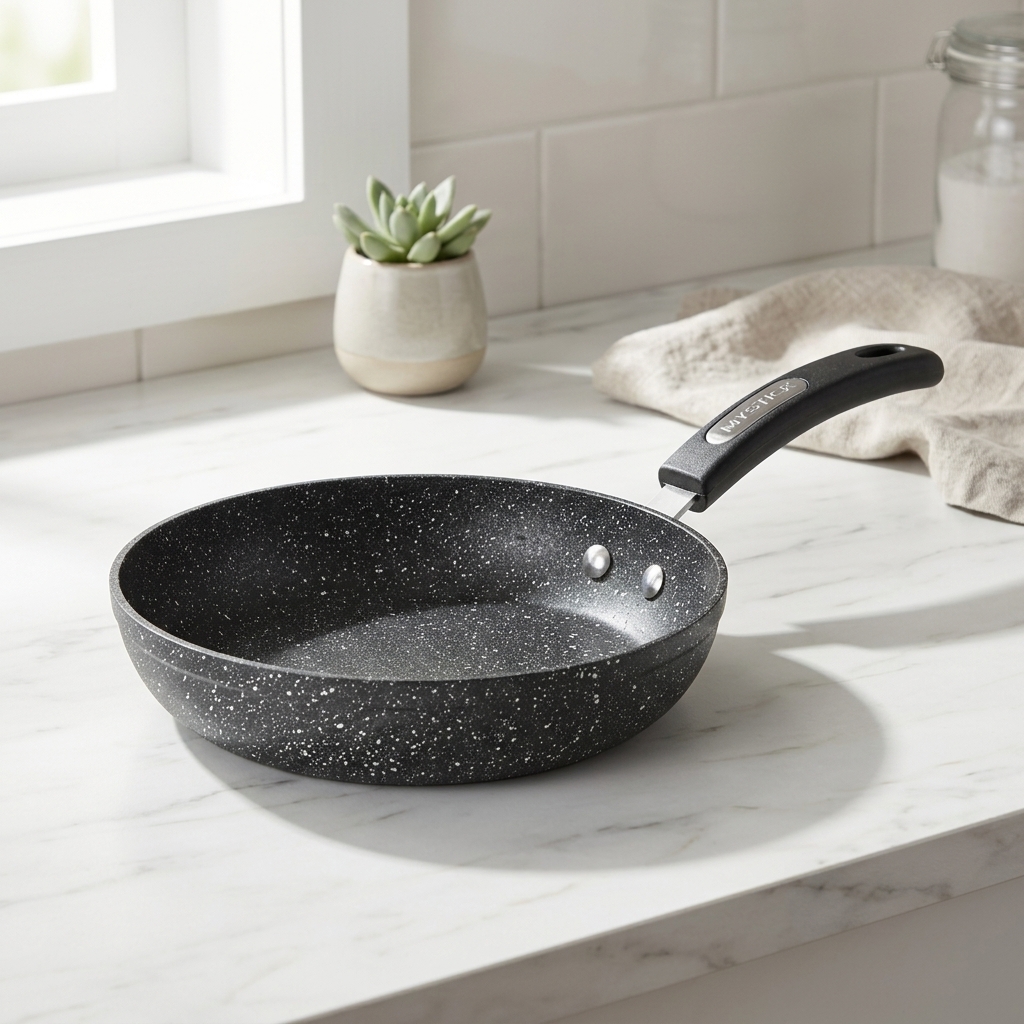
Factory Direct Catalog
Featured Cookware & Bakeware Series
Engineered for High-Volume Duty, Superior Thermal Conductivity, and Food-Grade Nonstick Performance
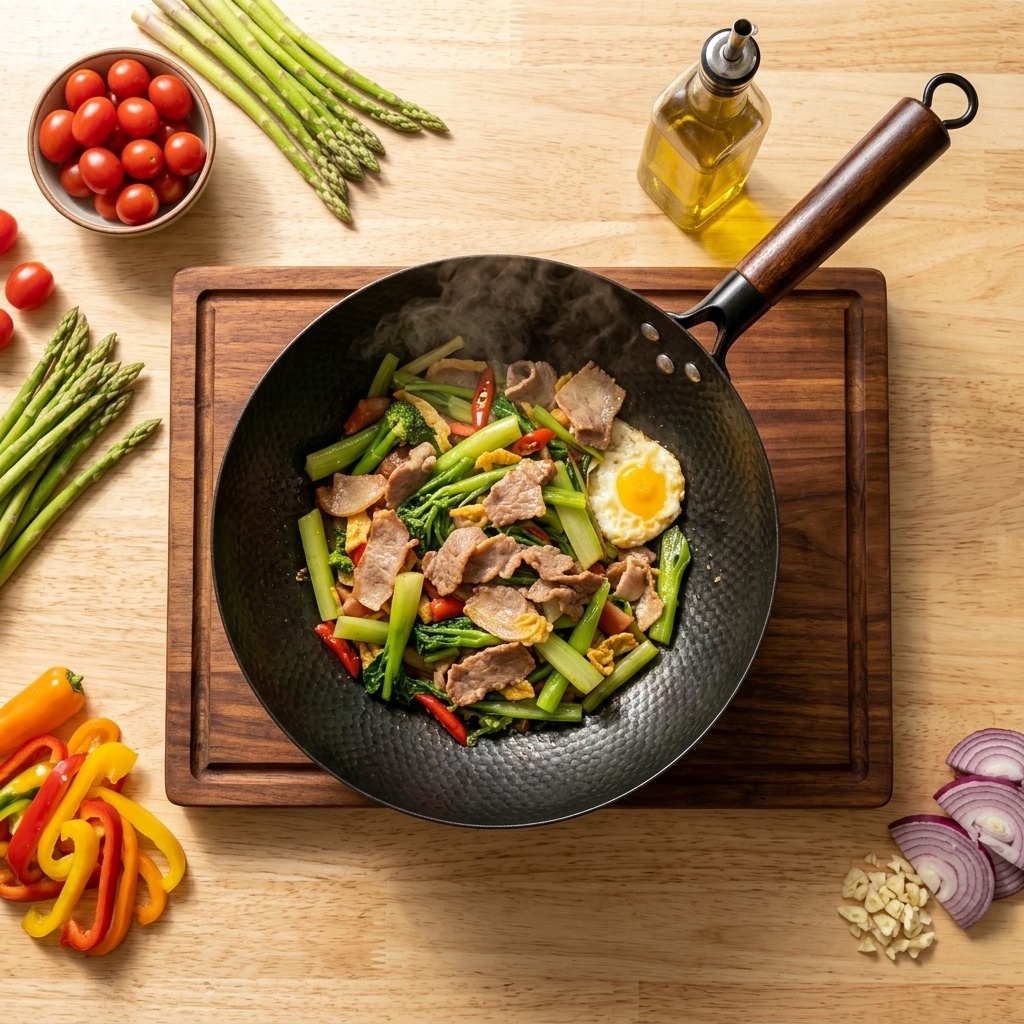
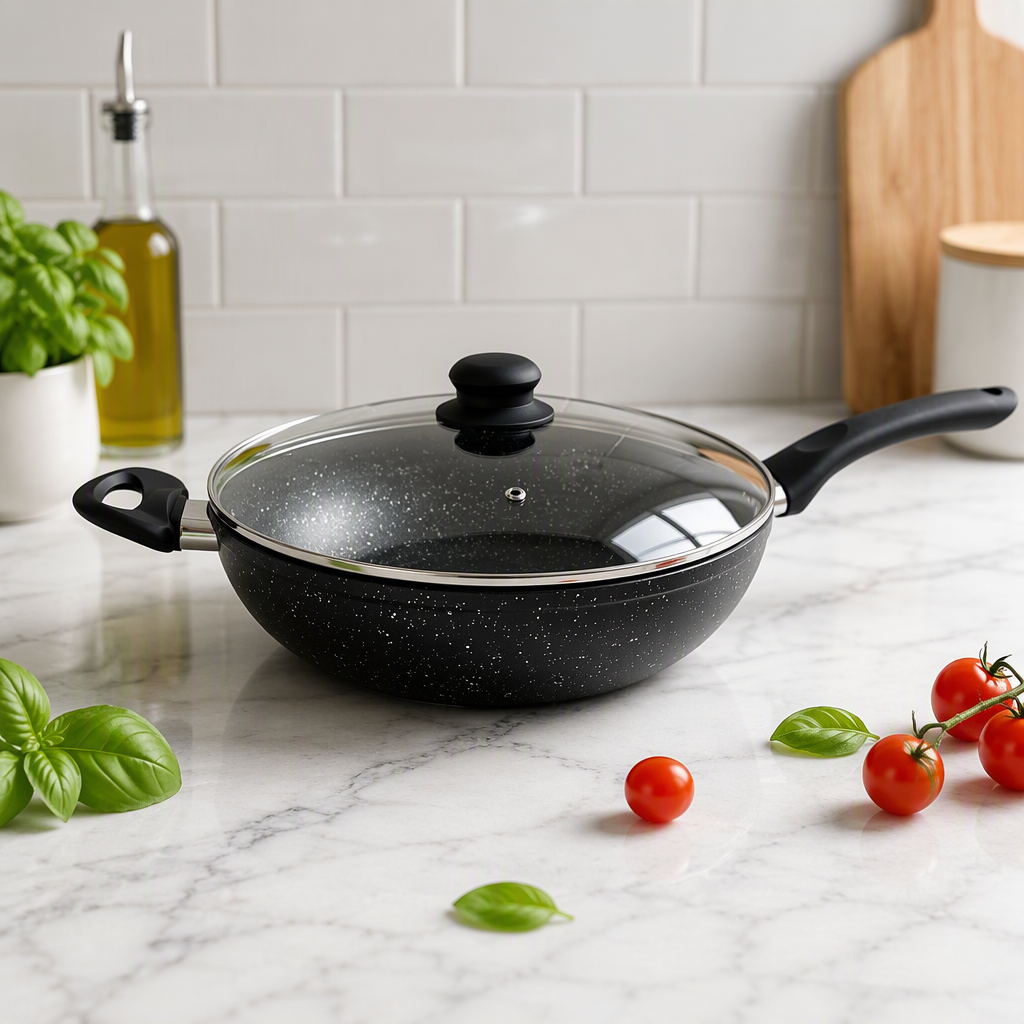
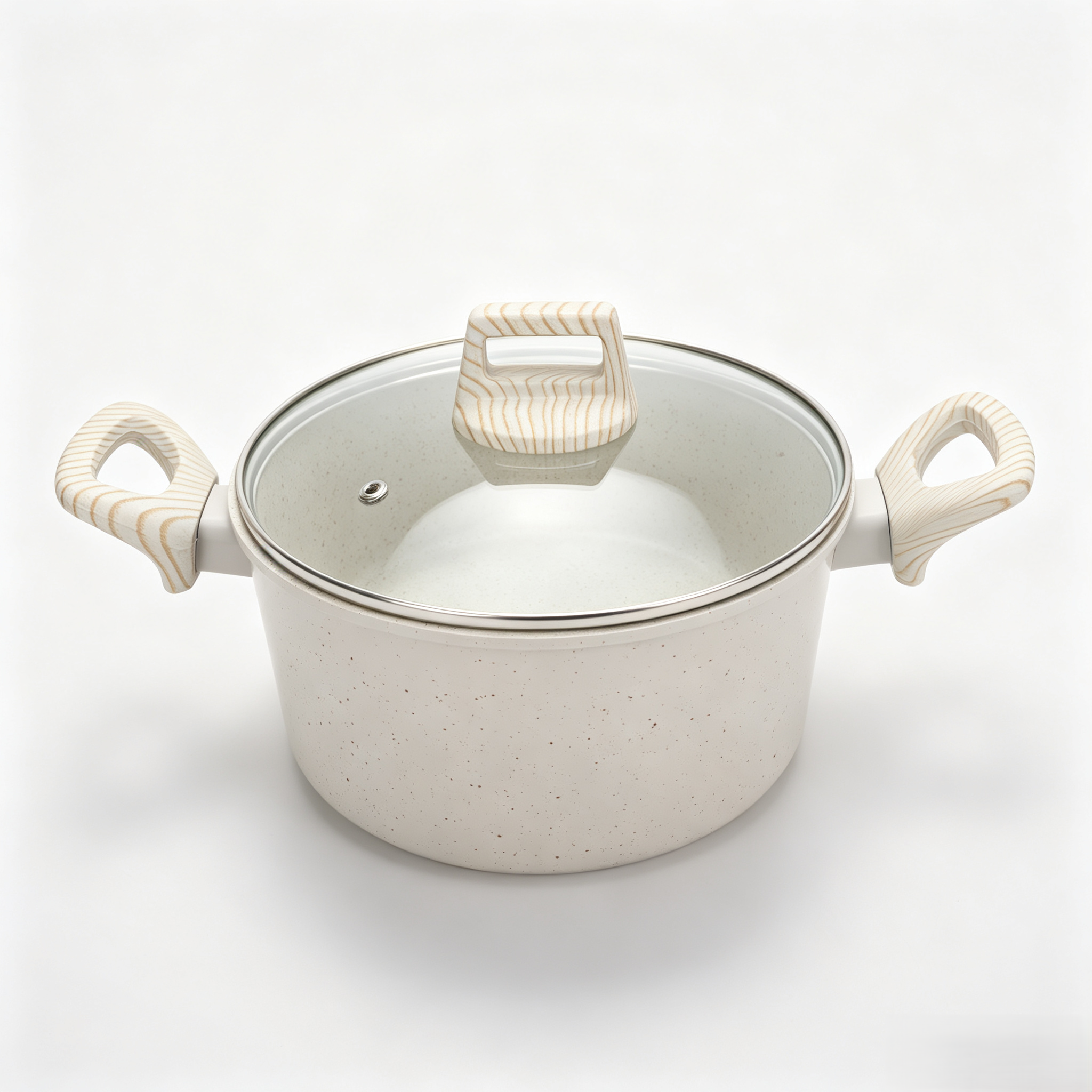
Industry Whitepaper & Technical Guide
Carbon Steel Loaf Pan Sourcing & Engineering for the Iași Market
A Comprehensive Analysis of Metallurgical Selection, Industrial Baking Physics, European Regulatory Compliance, and B2B Supply Chain Optimization for Eastern Romania
20+
Years Manufacturing Expertise
50W/mK
Carbon Steel Heat Conductivity
100%
LFGB & EU 1935/2004 Compliant
TÜV
On-Site Verified Facility
As the primary economic, cultural, and academic hub of Moldavia in Eastern Romania, Iași has experienced rapid modernization across its commercial baking, food processing, and retail sectors. Modern industrial bakeries located in industrial clusters like Miroslava and Păcurari, along with artisanal bakeries around Copou and Palas, are shifting away from traditional low-efficiency pans toward high-performance carbon steel loaf pans. Achieving consistent crust coloration, optimum oven rise, and rapid thermal cycling requires an exact understanding of pan metallurgy, nonstick coating systems, and manufacturing precision.
This technical whitepaper provides commercial procurement managers, bakery facility directors, and OEM private-label brand buyers in Iași with actionable data on sourcing carbon steel bakeware directly from accredited Chinese manufacturing facilities, such as Zhejiang MEIS Kitchenware Co., Ltd.
1. Metallurgical Advantage: Why Heavy-Gauge Carbon Steel Outperforms Alternatives
In high-throughput industrial and commercial baking environments, the choice of substrate material dictates heat transfer speed, structural integrity under repeated thermal shock, and long-term operating costs. Carbon steel (specifically cold-rolled low-carbon steel sheets with 0.05% to 0.15% carbon content) provides a unique thermal balance between lightweight aluminum and heavy cast iron.
Thermal Flux Efficiency: Heavy-gauge carbon steel (0.8mm to 1.2mm nominal thickness) possesses a thermal conductivity rating of approximately 45–50 W/(m·K). Unlike aluminum, which dissipates heat rapidly upon removal from the oven deck, carbon steel retains sufficient localized thermal inertia to ensure uniform Maillard browning and gelatinization of starches across the entire loaf perimeter.
For bakeries in Iași producing regional specialties like traditional pâine de casă or high-sugar cozonac, heat control is critical. Excessively high localized temperatures cause surface caramelization and burning before the core reaches full crumb structure. Carbon steel diffuses radiant and convective heat evenly across the loaf bottom and sidewalls, mitigating scorched edges.
| Substrate Parameter | Heavy-Gauge Carbon Steel (1.0mm) | Commercial Cast Iron (4.0mm) | Pressed Aluminum (1.8mm) | Stainless Steel 304 (0.8mm) |
|---|---|---|---|---|
| Thermal Conductivity | 45 - 50 W/(m·K) | 42 - 52 W/(m·K) | 160 - 210 W/(m·K) | 15 - 17 W/(m·K) |
| Warp Resistance (>250°C) | Exceptional (High Yield Strength) | Maximum (Brittle under shock) | Moderate (Prone to rim bowing) | Moderate (Thermal distortion) |
| Oven Heat Energy Retention | Optimal (Balanced Cooling Curve) | Excessive (Slow response) | Low (Rapid thermal drop) | Poor (Hot spots present) |
| Industrial Bake-Cycle Life | 3,000+ Cycles (Coated) | 5,000+ Cycles (Uncoated) | 1,200+ Cycles | 2,000+ Cycles |
| Cost-to-Weight Ratio | High Advantage | Low (Heavy shipping mass) | Moderate | High Unit Cost |
2. Localized Application Scenarios across Iași & Moldavia Region
Procurement intent in Iași spans multiple distinct market segments, each presenting specific technical demands for carbon steel loaf pan design and coating endurance:
Industrial Commercial Bakeries
Located in the outskirts of Iași (e.g., Miroslava and Ciurea industrial parks). These automated lines require standardized 1.0mm carbon steel loaf pans with reinforced rolled edges containing internal steel wire rings. This design resists mechanical deformation caused by automatic pneumatic de-panning arms and conveyor belts.
Artisanal Bakeries & Patisseries
Boutique bakeries in central Iași (near Stefan cel Mare Boulevard and Copou) specialize in long-fermentation sourdough breads, enriched brioches, and traditional Cozonac. They require deep-dish carbon steel loaf pans with silicone-based organoceramic nonstick coatings capable of handling high-sugar, high-fat batters without sticking.
Retail & Private-Label Brands
Importers and supermarket suppliers operating across Eastern Romania demand retail-ready carbon steel loaf pan sets packaged with customized color sleeves, barcode labeling, and scratch-resistant nesting designs for space-efficient store displays across Carrefour, Auchan, and local Romanian retail chains.
3. Emerging Trends & Strategic Procurement Drivers in Iași
The Romanian food production and retail sector is governed by strict European Union regulatory frameworks. B2B buyers in Iași are prioritizing three major strategic drivers when choosing overseas manufacturing partners:
A. Transition to PFAS/PFOA-Free Food-Contact Coatings
With impending EU-wide restrictions under the REACH framework targeting Per- and Polyfluoroalkyl Substances (PFAS), commercial buyers in Iași are actively replacing traditional PTFE nonstick coatings. Advanced factory production lines now utilize silicone-polyester coatings, organoceramic nonstick systems, and titanium-reinforced ceramic matrices. These coatings deliver instant release without releasing harmful volatile organic compounds (VOCs) at high baking temperatures (>230°C).
B. Energy Conservation & Thermal Efficiency
Energy tariffs across Eastern Europe have focused attention on oven thermal efficiency. Due to carbon steel's rapid thermal response and high emissivity, commercial deck ovens using 1.0mm carbon steel pans reach steady-state core temperatures up to 8% faster than thick cast aluminum pans. This translates to measurable electrical or gas savings over millions of annual baking cycles.
C. Streamlined Logistics Corridor: Ningbo/Shanghai to Iași
Logistical efficiency is paramount for maintaining stock stability in Iași. Direct ocean freight container shipping from Chinese ports (such as Ningbo-Zhoushan or Shanghai) to the Port of Constanța on the Black Sea, followed by rail or truck feeder lines via the A7 highway corridor, offers a predictable transit loop of 28–34 days. Custom clearance at Romanian customs hubs is streamlined when product documentation includes certified chemical migration test reports (LFGB / EU 1935/2004).
4. Manufacturer Rigor: Zhejiang MEIS Kitchenware Enterprise Capabilities
When sourcing carbon steel loaf pans from China, verification of manufacturing depth and quality control systems is essential to mitigate supply chain risks. Zhejiang MEIS Kitchenware Co., Ltd. (located in Dongnan Industrial Zone, Shuxi Street, Jinhua, Zhejiang) stands out as an audited, TÜV Rheinland-verified direct manufacturer.
In-House Vertical Integration: MEIS Kitchenware executes all core manufacturing phases under one rooftop: high-speed hydraulic stamping, automatic mechanical rim trimming, automated shot-blasting surface preparation, robotic electrostatic nonstick liquid spray lines, high-temperature tunnel curing ovens, and automated packing stations.
Technical Factory Breakdown & Audit Data:
- Operational Footprint & Workforce: 105 verified technical and operational personnel operating multiple automated production lines.
- Tooling & Mold Development: In-house mold-making department featuring high-precision lathes and CNC machining centers capable of turning custom loaf pan prototypes within 7 to 10 days.
- Quality Management Protocol: Rigorous 3-tier inspection standard covering raw material metal gauge uniformity, dry-film coating thickness (DFT) checks (20–35 µm tolerance), cross-hatch coating adhesion testing (ISO 2409 / ASTM D3359), and salt-spray corrosion testing.
- International Accreditation: On-site verified by TÜV Rheinland, fully compliant with ISO quality benchmarks, FDA food-contact standards, and European LFGB certification.
5. Customization Matrix for B2B OEM/ODM Procurement
For commercial clients and private-label distributors in Iași requiring tailored product specs, our factory provides complete design-based and functional customization options:
| Specification Parameter | Standard Commercial Option | Heavy-Duty / Custom Option |
|---|---|---|
| Base Metal Gauge | 0.4mm - 0.6mm (Retail line) | 0.8mm - 1.2mm (Industrial Bakery Grade) |
| Interior Nonstick Coating | 2-Layer Food-Grade Nonstick | 3-Layer Titanium-Reinforced / Ceramic Matrix |
| Exterior Finish | High-Heat Resistant Color Lacquer | Textured Granite/Marble or Matt Black Silicone |
| Rim Reinforcement | Standard Flat Folded Edge | Encapsulated Heavy-Gauge Carbon Steel Wire |
| Base Geometry | Smooth Flat Bottom | Corrugated / Dimpled Bottom for Air Release |
| Branding & Packaging | Laser Etched Logo / Stamp | Custom Embossed Base Logo + Retail Gift Box |
6. Comprehensive Procurement FAQ for Iași Buyers
Is Zhejiang MEIS Kitchenware a direct factory or a trading agent?
Zhejiang MEIS Kitchenware Co., Ltd. is a TÜV Rheinland on-site verified manufacturer operating its dedicated production facility in Jinhua, Zhejiang, China. We manage our own press lines, CNC equipment, automated coating spray systems, and quality control labs, allowing buyers in Iași to source directly from the source without intermediary markups.
What food safety certifications accompany carbon steel loaf pan shipments to Romania?
All carbon steel loaf pans exported to Romania and the broader European Union comply with Regulation (EC) No 1935/2004, German LFGB standards, and REACH regulations regarding heavy metal limits (lead, cadmium) and PFOA/PFAS-free compliance. Full chemical migration test documentation from accredited testing laboratories (SGS, TÜV, Intertek) is provided with each production lot.
What is the Minimum Order Quantity (MOQ) for custom loaf pans?
For fully customized OEM orders (custom dimensions, specific color coating, laser-etched branding, and bespoke packaging), the standard MOQ is typically 1,000 to 3,000 pieces per item size. However, for trial orders or standard stock configurations, smaller quantities can be accommodated upon request.
How does carbon steel handle high-sugar bakery products like Romanian Cozonac?
High-sugar doughs tend to stick and scorch in conventional pans due to localized sugar caramelization. Our carbon steel loaf pans engineered for traditional European baking feature double- or triple-layer food-grade silicone-organoceramic nonstick coatings that maintain smooth release capabilities even at sugar concentrations exceeding 20% in the recipe matrix.
What is the expected shipping schedule and route from your factory to Iași?
Goods are typically containerized at our Jinhua factory and trucked to Ningbo or Shanghai Port (1-2 days). Ocean transit to the Port of Constanța takes approximately 24 to 28 days. Customs clearance and inland transit via rail/truck to warehouses in Iași require an additional 4 to 6 days, making the total door-to-door timeline approximately 32 to 38 days.
Can you manufacture custom-sized loaf pans based on existing technical drawings or samples?
Yes. Our in-house mold and tooling engineering team can analyze 3D CAD files (STEP/IGES) or physical reference samples sent from Iași. We generate detailed 2D production blueprints, fabricate sample molds, and deliver finished pre-production samples within 10 to 14 business days for customer testing and sign-off.
Partner with a Verified Carbon Steel Bakeware Manufacturer
Elevate your commercial baking operations or expand your retail product line in Iași with factory-direct pricing, certified food-safe nonstick coatings, and dedicated OEM support.
Send an Inquiry