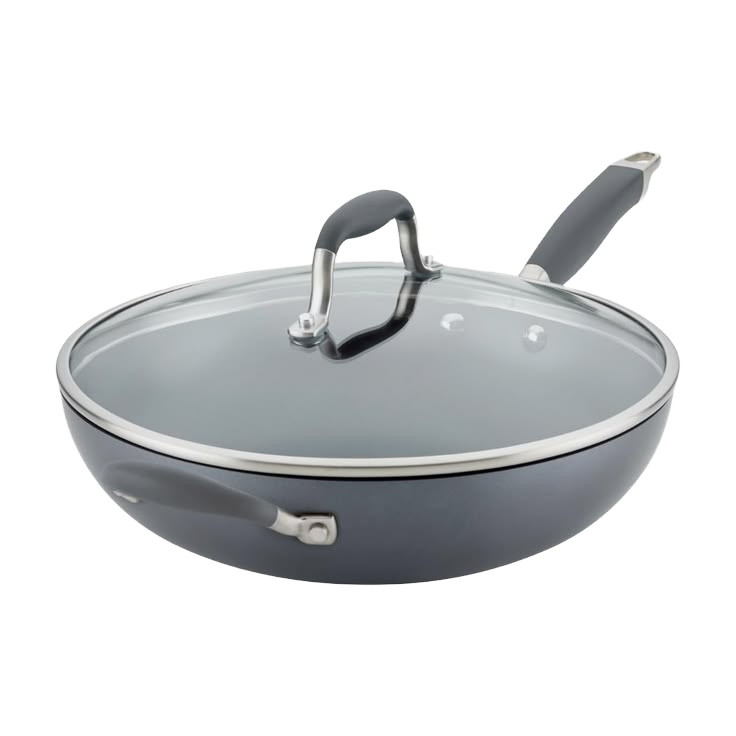
High-Performance Commercial Cookware & Roasting Systems
Direct-factory supply lines engineered from forged aluminum, carbon steel, and composite induction materials. Optimized for high heat transfer, structural rigidity, and commercial kitchen durability.
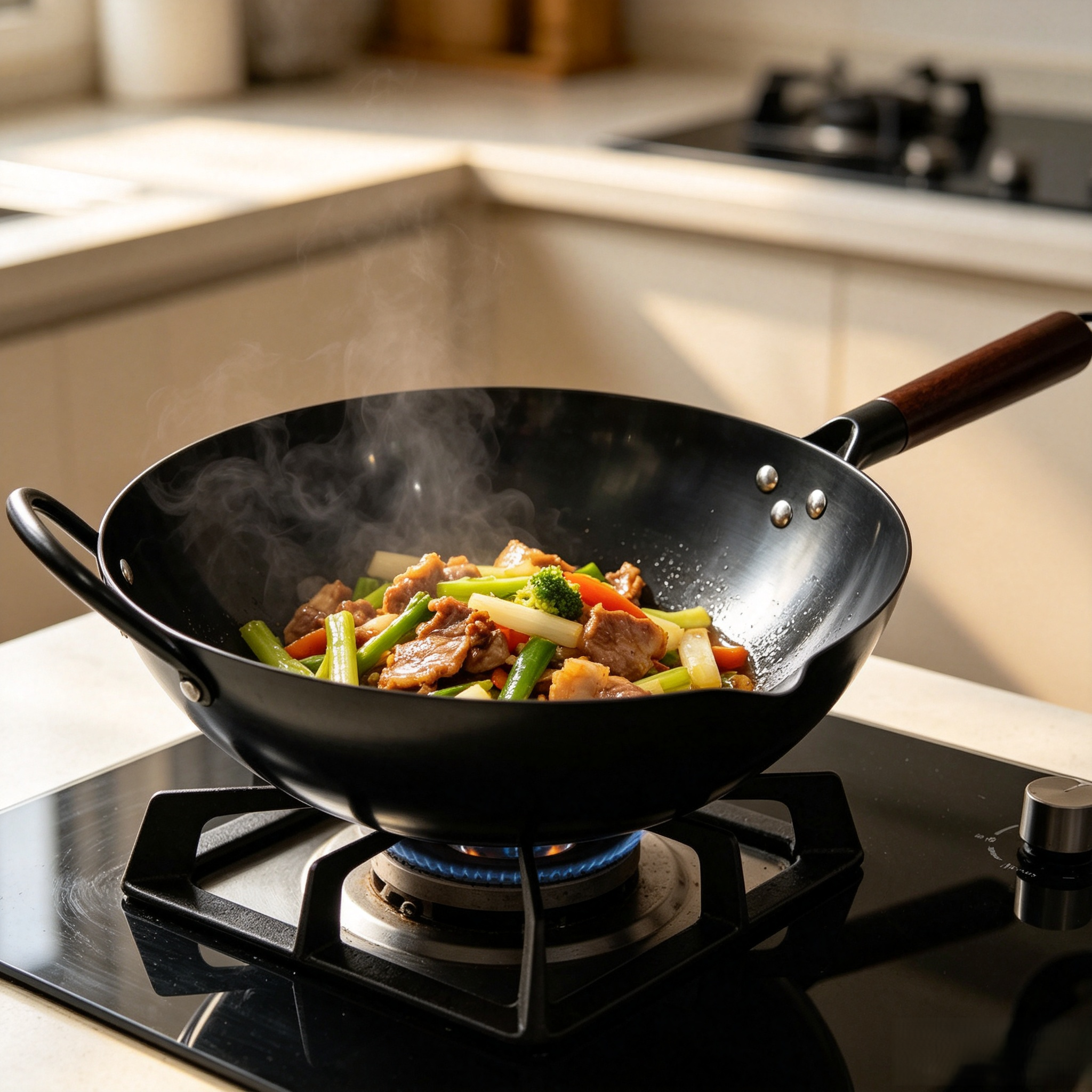
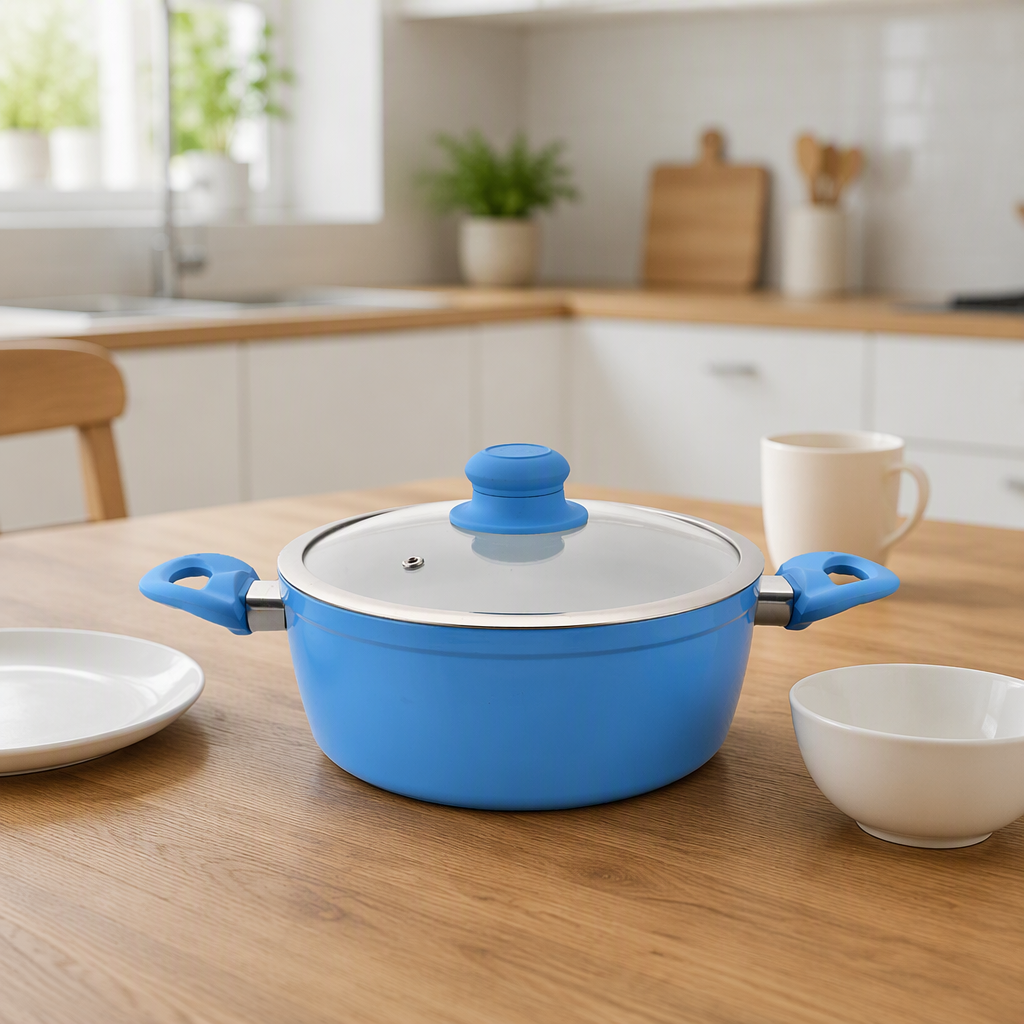
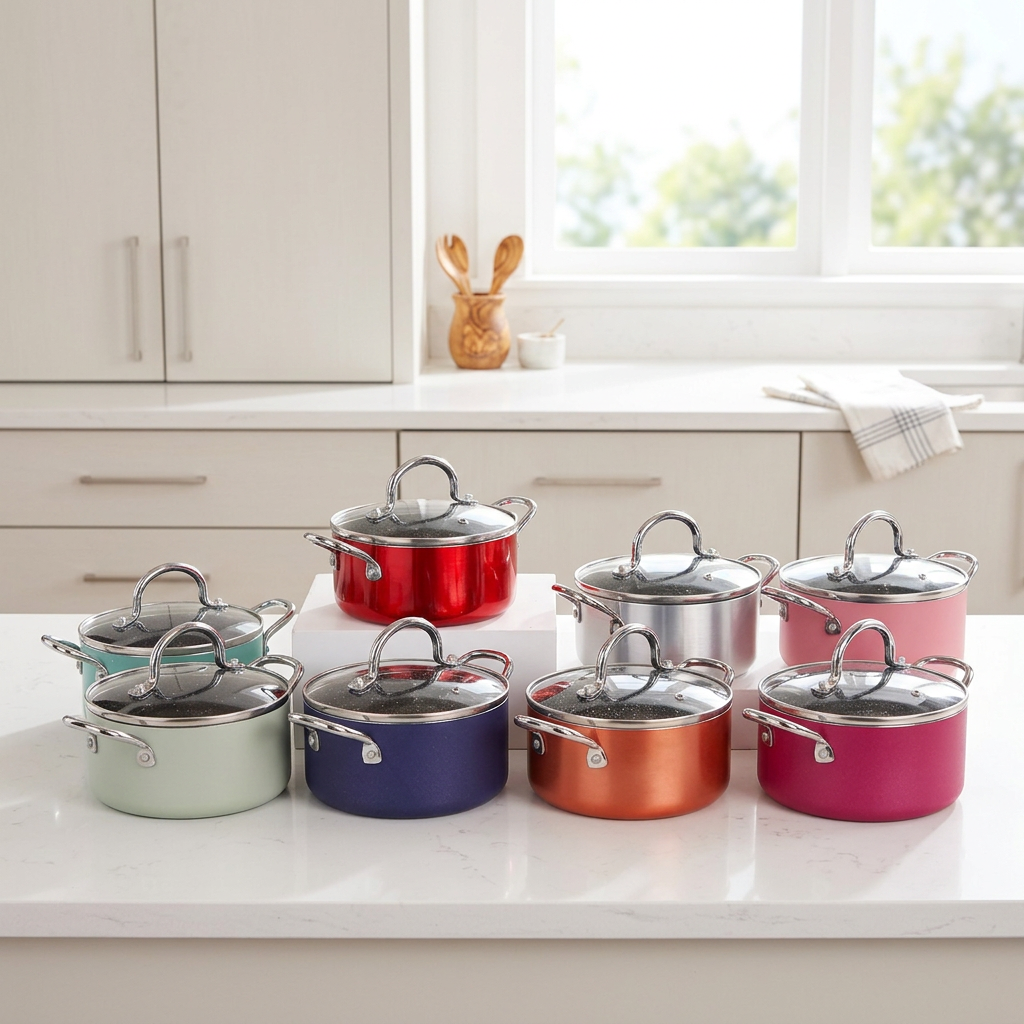
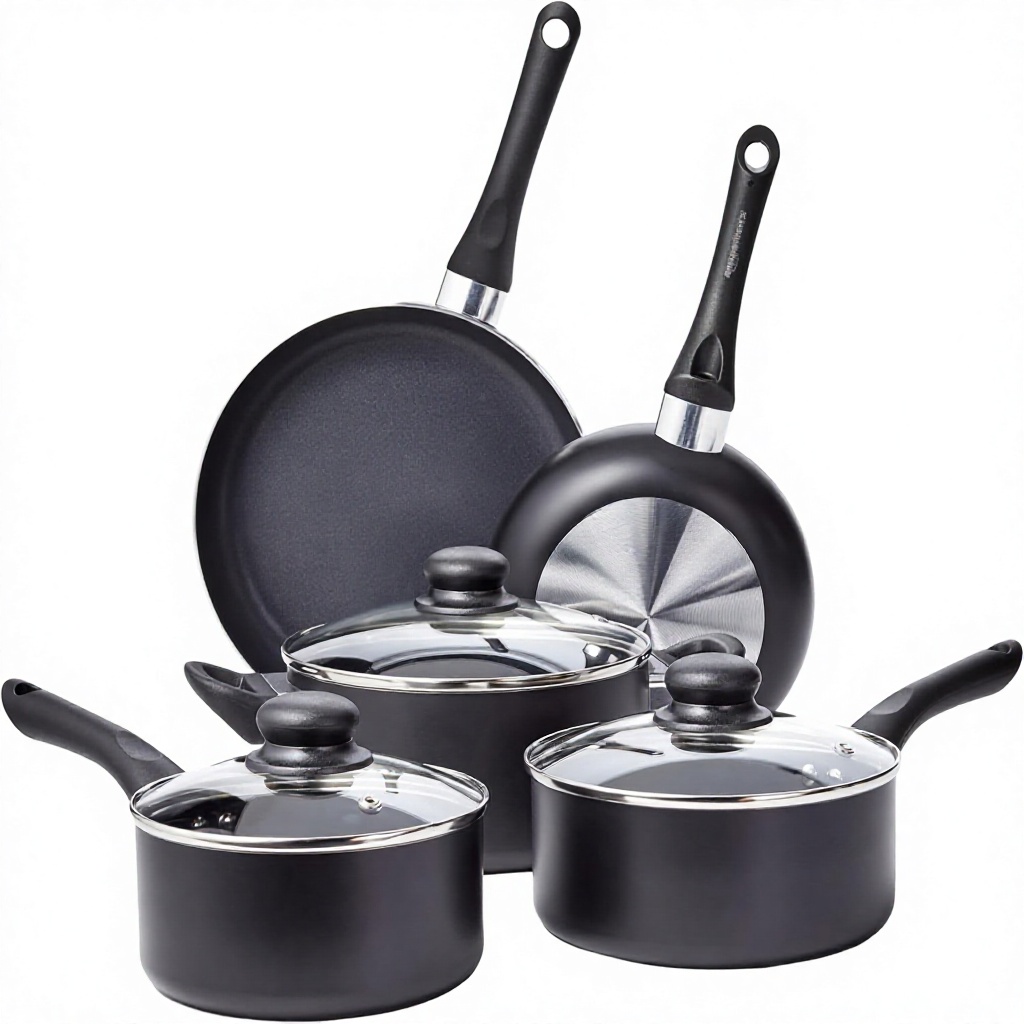
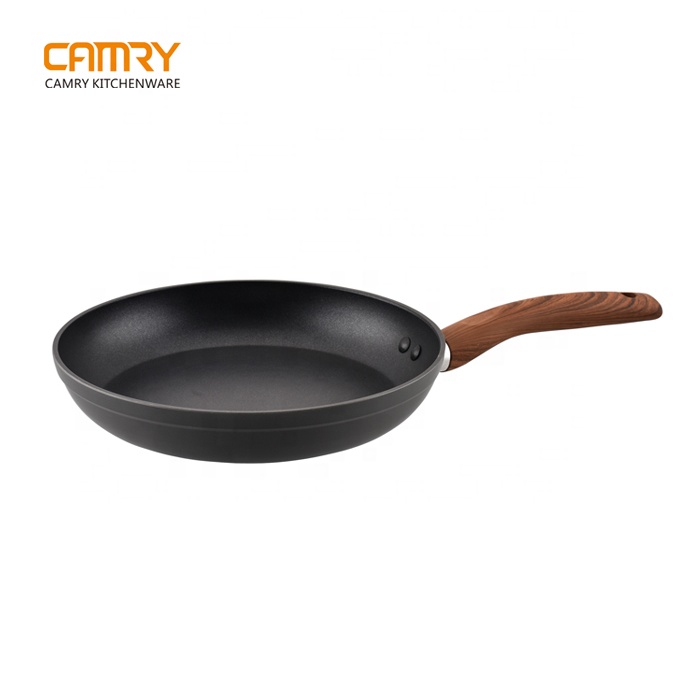
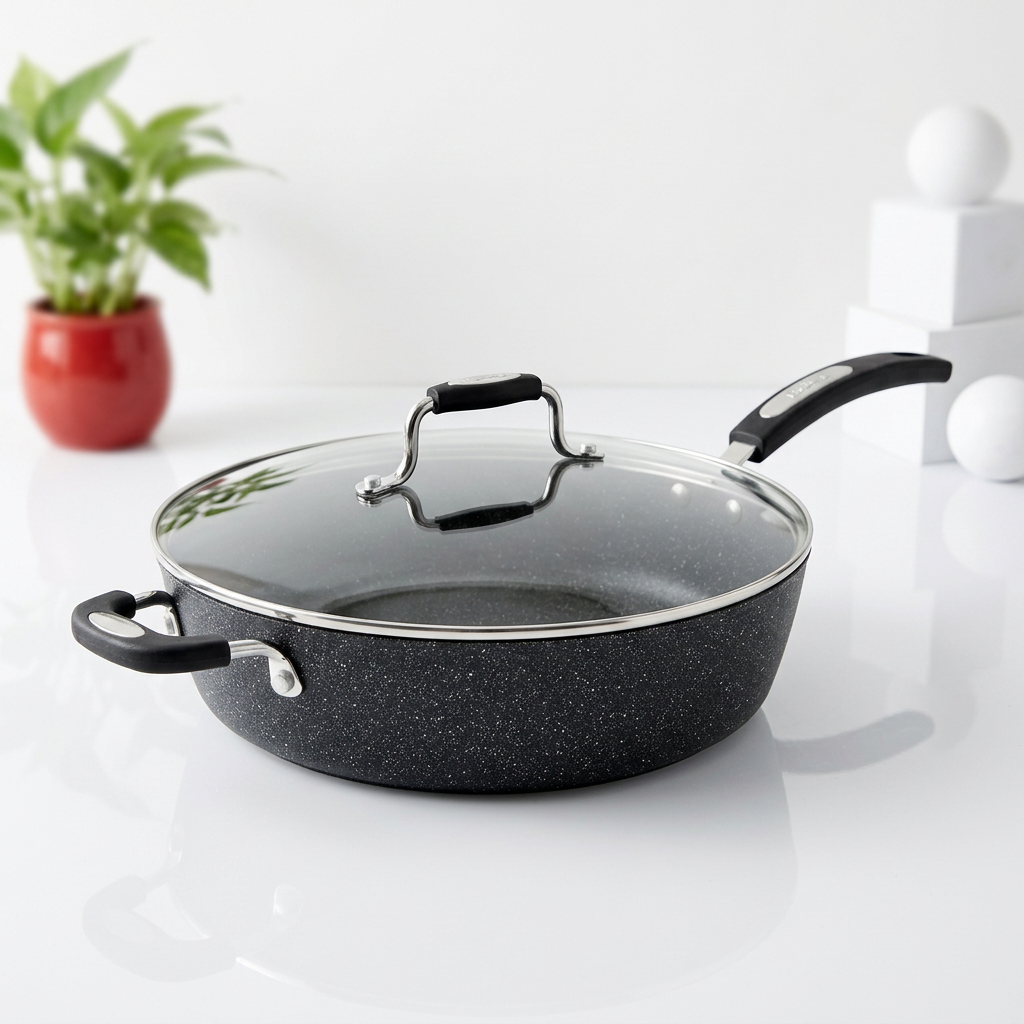
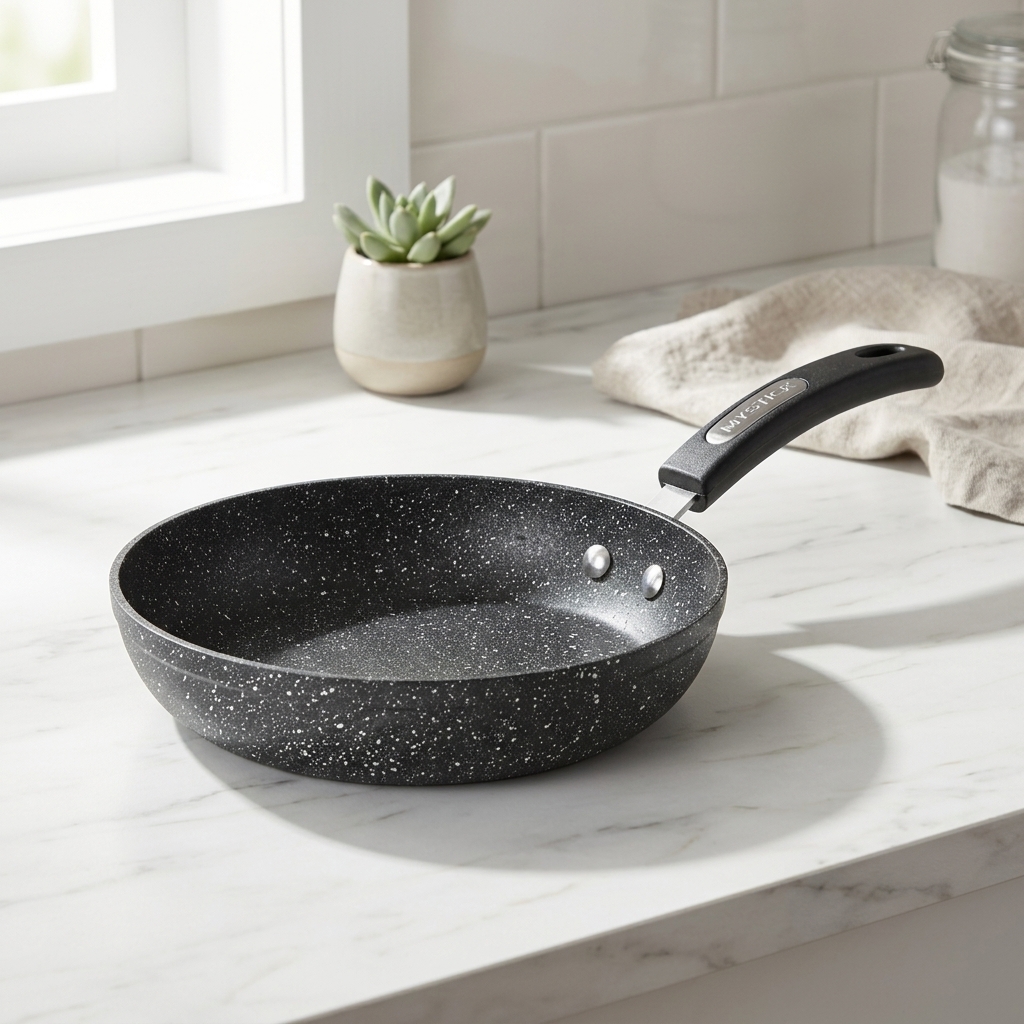
Engineering High-Performance Carbon Steel Roasting Trays for the Portland Commercial Kitchen Ecosystem
The culinary infrastructure of Portland, Oregon—spanning the historic Pearl District, Central Eastside Industrial District, and the broader Willamette Valley gastronomic corridor—demands bakeware and roasting hardware that seamlessly merge structural resilience with exact thermal response. Unlike mass-consumer aluminum pans that warp under sudden temperature deltas, commercial-grade carbon steel roasting trays bridge the performance gap between heavy cast iron and rapid-heating aluminum alloys.
Fabricated from cold-rolled sheet steel ranging from 0.8 mm up to 2.0 mm thickness, our roasting trays deliver a bulk thermal conductivity of approximately 45–54 W/(m·K), paired with a density that resists thermal torsion up to 650°F (343°C). For regional institutional procurers, specialty distributors, and private-label culinary brands operating along the I-5 corridor, selecting the appropriate metallurgy, edge curling technique, and surface passivation profile is paramount to satisfying both Portland's rigorous environmental compliance frameworks and aggressive commercial kitchen cycles.
20+
Years Engineering Expertise
100%
TÜV Rheinland Verified Factory
650°F
Thermal Torsion Resistance
0PFAS
Oregon SB 543 Clean Compliance
Localized Applications: How Portland Culinary Operations Utilize Carbon Steel
From sustainable root-to-stem vegetable charring to high-volume commercial bakery sheet production, our roasting vessels are engineered for the specific culinary practices defining the Pacific Northwest.
Farm-to-Table High-Heat Vegetable Roasting
Portland's renowned farm-to-table restaurants celebrate Willamette Valley produce—such as kabocha squash, sunchokes, and winter root vegetables. High-gauge carbon steel roasting trays facilitate rapid Maillard browning without boiling moisture, preventing the soggy caramelization typical of flimsy bakeware.
Commercial Sourdough & Artisan Bakeries
The Pacific Northwest's micro-bakery boom requires pans that endure intense bottom heat while preserving delicate crust aeration. Carbon steel trays exhibit consistent radiant emittance across their surface, ensuring sourdough loaves, focaccias, and viennoiserie develop crisp crusts and even oven spring.
Craft Smokehouse & Protein Roasting
Pacific salmon, hazelnut-fed pork belly, and cedar-smoked fowl require heavy roasting pans that comfortably seat stainless wire roasting racks. The carbon steel base collects roasting drippings efficiently without burning, offering chefs rich deglazing foundations for pan sauces directly over open burners.
Regulatory Drivers & Industry Trends Across the Oregon Market
Strategic sourcing requires staying ahead of state-level consumer safety statutes, industrial decarbonization targets, and regional freight corridors.
Oregon SB 543 & PFAS Legislative Transition
Oregon's aggressive ban on intentionally added per- and polyfluoroalkyl substances (PFAS) has transformed commercial kitchen procurement. Regional buyers are discarding legacy fluoropolymer-coated pans in favor of naturally seasoned, nitrided, or sol-gel ceramic coated carbon steel trays that guarantee complete chemical inertness under sustained broiler heat.
Replacement of Single-Use Commercial Foil
Portland's zero-waste and circular economy initiatives put pressure on hospitality kitchens to abandon disposable aluminum foil and single-use trays. Heavy-gauge carbon steel bakeware offers virtually unlimited commercial lifespan, supporting sustainability goals while driving down long-term operating costs.
Port of Portland & Multimodal Freight Optimization
Direct ocean freight handling through Port of Portland Terminal 6, integrated with Columbia River barging and Puget Sound feeder connections, gives local importers significant distribution efficiency. Factory-direct palletized packaging minimizes volumetric freight deadweight, safeguarding carton integrity during ocean transit.
Material Engineering Matrix: Roasting Tray Performance Comparison
Evaluate key technical trade-offs across common commercial bakeware alloys to optimize private-label margins and operational durability.
| Evaluation Parameter | Cold-Rolled Carbon Steel (MEIS) | Heavy-Gauge Pressed Aluminum | Commercial 304 Stainless Steel | Cast Iron Roasting Vessels |
|---|---|---|---|---|
| Thermal Conductivity | 48–54 W/(m·K) (Fast, Uniform Response) | 160–210 W/(m·K) (Rapid, Low Heat Retention) | 14–16 W/(m·K) (Uneven Hot Spots) | 45–50 W/(m·K) (High Thermal Lag) |
| Warp & Torsion Resistance | Superior (Up to 650°F / 343°C) | Moderate (Warps if sheet <2.0mm) | High (Requires laminated core) | Extreme (Brittle to mechanical shock) |
| Induction Compatibility | Naturally Ferromagnetic (100%) | Requires Impact-Bonded Plate | Only with Ferritic 430 Base | Naturally Ferromagnetic (100%) |
| Tare Weight & Handling | Medium (Optimized for Commercial Racks) | Ultra-Light (Prone to rim denting) | Medium-Heavy (Ergonomically sound) | Excessive (Difficult in high-speed prep) |
| Surface Treatment Options | Nitriding, Seasoned, Sol-Gel Ceramic, Enamel | PTFE, Ceramic Non-Stick, Hard-Anodized | Electro-polished, Mill-finish raw | Vegetable oil seasoning, Porcelain enamel |
| Landed Sourcing Unit Cost | Highly Competitive / High ROI | Economical Entry Band | Premium / Elevated Cost | Elevated Freight & Material Costs |
Enterprise Strengths: Zhejiang MEIS Kitchenware Co., Ltd.
A proven manufacturing partner based in Jinhua, Zhejiang, providing end-to-end tooling, stamping, surface application, and international regulatory testing for global cookware distributors.
TÜV Rheinland Assessed Manufacturing Base
Our dedicated manufacturing campus in Dongnan Industrial Zone, Shuxi Street, Jinhua, is verified on-site by TÜV Rheinland. Operating across fully owned pressing workshops, automatic coating lines, and integrated assembly facilities, we eliminate intermediary trading markups for North American partners.
In-House Mold Making & CNC Precision Tooling
Equipped with computerized lathes, precision milling machinery, and hydraulic draw presses, MEIS develops bespoke roasting tray geometries, custom stamped logo plates, and ergonomic wire rack accessories within 14–21 sampling days, significantly cutting tooling development cycles.
Exhaustive Quality Assurance Laboratory
Every commercial production batch undergoes standardized testing inside our certified quality laboratory, including 48-hour neutral salt-spray testing, cross-hatch coating adhesion checks, handle torsion fatigue tests, and ASTM thermal shock cycles to guarantee peak performance in high-volume hospitality use.
Portland Importers & Procurement FAQ
Clear, direct answers regarding customs tariffs, West Coast logistics, material certifications, and custom branding for commercial buyers.
What are the key advantages of selecting carbon steel over standard aluminum roasting trays for Portland commercial kitchens?
+
While commercial aluminum sheet pans are lightweight and heat quickly, they soften at high temperatures, frequently warping when exposed to sudden temperature shifts—such as deglazing with cold stock under an open gas broiler. Carbon steel provides superior structural rigidity and tensile strength at thicknesses of 1.0 mm to 1.5 mm, resisting bowing and torsion up to 650°F (343°C). Furthermore, carbon steel is naturally ferromagnetic, allowing commercial kitchens in Portland utilizing induction cooktops and induction-based holding stations to transfer heat directly through the pan without specialized bonded bases.
How does MEIS support compliance with Oregon SB 543 and US FDA non-toxic food-contact requirements?
+
Zhejiang MEIS Kitchenware Co., Ltd. strictly formulates non-stick and passivation treatments in full compliance with Oregon Senate Bill 543 and California Proposition 65 mandates regarding PFAS, PFOA, lead, and cadmium migration. For buyers seeking zero-chemical finishes, we specialize in high-temperature gas nitriding and pre-seasoned vegetable oil finishes on cold-rolled carbon steel, forming an iron oxide and iron nitride layer that yields non-stick release without synthetic polymers. For coated ranges, our sol-gel ceramic and hard-anodized multi-layer coatings are verified by independent third-party laboratories (including TÜV and SGS) to guarantee zero fluorinated chemicals.
What shipping lanes and lead times apply for containerized delivery into the Portland metropolitan area?
+
Ocean shipments depart from Ningbo-Zhoushan Port or Shanghai Port, providing direct transpacific sailings to the US Pacific Northwest. Typical port-to-port ocean transit to the Port of Portland (Terminal 6) or adjacent transshipment hubs at Tacoma/Seattle averages 16 to 22 calendar days. Standard mass production timelines run 35 to 45 days after deposit confirmation and sample approval. We provide full multimodal logistics coordination—including FOB Ningbo, CIF Portland, and DDP warehouse delivery along the I-5 corridor across Multnomah, Washington, and Clackamas counties.
What custom OEM/ODM branding configurations are available for private-label bakeware lines?
+
We provide full-spectrum OEM and ODM customization backed by in-house mold engineering. Customization choices include: laser engraving or bottom-stamp embossing of corporate logos, specialized rim designs (rolled wire rims, folded flat rims, or handle-welded rim flanges), tailor-made 304 stainless steel roasting rack inserts, custom enamel or ceramic color matching via Pantone systems, and retail-ready FSC-certified packaging, color master cartons, or heavy-duty bulk hospitality packaging designed to drop-ship standards.
What are your minimum order quantities (MOQ) and sample verification protocols?
+
Our standard production MOQ for custom carbon steel roasting trays and bakeware ranges from 1,000 to 2,000 pieces per dimensional specification. For standard catalog geometries or initial trial orders intended to validate retail or food service distribution channels in the Oregon market, selected lines can be supported starting at 500 units. Prototype verification samples with custom handles, rim stamping, and specified coatings are dispatched via expedited air courier within 7 to 14 business days for inspection and physical testing prior to batch manufacturing.
Partner with a Verified Roasting Tray Manufacturer
Direct supply contracts, customized cold-rolled steel fabrication, and reliable freight scheduling into Portland and West Coast distribution centers. Discuss your technical specifications with our engineering team today.