Commercial Grade Cookware Catalog for Guatemala
Direct OEM & ODM Wholesale Solutions Engineered by Zhejiang MEIS Kitchenware Co., Ltd.
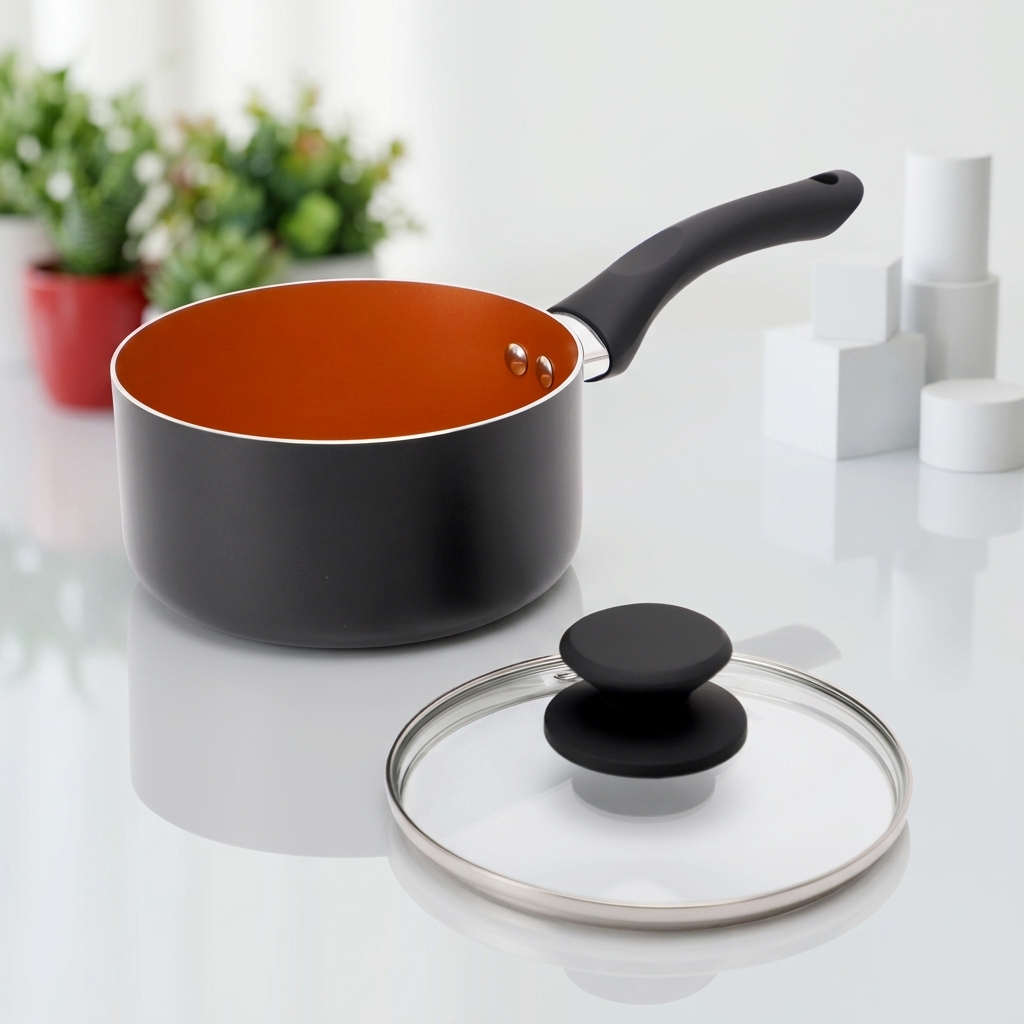
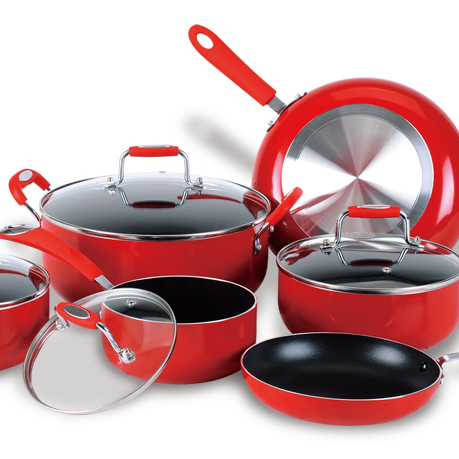
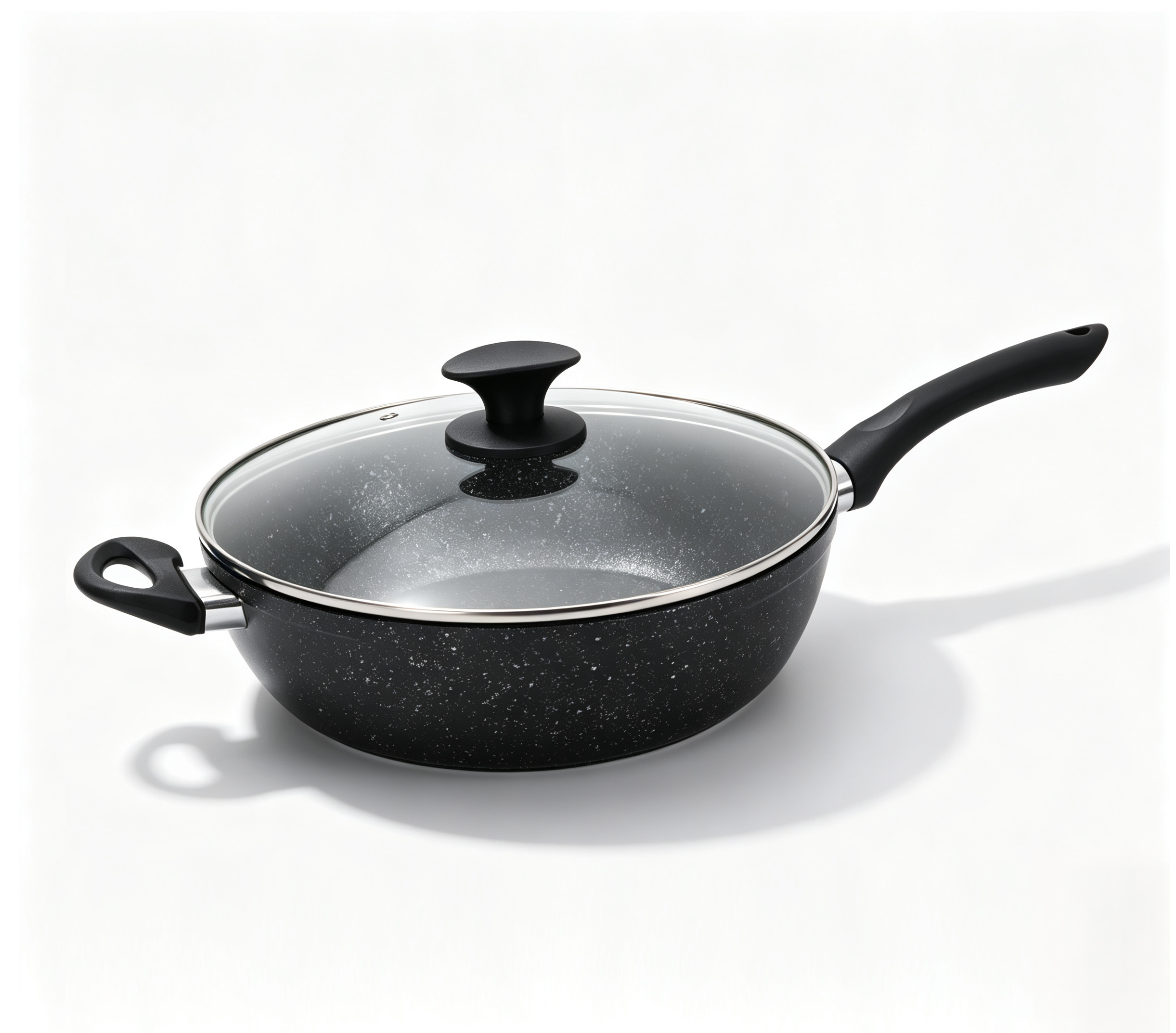
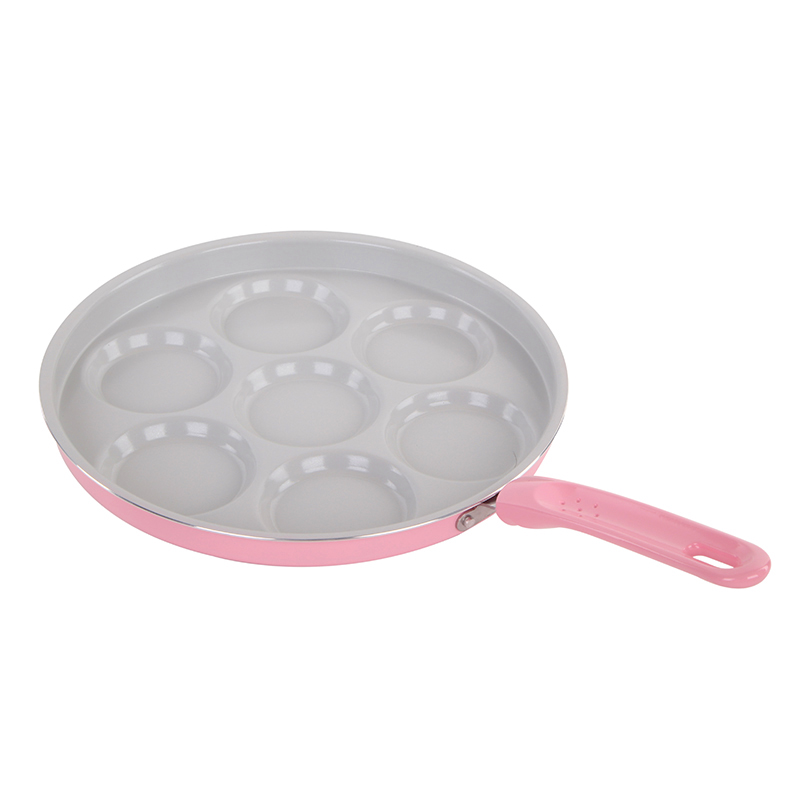
Executive Whitepaper: Strategic Sourcing of Casserole Pots for Guatemala
Analyzing Culinary Mechanics, Heat Distribution Infrastructure, and Import Logistics in Central America
The Guatemalan cookware market is undergoing a structural transition driven by shifting retail channels, evolving urbanization in major metropolitan hubs such as Guatemala City (Distrito Central), Quetzaltenango, and Escuintla, and rising consumer demand for durable, non-toxic kitchenware. For professional cookware buyers, department store procurement managers, and wholesale importers operating in Central America, partnering with an established OEM/ODM casserole pot factory is vital to ensuring price competitiveness, quality consistency, and structural compliance with regional cooking techniques.
Guatemalan gastronomy places rigorous operational demands on cookware. Traditional dishes—such as K'ak'ik (a spiced turkey soup requiring prolonged simmer cycles), Pepián (a thick, roasted-spice stew), Caldo de Res, Jocón, and seasonal feasts like Fiambre—involve high liquid volumes, continuous high thermal exposure, and acidic ingredients (including tomatoes, miltomates, and citrus marinades). Standard off-the-shelf cookware frequently suffers from rapid thermal deformation, non-stick delamination, and handle structural failure when subjected to the intense heat outputs typical of Guatemalan domestic LP gas burners.
To successfully capture market share in Guatemala, cookware distributors must align product specifications with local infrastructure and cooking habits. Unlike North American or European markets where electric flat-top or induction ranges hold significant market share, over 78% of Guatemalan households rely on LP Gas (Liquefied Petroleum Gas) high-output stoves. Gas flames create concentrated thermal hot spots along the base of cooking vessels, demanding specific engineering solutions:
Thermal Integrity & Base Gauge
Thin pressed aluminum pots (under 2.0mm) rapidly warp on open gas flames. Zhejiang MEIS supplies forged aluminum casserole pots with base thicknesses ranging from 3.5mm to 4.5mm, ensuring uniform heat dispersion and eliminating base buckling under continuous high flame exposure.
Acidic & Spice Chemical Resistance
Guatemalan recados (roasting pastes made from tomatoes, chili guajillo, sesame seeds, and pumpkin seeds) produce acidic vapor during prolonged simmer cycles. Our multi-layer PTFE and PTFE-free ceramic non-stick coatings undergo 24-hour salt-spray and citric acid bath testing to guarantee zero blistering or peeling.
Ergonomic & Load-Bearing Handles
Casserole pots in Guatemala are frequently filled to capacity with high-density stews and bone broths. MEIS integrates double-riveted or heavy-duty mold-welded Bakelite handles equipped with soft-touch flame guards, capable of handling torque forces exceeding 180 N without mechanical looseness.
Understanding where and how products are consumed in Guatemala allows wholesale buyers to optimize their product mix:
- Urban Retail & Modern Supermarket Chains: In tier-1 retail channels (e.g., Guatemala City, Mixco, Villa Nueva), consumers prioritize aesthetic visual appeal, non-toxic ceramic coatings, soft-touch wood-grain handles, and induction-compatible bases for modern apartment kitchens.
- Traditional Wholesale & Departmental Outlets: Across departments such as San Marcos, Alta Verapaz, and Quiché, high capacity, heavy-gauge granite non-stick casserole pots (sizes 24cm, 28cm, and 32cm) dominate sales due to larger average household sizes and traditional batch cooking.
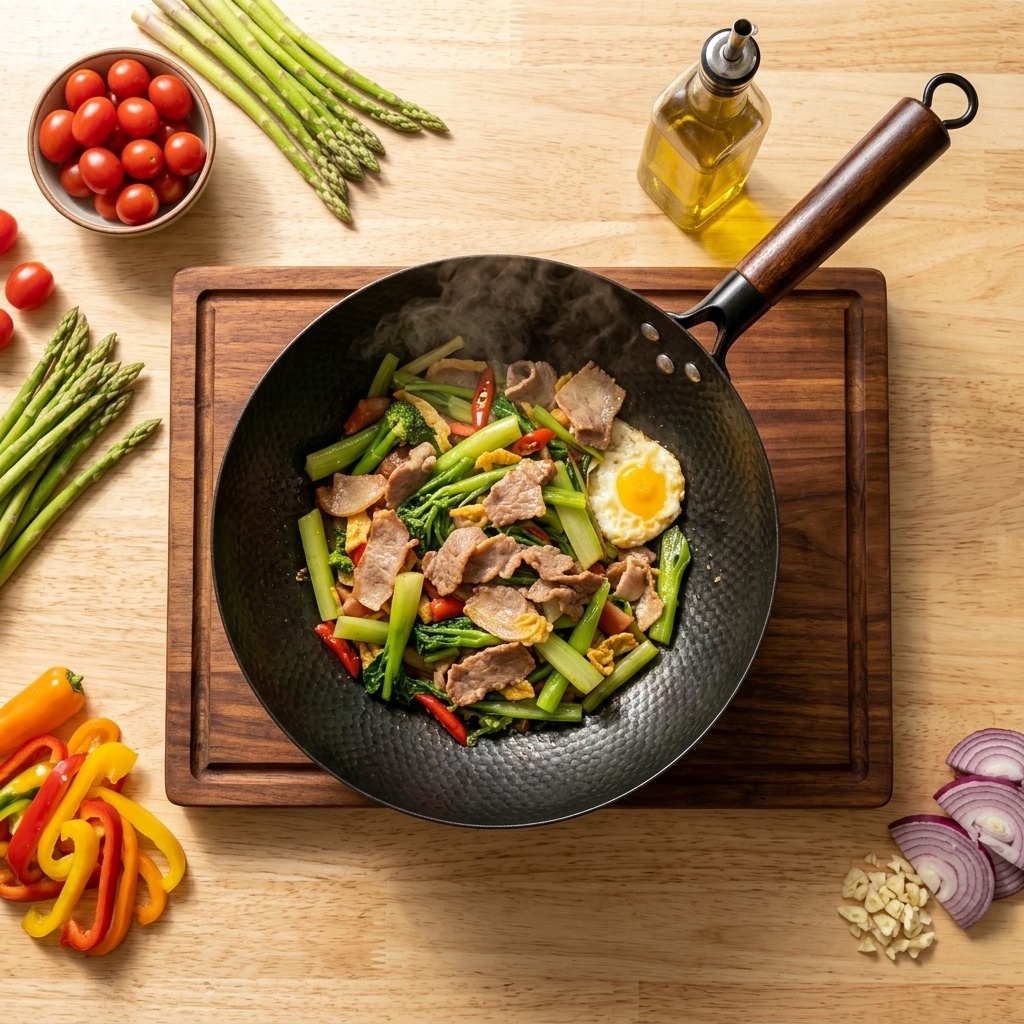
- Commercial HoReCa & Catering Buyers: Restaurants specializing in authentic Guatemalan cuisine demand heavy-duty carbon steel and forged aluminum casseroles that offer fast thermal conductivity, rapid boil speeds, and dishwasher-safe industrial durability.
As a professional casserole pot manufacturer and global OEM supplier, Zhejiang MEIS Kitchenware Co., Ltd. provides clear technical parameters to assist B2B purchasing managers in choosing the right material structure for target pricing tiers in Guatemala.
| Performance Feature | Forged Aluminum Casserole | Pressed Aluminum Casserole | Carbon Steel Casserole |
|---|---|---|---|
| Base Thickness Range | 3.5mm – 4.5mm (Heavy Gauge) | 2.0mm – 3.0mm (Standard Gauge) | 1.0mm – 2.0mm (High Rigid Steel) |
| Thermal Distribution | Superior uniformity; zero hot spots | Rapid heating; economical solution | Fast initial heat absorption |
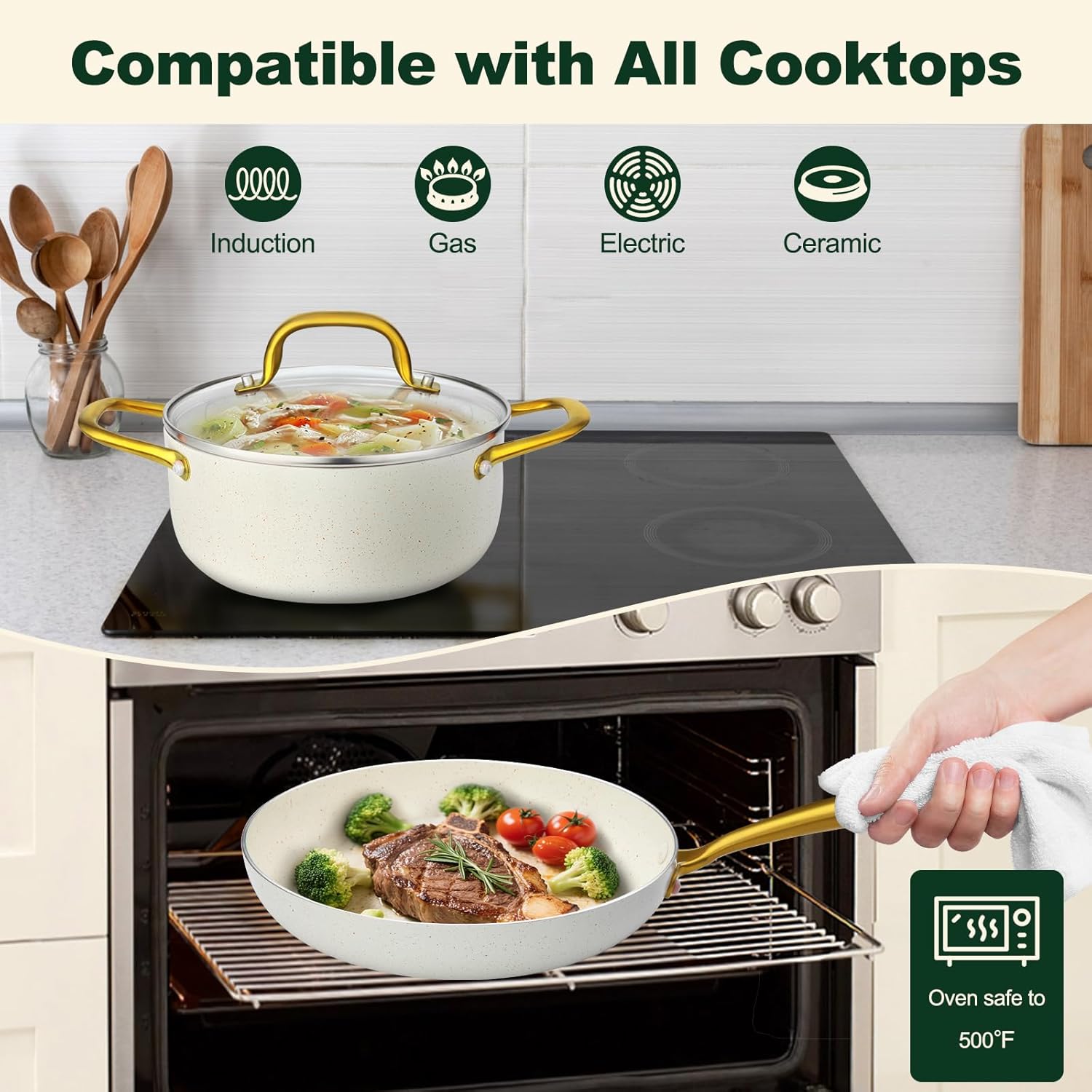
| Induction Compatibility | Requires bonded stainless steel plate | Optional induction hole-plate base | Naturally magnetic (100% Native) |
| Coating Coating Options | Granite / Marble / Sol-Gel Ceramic | 2-Layer PTFE / Basic Non-Stick | Enamel / Titanium Non-Stick Coating |
| Deformation Resistance | Extreme (Warp-Proof under flame) | Moderate (Suited for medium flame) | High Structural Rigidity |
| Guatemala Target Market | Mid-to-High Retail & Specialty Stores | Mass Wholesale & Promotional Sets | Budget-Conscious Retail & Supermarkets |
Our manufacturing facility in Jinhua utilizes computer-controlled CNC lathe base finishing to ensure that induction plates are pressed with over 800 tons of hydraulic pressure. This prevents plate detachment caused by thermal expansion during intense cooking cycles on gas and induction hobs alike.
When sourcing cookware from China to Guatemala, evaluating supplier reliability, factory audit compliance, and manufacturing infrastructure is paramount. Zhejiang MEIS Kitchenware Co., Ltd. (located in the Dongnan Industrial Zone, Shuxi Street, Jinhua, Zhejiang, China) is an established manufacturer operating with 105 verified staff members and over 20 years of dedicated production expertise.
TÜV Rheinland On-Site Verification
Our production facility has been inspected and audited on-site by TÜV Rheinland. We maintain complete transparency across raw material receiving, disc blanking, hydraulic pressing, automated surface degreasing, spray coating, curing ovens, handle assembly, and final export packaging.
Complete In-House Tooling & Testing
Equipped with high-precision CNC equipment, mold-making lathes, salt spray corrosion testers, coating curing validation ovens, handle fatigue testers, and torsion testers, we conduct rigorous batch testing before releasing orders to port shipment.
Efficient shipping logistics and customs compliance are critical to controlling landed costs for importers in Guatemala City and regional commercial hubs. Sourcing cookware from Ningbo or Shanghai port to Guatemala involves strategic port selection:
Pacific Coast Delivery: Puerto Quetzal
Puerto Quetzal is the primary entry hub for ocean freight originating from Ningbo / Shanghai, China. Average ocean transit time ranges between 24 to 32 days. Direct highway corridors connect Puerto Quetzal to Guatemala City (Distrito Central) within 2.5 hours of customs release, minimizing inland drayage costs.
Atlantic Coast Routing: Puerto Barrios & Santo Tomás
For distributors supplying Eastern Guatemala or re-exporting to neighboring Central American trade zone partners (Honduras, El Salvador via CA-4 transit agreement), shipping via feeder vessels to Santo Tomás de Castilla offers efficient access to regional warehousing nodes.
Tariff & HS Code Classification Guidance
Cookware items imported into Guatemala are processed under specific tariff headings under the Central American Import Tariff (SAC - Sistema Arancelario Centroamericano):
- Aluminum Casserole Pots & Pans: HS Code
7615.10(Table, kitchen or other household articles and parts thereof, of aluminum). - Carbon Steel Cookware: HS Code
7323.99(Other kitchen articles of iron or steel).
Our export documentation team provides comprehensive commercial invoices, packing lists with detailed volumetric CBM calculations, certificates of origin (CO), and bills of lading formatted to ensure smooth clearing with SAT (Superintendencia de Administración Tributaria de Guatemala).
By monitoring consumer preference shifts, OEM buyers can future-proof their inventory and capture emerging market segments across Latin America:
1. Organic Ceramic & PFOA-Free Clean Labeling
Middle-class consumers in Guatemala are increasingly conscious of food safety. Highlighting "PFOA, Lead, and Cadmium Free" ceramic interior coatings drives a premium retail mark-up in department store retail environments.
2. Space-Saving Detachable Handle Sets
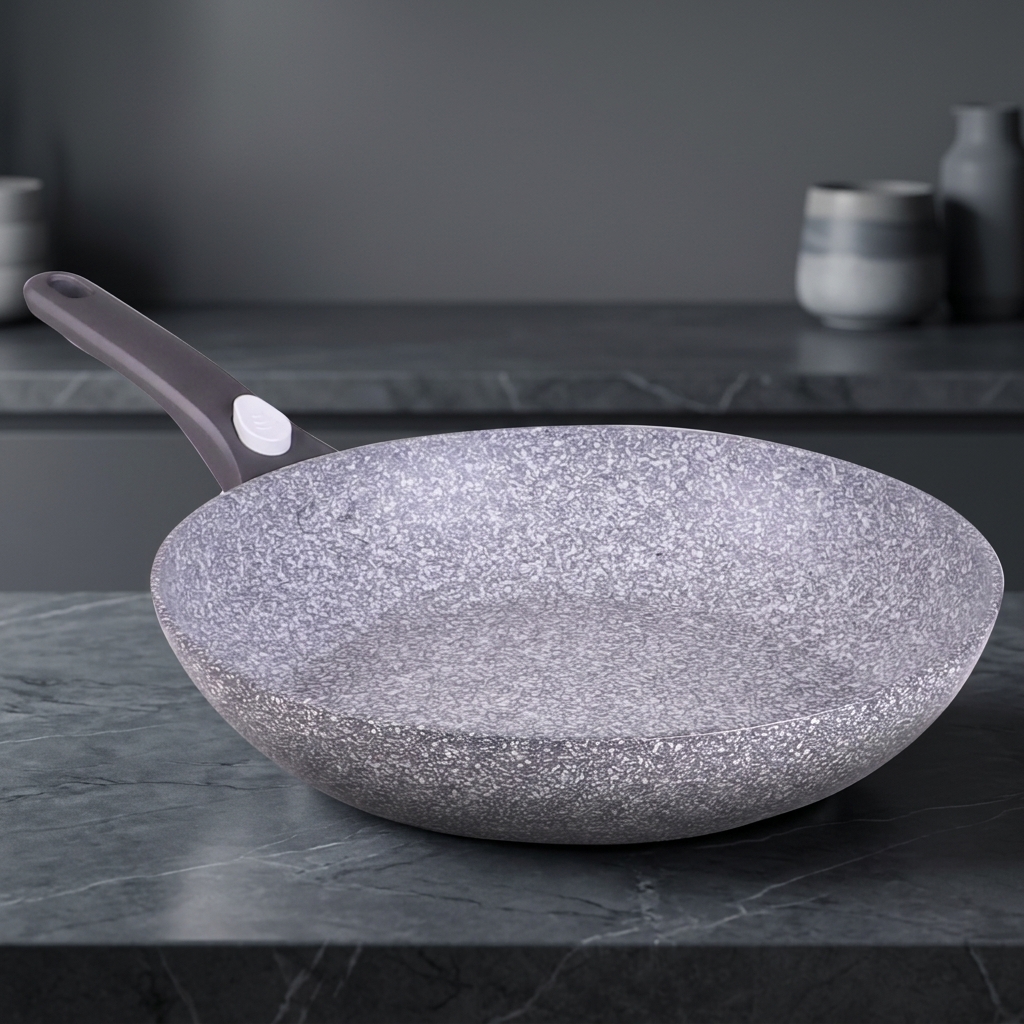
With urban living space becoming compact in Guatemala City apartment complexes, casserole sets featuring click-off detachable handles allow seamless transition from stovetop cooking to oven baking and compact cabinet storage.
3. Earthy Palette & Granite Aesthetics
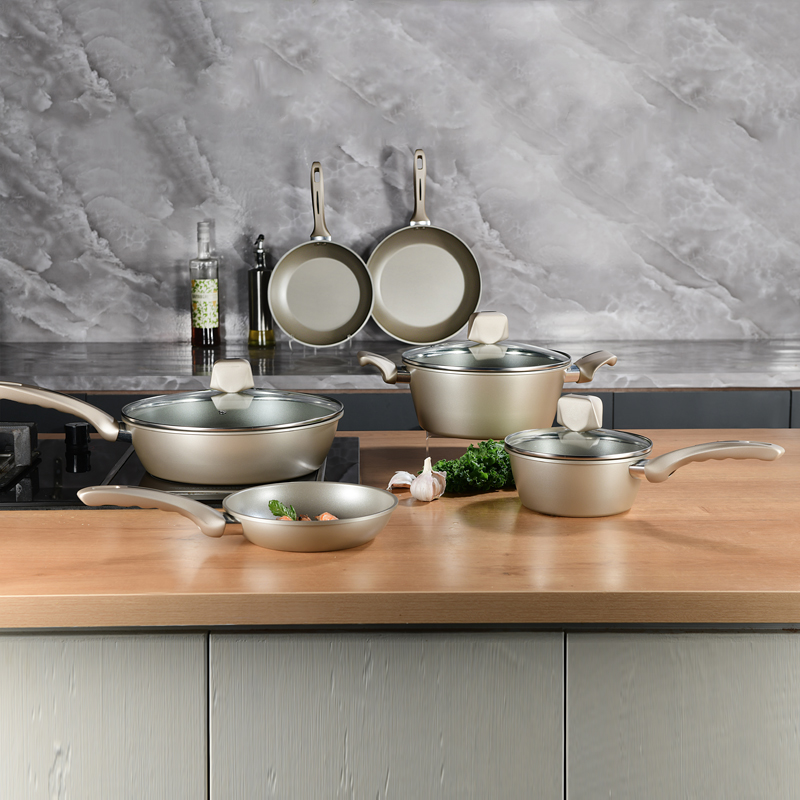
Traditional shiny black non-stick is losing share to textured stone speckle finishes (granite/marble) in warm earthy tones, cream beige, terracotta red, and matte sage green that reflect contemporary interior trends.
Frequently Asked Questions for Guatemala Importers
Addressing Common Technical, Commercial, and Logistical Inquiries
Is Zhejiang MEIS Kitchenware a direct factory or a trading company?
What is the typical Minimum Order Quantity (MOQ) for shipping to Guatemala?
Which casserole pot coating is best suited for Guatemalan cooking styles?
Can you supply induction-compatible casserole pots for modern Guatemalan retailers?
What is the standard production lead time for sea container shipments to Puerto Quetzal?
Do you provide OEM packaging design, Pantone color matching, and private label branding?
Partner with a Leading Cookware Factory for Guatemala
Direct Factory Wholesale Pricing · Customized OEM/ODM Manufacturing · Verified Quality Standards