Export-Grade Cookware & Precision Ceramic Vessels
Manufactured to stringent international standards, our performance-tested cookware and casseroles provide Florida commercial kitchens and retailers with uncompromised thermal efficiency, heavy-gauge non-stick durability, and certified multi-hob compliance.
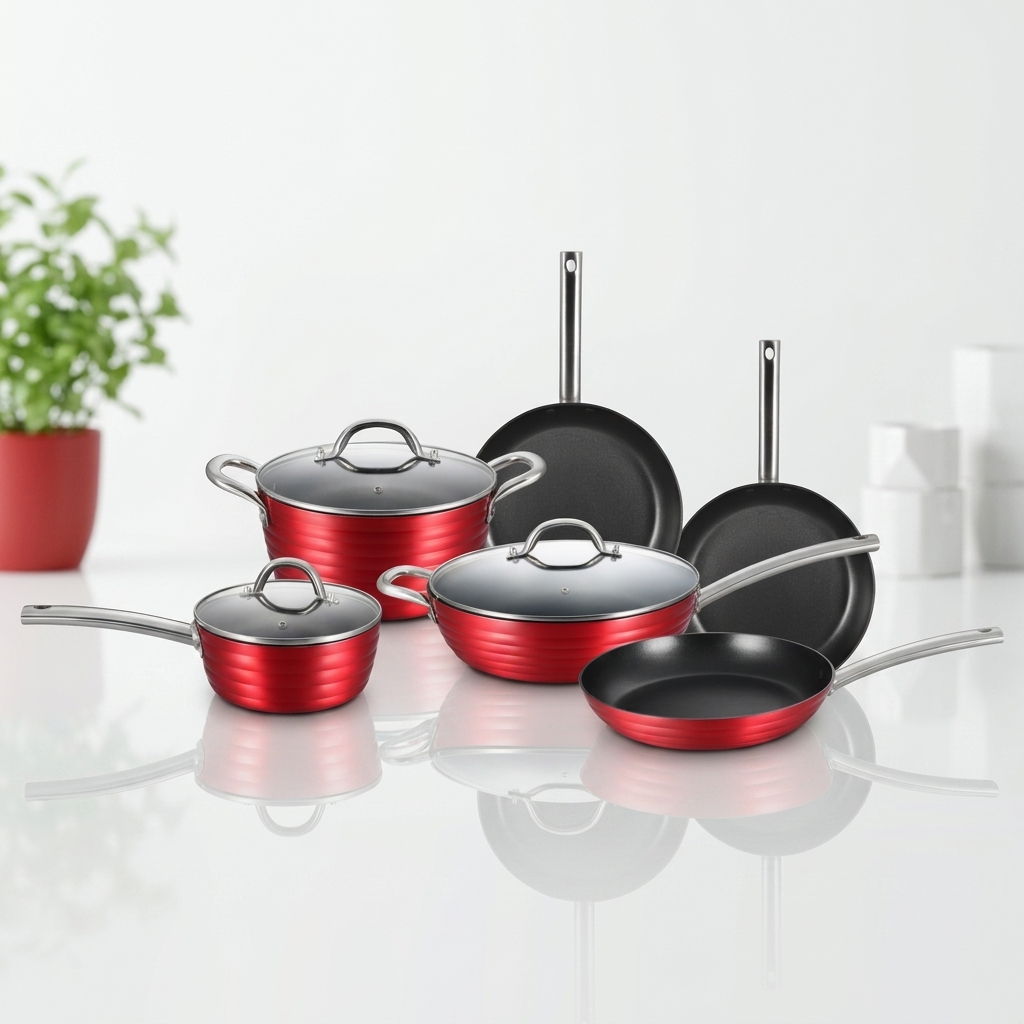
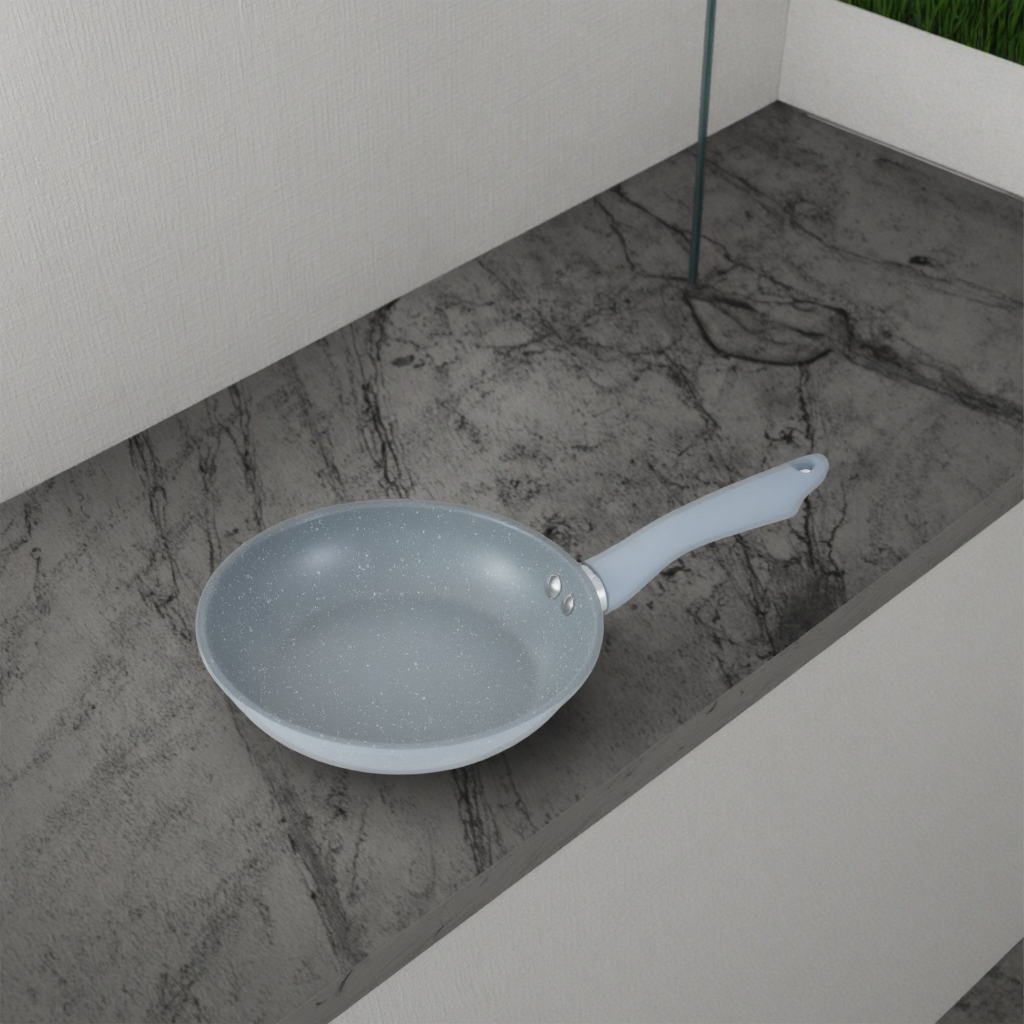
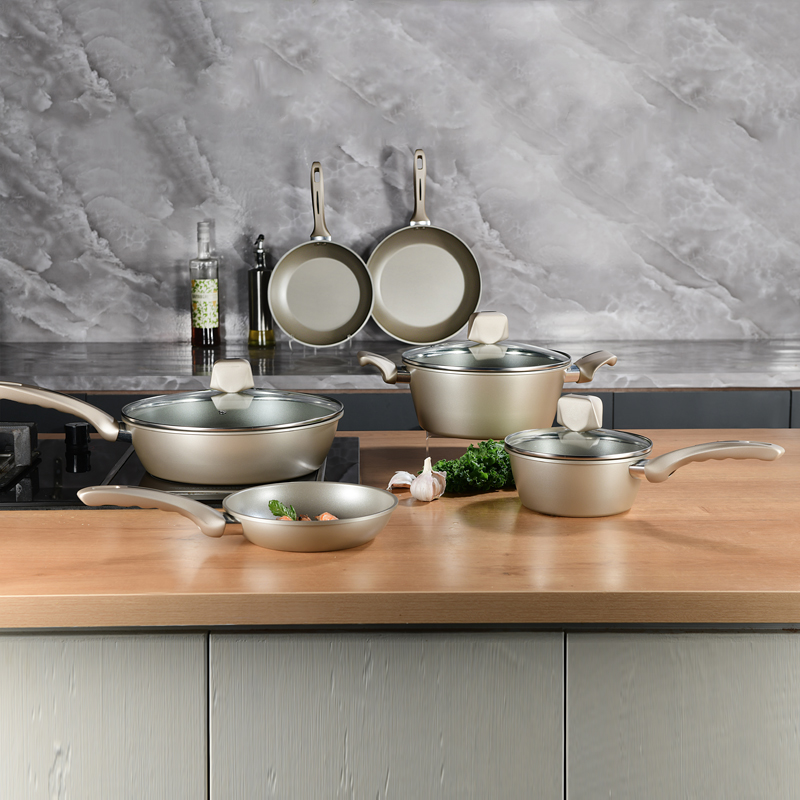
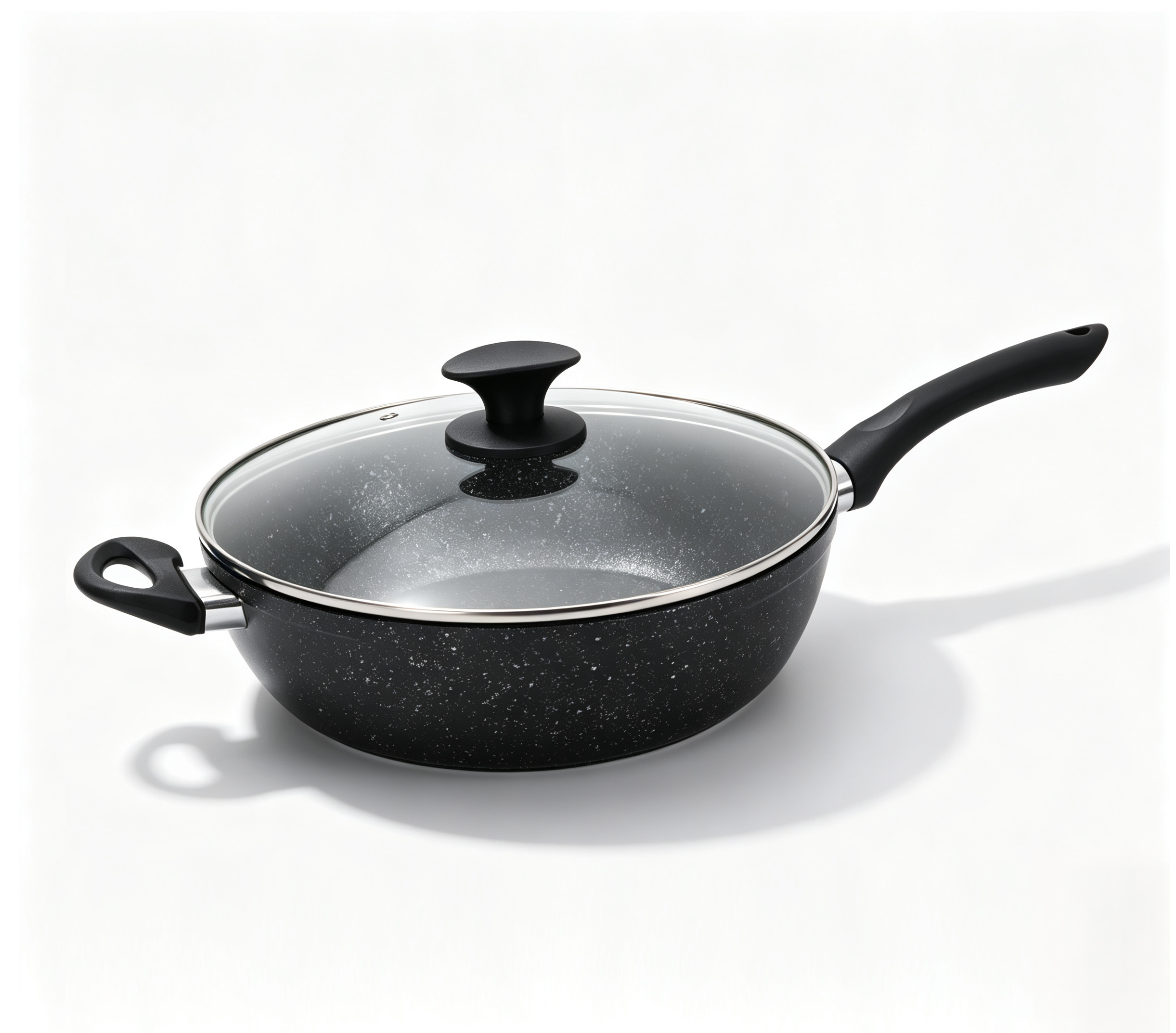
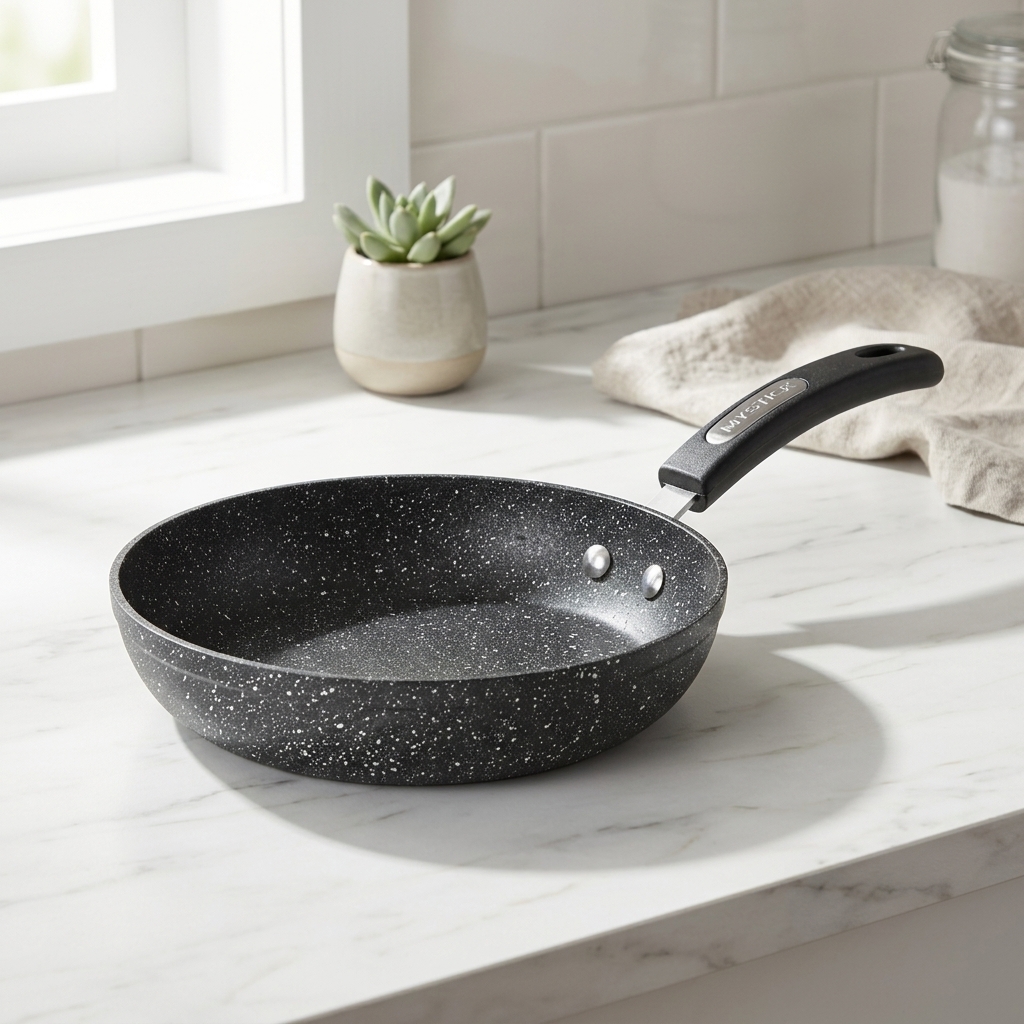
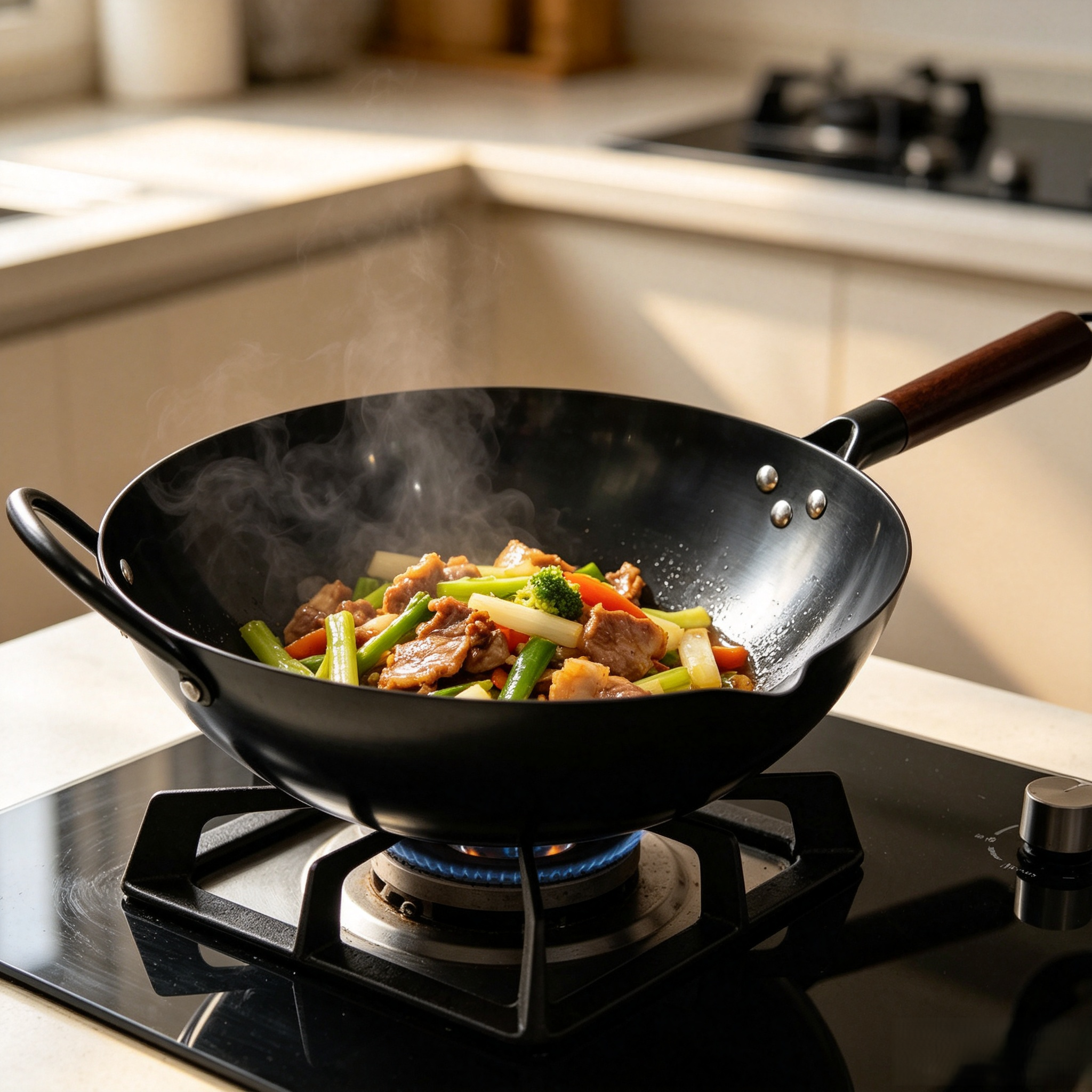
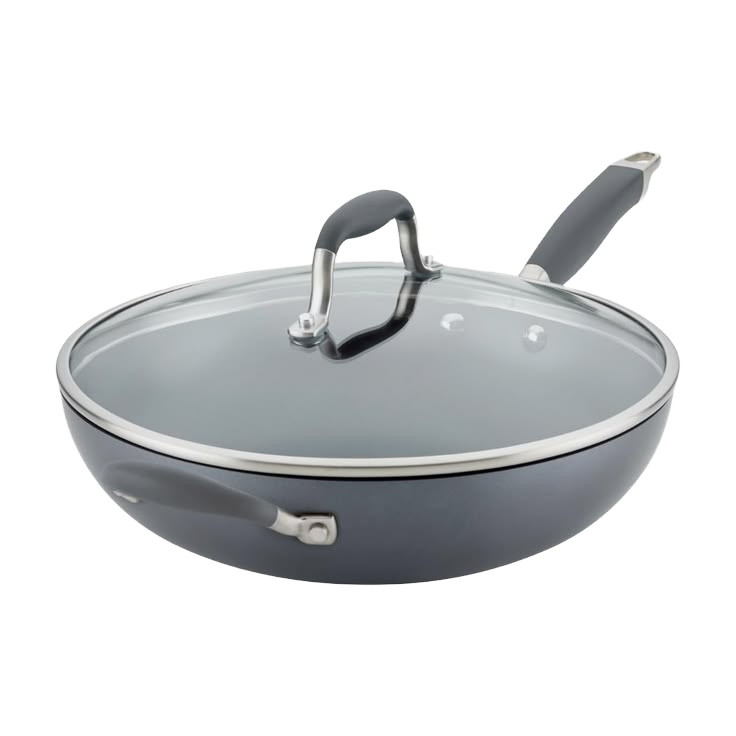
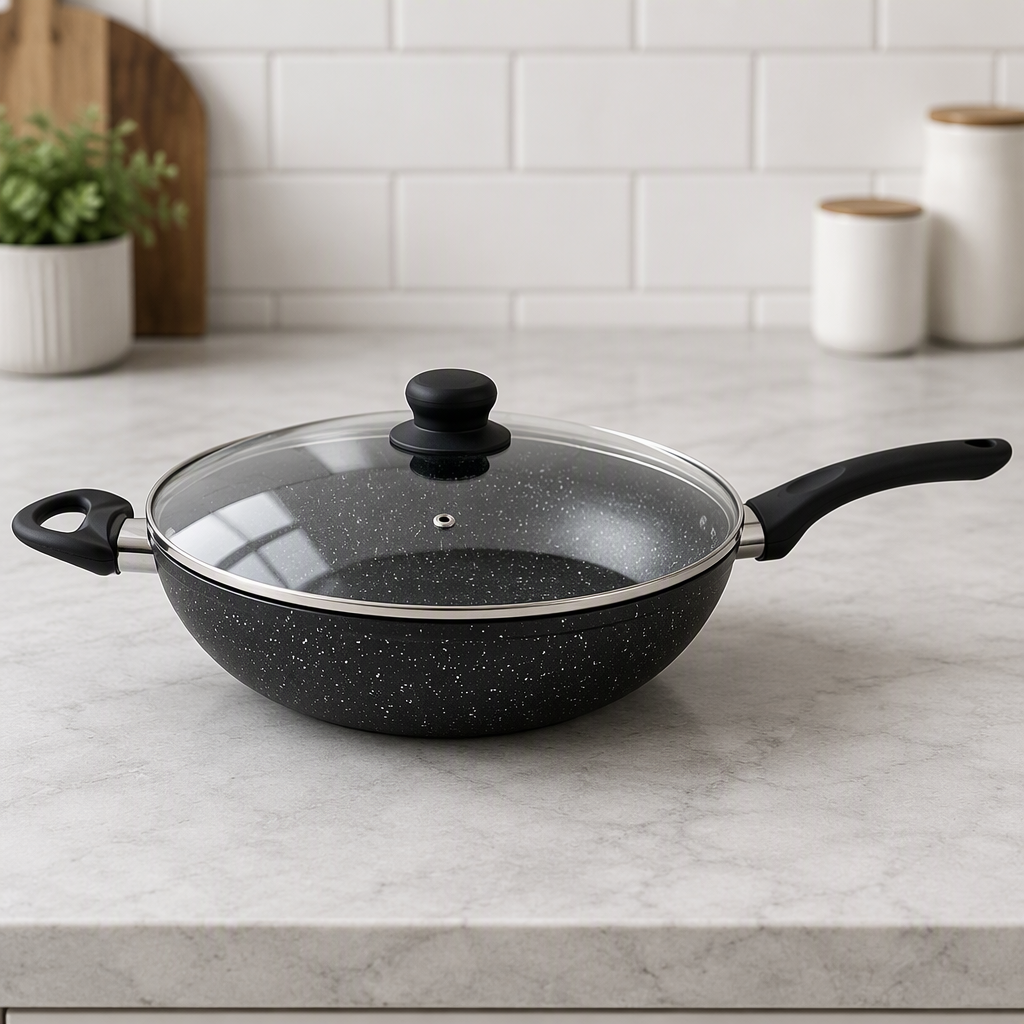
Thermal Kinetics and Structural Reliability in High-Volume Operations
Navigating the commercial demands of modern hospitality requiring high-performance ceramic and non-stick casseroles.
1. Substrate Density, Pressing Tolerances, and Heat Capacitance
In high-capacity hospitality kitchens and institutional catering environments, cookware longevity is fundamentally dictated by structural tensile strength and substrate integrity. Pressed and forged high-purity aluminum alloys (3003-grade series) and deep-drawn carbon steel form the backbone of our thermal vessel engineering. When crafting deep casserole structures, controlling metallurgical grain structure through multi-stage cold pressing ensures consistent molecular alignment across wall-to-base transitions.
A persistent failure point in low-grade commercial cookware is base-warping triggered by dynamic thermal shock—specifically transitioning a hot casserole from an open 450°F flame to ambient-temperature service surfaces or rapid-wash cycles. Our engineered base configurations feature cold-rolled magnetic stainless steel sandwich plates or precision-punched induction bottoms applied under 1,500-ton hydraulic forging presses. This mechanical bonding method neutralizes contrasting coefficients of thermal expansion (CTE) between aluminum and ferromagnetic steel, maintaining planar flatness under continuous cycling.
2. Sol-Gel Matrix Ceramic Adhesion and Non-Leaching Chemistry
The culinary sector's decisive turn away from PFAS, PFOA, and fluorinated binders has elevated inorganic sol-gel ceramic matrices to industry-standard prominence. Unlike conventional dispersion coatings that cure via plasticizing agents, ceramic non-stick coatings are synthesized from pure silica and mineral precursors, polymerizing via controlled low-temperature hydrolysis followed by high-heat sintering.
The interface between the alloy substrate and the primary ceramic base layer is prepared using automated shot-blasting, establishing micro-anchoring surface roughness (Ra 3.5 - 4.5 µm). Subsequent automated electrostatic spray systems apply uniform multi-tier coatings. The resulting hard silicate shell yields pencil hardness parameters of 8H to 9H, preventing coating delamination even when exposed to high-acid reduction broths, citrus marinades, or alkaline commercial sanitizers common in Florida seafood preparations.
Localized Applications: Jacksonville Commercial & Retail Ecosystems
Analyzing operational workflows across Duval County's coastal hospitality corridors, Southern heritage dining institutions, and JAXPORT-driven wholesale chains.
Atlantic Coastal Resorts & Historic St. Augustine Hospitality
Jacksonville's extensive oceanfront operations, running from Amelia Island down through Ponte Vedra and St. Augustine, contend with abrasive coastal environments, high ambient salinity, and seafood-heavy menus. From delicate coastal shrimp-and-grits reductions to slow-braised Minorcan clam chowders, commercial kitchens demand CE-certified ceramic casseroles that resist chloride-induced pitting. Non-reactive sol-gel surfaces protect subtle flavors without reacting with vinegar-based marinades or acidic tomato broths.
Urban Core Bistros: Riverside, San Marco & Downtown Venues
Jacksonville's burgeoning culinary corridors require multi-purpose versatility. Kitchen line designs in high-footprint urban settings often transition from high-BTU gas flames to high-efficiency drop-in induction hobs. Our hybrid forged aluminum casseroles with heavy-duty stainless steel side riveted handles withstand continuous hob-to-oven transitions up to 500°F, accelerating table turnarounds while offering aesthetic tabletop service presentations directly from vessel to guest.
JAXPORT Freight Corridors & Regional Warehouse Distributors
Jacksonville serves as the premier multimodal distribution epicenter for Florida and the greater Southeast. Big-box retail chains, e-commerce brand owners, and regional supermarket suppliers leverage local warehousing along I-10 and I-95. Sourcing custom-packaged retail 5-to-28 piece ceramic casserole sets via containerized ocean transit straight to JAXPORT terminals eliminates drayage friction and reduces inland transit surcharges.
Northeast Florida Market Dynamics & Cookware Procurement Trends
Critical data points shaping wholesale purchasing decisions across the Southeast United States.
Accelerated Logistics Optimization via JAXPORT
With ongoing harbor deepening to 47 feet at the Talleyrand and Blount Island Marine Terminals, Jacksonville has solidified its status as an efficient container entry hub. Importers bypass congested West Coast gateways, shaving 6 to 9 days of cross-country rail transit and eliminating multi-leg freight variances for bulk cookware pallets.
PFAS-Free Regulatory Compliance & Consumer Pivot
Institutional hospitality groups and health-conscious consumer demographics in North Florida are transitioning away from PTFE formulations. Third-party tested, lead-, cadmium-, and PFOA-free ceramic coatings have experienced a 34% year-over-year surge in regional retail distribution contracts, making certified food safety documentation essential.
Commercial Induction Adoption in LEED-Certified Spaces
Rapid regional infrastructural growth across commercial facilities in Downtown Jacksonville and Town Center retail developments has accelerated all-electric commercial kitchen conversions. Casserole inventories must feature magnetically responsive base architectures capable of fast eddy current heating without acoustic resonance or heat spots.
Enterprise Advantages: Zhejiang MEIS Kitchenware Co., Ltd.
Direct factory manufacturing integrity backed by over two decades of engineering rigor, integrated tooling, and TÜV Rheinland on-site audit verification.
TÜV Rheinland Assessed
Independent third-party verification validating full physical plant capacities, automated coating lines, material lot traceability, and ethical labor standards directly inside our Jinhua manufacturing headquarters.
Integrated In-House Tooling & CNC
From custom handle die molds to proprietary base-embossing plates, our internal CNC, lathe, and mold workshops expedite OEM/ODM prototype sampling within 7 to 12 working days, minimizing design iteration lag.
Multi-Tier Stress & Safety Testing
Every production lot is subjected to comprehensive internal laboratory trials: handle torsion tests, dynamic drop testing, mechanical cyclic fatigue rigs, and 5% neutral salt spray fog testing to guarantee corrosion resilience.
Frequently Asked Questions: Sourcing Casseroles in Jacksonville
Direct technical and commercial answers tailored for Northeast Florida procurement managers, corporate buyers, and wholesale distributors.