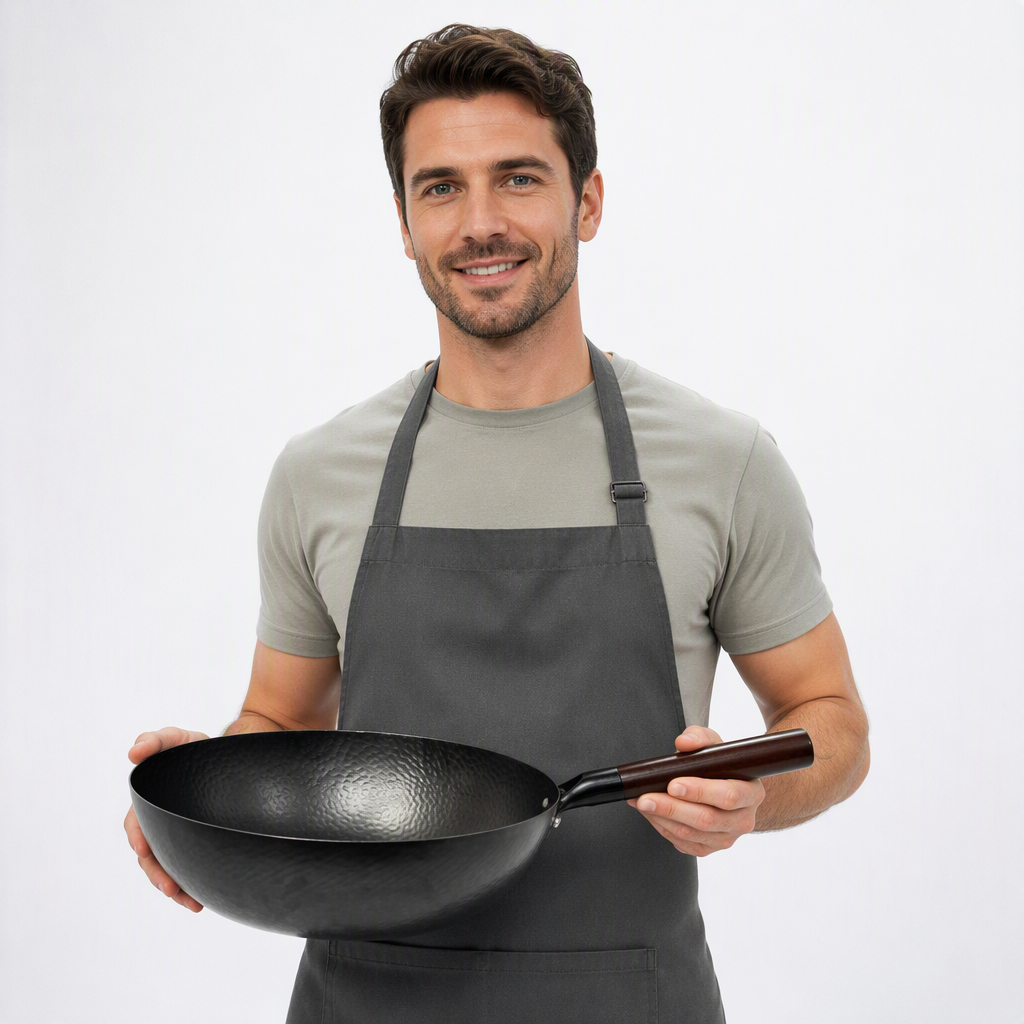
Factory Catalog
High-Performance Frying Pans & Cookware Systems
Direct-from-manufacturer OEM/ODM solutions tailored for German commercial induction benchmarks, featuring PFOA-free coatings, extreme thermal resilience, and full CE/LFGB documentation.
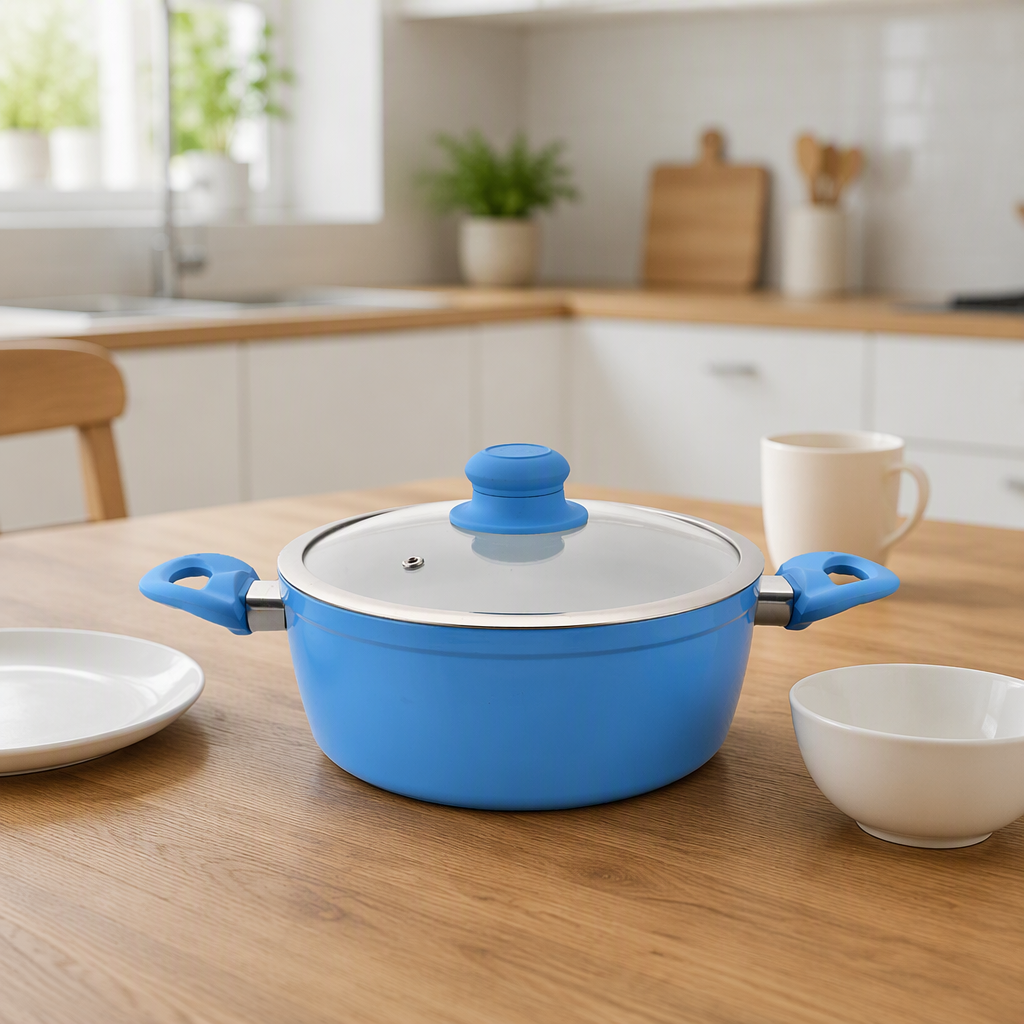
24 cm Durable and Lightweight Forged Non Stick Casserole Soup Pot
Even Heat Dissipation
Get a Quote
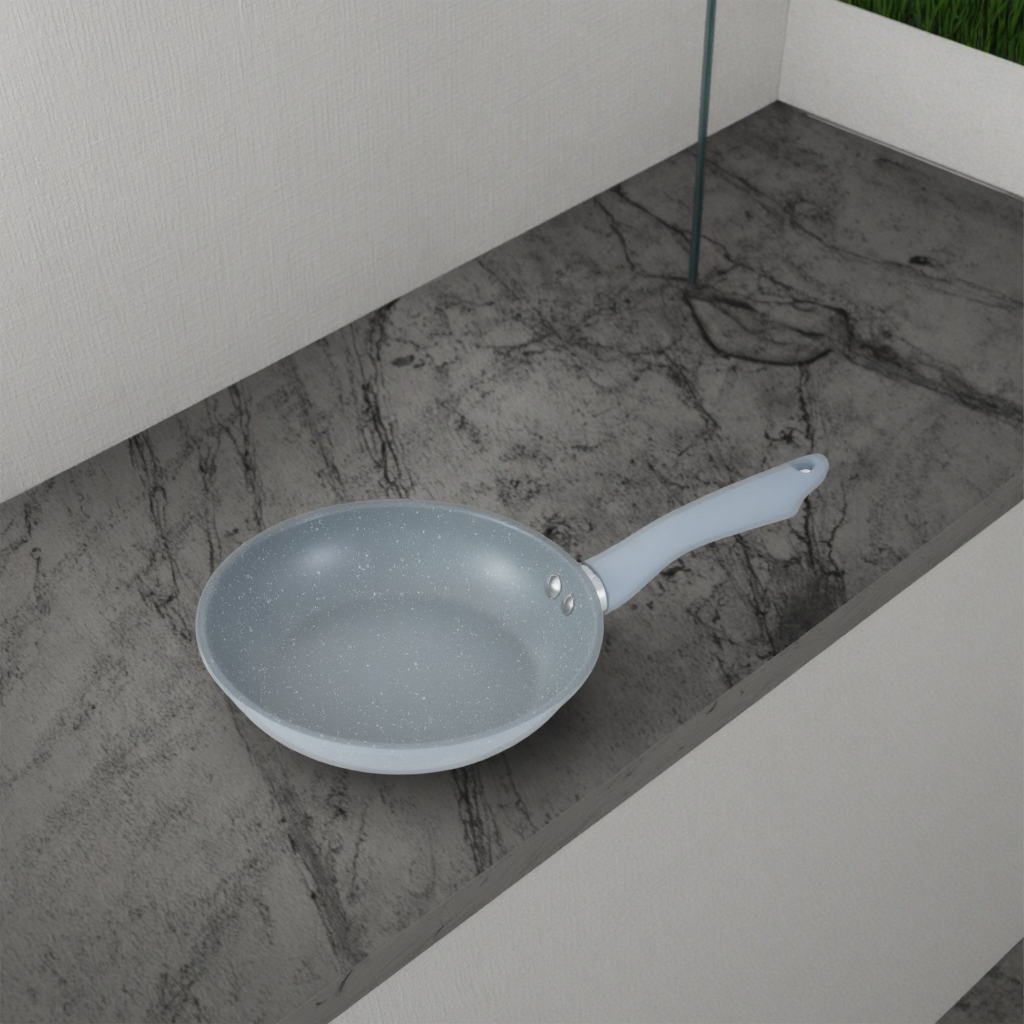
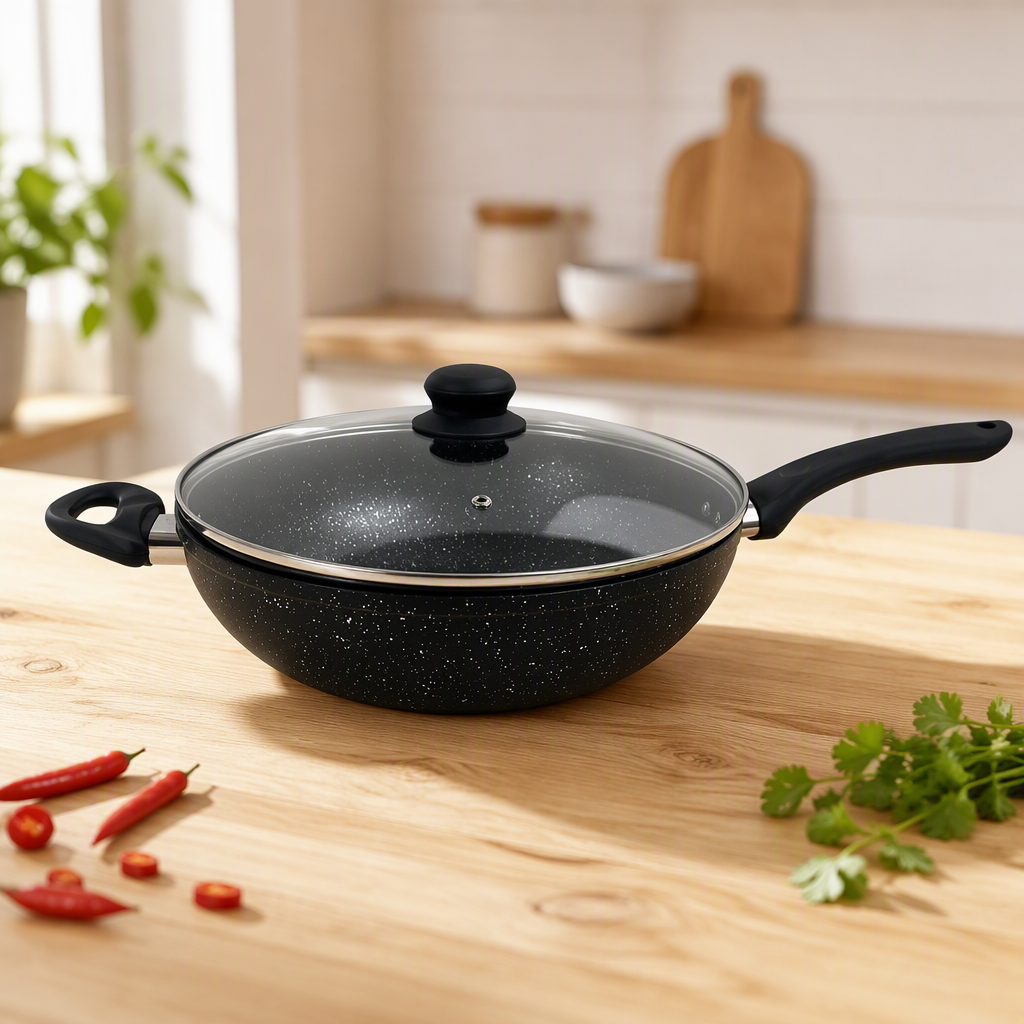
32 cm Granite Coating Non Stick Forged Wok 5.5L Aluminum Fry Pan
High Abrasion Res.
Get a Quote
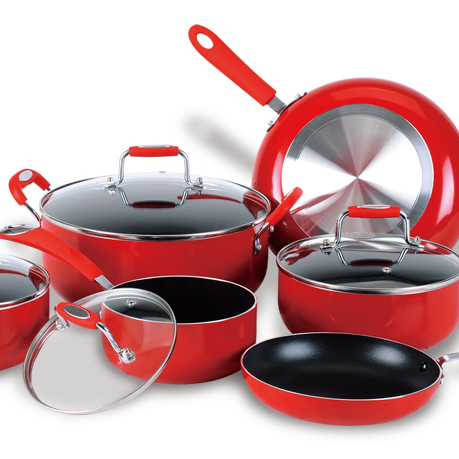
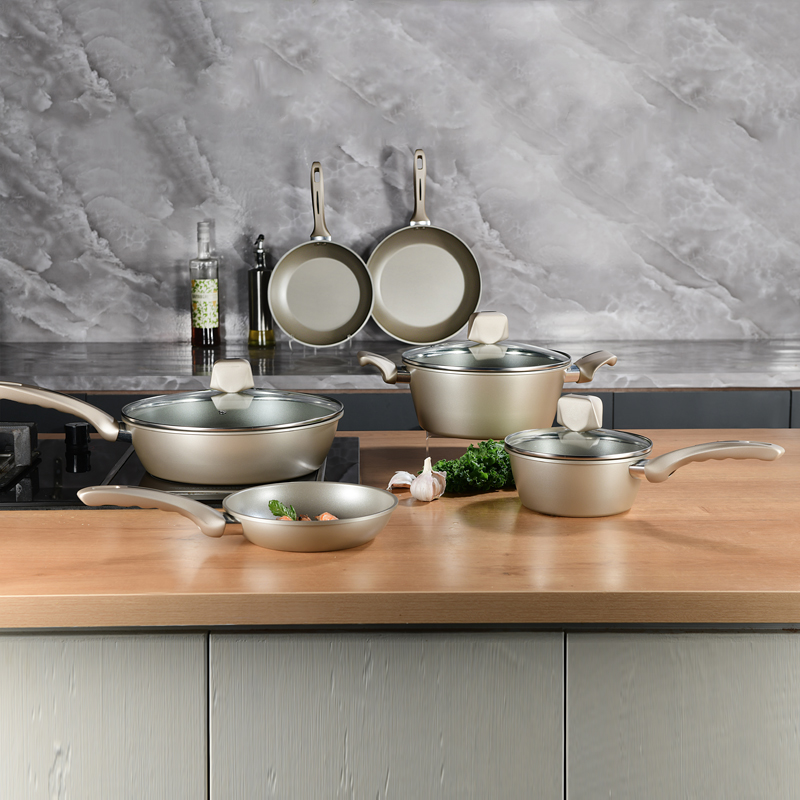
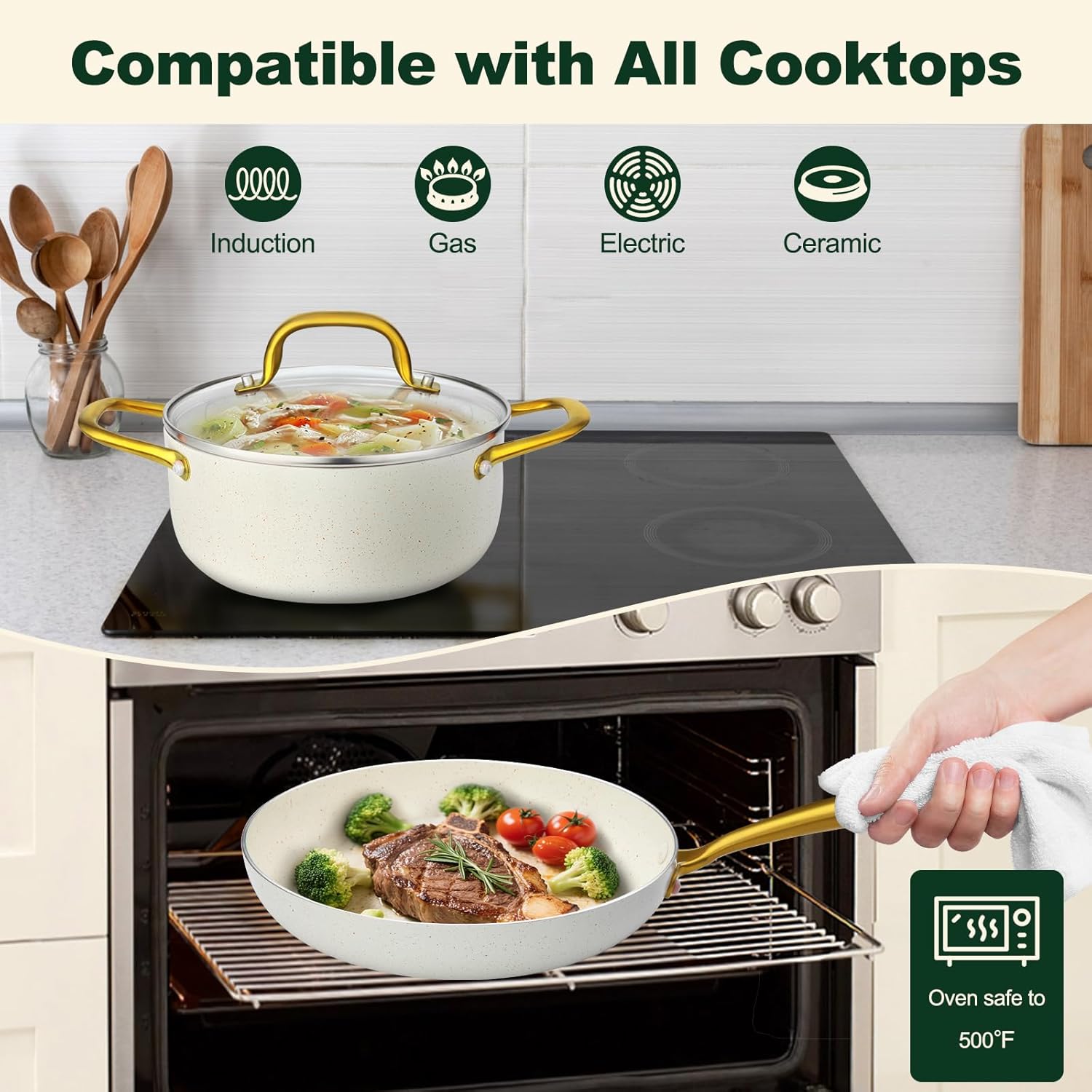
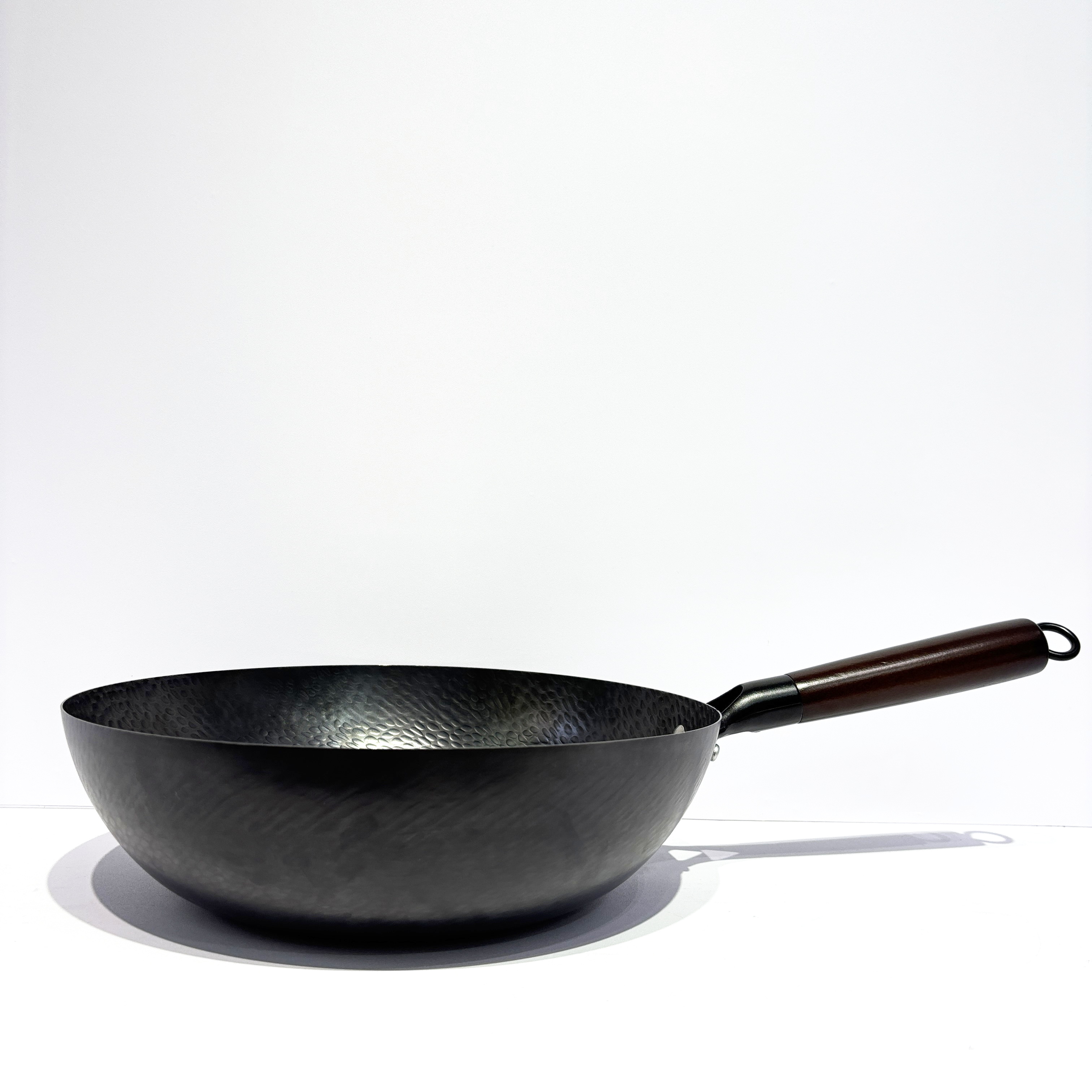
20+
Years Engineering
105
Skilled Technicians
100%
TÜV Assessed Facility
0%
PFOA / Heavy Metals
500k+
Monthly Pan Capacity
Strategic Whitepaper
Engineering Fry Pan Supply Chains for Dortmund & the Ruhr Metropolis
Bridging Chinese manufacturing velocity with the uncompromising legal, technical, and thermal standards demanded by the German hospitality, catering, and volume-retail sectors.
Dortmund stands as the logistical pivot and economic powerhouse of Germany's eastern Ruhr Valley. Transitioning from its industrial heritage into a premier technology and service center, the city supports a sophisticated food service ecosystem—from the high-density gastronomy corridors around the Kreuzviertel and Alter Markt to regional enterprise catering systems serving corporate campuses across North Rhine-Westphalia (NRW). Sourcing cookware for this regional market requires a profound understanding of localized cooking mechanics, stringent compliance regimes, and energy-conscious kitchen engineering.
As a verified OEM/ODM manufacturer with over two decades of metallurgical and coating experience, Zhejiang MEIS Kitchenware Co., Ltd. addresses the specific friction points faced by German importers, brand label holders, and HoReCa central buyers. Our production lines combine high-tonnage hydraulic drawing, precision multi-layer dispersion coating, and robotic induction disc application to deliver fry pans that seamlessly align with Germany's consumer safety expectations and commercial operational tempos.
Severe Energy Optimization
Given the elevated commercial electricity rates in Germany, commercial and home kitchens in Dortmund require high-efficiency energy transfer. Our cookware features CNC-planed bases bonded with magnetic stainless-steel discs, achieving over 92% inductive coupling efficiency on brands like Bosch, Siemens, and commercial induction hobs, drastically reducing preheat intervals.
Strict LFGB & REACH Compliance
German food safety standards (LFGB § 30 and 31) are among the most stringent in Europe. MEIS coatings undergo extensive solvent extraction, primary aromatic amine (PAA), and heavy metal migration tests. Our PTFE-, ceramic-, and titanium-matrix systems are certified completely free of PFOA, lead, and cadmium, guaranteeing effortless customs and market compliance.
Heavy Commercial Durability
Gastronomy environments demand sustained resistance to mechanical shearing. Utilizing heavy-gauge forged aluminum bodies (3.0mm to 4.5mm bases) and nitrided anti-corrosive carbon steel formulations, our pans withstand continuous high-heat cycling without warping, ensuring flat surface contact and avoiding oil pooling during peak rush periods.
Local Culinary Applications in Dortmund & Greater NRW
Engineering cookware structures calibrated for regional culinary traditions and multi-cultural gastronomic shifts.
Cookware procurement in Dortmund is characterized by distinct, demanding use-case profiles. In traditional Westphalian dining establishments, menu anchors such as Pfefferpotthast (a slow-simmered, rich beef stew requiring intense preliminary browning) and pan-fried Bratkartoffeln demand pans with immense thermal retention. A lightweight stamped pan quickly loses baseline surface heat when loaded with cold, blanched potatoes, causing uneven fat absorption and limp results. MEIS heavy-gauge forged fry pans mitigate this through high thermal mass distribution, preserving a steady 180°C crust-forming threshold even under maximum batch density.
Simultaneously, Dortmund's diverse international culinary sector—encompassing bustling Asian-fusion bistros, upscale Mediterranean eateries, and healthy casual concepts—drives immense volume for chemical-free, natural patina carbon steel woks and scratch-resistant granite non-stick saute pans. In fast-paced wok cookery across modern urban food halls, our nitrided carbon steel lines deliver rapid responsiveness to temperature alterations while providing an abrasion-proof, factory-nitrided surface that resists rust without synthetic fluoropolymer linings.
Material Engineering & Procurement Decision Matrix
Direct comparison of core structural options to guide inventory planning for Dortmund distributors and retailers.
| Evaluation Parameter | Die-Forged Aluminum (3.5 - 4.5mm) | Cold-Pressed Aluminum (2.0 - 2.5mm) | Nitrided Heavy-Gauge Carbon Steel |
|---|---|---|---|
| Thermal Conductivity | Exceptional (uniform heat spread across body) | Extremely Rapid (lower heat capacity) | Direct & Concentrated (ideal for high-heat searing) |
| Induction Warpage Threshold | Engineered base resists warping up to 280°C | Suitable for lower wattages; cost-effective | Zero warping risk; solid monolithic ferrous body |
| German Market Preference | High Tier: Specialty retail, department stores | Promotional: Hypermarkets, discount retail | Professional HoReCa, culinary boutiques, eco-shoppers |
| Coating Compatibility | Multi-layer granite, marble, high-temp ceramic | PTFE 2-coat roller / spray systems | Pre-seasoned vegetable oil or high-temp nitriding |
| Average Lifespan (Daily Use) | 3 - 5 Years (Commercial: 12-18 Months) | 1 - 2 Years (Domestic retail focused) | Lifetime with periodic re-seasoning |
Macro Trends Governing Cookware Sourcing in Dortmund (2025–2030)
1. Accelerated Transition to PFAS/PTFE Alternatives: With the European Chemicals Agency (ECHA) advancing comprehensive restriction proposals regarding per- and polyfluoroalkyl substances (PFAS), North Rhine-Westphalia’s leading retailers (such as Rewe Group, Metro AG, and regional department stores) are proactively reducing fluoropolymer exposure. MEIS supports this pivot through proprietary ceramic SOL-GEL matrices and plasma-deposited mineral coatings that deliver superior food release with zero persistent environmental toxins.
2. The Electrification of Professional Kitchens: Driven by workplace safety regulations and energy performance initiatives across Dortmund's hospitality sector, commercial kitchens are systematically swapping gas ranges for magnetic induction ranges. Cookware suppliers unable to provide flat, bonded induction discs with full peripheral contact are facing surging return rates. MEIS utilizes high-pressure CNC hydraulic bonding machines to fuse full-surface ferritic stainless-steel plates to pan bodies, completely eliminating acoustic buzzing and base delamination under high-frequency induction induction loads.
3. Minimalist Modular Cookware Systems: Urban demographic shifts toward compact living in Dortmund’s central districts have generated steep demand for multi-functional cookware. Space-conscious urban consumers favor stackable pans with detachable handle mechanisms that effortlessly transition from stovetop searing to oven baking and direct refrigerator storage.
Factory Verifiable Capabilities
End-to-End Production & On-Site Quality Assurance
From metallurgical discs to certified export packaging, each manufacturing milestone is handled on-site under ISO 9001 and TÜV Rheinland inspection regimes.
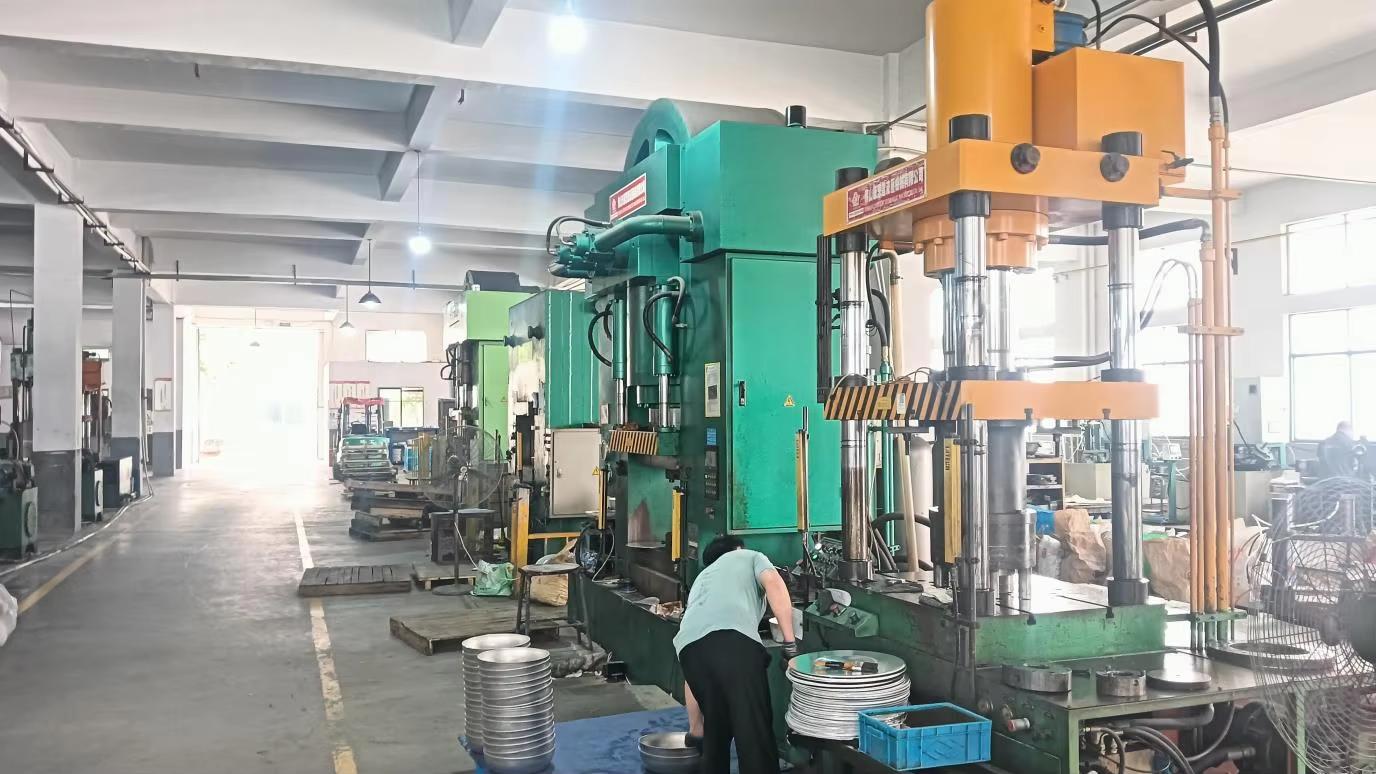
Precision Hydraulic Pressing
High-tonnage stamping ensuring structural density and unified rim-to-base thermal ratios.
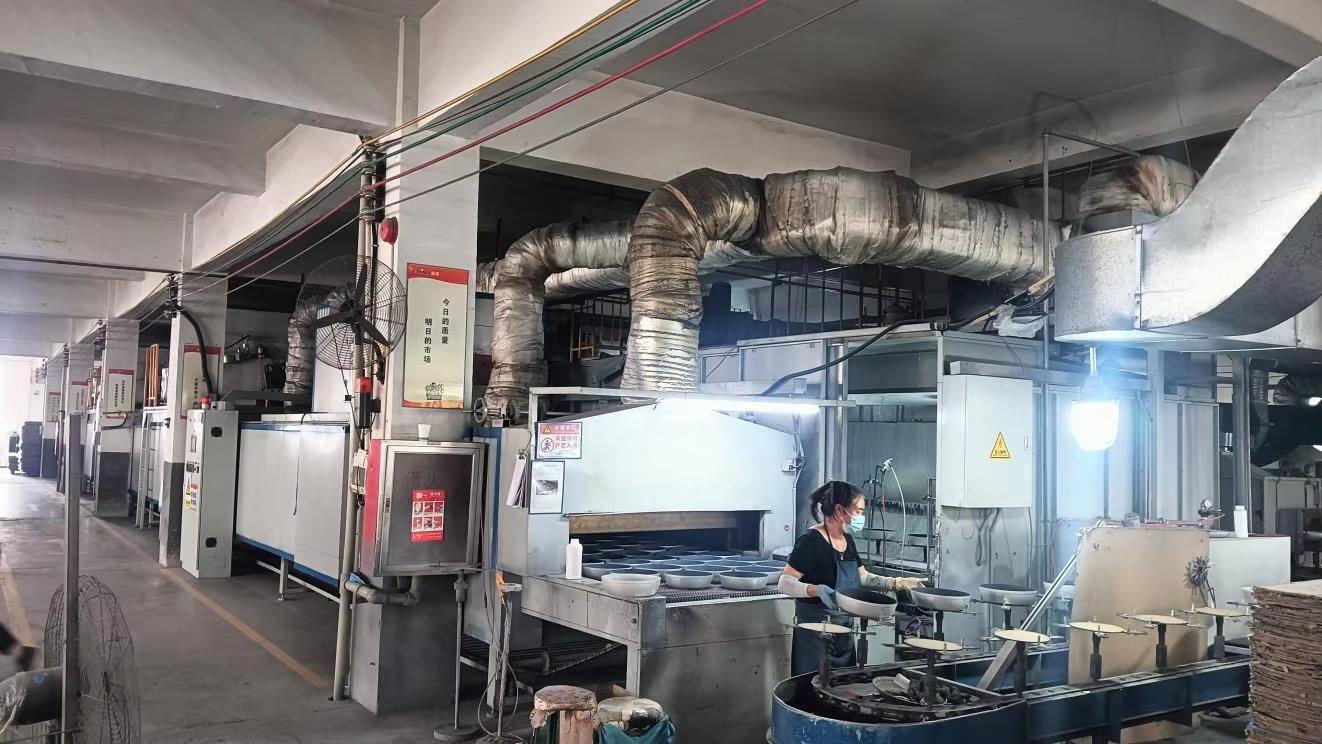
Clean-Room Spray Coating
Automated multi-head robotic spraying preventing micro-porosity and ensuring coating adhesion.
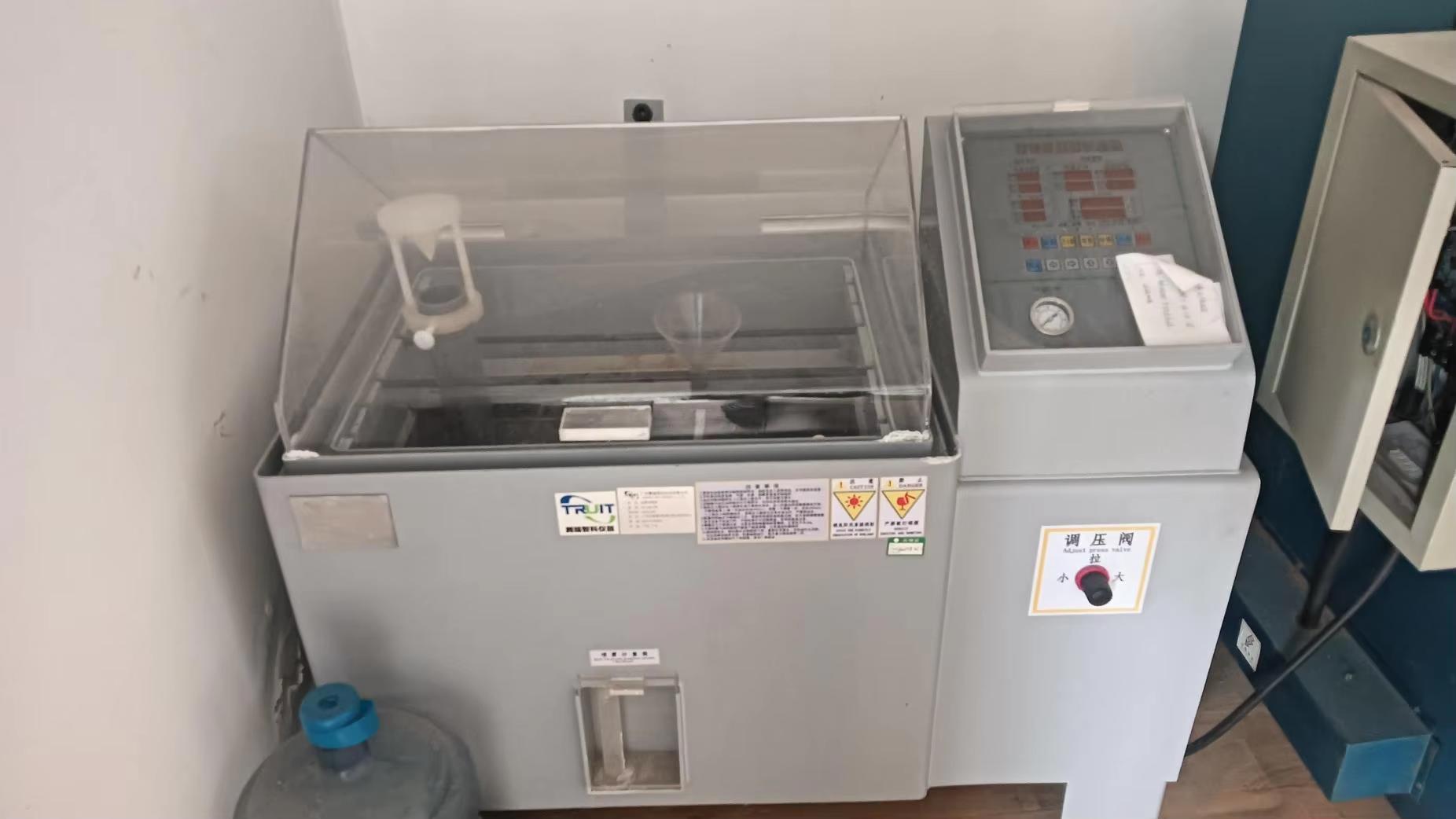
Salt Spray & Corrosion Testing
Rigorous chemical and salinity immersion validating exterior surface integrity against corrosive foods.
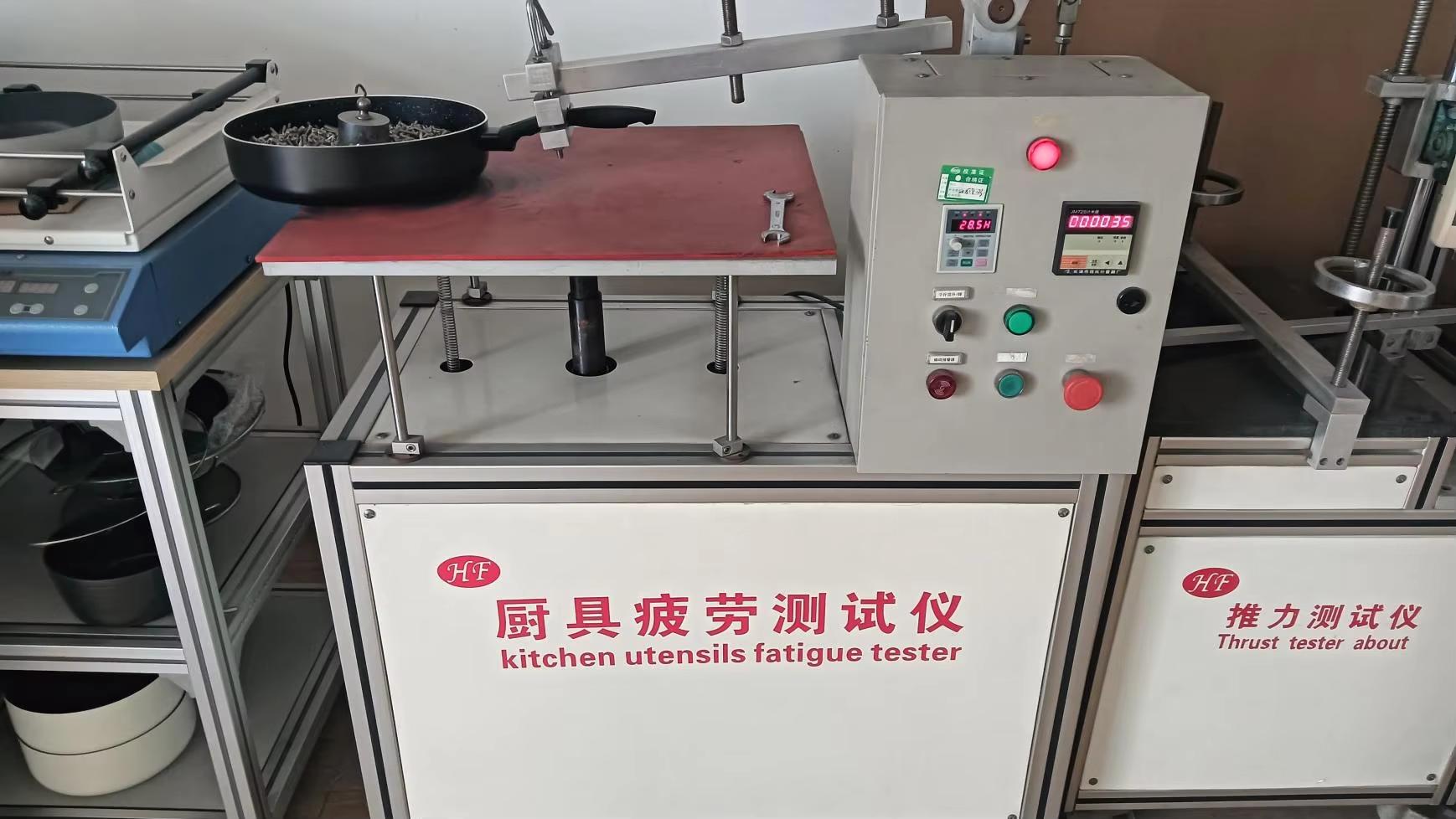
Handle Fatigue & Torque Testing
Subjected to DIN EN 12983-1 mechanical tests to guarantee zero rivet loosening and handle failure.
Procurement Guide
Frequently Asked Questions by German Cookware Buyers
Key regulatory, logistical, and technical insights for importers, purchasing managers, and private-label developers serving the Dortmund territory.
What regulatory compliance documentation accompanies shipments to Dortmund?
Every shipment destined for the German market is backed by full European compliance documentation. This includes formal CE declarations, LFGB (Lebensmittel-, Bedarfsgegenstände- und Futtermittelgesetzbuch) § 30 & 31 laboratory migration test reports, Regulation (EC) No 1935/2004 compliance, and REACH SVHC certifications. Testing is routinely executed via certified bodies such as TÜV Rheinland, SGS, or Bureau Veritas depending on the buyer's internal compliance manual.
How does MEIS ensure base flatness to prevent buzzing on European induction cooktops?
European induction cooktops (including high-frequency commercial stoves common in Dortmund commercial kitchens) vibrate cooktops if cookware bases are uneven or contain trapped air pockets beneath the stamped base plate. We resolve this by applying an inward concavity offset (0.4%–0.6% curvature at room temperature) through precision CNC finishing. Under thermal expansion during heating, the base expands to sit dead flat against the glass-ceramic surface, ensuring whisper-quiet operation and optimum energy conduction.
What are the standard production lead times and shipping routes to Dortmund?
Standard OEM/ODM manufacturing cycle times range from 30 to 45 days post-sample approval. For logistics into Dortmund, shipments typically depart from Ningbo or Shanghai ports, moving via direct ocean container lines to Rotterdam, Antwerp, or Hamburg, followed by inland rail or feeder barge transit via the Dortmund Port (Dortmunder Hafen) or direct truck container chassis delivery. Alternatively, time-sensitive programs can leverage the Yiwu-to-Duisburg rail freight route, reducing overland transit time to 16–18 days.
What are the minimum order quantities (MOQ) for custom private-label branding?
For bespoke OEM production involving customized colorways (Pantone-matched coatings), laser-etched base logos, custom stamped bottom plates, and four-color retail packaging, our standard MOQ is 1,000 to 1,500 units per size for individual fry pans, and 800 to 1,000 sets for multi-piece cookware combinations. For trial market tests or initial market entry in Germany, select standard-mold items can be produced with low-run custom packaging starting from 500 units.
Can handles be customized to fulfill DIN EN 12983 thermal and ergonomic benchmarks?
Yes. European consumers and commercial kitchen inspectors enforce DIN EN 12983-1 standards governing cookware handles, which regulate surface temperatures, fire retardancy, and mechanical strength. We provide heat-insulating stay-cool cast stainless steel handles, hollow stainless options, or soft-touch heat-resistant bakelite handles rated up to 180°C. For industrial oven use, we engineer solid riveted cast handles validated to withstand continuous 260°C oven environments.