Export-Ready Ceramic & Nonstick Cookware for the Netherlands Market
Verified manufacturing solutions engineered for Dutch food safety (NVWA / EU REACH), energy-efficient induction hobs, and retail private labeling.
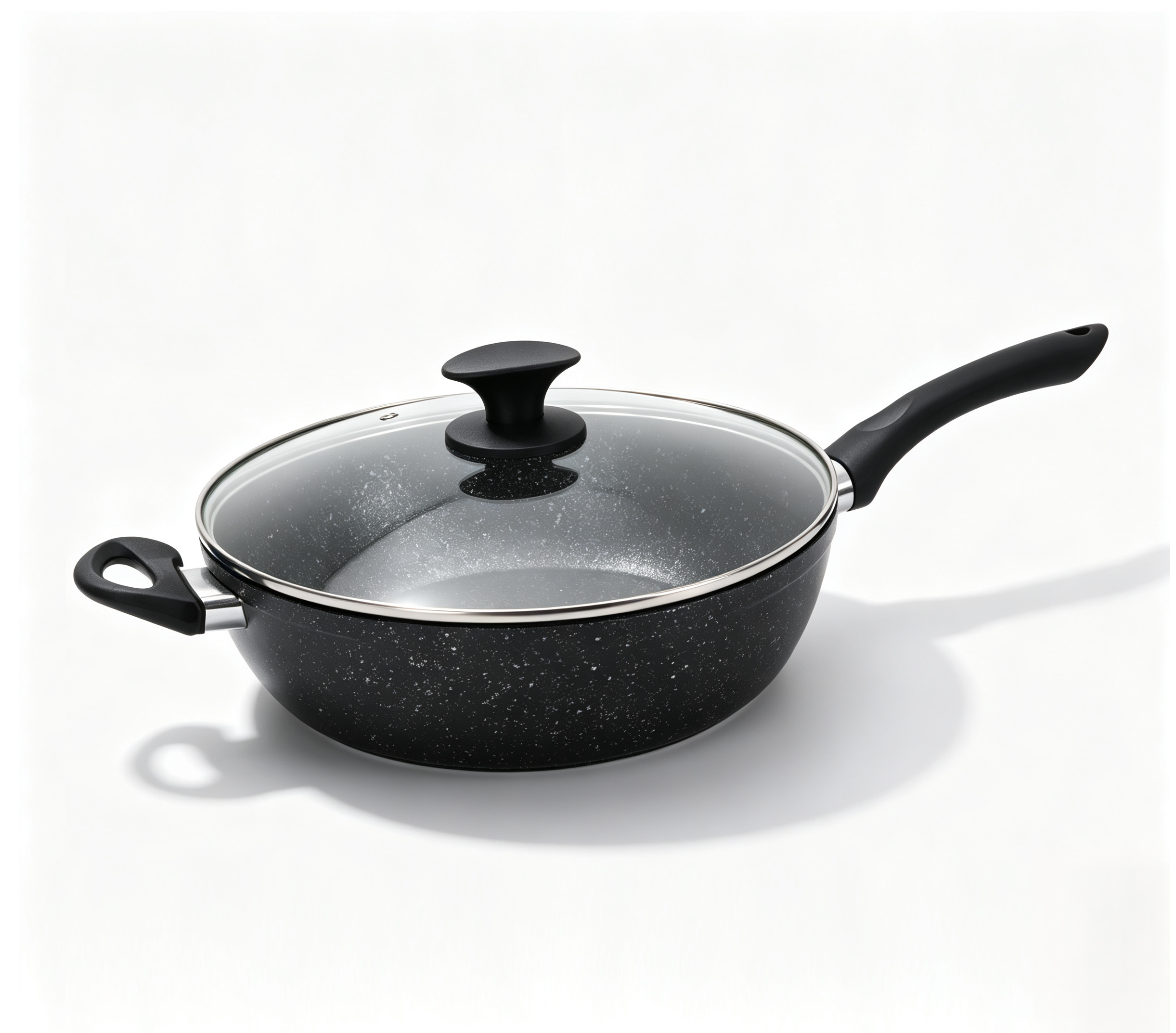
Easy Cleaning Modern Granite Nonstick Aluminum Deep Fry Pan with Glass Lid & Bakelite Handle
View Product Specs →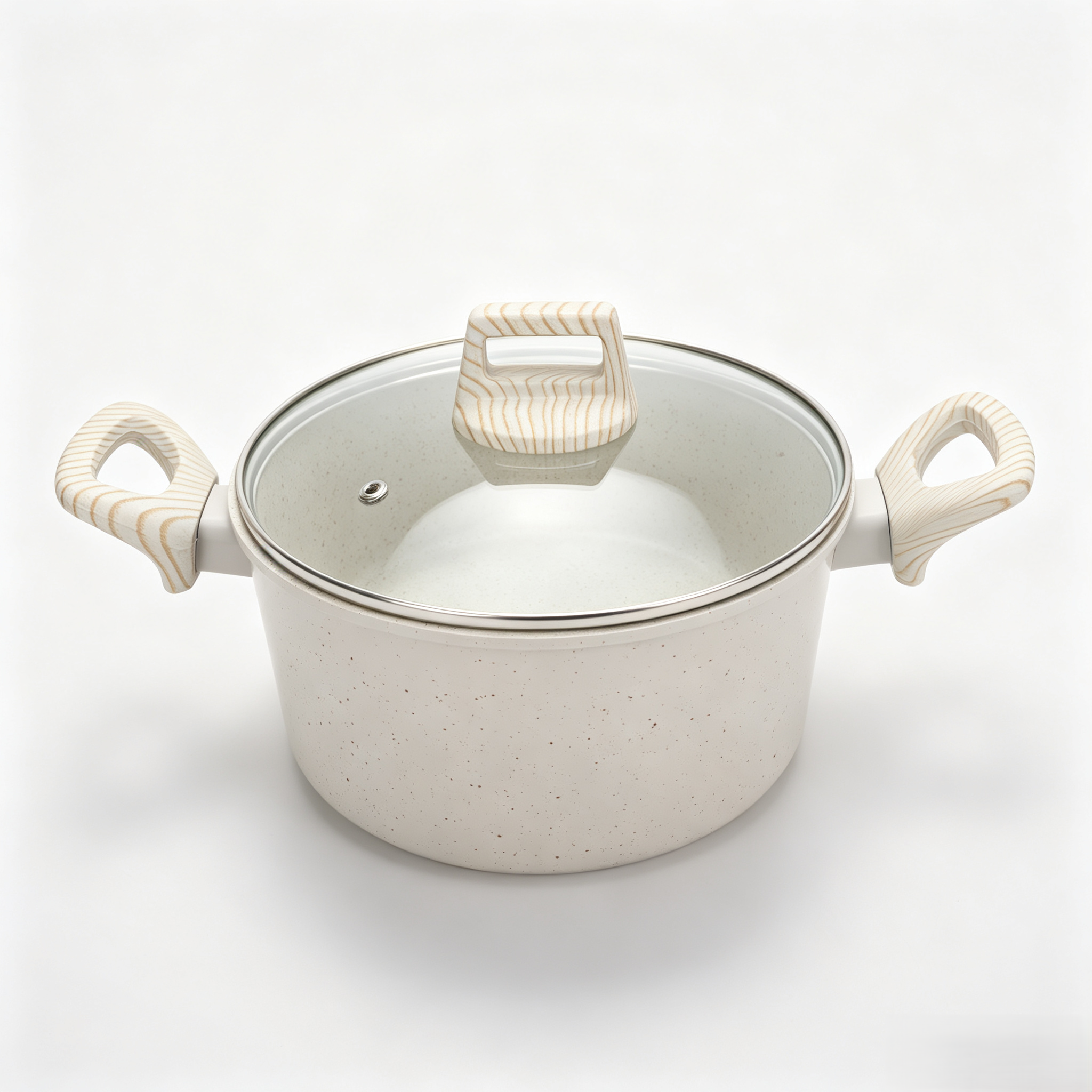
Large Capacity Nonstick Aluminum Induction Casserole Dutch Oven Pot with Bakelite Handle
View Product Specs →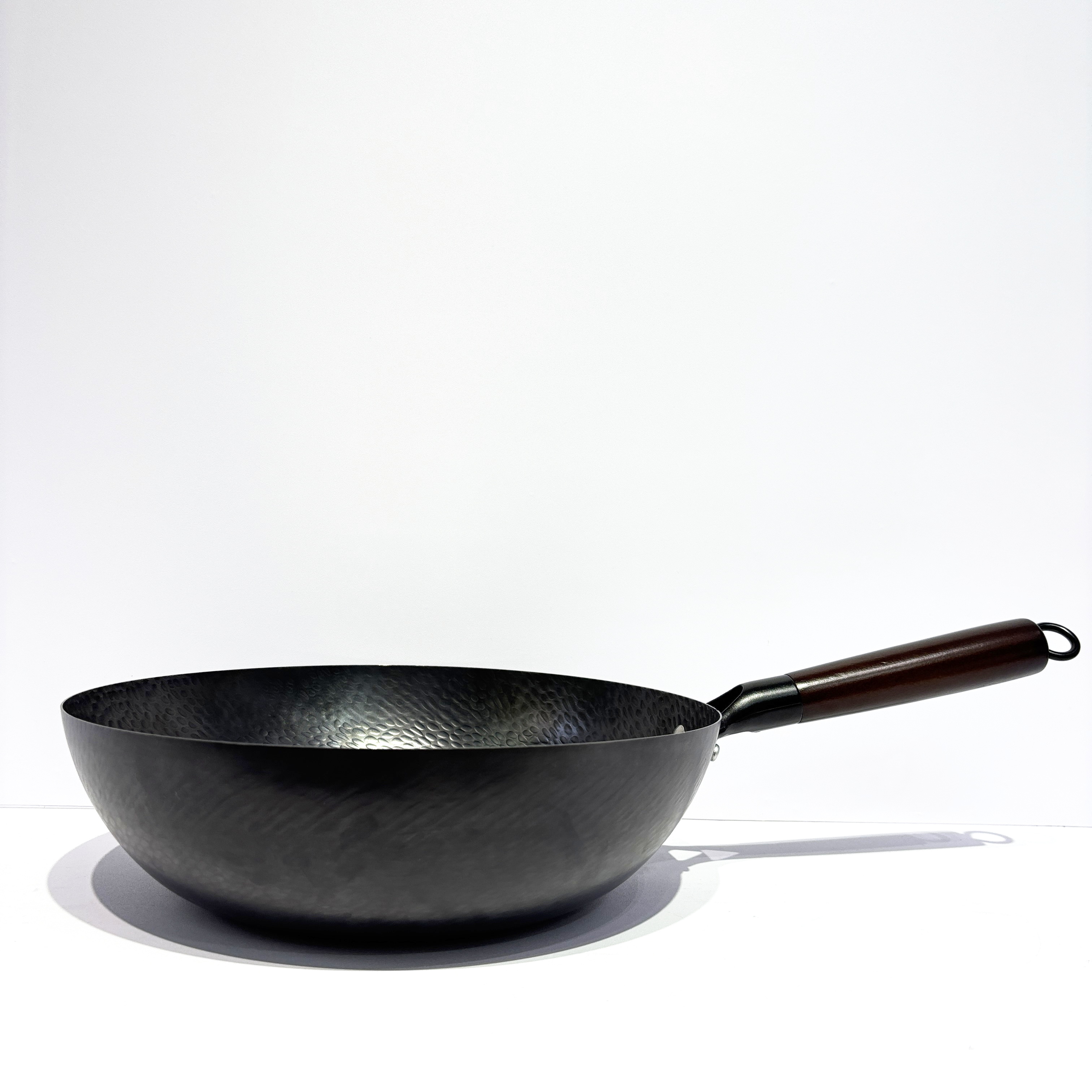
CAMRY Customized Logo Nitrided Nonstick Hammered Carbon Steel Wok with Wooden Handle
View Product Specs →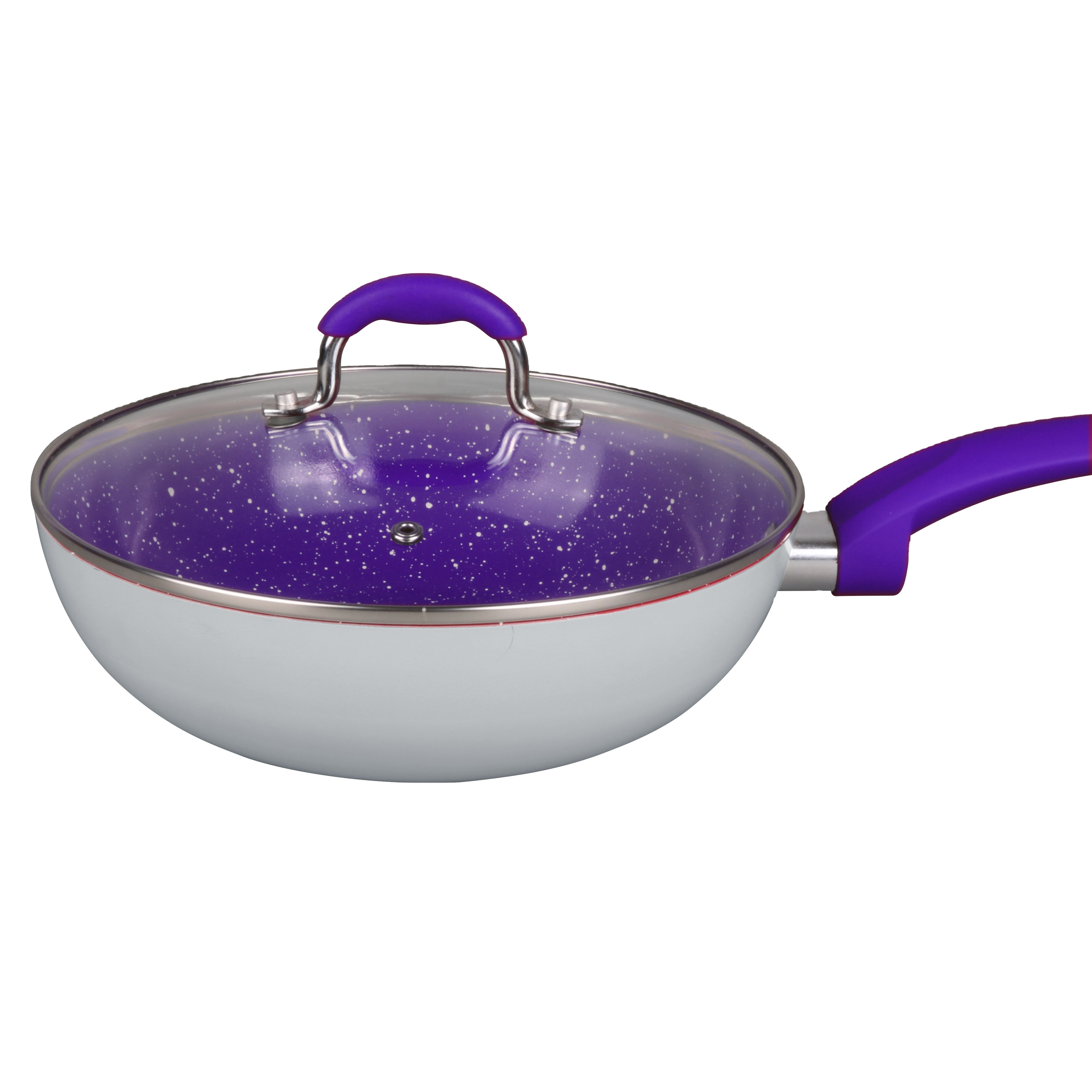
30cm Marble Coating Non-Stick Pressed Wok Deep Fry Pan with Cool-Touch Bakelite Handle
View Product Specs →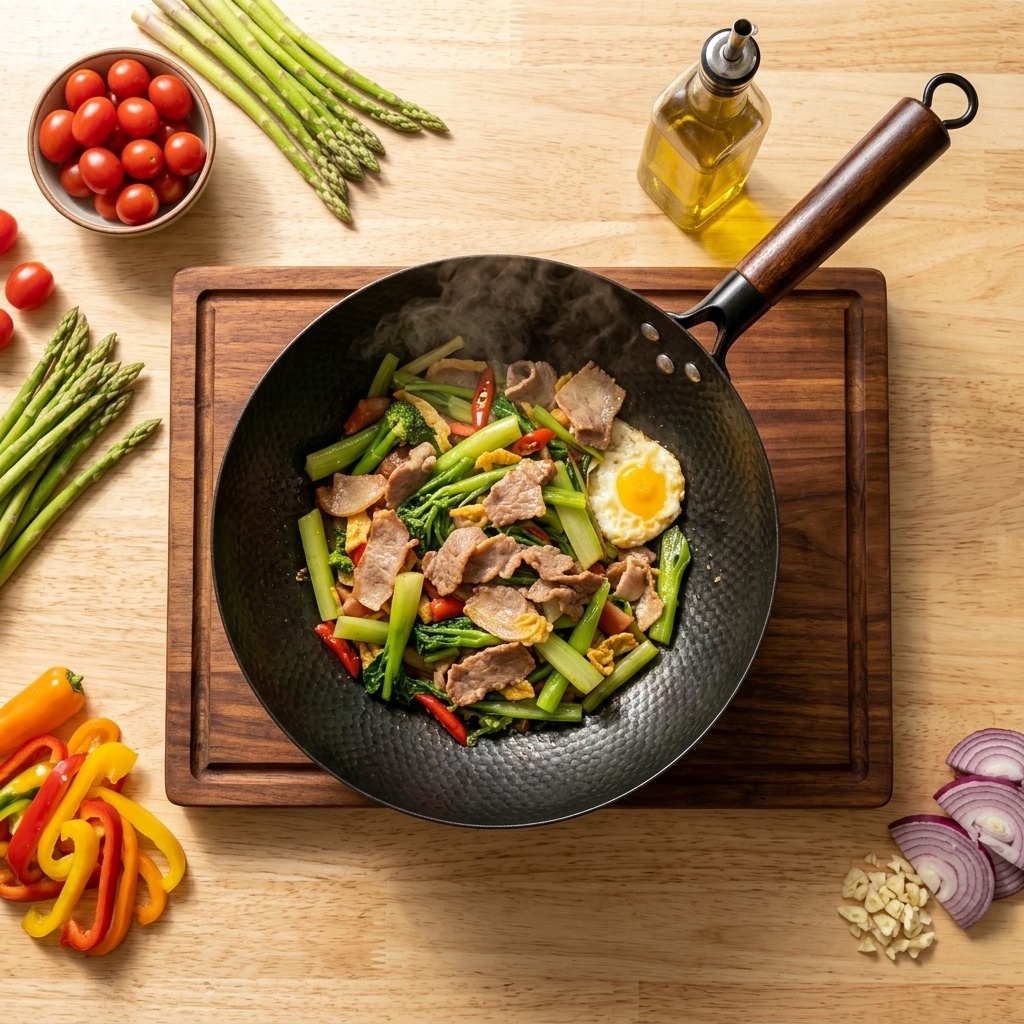
12 Inch 30cm Heavy Gauge Carbon Steel Wok with Wooden Handle & Nitrogen Coating Base
View Product Specs →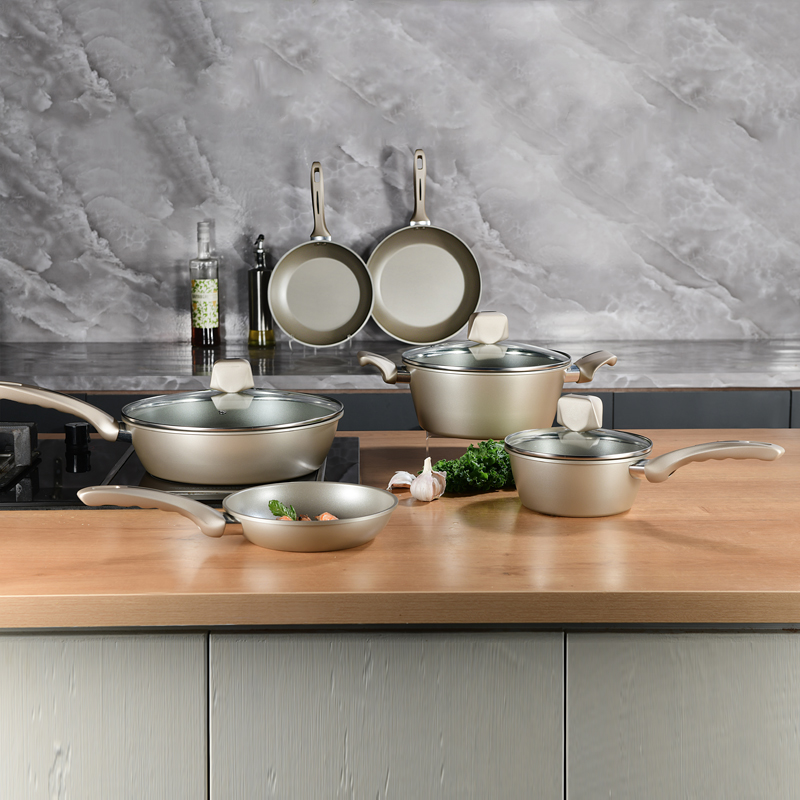
9 Piece Modern Titanium Non-Stick Carbon Steel Cookware Set with Soft Touch Handles
View Product Specs →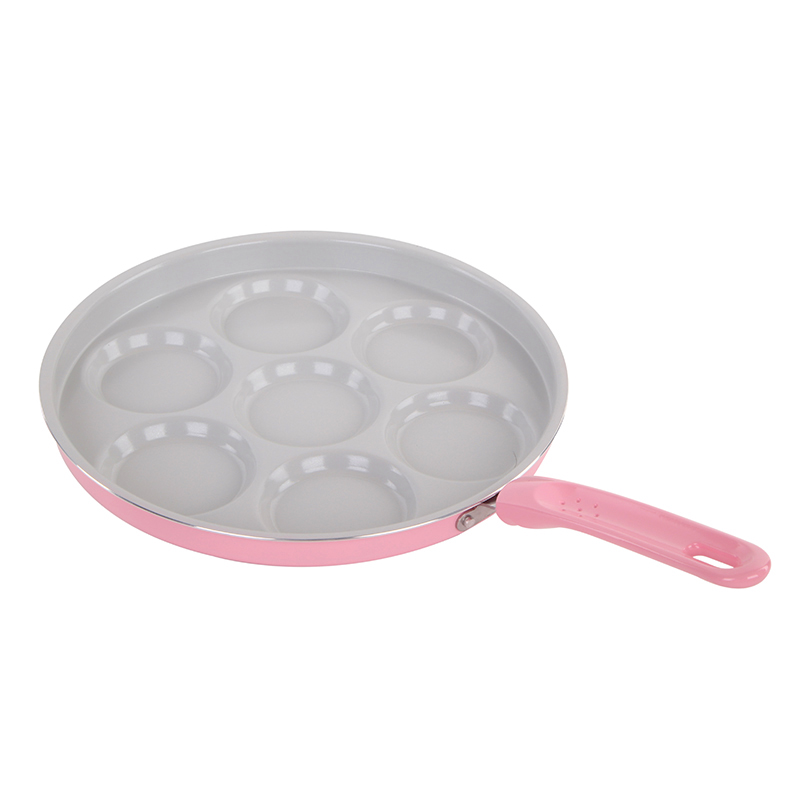
Home Kitchen Eco-Friendly Aluminum Alloy Non-Stick Egg & Skillet Fry Pan Set
View Product Specs →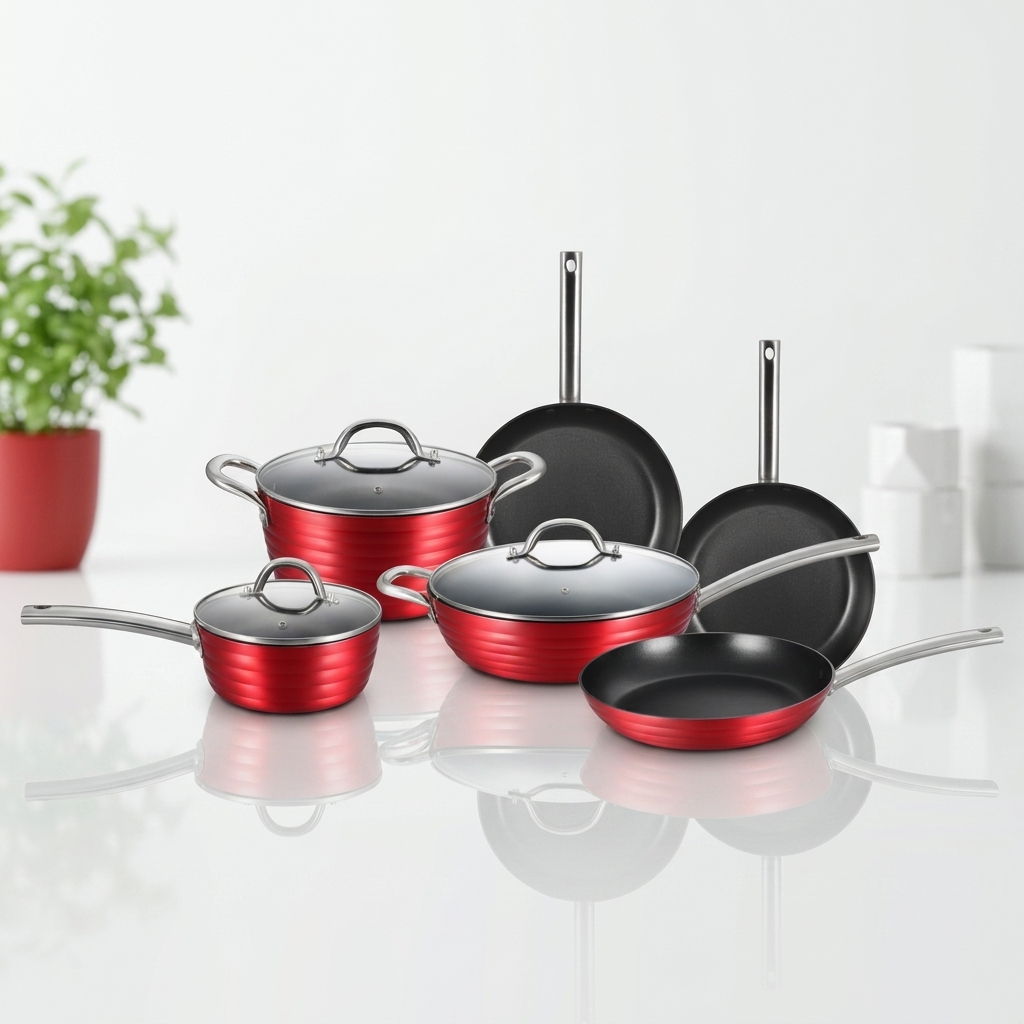
9 Piece Non-Stick Metallic Red Induction Cookware Set with Stainless Steel Handles
View Product Specs →1. Industry Whitepaper: Navigating the Dutch Ceramic Cookware Shift
The Netherlands cookware market is experiencing an unprecedented structural transformation driven by two intersecting catalysts: strict consumer safety mandates regarding fluorinated substances (PFAS/PTFE) enforced by the Netherlands Food and Consumer Product Safety Authority (Nederlandse Voedsel- en Warenautoriteit - NVWA), and the nationwide energy transition shifting Dutch residential kitchens from natural gas hobs to high-efficiency induction cooking systems.
As a premier ceramic cookware factory and exporter serving the Netherlands, Zhejiang MEIS Kitchenware Co., Ltd. provides European importers, brand owners, retail chains (such as Blokker, Action, and HEMA distributors), and e-commerce merchants with technical, regulatory, and logistics clarity. Our advanced inorganic sol-gel ceramic cookware lines eliminate PTFE, PFOA, PFOS, lead, and cadmium while optimizing thermal conductivity for Dutch culinary practices—ranging from long-simmered traditional Sudderlapjes (beef stews) to high-heat pancake baking (Pannekoeken).
100% NVWA & EU REACH Compliance
Strictly certified under EU Food Contact Regulation (EC) No 1935/2004 and the Dutch Commodities Act (Warenwetbesluit Verpakkingen en Gebruiksartikelen).
Rapid Induction Thermal Flux
Impact-bonded and full-bound 430 stainless steel base plates designed specifically for high-frequency Dutch induction hobs (Siemens, Bosch, ATAG).
Advanced Sol-Gel Nanotechnology
Silica-matrix ceramic coatings providing scratch resistance up to 9H hardness and temperature tolerance exceeding 450°C without toxic fumes.
2. Material Science & Coating Metallurgy: Sol-Gel Ceramic vs. Traditional PTFE
Understanding the molecular difference between fluoropolymer non-stick coatings and inorganic silica sol-gel ceramic coatings is vital for category buyers in the Netherlands. Below is an engineering comparison of performance metrics verified during our TÜV Rheinland factory audits and batch testing protocols.
2.1 Sol-Gel Nanocomposite Coating Chemistry
Our ceramic non-stick formulation utilizes a solution-gelation (sol-gel) process that converts liquid silicon dioxide ($SiO_2$) precursors into a dense, glass-like inorganic ceramic network under controlled thermal curing (380°C to 420°C). Unlike organic PTFE coatings that degrade and emit toxic fumes (polymer fume fever) above 260°C, sol-gel ceramic surfaces remain thermally stable up to 450°C (842°F).
| Evaluation Parameter | MEIS Sol-Gel Ceramic Coating | Standard PTFE / Fluoropolymer | Nitrided Carbon Steel |
|---|---|---|---|
| PFAS / PFOA / GenX Presence | 0% (Completely Free) | Risk of chemical trace residues | 0% (Chemical-Free) |
| Thermal Resistance Ceiling | 450°C / 842°F | 260°C / 500°F (Degrades) | >600°C / 1112°F |
| Surface Hardness (Pencil Scale) | 8H – 9H Hardness | 2H – 3H (Prone to metal scratch) | 7H – 8H (Hardened surface) |
| Induction Efficiency Ratio | 94.2% Energy Coupling | Varies by base construction | 98.5% (Natural Magnetism) |
| Dishwasher & Saline Resistance | High (Alkali-resistant formula) | Moderate (Edge peeling risks) | Handwash Recommended |
2.2 Aluminum Substrate Engineering: Forged vs. Pressed vs. Carbon Steel
To optimize landing costs, thermal distribution, and weight profiles for European distribution, we offer three key body constructions:
- Die-Forged Heavy Aluminum (3.5mm – 5.0mm Base): Ideal for premium Dutch cookware sets (Dutch Ovens, Casseroles, Sauté Pans). Forging alters the molecular grain structure of aluminum alloys (AL 3003/4006), creating a thicker magnetic base that prevents center-bulging during rapid induction heating cycles.
- Precision Pressed Aluminum (2.0mm – 3.0mm Gauge): Lightweight, fast-heating, and highly cost-effective for promotional supermarket runs, volume e-commerce bundles, and value-focused retail lines in the Netherlands.
- Heavy-Gauge Carbon Steel (1.2mm – 2.0mm Steel): Combining the heat response of iron with lower weight. Carbon steel is naturally magnetic across its entire footprint, delivering exceptional energy conversion efficiency on Dutch induction hobs.
3. Dutch Market Localization: Culinary Applications & Regulatory Compliance
Exporting cookware to the Netherlands requires precise alignment with Dutch living environments, kitchen layouts, and dining culture. Generic cookware designed without regional adaptation often suffers from high return rates and poor customer reviews on Dutch platforms like Bol.com and Amazon.nl.
3.1 Energy Transition & Induction Compatibility (Het Aardgasvrije Nederland)
Under the Dutch Climate Agreement (Klimaatakkoord), municipal districts across Amsterdam, Rotterdam, Utrecht, and Eindhoven are phasing out residential natural gas connections. Consequently, over 80% of urban Dutch homes now cook on induction hobs. Standard aluminum pans fail on induction unless fitted with a high-permeability magnetic bottom.
MEIS Kitchenware integrates full-bound micro-stamped 430 stainless steel induction discs across our cookware range. This ensures:
- Zero vibration or buzzing noise during high-wattage induction operation.
- Uniform edge-to-edge magnetic coupling without localized cold spots.
- Compatibility with leading European induction brands: ATAG, Miele, Siemens, AEG, and Bosch.
3.2 Tailored for Traditional Dutch Cooking Styles
Dutch cooking relies heavily on prolonged simmer cycles and specific pan geometry:
- Sudderpannen / Dutch Ovens: Heavy-gauge ceramic casseroles retain heat over hours for low-temperature stewing (Sudderlapjes and Hachee), preventing liquid burn-off without constant stirring.
- Flat-Base Skillets & Woks: Precise flat-bottomed nitrided carbon steel and ceramic woks sit perfectly flush on flat glass-ceramic induction tops, enabling crisp stir-frying without scratching delicate hob glass.
- Soft-Touch Heat-Resistant Ergonomics: Bakelite handles rated for oven safety up to 180°C with faux-wood grain or silicone soft-touch finishes designed for modern Scandinavian-inspired Dutch interior aesthetics.
4. Enterprise Manufacturing Powerhouse: Zhejiang MEIS Kitchenware Co., Ltd.
Located in the Dongnan Industrial Zone, Shuxi Street, Jinhua, Zhejiang, China, Zhejiang MEIS Kitchenware Co., Ltd. is a verified, direct-manufacturing enterprise with 20 years of OEM/ODM export history. Operating dedicated automated pressing, CNC finishing, automatic spray-coating, and assembly lines, our 105+ skilled employees ensure consistent quality from raw ingot to sealed shipping carton.
TÜV Rheinland On-Site Assessed
Our facility undergoes rigorous third-party audits verifying production line capacity, ethical labor standards, and material traceability.
In-House Quality Laboratory
Equipped with salt-spray corrosion testers, handle torque/thrust fatigue rigs, coating adhesion cross-hatch tools, and thermal shock quenches.
Rotterdam Port Direct Logistics
Seamless FOB Ningbo / Shanghai execution with established freight pathways directly to Port of Rotterdam and distribution hubs in South Holland.
Custom OEM/ODM Private Labeling Options for Dutch Brands
We empower Dutch importers to build distinct market identity through comprehensive custom capabilities:
- Custom Coating Colors: Pantone matching for trendy EU colors including Matte Charcoal, Nordic Sage Green, Terracotta, and Classic Cream.
- Exterior Finishes: Heat-resistant lacquer, marble/granite speckle effects, soft-touch heat-transferred wood grain handles.
- Custom Logo Branding: Precision bottom laser etching, rim metal stamping, and handle silicone badge inserts.
- Eco-Friendly Dutch Packaging: FSC-certified cardboard sleeves, plastic-free biodegradable inner wrapping, and retail display color boxes tailored for Bol.com fulfillment centers.
5. B2B Sourcing & Logistics Guide for Dutch Buyers
Importing cookware from China into the Netherlands involves managing customs compliance, tariffs, and shipping schedules efficiently. Here is a practical roadmap engineered by our export department:
5.1 Tariff & Customs HS Code Breakdown
- Aluminum Ceramic Cookware: HS Code
7615.10(Table, kitchen or other household articles and parts thereof, of aluminum). Standard EU Third-Country Duty: 6.0%. - Carbon Steel Cookware / Woks: HS Code
7323.93or7323.99(Table, kitchen or household articles of iron or steel). Standard EU Third-Country Duty: 3.2%.
5.2 Transit Timelines from China to the Netherlands
Our factory maintains streamlined export logistics via Zhejiang’s primary deep-water ports:
- Port of Loading: Ningbo-舟山 (Ningbo-Zhoushan Port) or Shanghai Port.
- Port of Discharge: Port of Rotterdam or Port of Amsterdam.
- Ocean Freight Transit Time: Approximately 28 to 35 days direct vessel sailing.
- Factory Lead Time: 30 to 45 days for initial OEM customized orders; 20 to 25 days for repeat batch orders.
6. Frequently Asked Questions (FAQ) for Dutch Buyers
Direct answers to common technical, legal, and operational inquiries raised by procurement teams in the Netherlands.
Does your ceramic cookware comply with Dutch NVWA and EU PFAS restriction laws?
Yes, absolutely. Our sol-gel ceramic non-stick coatings are 100% free from PTFE, PFOA, PFOS, GenX, lead, and cadmium. Products supplied to the Netherlands are tested and compliant with EU Food Contact Regulation (EC) No 1935/2004, REACH Regulation (EC) No 1907/2006, and the Dutch Commodities Act (Warenwetbesluit Verpakkingen en Gebruiksartikelen). Full lab test reports from TÜV Rheinland or SGS are provided upon request.
Are your ceramic pans fully compatible with Dutch induction hobs?
Yes. All cookware designated for the European market features an integrated ferritic 430 stainless steel induction base plate (either full-bound disk or impact-bonded perforated bottom). This ensures rapid magnetic coupling and energy efficiency on European induction cooktops including ATAG, Miele, Bosch, and Siemens.
What is the minimum order quantity (MOQ) for custom OEM orders serving the Netherlands?
For fully customized OEM production (custom Pantone ceramic color, custom branding, personalized color box packaging), the standard MOQ is 1,000 to 1,500 sets/pieces per size or model. Trial orders for selected running stock fry pans start as low as 50 to 500 pieces to assist new brand launches.
What is the difference between pressed aluminum, forged aluminum, and carbon steel cookware?
Pressed aluminum is lightweight and highly cost-efficient, making it ideal for high-volume retail promotions. Forged aluminum features a heavy base and thinner walls, providing superior warp resistance and thermal retention for mid-to-premium retail brands. Carbon steel is extremely durable, lightweight compared to cast iron, and naturally magnetic across its entire surface for rapid induction response.
Can we request sample sets for testing prior to issuing a formal purchase order?
Yes. We provide sample sets for physical inspection, lab testing, and kitchen performance trials. Custom color or logo samples can be produced within 7 to 10 days and dispatched via express air courier (DHL/FedEx) directly to your office or warehouse in the Netherlands.
How does MEIS Kitchenware handle shipping and customs documentation for Rotterdam import?
We provide complete export documentation tailored for Dutch customs clearance, including Commercial Invoice, Packing List, Bill of Lading (B/L), Certificate of Origin (Form A / CO), and EU Food Contact Compliance Declarations. Orders can be shipped under FOB Ningbo/Shanghai or CIF Rotterdam terms depending on your freight arrangements.
Partner with a Verified Ceramic Cookware Factory Serving the Netherlands
Get technical specifications, OEM price catalogs, and compliance documentation for your Dutch wholesale or retail line today.