High-Efficiency Ceramic & Alloy Cookware for Mexico
Curated non-toxic, PFOA/PFAS-free cookware sets, hard-anodized frying pans, and heavy-gauge woks optimized for commercial and residential induction and gas burners across Guadalajara.
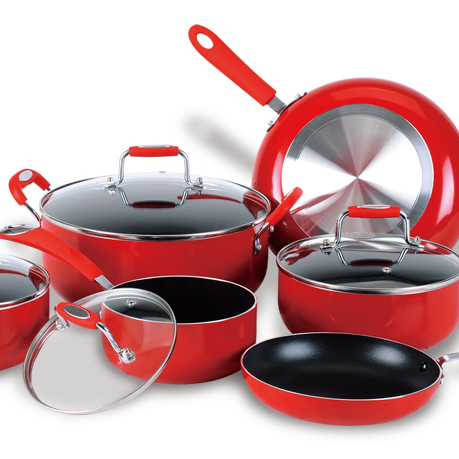
Fashion Kitchen Set of Nonstick Cookware
Multi-piece culinary composition with reinforced sol-gel ceramic non-stick interior, tempered glass steam-release lids, and ergonomic stay-cool handles.
Technical Specs →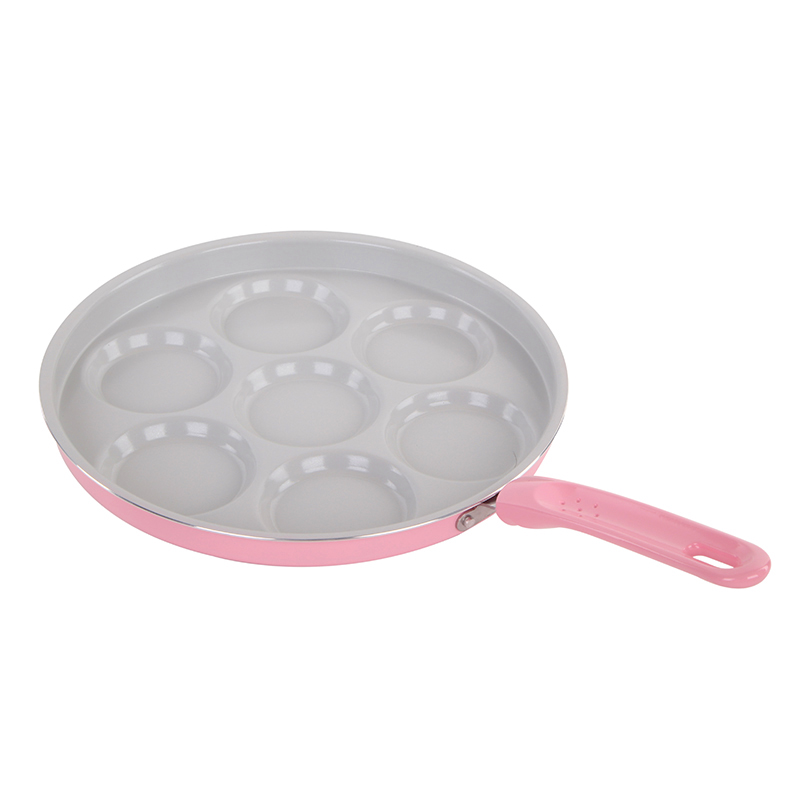
Home Kitchen Eco-Friendly Modern Aluminum Alloy Metal Non-Stick Gas Cooker Egg Fry Pan Cookware Set
Lightweight, high-thermal diffusivity pressed aluminum body engineered for rapid gas stovetop response; non-toxic PTFE/PFAS-free interior release coating.
Technical Specs →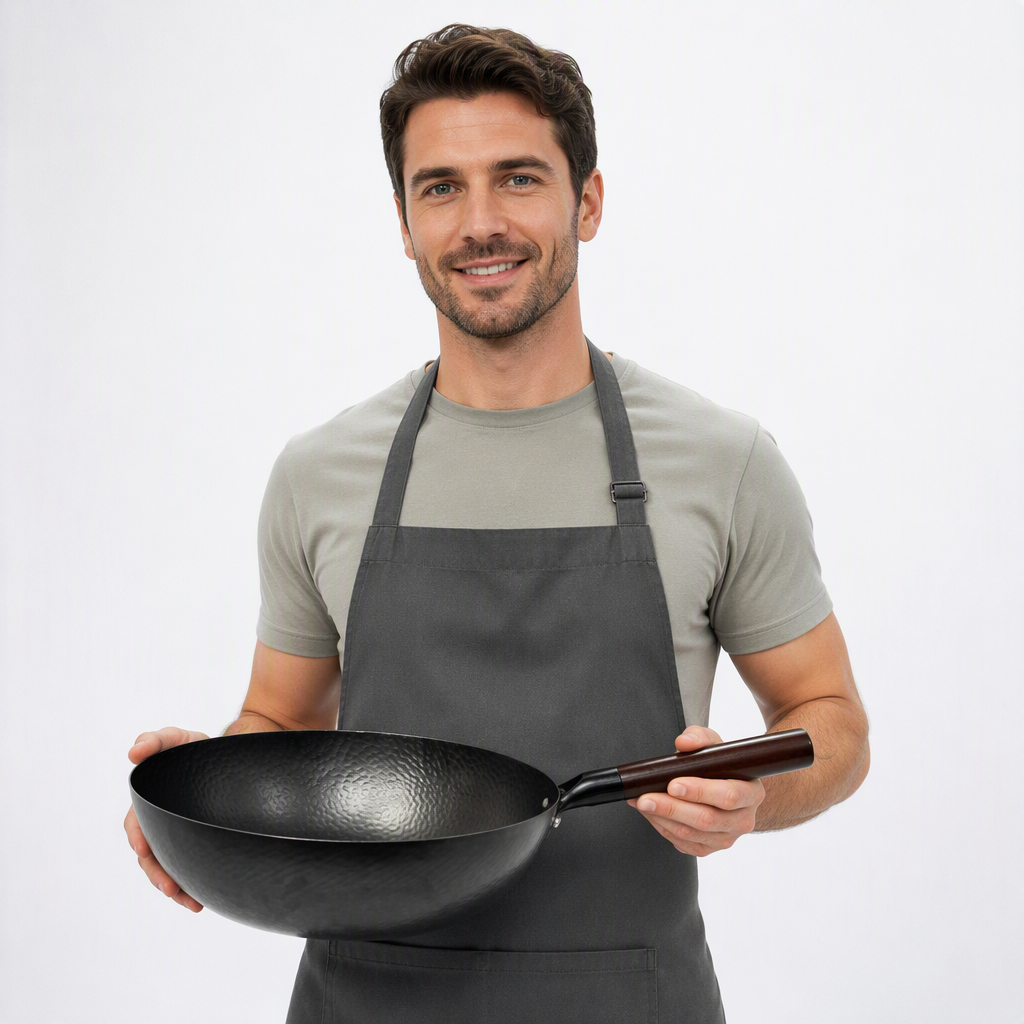
30cm Carbon Steel Round Wok Nitrided Surface Wood Handle Non Stick Stir Fry Pan for Gas and Induction Cookers
Extreme thermal shock tolerance with vacuum-nitrided anti-corrosion barrier, magnetic induction base, and natural beechwood heat-isolated grip.
Technical Specs →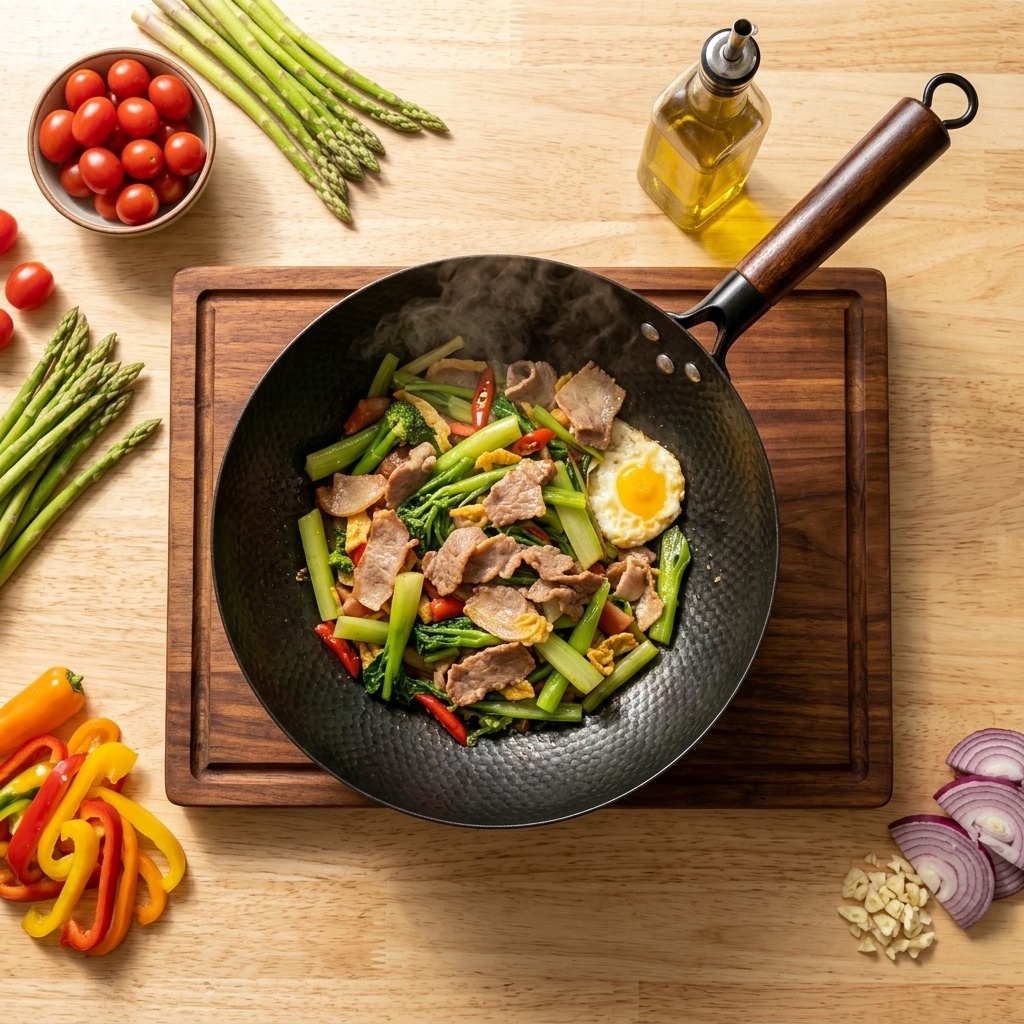
12 Inch 30cm Heavy Gauge Carbon Steel Chinese Wok Wooden Handle Nitrogen Coating Flat Base Gas Induction Ready No Coating
Commercial gauge sheet steel with micro-textured oil-retention surface, engineered flat base for magnetic hobs, zero synthetic chemicals.
Technical Specs →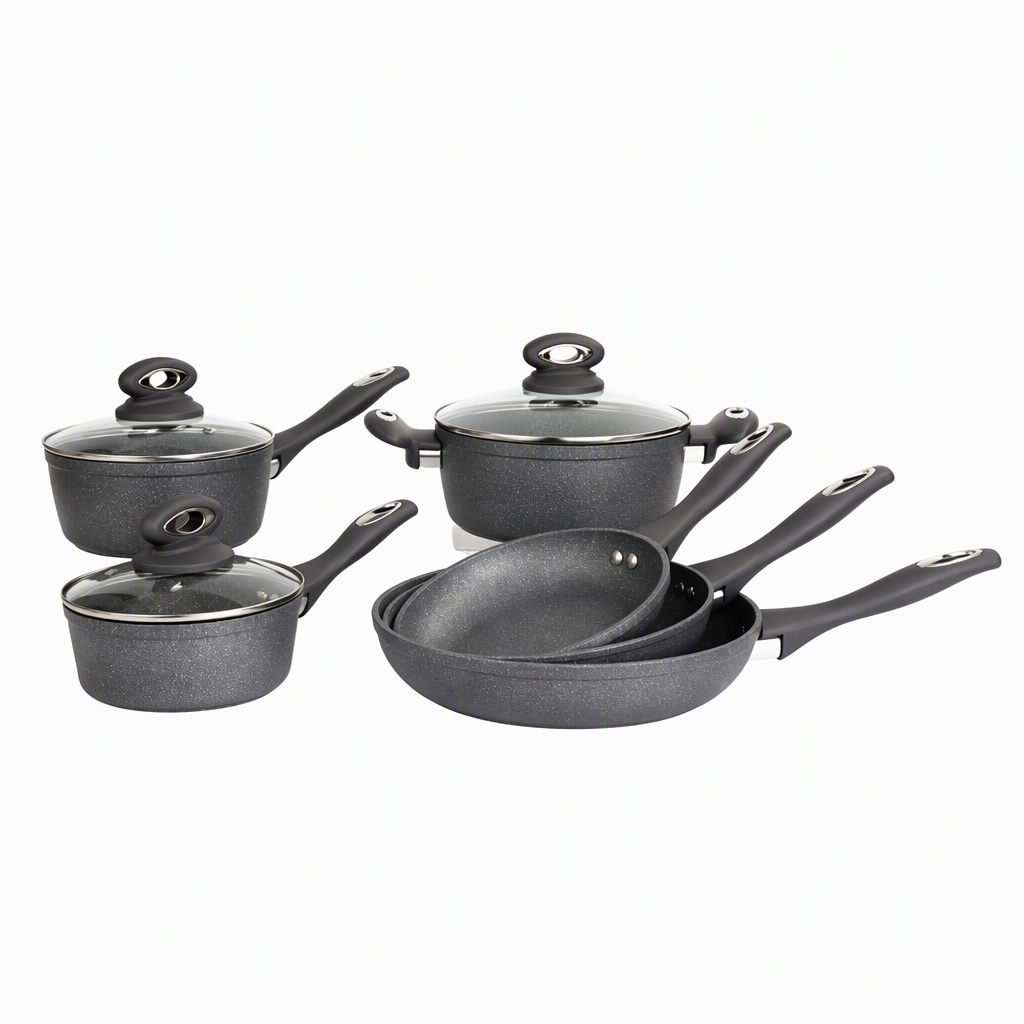
9 Piece Forged Aluminum Cookware Set Marble Coating Induction Base Glass Lids Oven and Dishwasher Safe
Heavy die-forged 3.8mm warp-resistant base, multi-layer mineral speckle ceramic matrix, oven-proof handles, and full perimeter induction disc.
Technical Specs →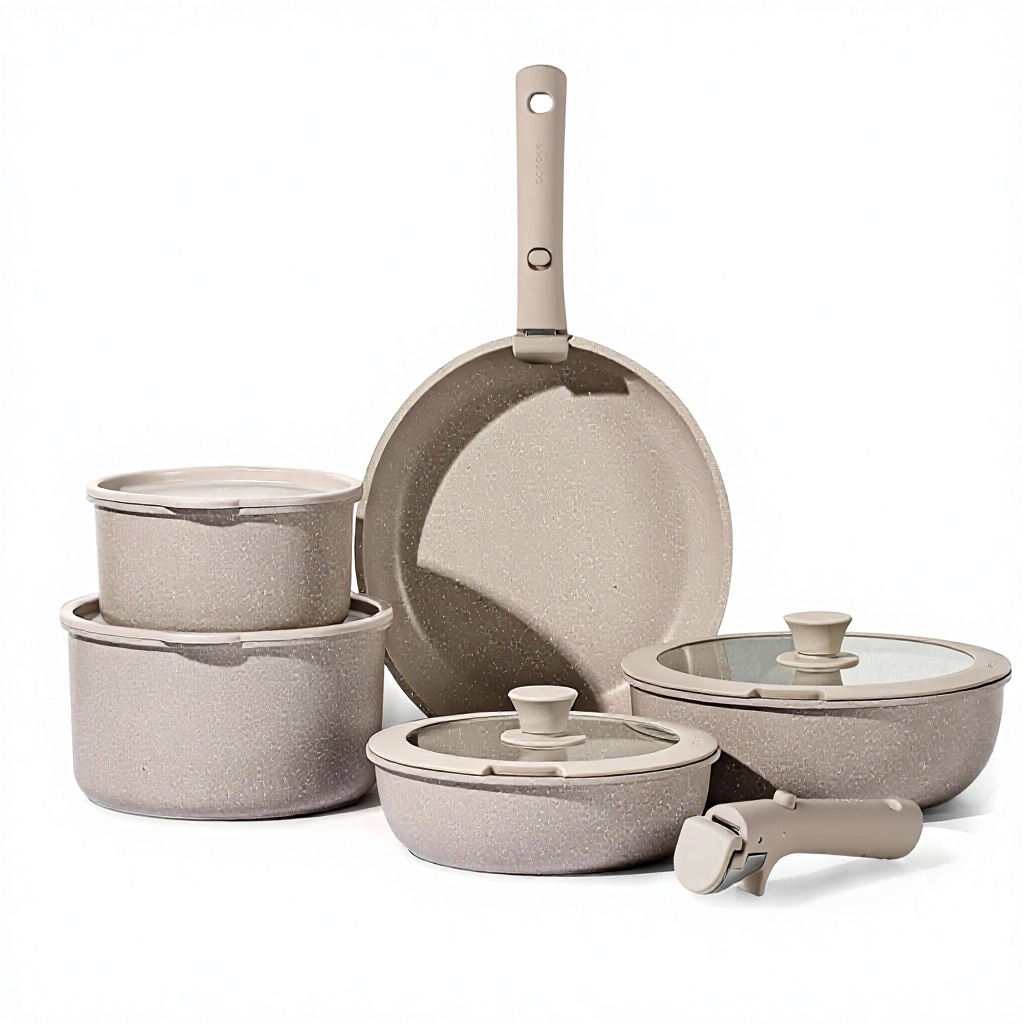
CAROTE 19-Piece Non-Stick Cookware Set Detachable Removable Handles Induction Compatible Oven Safe Dishwasher Safe Gas/Electric
Ultimate modular kitchen system featuring patented removable locking handles, space-saving nested storage, and dual-cure ceramic surfaces.
Technical Specs →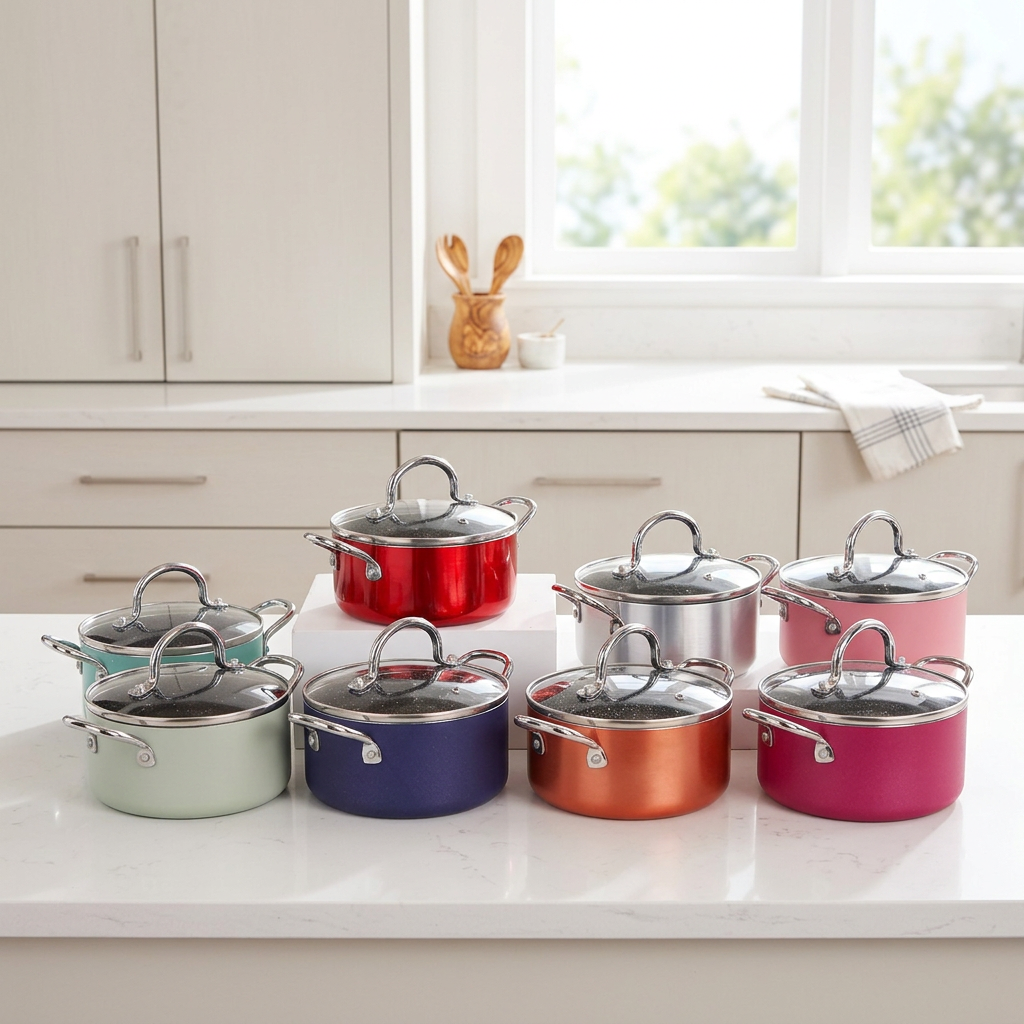
14cm Mini Sauce Pan with Glass Lid Colorful Non Stick Cookware for Induction and Gas Stoves Home Kitchen Use
Precision compact diameter ideal for reduction glazes, salsa preparation, and milk warming; heat-resistant exterior enamel and interior ceramic shield.
Technical Specs →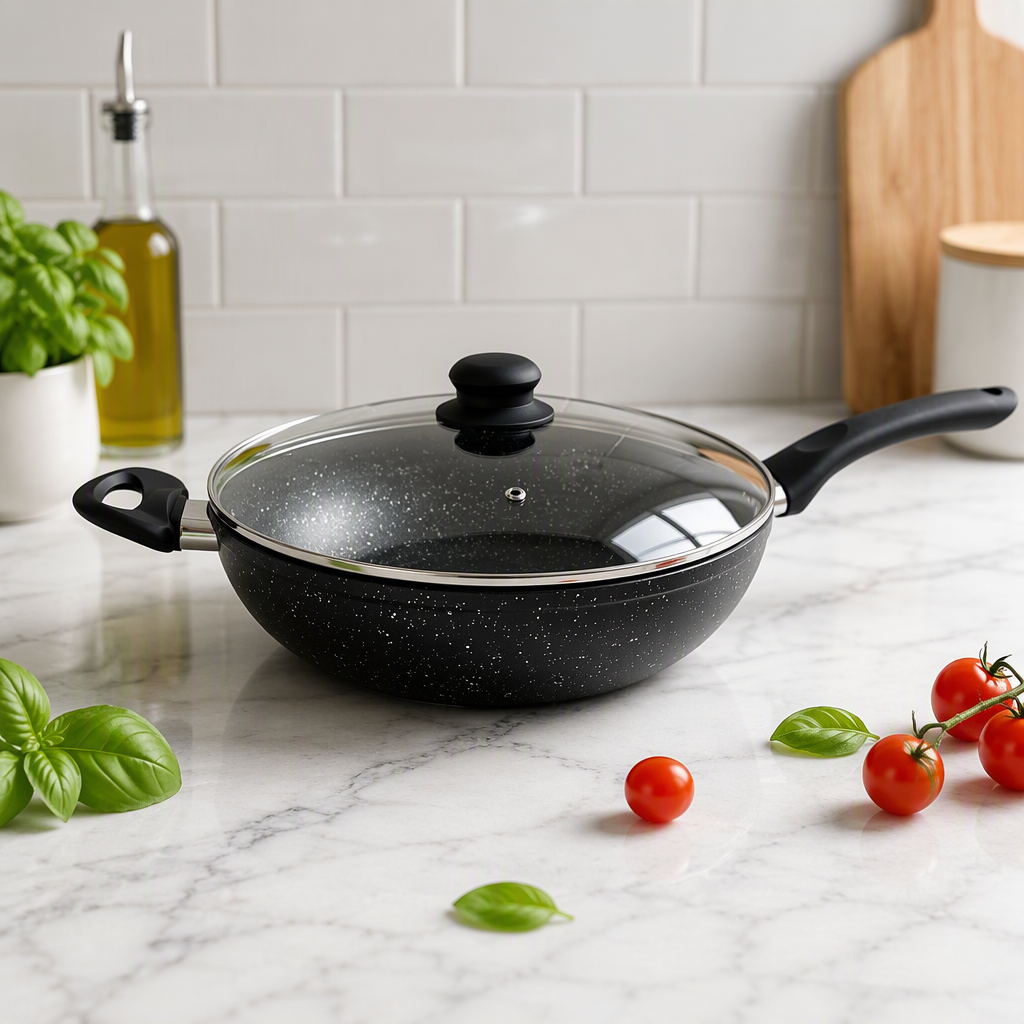
26 cm Non Stick Forged Aluminum Wok Marble Coating Glass Lid Cool Handle 3.5 L for Gas and Induction Cookers
High-capacity 3.5-liter deep wok bowl, flared anti-drip rim, reinforced mineral coating withstands high agitation stir-frying and acidic broths.
Technical Specs →Why Guadalajara Demands High-Integrity Ceramic Cookware
Analyzing the convergence of culinary heritage, strict commercial food safety regulations, and supply chain proximity in Western Mexico's economic capital.
Direct Pacific Logistics via Manzanillo
Guadalajara serves as the primary commercial distribution hub for Western and Central Mexico. Raw materials and OEM kitchenware arriving from Ningbo or Shanghai discharge directly at the Port of Manzanillo (Colima), reaching Guadalajara bonded warehouses in under 6 hours via Ferromex rail or the Colima-Guadalajara highway corridor.
Thermal Resilience for Gastronomic Use
The culinary landscape of Jalisco—from the braising of authentic Birria de Res to high-heat searing for Tortas Ahogadas sauces—subjects cookware to severe thermal stresses, abrasive scrubbing, and exposure to citrus, vinegar, and tomato acids that strip standard PTFE coatings in commercial kitchens.
Strict NOM Compliance & Consumer Trust
Mexican regulatory scrutiny (COFEPRIS and PROFECO) requires commercial cookware to adhere strictly to NOM-011-SSA1-1993 for lead and cadmium extractability and NOM-050-SCFI-2004 for commercial packaging information. Our advanced sol-gel ceramic formulations eliminate toxic off-gassing and heavy metal migration completely.
Procurement Perspective: Transitioning from Clay Cazuelas to Engineered Sol-Gel Ceramics
In Jalisco, traditional red clay cazuelas have long represented culinary authenticity, but modern restaurant standards, department store chains (Liverpool, Coppel, El Palacio de Hierro), and wholesale retail networks (Soriana, Casa Ley) are phasing out poorly vitrified ceramics due to lead-glaze liabilities. Our forged aluminum cookware with food-contact certified mineral ceramic coatings replicates the gentle, even heat dispersal of classic earthenware while delivering modern induction readiness, tensile handle safety, and shatterproof durability.
Inorganic Sol-Gel Ceramic Matrix vs. Traditional PTFE
Understanding the micro-molecular structure and heat kinetics that guarantee long service life under rigorous commercial and domestic demands in Guadalajara.
The Sol-Gel Deposition Mechanism
Unlike fluoropolymer coatings that rely on organic PTFE plastics bonded with synthetic resins, our ceramic formulation utilizes a sol-gel solution derived from silica sand (SiO2) and inorganic ceramic precursors. During the spray application onto chemically etched and degreased 3003-grade aluminum alloy substrates, the liquid gel forms a continuous cross-linked polymer network through controlled hydrolysis and polycondensation reactions.
Cured at elevated thermal regimes (300°C–320°C), this inorganic matrix vitrifies into a dense, scratch-resistant glassy ceramic crust (pencil hardness rating exceeding 9H). This inorganic layer remains chemically inert even under dry heating exceeding 450°C (842°F), eliminating the hazard of toxic fluoride pyrolysis, micro-plastic shedding, or chemical vapor generation common to low-grade PTFE pans.
Acid Resistance Against Jalisco Cuisine
Mexican cooking chemistry involves high concentrations of acetic, citric, and malic acids derived from lime marinades, green tomatillos, tamarind, and fermented chili pastes. In conventional non-stick coatings, acidic compounds permeate micro-fissures, inducing galvanic corrosion between the underlying aluminum substrate and the primer layer, leading to blistering and premature delamination.
Our multi-layer ceramic formulas integrate silicon-oxygen covalent bonds that are fundamentally impermeable to acidic proton exchange. When tested under 4% boiling acetic acid reflux for 48 consecutive hours, our ceramic coated cookware shows zero surface pitting, gloss loss, or elemental aluminum leaching, confirming permanent chemical stability for authentic Mexican sauces and braises.
| Performance Parameter | Die-Forged Ceramic Aluminum | High-Volume Pressed Ceramic | Nitrided Carbon Steel Wok | Traditional Mexican Earthenware |
|---|---|---|---|---|
| Base Substrate | Aluminum Alloy 3003 (3.5–4.5mm) | Pure Stamped Aluminum (2.0–2.5mm) | Heavy Gauge Low Carbon Steel (1.5–2.0mm) | Porous Terracotta Clay |
| Coating Architecture | 2-Layer Sol-Gel Ceramic + Marble Top | 1-Layer Inorganic Sol-Gel Spray | Thermobarometric Nitride Hardening | Lead/Silicate Low-Fire Glaze |
| Maximum Working Temp | 450°C (842°F) continuous | 400°C (752°F) continuous | 550°C (1022°F) continuous | 280°C (Thermal Shock Fragile) |
| Induction Compatibility | Full Clad Magnetic Disc | Punched Induction Plate | Naturally Ferromagnetic | Non-compatible |
| Pencil Hardness Test | ≥ 9H scratch resistance | ≥ 8H scratch resistance | Rockwell C 55 (Case Hardened) | 2H–3H (Brittle) |
| Acid Resistance (pH 2.5–4.0) | Immune (No leaching) | High (Zero degradation) | Moderate (Requires seasoning) | Hazardous (Lead risk if flawed) |
| Primary Market Fit | Department Stores & High-End HORECA | Supermarkets & Promotional Volume | Commercial Stir-Fry & Grill Lines | Artisanal Decorative Markets |
Why Zhejiang MEIS Kitchenware Is Your Qualified OEM Partner
Engineered in our Dongnan Industrial Zone manufacturing complex in Jinhua, Zhejiang—providing direct factory pricing, rapid mold development, and TÜV Rheinland-verified quality control.
20+
Years Cookware Engineering
105
Verified Factory Technicians
TÜV
Rheinland Audited Facility
100%
Raw Material & Final QC
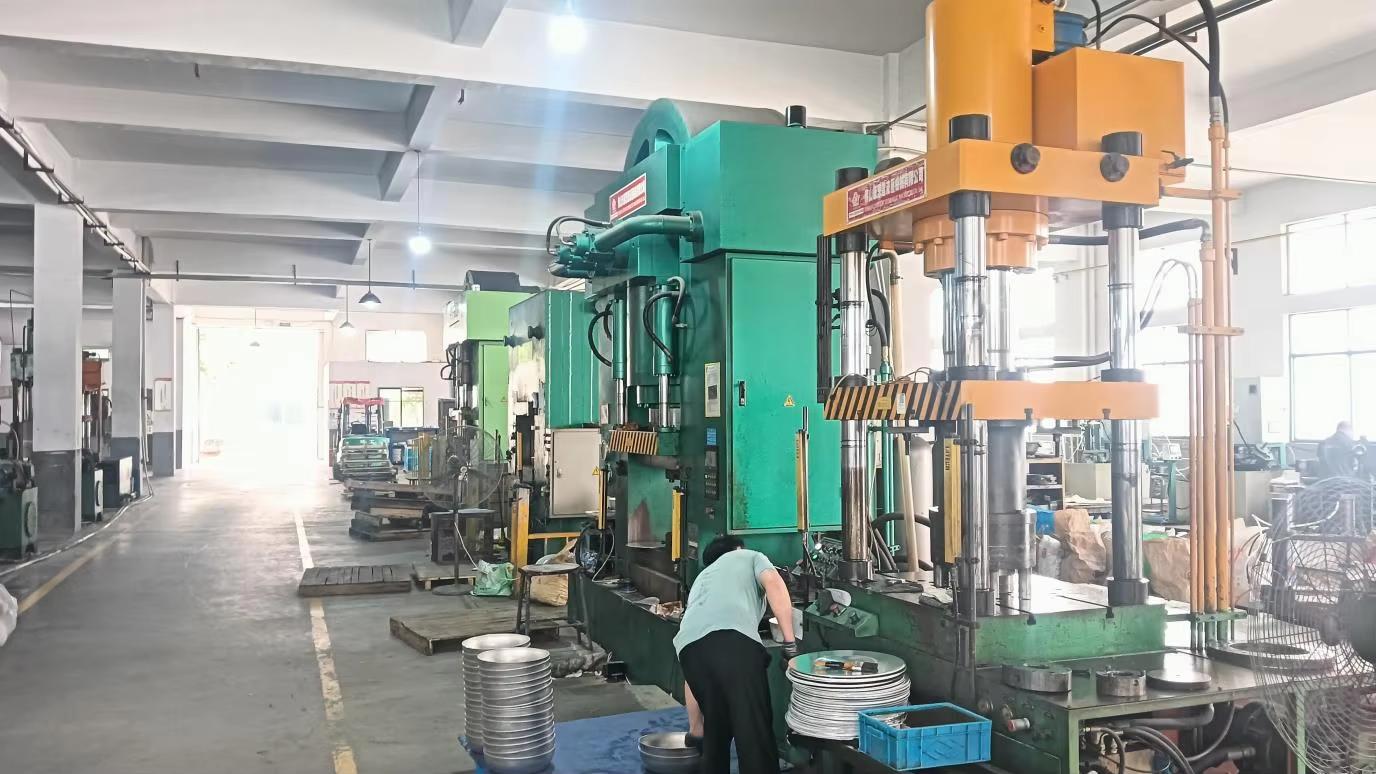
Hydraulic Forging & Pressing
High-tonnage automated presses convert raw aluminum discs into structurally reinforced pan bodies with uniform wall-to-base ratios.
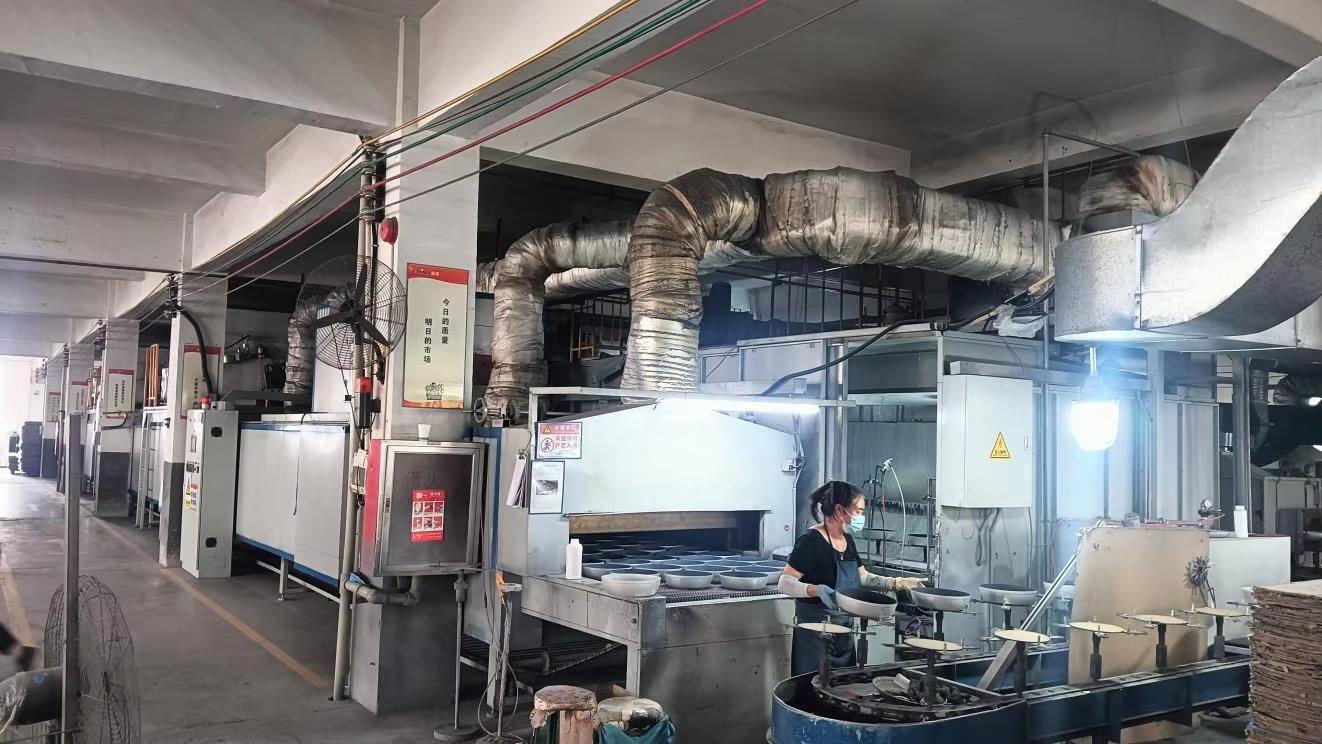
Precision Electrostatic Ceramic Spray
Climate-controlled spray booths ensure continuous, micron-accurate application of primer, sol-gel ceramic base, and speckle effects.
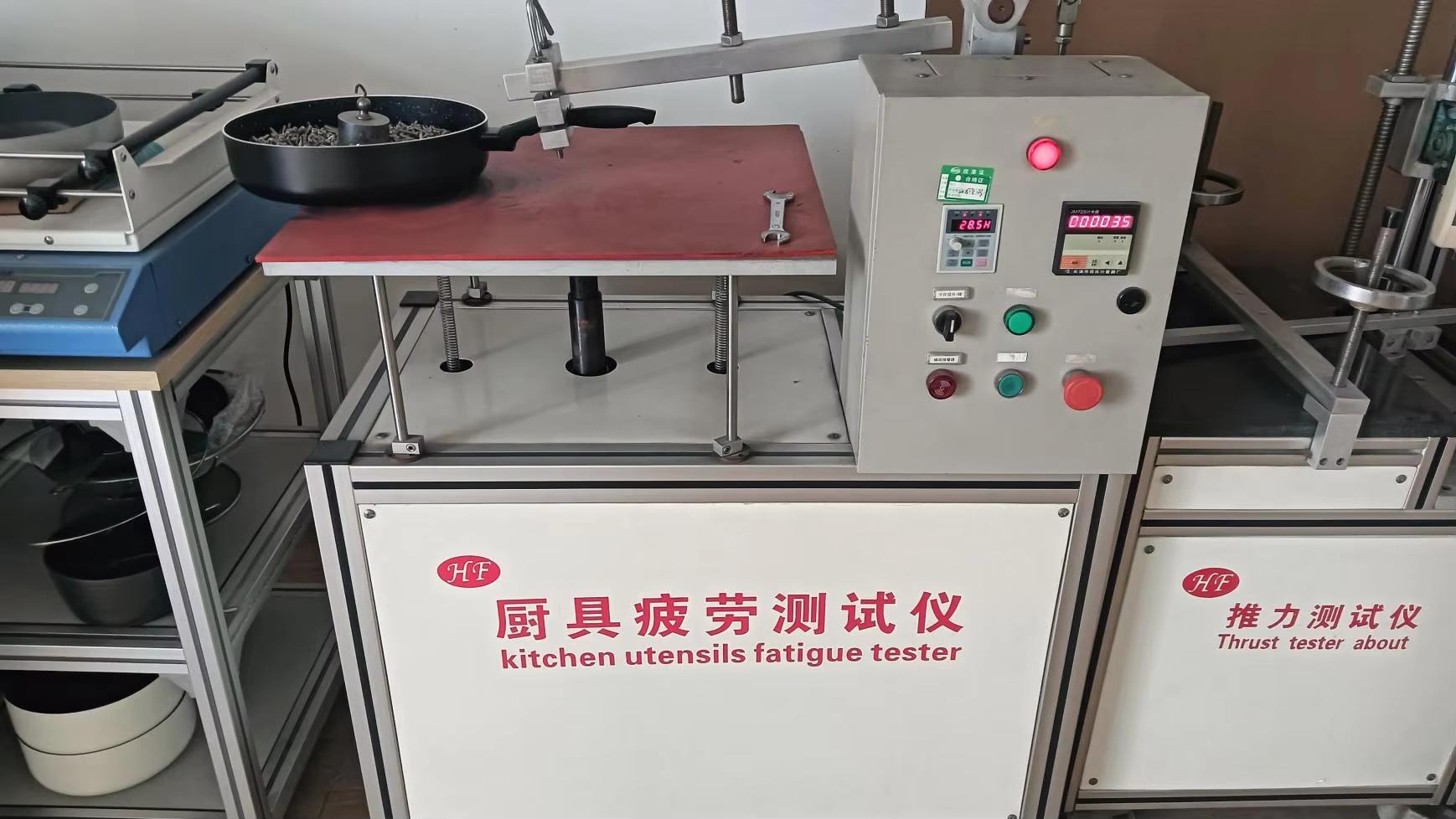
In-House Metallurgical & Stress Lab
Every production batch undergoes salt spray corrosion testing, handle torque fatigue evaluation, and continuous thermal-shock cycling.
In-House Tooling & Mold Workshop
Equipped with high-precision CNC machinery and automated lathes, MEIS Kitchenware creates custom pan contours, bespoke rim profiles, and customized ergonomic handles in under 20 business days, drastically accelerating your private label go-to-market timeline in Guadalajara.
Induction Base Fusion Technology
Our patented base pressing procedures fuse high-frequency 430-grade magnetic stainless steel plates under 1,200 metric tons of force, preventing air pocket formulation, eliminating thermal expansion separation, and guaranteeing warp-free base stability on induction ranges.
Handle Tension & Torsion Assurance
Handles represent the primary consumer safety hazard. MEIS conducts rigorous handle thrust, rivet shear load, and dynamic torsion resistance tests on every assembly line, guaranteeing compliance with international standard EN 12983-1 and Mexican consumer safety guidelines.
Localized Application Scenarios in Western Mexico
Tailoring cookware characteristics to specific commercial channels, retail formats, and consumer usage patterns in the Guadalajara Metropolitan Area.
Mass Department Store & Supermarket Retail
For large-scale retail chains such as Liverpool, Coppel, Suburbia, and Soriana operating across Jalisco, packaging visual appeal and price-point versatility are critical. MEIS provides vibrant pastel exterior color palettes, customized Spanish four-color gift packaging compliant with NOM-050-SCFI, and nesting designs that maximize retail shelf density.
High-Turnover HORECA in Zapopan & Guadalajara
Fine dining restaurants in Zapopan, Providencia, and the historical center of Guadalajara run extended 14-hour kitchen shifts. Commercial chefs demand forged 4.0mm heavy-gauge ceramic saute pans and nitrided woks capable of withstanding industrial gas flames while offering quick wipe-down cleaning during peak service.
Mercado Libre & Amazon Mexico E-Commerce
With Guadalajara serving as a major e-commerce fulfillment cluster in Mexico, online sellers require ISTA-3A certified drop-test packaging. Our detachable-handle cookware sets (CAROTE system) reduce shipping box volume by over 45%, slashing Last-Mile logistics expenses and platform storage fees.
Emerging Trends Driving Cookware Sourcing in Jalisco
Anticipating consumer preferences and supply chain adaptations for the 2025–2030 commercial cycle.
The Complete Clean-Cooking Revolution
Health consciousness across urban Guadalajara has accelerated consumer rejection of PFAS, PFOA, and PTFE coatings. Consumers actively scrutinize labels for food-contact certifications. Importers who transition their catalog to natural sol-gel ceramic non-stick solutions achieve higher retail margins and avoid emerging regulatory restrictions on persistent fluorinated chemicals.
Rapid Urban Electrification & Induction Adoption
While LP gas has traditionally dominated Mexican kitchens, residential condominium developments in Zapopan and Guadalajara now enforce electric and magnetic induction hookups for fire safety. Sourcing cookware with high-efficiency stamped ferromagnetic bases ensures that brands remain relevant across both legacy gas and new induction households.
From Jinhua Production Line to Guadalajara Warehouse
A structured, risk-free B2B manufacturing and shipping workflow designed for Mexican purchasing executives.
1. Specification & Custom Tooling
We review your brand requirements, target price thresholds, and technical specifications (gauge, induction type, handle aesthetics). Engineering draws rapid CAD/CAM models; prototypes are cast and coated in our in-house mold facility within 14–20 days.
2. Mass Production & Strict In-Line QC
Following sample sign-off, mass production proceeds through dedicated pressing, CNC base flattening, ultrasonic wash lines, double-pass ceramic spray booths, and high-temp curing ovens. Quality inspectors verify coating thickness and handle pull resistance at each stage.
3. Port of Manzanillo Maritime Routing
Goods are palletized and stuffed into standard 40ft HQ dry containers at our factory, transferred to Ningbo or Shanghai port, and shipped directly via trans-Pacific carriers (Maersk, MSC, COSCO) to Puerto de Manzanillo (transit time: 18–24 days). From Manzanillo, customs clearance and inland freight reach Guadalajara within 48–72 hours.
Frequently Asked Questions by Importers in Guadalajara
Key commercial, compliance, and logistical clarifications for importing OEM cookware into Mexico.
What specific import certifications are required for ceramic cookware in Mexico?
Shipments of cookware entering Mexico must comply with health and commercial labeling norms enforced by COFEPRIS, PROFECO, and Mexican Customs (SAT). First, products intended for direct food contact must satisfy NOM-011-SSA1-1993, which sets strict maximum permissible limits for lead and cadmium release through laboratory test reports. Second, outer consumer packaging must comply with NOM-050-SCFI-2004 for commercial information, requiring Spanish labeling that details the country of origin, importer RFC, legal address, material composition, instructions for use, and warranty terms. MEIS Kitchenware provides third-party testing documentation (SGS, TÜV, FDA, LFGB) and complete Spanish packaging OEM support to ensure seamless clearance.
How does shipping to Guadalajara via Puerto de Manzanillo operate?
The Port of Manzanillo in Colima is the natural and most economical maritime gateway for Guadalajara and the Bajío industrial corridor. Ocean freight originating from Ningbo Port, China arrives directly at Manzanillo in approximately 18 to 22 transit days. Once unloaded and processed through customs (despacho aduanal) by your designated customs broker (Agente Aduanal), containers are transported to Guadalajara via the Manzanillo-Colima-Guadalajara toll highway (approx. 290 km / 4.5 hours) or via Ferromex rail service directly into the Guadalajara Intermodal Terminal. MEIS handles export documentation, commercial invoices, and packing lists with full HS code precision (typically Tariff Code 7615.10 for aluminum kitchenware).
What are your Minimum Order Quantities (MOQs) for custom private label lines?
For standard models requiring custom brand logos, customized exterior ceramic colors (Pantone matching), and branded Spanish retail packaging, our MOQ generally begins at 1,000 to 2,000 units for individual pans, or 800 to 1,500 sets for multi-piece boxed collections. For trial orders, emerging Mexican e-commerce brands, or initial catalog expansion into the Guadalajara market, we provide flexible arrangements on selected pressed aluminum frying pans starting at lower trial quantities to validate local market acceptance.
How do MEIS ceramic nonstick coatings compare to traditional enamel-coated steel?
Vitreous enameled carbon steel (popularly known in Mexico as peltre) has been widely used for decades. While peltre offers good surface resistance to acids, it suffers from two major mechanical vulnerabilities: extreme brittleness (the enamel easily chips upon accidental impact or rim contact, exposing the raw steel to rapid oxidation) and poor food release characteristics that require heavy use of lard or cooking oil. In contrast, our die-forged aluminum with multi-layer sol-gel ceramic nonstick provides superior impact shock resistance, does not chip under normal culinary usage, requires 70% less oil, and distributes heat 400% faster and more uniformly due to the superior thermal conductivity of the aluminum substrate.
Can MEIS manufacture customized cast induction bases for specific hob types?
Yes. We offer multiple base engineering architectures depending on your target market tier in Mexico. For high-volume promotional cookware, we utilize impact-punched spiral or hole-pattern stainless steel induction plates. For premium retail and culinary HORECA lines, we engineer full-coverage, bonded edge-to-edge magnetic induction discs that maximize the electromagnetic transfer area. This guarantees compatibility across all Mexican cooktop standards: natural and LP gas flame hobs, radiant electric coils, ceramic glass burners, and 110V/220V electromagnetic induction ranges.
How does MEIS support tooling for exclusive shapes and detachable handles?
Zhejiang MEIS Kitchenware operates an in-house tooling, CNC, and mold-making department with experienced metallurgical engineers. If your retail chain or private brand in Guadalajara requires proprietary rim geometries, branded ergonomic handles, or stackable cookware systems featuring patented detachable click-locks (such as our CAROTE-compatible line), our team can engineer prototype samples from technical drawings in under 3 weeks, followed by certified production pilot runs.