Engineered Cookware Lines for Regional Port Distribution
Supplying the Philadelphia metroplex, Camden logistics nodes, and Tri-State retail operations with TÜV Rheinland-certified ceramic sol-gel nonstick, cold-forged aluminum alloy substrates, and heavy-gauge induction configurations.
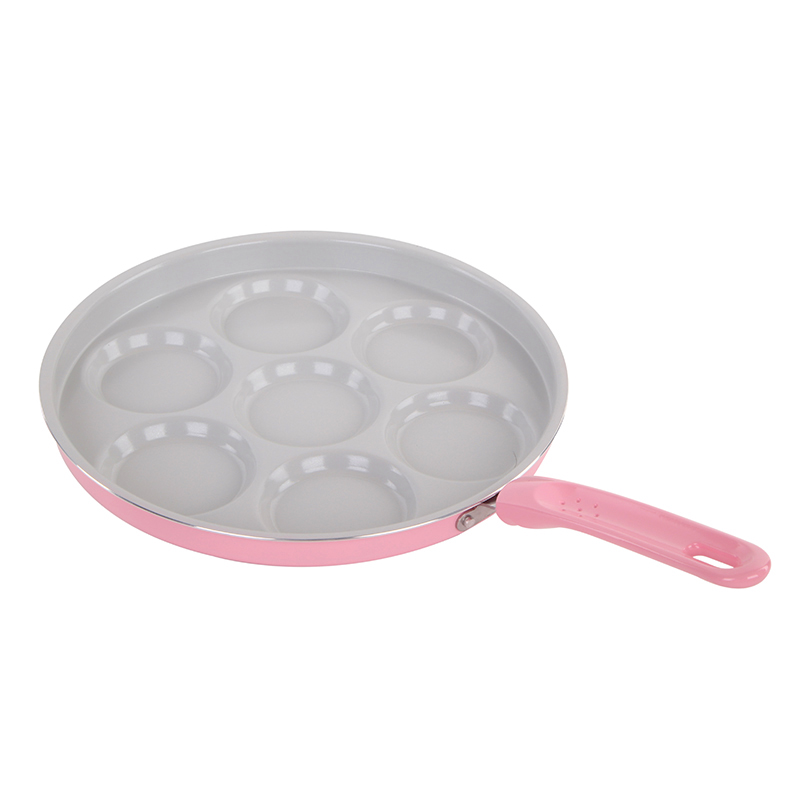 Commercial OEM
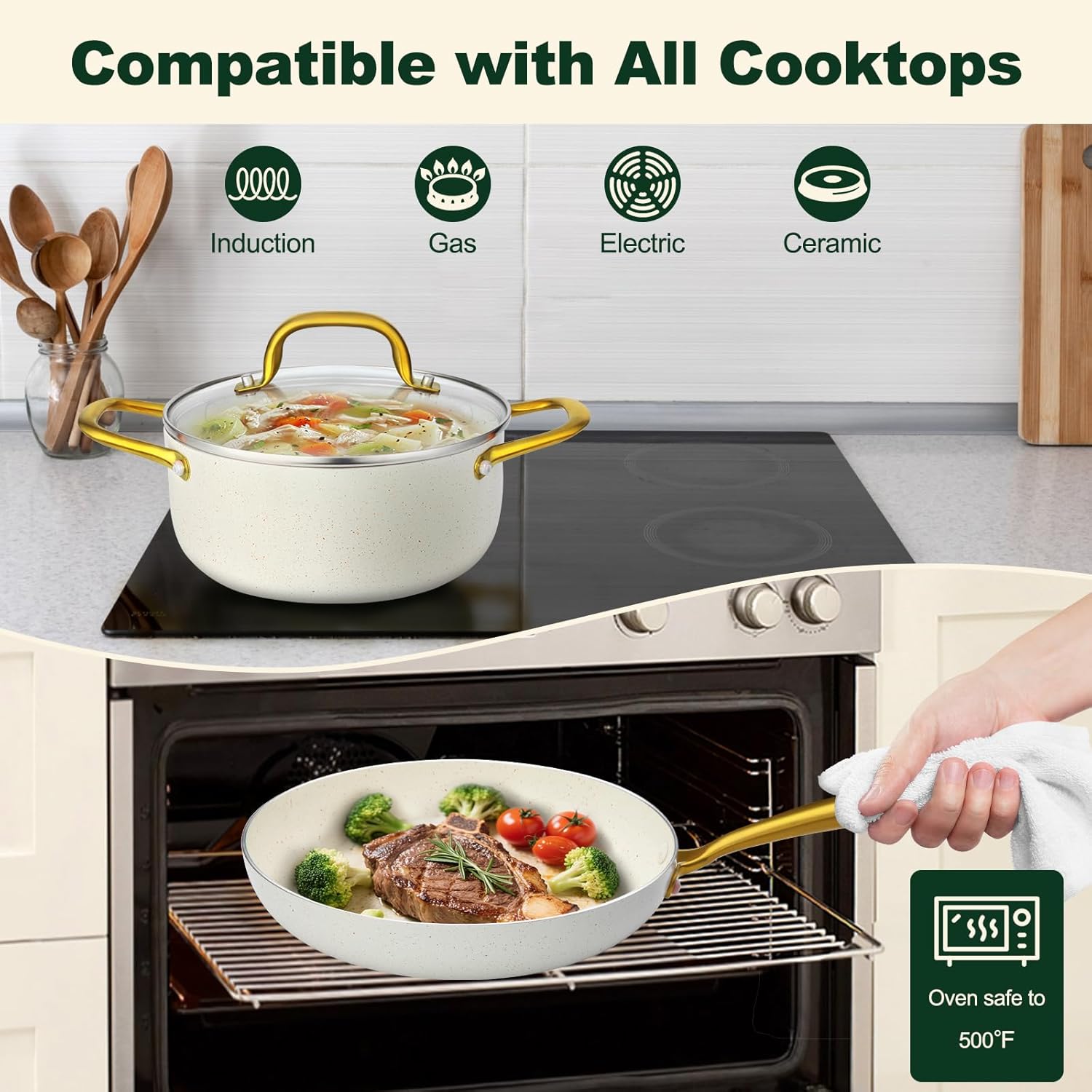 Tri-State Retail
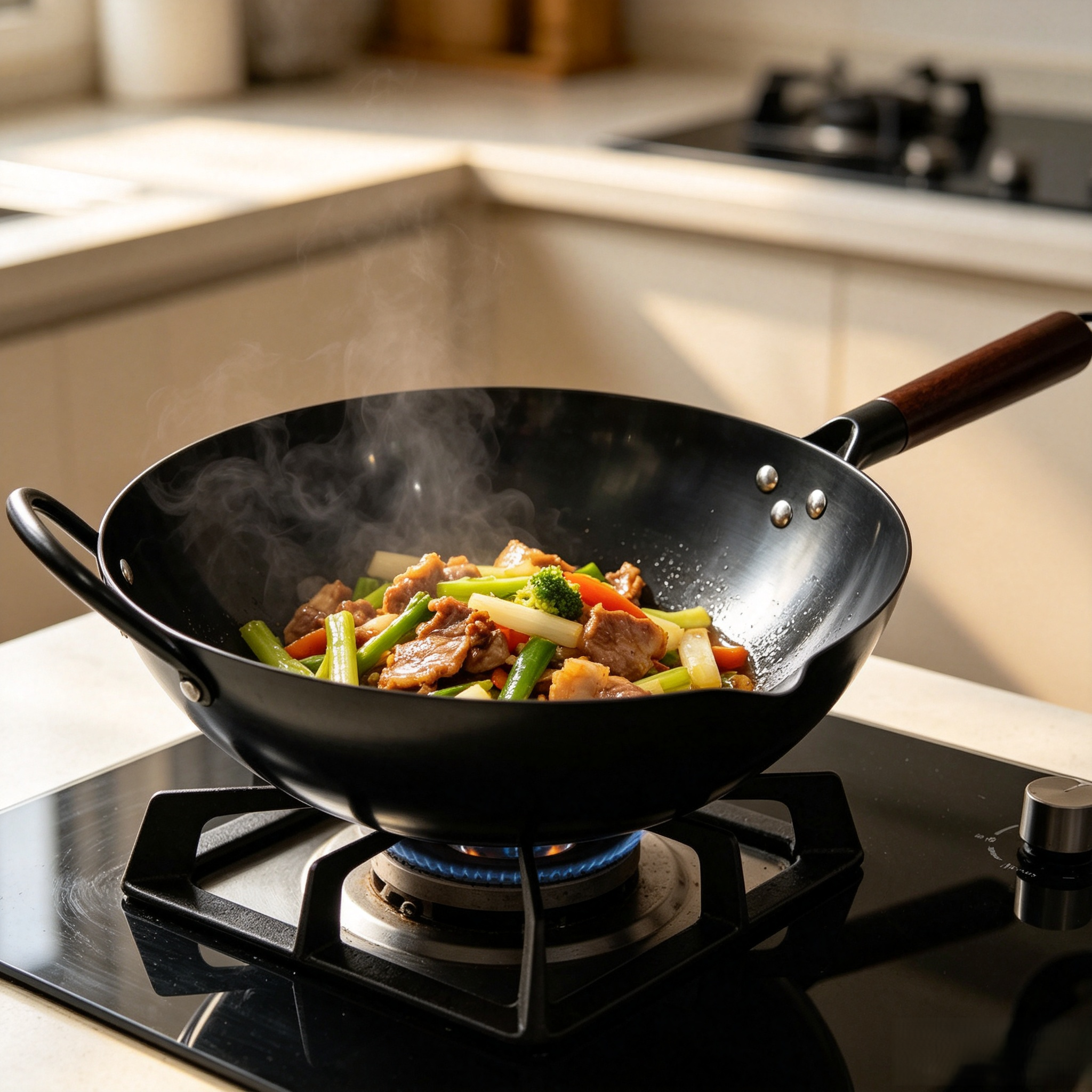 Chinatown Hospitality
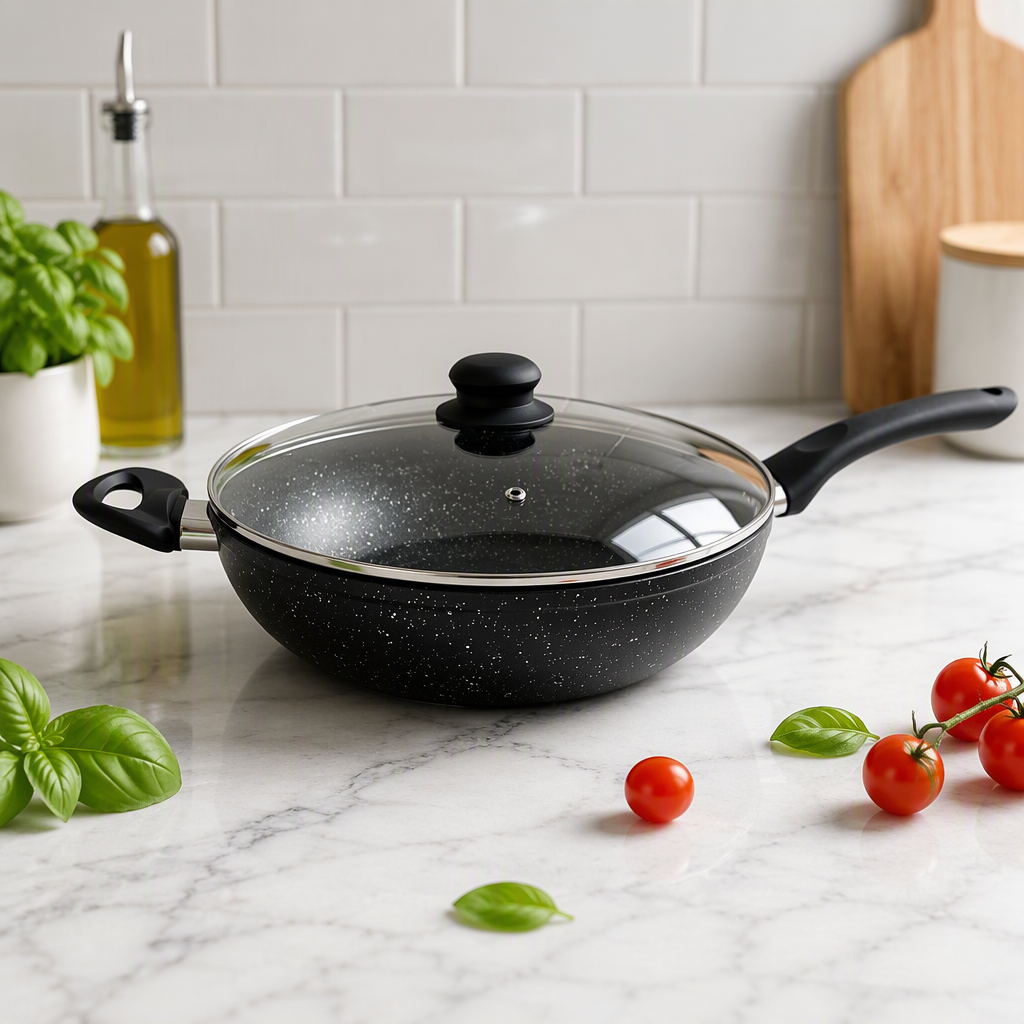 Heavy Commercial
 Chef Professional
 Institutional Box
 Healthcare Grade
Years In Factory Production
Verified Workshop Staff
Years Export Trust Profile
TÜV On-Site Verified
PTFE, PFOA, Lead & Cadmium
Philadelphia Regional B2B Landscape: Ceramic Cookware Market Dynamics
The commercial cookware ecosystem throughout the Greater Philadelphia region—stretching from Center City's historic culinary nodes and University City's institutional campuses to the expansive food processing and logistics corridors across South Jersey and Bucks County—is experiencing a structural procurement transition. Institutional purchasers, high-volume hospitality operations, and mass-market retail distributors across Pennsylvania are systematically replacing traditional fluoropolymer (PTFE-based) cookware with advanced inorganic silicon-dioxide (sol-gel) ceramic matrices.
This market transition is propelled by two converging forces: strict regional sustainability demands and federal regulatory scrutiny over per- and polyfluoroalkyl substances (PFAS). In the dense commercial dining and corporate cafeteria networks serving Philadelphia's healthcare epicenters—including Penn Medicine, Jefferson Health, and regional institutional dining contractors—kitchen specifiers mandate cookware substrates that are non-reactive, emission-free under high heat, and certified compliant with ASTM and FDA non-leaching food standards.
Furthermore, distribution chains relying on the Port of Philadelphia (PhilaPort) and Interstate 95 warehouse complexes require stable OEM manufacturing partners capable of producing high-yield, container-load volumes of ceramic-coated pans with dependable dimensional tolerances. Sourcing directly from an established manufacturing enterprise eliminates multi-tier domestic markup while ensuring rigorous quality control over critical technical specifications: substrate gauge consistency, coating cure density, induction base adhesion, and handle torque durability.
Healthcare & Education
Deployments across University City facilities, specialized patient meal staging, and campus dining halls demanding toxicologically inert, zero-PFAS surfaces that resist chemical degradation from institutional sanitizers.
All-Electric Commercial Kitchens
Meeting Philadelphia's commercial decarbonization targets. Our ceramic lines feature integrated 430 ferromagnetic base plates engineered for high-flux commercial induction ranges without thermal separation.
Private-Label Retail Programs
Turnkey OEM/ODM fulfillment for Mid-Atlantic supermarket chains, department store networks, and DTC houseware brands operating out of Pennsylvania distribution facilities requiring custom colors and packaging.
Sol-Gel Science: Engineering Non-Toxic Durability for High-Volume Duty
The core operational superiority of our ceramic pans lies in the chemical physics of the sol-gel manufacturing process. Traditional nonstick surfaces utilize polytetrafluoroethylene binders that initiate chemical breakdown and microscopic outgassing at temperatures exceeding 500°F (260°C). In contrast, our automated spray lines synthesize an inorganic liquid solution of silicon dioxide (SiO2) precursors and mineral binders that undergo controlled thermal polycondensation in our automated curing tunnels at 400°C.
The resulting glassy, vitreous ceramic matrix achieves a mechanical hardness of 8H to 9H on the pencil hardness scale—substantially greater than traditional polymer surfaces. This high cross-linking density delivers critical industrial advantages for commercial dining and retail consumers across the Delaware Valley:
| Performance Vector | Industrial Sol-Gel Ceramic | Conventional PTFE Nonstick | Commercial Advantage |
|---|---|---|---|
| Thermal Stability | Continuous duty up to 850°F (455°C) | Degrades rapidly above 500°F (260°C) | Eliminates scorching during line searing; zero off-gas risk |
| Abrasion Endurance | Reinforced mineral matrix (8H+ hardness) | Soft thermoplastic film (2H–3H) | Extended service life in fast-paced scullery environments |
| Surface Inertness | Pure vitrified inorganic silica (non-reactive) | Micro-porous fluoropolymer matrix | Immune to acidic degradation from tomato, citrus, or wine sauces |
| Substrate Fusion | Direct mechanical anchoring to blasted alloy | Chemical primer-dependent adhesion | Guarantees zero blister formation, blistering, or surface flaking |
Every production run dispatched to our American client partners is stamped from high-purity 3003 or 4006 aluminum alloy discs or drawn from cold-rolled carbon steel sheet. Before coating, every pan body passes through our proprietary ultrasonic degreasing and micro-abrasion blasting line to achieve optimal surface roughness (Ra 2.5–3.5 µm), ensuring that the ceramic sol-gel physically locks into the metal crystalline lattice.
The Zhejiang MEIS Manufacturing Advantage: Verified Factory Integrity
When sourcing overseas production for Philadelphia-bound inventories, distinguishing between broker intermediaries and genuine manufacturing facilities is the paramount risk-mitigation step. Zhejiang MEIS Kitchenware Co., Ltd. operates direct manufacturing operations spanning pressing, automated CNC base machining, automated electrostatic spray cabins, continuous curing lines, and certified quality-control laboratories in Dongnan Industrial Zone, Shuxi Street, Jinhua, Zhejiang.
Our facility is assessed and certified on-site by TÜV Rheinland, giving commercial importers, chain-store sourcing managers, and private-label brand houses unconditional visibility into our material supply chain, labor standards, and structural testing rigor:
In-House Tooling & Mold Shop
Equipped with internal CNC lathes and wire-cutting machinery. We engineer bespoke pan profiles, custom-weighted ergonomic handles, and specialty stampings in 15–20 days, cutting prototype time by 50%.
Full Stress Testing Labs
Our internal laboratory subjects every mass batch to mechanical stress testing: handle torsion testing, rivet pull/thrust load verification, neutral salt-spray corrosion chamber tests, and cross-hatch adhesion cuts.
Precision Robotic Base Planing
Eliminates thermal warping on induction cooktops. Automated base CNC turning maintains center-to-edge flatness tolerances within 0.15mm, preventing oil pooling and heating coil hotspots.
With over 18 years of uninterrupted gold supplier status on global platforms and direct logistics pathways to major East Coast container terminals (including PhilaPort, Newark, and Baltimore), we provide complete DDP, FOB, and CIF supply-chain certainty with zero brokerage friction.
Procurement FAQ: Sourcing Ceramic Cookware in the Philadelphia Metro Area
How are import shipments cleared and delivered to the Philadelphia regional logistics market?
Do your ceramic coatings comply with Pennsylvania clean water and chemical safety standards?
What Minimum Order Quantities (MOQ) apply for OEM private branding and custom pantone finishes?
How do forged ceramic pans prevent base bowing on high-output commercial induction plates?
Can you accommodate private label packaging tailored for American retail and e-commerce shipping?
Ready to Streamline Your Cookware Supply Direct from the Source?
Connect with our technical engineering and export sales department. We evaluate your product parameters, establish tooling blueprints, and deliver verified sample sets straight to your headquarters.
Send an Inquiry