Export-Ready Non-Stick Cookware Portfolio
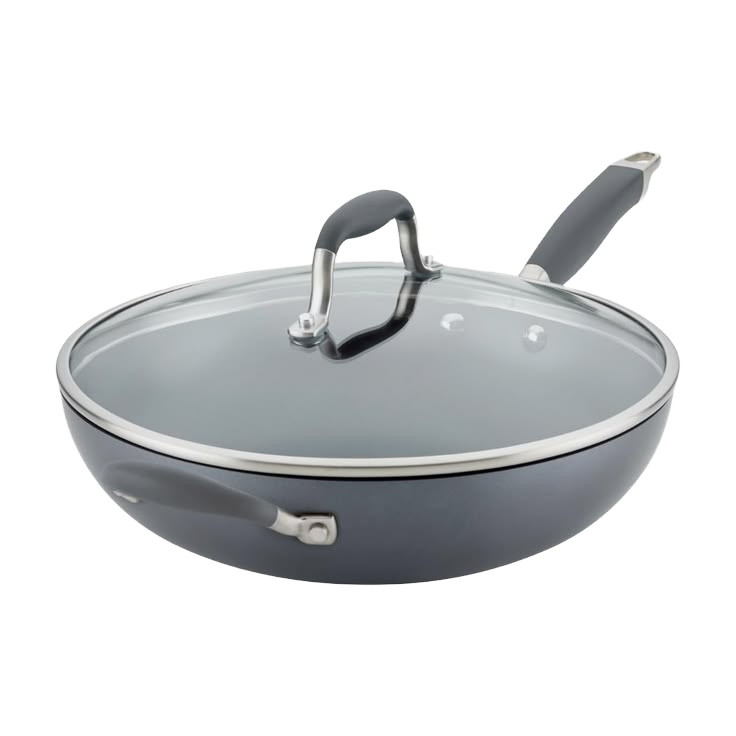
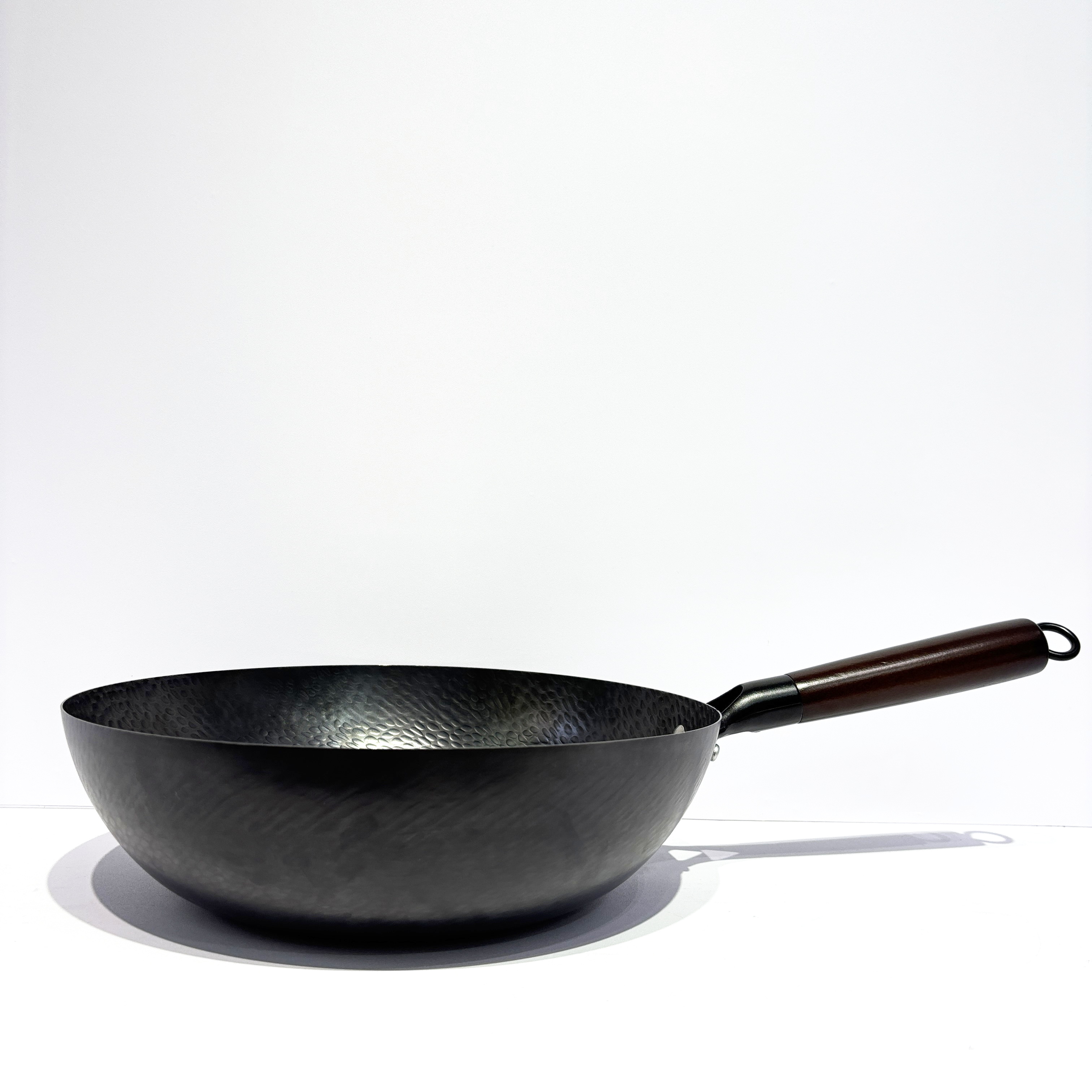
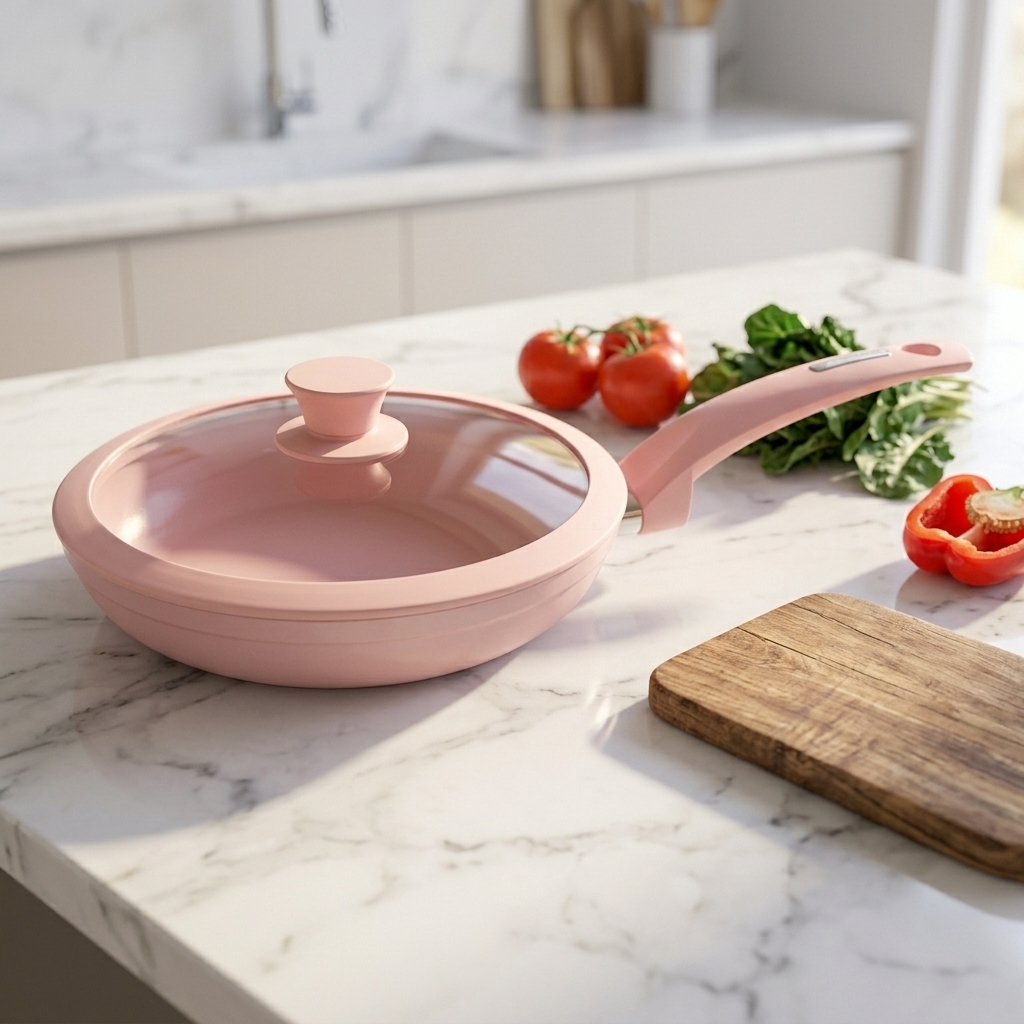
Customizable Pressed Aluminum, Forged Aluminum, and Carbon Steel Fry Pans Compliant with EU Regulations
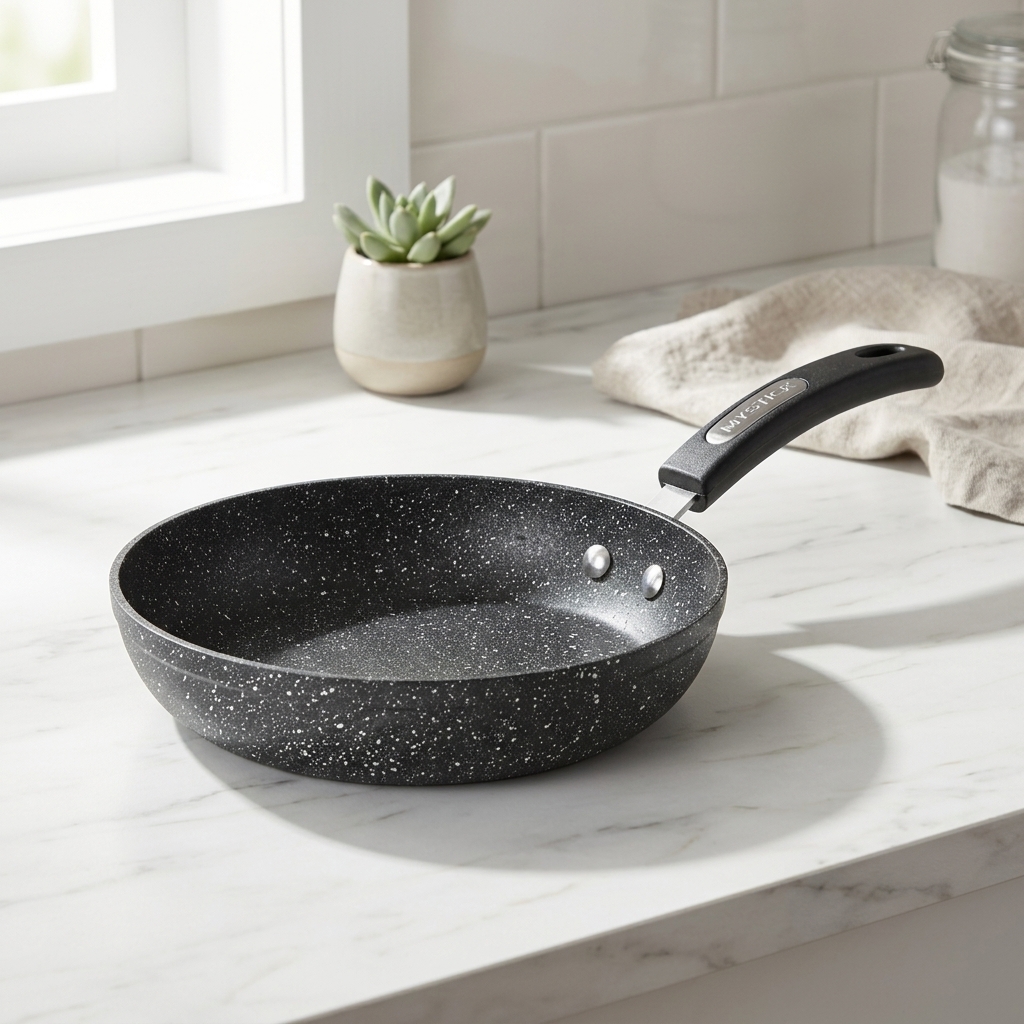
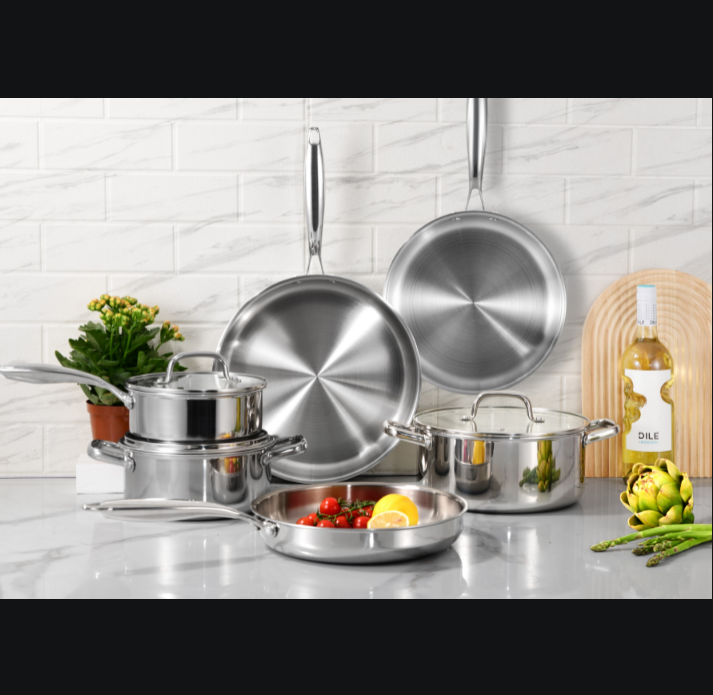
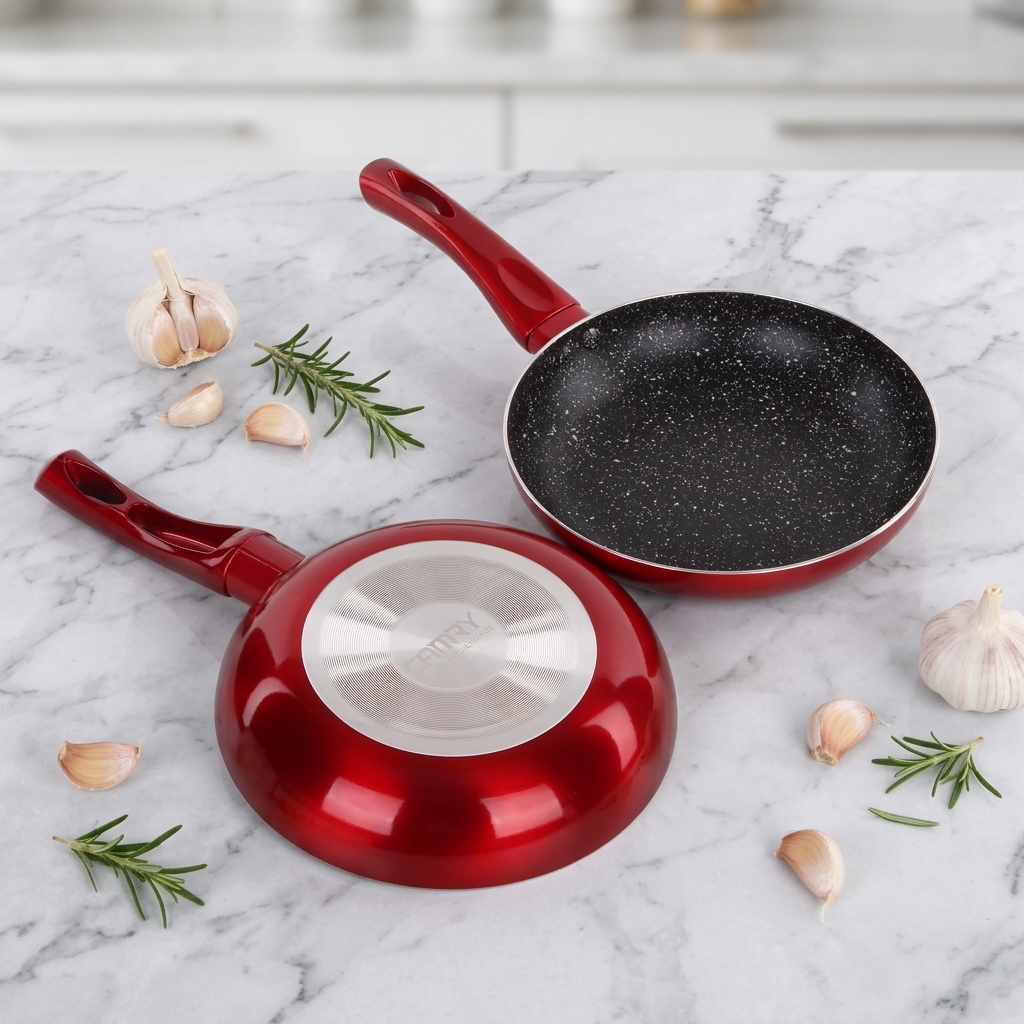
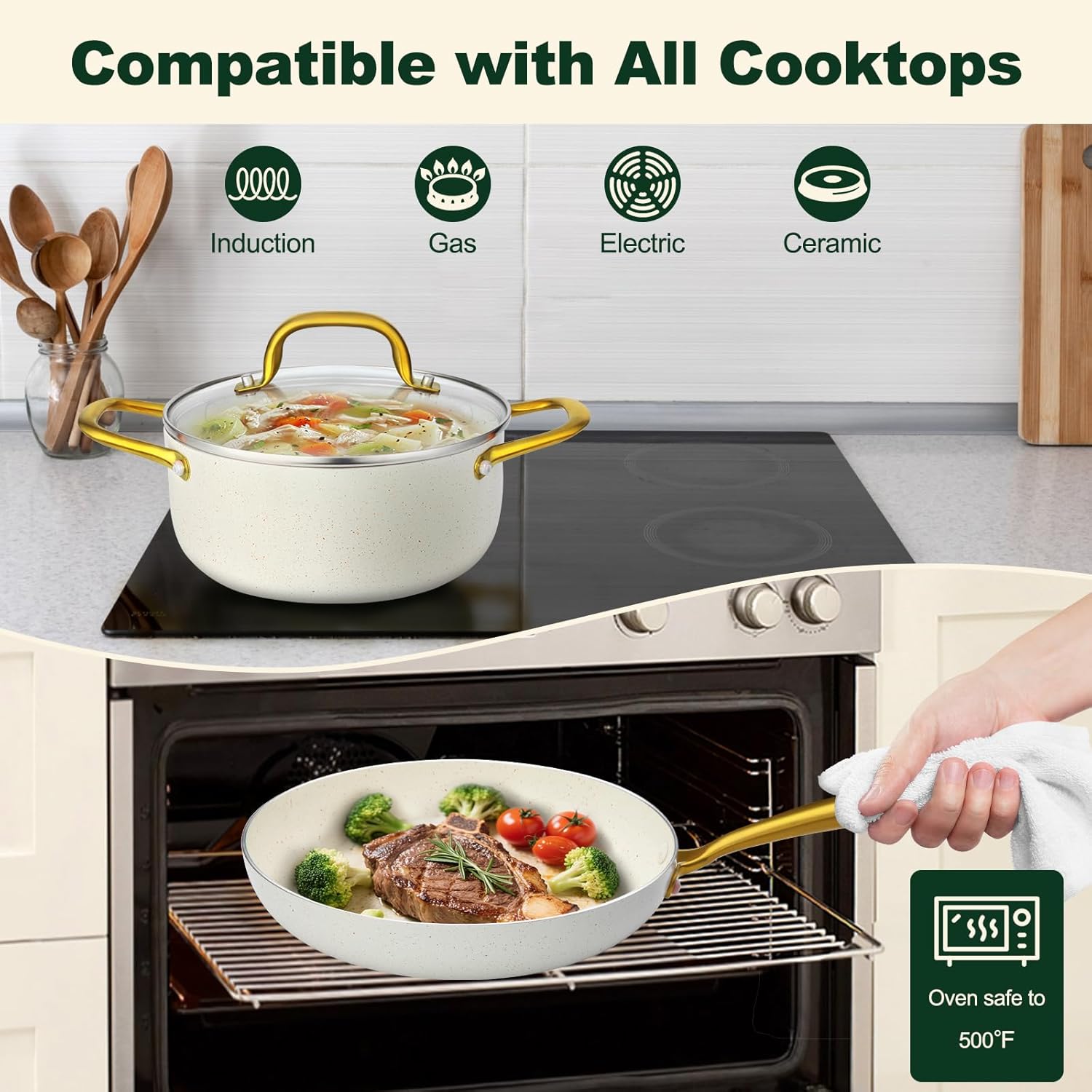
1. The Strategic Cookware Market Landscape in Porto & Northern Portugal
As Northern Portugal’s main industrial, commercial, and gastronomic hub, Porto presents a highly specialized market for kitchenware importers, retail brands, and commercial foodservice suppliers. B2B buyers operating in the Douro Litoral and greater Porto region—serving retail chains like Continente (Sonae Group), Pingo Doce (Jerónimo Martins), Auchan Portugal, as well as the bustling HoReCa sector along the Cais da Ribeira and Matosinhos seafood district—require non-stick cookware engineered for specific thermal performance, heavy culinary usage, and rigorous European environmental standards.
The Portuguese market is undergoing two rapid structural transformations: first, a widespread shift toward induction cooking hobs in residential kitchens driven by modern apartment developments across Boavista, Vila Nova de Gaia, and Matosinhos; second, strict adherence to European Union chemical safety laws, including REACH (EC 1907/2006) and the phase-out of traditional per- and polyfluoroalkyl substances (PFAS) and PTFE coatings in favor of inert Sol-Gel Nanocomposite Ceramic Coatings.
Zhejiang MEIS Kitchenware Co., Ltd. supplies high-volume Portuguese importers with direct-from-factory OEM/ODM manufacturing solutions. Operating out of our 105-person facility in the Dongnan Industrial Zone, Jinhua, Zhejiang, we integrate automated pressing, CNC precision rimming, shot-blasting, multi-coat spraying, and automated curing lines. Our products are specifically tuned to the strict compliance, physical durability, and price-to-performance ratio required by Portuguese importers shipping directly into the Port of Leixões (APDL).
Sol-Gel Ceramic Hardness
Inorganic silicon-dioxide ($SiO_2$) matrix cured at high temperatures, creating a 9H scratch-resistant surface ideal for daily olive oil frying and salt exposure.
High Thermal Conductivity
Heavy-gauge pressed and forged aluminum bases distribute heat instantaneously, reducing energy consumption on modern European induction hobs.
EU Regulatory Compliance
100% PFOA, PFOS, lead, and cadmium free. Meets Regulation (EC) No 1935/2004, EU 10/2011, and German LFGB food contact standards.
2. Material Science & Engineering: Ceramic Sol-Gel vs. Traditional Coatings
For commercial procurement officers and supermarket category managers in Portugal, evaluating non-stick cookware requires a detailed understanding of coating adhesion mechanics, substrate alloys, and thermal mass distribution.
2.1 Coating Chemistry: Sol-Gel Silicon Dioxide Matrix
Unlike conventional fluoropolymer (PTFE) coatings that rely on organic polymers bonded with fluorinated surfactants, our ceramic non-stick surface is generated via a sol-gel reaction process. Liquid ceramic precursors—primarily silica ($SiO_2$) nanoparticles dispersed in an aqueous solution—are liquid-sprayed onto shot-blasted aluminum substrates and oven-cured at extreme heat. This induces polymerization, transforming the liquid film into a dense, glass-like inorganic ceramic network.
- Thermal Resistance: Continuous operating temperature resistance up to 450°C (842°F) compared to 260°C for standard PTFE, eliminating risk of toxic blister fumes during dry heating.
- Surface Hardness: Achieves 9H pencil hardness ratings, preventing deep scratching when cooking with shellfish or hard sea salt grains common in Portuguese culinary prep (*Polvo à Lagareiro*, *Bacalhau à Brás*).
- Non-Porous Oleophobic Finish: Provides smooth food release with minimal olive oil usage, aligning with health-conscious Mediterranean diet marketing trends across Southern Europe.
2.2 Aluminum Substrate Engineering: Pressed vs. Forged Alloy Construction
MEIS Kitchenware offers two primary aluminum forming technologies tailored to target retail market tiers in Portugal:
| Technical Metric | Pressed Aluminum Pan Series | Forged Aluminum Pan Series | Carbon Steel Pan Series |
|---|---|---|---|
| Forming Process | High-speed stamping from 1050/3003 grade aluminum sheet discs | Die-forging under 1,500+ ton press creating thick base & thin walls | Precision cold-drawn heavy gauge carbon steel sheet |
| Base Thickness Range | 2.0 mm to 3.0 mm uniform thickness | 3.8 mm to 4.5 mm heavy base with rim reinforcement | 1.2 mm to 2.0 mm rigid magnetic steel |
| Thermal Retention | Rapid heating, ideal for fast, energy-efficient boiling/frying | Exceptional thermal mass, prevents cold spots when adding cold ingredients | High directional heat transfer, quick reaction to gas flame adjustments |
| Induction Compatibility | Perforated/Impact-bonded stainless steel induction disc | Full-bound magnetic stainless steel base plate | Naturally magnetic steel body (100% full induction fit) |
| Target Retail Tier | Supermarket promotional lines, budget-conscious household sets | Mid-to-premium retail cookware collections, specialty culinary stores | Commercial kitchens, budget induction cookware, specialized woks |
2.3 Induction Base Technology for the Portuguese Market
Modern homes in Porto, Lisbon, and Coimbra predominantly feature glass-ceramic induction cooktops manufactured by brands such as Bosch, Teka, Siemens, and Meireles. Induction hobs require cookware bases with strong magnetic permeability and perfect flatness. MEIS integrates high-tonnage impact-bonded magnetic stainless steel bottom plates (430 alloy) onto our ceramic aluminum pans. This prevents thermal deformation (warping) during high-wattage induction cooking, ensuring 100% flux line capture and maximum energy conversion efficiency.
3. Localized Application Scenarios: Gastronomy & Retail Requirements in Northern Portugal
Understanding user intent in Porto requires analyzing how cookware is actually used in local households and professional establishments. Portuguese cooking utilizes heavy olive oil bases, wine reductions, acidic tomatoes, lemon marinades, and high-temperature searing for coastal seafood.
A. High-Salinity Seafood & Olive Oil Searing
Seafood preparation in Porto's Matosinhos district requires pan surfaces that withstand coarse sea salt, garlic, and high-temperature olive oil without surface degradation. Olive oil reaches its smoke point quickly (190°C–210°C). Our sol-gel ceramic non-stick surface resists oil carbonization and micro-staining, keeping the pan easy to clean even after deep frying sardine fillets or searing whole octopus tentacles.
B. Deglazing & Acidic Sauce Stability
Traditional dishes like *Tripas à moda do Porto* or tomato and Vinho Verde wine reductions introduce organic acids to cookware interiors. PTFE and low-quality non-stick layers often suffer micro-delamination along acid boundary lines. MEIS ceramic non-stick coatings are chemically inert to acidic compounds (pH 2.0 to 12.0), protecting the aluminum core from oxidation and pitting corrosion over years of residential use.
4. Supply Chain Logistics, Port of Leixões Shipping & OEM Enterprise Advantages
As a verified manufacturer assessed on-site by TÜV Rheinland, Zhejiang MEIS Kitchenware provides complete private-label manufacturing, custom mold tooling, and streamlined international logistics for Portuguese importers.
Direct Freight to Port of Leixões
Consolidated FCL container shipments routed directly from Ningbo-Zhoushan Port to Leixões (Porto), with full customs documentation including CE declarations, Bill of Lading, Form A, and packing lists.
Custom Private-Label Branding
Custom laser-etched brand logos on pan bases, silk-screened handle branding, customized color gift boxes with Portuguese text/barcodes (EAN-13), and multilingual instruction booklets.
Rigorous Quality Control Testing
Every batch undergoes in-house salt spray testing (corrosion resistance), coating cross-hatch adhesion tests, handle fatigue testing, and thermal shock cycles prior to loading.
4.1 Quality Control Laboratory & Factory Standards
In our Jinhua manufacturing plant, our quality assurance team conducts strict multi-stage testing before any shipment leaves for European destinations:
- Cross-Hatch Adhesion Test (ASTM D3359): Ensures ceramic coating binds permanently to the aluminum substrate without flaking or peeling under physical stress.
- Handle Torque & Load Fatigue Testing (BS EN 12983-1): Bakelite and stainless steel handles are subjected to thousands of load cycles to ensure zero riveted connection failure or screw loosening.
- Corrosion Resistance Testing: 5% NaCl salt spray chamber testing for 72+ continuous hours to guarantee exterior pan finishes withstand moist coastal storage in Northern Portugal.
5. Frequently Asked Questions for Porto Importers & B2B Buyers
Partner with a Trusted Non-Stick Cookware Manufacturer
Looking to launch or expand your ceramic non-stick frying pan lineup in Porto and Northern Portugal? Contact our engineering and export team today for technical catalogs, OEM pricing, and sample delivery.