Featured Nonstick & Ceramic Cookware Portfolio
Explore our export-ready ceramic nonstick saucepans, fry pans, and complete cookware sets manufactured under strict ISO9001 quality systems and TÜV Rheinland verified protocols for Central European importers.
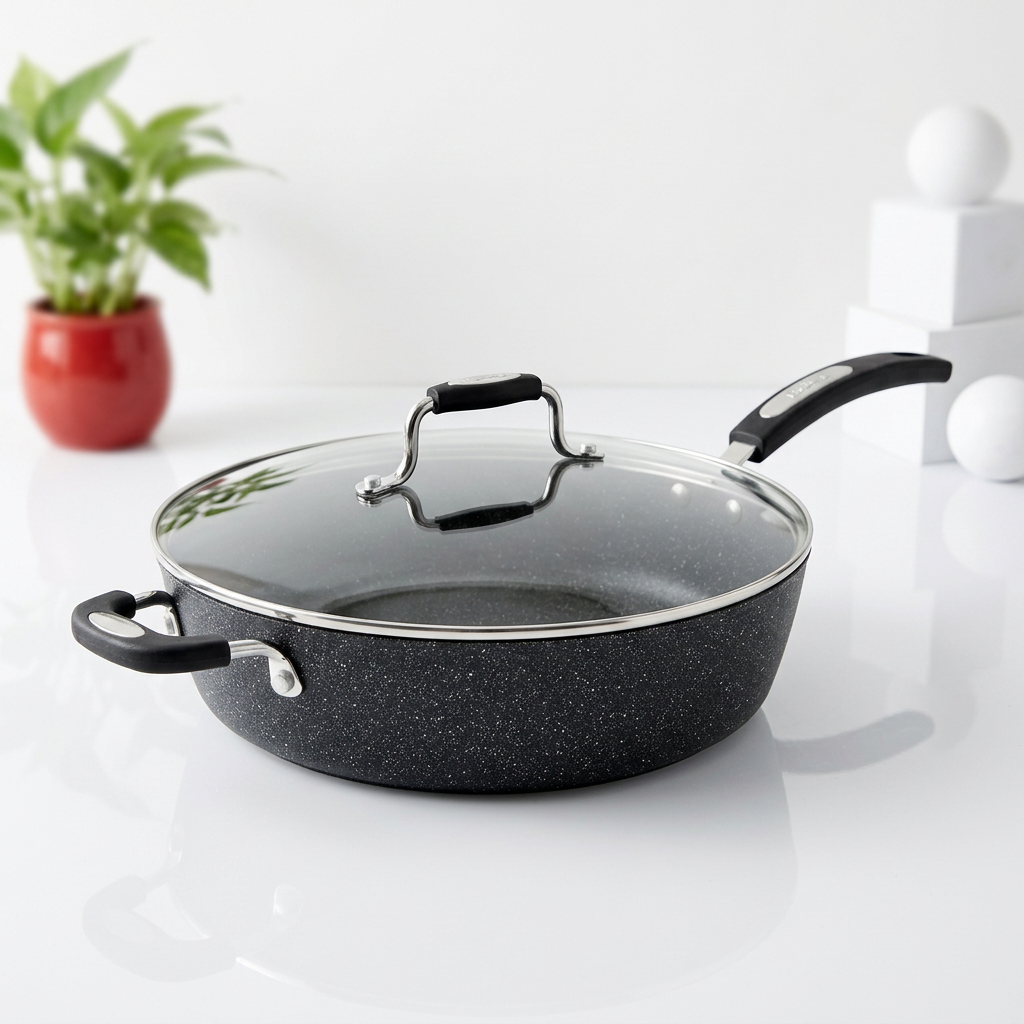
Classic 11 Inch (28cm) Non-Stick Cookware Set Deep Fry Pan Helper Handle Durable Forged Aluminum 4 Quarts Glass Cover Induction
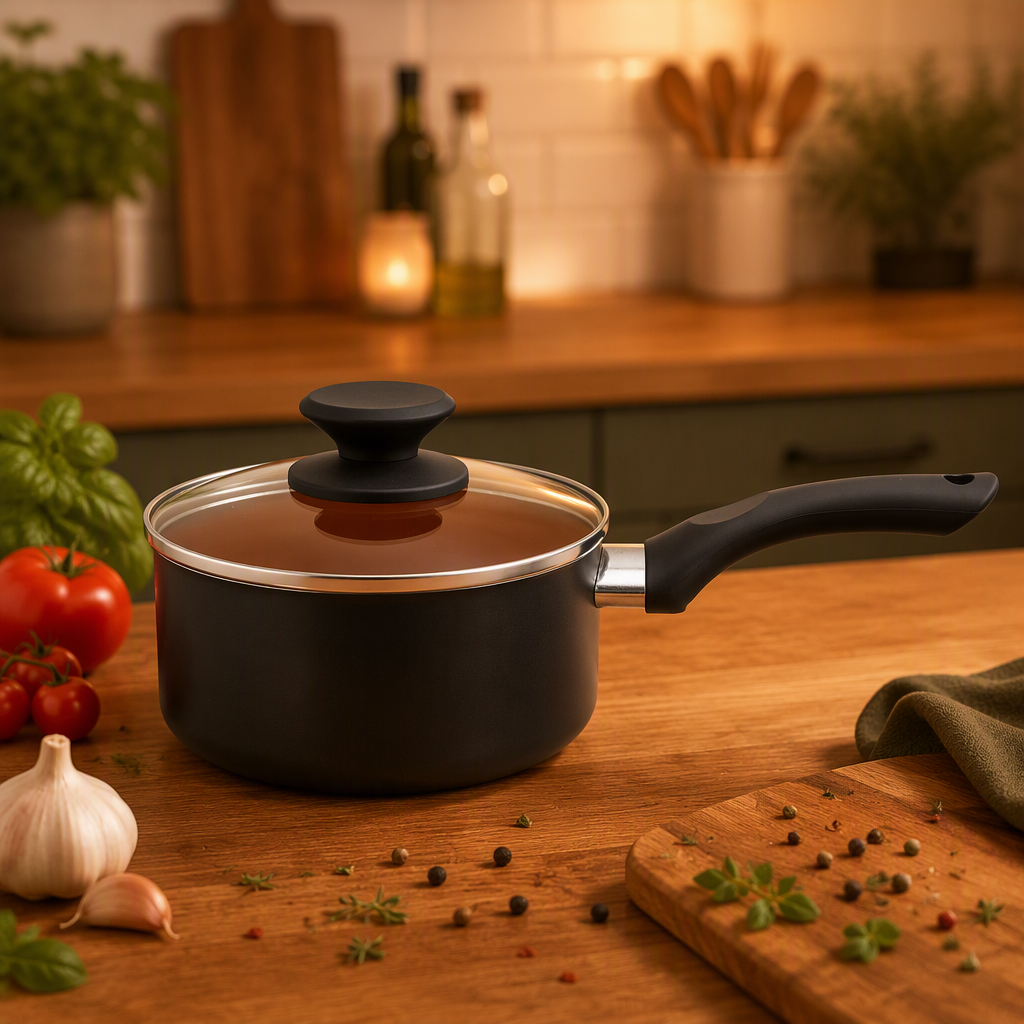
24 cm Non Stick Aluminum Saucepan with Glass Lid Multi Layer Coating Lightweight Cooking Pot for Gas and Induction
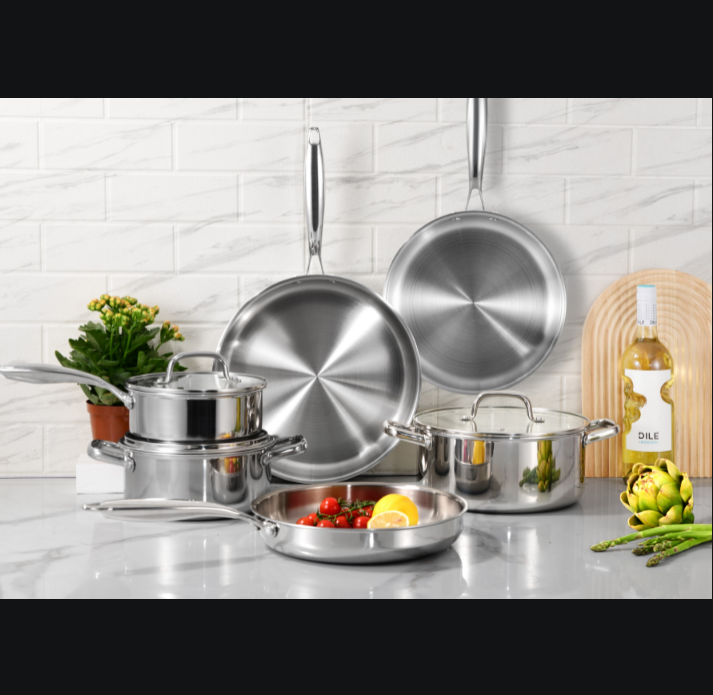
Factory Price Tri-ply Stainless Steel Cookware Set Non-Stick Interior Glass Cover Oven Safe Classic Design Flat Bottom for Home
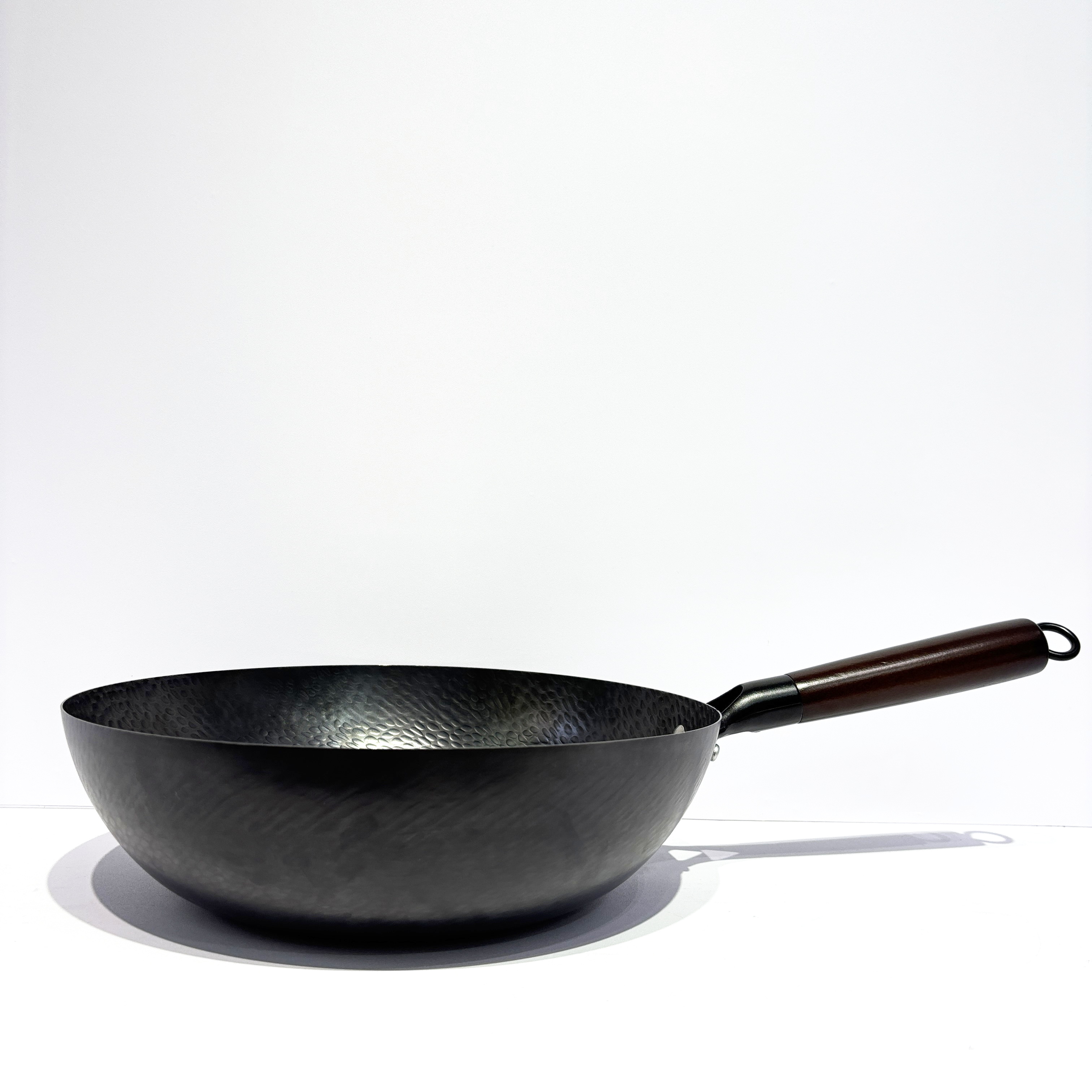
CAMRY Customized Logo No Coating Nitrided Nonstick Hammered Carbon Steel Wok Wooden Handle 2-3L Capacity Gas Induction
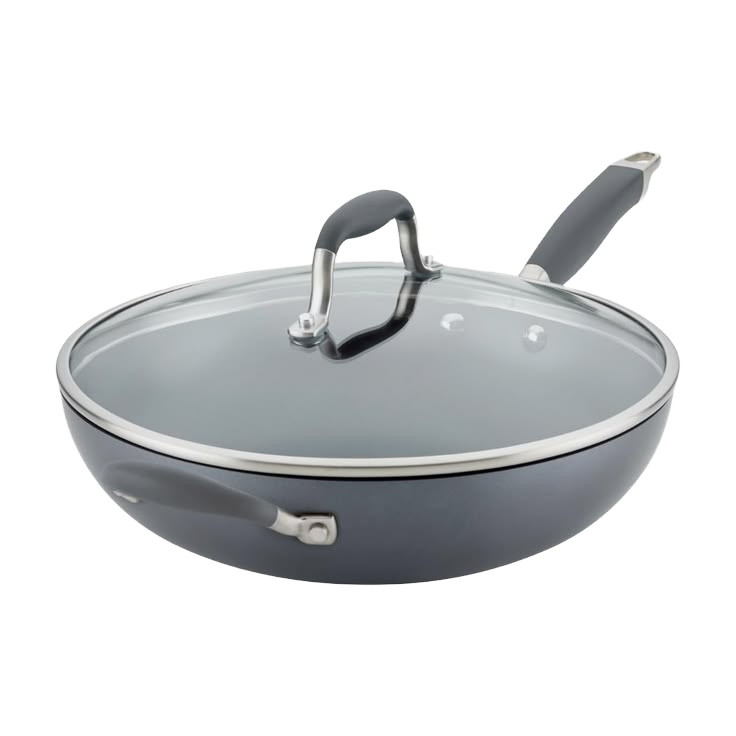
European-Style Frying Pan 26/28/30cm Pressed Aluminum Alloy Non-stick Ceramic Coating Induction Bottom Glass Cover Oven Safe
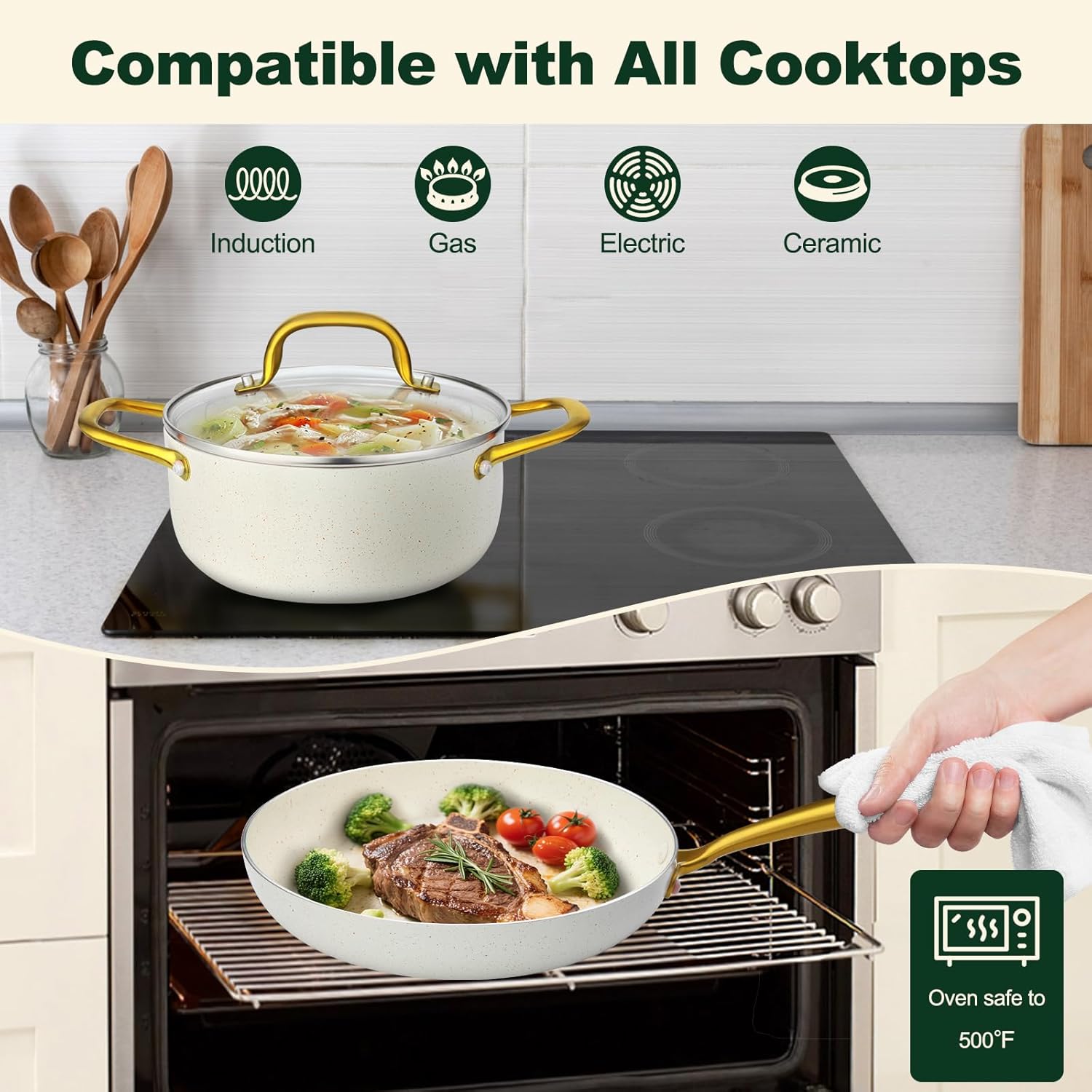
5-PIECE Classic Kitchenware Set Stainless Steel Handle PVD Ceramic Coating Interior Glass Lid Induction Bottom Eco-Friendly
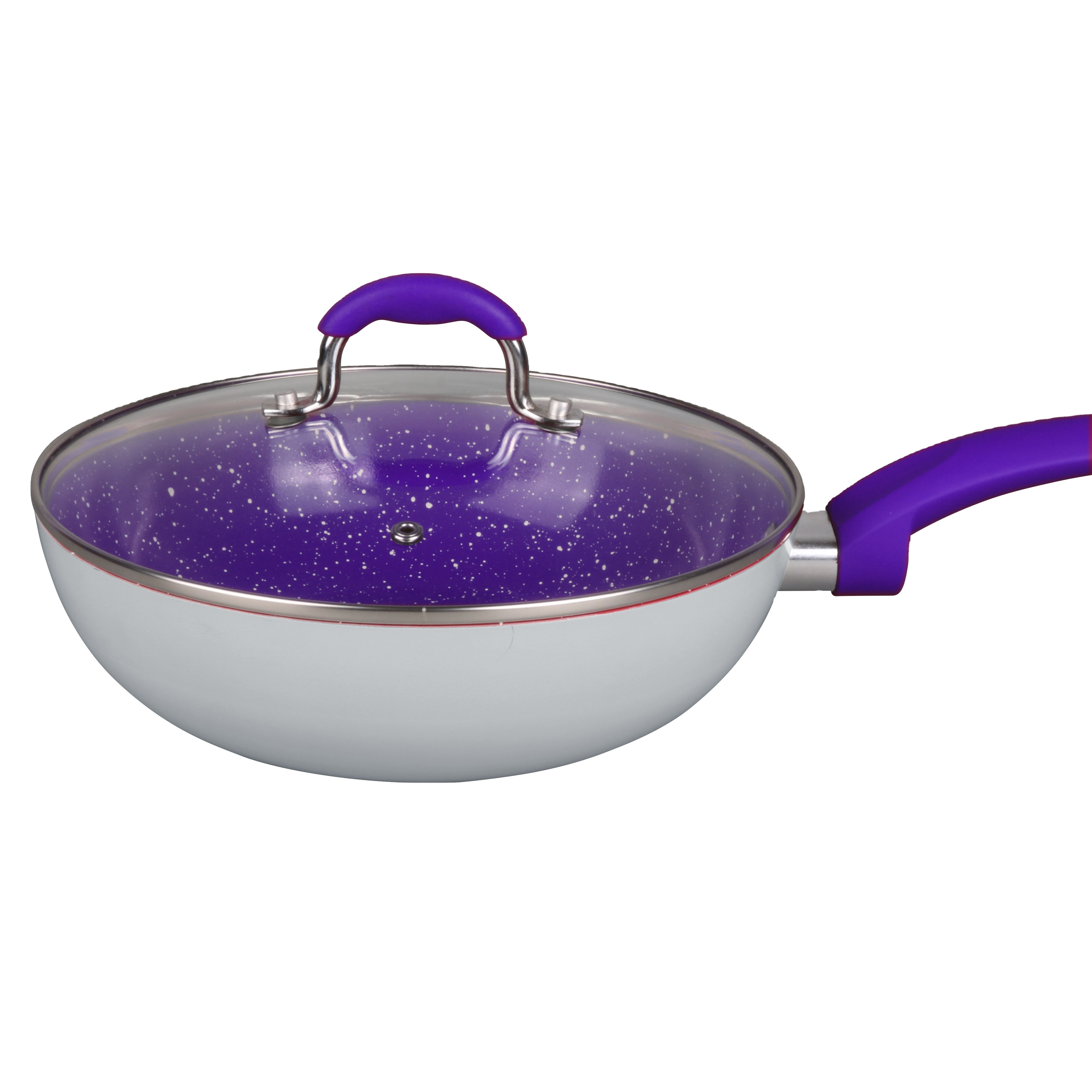
Low Price MOQ 30 cm Marble Coating Non Stick Pressed Wok Deep Fry Pan with Bakelite Cool-touch Handle for All Stoves
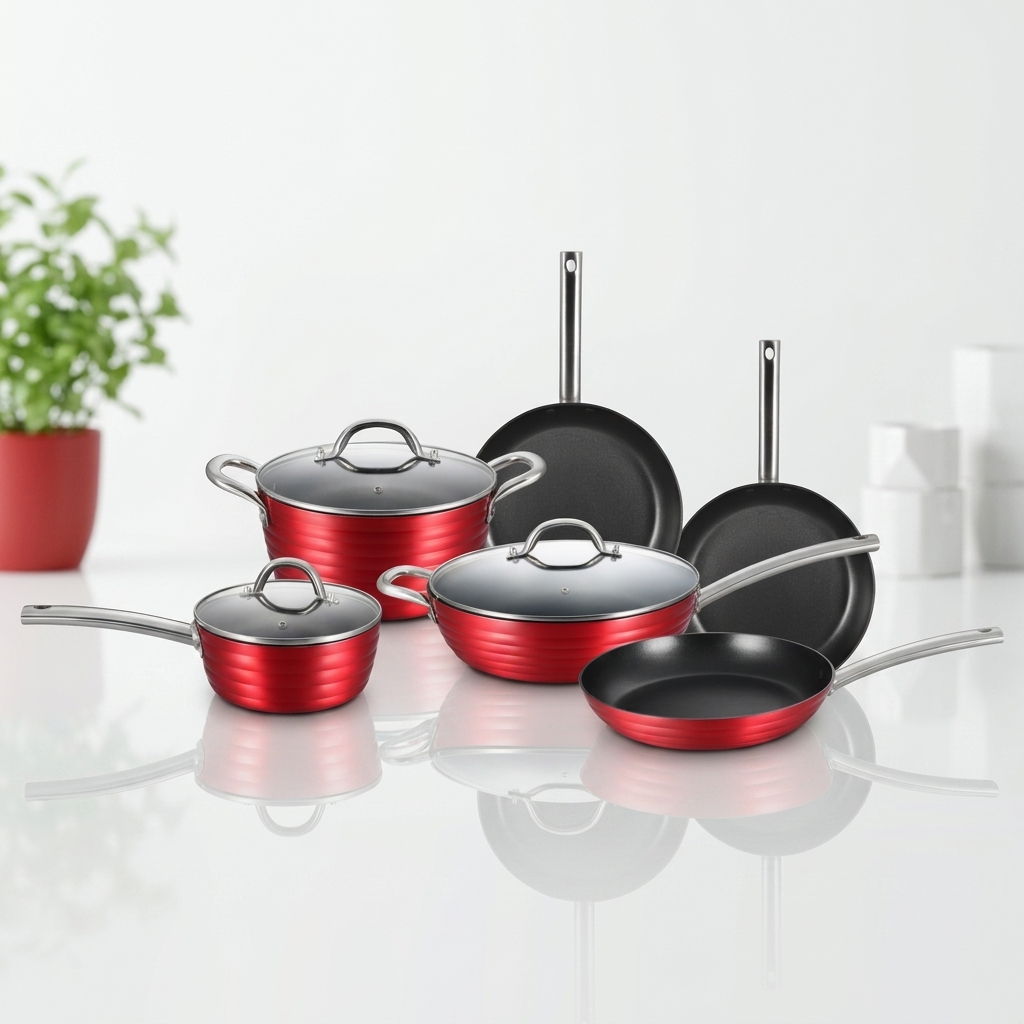
Kitchenware Set 9 Piece Non Stick Cookware Pot Set Metallic Red Outside S/S Handle Induction Bottom
Executive Sourcing Summary: Navigating Chinese Ceramic Saucepan Manufacturing for Czechia
The cookware market in the Czech Republic (Česká republika) is undergoing a major technological transformation. Driven by stringent Central European health mandates, upcoming ECHA restrictions on per- and polyfluoroalkyl substances (PFAS), and an evolving consumer preference for eco-conscious kitchenware, demand for advanced Sol-Gel inorganic ceramic saucepans has surged. For Czech distributors, supermarket procurement buyers, private-label brand holders, and e-commerce leaders in cities like Prague, Brno, Ostrava, and Pilsen, finding a reliable Chinese OEM/ODM manufacturing partner is a high-stakes strategic decision.
When evaluating China’s vast cookware manufacturing cluster—primarily centered in Jinhua and Yongkang, Zhejiang—Czech B2B buyers must look beyond basic FOB pricing. Success requires verifying metallurgical disc purity, spray application automation, induction bonding integrity, and strict adherence to European Union food contact regulations including EU Regulation (EC) No 1935/2004, German LFGB § 30 & 31 standards, REACH compliance, and heavy metals leaching thresholds (lead, cadmium, chromium VI).
Sol-Gel Ceramic Coating Technology vs. Legacy Systems
Ceramic nonstick coatings utilized by top-tier Chinese export manufacturers are composed of an inorganic silicon dioxide (SiO2) network synthesized through a liquid phase sol-gel transformation. Unlike organic polytetrafluoroethylene (PTFE) cookware coatings that rely on synthetic fluoropolymers and chemical binders, sol-gel ceramic coatings cure at lower thermal thresholds to create a glass-like, non-porous ceramic skin directly bonded to the prepared aluminum substrate.
Sol-Gel Silica Matrix
Synthesized inorganic SiO2 polymers provide non-toxic, PFOA-free, PFAS-free nonstick properties with extreme surface tension, preventing high-viscosity Czech sauces from scorching or adhering.
High Thermal Stability
Withstands continuous operating temperatures up to 450°C (842°F) without structural blistering or chemical degradation, whereas traditional PTFE degrades rapidly above 260°C.
Mechanical Abrasion Resistance
Achieves a pencil hardness rating of 8H–9H. Engineered to resist scratch damage from wooden and silicone kitchen utensils commonly used in Czech domestic kitchens.
Engineering Analysis: Cookware Substrate Metallurgy for Czech Importers
The structural performance of a ceramic saucepan relies heavily on the substrate material alloy and construction process. The table below details the technical specifications comparing Pressed Aluminum, Forged Aluminum, and Tri-Ply Stainless Steel substrates produced in our Jinhua facility.
| Technical Specification | Pressed Aluminum | Forged Aluminum (Recommended) | Tri-Ply Stainless Steel |
|---|---|---|---|
| Substrate Alloy Grade | A1050 / A3003 Pure Aluminum Disc | A3003 Heavy-Gauge Aluminum Alloy | SUS304 + Pure Al Core + SUS430 |
| Wall Thickness Range | 1.8 mm – 2.5 mm | 3.0 mm – 4.5 mm (Thick Rim & Base) | 2.2 mm – 3.0 mm (Full Clad) |
| Thermal Conductivity | Rapid heat response, low retention | Balanced thermal distribution & storage | Uniform heat across entire vessel body |
| Induction Efficiency | Stamping-pressed AISI 430 disc | Impact-bonded / Spray-coated steel base | Full-surface magnetic induction base |
| Warp Resistance Rating | Moderate (Suited for promotional lines) | High (Resists thermal shock deformation) | Extreme (Structural integrity guaranteed) |
| Czech Market Segment | Mass Supermarkets & Discount Retail | Mid-to-High Retail, E-Commerce Brands | Commercial HoReCa & Professional Culinary |
Localization Dynamics: Tailoring Chinese Cookware for Czech Households
Supplying the Czech market requires a deep understanding of local household infrastructure and cooking habits. Over 68% of urban Czech households in Prague and regional capitals utilize modern glass-ceramic induction cooktops from brands like Mora, Bosch, Siemens, and Whirlpool. Cookware engineered for this market must possess a flawless, micro-flat induction base to prevent high-frequency vibration noise and energy loss during cooking.
Furthermore, Czech culinary techniques emphasize slow boiling, milk warming, porridge preparation, and delicate sauce reductions. Saucepan geometry, pour-spout precision, and handle ergonomic balances are critical factors:
1. Extended Heat Retentive Bases
Heavy 4.0mm forged bases store thermal energy, enabling Czech home cooks to turn off induction hobs early and finish simmered gravies on residual heat, reducing household electric bills.
2. Dishwasher Durability (EN 12875-1)
Municipal water in Central Bohemia and Moravia exhibits moderate-to-high mineral hardness. Ceramic coatings formulated with reinforced outer sealing layers withstand alkali dishwashing detergents and hard water scale buildup.
3. Aesthetic Color Trends
Current Central European interior trends favor Scandinavian-minimalist earthy tones—matte sage green, warm cream, graphite grey, and Nordic beige—with soft-touch, wood-effect Bakelite handles.
EU Compliance & Import Logistics for Czech B2B Buyers
Customs clearance and consumer safety enforcement at the Czech border (managed by the Czech Agriculture and Food Inspection Authority - SZPI) are rigorous. Importing ceramic saucepans from China without verified compliance testing risks container seizure, fines, and mandatory product recalls across the European Single Market.
- EU Food Contact Declaration of Compliance (DoC): Full traceability under Regulation (EC) No 1935/2004 and Regulation (EC) No 2023/2006 (GMP).
- German LFGB (§ 30 & 31) Testing: Testing for extractable heavy metals (Lead, Cadmium, Cobalt, Nickel, Arsenic) by accredited labs (SGS, TÜV Rheinland, Intertek).
- REACH Annex XVII Compliance: Ensuring handles, lid knobs, and silicone rims are free of SVHCs (Substances of Very High Concern) and Phthalates.
- Czech Packaging Act (Law No. 545/2020 Coll.): Packaging compliance including registration with EKO-KOM for recyclability and green dot licensing.
From an international supply chain perspective, shipments bound for the Czech Republic typically ship via ocean freight from Ningbo or Shanghai port directly to European gateways such as Hamburg, Bremerhaven, or Koper (Slovenia), followed by bonded rail or truck transit directly to logistics hubs in Prague, Plzeň, or Brno. Average transit times range between 28 and 35 days.
Why Partner with Zhejiang MEIS Kitchenware Co., Ltd.?
Situated in the Dongnan Industrial Zone, Shuxi Street, Jinhua City, Zhejiang Province, Zhejiang MEIS Kitchenware Co., Ltd. stands as a premiere custom cookware manufacturer in Eastern China. Operating with over 20 years of manufacturing experience and an audited on-site facility verified by TÜV Rheinland, MEIS combines advanced automation with strict quality control protocols.
Vertical Manufacturing Integration
In-house hydraulic pressing, CNC base machining, sandblasting, double/triple-layer spray coating lines, automated curing tunnels, handle riveting, and final assembly lines guarantee consistent quality and fast lead times.
Advanced Quality Control Laboratory
Our internal testing laboratory executes rigorous batch testing including Salt Spray Corrosion Testing (ASTM B117), Coating Cross-Hatch Adhesion (ISO 2409), Handle Fatigue & Torque Resistance (EN 12983-1), and Thermal Shock Endurance.
Turnkey OEM / ODM Solutions
Full engineering support for custom tooling creation, laser logo etching, localized Czech language artwork sleeve packaging, custom color palette matching (Pantone system), and customized induction base plate designs.
Frequently Asked Questions (FAQ) for Czech Importers
Partner with a Verified Chinese Ceramic Saucepan Manufacturer Today
Streamline your cookware procurement with guaranteed EU compliance, factory-direct pricing, and technical engineering support. Connect with our international export director for immediate quotes and physical sample dispatch to the Czech Republic.
Inquire Now