High-Performance Nonstick Cookware Built for Louisville Commercial & Retail Requirements
Engineered with 3003-grade aerospace-standard virgin aluminum ingots, die-forged bases ranging from 4.0mm to 5.0mm, and induction-bonded stainless steel plates. Fully compliant with US FDA 21 CFR 175.300 and California Proposition 65 standards.
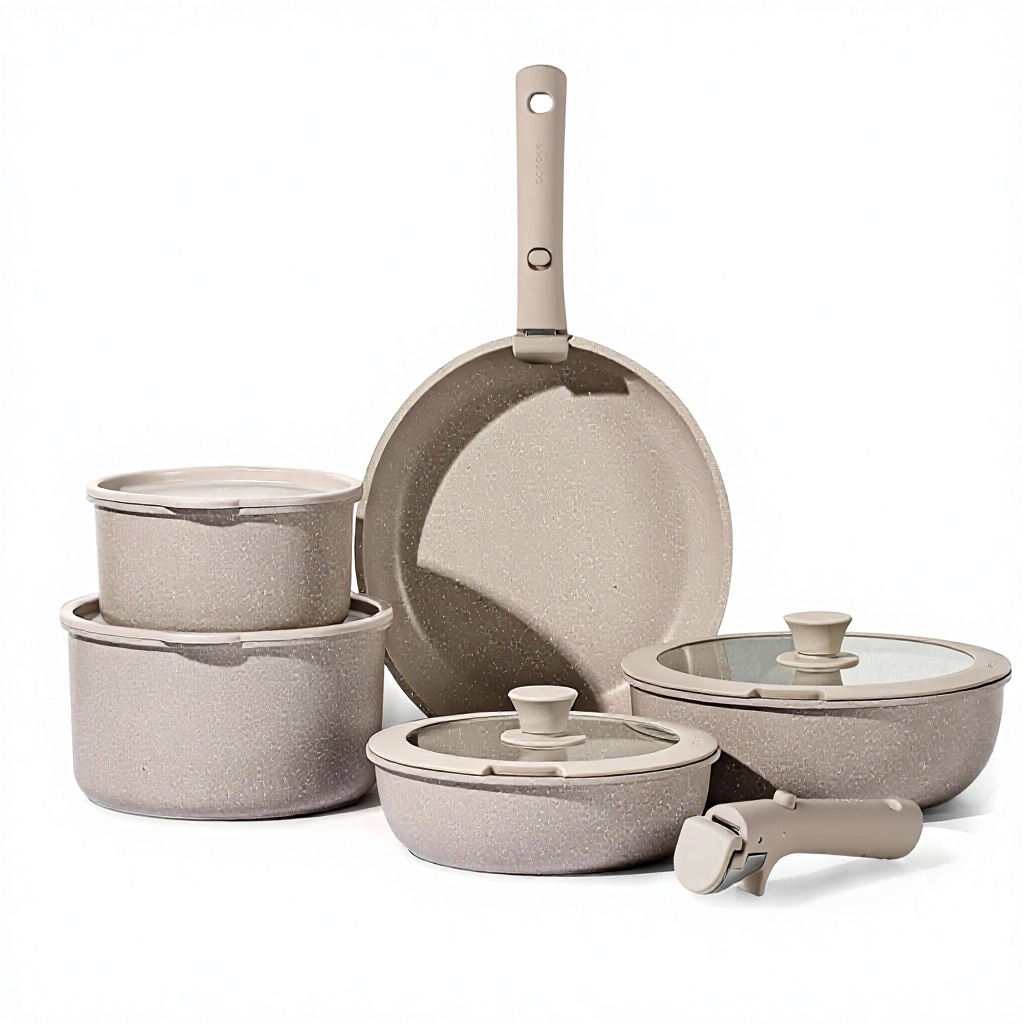
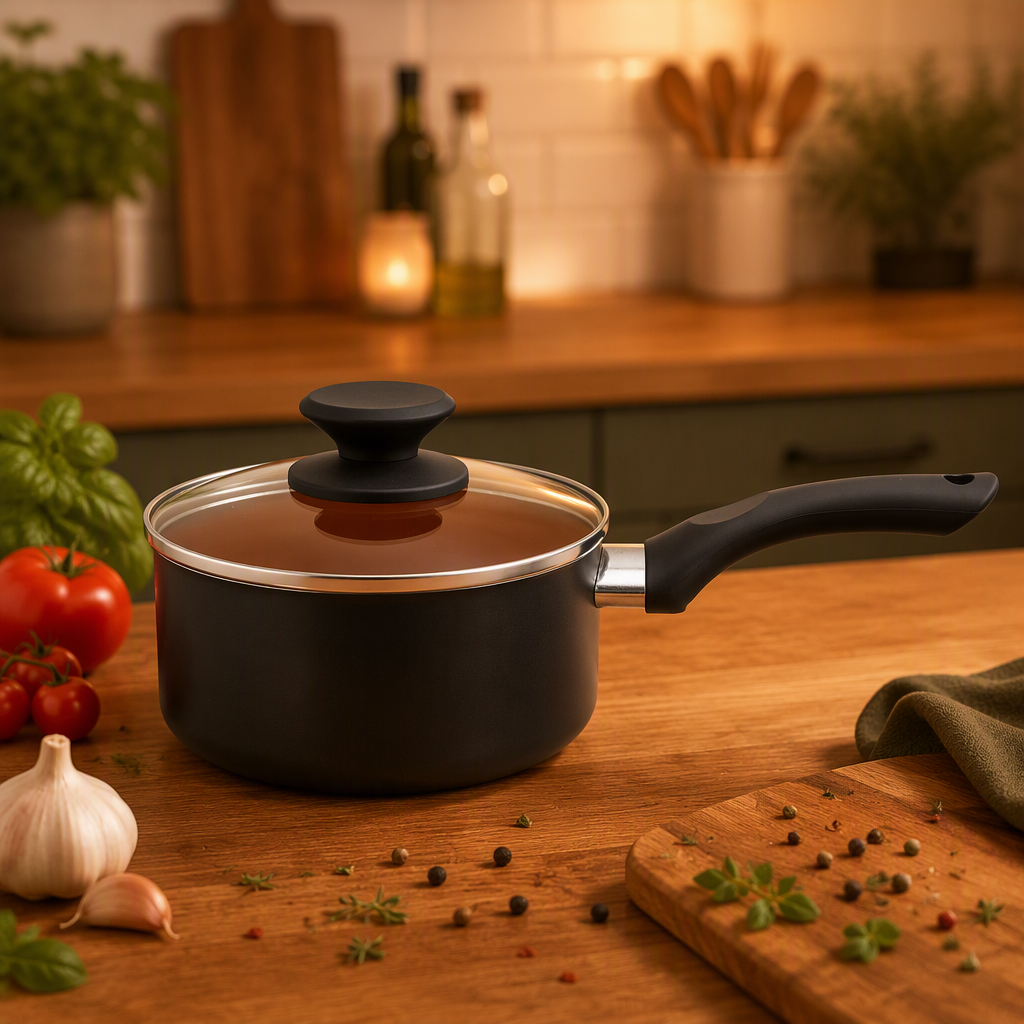
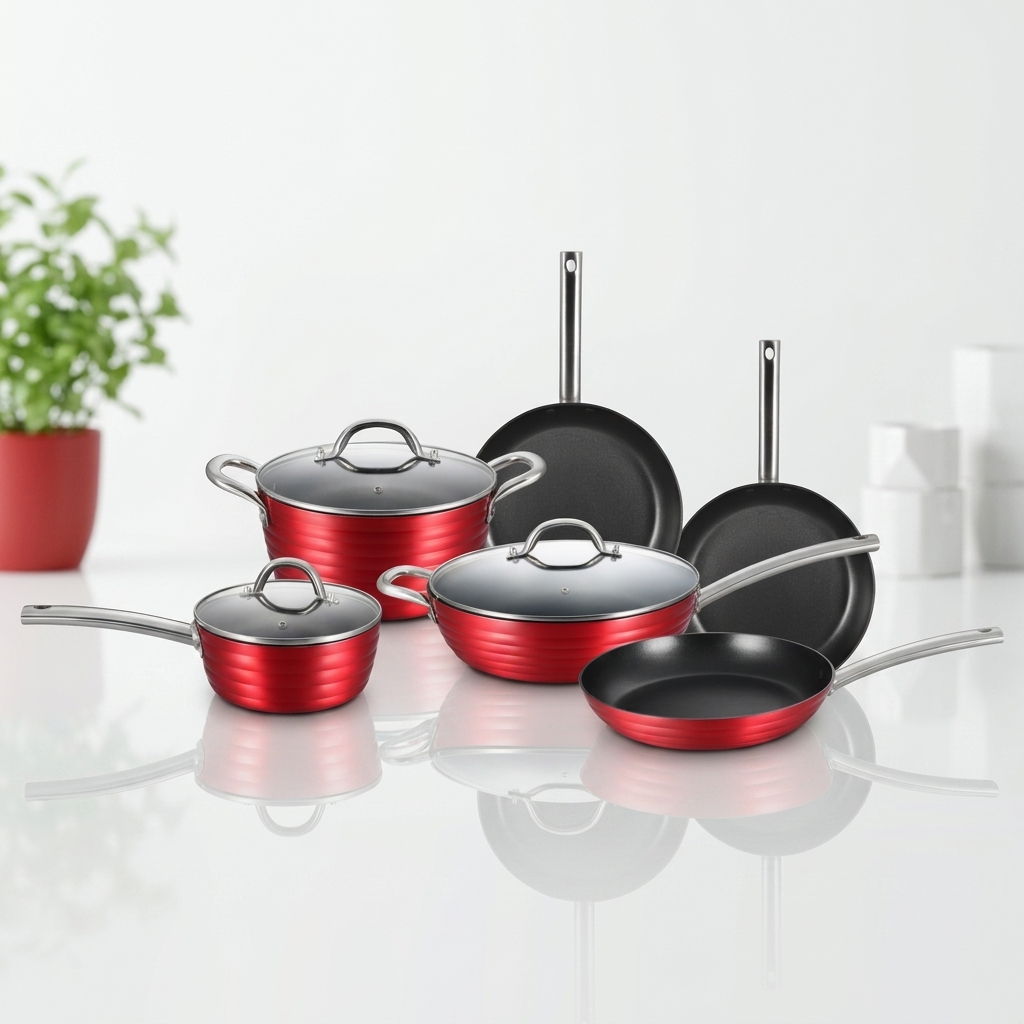
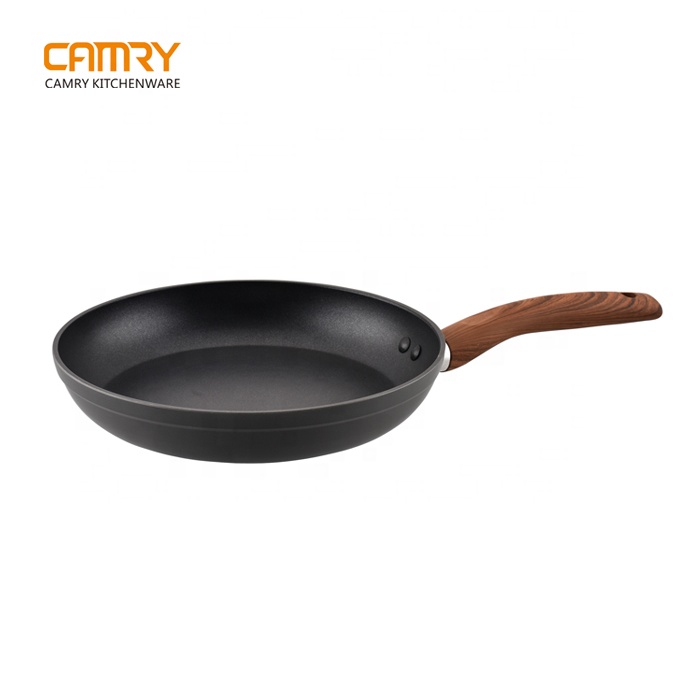
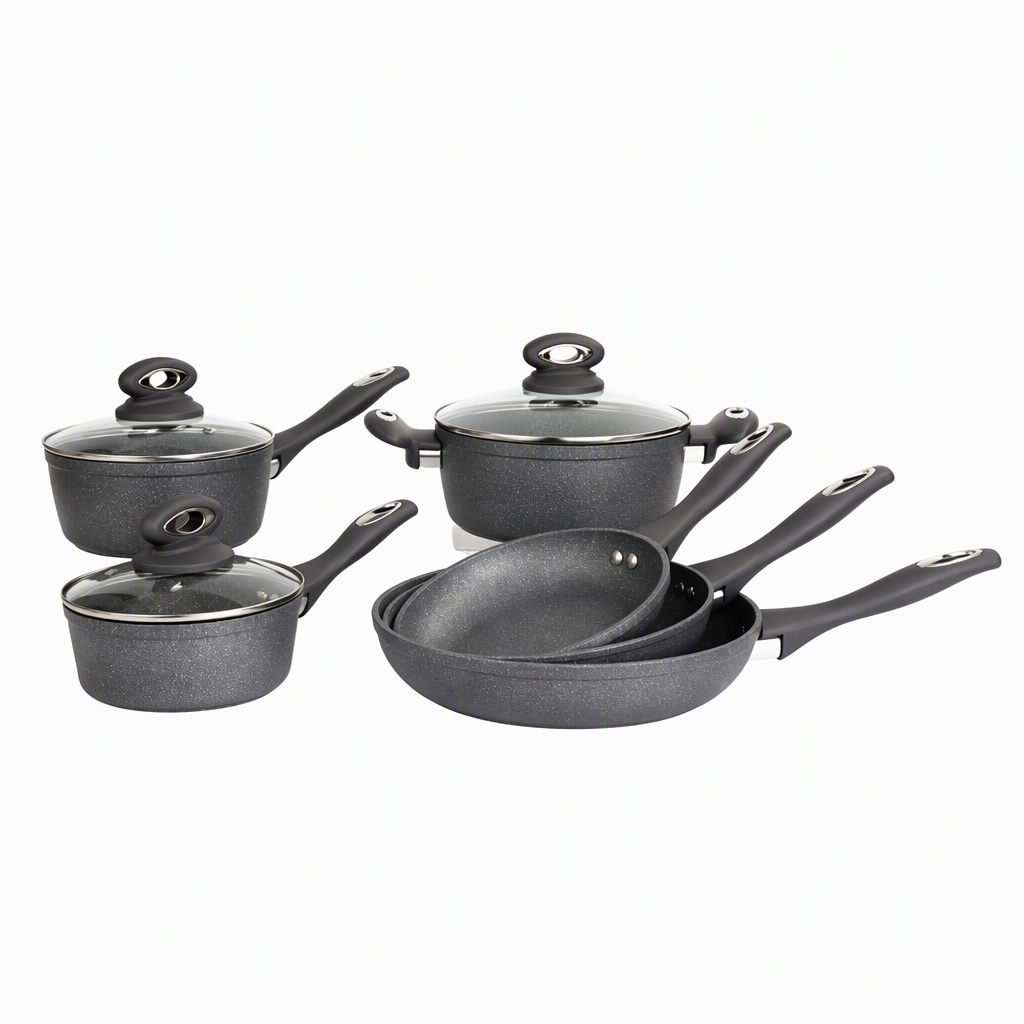
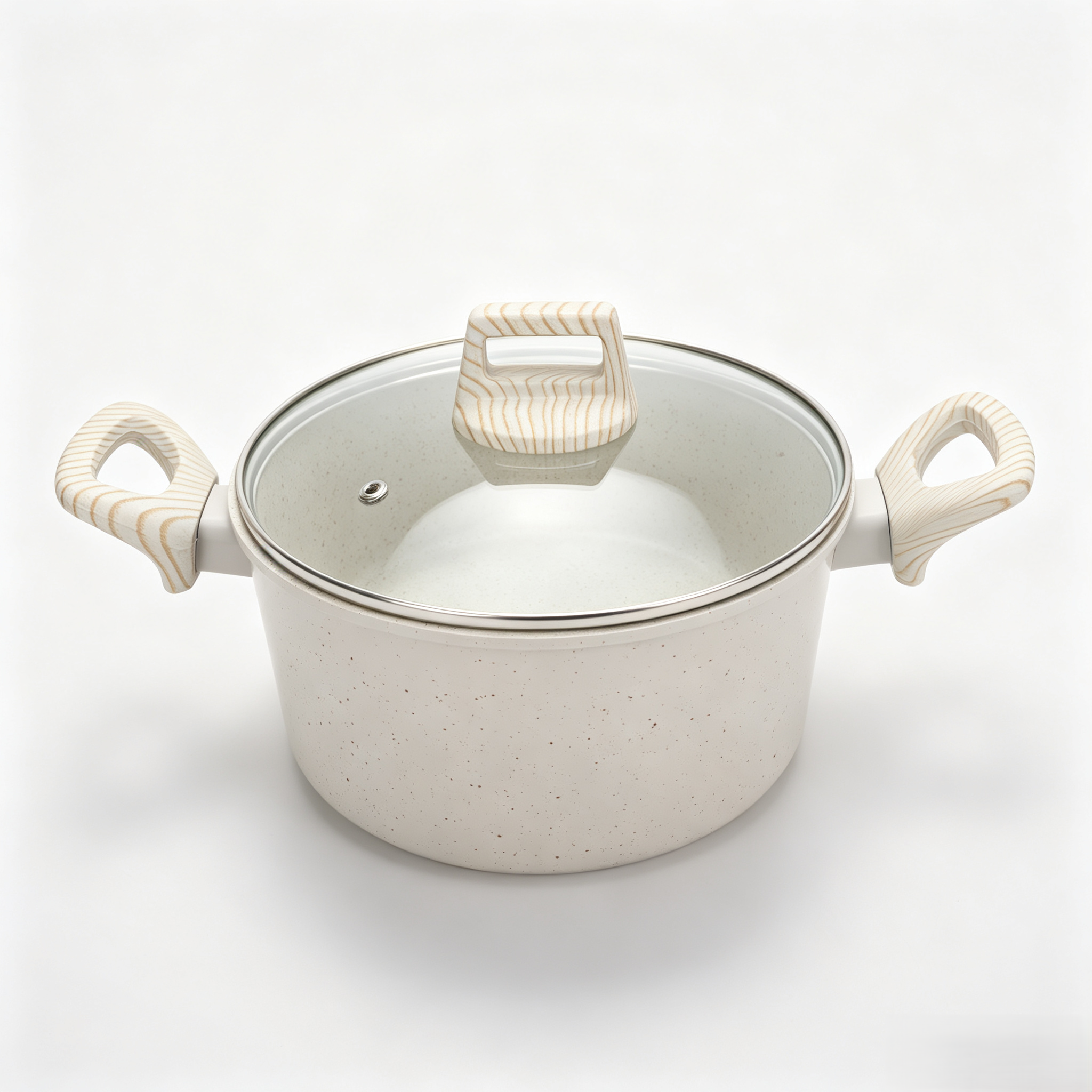
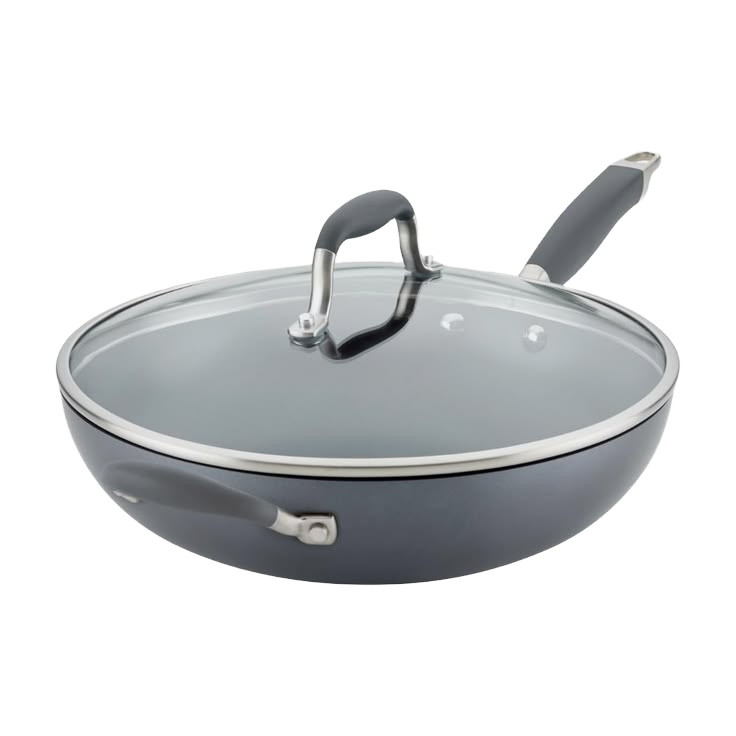
Engineering Thermal Efficiency: Why Forged Aluminum Dominates the Louisville Supply Chain
The Greater Louisville metropolitan region represents a uniquely demanding cross-section of the North American culinary and consumer housewares landscape. Positioned at the critical transportation corridor of the Ohio River valley and serving as the global hub for UPS Worldport alongside comprehensive CSX and Norfolk Southern intermodal terminals, Louisville wholesale importers and department store buyers require hardware that strikes an exact metallurgical equilibrium between rapid thermal diffusivity and structural warp-resistance.
While traditional Southern cookery has historically relied upon heavy cast iron, modern residential kitchens across Jefferson, Oldham, and Bullitt counties, alongside fast-paced commercial kitchens along Louisville’s acclaimed "Restaurant Row" on Bardstown Road, have catalyzed an aggressive shift toward precision die-forged aluminum frying pans. Forging technology leverages heavy mechanical presses (typically 2,500 to 4,000 metric tons) to realign the crystalline granular structure of 3003-series virgin aluminum alloy. Unlike stamped sheet aluminum, forging allows our engineers to cast an extra-thick thermal base (4.0mm to 5.5mm) while tapering the sidewalls to 2.5mm–3.0mm.
Thermodynamic Velocity: The Fourier Heat Conduction Ratio
Forged aluminum demonstrates a thermal conductivity coefficient ($k \approx 205\ \mathrm{W/m\cdot K}$), nearly five times greater than traditional grey cast iron ($k \approx 50\ \mathrm{W/m\cdot K}$) and over twelve times faster than 304 austenitic stainless steel ($k \approx 16\ \mathrm{W/m\cdot K}$). This eliminates localized thermal hot spots, ensuring butter and batter cook uniformly without scorching.
For Louisville B2B procurement officers managing omnichannel retail distribution or institutional culinary procurement, forged aluminum solves the twin commercial liabilities of cast iron: excessive shipping tare weight and rapid moisture oxidation in high-humidity Midwestern river valley conditions. Our Zhejiang automated manufacturing complex pairs this structural resilience with cutting-edge non-stick coating technology, directly meeting the clean-label culinary mandates driving retail growth across the Commonwealth of Kentucky.
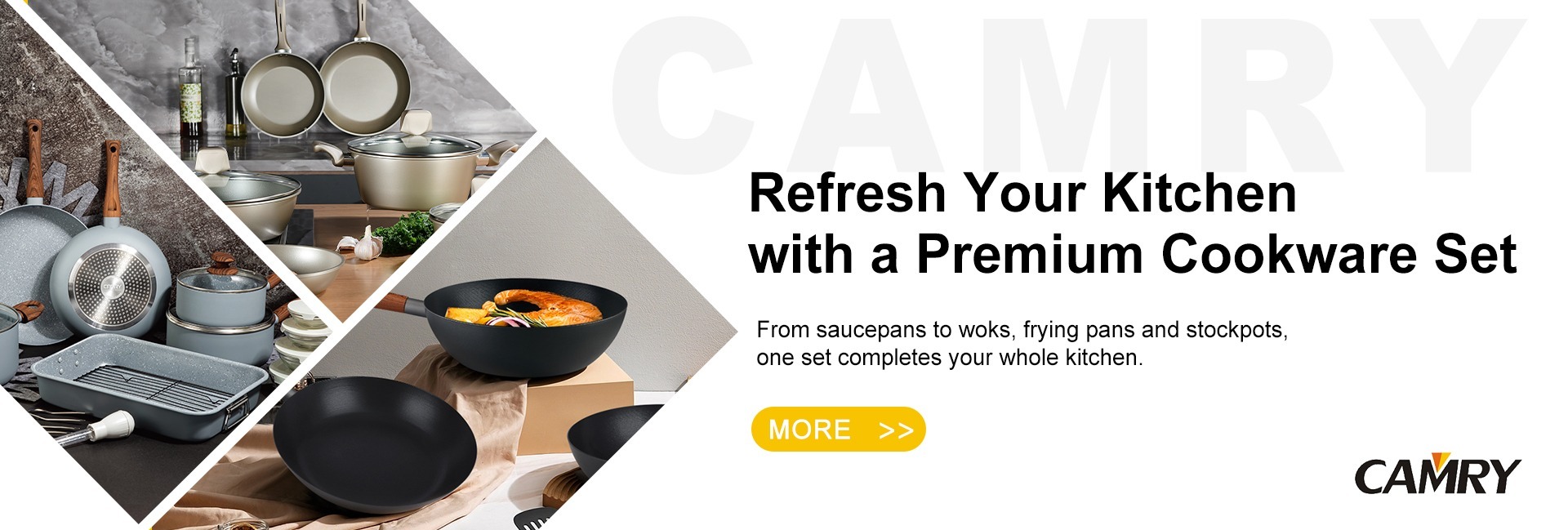
Localized Applications: Bridging Kentucky Heritage Cookery with Modern Production
How Zhejiang MEIS forged aluminum engineering solves practical challenges in Louisville’s dynamic hospitality operations, regional retail programs, and multi-state distribution hubs.
High-Turnover Hospitality & Bourbon Deglazing
Louisville's premier bourbon bistros and upscale dining rooms require sauté pans capable of handling flash flambeaux, wine reductions, and high-sugar bourbon sauces. Traditional PTFE nonstick coatings break down under concentrated spirits and rapid thermal cycling. Our high-density silica ceramic and marble matrix formulations are inert to alcohol acids up to 450°C, ensuring flawless release for iconic Kentucky Hot Brown roux and pan-seared river catfish without chemical leaching or micro-flaking.
Louisville Metro Institutional & Derby Event Catering
During the Kentucky Derby festival season, Louisville hospitality operations surge to hundreds of thousands of guests. Executive caterers face heavy strain on dishwashing and prep stations. Our forged aluminum cookware weighs 60% less than cast iron, significantly reducing worker fatigue during high-volume egg and pancake service, while the impact-welded magnetic base ensures 100% operational uptime across portable commercial induction burners deployed in hotel ballrooms.
Midwest E-Commerce Hubs & Private Label Retail
With major retail distribution fulfillment centers spread throughout Louisville, Shepherdsville, and Southern Indiana, shipping damage and returns due to dented cookware represent significant cost centers for Amazon FBA merchants and Big Box buyers. Our 4.5mm die-forged pan bodies exhibit 3.2 times the hoop strength of pressed stamped pans, preventing rim deformation during palletized multi-modal cross-country transit.
Emerging Trends Shaping Housewares Sourcing in Kentucky and the Greater Midwest
Understanding shifting consumer sentiment, environmental legislation, and kitchen electrification across Louisville households and hospitality chains.
The Complete Transition to PFAS-Free Ceramic Coatings
Across Kentucky, both suburban Louisville homeowners and environmental regulators are accelerating the phase-out of traditional fluoropolymer chemicals. Consumers are proactively searching for "100% PTFE, PFOA, PFOS, Lead, and Cadmium Free" verifications on retail packaging. MEIS supplies certified Sol-Gel ceramic formulations that provide oil-free egg release while offering total chemical safety verified via independent SGS and TÜV testing reports.
Induction Cooktop Electrification in Urban Louisville
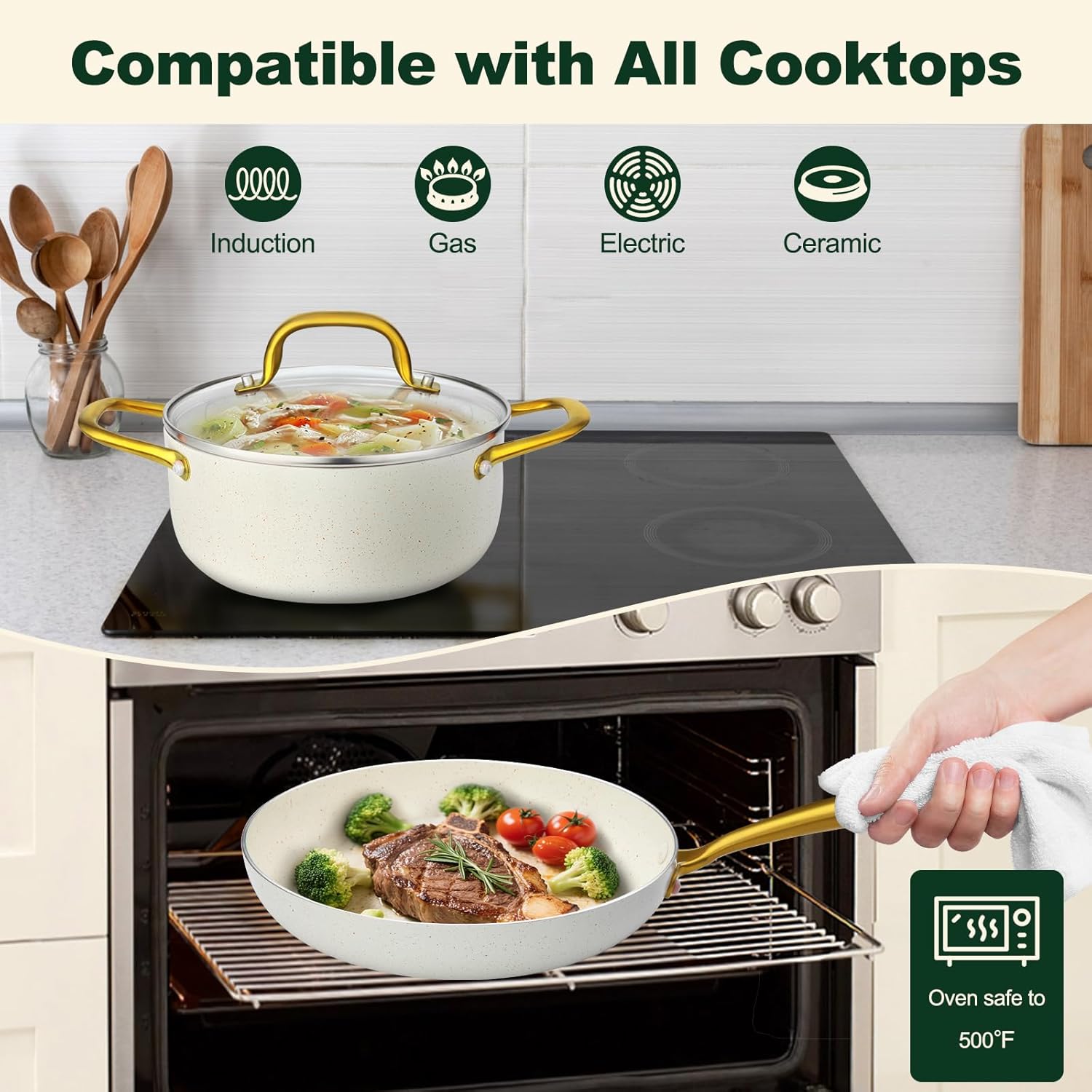
As residential renovations accelerate in downtown Louisville high-rises, NuLu lofts, and suburban developments in Prospect and Anchorage, modern induction cooktops are replacing conventional gas ranges. Standard pressed aluminum pans cannot generate magnetic induction flux. MEIS integrates a micro-punched, 430-magnetic stainless steel plate bonded under 800 metric tons of direct stamping pressure, preventing base delamination even under intense inductive heat.
Modular Detachable Cookware for Compact Living
Modern living spaces and the booming Ohio Valley recreational vehicle (RV) market demand space efficiency. Cookware sets featuring one-click detachable, dual-lock safety handles allow consumers to move seamlessly from stove to oven, to dining table, and into compact dishwasher racks. This modular design saves up to 70% of cabinet storage space and cuts container freight volume costs for Louisville importers by up to 35%.
Metallurgical & Commercial Comparison Matrix for Cookware Buyers
A data-driven evaluation of material substrates to guide high-volume procurement decisions for retail shelves and commercial kitchens.
| Evaluation Parameter | MEIS Forged Aluminum (Die-Forged) | Standard Pressed Aluminum | Traditional Cast Iron | Tri-Ply Clad Stainless Steel |
|---|---|---|---|---|
| Thermal Conductivity (W/m·K) | 205–215 (Ultra-Fast & Uniform) | 220 (Fast, but Hot-Spot Prone) | 45–52 (Sluggish Heat Absorption) | 16–22 (Slow Heat Distribution) |
| Base Thickness / Warp Threshold | 4.5mm – 5.0mm (Guaranteed Flat) | 1.8mm – 2.5mm (High Warp Risk) | 4.0mm – 6.0mm (Extremely Rigid) | 2.5mm – 3.2mm (Rigid, High Cost) |
| Unit Tare Weight (28cm Frying Pan) | 900g – 1,150g (Optimal Balance) | 500g – 680g (Feels Flimsy) | 2,400g – 3,200g (Heavy / Fatigue) | 1,300g – 1,600g (Moderately Heavy) |
| Nonstick Coating Adhesion System | Shot-peened mechanical interlock | Basic chemical etching wash | Manual oil seasoning (Unstable) | PTFE bonding or raw polished steel |
| Induction Cooktop Suitability | Magnetic Base Impact-Bonded | Requires perforated disk / Weak | Naturally Ferromagnetic | Magnetic 430 Exterior Layer |
| Ocean Freight Cost Efficiency | High (Optimized nestable geometries) | High (Low weight, low retail margin) | Extremely Low (Heavy freight penalties) | Moderate (High landed value base) |
| Ideal Louisville Market Fit | Department Stores, Retail Chains, Bistros | Discount Outlets, Dollar Stores | Camp Cooking, Specialized Steakhouses | High-End Executive Chef Stations |
End-to-End Factory Production & On-Site Quality Assurance
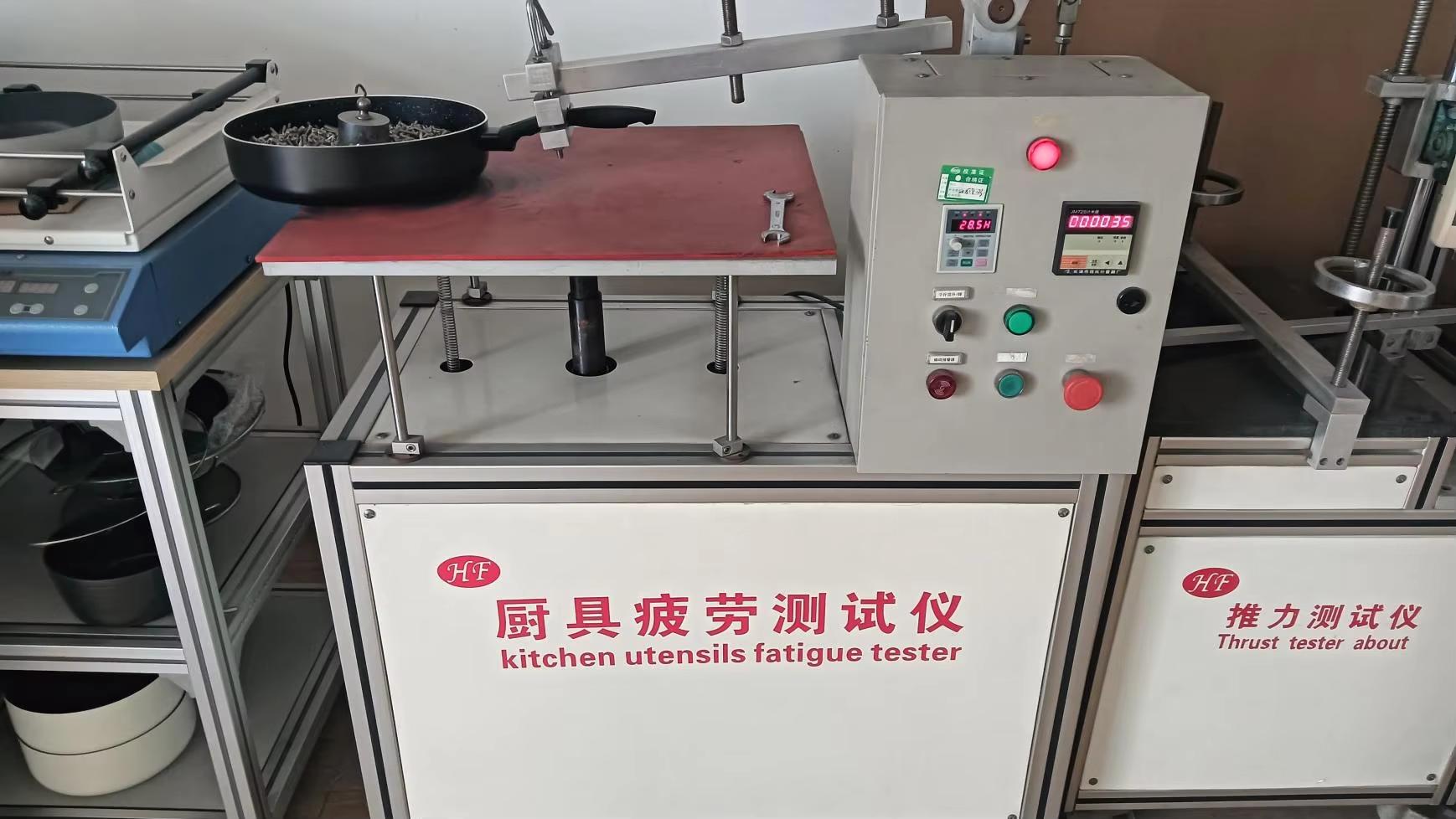
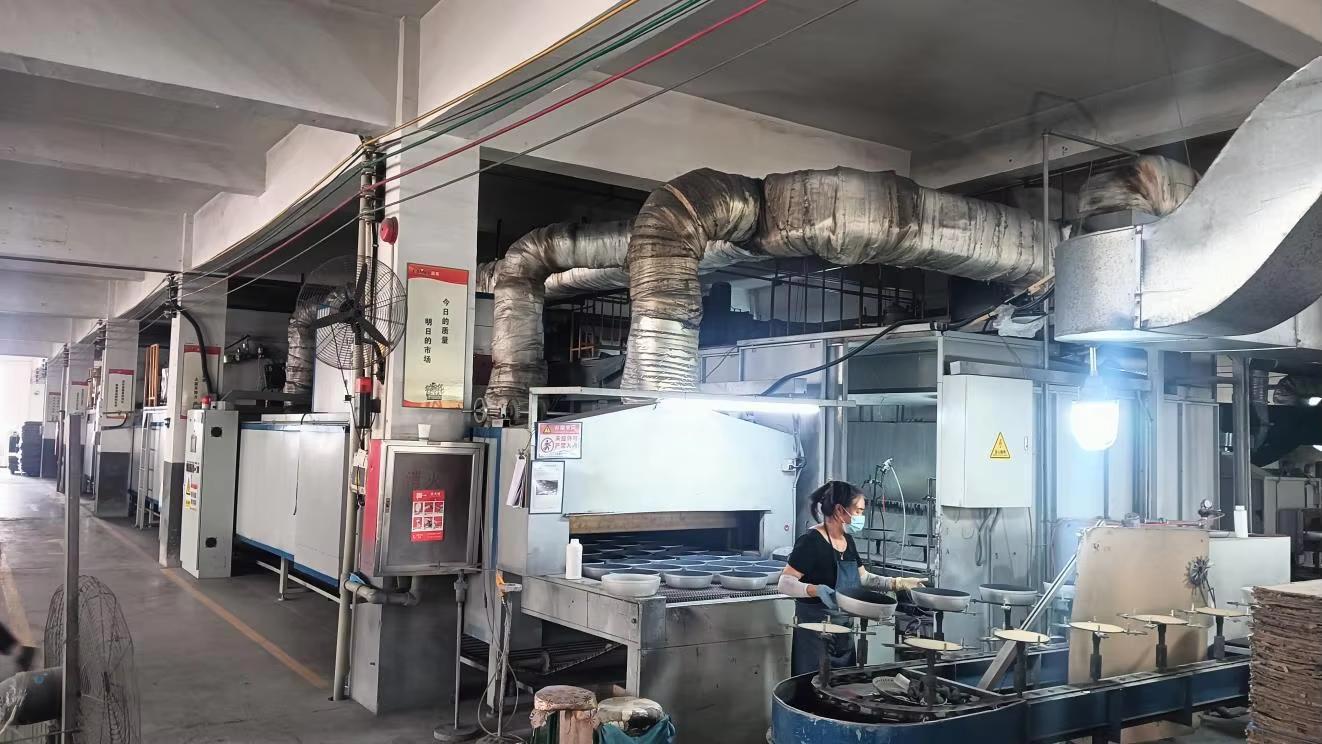
Operating our own automated pressing, CNC finishing, electrostatic multi-layer coating, and physical stress testing laboratories in Jinhua, Zhejiang, China.
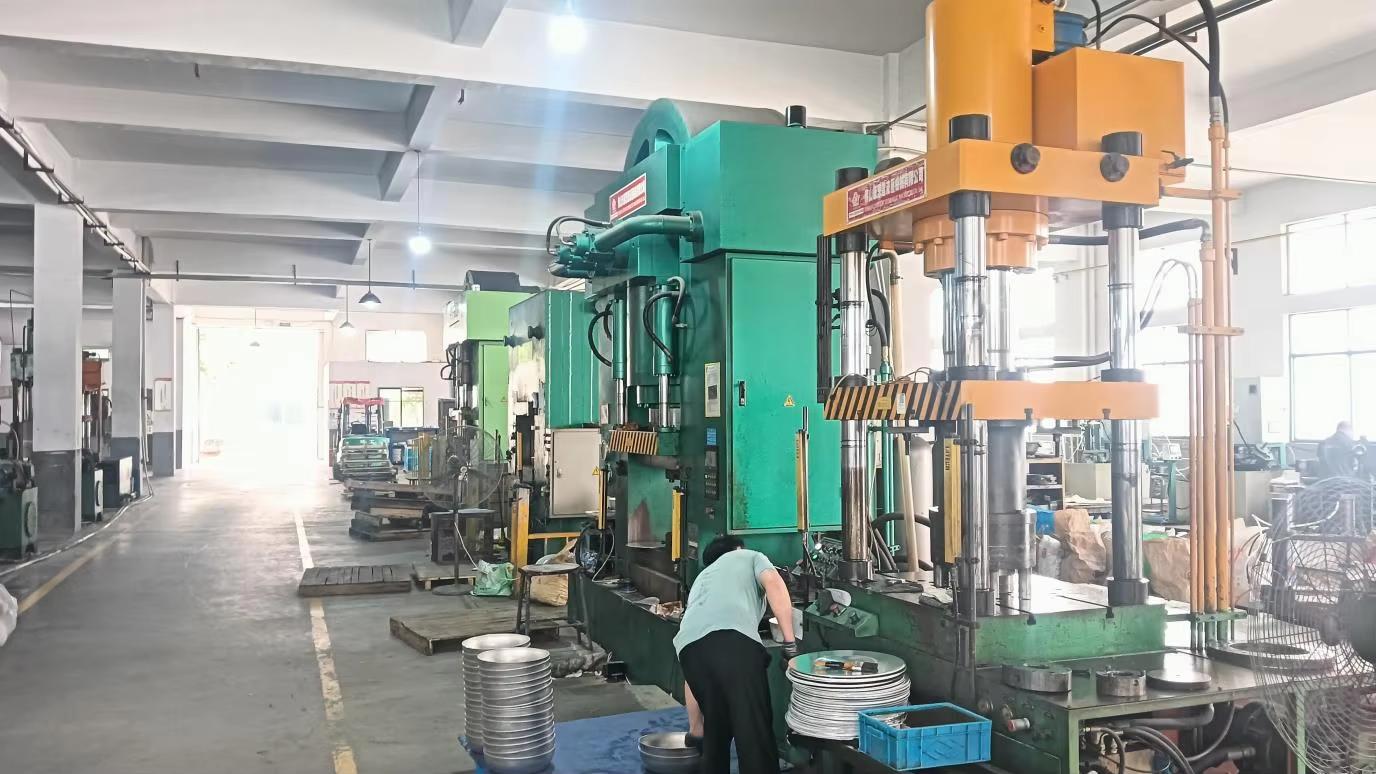
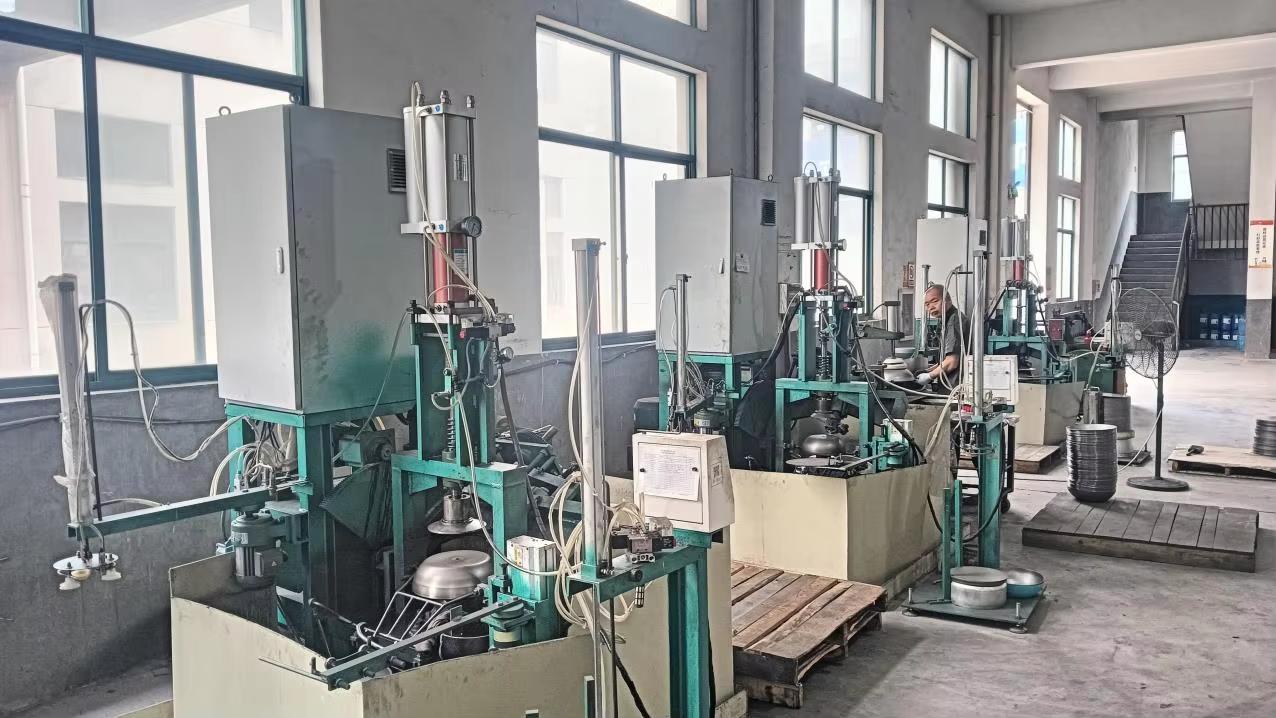
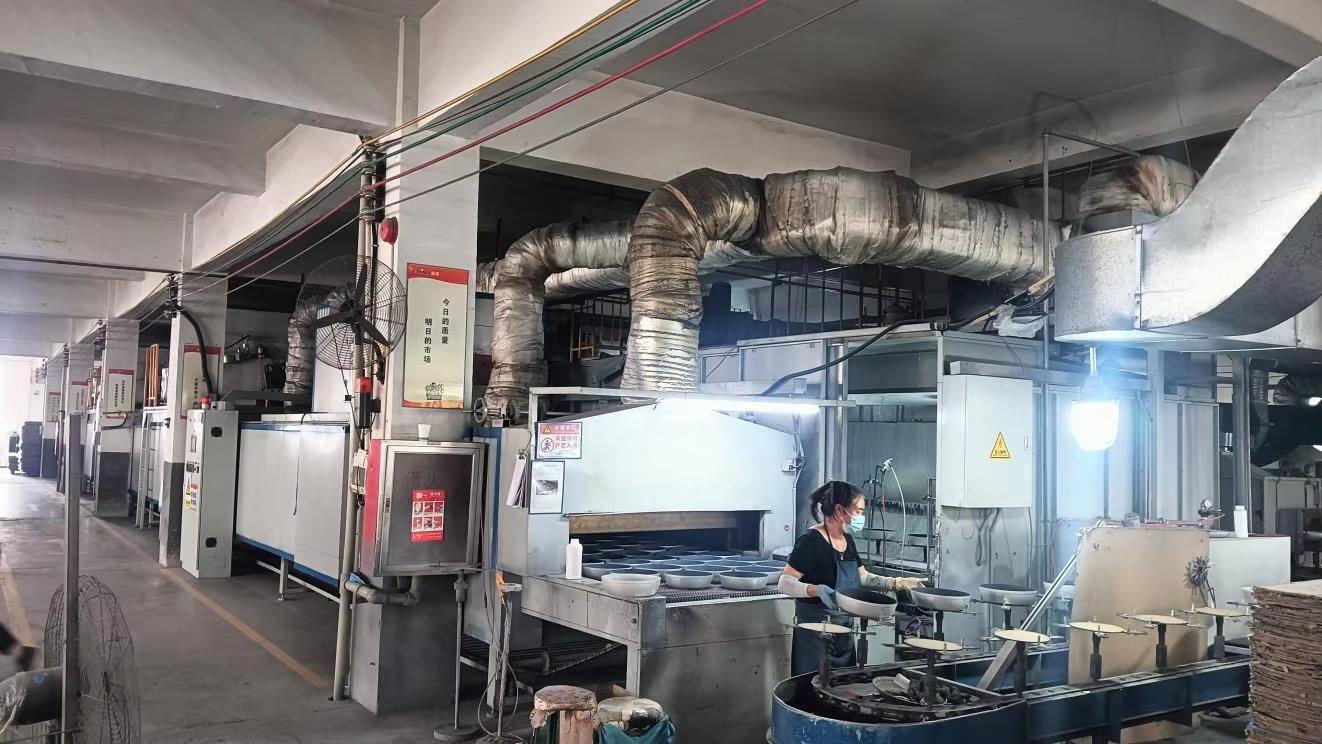
TÜV Rheinland Audited Quality Management
Unlike trading intermediaries, Zhejiang MEIS Kitchenware Co., Ltd. controls every phase of the manufacturing process inside our modern industrial facility in Dongnan Industrial Zone, Jinhua, Zhejiang. Verified on-site by TÜV Rheinland, our manufacturing operations adhere strictly to ISO9001 quality protocols.
Every export production run earmarked for the United States undergoes systematic raw material spectral analysis, coating thickness gauge audits, ASTM B117 salt-fog corrosion trials, and cross-hatch adhesion testing (BS 7069). We maintain a 25-supplier vetted supply chain for virgin aluminum ingots, non-toxic pigment masterbatches, and shatterproof tempered glass covers, guaranteeing unyielding consistency container after container.
Frequently Asked Questions: Sourcing Forged Aluminum Pan Lines into Louisville
Clear, direct answers regarding tariffs, shipping routes to Kentucky inland ports, food safety certifications, and custom branding.
What is the typical shipping transit route and lead time from your factory to Louisville, KY?
Full Container Load (FCL) orders depart from the deep-water ports of Ningbo or Shanghai. For cargo bound for Louisville, Kentucky, ocean shipping lines typically route via two core corridors:
1. West Coast Intermodal Rail: Vessels discharge at Los Angeles/Long Beach or Tacoma, followed by Class I intermodal rail (BNSF or Union Pacific) directly into Louisville CSX or Norfolk Southern rail ramps. Typical transit time is 26 to 32 days on water and rail.
2. East Coast / Gulf Waterway: Containers transit through the Panama Canal to Savannah, Charleston, or Houston, moving by truck directly up the I-65 or I-75 corridors into Louisville distribution hubs within 32 to 38 days. Production lead times average 35 to 45 days upon master packaging artwork approval.
How do you guarantee that coatings comply with US FDA and California Proposition 65 regulations?
All nonstick coatings applied at the MEIS factory—including multi-tier ceramic, granite speckle, marble matrix, and hard-anodized applications—are formulated with non-toxic raw materials completely free of PFOA, PFOS, lead, cadmium, arsenic, and harmful PFAS derivatives.
Every production batch comes accompanied by certified laboratory testing reports from international inspection agencies such as SGS, TÜV Rheinland, and Bureau Veritas, verifying full compliance with US FDA 21 CFR 175.300 standards and California Proposition 65 total lead/cadmium leach limits under intense acidic food simulations.
What is the Minimum Order Quantity (MOQ) for custom private-label cookware programs?
For standard models utilizing our existing precision tooling, the MOQ begins at 1,000 to 1,500 pieces for individual frying pans and 800 to 1,000 sets for multi-piece cookware sets. This includes customized Pantone exterior colors, laser-engraved bottom logos, branded induction spray patterns, and full-color retail gift packaging.
For fully custom ODM designs requiring bespoke body geometries or proprietary handle molds, our in-house mold and tooling workshop produces prototypes in 10 to 15 days, with an initial production run MOQ negotiated based on project scale.
Why is forged aluminum superior to cast aluminum for high-volume consumer retail programs?
While die-cast aluminum allows intricate external shapes, it often suffers from internal micro-porosity (tiny air pockets trapped within molten aluminum). Over repeated commercial dishwasher washing cycles, this porosity can lead to coating blistering and internal thermal fractures.
Forged aluminum is cold-formed from a dense, solid plate of 3003-series virgin aluminum alloy under thousands of tons of pressure. This creates a denser crystalline structure with zero internal porosity, superior tensile strength, lighter overall weight, and a smoother surface for coating adhesion.
How does your factory manage US Section 301 tariffs to ensure competitive landed costs in Louisville?
Aluminum cookware imported into the United States is classified under HTS code 7615.10. We work directly with our US buyers’ licensed customs brokers to provide fully transparent commercial invoices, mill test certificates, and packing lists.
By optimizing container load factors (utilizing modular detachable-handle packaging and nested pan configurations), we increase container packing counts by 30% to 45% per 40ft High Cube container, significantly diluting per-unit ocean freight and tariff impacts to ensure healthy margins for your retail shelves.
Can you provide customized packaging compliant with Amazon FBA and big-box drop tests?
Yes. We engineer mail-order packaging that passes ISTA 1A, 2A, and 3A drop, vibration, and compression tests. For Louisville-area e-commerce retailers and omnichannel distributors, pans are secured in customized, eco-friendly molded pulp trays or high-density EPE foam cushions inside five-ply corrugated outer cartons.
This eliminates pan rim denting, handle breakage, and lid shattering during automated conveyor transit through regional logistics hubs, keeping return rates well below 0.8%.
Connect Directly with Our Engineering & Export Team
Request our comprehensive 2025 OEM/ODM Cookware Catalog, technical material specification sheets, and factory-direct pricing for your Louisville retail, hospitality, or wholesale distribution program.