TÜV Rheinland On-site Verified Custom Manufacturer · OEM / ODM Jinhua, Zhejiang, China
Industrial OEM/ODM Manufacturing · Emilia-Romagna Direct Supply

China Best Hard Anodized Cookware Sets Factory & Exporter in the Bologna Market

Delivering heavy-gauge, anti-warp hard anodized cookware engineered for thermal uniformity, extreme abrasion endurance, and full European MOCA compliance across Bologna's demanding culinary and retail sectors.

High-Performance Culinary Export Line

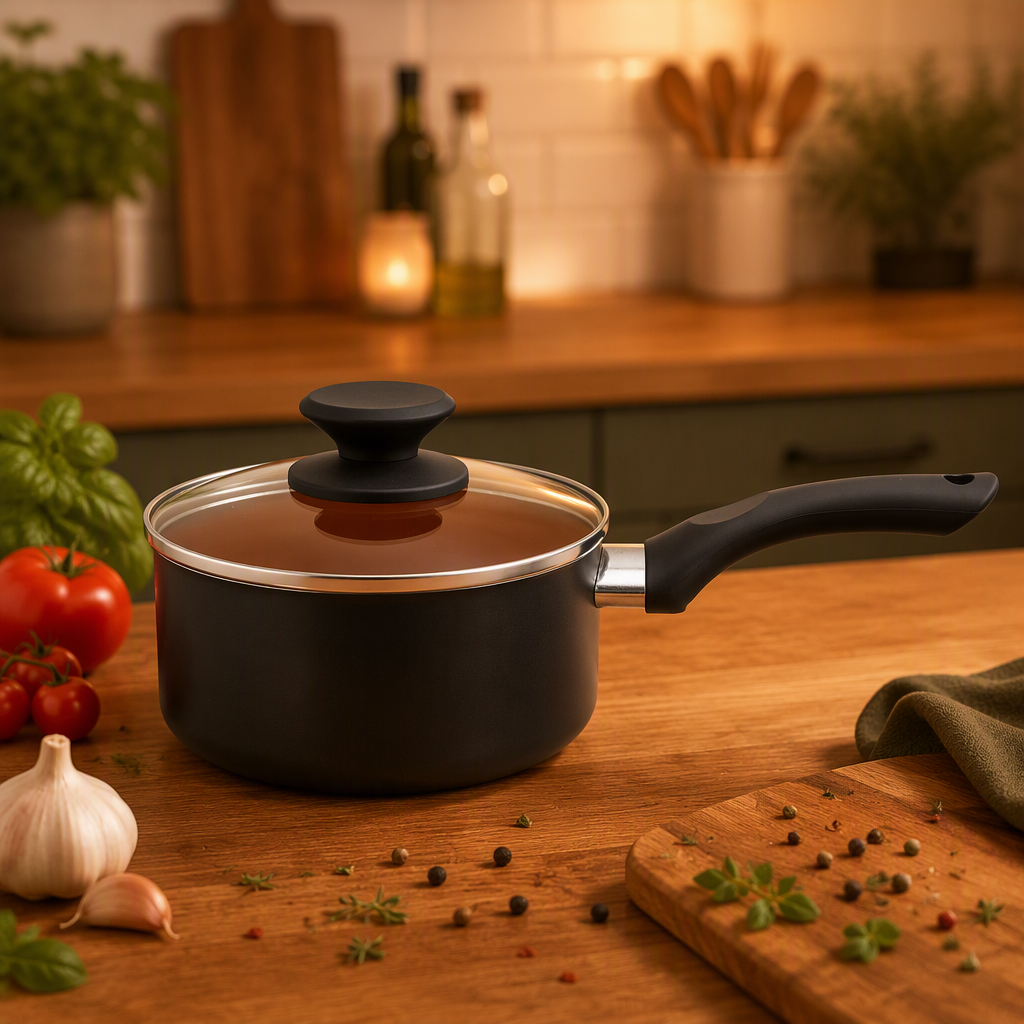
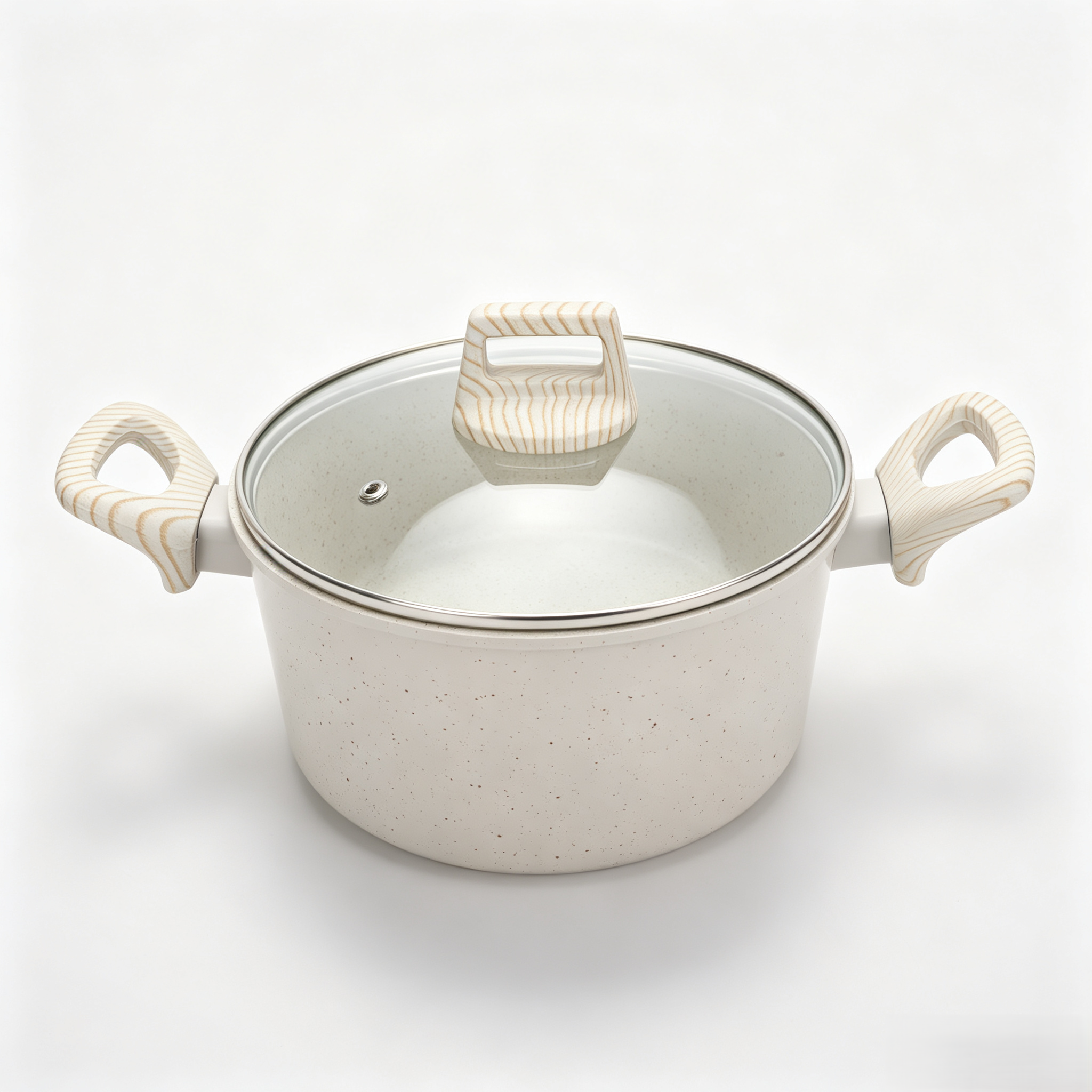
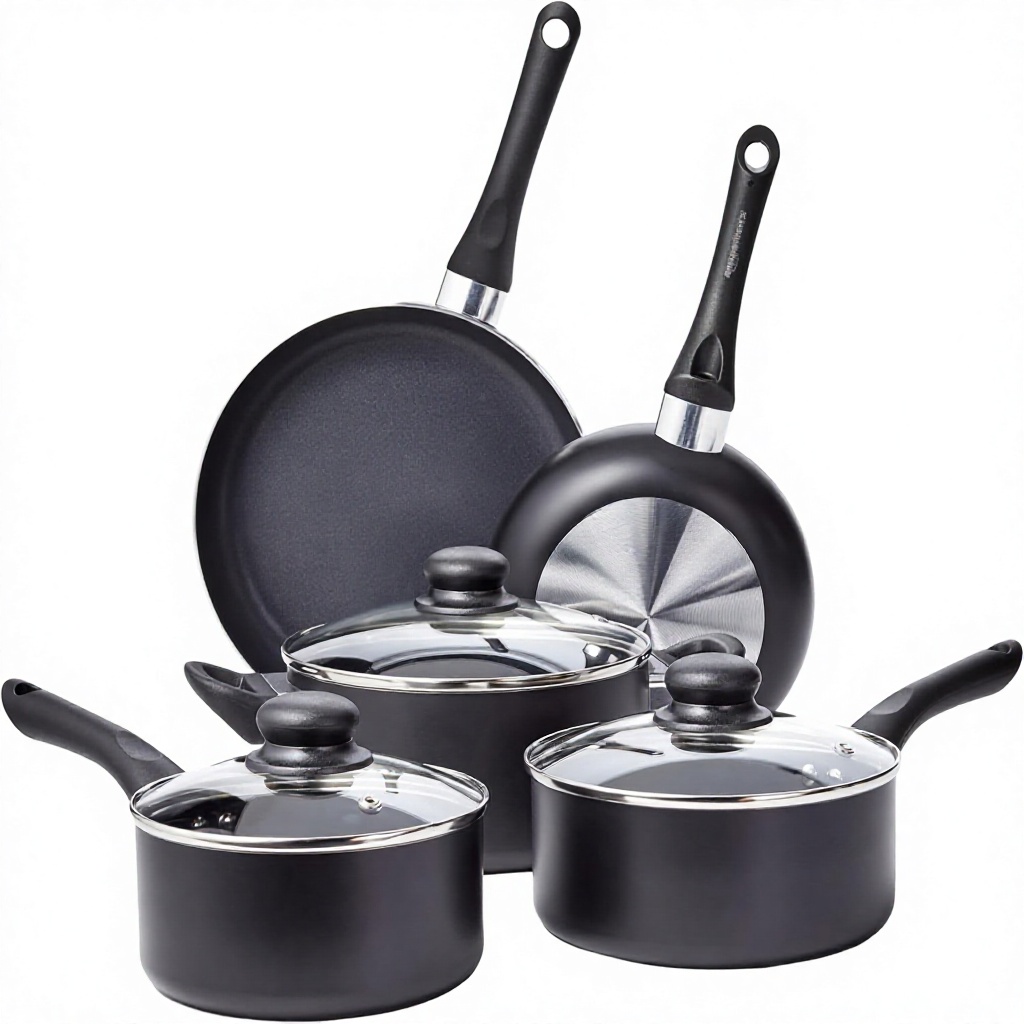
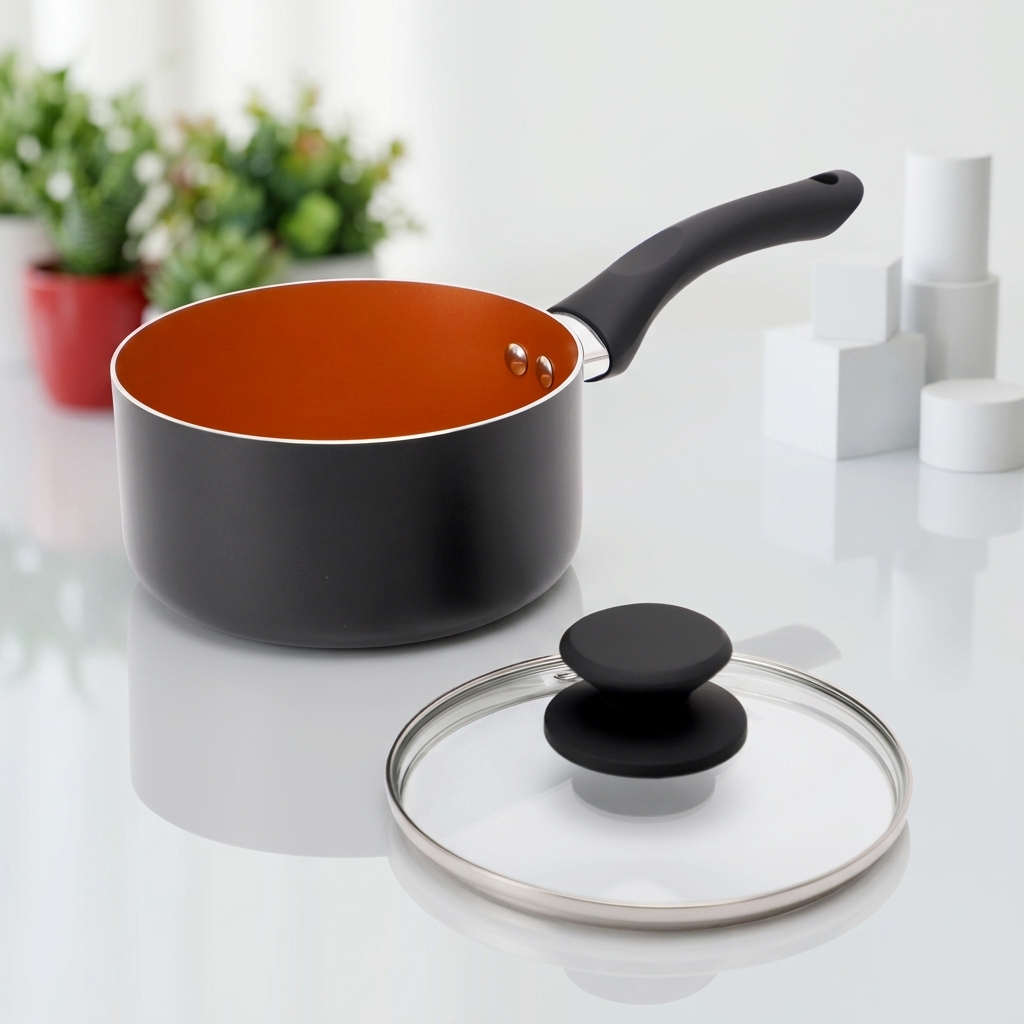
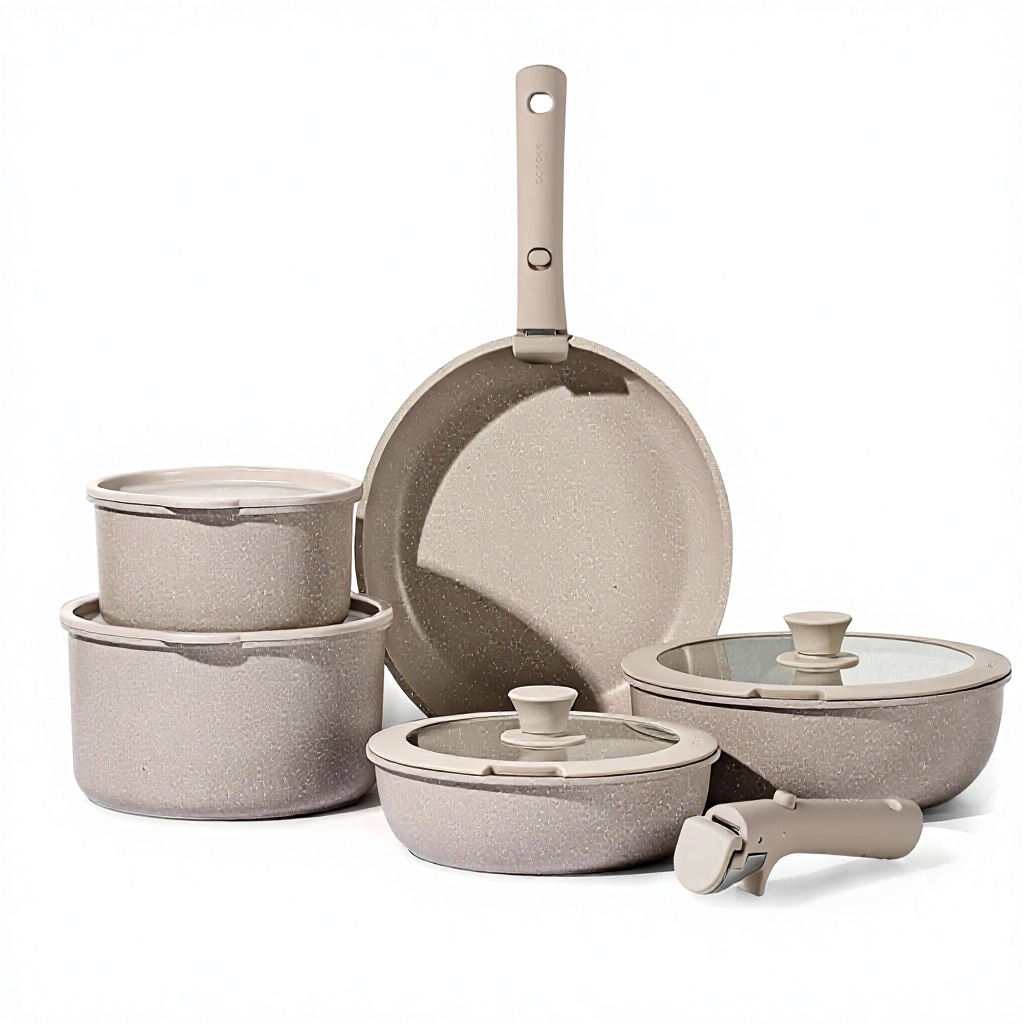
Featured Hard Anodized & Non-Stick Systems for Bologna Importers

Direct from our TÜV Rheinland on-site assessed Jinhua factory, each cookware unit undergoes high-precision electrochemical oxidation, rigorous coating adhesion profiling, and robotized induction-base stamping engineered for Northern Italian commercial gastronomy and premium domestic retail.

Technical Whitepaper · Metallurgical Insights

Engineering Hard Anodized Cookware for Bologna's Gastronomic Demands

Bologna, internationally revered as "La Dotta, La Rossa, La Grassa", represents Europe's culinary crucible. The preparation of quintessential Bolognese heritage dishes—from the traditional 6-hour simmered Ragù alla Bolognese to high-volume commercial reductions of Friggione—imposes severe thermomechanical and chemical stress on culinary vessels.

Conventional non-stick pans falter under the prolonged exposure to acidic tomato purée, white wine deglazing, and high lactic acid concentrations. Our factory employs Type III Hard Anodization (electrochemical oxidation at temperatures near 0°C with controlled current density). This process transforms the aluminum surface into an integrated aluminum oxide (Al₂O₃) ceramic layer with a hardness rating exceeding 400 Vickers (HV)—twice as hard as stainless steel.

Because the anodic layer is molecularly bonded rather than merely adhered, it eliminates peeling, blistering, and metallic ion migration. Combined with high-grade multi-layer PTFE or sol-gel ceramic non-stick coatings, MEIS hard anodized cookware delivers zero hot spots, instant thermal responsiveness across commercial gas and induction ranges, and complete immunity to chemical corrosion from high-acid foods.

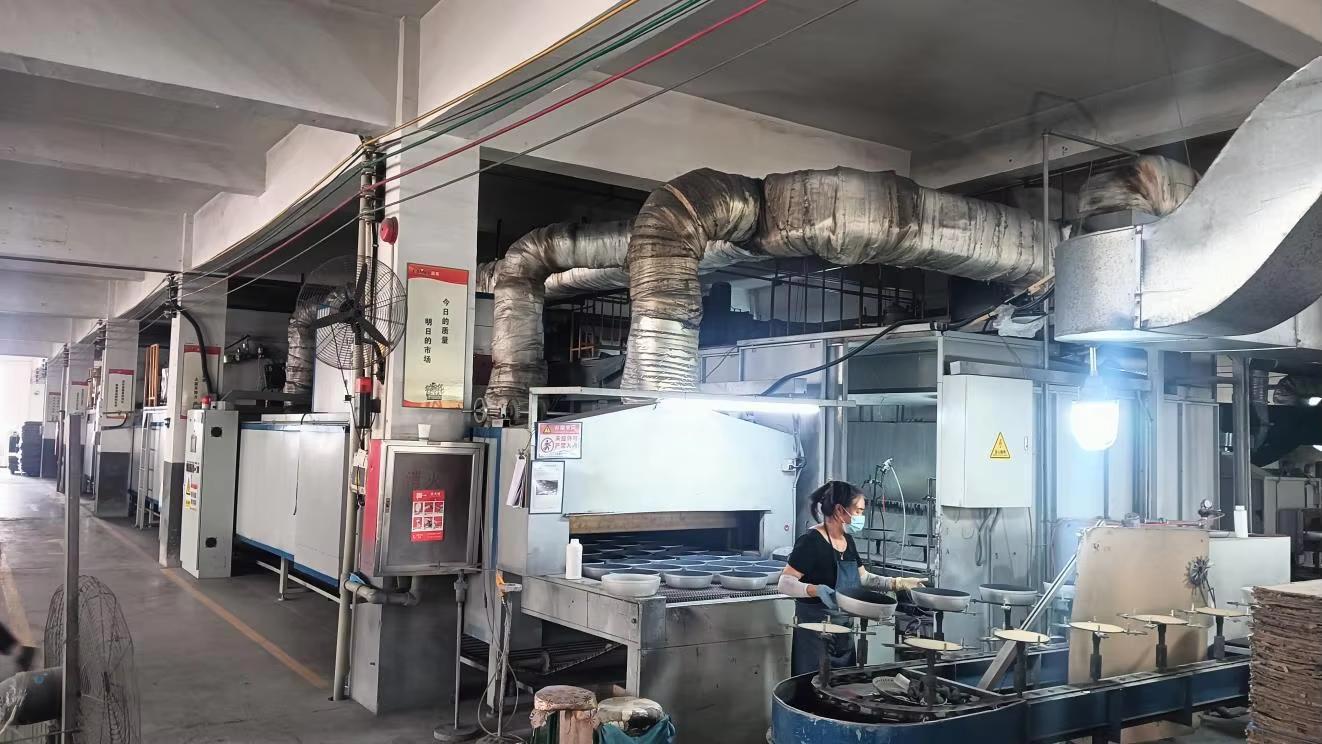
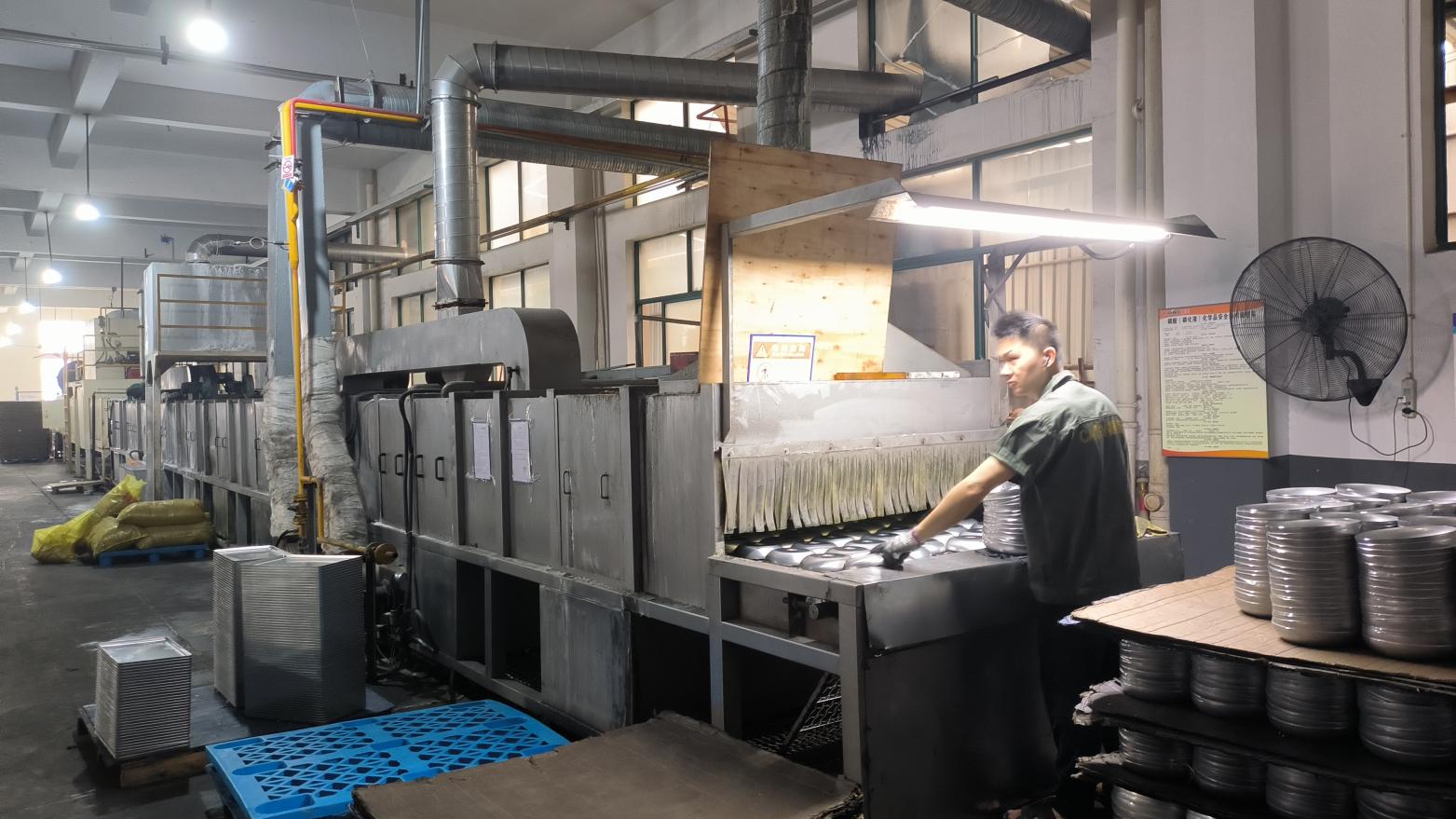
Automated multi-layer non-stick spray coating line at MEIS cookware factory
45μm+ Anodic Oxidation Depth
Superior Surface Hardness & Chemical Inertness

Substrate Thermal Conductivity & Longevity Benchmark

Engineering Attribute MEIS Hard Anodized Composite Standard Pressed Aluminum Tri-Ply Clad Stainless Steel Enameled Cast Iron
Thermal Conductivity (W/m·K) 215 - 230 (Instantaneous Heat Flux) 205 - 215 (Prone to Hotspots) 15 - 25 (Slow Lateral Diffusion) 45 - 55 (High Mass, Lag Time)
Surface Microhardness (HV) 400 - 550 Vickers 40 - 60 Vickers 180 - 220 Vickers 350 - 450 Vickers (Brittle)
Acid Resistance (pH 2.5 - 4.5) Exceptional (Zero Leaching) Poor (Rapid Pitting Without Coating) Good (Potential Nickel Transfer) Good (Subject to Chipping)
Weight / Ergonomic Usability Optimized for Rapid Chef Agility Ultra-Light (Prone to Base Warp) Heavy (Causes Wrist Strain) Excessive (Unsuited to Fast Toss)
Induction Plate Shear Strength > 12.5 MPa (Impact-Forged Bond) Stamped Mesh (< 6.0 MPa) Integrated Magnetic Steel Naturally Magnetic Core
European Compliance Status Full MOCA, LFGB, REACH 2026 Basic Standards Compliant Standard Certified Lead / Cadmium Monitoring Required
Emilia-Romagna Gastronomy Integration

Localized Application Scenarios Across Bologna's Food Sectors

From historic osterie in the bustling Quadrilatero district to commercial culinary schools and retail hypermarkets along the Via Emilia, our hard anodized cookware is specifically targeted to regional cooking behaviors.

High-Volume Trattorie & Osterie

Bologna's fast-paced trattorie serve hundreds of covers of fresh egg tagliatelle daily. The Saltapasta sautéing pans demand thick, reinforced rims that endure metal tong contact and continuous mechanical flicking over high-output gas burners.

  • Zero warp under 300°C thermal shocks
  • Stainless steel handle attachment rated for 15,000+ shifts
  • Smooth radius curvature for aerodynamic pasta tossing

Slow-Simmer Ragù Production

Simmering minced beef, pork belly, tomato paste, and milk for 5 to 7 hours requires an ultra-flat thermal distribution profile to avoid bottom crusting and burning, ensuring the fat emulsion remains completely stable.

  • Heavy-gauge 3.5mm–4.5mm base plate
  • Consistent micro-temperature gradients (±2.5°C across floor)
  • Chemically passive anodized oxide prevents sauce discoloration

Urban Bolognese Living & Retail

Residential apartments in Bologna’s historic Centro Storico often feature compact kitchen layouts and high-efficiency induction stoves. Stackable, detachable-handle cookware sets fulfill the surging demand for space conservation.

  • Nesting designs reducing kitchen storage volume by 70%
  • Oven-safe transition up to 260°C for gratin and baked pasta
  • Full magnetic permeability on modern European induction hobs
Market Intelligence

Bologna & Italian Cookware Procurement Trends (2025–2028)

Strategic analysis for purchasing directors, private-label brand managers, and commercial importers navigating the evolving Italian regulatory and consumer landscape.

PFAS Transition & MOCA

The Italian Ministry of Health and EU ECHA restrictions have expedited the phase-out of traditional fluoropolymers. Importers in Bologna prioritize ceramic-infused, plasma-treated, and fluorochemical-free anodized matrices that guarantee lifelong MOCA compliance.

Induction Efficiency Wave

Driven by soaring natural gas costs across Northern Italy, commercial kitchens and domestic consumers are migrating to induction. Our impact-bonded cold-spray induction discs optimize kilowatt transfer, lowering commercial energy footprints by up to 22%.

Private-Label Growth

Italian supermarket giants and specialty kitchenware chains are bypassing European intermediary distributors. Direct OEM sourcing with audited Chinese manufacturers like MEIS allows margin expansion of 35%–48% while maintaining uncompromised quality.

Eco-Friendly Packaging

Emilia-Romagna distributors strictly mandate minimal single-use plastic. We provide FSC-certified unbleached kraft packaging, soy-based offset printing, and zero-styrofoam internal suspension configurations tailored for European retail shelf displays.

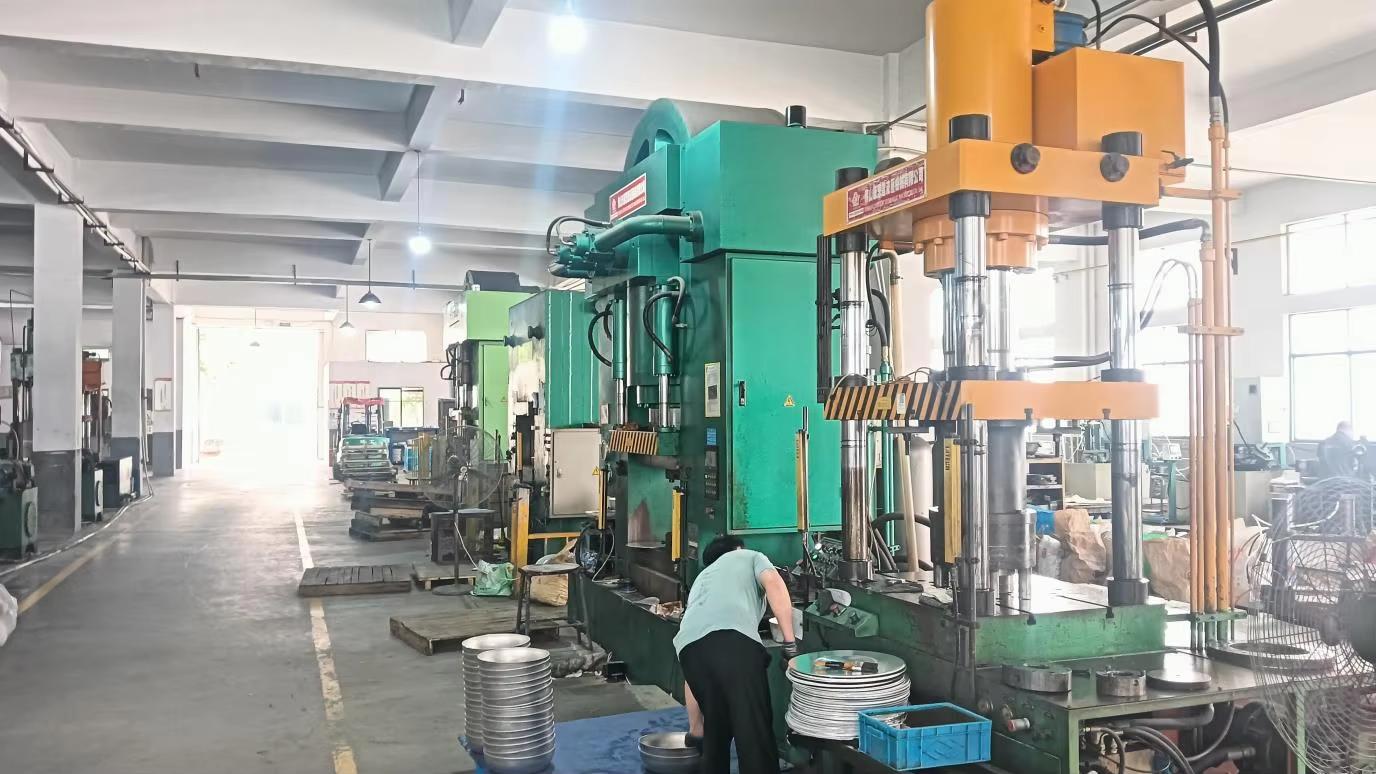
Automated hydraulic pressing lines for nonstick cookware at MEIS factory
105 Verified Technicians & Quality Auditors
Dongnan Industrial Zone, Jinhua, China
Manufacturing Credibility

Why European Importers Partner with Zhejiang MEIS Kitchenware

For over two decades, Zhejiang MEIS Kitchenware Co., Ltd. has stood as a primary OEM/ODM manufacturer in China's hardware capital of Jinhua. Unlike trading entities, our fully integrated manufacturing infrastructure eliminates middleman markups and guarantees end-to-end metallurgical traceability.

20+
Years Manufacturing
TÜV
On-Site Verified
100%
Batch Traceability
18Yrs
Alibaba Gold Supplier

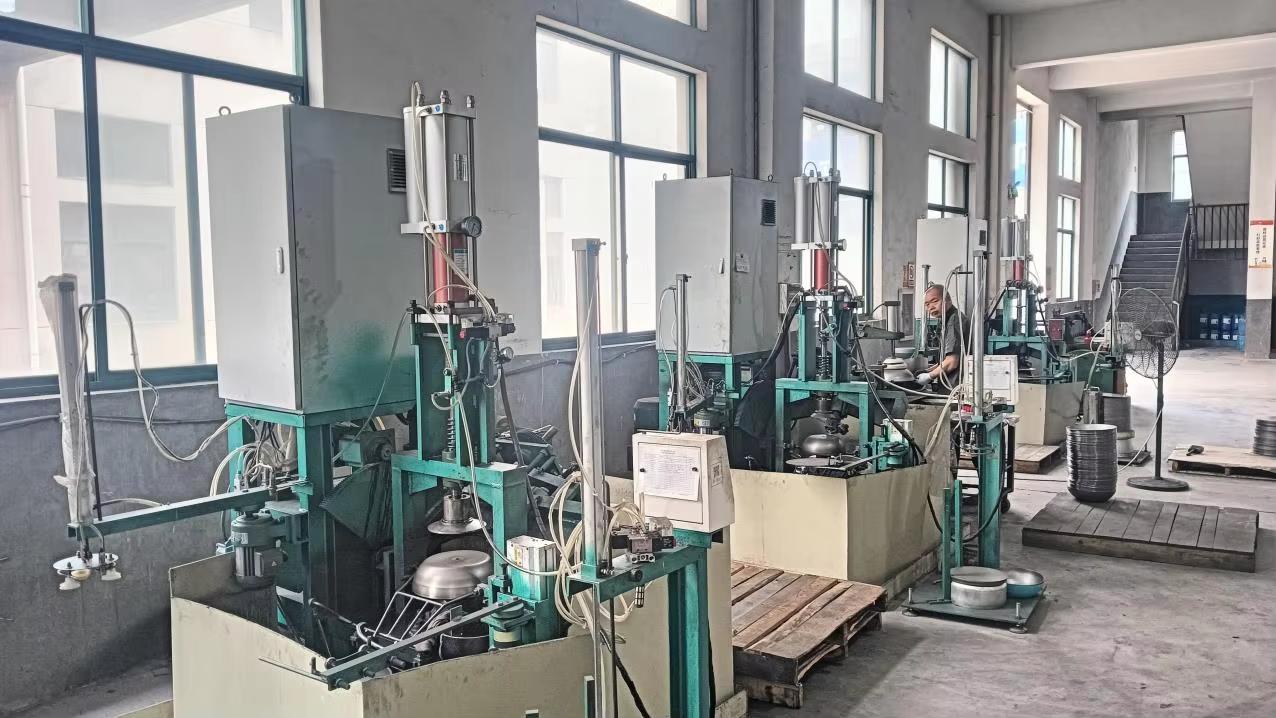
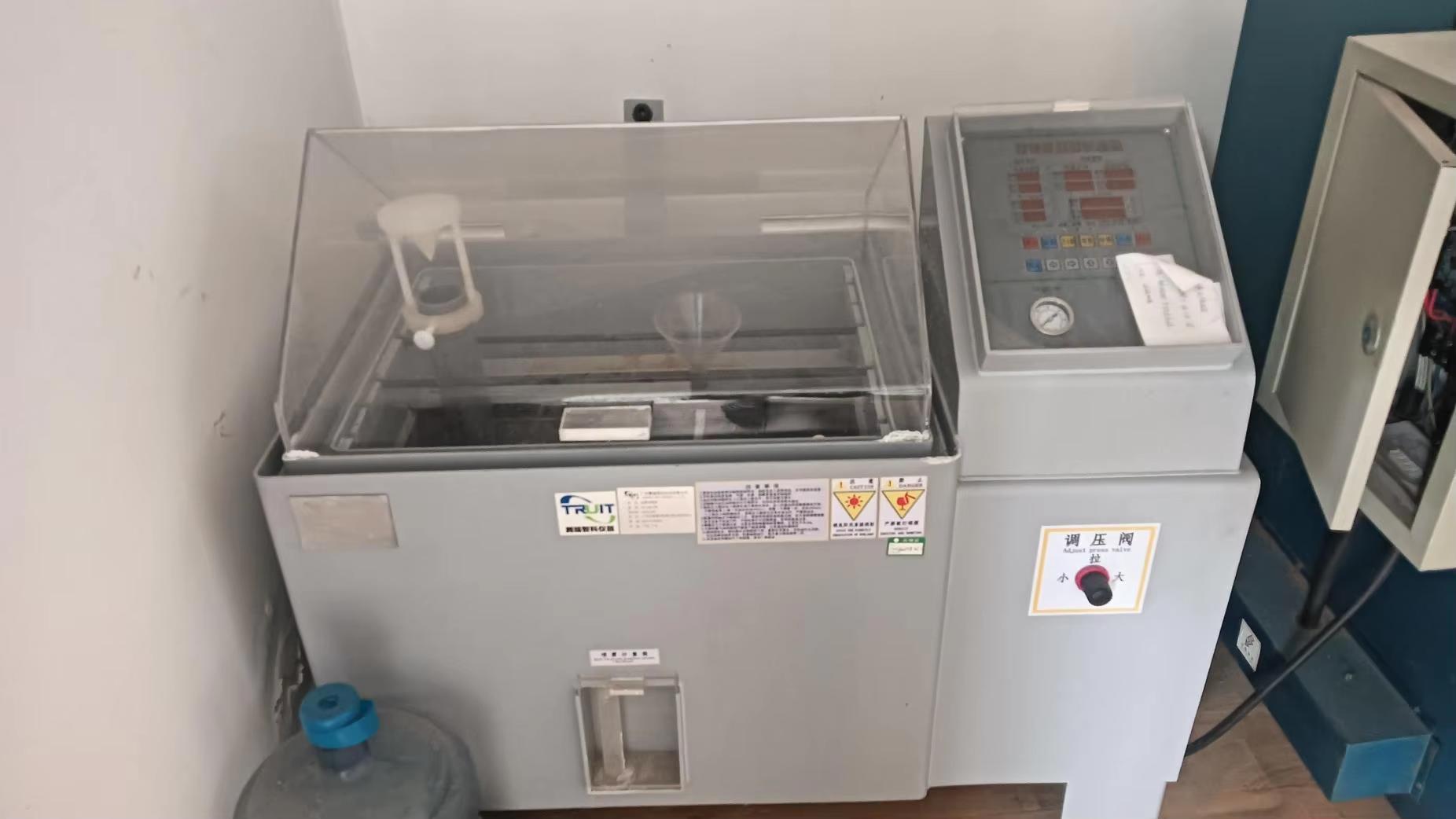
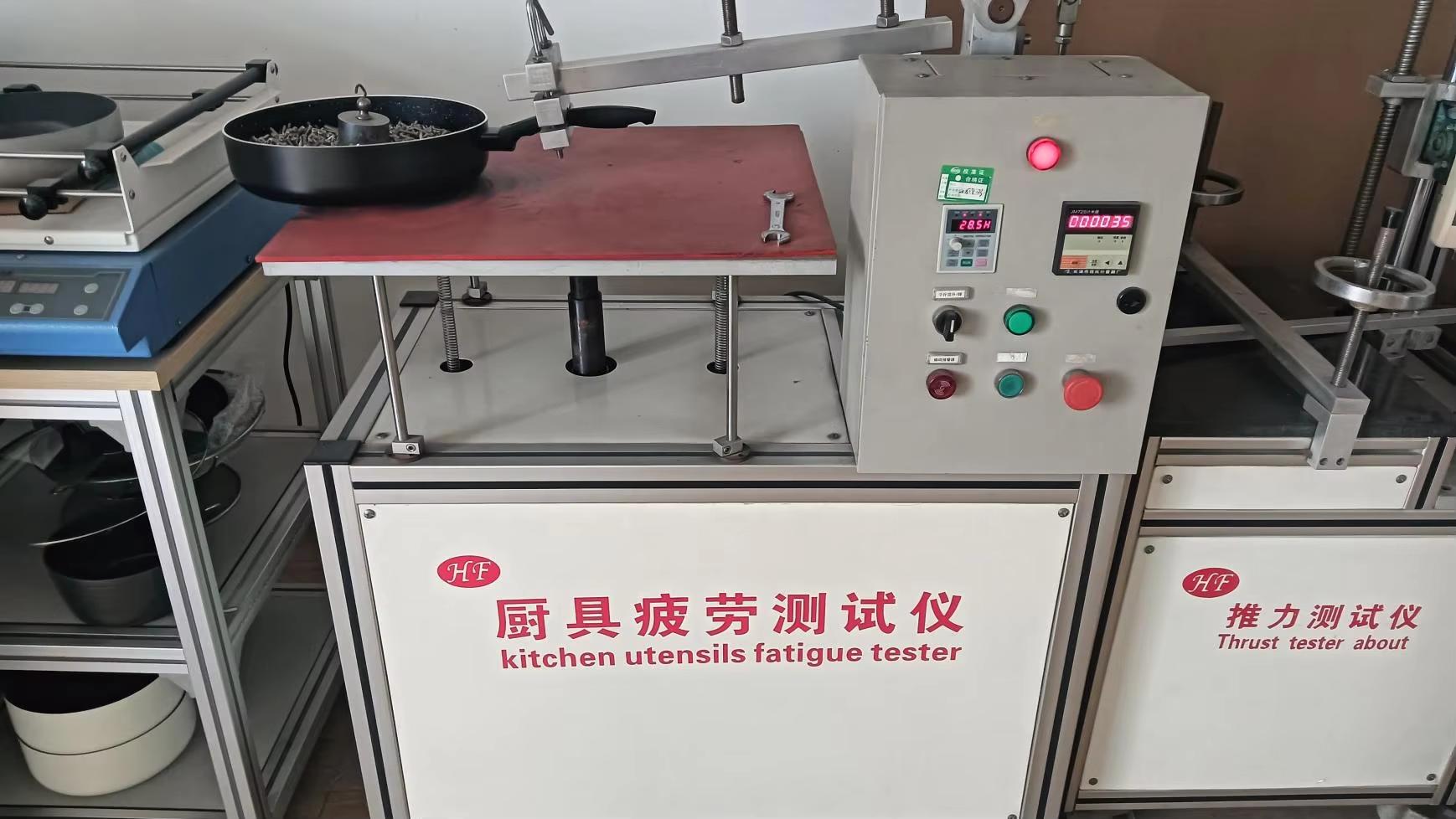
Our facility operates synchronized hydraulic deep-drawing presses, multi-axis automated CNC rim trim cells, 6-stage surface degreasing systems, and automated high-temperature curing tunnels. Our in-house testing laboratory subjects every production batch to ASTM B117 salt spray testing, 15,000-cycle handle fatigue stress, torsion deflection, and non-stick cross-hatch adhesion verification.

Precision Production & Internal Quality Inspection Stations

CNC machining of cookware base

CNC Base Precision Turning

Ensures sub-millimeter flatness tolerances so induction bases make complete flush contact.

Automated cleaning line before coating

Chemical Surface Etching

Multi-stage degreasing and surface activation for permanent anodic layer and coating adhesion.

Salt spray tester for cookware corrosion resistance

Salt Spray Corrosion Lab

Continuous 72-hour ASTM B117 salt mist exposure certifying high-salinity endurance.

Handle fatigue tester for nonstick pans

Handle Dynamic Fatigue Test

Simulates continuous chef flicking with full payload to guarantee zero rivet loosening.

Italian B2B Procurement Intelligence

Frequently Asked Questions by Bologna Buyers

Clear, technically precise answers regarding certifications, testing protocols, factory logistics, and private-label customization for Italian kitchenware distributors.

Does MEIS cookware satisfy Italian MOCA and European LFGB food contact standards?

Yes. All cookware series exported to Italy adhere fully to Italian Decree DM 21/03/1973 (MOCA – Materiali e Oggetti a Contatto con gli Alimenti), European Regulation (EC) No 1935/2004, and the rigorous German LFGB §31/32 specifications. We conduct overall migration tests using 3% acetic acid, 10% ethanol, and rectified olive oil stimulants to ensure zero hazardous migration of lead, cadmium, fluorinated compounds, or heavy metal ions under prolonged boiling temperatures. Formal test certificates by SGS and TÜV Rheinland are provided with commercial documentation.

How does the hard anodized surface react to high-acid Bolognese sauces like Ragù and Friggione?

Unlike raw aluminum cookware which reacts chemically with the natural acidity of concentrated tomatoes, lemon, or balsamic vinegar from nearby Modena (pH 2.4 - 3.5), hard anodization alters the aluminum surface into an inert, non-porous ceramic layer (Al₂O₃). This barrier is completely non-reactive, preventing metallic taste transfer, surface pitting, or dark discoloration during multi-hour slow braising cycles.

What are your minimum order quantities (MOQ) and production lead times for private-label lines?

For custom private-label projects (including bespoke exterior Pantone colors, laser-engraved bottom stamps, custom die-cast handle molds, and Italian retail packaging), our standard MOQ is 1,000 to 1,500 units per individual cookware size, or 800 to 1,200 boxed sets. Mass production lead times are typically 35 to 45 days after deposit confirmation and sample approval. We also support container consolidation across multiple cookware profiles to help distributors balance initial inventory risk.

Which shipping routes and Italian entry ports are used for freight arriving in Bologna?

Our Jinhua manufacturing center is located within a 150 km radius of both Ningbo Port and Shanghai Port. Cargo dispatched to Emilia-Romagna typically transits via ocean freight to the Port of Genoa (Liguria) or the Port of La Spezia, with dedicated direct intermodal rail or motorway delivery arriving at Bologna Interporto or the Ravenna logistics hub within 28 to 32 days port-to-port. We support FOB Ningbo, CIF Genoa/La Spezia, and fully customs-cleared DDP warehouse solutions.

What type of induction bottom technology is applied to prevent delamination on European cooktops?

We deploy high-tonnage impact bonding (hydraulic stamping up to 2,500 metric tons) to forge magnetic 430-grade stainless steel perforations directly into the thickened aluminum bottom substrate. This technique eliminates internal air gaps and prevents base deformation or adhesive failure caused by the intense magnetic cycling and rapid thermal rise of high-wattage European induction hobs (e.g., Bosch, Smeg, Miele).

Can MEIS produce custom tooling for specialized regional Italian cookware shapes?

Yes. Our in-house mold and tooling engineering shop includes CNC lathes, wire EDM tooling, and coordinate measuring machines. We routinely engineer proprietary dies for specialized vessels such as deep conical Saltapasta pans, low-rim crepe/piadina griddles, and custom oval fish roasters. Initial 3D CAD prototypes and functional samples are typically prepared within 14 working days of design sign-off.

Empower Your Cookware Portfolio in the Bologna Market

Connect directly with our engineering and export team. Request technical data sheets, LFGB/MOCA compliance documentation, customized pricing schedules, and rapid OEM prototype samples tailored to your private-label program.