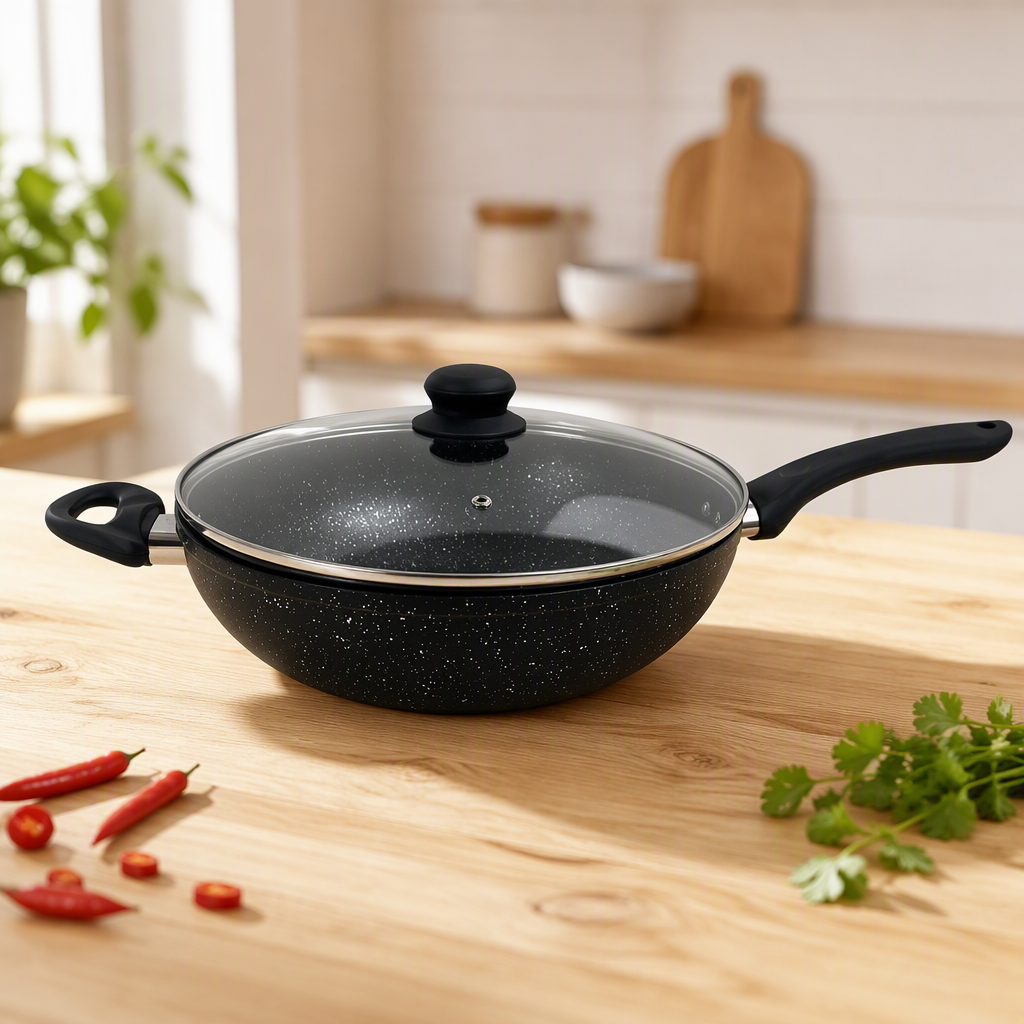
Engineering High-Yield Induction Solutions for Brazil's Evolving Culinary Market
As Brazilian household dynamics transition toward modern electric cooktops and residential energy-efficiency protocols (PROCEL/INMETRO standardizations), commercial buyers, supermarket distributors, and private labels require heavy-duty, magnetic-clad cookware engineered to withstand intensive thermal cycling and domestic culinary applications.
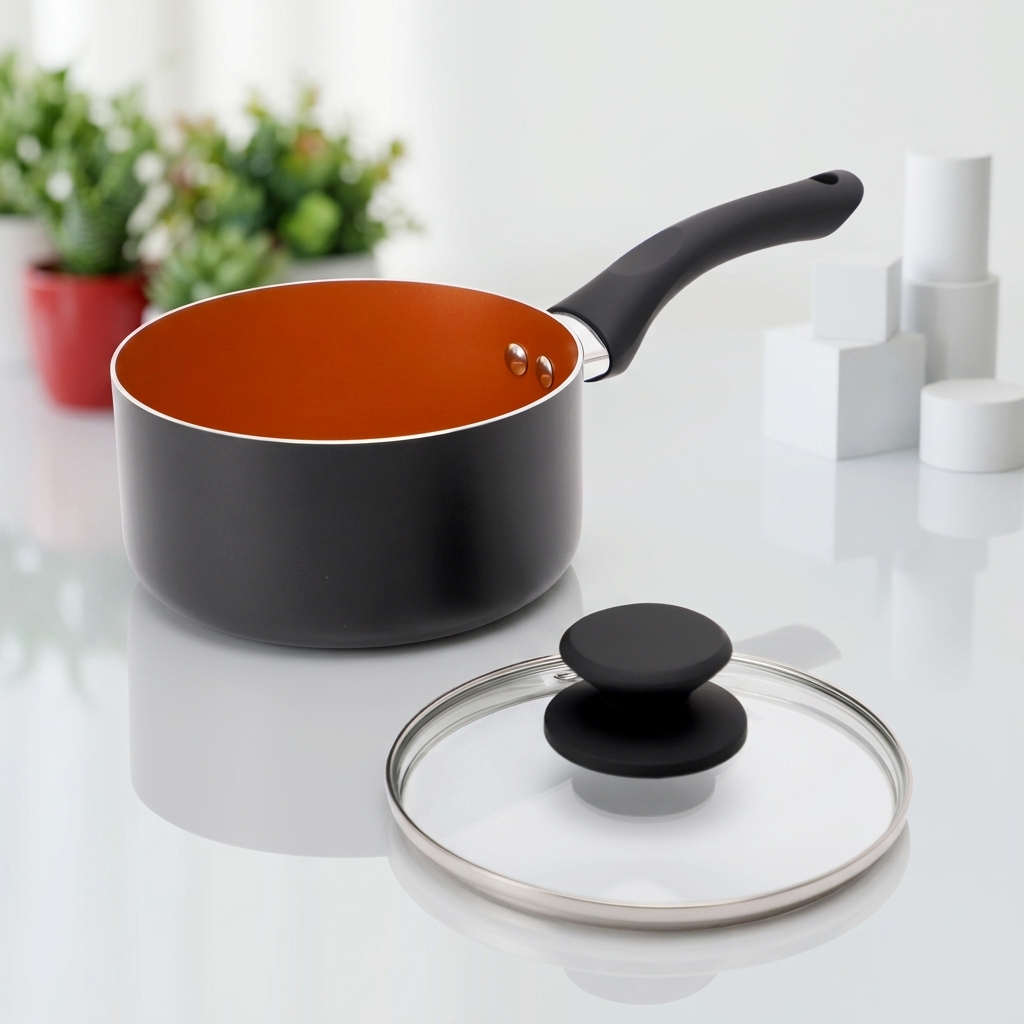
1.5QT Modern Metal Sauce Pan Glass Lid Non-Stick Coating 2-Layer Ceramic Interior Eco-Friendly Black Bakelite Soft Touch Handle
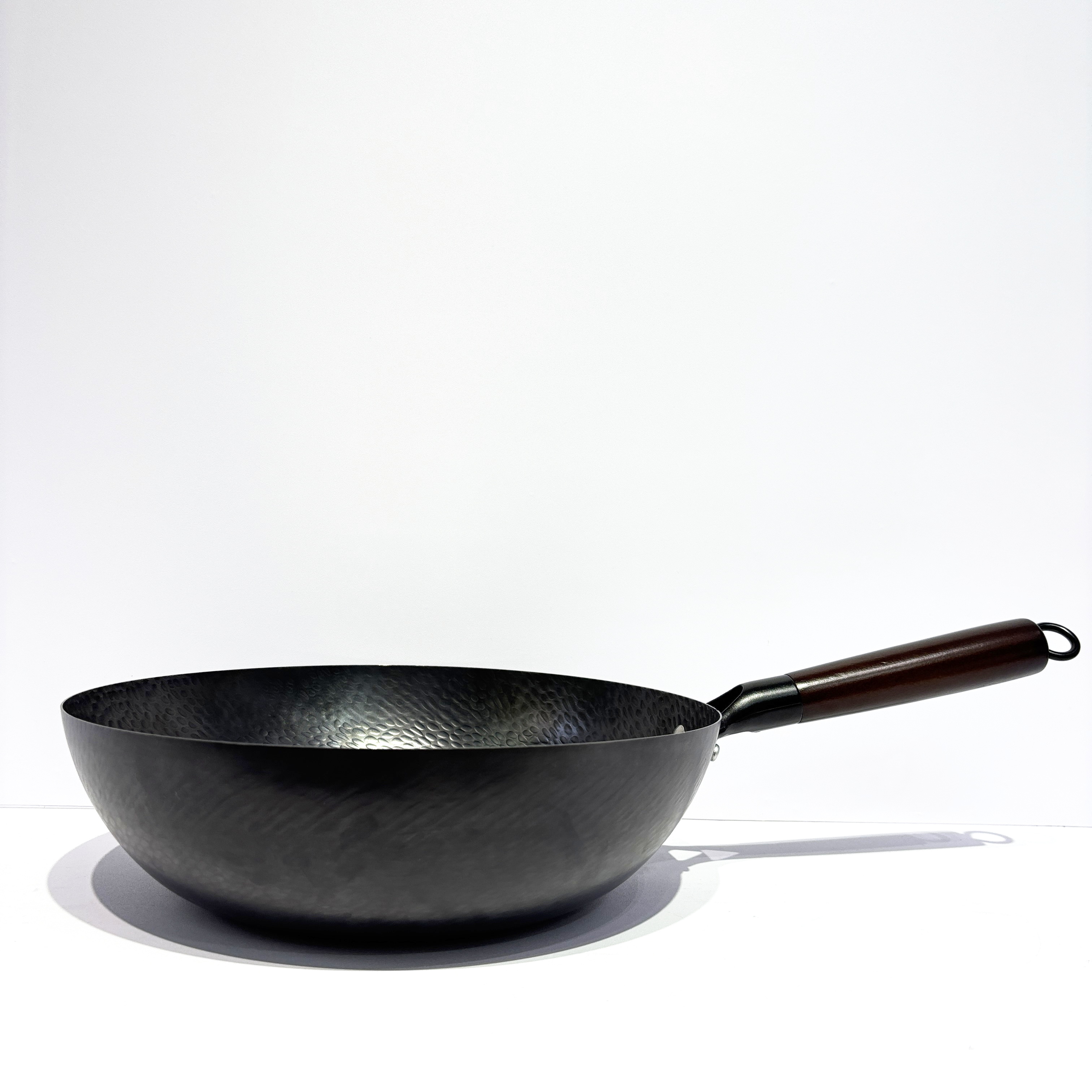
CAMRY Customized Logo No Coating Nitrided Nonstick Hammered Carbon Steel Wok Wooden Handle 2-3L Capacity Gas Induction
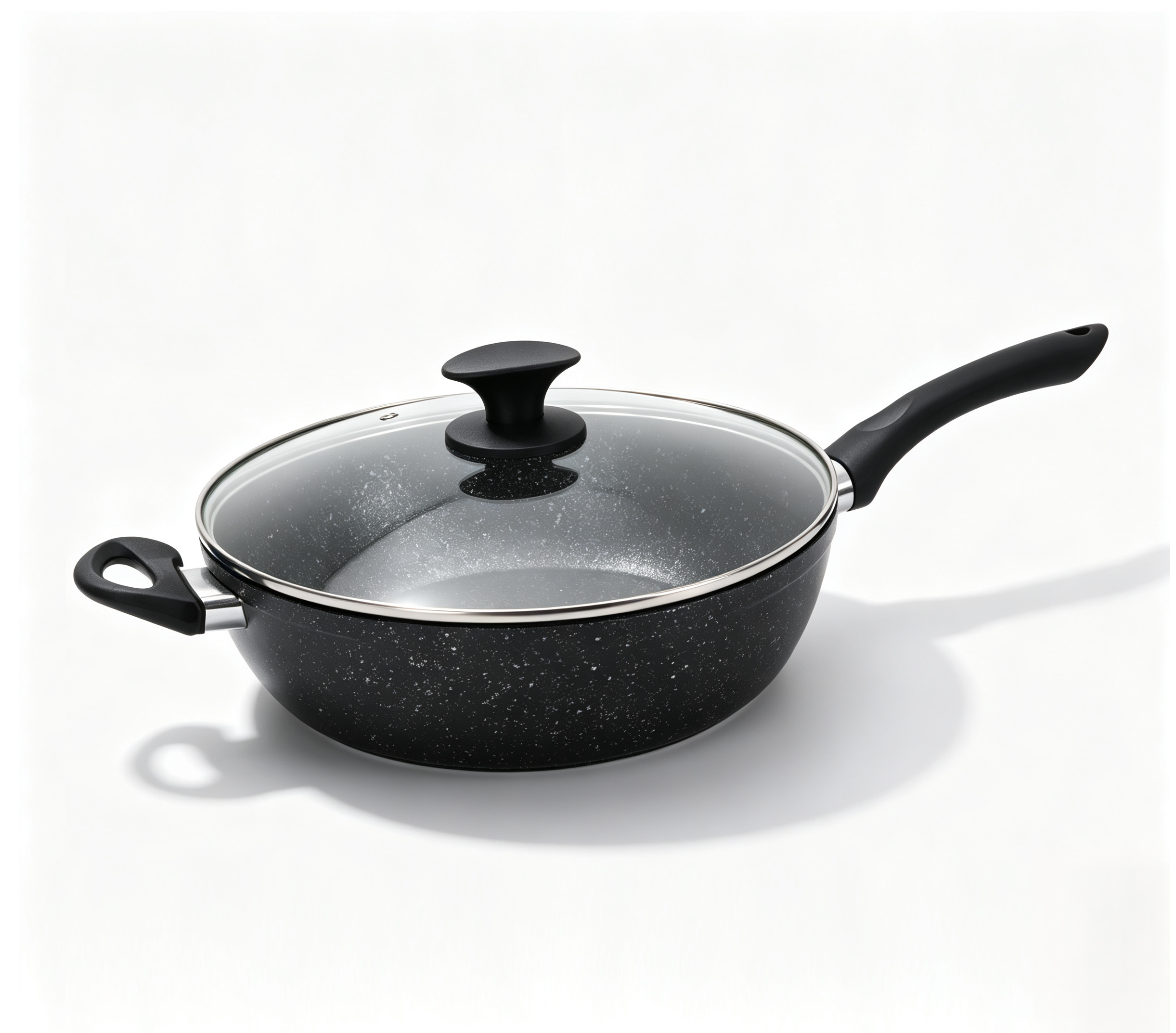
Easy Cleaning Modern Granit Nonstick Aluminum Cookware Pot Multi-function Deep Fry Pan Glass Lid Induction Ready Bakelite Handle
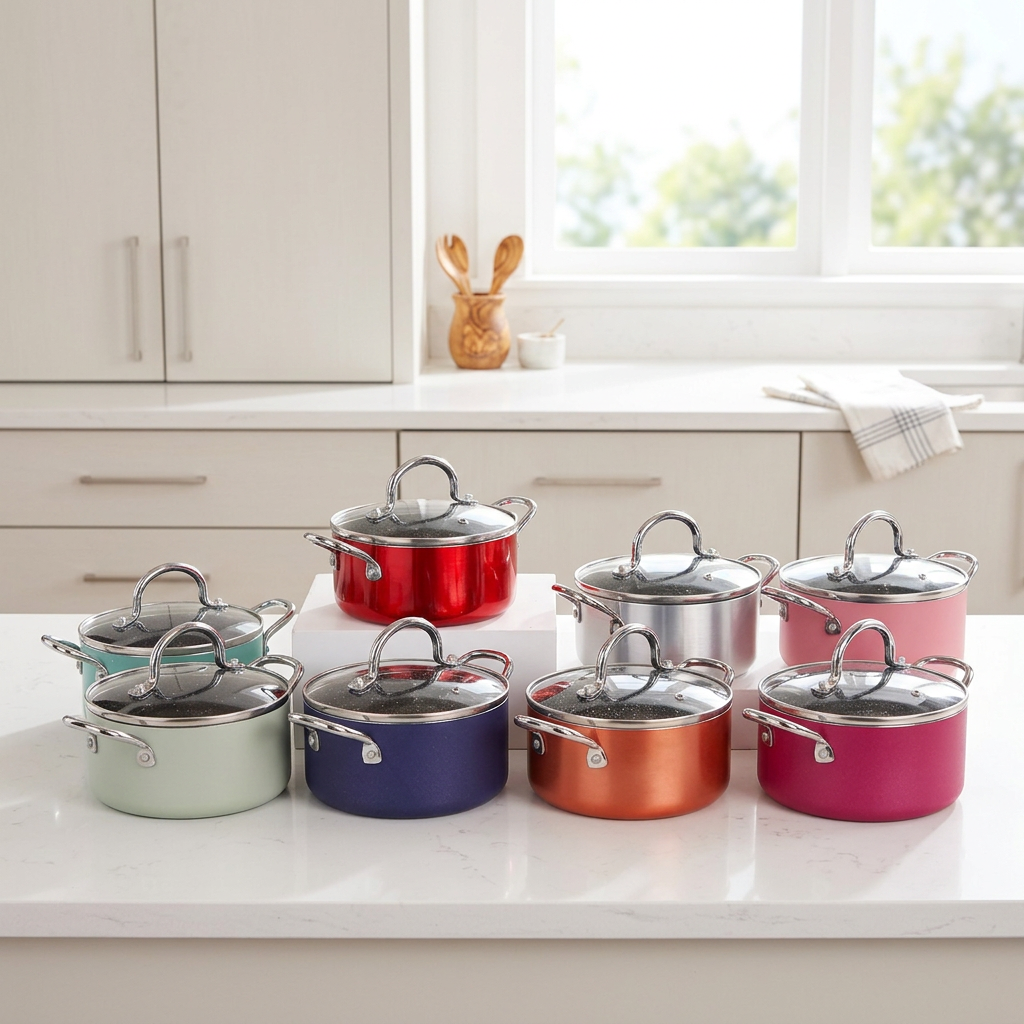
14cm Mini Sauce Pan with Glass Lid Colorful Non Stick Cookware for Induction and Gas Stoves Home Kitchen Use
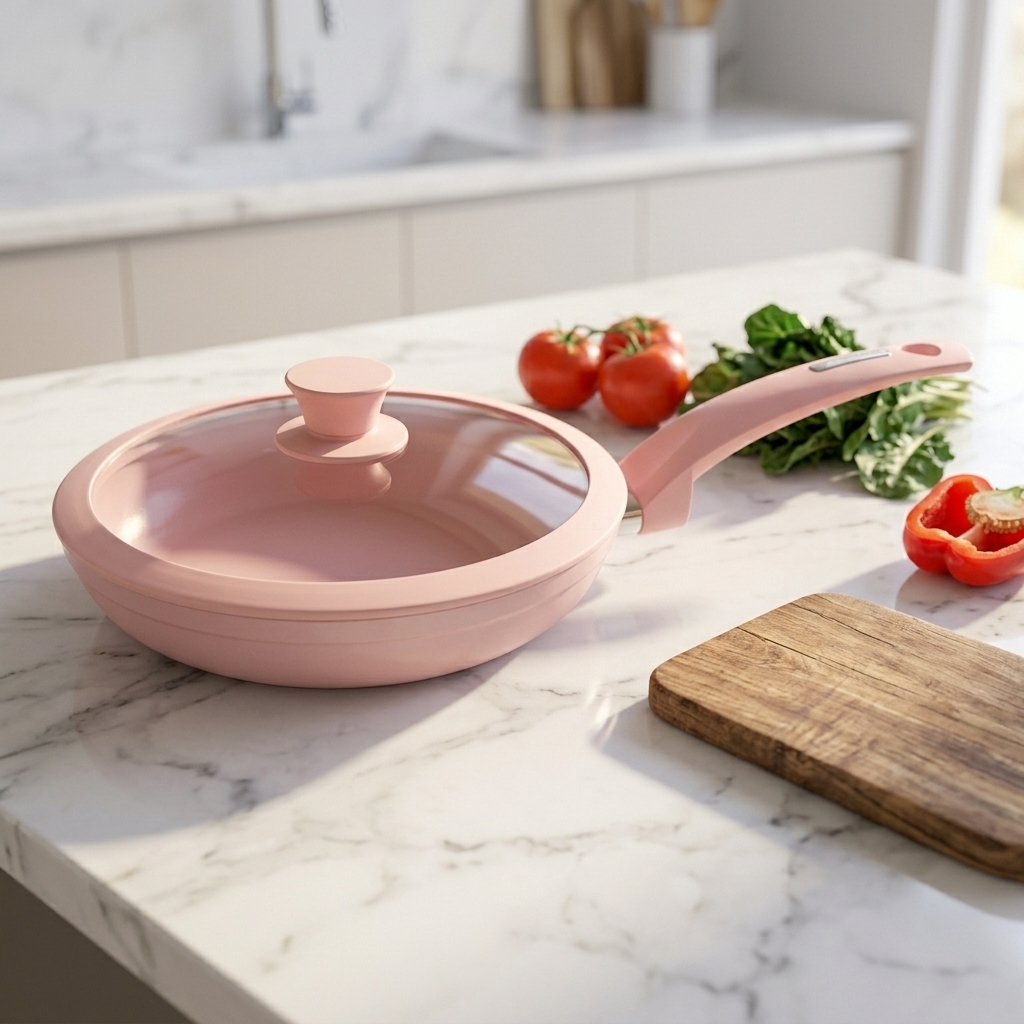
Factory Price Customized Colorful 22 cm Forged Aluminium Non-Stick Fry Pan with Glass Cover Durable for All Heat Sources
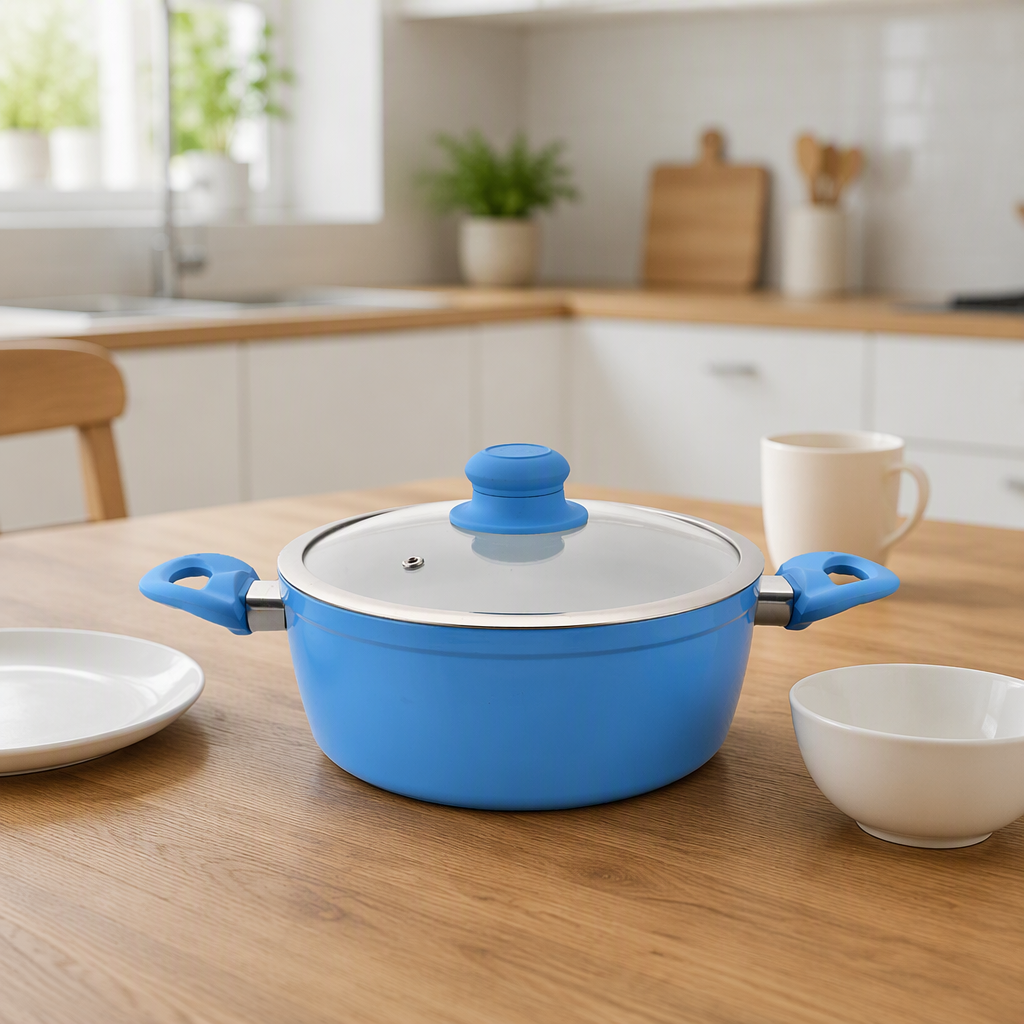
24 cm Durable and Lightweight Forged Non Stick Casserole Soup Pot with Bakelite Handle and Glass Lid for All Heat Sources
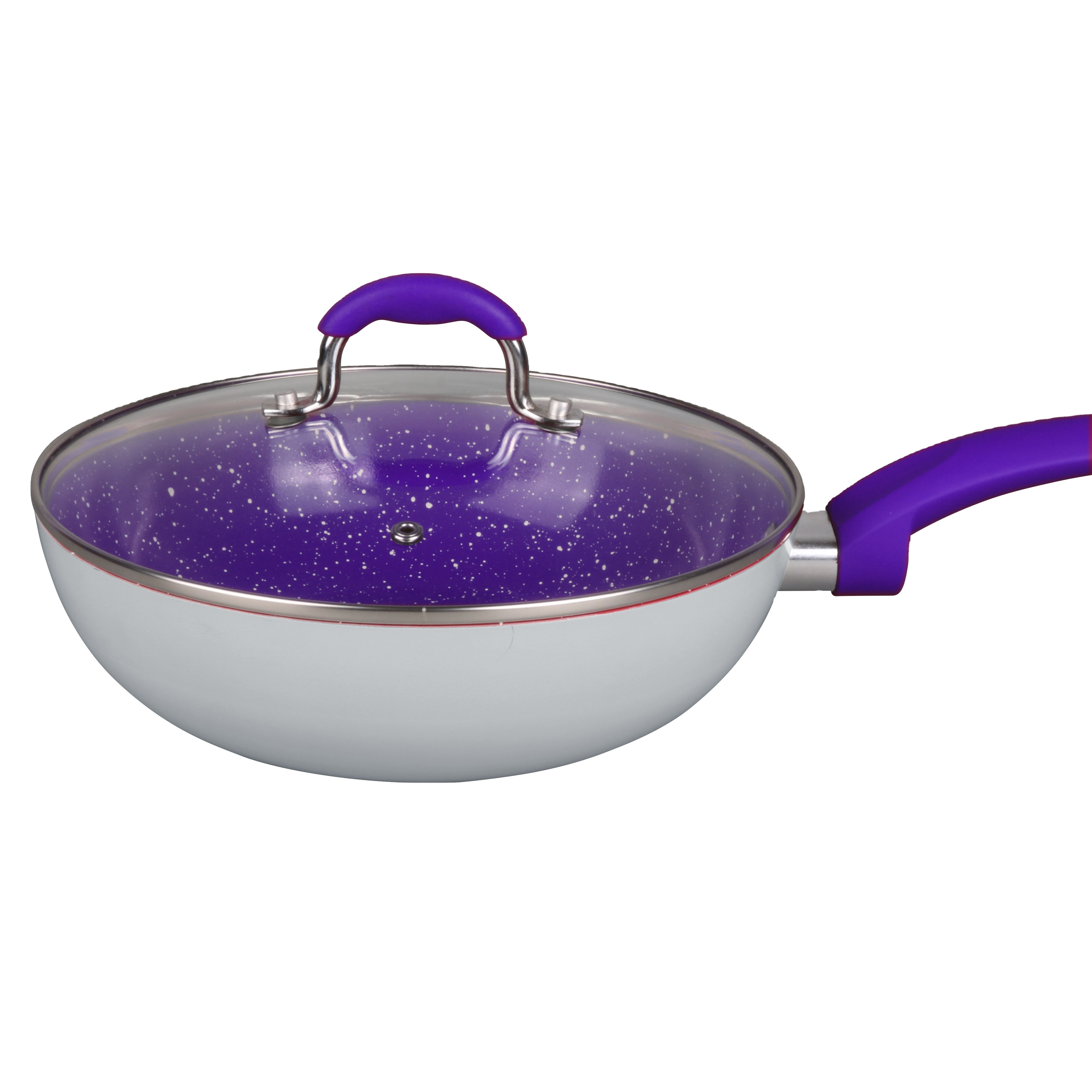
Low Price MOQ 30 cm Marble Coating Non Stick Pressed Wok Deep Fry Pan with Bakelite Cool-touch Handle for All Stoves
20+
Years Industry Expertise
105
Verified In-House Specialists
18
Years Alibaba B2B Supplier
100%
TÜV Rheinland Assessed
25+
Long-Term Supplier Alliances
Whitepaper: Strategic Induction Cookware Engineering for the Brazilian Market
Exporting high-performance cookware to Brazil requires navigating unique climatic conditions, regional culinary preferences, and stringent federal consumer product regulations (INMETRO Ordinance 419/2012 and Ordinance 499/2021).
INMETRO Antiaderente Testing Standards
Cookware items imported into Brazil must clear mandatory INMETRO nonstick classifications (Level A, B, C, or D). Our automated PTFE and ceramic coating lines are calibrated with multi-stage curing ovens (reaching up to 420°C) to guarantee Class A wear-abrasion durability under ISO and ABNT NBR 15321 mechanical rub benchmarks.
Induction Bottom Cladding & Delamination Control
Brazil's high relative coastal humidity (such as Santos, Rio de Janeiro, and Salvador) demands strict anti-oxidation measures. We utilize high-tonnage impact bonding (hydraulic presses exceeding 2,500 tons) to fuse SUS430 stainless steel induction discs to aluminum cores, preventing micro-void rust and thermal expansion delamination during long oceanic transit and intensive stove usage.
Adapting to Brazilian Gastronomy
From slow-braised Feijoada and Moqueca requiring thermal retention casseroles, to high-heat Picanha searing in ribbed grill pans, domestic cookware must manage high acidities (lime, tomatoes, dendê oil) and structural heat stresses without blistering or degrading interior fluoropolymer or ceramic layers.
Technical Specification: Metallurgy & Base Engineering Matrix
Compare how our pressed aluminum, forged aluminum, and carbon steel assemblies respond to modern magnetic induction cooktops and Brazilian retail margin expectations.
| Evaluation Parameter | Forged Aluminum Line | Pressed Aluminum Line | Heavy-Gauge Carbon Steel |
|---|---|---|---|
| Induction Mechanism | Impact-bonded SUS430 micro-hole or full-clad magnetic disc | Friction-welded or perforated stamped induction plate | Naturally ferromagnetic substrate; 100% surface field coupling |
| Thermal Core Distribution | Thick bottom (3.5mm–4.5mm) tapering to thinner walls for warp-free retention | Uniform gauge (2.0mm–3.0mm); rapid heat ramp-up with minimal weight | High heat concentration; suited for ultra-high temperature flash frying |
| INMETRO Nonstick Grading | Engineered for Class A (Level A) Heavy Commercial & Retail Rating | Standard Class A or Class B for mass market promotions | Nitrided anti-rust pre-treatment or reinforced nonstick systems |
| Brazilian Market Positioning | Mid-to-high end Department Stores, E-commerce, Premium Gift Sets | Supermarket Hypermarkets (Atacadão, Assaí), Volume Promotions | Steakhouse/Churrasco Collections, Professional Chef Series |
| Ocean Freight Volume Efficiency | Optimized for nesting and stackable detachable-handle sets | Extremely lightweight; lowest landed cost per cubic meter | Rigid, dent-resistant, high nesting density for bulk shipping |
Integrated Jinhua Facility: From Tooling to Precision Export
Operating out of Dongnan Industrial Zone, Shuxi Street, Jinhua, Zhejiang MEIS Kitchenware Co., Ltd. eliminates middleman costs by executing every mission-critical process under one certified roof.
In-House Mold & Tooling
Our dedicated mold department, complete with precision CNCs and industrial lathes, develops proprietary body contours, rim profiles, and ergonomic handles for Brazilian private-label exclusivity in 20–30 days.
Automated Surface Passivation
Before any nonstick or ceramic compound is applied, pan shells undergo continuous automated multi-stage degreasing, ultrasonic cleaning, and grit blasting to guarantee chemical mechanical interlock adhesion.
Physical QA Laboratories
Every production batch is tested in our in-house lab for handle thrust strength, torsion tolerance (preventing handle looseness), cross-hatch coating adhesion, and neutral salt-spray (NSS) corrosion resistance.
Export Stowing & Documentation
With 10+ years exporting globally and direct shipments to South American hubs, our team provides full packing optimization, ISTA drop-tested master cartons, and accurate Bilateral trade documentation (Form A/CO, Packing List, BL).
Frequently Asked Procurement Questions by Brazilian Importers
Direct technical and logistical answers addressed by our international trade and engineering engineering staff.
How does MEIS assist Brazilian importers with INMETRO certification?
We provide full technical documentation dossiers, raw material composition certificates (food contact safety, FDA and LFGB compliance, PFOA/PFAS-free verification), and pre-tested sample specimens for third-party auditing laboratories (such as TÜV Rheinland, SGS, or Bureau Veritas) appointed by Brazilian accredited bodies.
Can you customize cookware bases for both induction cooktops and Brazilian gas stoves?
Yes. Our dual-compatible induction bottoms feature high-integrity magnetic steel discs combined with treated periphery aluminum that provides structural stability on both smooth ceramic glass induction hobs and uneven cast-iron grates common on Brazilian gas ranges.
What are the minimum order quantities (MOQ) and lead times for shipment to Brazil?
Standard OEM customized production runs start at 1,000 to 2,000 units per size/color, while standard stock tooling items can be initiated at 500 units for trial test orders. Production lead times range between 35 and 45 days after deposit and artwork sign-off, with maritime sailing to Santos, Paranaguá, or Itajaí typically taking 32 to 40 days.
How do you safeguard nonstick finishes and polished induction bases against maritime corrosion?
Cookware shipped to South American ports crosses equatorial maritime corridors with intense thermal humidity. We deploy protective tissue separation, vacuum polybags with food-grade silica gel desiccant packs, and anti-humidity carton coatings to preserve flawless nonstick surfaces and mirror-finished induction plates.
Scale Your Cookware Business in Brazil with a Direct Manufacturer
Connect directly with our engineering and B2B export team in Jinhua. Request technical CAD specifications, sample testing units, and tailored volume price sheets today.