Featured Nonstick & Carbon Steel Cookware Collection
High-performance sauté pans, woks, and cookware sets engineered for superior thermal distribution, maximum scratch resistance, and seamless induction compatibility.
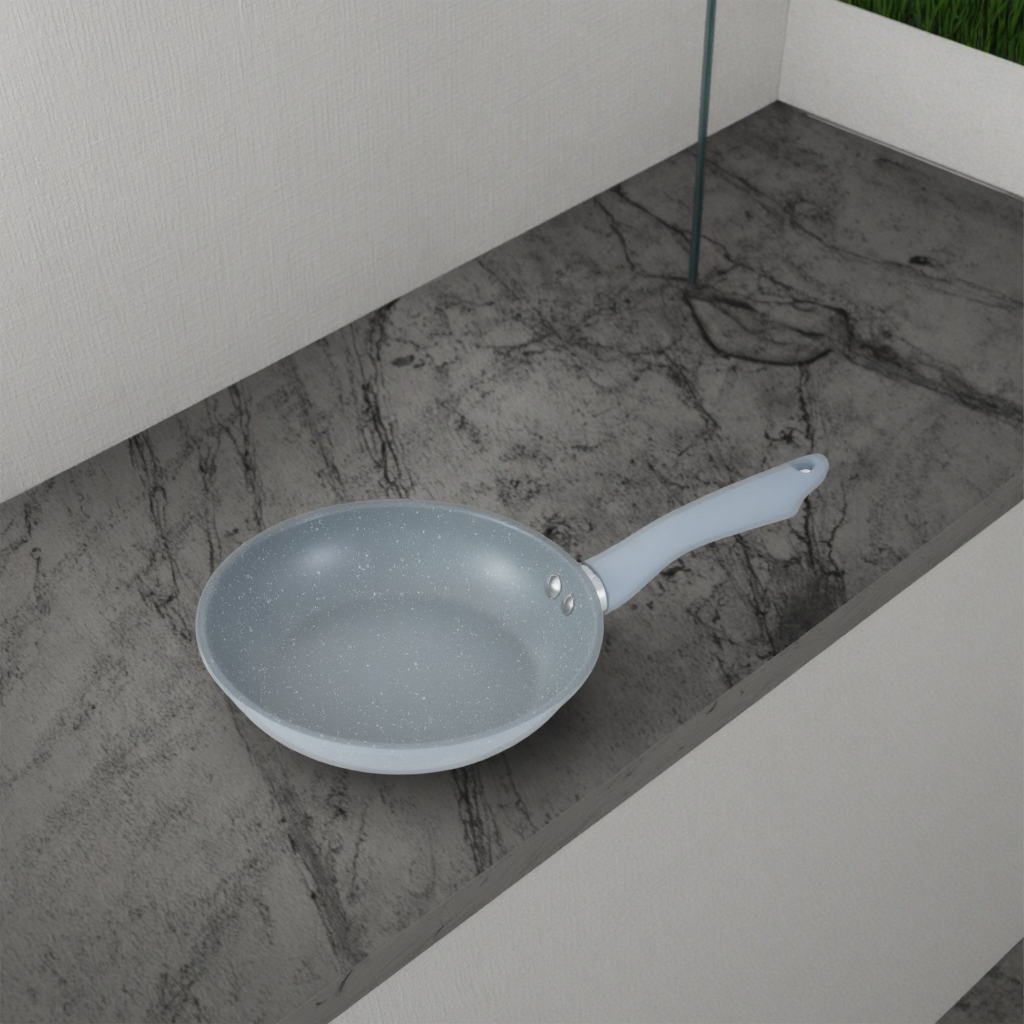
10-Inch Heavy Gauge Carbon Steel Fry Pan Soft Touch Handle
View Details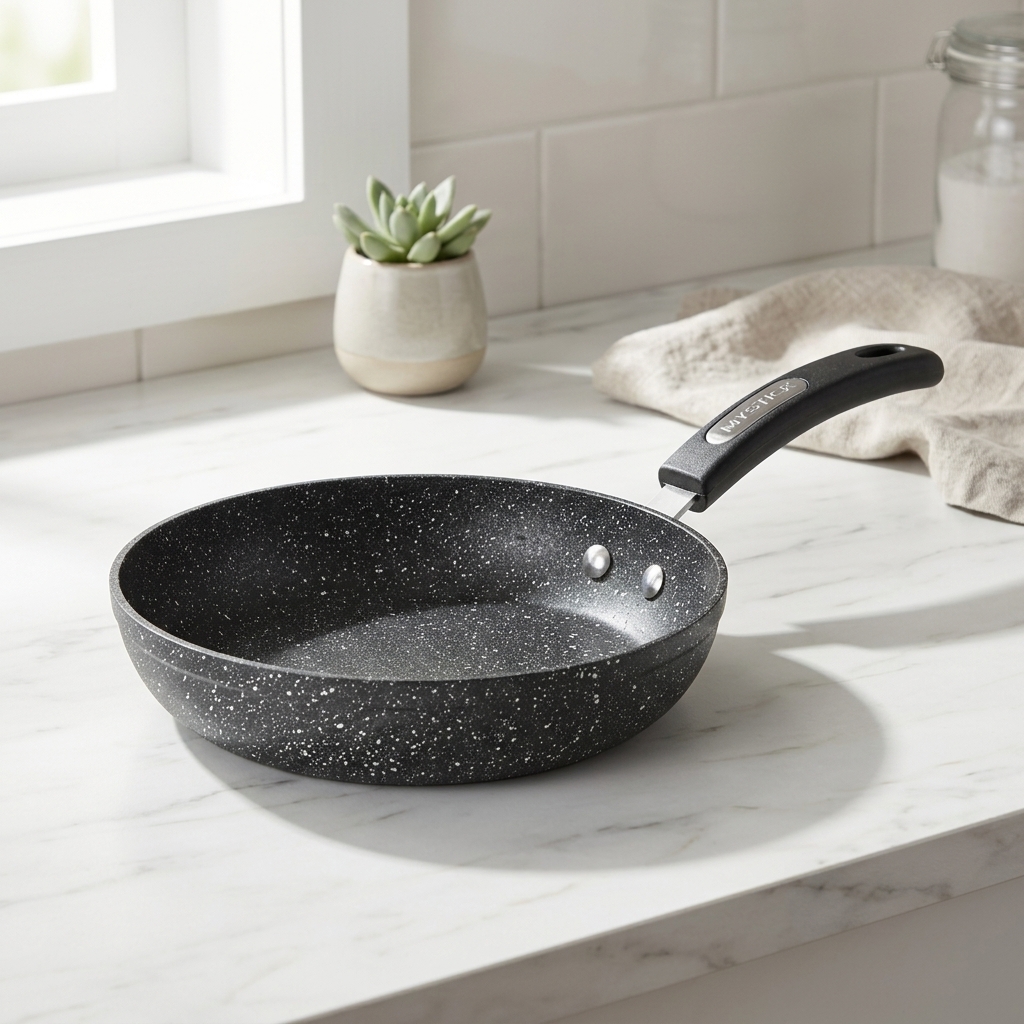
20cm Aluminium Shot Blast Frying Pan & Cooking Pot
View Details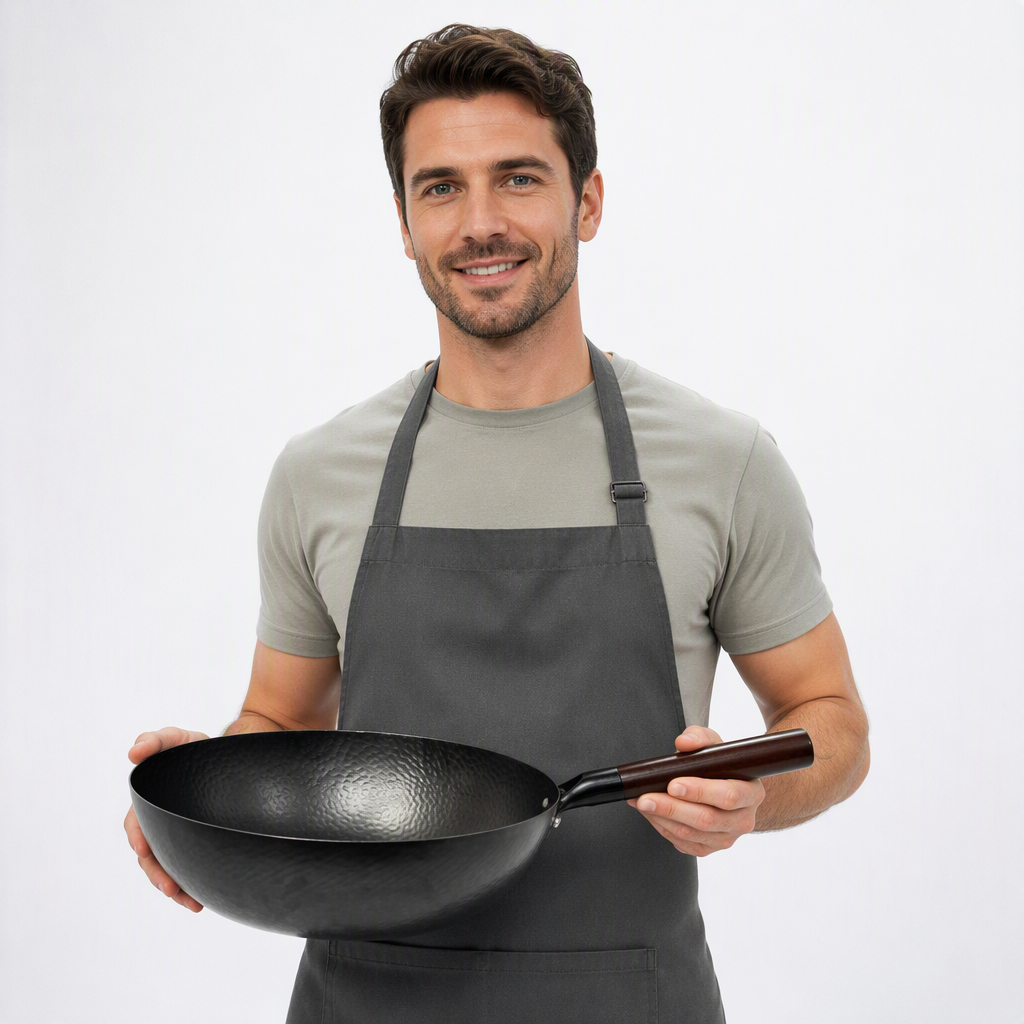
30cm Carbon Steel Round Wok Nitrided Surface Wood Handle
View Details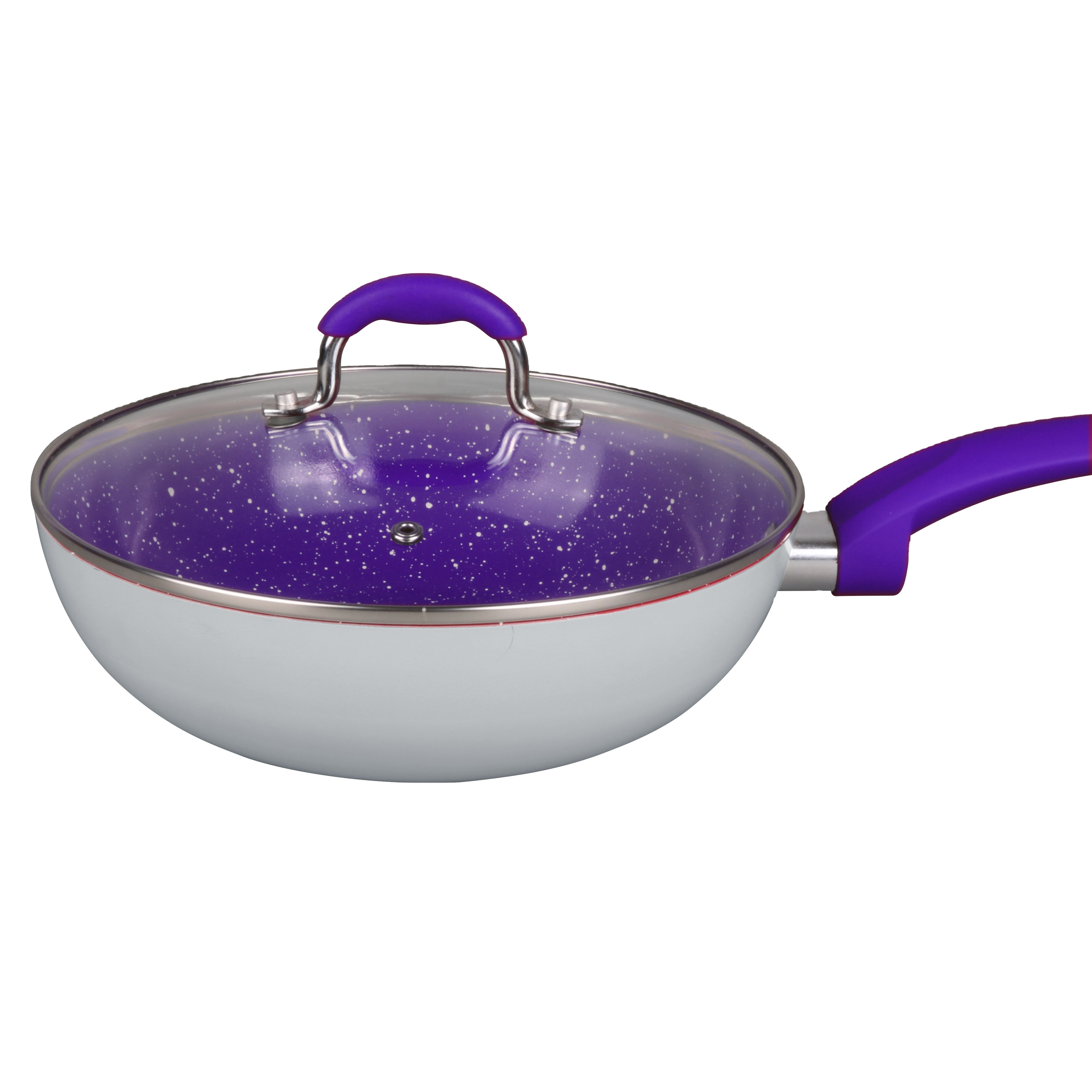
Low Price MOQ 30 cm Marble Coating Non Stick Wok Deep Fry Pan
View Details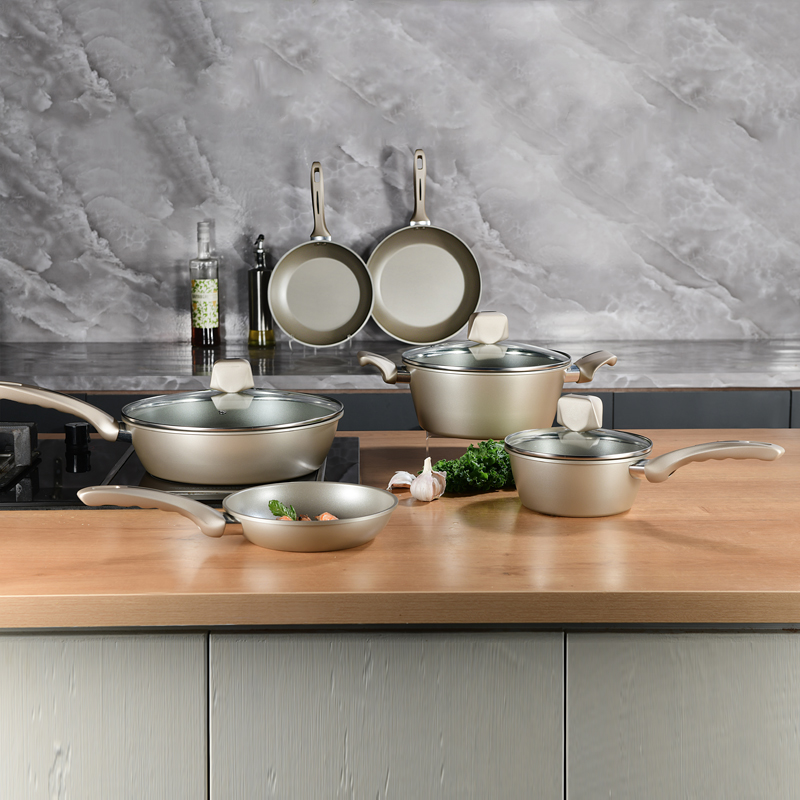
9 Piece Titanium Non-Stick Carbon Steel Cookware Set
View Details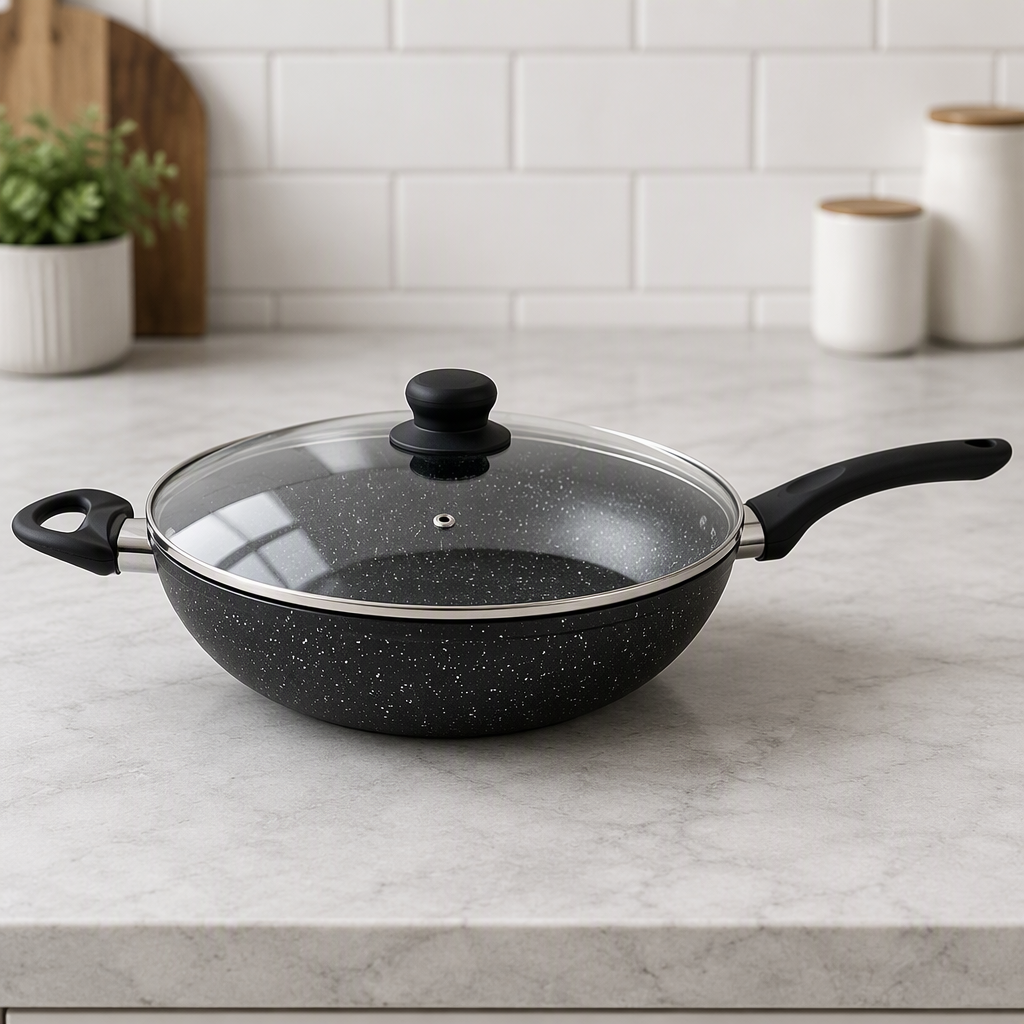
24 cm Forged Aluminum Wok Marble Coating Deep Fry Pan
View Details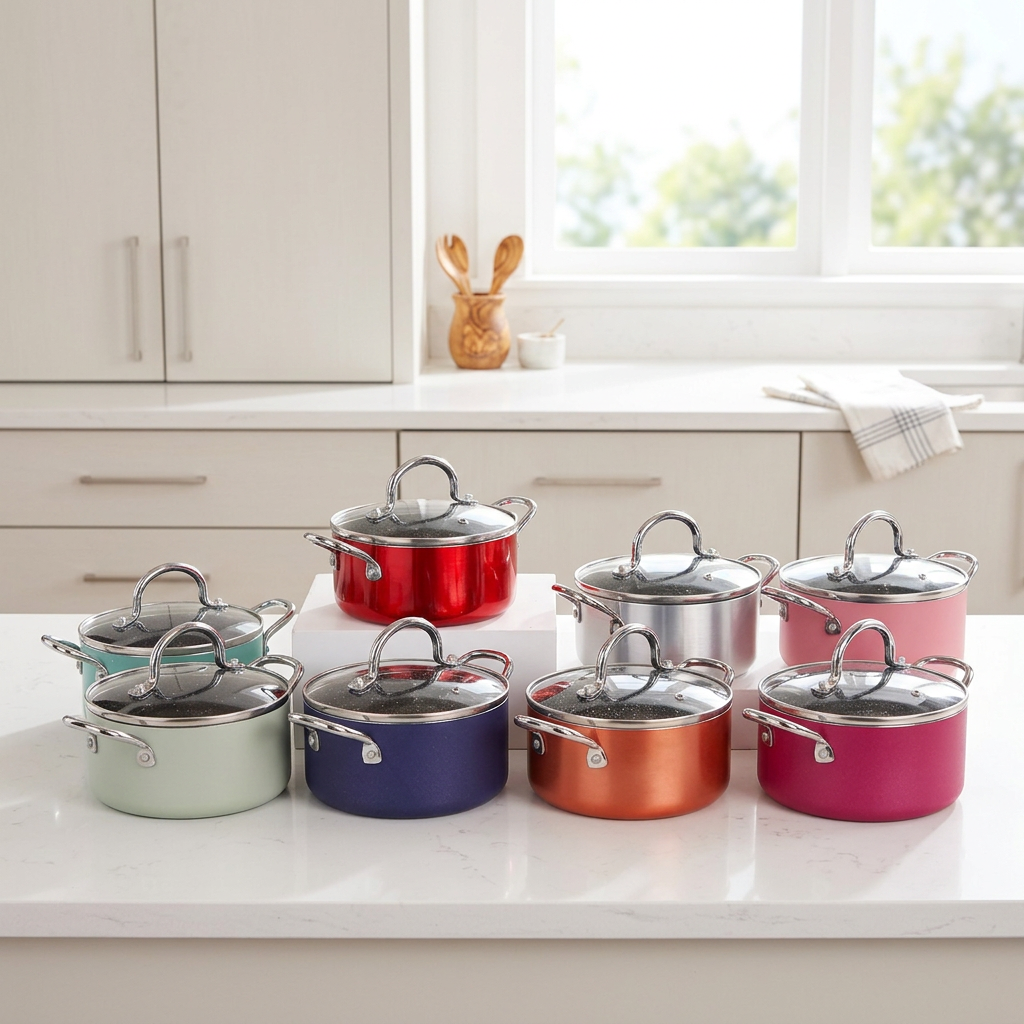
14cm Mini Sauce Pan with Glass Lid Colorful Non Stick
View Details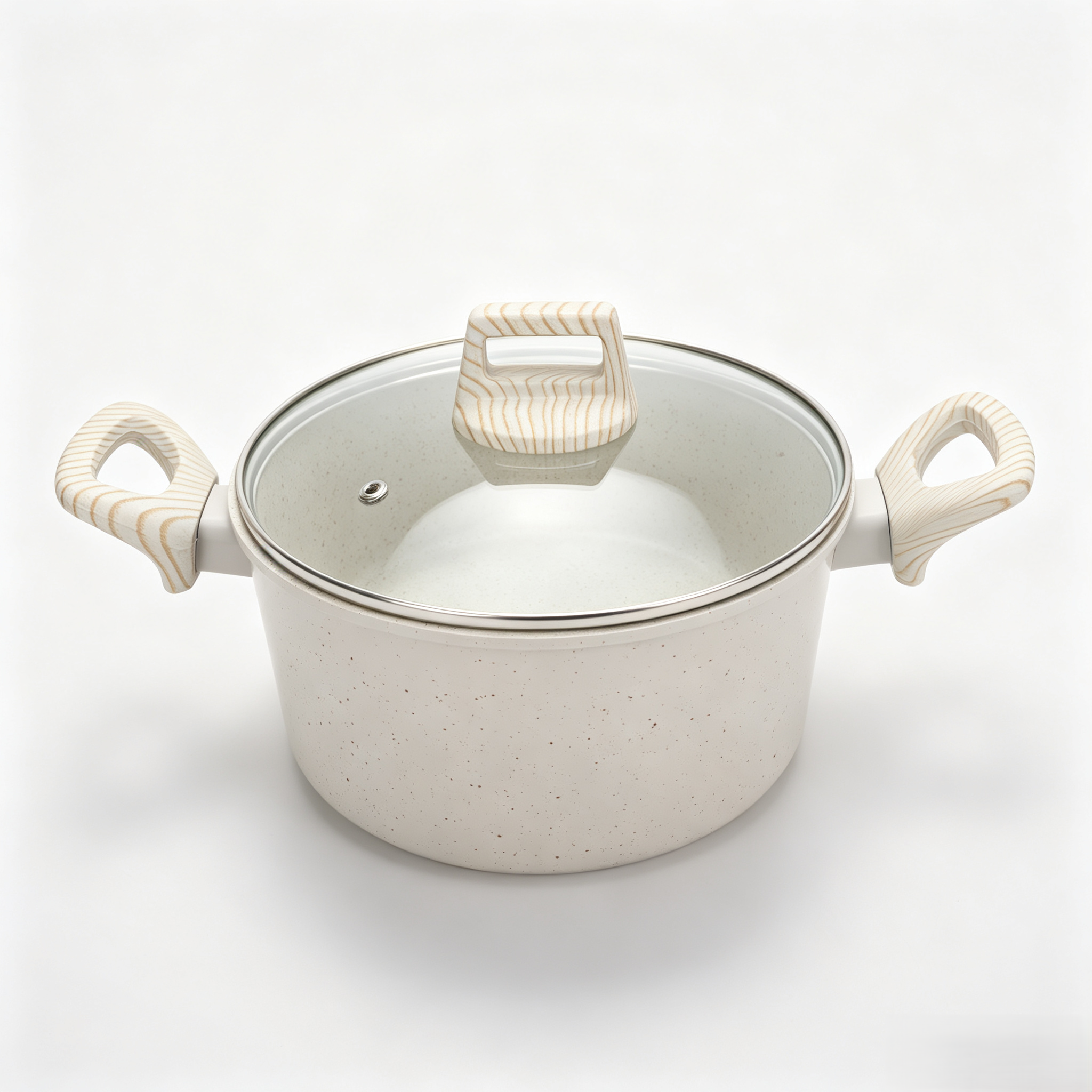
Large Capacity Durable Nonstick Aluminum Casserole Pot
View DetailsPrecision Engineering for Austrian Culinary Rigor
How our advanced multi-layer stone composite technology fulfills Linz’s commercial kitchen standards and retail consumer expectations.
5-Layer Fluoropolymer Matrix
Integrated mineral stone particles create a micro-textured release surface resistant to metal utensil abrasion up to 45,000 cycles under DIN EN ISO standard testing.
High-Pressure Forged Core
Utilizing 3003-grade aluminum alloy forged under 4,000 tons of hydraulic pressure to guarantee non-warping bases up to 4.5mm thickness under fast thermal shifts.
Induction Full-Bound Base
Perforated stainless steel 430 disc cold-cladded onto the aluminum vessel body, ensuring 98% magnetic flux transfer on Miele, Bosch, and Siemens induction hobs common in Linz.
Whitepaper: B2B Sourcing Guide for Marble Coating Sauté Pans in Linz & Upper Austria
The culinary landscape of Linz and the broader Upper Austrian region (Oberösterreich) presents a unique synthesis of traditional Central European gastronomy and modern, health-conscious dietary preferences. From high-heat pan-searing of regional meats to delicate reductions of root vegetables and local dairy, commercial caterers and residential home cooks demand cookware that combines immediate thermal reactivity with durable nonstick longevity. As consumer preferences shift away from legacy single-layer PTFE pans toward textured mineral composite finishes, the market demand for premium Marble Coating Sauté Pans has experienced a steady annual growth rate across Austrian retail channels and e-commerce platforms.
For procurement officers, brand managers, and commercial kitchenware importers in Linz, sourcing direct from China’s premier OEM/ODM manufacturing hubs requires a granular understanding of substrate metallurgy, coating science, European Union regulatory compliance, and localized supply chain integration. This technical whitepaper explores the structural characteristics, material advantages, and manufacturing benchmarks required to capture market share in Linz's competitive kitchenware sector.
1. Metallurgical Construction: Forged vs. Pressed Aluminum Substrates
A sauté pan’s primary operational metric is its ability to absorb, hold, and evenly distribute heat across its vertical sidewalls and base. When evaluating Chinese manufacturing options for Linz buyers, selecting the optimal body forming process is paramount:
- Forged Aluminum (3003 Alloy): Standard choice for premium European retail cookware lines. High-tonnage forging machines compress aluminum slugs into high-density pan shapes, yielding a thick base (typically 3.8mm to 4.5mm) and tapered rim walls (2.8mm to 3.2mm). This variable wall geometry eliminates hot spots, prevents base bowing (thermal warping) under rapid thermal shock, and maintains ideal mass for searing meats.
- Pressed Aluminum (1050/1100 Alloy): Stamped directly from cold-rolled aluminum sheets. Offers a uniform thickness (2.0mm to 3.0mm) throughout the body. While highly cost-efficient for mass promotional sets in supermarket chains across Upper Austria, pressed pans exhibit faster heat loss and lower resistance to structural warping over extended heavy-duty utilization.
- Heavy-Gauge Carbon Steel Alternatives: Naturally magnetic with rapid response to induction coils. When combined with advanced ceramic or nitrided nonstick surfaces, carbon steel sauté pans serve as a rugged hybrid bridging traditional cast iron thermal inertia with nonstick convenience.
2. Tribological & Nanocomposite Coating Systems
The term "Marble Coating" refers to a multi-layered fluoropolymer or ceramic coating matrix reinforced with microscopic mineral, quartz, or granite particles. Rather than a cosmetic pattern, authentic engineering-grade marble coating provides structural reinforcement against micro-abrasions.
In our Jinhua manufacturing facilities, Zhejiang MEIS Kitchenware Co., Ltd. applies a specialized 5-layer wet-on-wet spray curing sequence for Linz-bound sauté pans:
- Substrate Pre-Treatment: Automated shot-blasting creates an abrasive surface profile ($R_a$ 3.5 - 4.5 µm), ensuring maximum mechanical anchor bonding between aluminum and primer.
- High-Adhesion Primer Coat: High-density polyether sulfone (PES) resin base preventing delamination under thermal expansion stress.
- Mid-Coat Structural Layer: Concentrated fluoropolymer/ceramic blend embedded with engineered aluminum oxide and marble mineral grains.
- Speckle Decoration Layer: Visual marble grain contrast providing tactile micro-relief that traps microscopic steam bubbles under frying ingredients, reducing food surface drag.
- Hydrophobic Fluoropolymer Top Coat: PFOA-free, GenX-free fluoropolymer seal providing extreme water contact angles (>110°), ensuring effortless egg, cheese, and sauce release.
| Performance Specification | Standard 2-Layer PTFE Pan | MEIS 5-Layer Marble Sauté Pan | Hard-Anodized Ceramic Pan |
|---|---|---|---|
| Abrasion Resistance (Cycles) | < 5,000 (BS 7069) | > 45,000 (DIN EN ISO) | ~ 20,000 Cycles |
| Thermal Shock Tolerance | up to 200°C shock delta | up to 260°C shock delta | up to 220°C shock delta |
| Base Flatness Retention | 0.8% deformation over time | < 0.2% deformation | < 0.3% deformation |
| Induction Efficiency Ratio | 82% (Stamped Disc) | 94% (Full-Bound Mesh Plate) | 88% (Standard Disc) |
| Chemical Compliance | FDA Standard | EU 1935/2004 & LFGB 30/31 | LFGB & REACH Compliant |
3. Localized Application Scenarios in Linz & Upper Austria
Designing cookware for a specific geographic market demands alignment with local culinary traditions, stove technologies, and kitchen ergonomics. Linz homes and commercial establishments feature specific operational environments:
- Induction Hob Prevalence: Over 76% of modern residences in Upper Austria utilize induction cooktops. Sauté pans exported to Linz must feature induction bases with flat-milled tolerances (<0.15mm dish gap) to prevent high-frequency hum and ensure instant thermal coupling.
- Sauteing & Braising Hybrid Dishes: Sauté pans (characterized by straight vertical sides and a wide flat base) are essential for dishes like Linzer Erdäpfelgulasch or pan-seared pork cutlets finished with regional ciders. The high sidewalls retain fluids during simmering while preventing grease spatter on high-gloss Austrian kitchen countertops.
- Ergonomic & Oven-Safe Requirements: Linz consumers favor flame guards with soft-touch wood-grain Bakelite handles or cast stainless steel handles secured via solid double rivets. Removable handle systems are increasingly popular in space-conscious apartment kitchens in central Linz due to ease of storage and dual oven-to-table serving flexibility.
4. Localized Trends & Market Dynamics in Austria (2025–2030)
Importers and private-label brands operating in Austria face tightening legislative and environmental parameters. To ensure long-term brand equity, China-to-Linz cookware sourcing strategies must adapt to three structural trends:
- Strict PFAS Regulatory Timelines: The European Chemicals Agency (ECHA) restriction proposals regarding Per- and polyfluoroalkyl substances (PFAS) are driving Austrian retailers toward fully certified PFOA/PFOS-free and fluoropolymer-alternative nonstick formulations. Providing certified organic sol-gel ceramic marble coatings allows Linz importers to stay ahead of upcoming EU bans.
- Eco-Conscious Packaging & Freight Efficiency: Austrian retail chains prioritize minimal plastic packaging. Stackable sauté pan designs with detachable handles reduce bulk shipping volume by up to 40%, optimizing container utilization from Ningbo/Shanghai ports to European inland hubs like Linz Cargo Center.
- Private-Label Customization Demands: Consumers in Linz favor understated aesthetic tones—slate gray, alpine cream, matte olive, and natural granite patterns with laser-etched brand logos on stainless steel baseplates or handle caps.
5. End-to-End Quality Control & European Compliance Protocol
Exporting cookware from China to Austria requires meticulous verification to clear customs without delay and avoid costly recall liabilities under Austrian product safety laws (Produktsicherheitsgesetz):
- LFGB Section 30 & 31 Certification: Testing for overall migration, extractable heavy metals (Lead, Cadmium, Chromium, Nickel), and aromatic amines under food-contact safety standards.
- Handle Mechanical Fatigue Testing (DIN EN 12983-1): Handles undergo 15,000 bending cycles under heavy loaded mass, followed by a 100N pull force verification to ensure rivet and joint integrity.
- Coating Adhesion Testing: Cross-hatch tape adhesion tests according to ASTM D3359 to guarantee zero peeling or flaking under intense kitchen thermal cycles.
Zhejiang MEIS Kitchenware Infrastructure
Located in Dongnan Industrial Zone, Jinhua, Zhejiang, our TÜV Rheinland on-site verified factory operates automated pressing, CNC finishing, and multi-layer coating lines dedicated to global OEM/ODM partners.
Frequently Asked Questions for Linz Buyers
Essential operational details regarding OEM order processing, shipping logistics to Austria, and custom product development.
What are the standard lead times and shipping routes from China to Linz, Austria?
Mass production typically requires 35 to 45 days post-sample approval and deposit receipt. Cargo is shipped via ocean freight from Ningbo or Shanghai ports directly to Port of Hamburg, Koper, or Rotterdam, then dispatched via rail/truck transport directly to Linz Logistics Hubs (e.g., Cargo Center Linz). Total door-to-door transit time usually ranges from 35 to 45 days.
How does Zhejiang MEIS Kitchenware assist with LFGB and EU food safety testing?
We supply fully verified raw materials and work closely with international testing houses including TÜV Rheinland, SGS, and Intertek. We provide pre-testing batch samples and raw material technical sheets to facilitate rapid LFGB §30/31 and EU 1935/2004 clearance for Austrian customs authorities.
What are the Minimum Order Quantities (MOQs) for custom marble coating colors and branding?
Standard MOQs for custom forged aluminum sauté pans with private-label branding, customized marble particle patterns, and bespoke color gift boxes start at 1,000 to 1,500 units per size/color way. For initial market testing in Linz, trial production orders can be evaluated on a case-by-case basis.
Can you manufacture sauté pans suitable for all cooktop types used in Austria?
Yes. Every sauté pan can be equipped with a high-density, full-bound or hole-punched stainless steel induction bottom plate, making the pan 100% compatible with induction, gas, glass-ceramic, and electric radiant hobs across European households.
Partner with China’s Leading Marble Cookware Factory
Direct factory pricing, complete engineering support, and reliable OEM production for your brand in Linz, Upper Austria, and across Europe.
Send an Inquiry