Nitrided Carbon Steel
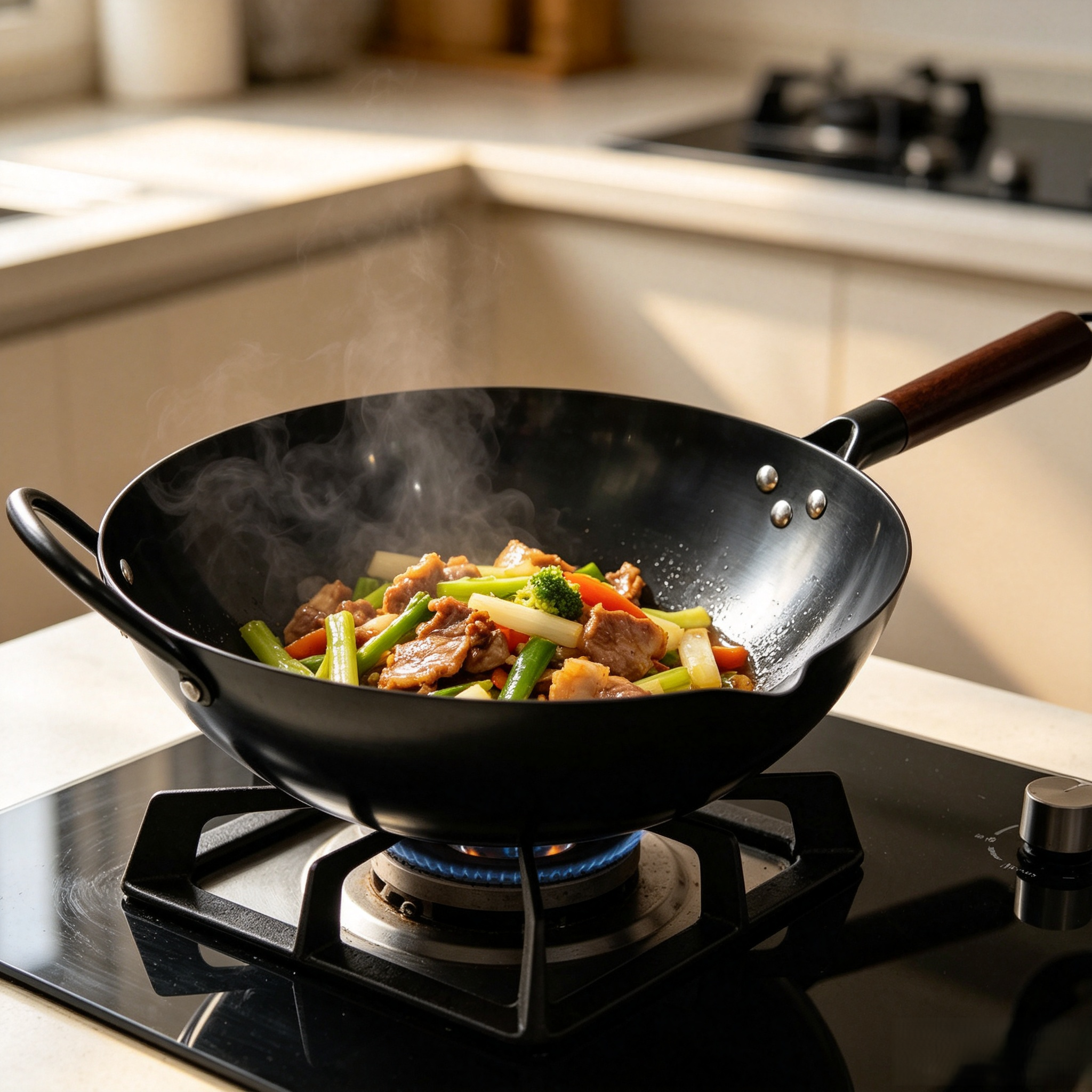
Formulated to exceed DIN EN 12983-1 mechanical safety requirements and optimized for magnetic induction stovetops predominant throughout Frankfurt am Main and the DACH retail territory.
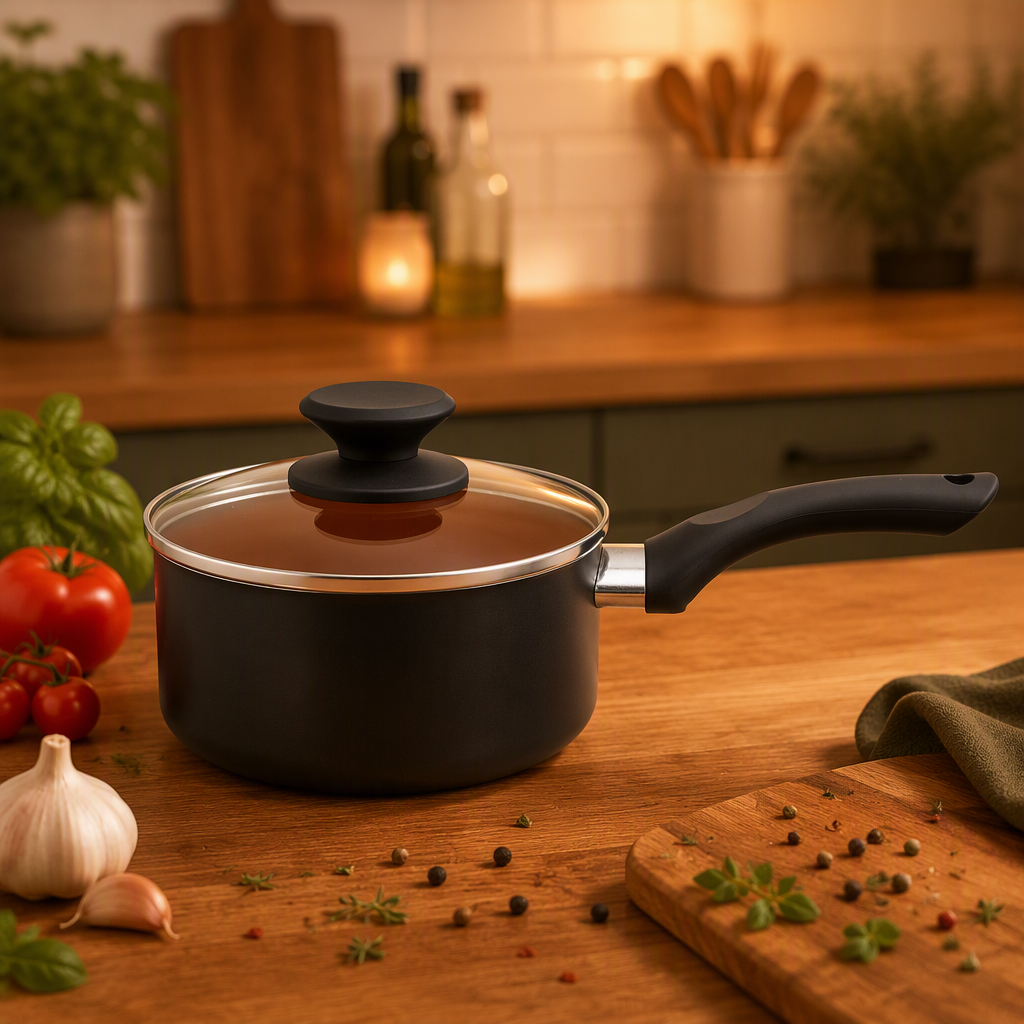
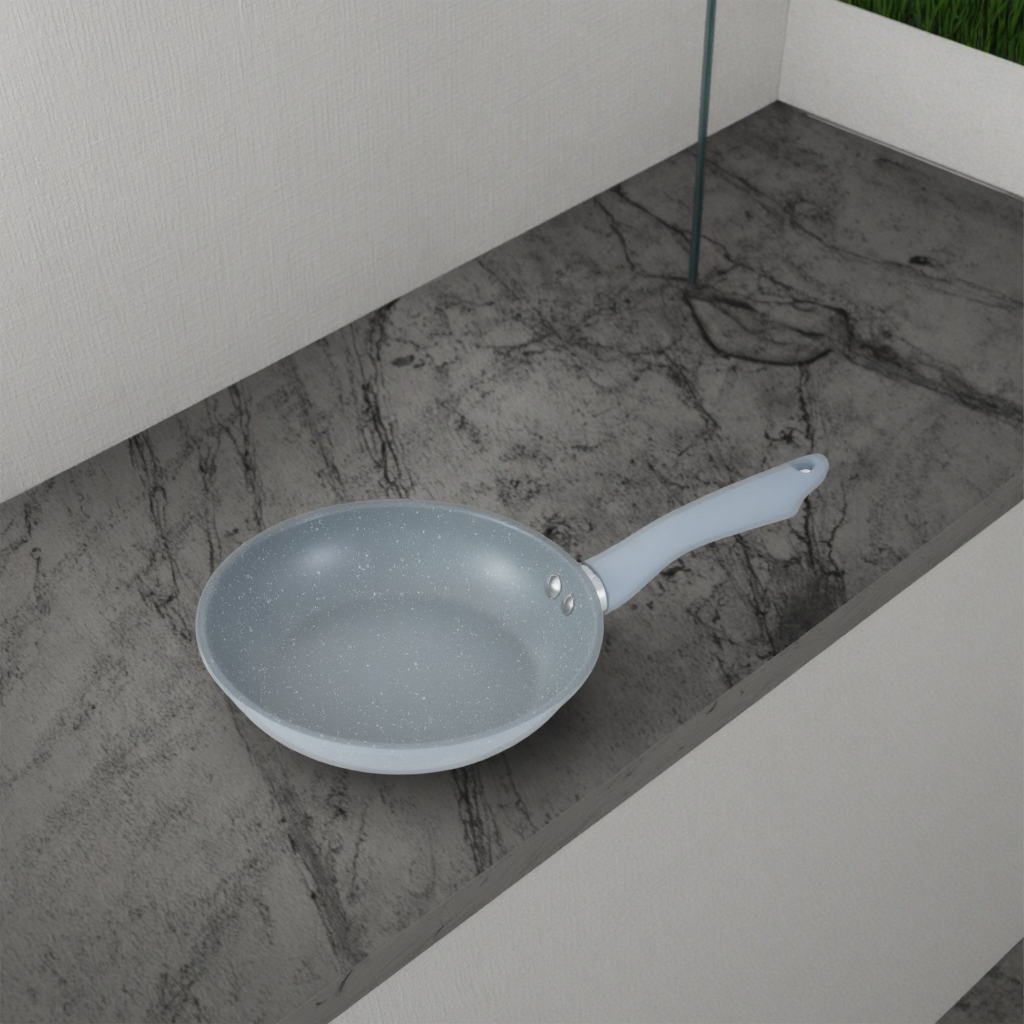
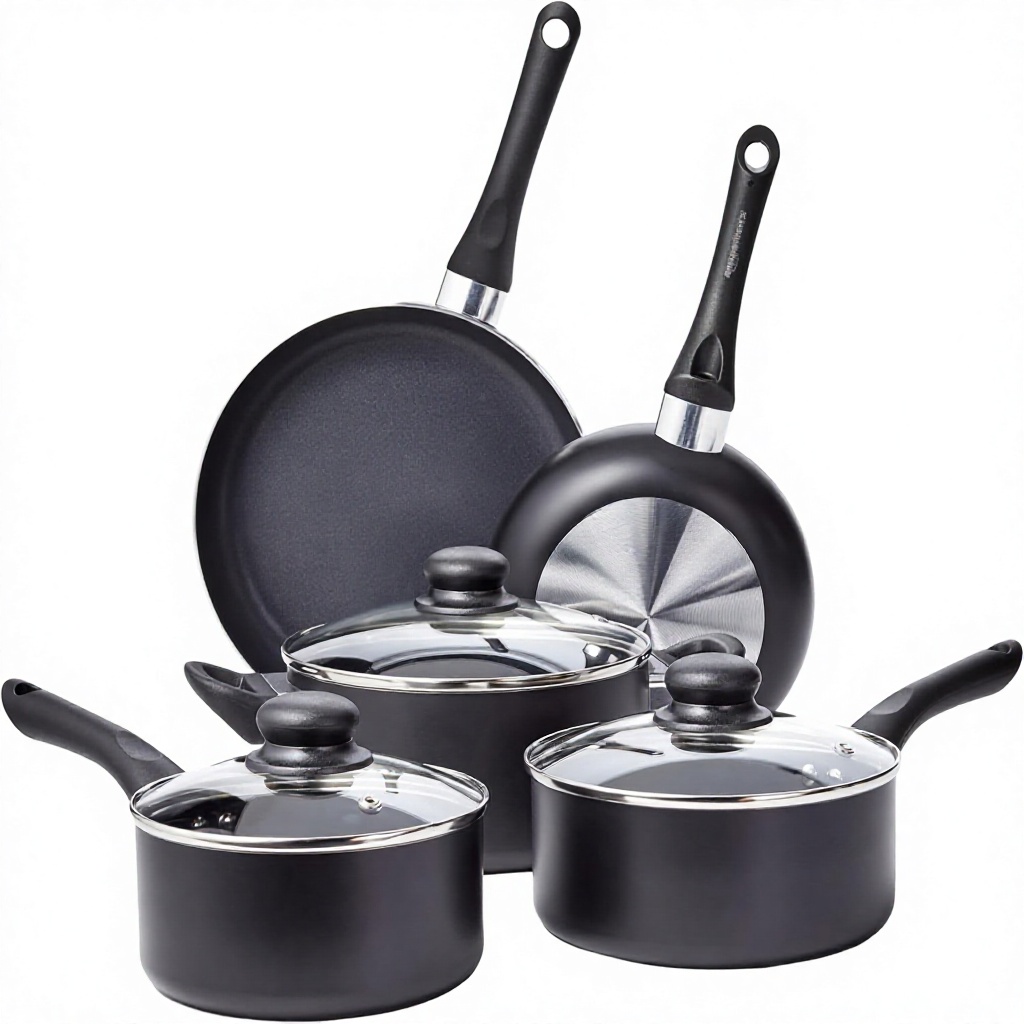
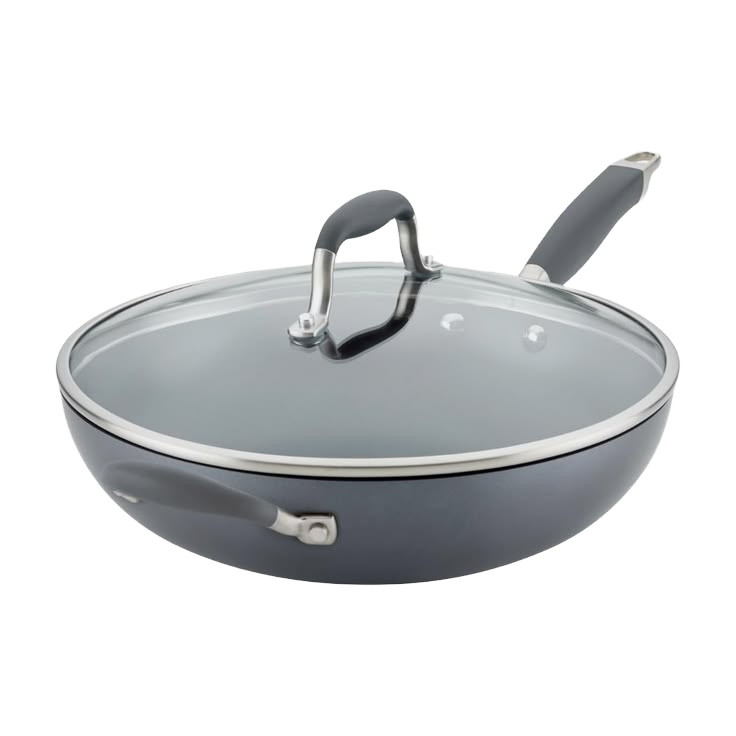
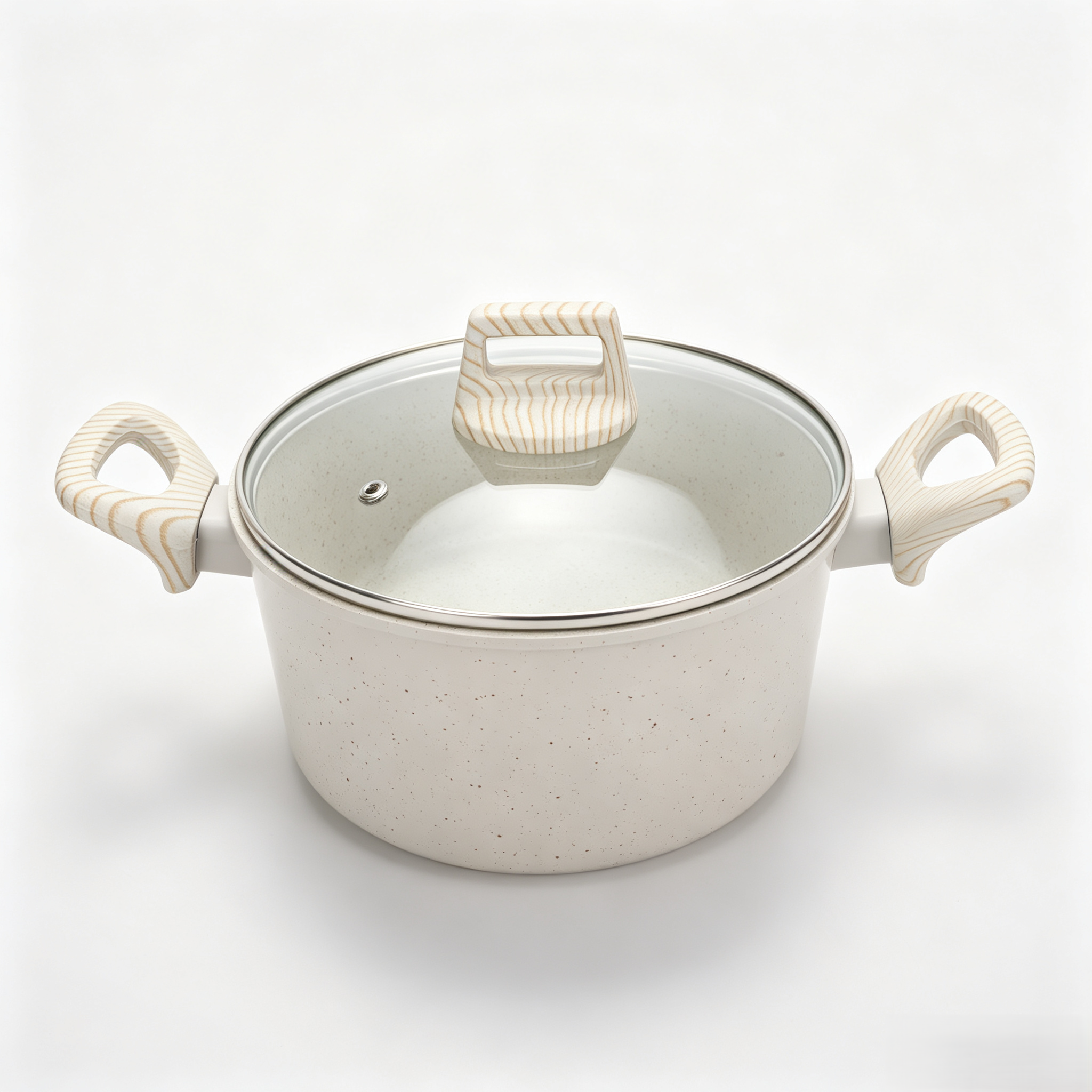
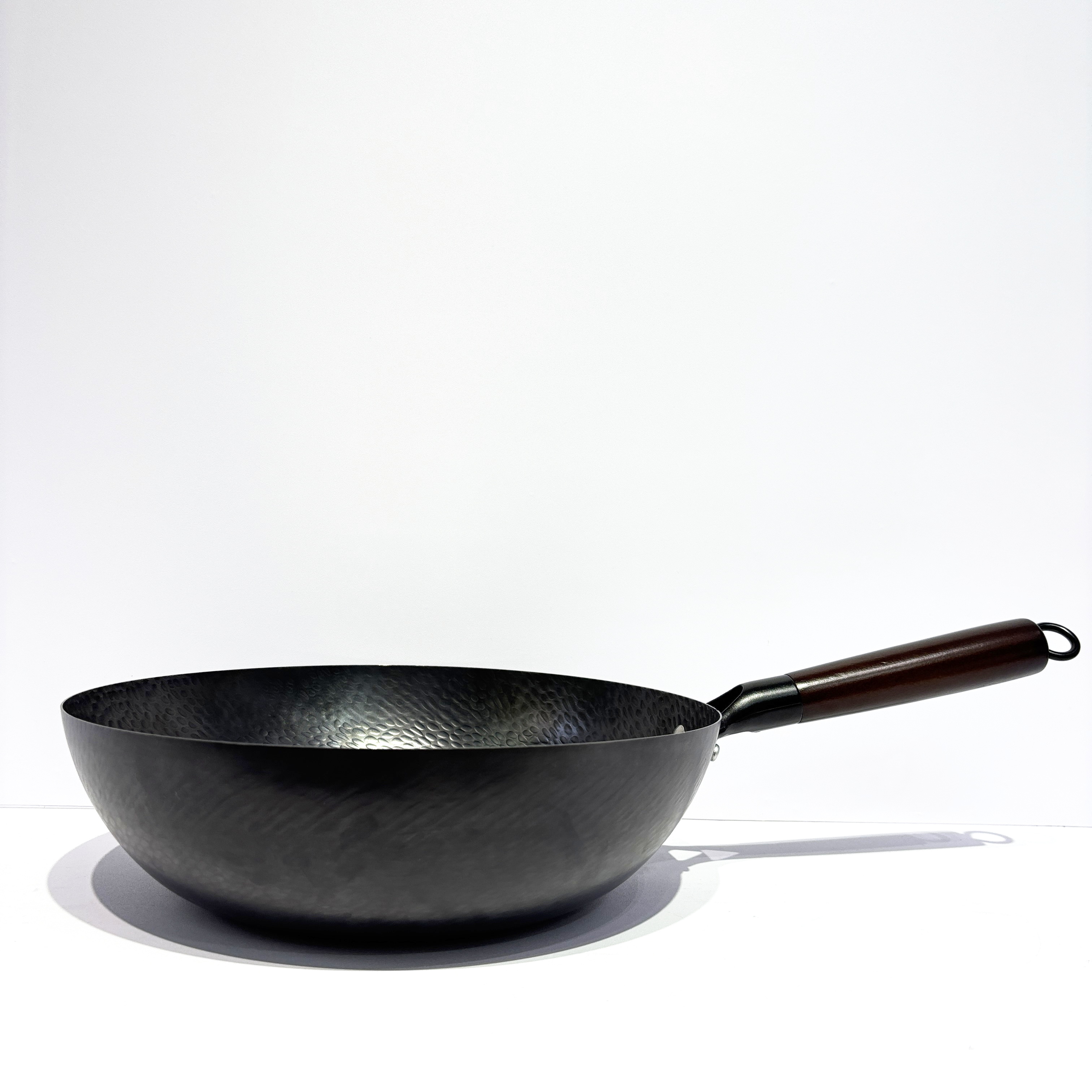
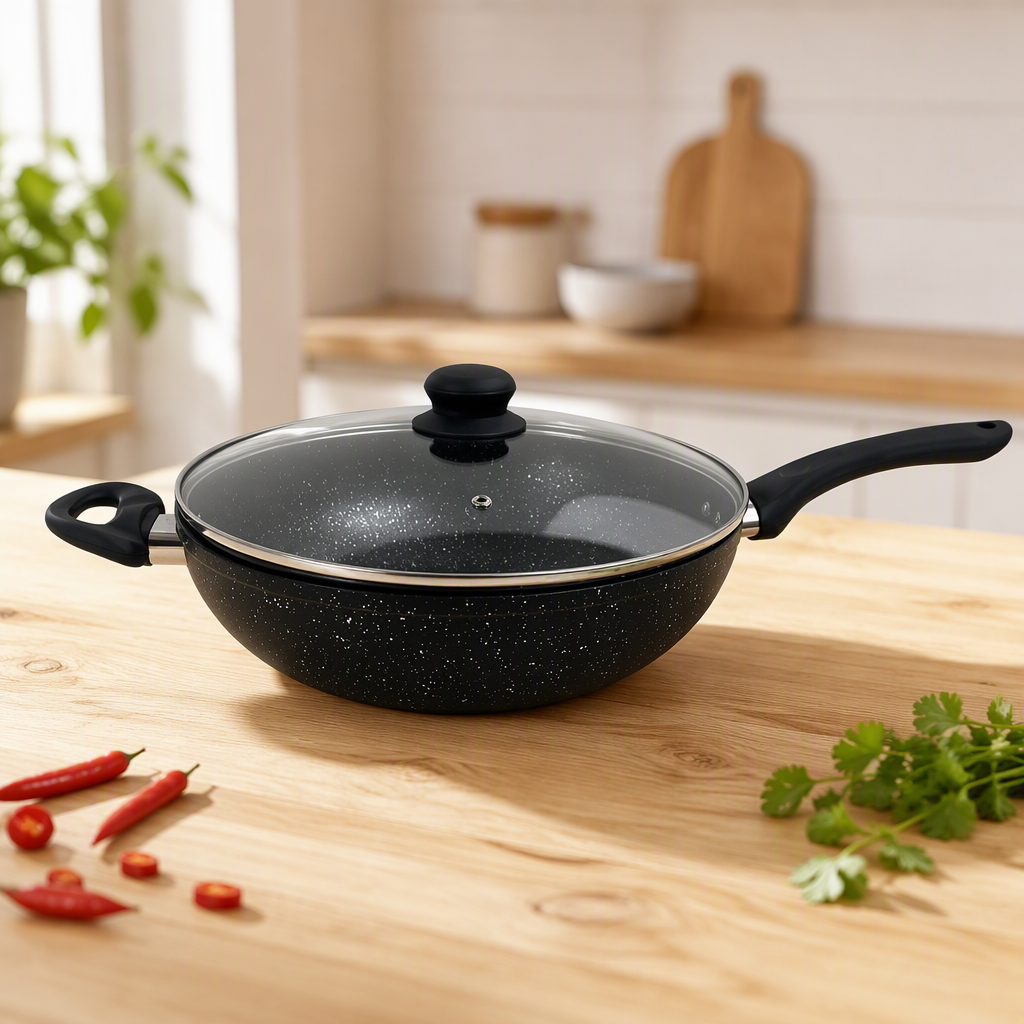
Frankfurt am Main represents the economic powerhouse of the Hesse region and stands as one of the most culturally diverse metropolitan hubs in Western Europe. Over the past five years, the local Rhein-Main gastro sector and suburban households from Sachsenhausen to Bad Homburg have driven unprecedented demand for authentic, high-heat Asian wok-cooking alongside daily versatile frying pans.
However, German residential kitchens present very specific technical constraints. The widespread adoption of glass-ceramic and induction hobs (Glaskeramik- und Induktionskochfelder) across modern German rental apartments means round-bottom carbon woks are entirely unsuited. German consumers demand perfectly flat, warp-free magnetic induction bases capable of rapid thermal conduction without scratching delicate Schott Ceran surfaces.
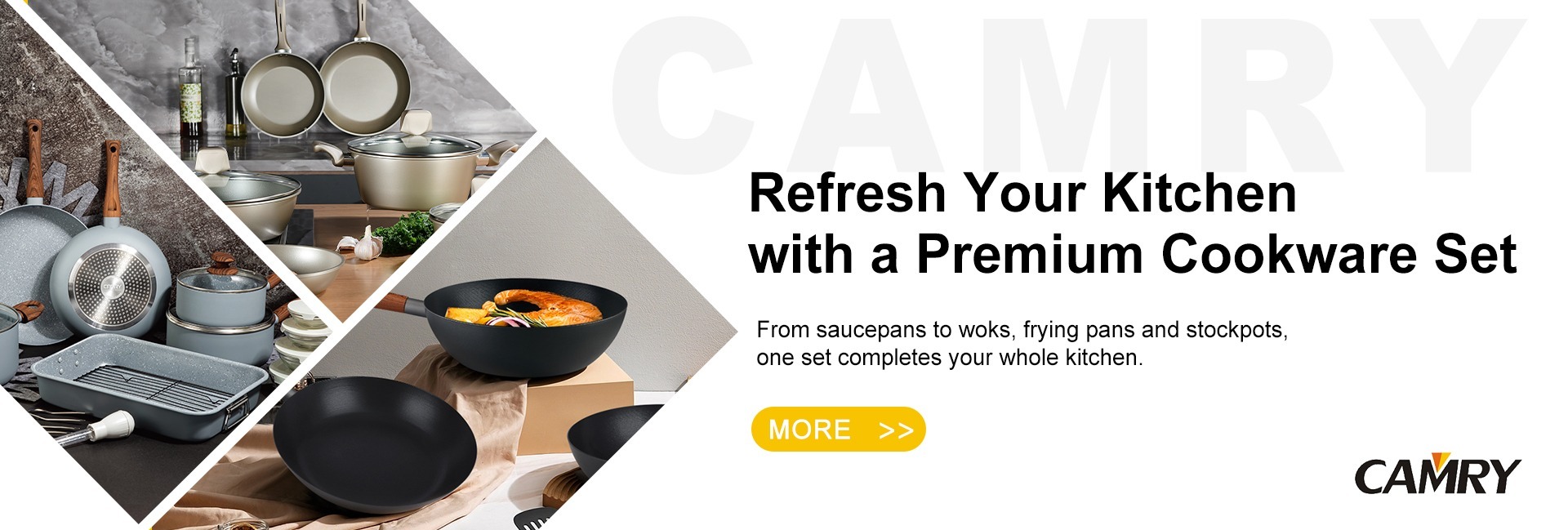
Furthermore, the health-conscious urban consumer in Frankfurt prioritizes low-fat stir-frying (Fettarmes Kochen) and non-toxic cooking substrates. Zhejiang MEIS Kitchenware bridges this gap by manufacturing gas- and induction-ready woks in nitrided uncoated carbon steel and heavy-gauge forged aluminum. Our woks deliver the authentic thermal response required for high-temperature Asian stir-fries while adhering strictly to European lifestyle, ergonomic handle, and dishwasher cleaning preferences.
Entering the Hesse wholesale market and retail chains such as Rewe, Edeka, Galeria, or digital marketplaces like Otto and Amazon.de requires strict technical compliance. Sourcing from a verified manufacturer ensures zero customs detention and complete consumer safety.
German food contact legislation (Lebensmittel-, Bedarfsgegenstände- und Futtermittelgesetzbuch) enforces toxicological thresholds significantly more stringent than baseline EU Regulation (EC) 1935/2004. Our formulations undergo rigorous extractive testing in 3% acetic acid and 10% ethanol simulants.
With the European Chemicals Agency (ECHA) advancing comprehensive restriction proposals on per- and polyfluoroalkyl substances (PFAS), Frankfurt procurement managers are actively seeking alternative nonstick coatings. MEIS provides sol-gel inorganic ceramic and gas-nitrided carbon options.
German product liability laws demand verified handle attachment integrity, thermal resistance, and structural torque resilience. Every batch manufactured in our Jinhua facility undergoes calibrated mechanical fatigue and pull tests in our dedicated laboratory.
| Evaluation Parameter | German / EU Standard | MEIS Manufacturing Standard | Verification Status |
|---|---|---|---|
| Food Contact Leaching | LFGB §30/31, (EU) No 10/2011 | Tested with 3% Acetic Acid (100°C, 2h) & Ethanol | 100% Certified Pass |
| Nonstick Surface Coating | REACH Annex XVII (PFAS / PFOA restrictions) | Water-based sol-gel ceramic & gas nitrided carbon | PFAS-Free Verified |
| Induction Bottom Flatness | DIN 44904 (Cookware for electric stoves) | CNC machined concave radius < 0.3% cold, flat when hot | Ceran Safe |
| Handle Security & Heat | DIN EN 12983-1:2020 Clause 5.2 / 5.5 | Dual-riveted aircraft-grade alloy; cool-touch wood / bakelite | TÜV On-Site Inspected |
| Corrosion Resistance | ASTM B117 / ISO 9227 Salt Spray | Laboratory salt spray chamber exposure > 72 hours | Rust Proof |
When supplying the German market, B2B procurement teams must strategically choose their core wok material based on customer tier and culinary positioning:
1. Healthy Nitrided Carbon Steel (Zero Chemical Coating): For culinary purists, organic food markets (Bio-Märkte), and professional Asian gastronomic venues in Frankfurt's Bahnhofsviertel, our gas-nitrided woks are the premier choice. Through a thermo-chemical treatment at 550°C–580°C, nitrogen atoms penetrate the iron matrix, creating an iron nitride layer (Fe2-3N). This provides permanent rust resistance, hardness 3x higher than standard iron, and natural non-stick characteristics when seasoned with culinary oils—with zero chemical coatings to scratch off.
2. Die-Forged Aluminum with Granite / Ceramic Matrix: For mainstream department stores, hypermarkets, and young suburban households, forged aluminum provides effortless cleanup and featherweight handling. Forged under high tonnage with thick bases (3.5mm–4.5mm) and tapered rims (2.0mm), these woks deliver uniform heat distribution without hot spots, preventing butter and delicate sauces from scorching during fusion cooking.
Located in Jinhua, Zhejiang—the manufacturing heart of Chinese metal kitchenware—MEIS Kitchenware offers streamlined freight corridors connecting our production facility to Hesse container depots.
Standard high-volume FCL shipments route through Ningbo-Zhoushan Port (just 2.5 hours from our factory). Containers discharge at Rotterdam or Hamburg, connecting via feeder barge along the Rhine or direct rail straight into Frankfurt Westhafen terminal within 28–32 days.
For expedited promotional campaigns and retail restocking prior to holiday shopping peaks (Q4 Black Friday & Christmas), shipments can utilize the Yixinou China-Europe Railway Express (Yiwu terminal 45 minutes from our plant), delivering into Duisburg / Frankfurt hub in 16–19 days.
Pre-production golden samples, custom color swatches (Pantone matching), and urgent pilot testing units dispatch through Shanghai Pudong (PVG) direct to Frankfurt CargoCity (FRA), arriving at your engineering desk in Hesse within 72–96 hours for sign-off.
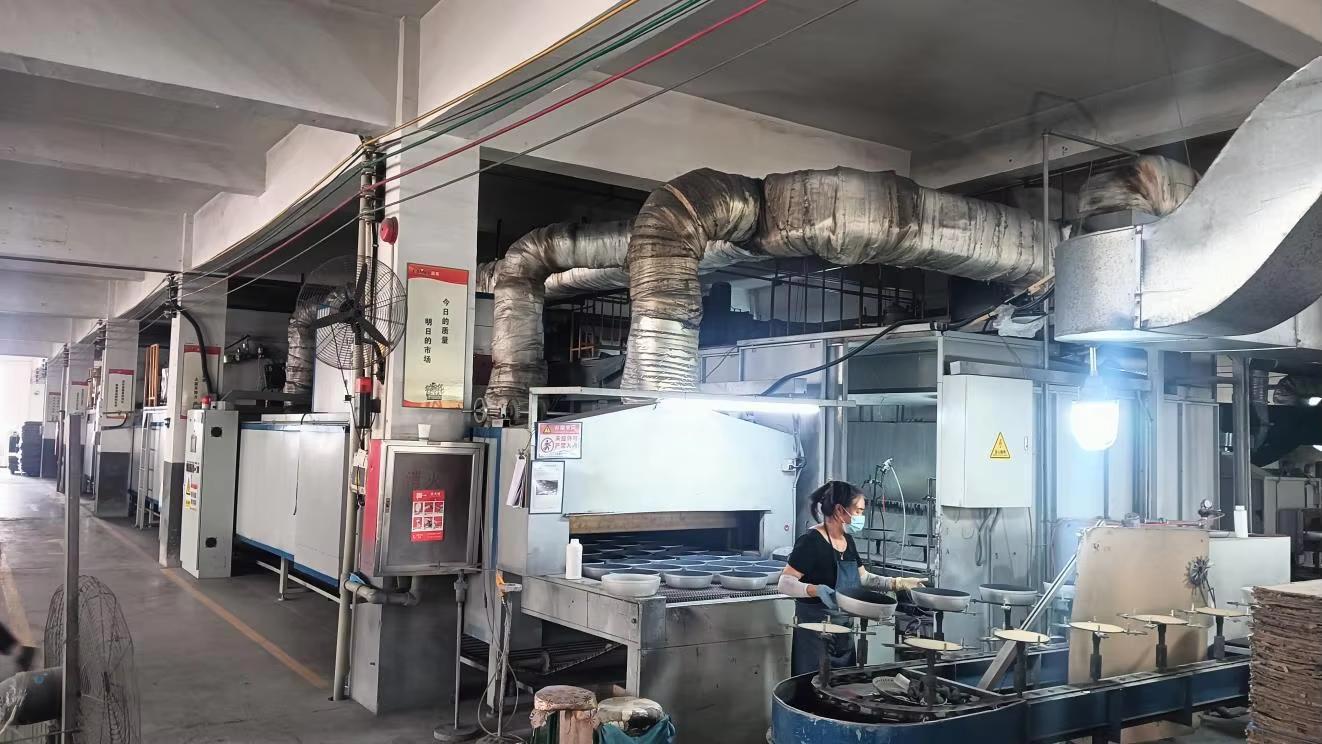
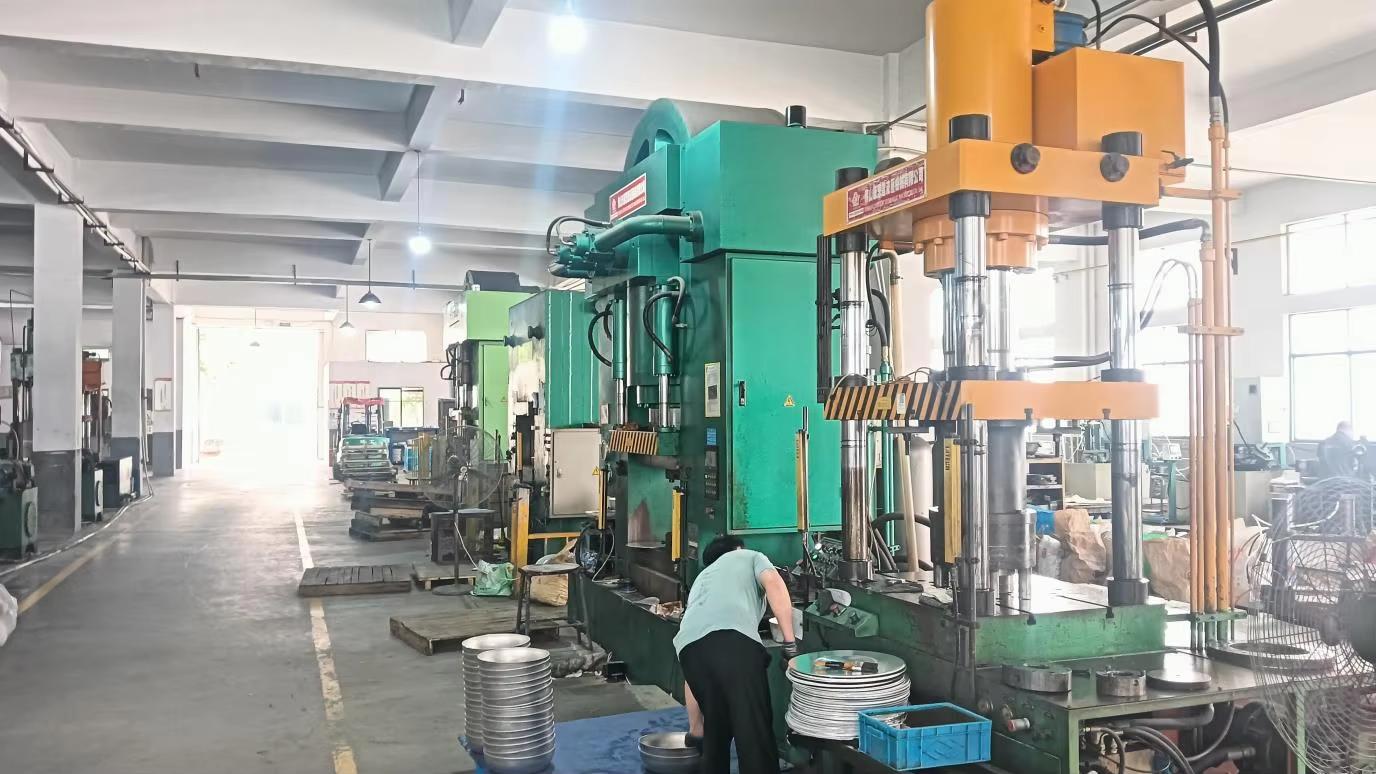
Unlike export trading agencies, Zhejiang MEIS Kitchenware operates an integrated manufacturing campus in Dongnan Industrial Zone, Jinhua, Zhejiang. We manage raw coil slitting, hydraulic deep-drawing, precision CNC profiling, surface pre-treatment, nonstick coating application, and automated packaging under one roof.
Whether developing a private label collection for a premium German department store or an economical promotional cookware set for major discount supermarket chains, MEIS provides end-to-end industrial execution:
Key technical, regulatory, and logistics answers for German importers and category managers.
We collaborate with globally recognized testing laboratories—including TÜV Rheinland, SGS, and Intertek. Every new product iteration undergoes formal LFGB §30/31 migration testing, verifying non-detectable levels of heavy metals (Lead, Cadmium) and organic volatile compounds. For our ceramic coatings and nitrided woks, we provide accredited laboratory certifications verifying 100% absence of PTFE, PFOA, PFOS, and related PFAS chemicals to guarantee compliance ahead of impending EU regulatory deadlines.
Yes, absolutely. Our carbon steel woks are inherently ferromagnetic and naturally couple with high-frequency electromagnetic fields from induction cooktops (Siemens, Bosch, Miele, AEG). For our aluminum wok collections, we utilize cold-pressed or friction-welded stainless steel (AISI 430) induction base plates with CNC precision flattening to guarantee zero rocking, zero hot-spot deformation, and maximum heat transfer efficiency on smooth ceramic glass cooktops.
Standard MOQs for bespoke OEM cookware range from 1,000 to 2,000 units per size/color, while select catalog models allow trial pilot batches from 500 units for verified retail distributors. Initial pre-production tooling and prototype sampling require 7–12 days. Full container production cycles typically conclude in 30–35 days following signed sample approval, fitting seamlessly into quarterly German retail inventory planning.
Yes. Over 80% of our production is dedicated to private-label ODM/OEM partnerships. We provide precision laser engraving on pan bodies, embossed logo stamps on handle caps, silk-screened logos on tempered glass lids, and complete packaging engineering. Our design studio works directly with your vector files to output German-language retail color boxes, EAN-13 barcodes, recycling symbols (Der Grüne Punkt), and legal manufacturer importer notices meeting German VerpackG (Packaging Act) regulations.
In high-traffic commercial dining and rigorous stir-frying environments, standard PTFE-coated pans degrade when exposed to temperatures exceeding 260°C or metal spatulas. Nitrided carbon steel undergoes deep structural surface nitriding, raising surface micro-hardness to HV550+. This allows chefs to use stainless spatulas without fear of scratching, withstands intense searing heat, and forms a natural hydrophobic patina over time that lasts for years rather than months.
Every production lot undergoes a 4-tier inspection protocol: raw sheet thickness and composition verification, inline robotic coating thickness checks (dry film thickness gauge), handle rivet fatigue stress testing, and final AQL 2.5/4.0 random batch audits. We readily accommodate third-party inspection agencies (TÜV, Dekra, QIMA) nominated by your European risk management team prior to releasing final shipping documents.
Connect directly with Zhejiang MEIS Kitchenware’s technical export team. Receive detailed technical CAD schematics, LFGB compliance documentation, and factory direct quotations customized for your seasonal product line.