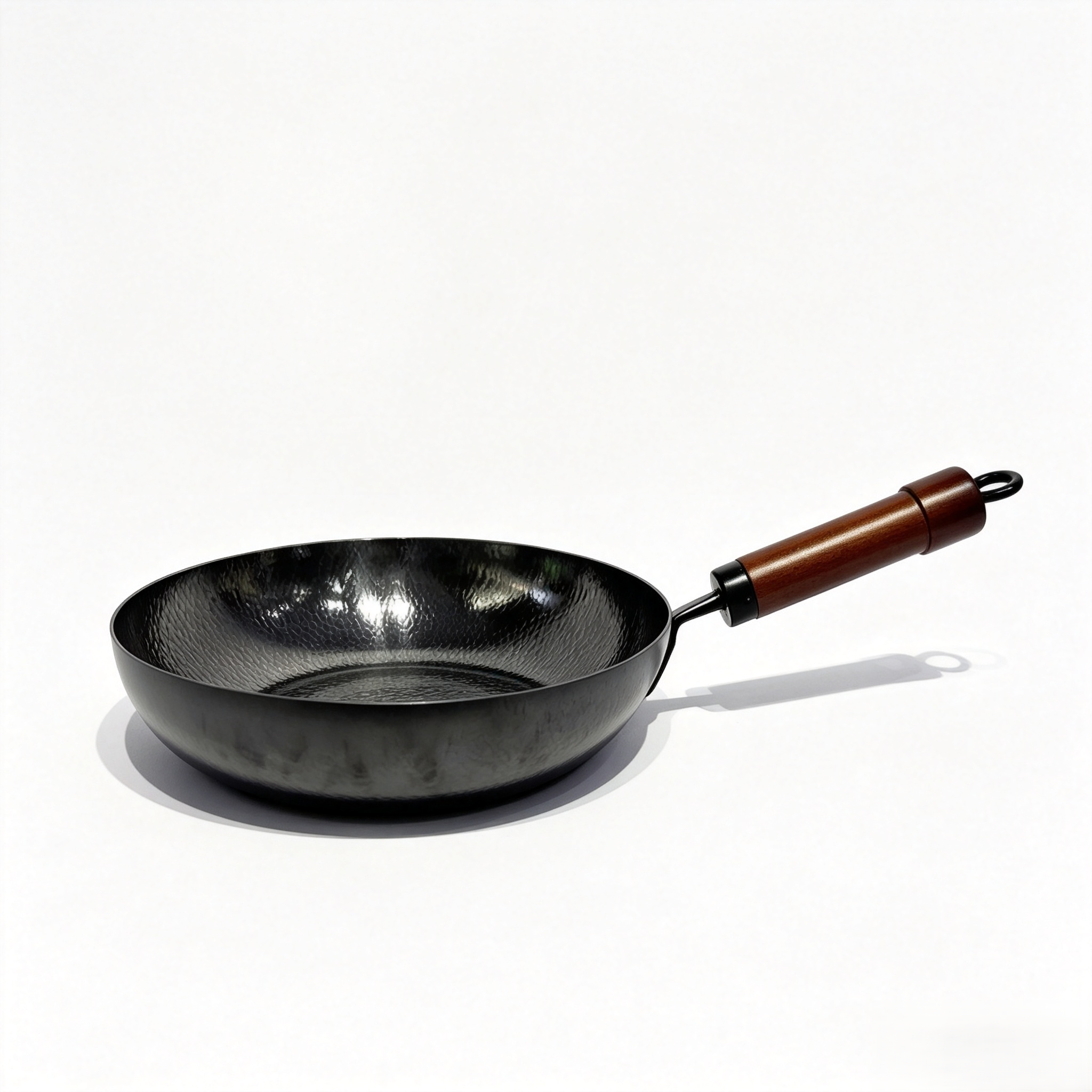
Export-Ready Production
High-Velocity Cookware & Roasting Inventory for the Brazilian Market
Engineered to withstand rigorous Brazilian culinary seasoning, acid-marinated meats, and high-heat oven cycles. All units conform to international safety protocols and are available for private labeling.
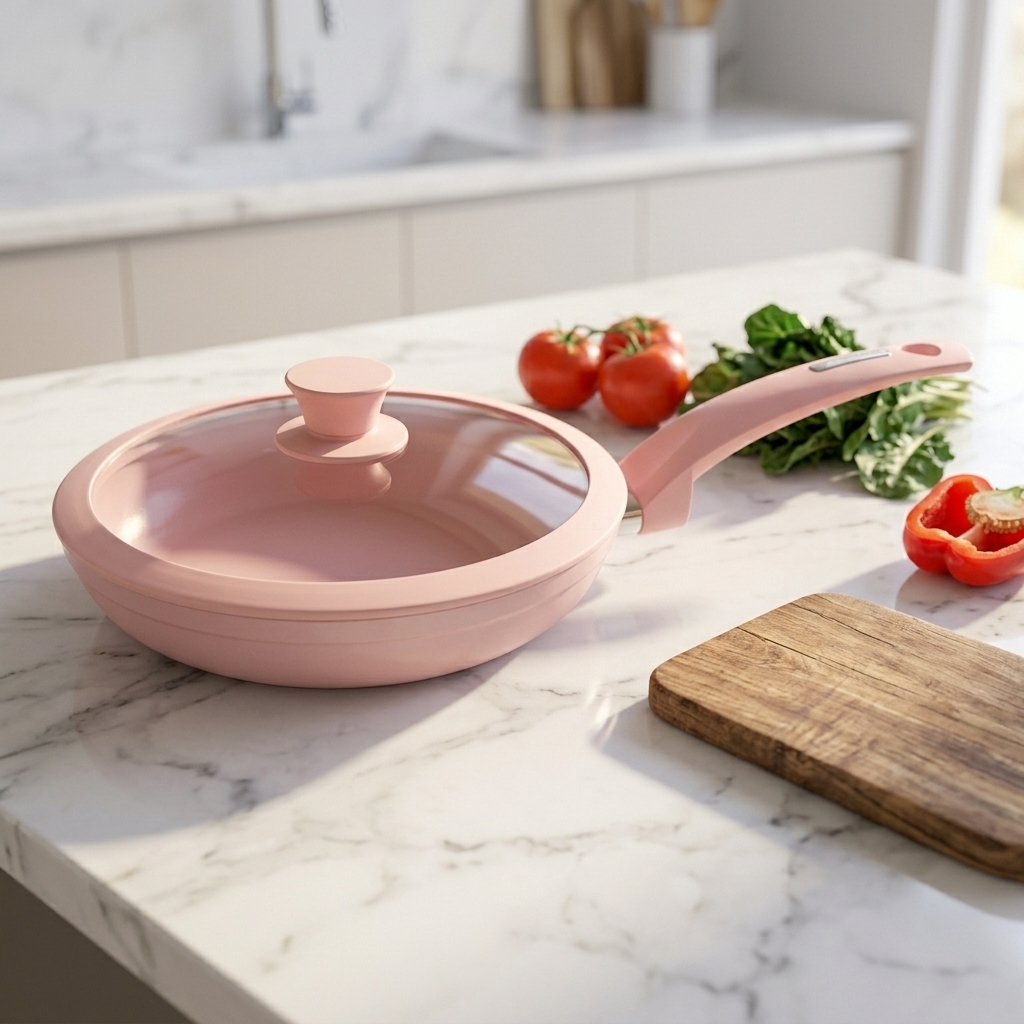
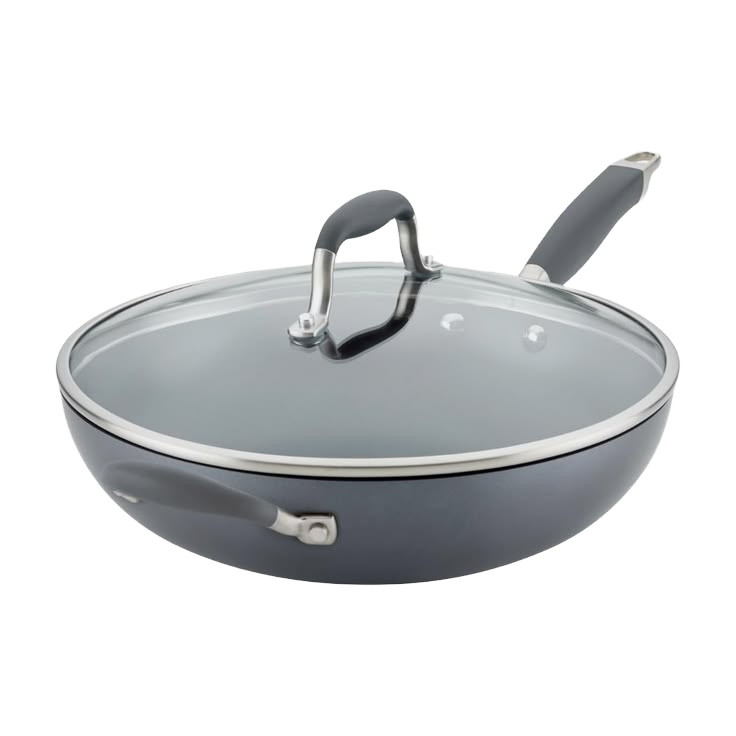
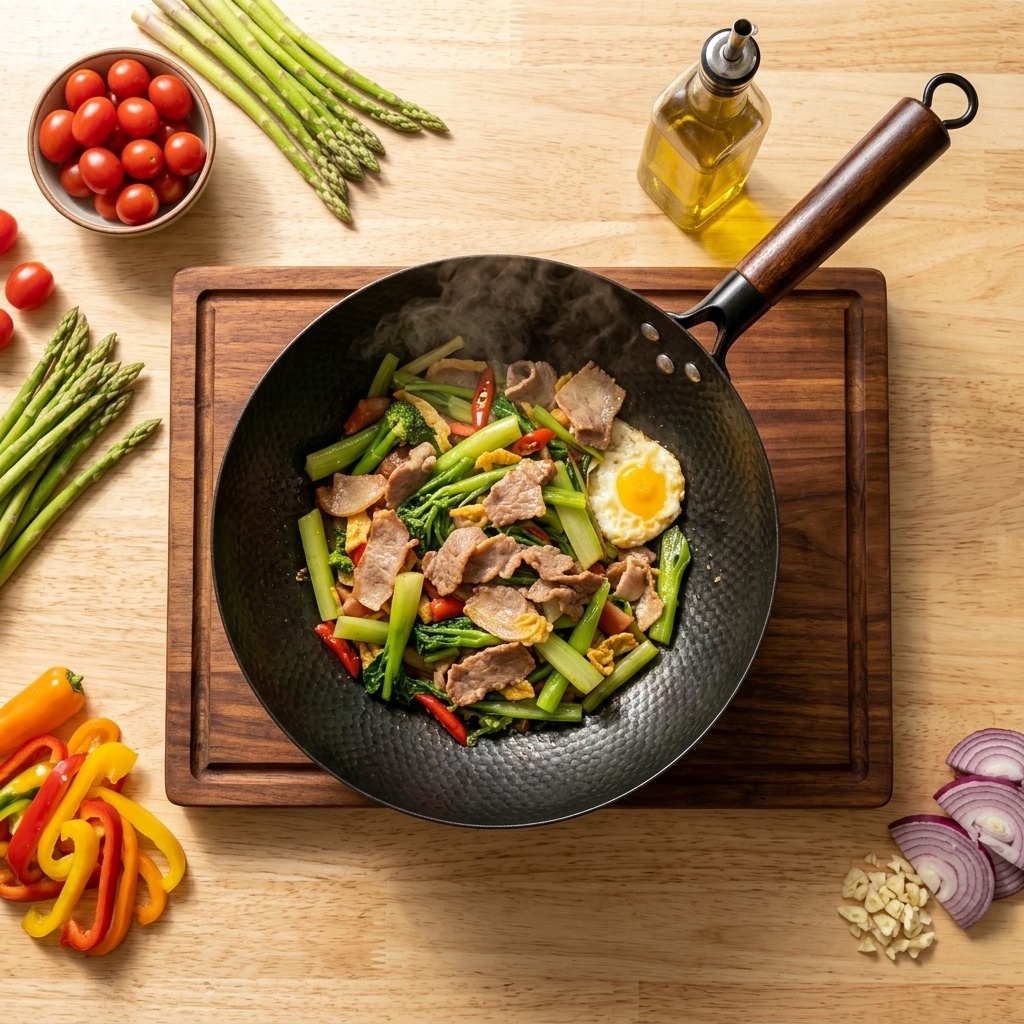
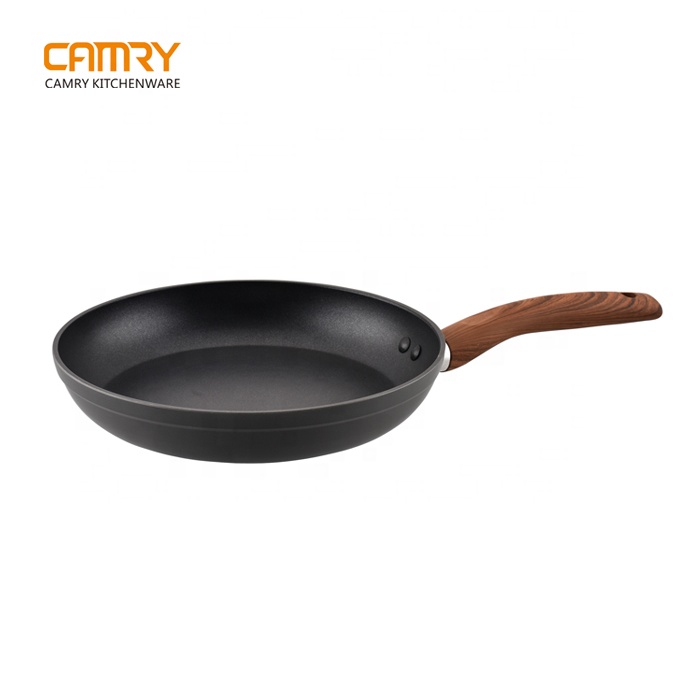
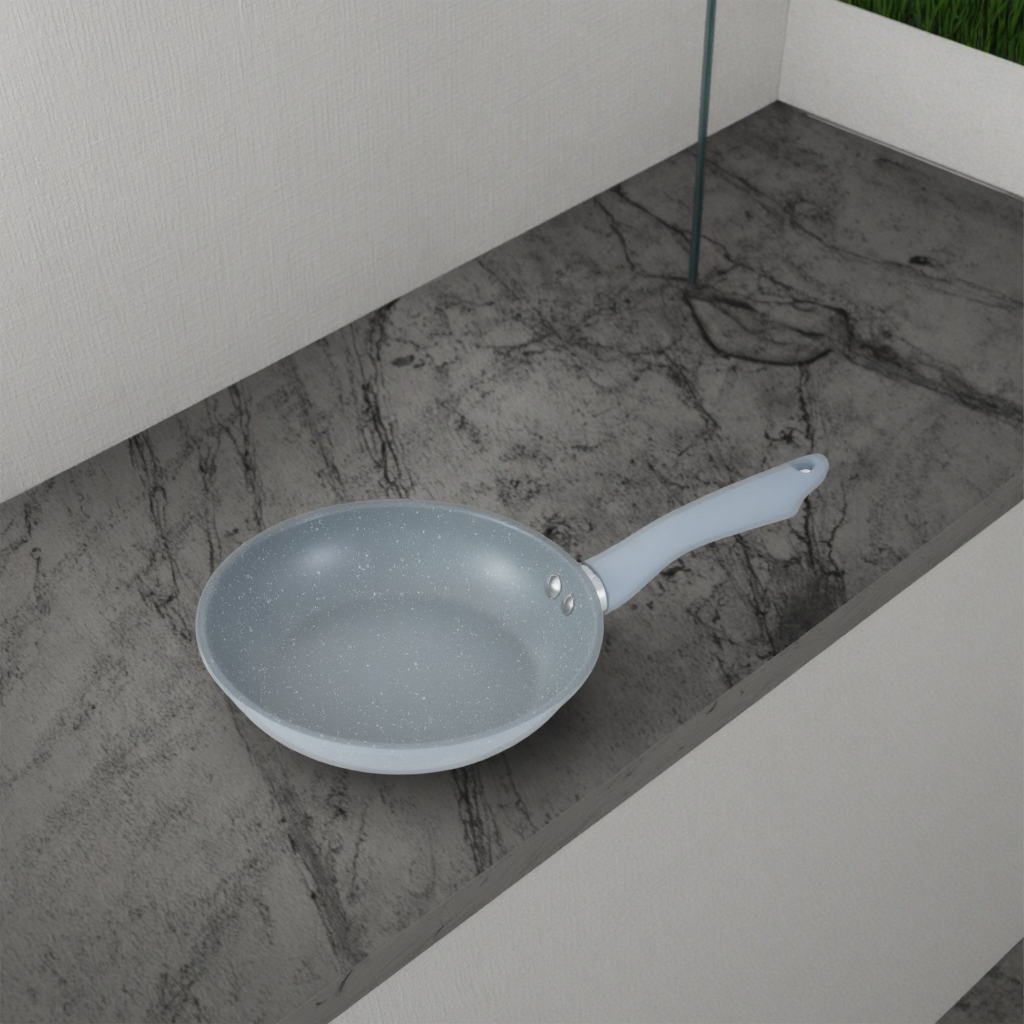
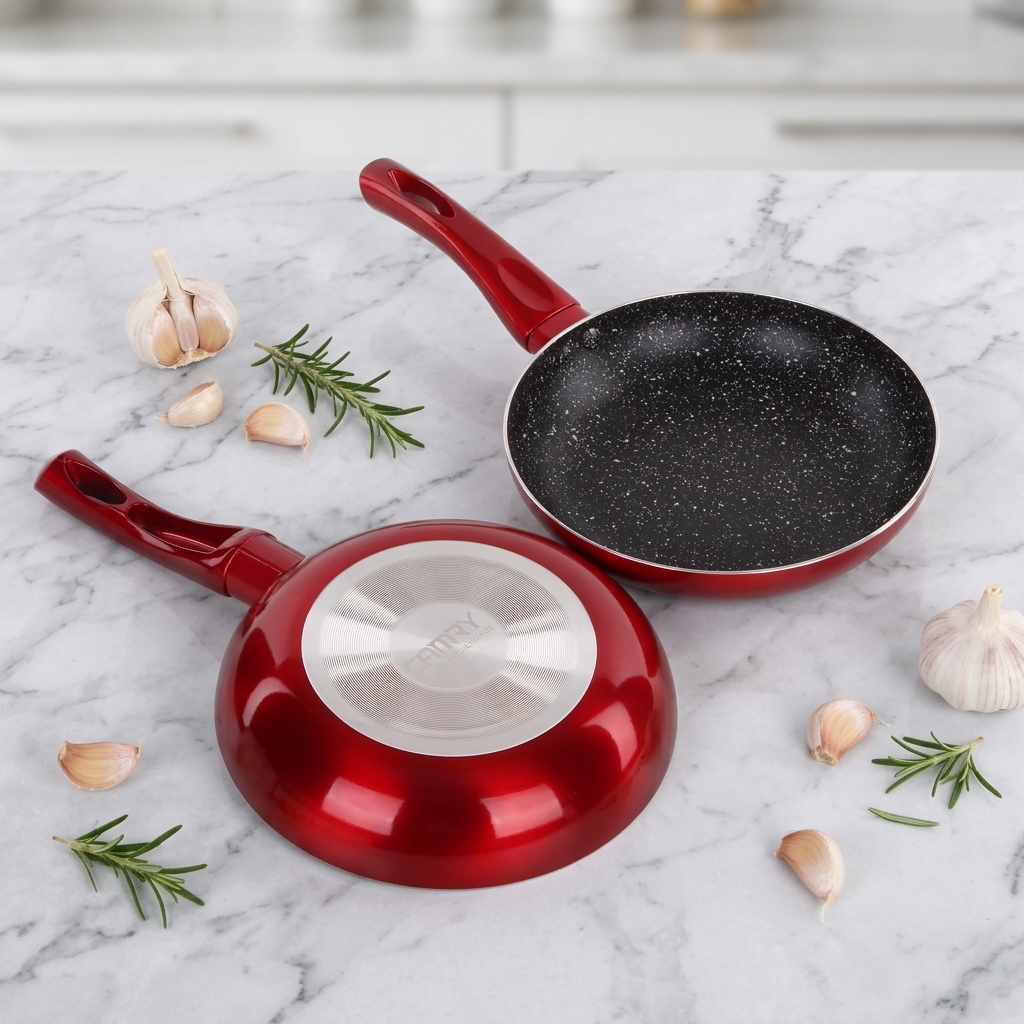
Supply Chain Architecture
Bridging Zhejiang's Hardware Manufacturing Power with São Paulo's Commercial Demands
The Metropolitan Region of São Paulo (Região Metropolitana de São Paulo) represents the undisputed economic epicentre of Brazil and South America. With a consumer base exceeding 22 million citizens in the greater metropolitan area alone, São Paulo commands more than 33% of Brazil’s national wholesale homeware, cookware, and professional culinary imports.
However, importing roaster pans, turkey roasters, baking dishes, and griddle pans into São Paulo requires navigating stringent technical realities. From clearance through the Port of Santos (just 70 km south of São Paulo capital) to compliance with Brazil's compulsory certification standards (such as INMETRO Portaria 419/2012 for metal cookware), Paulistano distributors require a partner who bridges precision engineering with competitive landed costs.
Direct Factory Sourcing vs. Trading Houses:
Zhejiang MEIS Kitchenware Co., Ltd. provides verified, direct-from-mill production in Jinhua, eliminating trading middleman markups while providing full container load (FCL) packing optimization directly routed to the Port of Santos terminal.
Whether you supply major supermarket conglomerates like Grupo Pão de Açúcar and Carrefour Brasil, high-end homeware specialty retailers like Camicado and Tok&Stok, or the teeming wholesale clusters around Rua 25 de Março and Brás, our manufacturing facilities deliver bespoke roaster pans crafted to international standards.
Localized Application Scenarios
How Engineered Roaster Pans Perform in the Paulistano Culinary Landscape
São Paulo is renowned as the gastronomic capital of Latin America, blending rich Portuguese, Italian, and Gaucho traditions with dynamic modern culinary enterprises. Sourcing the right roaster pan demands a thorough understanding of these unique local use cases.
"Assados Paulistanos" & Weekend Family Roasts
In neighborhoods across Mooca, Santana, and Tatuapé, large family Sunday roasts are a deep cultural tradition. Preparing heavy cuts such as Costela Bovina no Bafo, Pernil Suíno Assado, and whole poultry requires deep-walled roasters (at least 7.5 to 9 cm depth). Our carbon steel and thick-gauge aluminum roaster pans provide optimal heat distribution to caramelize exterior fats while maintaining juicy tenderness through extended 4-hour roasting cycles.
Commercial "Restaurantes por Quilo" & Buffets
São Paulo pioneered the ubiquitous "restaurante por quilo" (pay-by-weight buffet), concentrated in business districts like Avenida Paulista, Faria Lima, and Itaim Bibi. Commercial buffet lines subject pans to relentless scraping, high-temp steam tables, and rapid thermal cycling. Our hard-anodized and multi-layer granite non-stick roasting pans resist warping, withstand stainless steel serving tongs, and clean up effortlessly between rush services.
Holiday Feast Surges: Natal, Réveillon & Festas Juninas
Retail sales for oversized roaster pans skyrocket in Q4 across São Paulo supermarkets. From whole roast turkeys (Peru de Natal) and holiday hams (Chester) to festive Bacalhau à Gomes de Sá, Brazilian households require large-format roasters with elevated stainless or carbon steel wire racks. These racks prevent food from stewing in saturated drippings, achieving the crisp, oven-roasted skin demanded by Paulistano home chefs.
"Padarias Paulistanas" & Artisanal Rotisseries
São Paulo's historic bakeries ("padarias") are full-scale culinary institutions operating 18 to 24 hours a day, serving legendary roast chickens (Frango de Televisão) and savory baked specialties. Commercial bakeries demand commercial roasting pans and trays that can slide seamlessly into standardized rational combi-ovens without thermal warping or handle failure under 280°C continuous operation.
Market Intelligence
Emerging Cookware & Bakeware Trends in São Paulo (2025–2028)
Strategic purchasing managers must align their import cycles with evolving consumer lifestyles, apartment architectural shifts, and legislative standards throughout Brazil.
Architecture & Urban Shift
Compact Living & Stackable Modular Systems
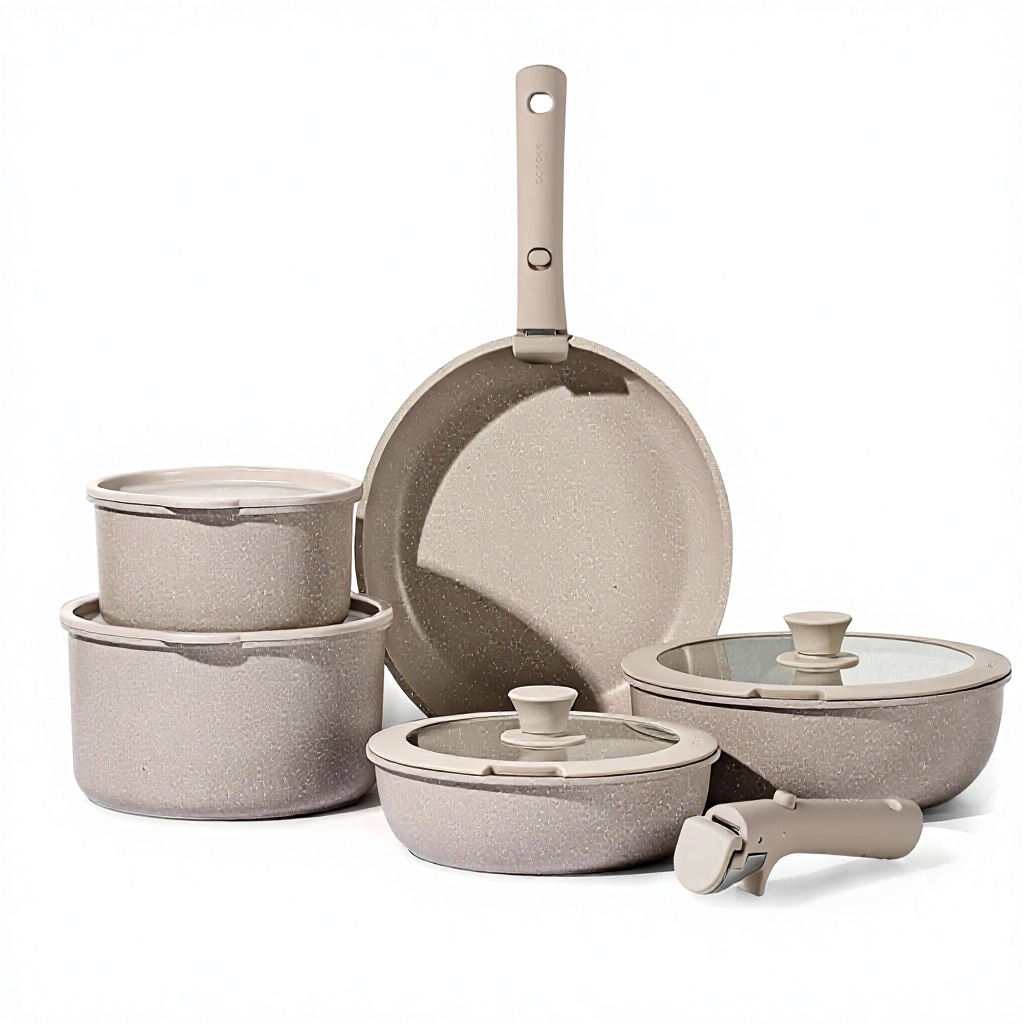
São Paulo has experienced an unprecedented explosion of compact apartments ("micro-apartamentos" of 25m² to 45m²) across Brooklin, Vila Madalena, and Pinheiros. Kitchen storage is at an all-time premium. As a result, roasting pans and cookware sets featuring detachable handle mechanisms (such as our 19-Piece modular sets) and nesting capabilities have seen exponential sales growth across Mercado Livre Brasil and Amazon.com.br.
Health & Wellness Focus
PFOA-Free Ceramic & Granite Health Standards
Paulistano consumers are intensely wellness-conscious. Traditional PTFE coatings face scrutiny; Brazilian shoppers actively seek cookware with clear "Livre de PFOA" (PFOA-Free), PTFE-Free, and natural mineral ceramic or granite speckle certifications. Importers in São Paulo gain substantial competitive edge and brand loyalty by specifying our reinforced mineral coatings that permit cooking with zero oil or fats without burning.
Appliance Modernization
Electrification & Rapid Induction Cooktop Adoption
With high-density apartment developers transitioning away from residential piped gas for safety, induction hob installations have surged by 38% annually across Greater São Paulo. Cookware that only functions on open flame is rapidly losing retail shelf space. Our roaster pans feature integrated, high-permeability magnetic stainless steel induction bottoms (430-grade), ensuring seamless performance across Gas, Electric, and Induction cooktops alike.
E-Commerce & Digital Retailing
Drop-Test Certified E-Commerce Packaging
The dominance of Mercado Livre Full fulfillment centers in Cajamar and Louveira (Greater São Paulo) requires cookware designed for rugged parcel transit. Flimsy retail gift boxes that collapse during courier handling result in exorbitant return rates. MEIS provides ISTA 3A and 1A drop-test certified mail-order packaging with 5-ply reinforced corrugated cartons and custom molded interior pulp protection.
Metallurgical Engineering
Material Selection for High-Humidity Coastal & Brazilian Sourcing
Brazil’s climate presents severe challenges for low-grade metals. With coastal humidity arriving via the Serra do Mar directly impacting storage warehouses across Santos, Cubatão, and ABC Paulista, oxidation resistance is paramount. Furthermore, Brazilian recipes heavily rely on acidic marinades (such as vinagrete, lime juice, and vinegar-rich chimichurri) coupled with coarse rock salt (sal grosso).
If a factory uses subpar scrap aluminum or cheap non-passivated cold-rolled steel, the coating will blister and pit within months of retail distribution. Zhejiang MEIS Kitchenware utilizes pure 3003-series alloy aluminum discs and vacuum-nitrided SPCC carbon steel. Our production protocols involve exhaustive 12-stage ultrasonic cleaning to strip microscopic industrial oils before a dual-stage primer and fluoropolymer curing process.
In-House ASTM B117 Salt Spray Testing:
Every production batch destined for the Brazilian market undergoes up to 72 hours of continuous salt fog testing in our certified quality laboratory, guaranteeing zero blister formation or edge corrosion.
| Substrate Material | Thermal Conductivity | Warp Resistance (Oven) | Induction Compatibility | Corrosion Defense | Ideal São Paulo Channel |
|---|---|---|---|---|---|
| Pressed Aluminum (2.0–2.8mm) | Extremely Fast (205 W/m·K) | Standard (Up to 220°C) | Requires Bonded Plate | High (Anodized/Coated) | Supermarkets, Promotional Kits, Retail Mass Market |
| Die-Forged Aluminum (3.5–4.5mm) | Even & Sustained | Superior (Up to 260°C) | Requires Bonded Plate | Maximum Marine Grade | Premium Retail (Camicado, Tok&Stok), Gourmet Stores |
| Heavy-Gauge Carbon Steel | Moderate & High Retention | Excellent Rigidity | Naturally Magnetic 100% | Requires Passivation/Coating | Commercial Catering, HORECA, Bakery Wholesale |
| Nitrided Hammered Carbon Steel | Direct Fast Thermal Transfer | High Structural Integrity | Naturally Magnetic 100% | Nitride Layer Protected | Specialty Gastronomy, Professional Chefs, Eco-Buyers |
Why Sourcing Directors Choose MEIS
Industrial Prowess, Direct Ownership & TÜV Rheinland Verification
Headquartered in Jinhua, Zhejiang—the manufacturing heart of China’s advanced metalware and cookware hardware industry—Zhejiang MEIS Kitchenware Co., Ltd. operates a vertically integrated industrial complex built to handle multi-container B2B contracts.
20+
Years in Manufacturing
105
Verified Technical Staff
18
Years B2B Export Track
100%
On-Site Inspection
TÜV
Rheinland Verified
Full In-House Tooling & CNC Workshops
We do not outsource mold development. With in-house CNC machining, high-tonnage stamping presses, and lathe equipment, our tooling engineers create customized roaster dimensions, customized embossing logos, and specialized handle ergonomics in less than 21 days from CAD confirmation.
Multi-Stage Automated Coating Lines
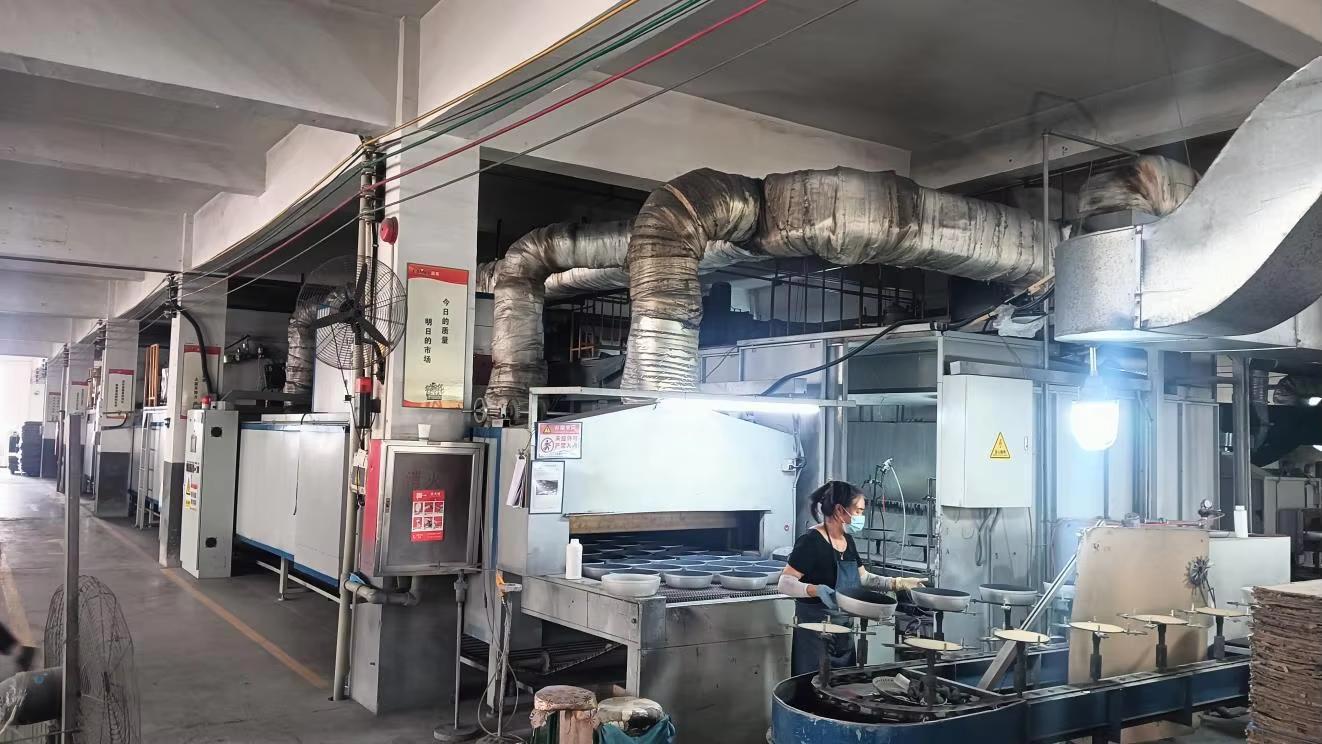
Our enclosed, dust-free automatic spray coating tunnels apply multi-layer non-stick systems (primer, mid-coat, speckle, and reinforced protective topcoats). Fully regulated curing kilns ensure the polymer cross-links completely, eliminating VOC residues and ensuring compliance with FDA, LFGB, and INMETRO standards.
Destructive & Mechanical Quality Testing
Every production batch is tested in our quality assurance laboratory. Handle joints undergo dynamic fatigue tests, thrust load tests, and torsional stress evaluations to verify that cast handles, silicone-coated grips, and stainless steel rivets will not loosen or fracture under commercial kitchen loads.
Export Logistics & Santos Port Specialization
Over a decade of handling maritime freight direct to Brazil. We collaborate directly with leading global container lines (Maersk, MSC, COSCO) to secure competitive ocean freight rates, issue certified Bills of Lading, accurate packing lists, and coordinate seamless clearance through customs brokers in São Paulo.
Buyer's Intelligence
Frequently Asked Questions: Sourcing Roaster Pans from China to São Paulo
Critical answers addressing tariffs, regulatory approvals, minimum orders, and shipping timelines for procurement officers across Brazil.
What are the regulatory and certification requirements (INMETRO) for importing cookware into Brazil?
Metal cookware and roaster pans imported into Brazil must adhere to INMETRO regulations (notably Portaria INMETRO nº 419/2012 and related revisions), which enforce rigorous mechanical durability, handle adhesion strength, anti-leakage rivet construction, and coating non-toxicity standards. As an experienced OEM manufacturer, MEIS collaborates directly with accredited laboratory testing agencies (such as TÜV Rheinland, SGS, or Bureau Veritas) to supply raw test pieces and technical construction files required for your INMETRO Register (Registro INMETRO) via the Brazilian importer of record.
How does maritime shipping work from your Jinhua factory to the Port of Santos?
Our Jinhua factory is strategically located just 120 km from Ningbo Port and 280 km from Shanghai Port. For shipments bound for São Paulo, cargo is loaded into 40ft High Cube (40HQ) containers at our facility and gated in at Ningbo or Shanghai. Transit times direct to the Port of Santos typically range from 32 to 38 days depending on the maritime line. From Santos, cargo moves efficiently along the Rodovia dos Imigrantes or Via Anchieta directly to bonded dry ports (EADIs) or distribution hubs in Greater São Paulo.
What is the Minimum Order Quantity (MOQ) for custom roasters and cookware sets?
For standard models featuring customized brand logos (laser etched or bottom-stamped) and customized bilingual English/Portuguese retail packaging, our MOQ generally begins at 1,000 to 2,000 units per item. For complex complete cookware sets (such as our 19-piece detachable systems or forged aluminum boxed collections), production runs typically require 1,000 to 1,500 sets. Selected in-stock sample lines and test trial orders may be accommodated upon consultation.
How does MEIS prevent coating degradation caused by salt and acidic marinades?
Traditional Brazilian marinades contain harsh combinations of rock salt, garlic, vinegar, and citrus juices. We counter chemical pitting by utilizing multi-layer fluoropolymer formulations reinforced with diamond, ceramic, or titanium micro-particles. Crucially, our automated substrate blasting and degreasing system creates an ultra-dense mechanical anchor pattern, guaranteeing that corrosive acidic vapors cannot penetrate to the bare aluminum or steel core.
Can we request customized Portuguese retail packaging and barcoding (EAN-13)?
Yes, absolutely. Over 90% of our production is full OEM/ODM private label. Our packaging team works directly with your artwork dielines to produce high-gloss 4-color process retail boxes, protective cardboard sleeves, Portuguese instructional safety leaflets, and compliant EAN-13 retail barcodes necessary for scan clearance across Brazilian retail point-of-sale systems.
What payment terms and import documentation do you provide for Brazilian buyers?
Standard payment terms are 30% T/T deposit upon order confirmation and 70% balance paid against the clean Bill of Lading (B/L) copy, or confirmed Irrevocable Letters of Credit (L/C at sight) for enterprise buyers. We supply exact Commercial Invoices conforming to Brazilian Siscomex customs standards, detailed Packing Lists with NCM harmonized codes (e.g., 7615.10.00 for aluminum cookware or 7323.99.00 for carbon steel), and Certificate of Origin documents.
Accelerate Your Cookware Procurement for São Paulo
Partner directly with Zhejiang MEIS Kitchenware Co., Ltd. Eliminate intermediary costs, access TÜV Rheinland verified manufacturing, and engineer high-margin roaster pans and nonstick cookware designed specifically for your commercial distribution network in Brazil.