Export-Grade Casseroles & Cookware Series
Factory-direct supply engineered for industrial commercial kitchens, regional retail chains, and mining camp catering facilities across Antofagasta, Calama, and Northern Chile.
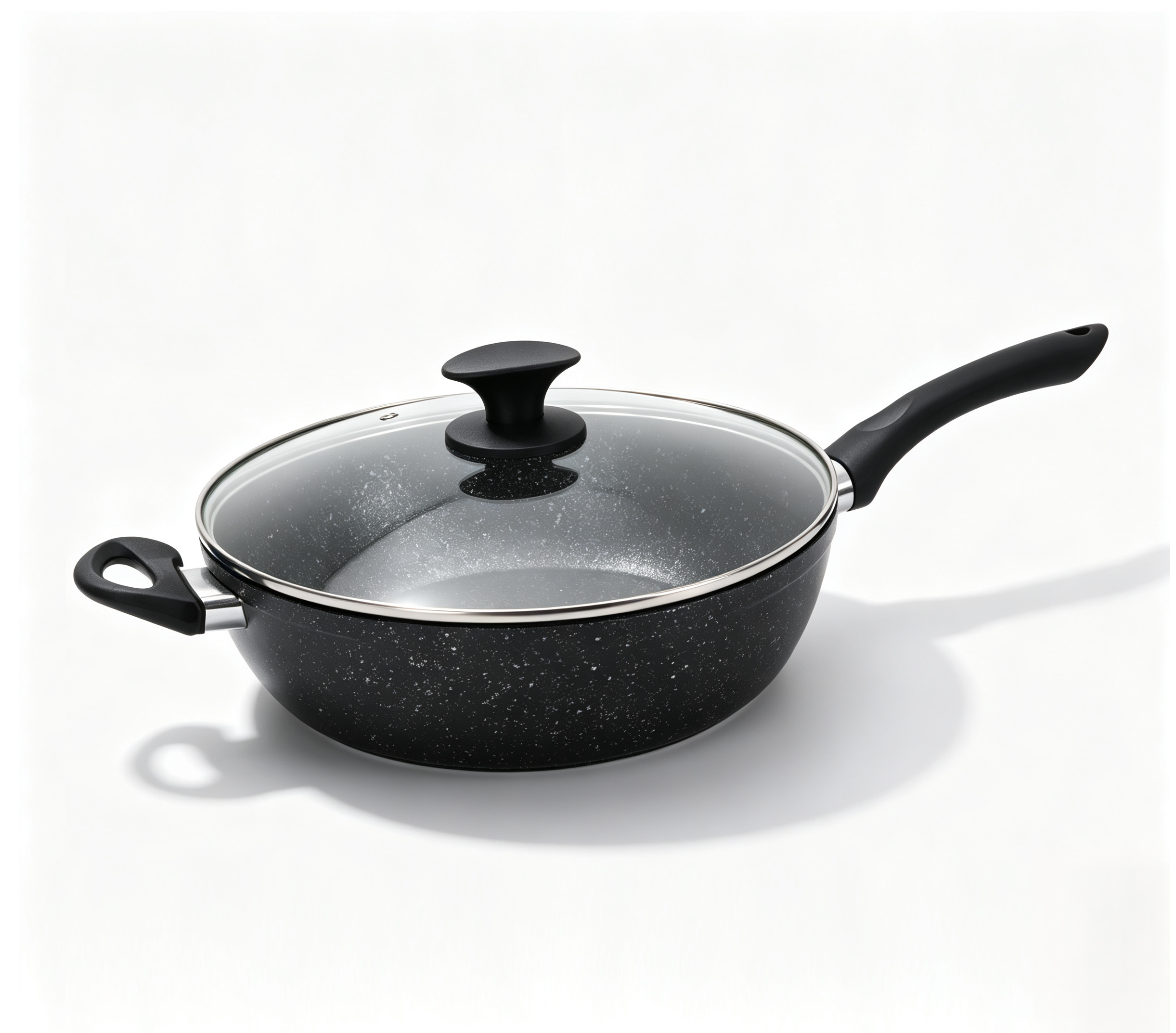
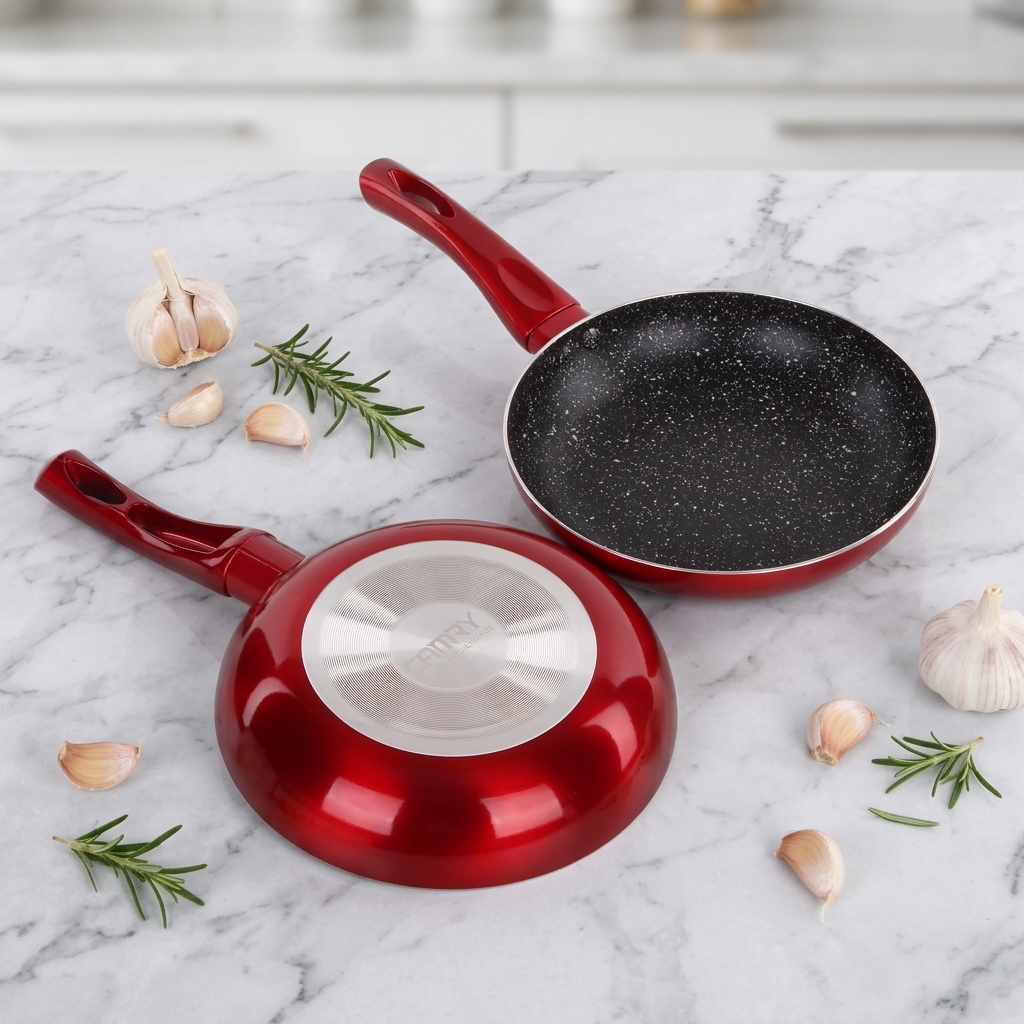
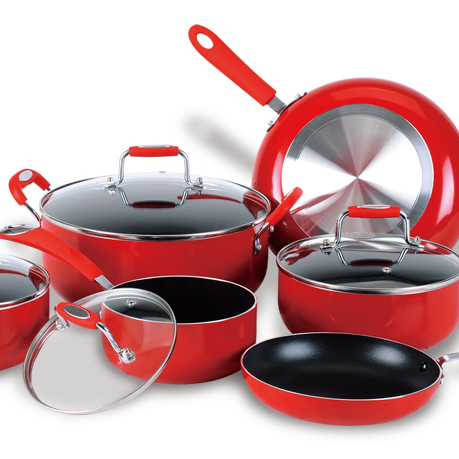
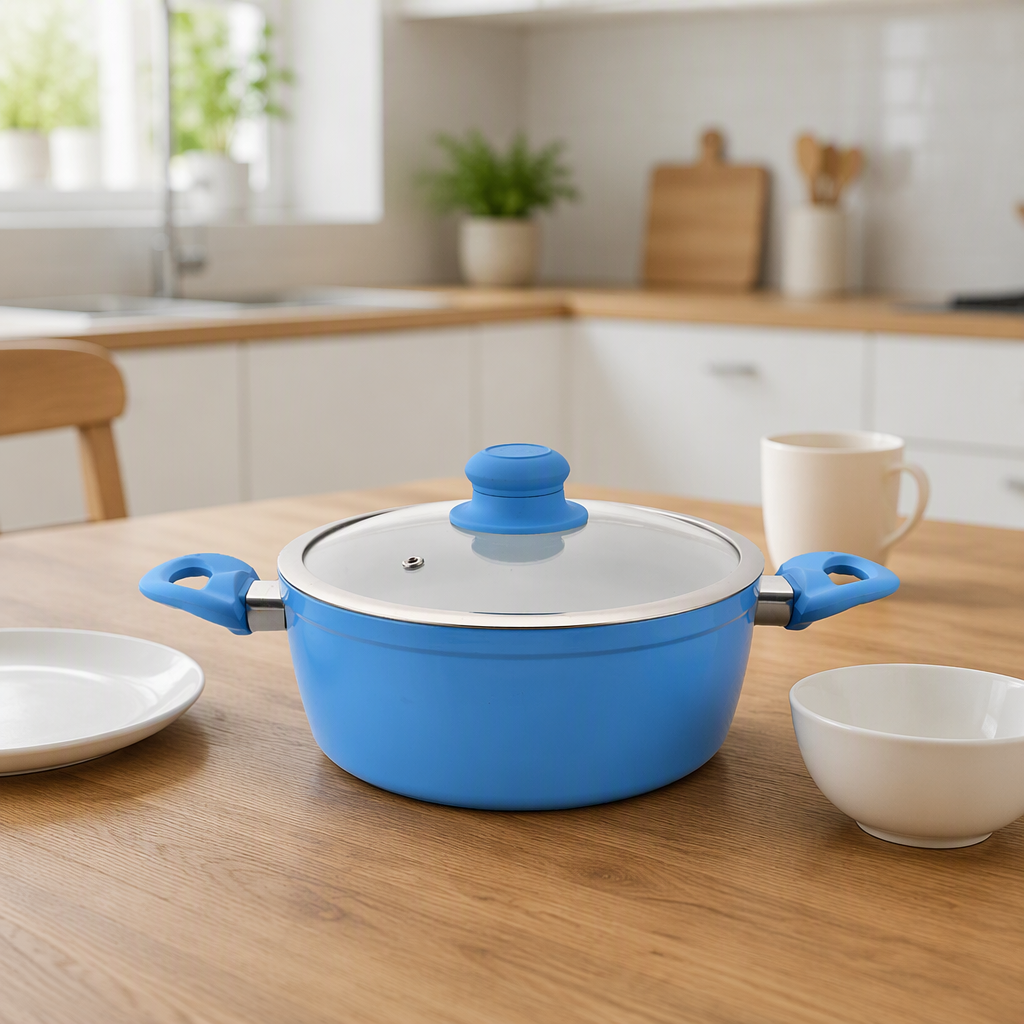
Industrial & Commercial Cookware Supply to Antofagasta: Executive Strategic Report
Analysing structural demand drivers across the Antofagasta Region (II Región de Antofagasta), metallurgical adaptation for coastal/altitude thermal shifts, and factory direct OEM advantages.
As the primary economic engine of northern Chile, the city and port of Antofagasta represent a unique micro-market with specialized demands for industrial and residential kitchenware. Driven by world-scale copper mining enterprises in Sierra Gorda, Escondida, and Calama, alongside a rapidly expanding urban hospitality sector (HORECA) along the Pacific coast, the procurement criteria for casseroles, Dutch ovens, stockpots, and non-stick frying pans extend far beyond aesthetic appeal. Importers, commercial wholesalers, and supermarket catalog procurement managers require strict compliance regarding structural durability, thermal efficiency under variable atmospheric pressures, and resistance to saline atmospheric oxidation.
Zhejiang MEIS Kitchenware Co., Ltd., headquartered in the hardware manufacturing hub of Jinhua, Zhejiang, operates as a specialized original equipment manufacturer (OEM) and original design manufacturer (ODM). Verified on-site by TÜV Rheinland, MEIS integrates heavy-duty hydraulic pressing, precision die-forging, CNC base flattening, surface degreasing, multi-layer ceramic/marble spray-coating, and high-temperature curing under a single automated roof. By eliminating third-party processing intermediaries, MEIS delivers high-margin, laboratory-tested casserole solutions directly to Chilean bulk buyers accessing the Port of Antofagasta and Port of Angamos (Mejillones).
Mining Camp Heavy-Duty Specs
Engineered for high-throughput mess halls and continuous shift catering. Thickened rim construction resists physical impact deformation, while reinforced riveted handles endure high-volume mechanical stress cycles.
Salt-Spray Atmospheric Defense
Antofagasta’s intense coastal salinity rapidly degrades low-grade cookware. MEIS applies high-density multi-layer PTFE/Ceramic barrier coatings and hard-anodized exterior treatments tested via 5% NaCl salt spray chambers.
High-Altitude Thermal Transfer
Cooking at high elevations (2,000 to 4,000 meters above sea level) in inland mining complexes requires rapid heat distribution. Die-forged aluminum bases prevent localized hotspots and minimize boiling time energy costs.
Metallurgical Engineering: Forged Aluminum vs. Carbon Steel for Chilean Gastronomy
Selecting the optimal core material is critical for balancing container weight, thermal diffusivity, and landed unit cost when shipping heavy containers from Ningbo to Antofagasta. Below is an engineering comparison of MEIS core material offerings tailored for South American commercial buyers.
| Evaluation Parameter | Forged Aluminum Casserole | Pressed Aluminum Pan | Heavy-Gauge Carbon Steel Wok/Pot |
|---|---|---|---|
| Thermal Conductivity | High (~237 W/m·K); rapid distribution | Very High; light gauge heats instantly | Moderate (~50 W/m·K); excellent heat retention |
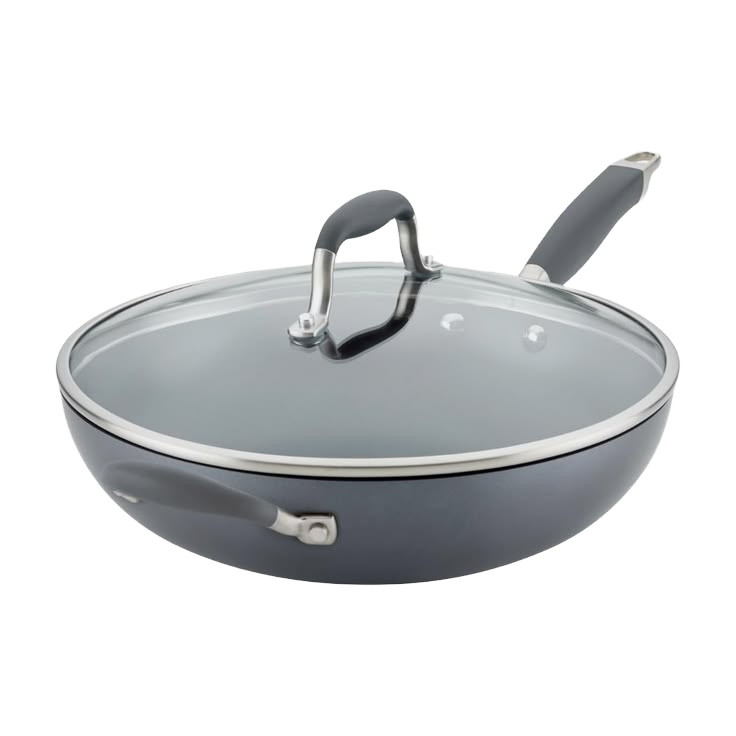
| Base Warp Resistance | Superior (4.5mm - 5.0mm forged base) | Moderate (2.0mm - 3.0mm pressed base) | High (Rigid structural geometry) |
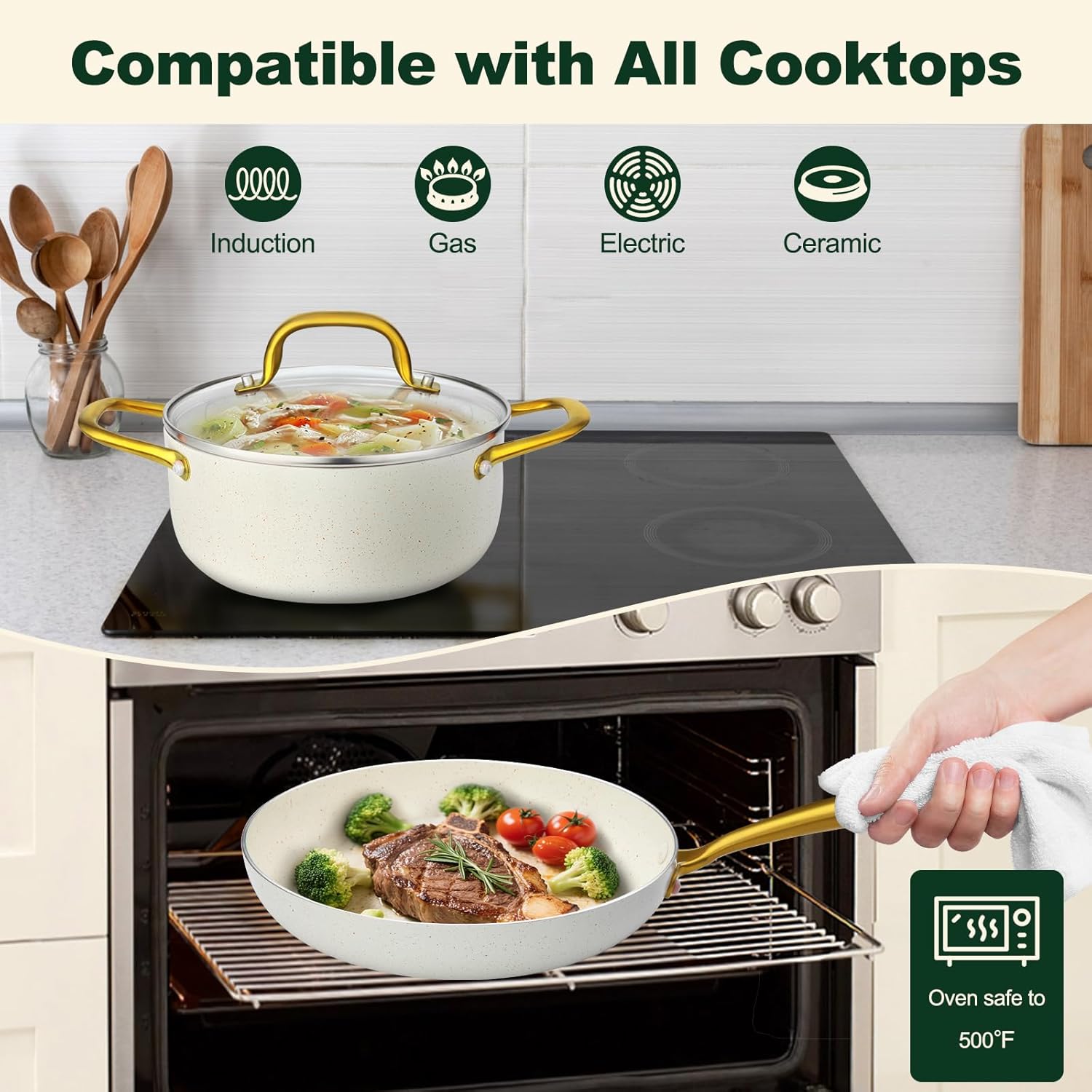
| Induction Efficiency | Requires perforated magnetic SS plate | Requires bonded SS induction disc | Naturally magnetic (100% direct coupling) |
| Coating Compatibility | Granite, Marble, PVD Ceramic, PFOA-Free | Multi-layer PTFE, Basic Non-stick | Nitrided surface, Ceramic coating |
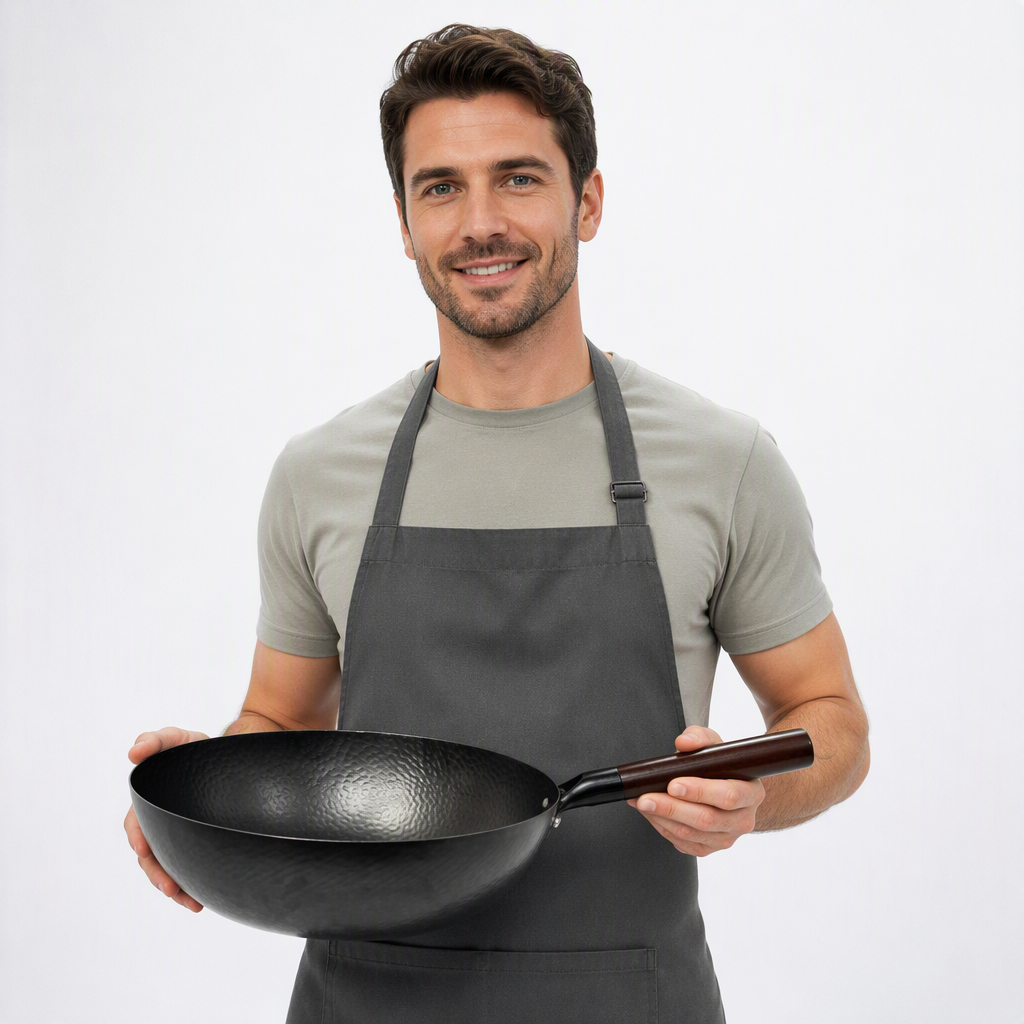
| Target Retail Segment | Mid-to-High Retail, Department Stores | Mass Supermarket Promotions, Value Lines | Commercial Wok/Fry, Industrial Catering |
Custom Thermal Mass Optimization for Traditional Chilean Culinary Applications
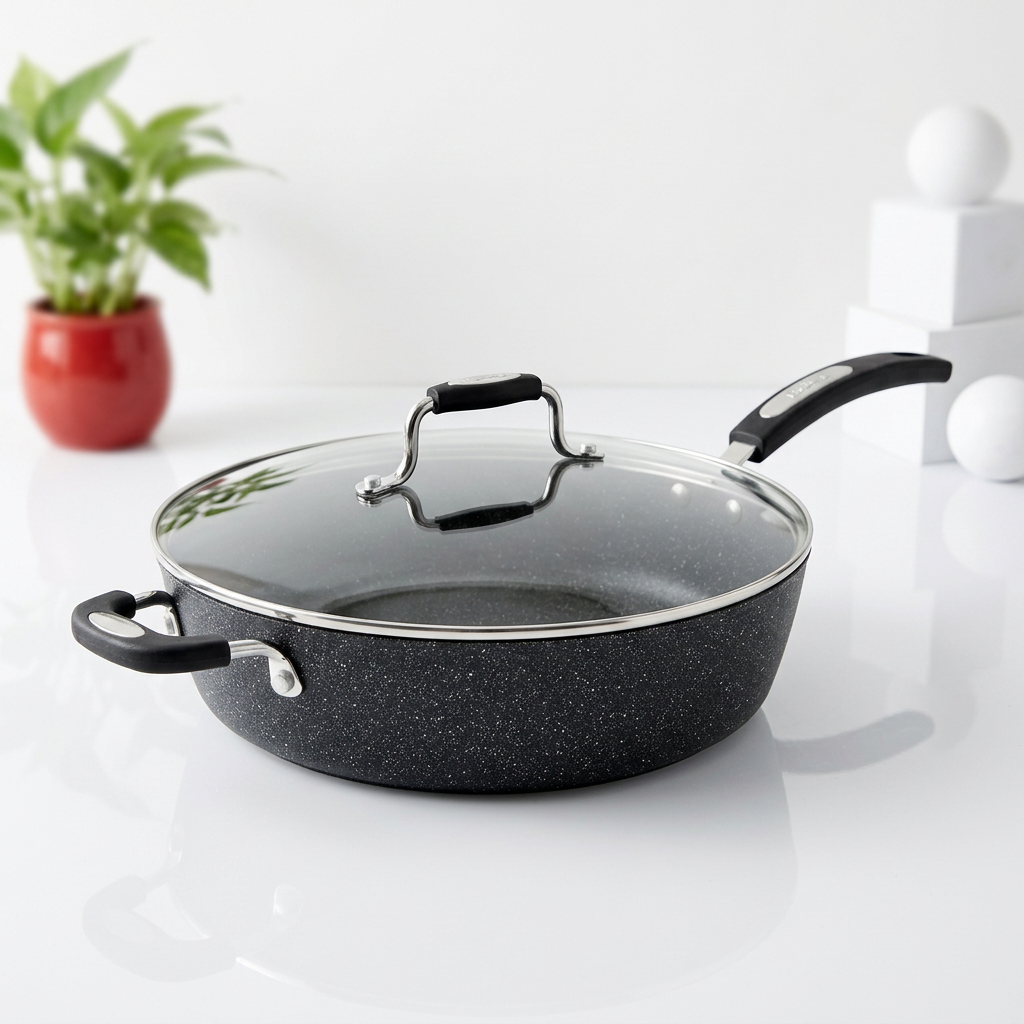
Traditional Northern Chilean cuisine—ranging from slow-simmered Cazuela de Ave and Carbonada to thick seafood stews like Caldillo de Congrio—requires sustained thermal mass and precise temperature modulation. Standard thin-gauge cookware suffers from rapid temperature drops when cold ingredients (such as squash, corn on the cob, or fresh seafood) are introduced into boiling broth. MEIS die-forged aluminum casseroles incorporate an extended wall-to-base gradient, featuring a thick 4.8mm thermal absorption core that tapers smoothly to 2.8mm along the sidewalls. This metallurgical design retains stored calories, reduces liquid evaporation in dry Atacama desert climates, and ensures uniform simmering without burning high-protein ingredients.
Localized Application Scenarios across Antofagasta Province
1. High-Altitude Mining Site Catering (Calama & Sierra Gorda)
Mining operations require cookware that can endure 24/7 dishwashing cycles using hard, mineral-rich desert water. MEIS PVD-reinforced ceramic coatings prevent mineral scale adhesion, reducing cleaning liquid consumption by up to 40% in remote worker camps.
2. Urban High-Density Apartments & Induction Transition
Modern residential developments in central Antofagasta (e.g., sector Costanera Sur and Avenida Angamos) are rapidly phasing out natural gas in favor of clean high-wattage induction cooktops. All MEIS casserole lines feature full-covered impact-bonded induction bases, ensuring zero vibration chatter and 98% magnetic transfer efficiency.
3. Supermarket & Department Store Private Label Retail
For Chilean retail buyers supplying regional chains, MEIS offers comprehensive customized branding solutions. From customized color-matching (Pantone/RAL) of marble-speckle exteriors to custom sleeve boxes, FSC-certified color labels, and laser-etched stainless steel bottom logos, your brand achieves distinct shelf differentiation.
Manufacturing Quality Control & Certified Compliance
Building long-term international supply chains demands uncompromised quality assurance. Zhejiang MEIS Kitchenware Co., Ltd. enforces strict multi-stage testing standards for every batch leaving our Jinhua facilities bound for South American ports.
Mechanical Fatigue Testing
Cookware handles undergo pneumatic cyclic load testing (up to 15,000 vertical lift repetitions with 1.5x maximum capacity weight load) to ensure zero rivet shearing or Bakelite handle failure under commercial stress.
Chemical Non-Toxic Certification
Coatings are formulated without PFOA, PFOS, Lead, or Cadmium. Products comply strictly with international food-contact safety standards including FDA, LFGB, and Chilean SEREMI de Salud import parameters.
Thermal Shock & Adhesion Checks
Randomly selected casseroles are heated to 260°C and plunged directly into 15°C cold water baths. Coating adhesion is verified using cross-hatch tape abrasion testing according to ISO 2409 standards.
Supply Chain Logistics: Ningbo to Puerto Antofagasta Direct Route
Efficient shipping logistics play a crucial role in managing total landed costs for Chilean importers. MEIS leverages its proximity to Ningbo-Zhoushan Port (only 2.5 hours by truck from our Jinhua manufacturing plant) to offer streamlined container consolidation and rapid documentation handling under the China-Chile Free Trade Agreement (TLC Chile-China).
| Shipping Metric | Full Container Load (FCL 40'HQ) | Less than Container Load (LCL) |
|---|---|---|
| Direct Port Destinations | Puerto de Antofagasta / Puerto Angamos (Mejillones) | Valparaíso / San Antonio (Transshipped to Antofagasta via Truck) |
| Average Sea Transit Time | 28 - 34 Days (Direct Transpacific Routes) | 35 - 42 Days |
| Customs Documentation | Form F Certificate of Origin (0% Import Tariff Benefit under TLC) | Form F Certificate of Origin Provided |
| Packaging Standard | Export-Grade 5-Ply Corrugated Cartons, Drop-Test Passed | Palletized & Shrink-Wrapped Protection |
Frequently Asked Questions (FAQ) for Antofagasta Buyers
Addressing common inquiries regarding order terms, material specifications, and customs clearance for Chilean importers.