TÜV Rheinland Verified Manufacturing Lines Supplying Importers, Wholesalers, and Retail Networks Across Mogilev & Eastern Europe.
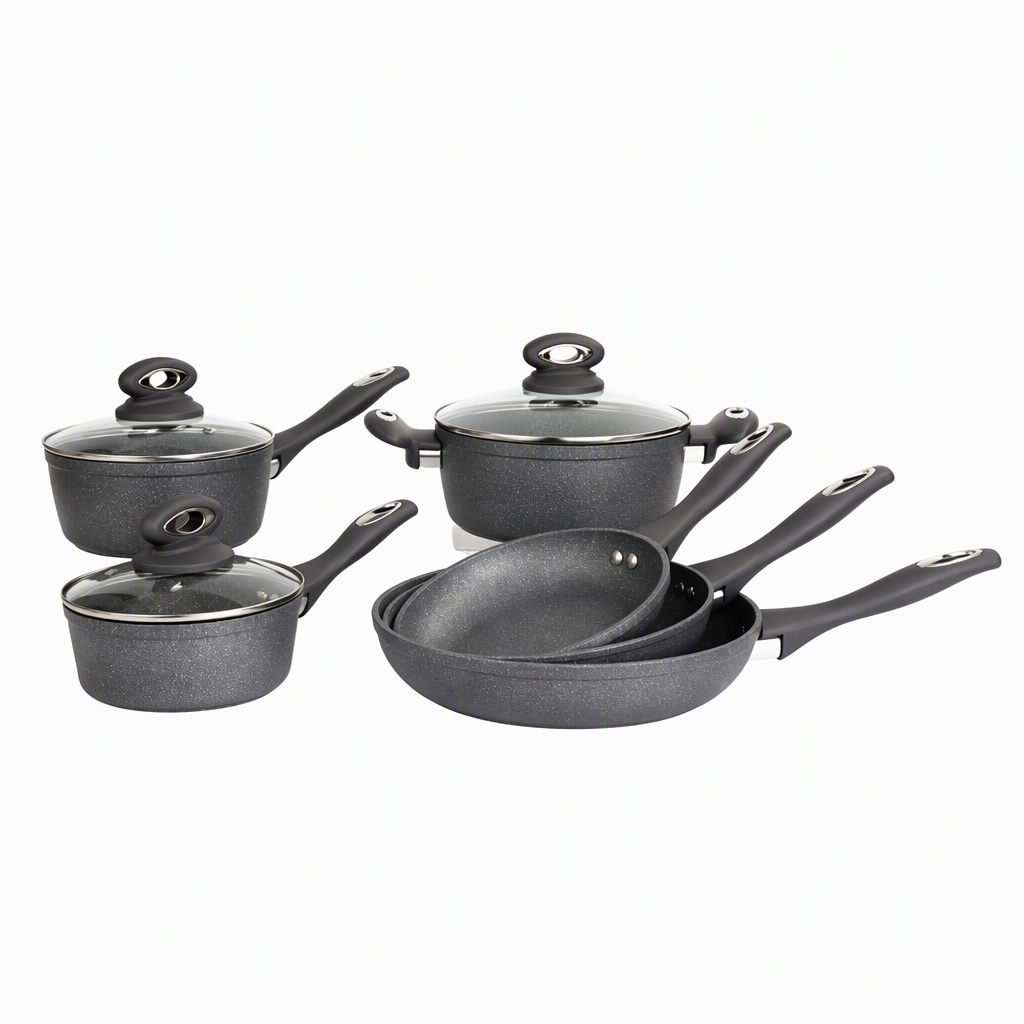
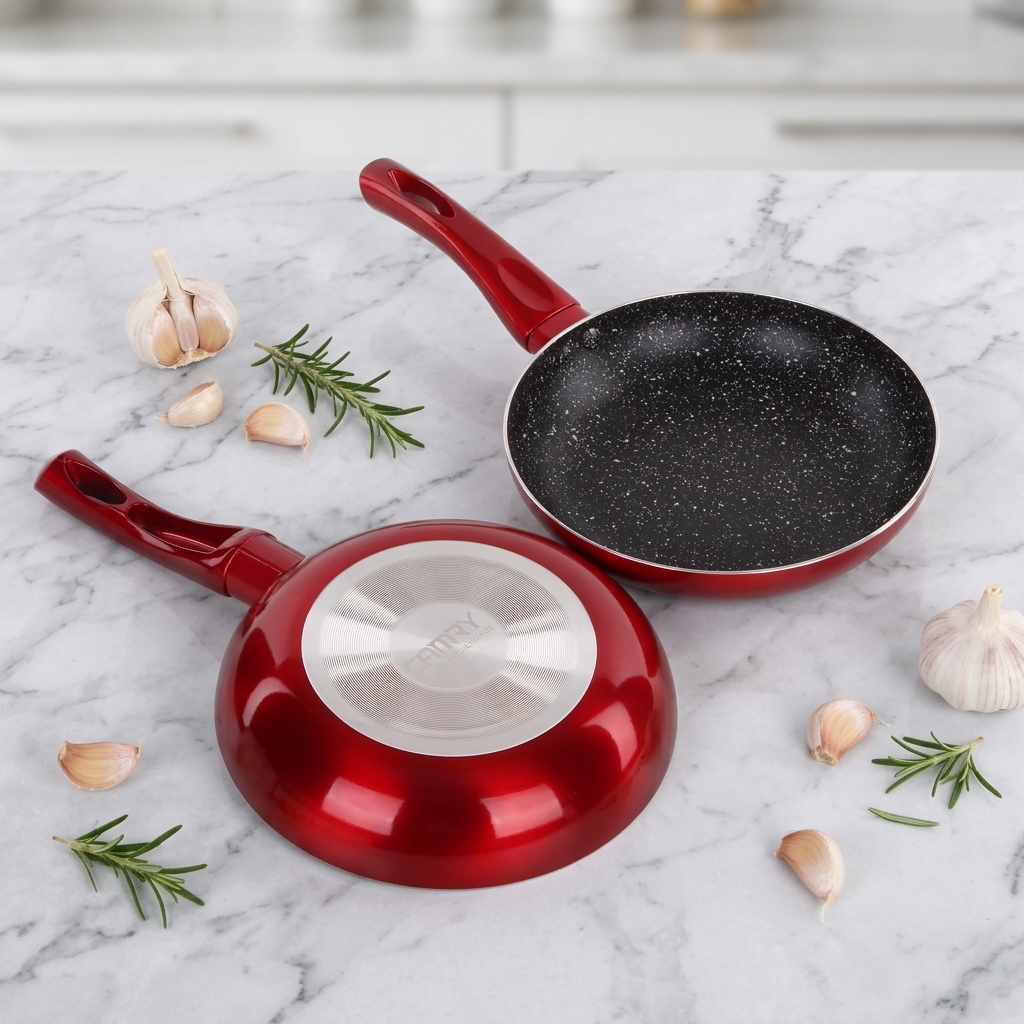
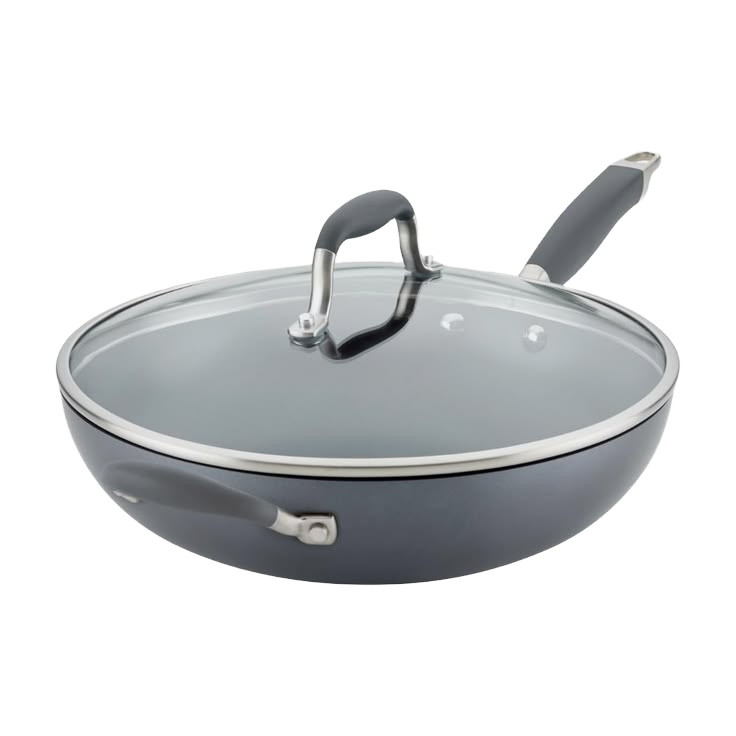
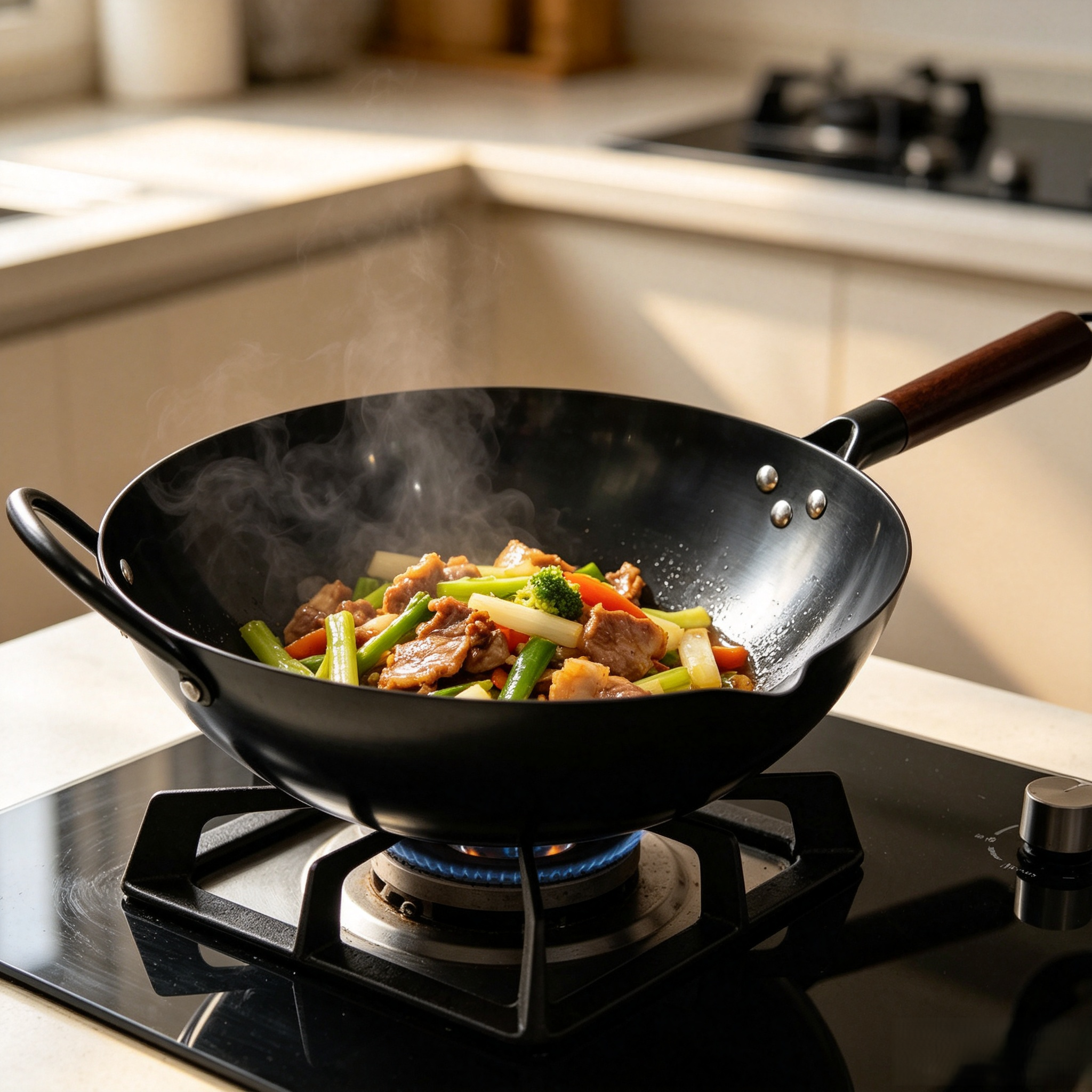
B2B Whitepaper: Navigating Ceramic Casserole Sourcing for Mogilev & Eastern Europe
As the third-largest city in Belarus and a pivotal industrial and commercial transit node in the Mogilev Region, Mogilev represents a highly specialized market for kitchenware importers, wholesale distributors, and departmental retail buyers. Traditional Eastern European culinary habits demand kitchenware capable of handling prolonged simmering, oven-to-table braising, and high-density thermal stews such as Machanka, clay-pot stews (*Shtramki*), and slow-cooked meat casseroles. Historically, traditional unglazed clay or heavy cast-iron casseroles dominated Belarusian kitchens. However, modern consumer shifts toward energy efficiency, dishwasher safety, non-toxic food contact, and lightweight handling have created explosive growth in die-cast forged aluminum ceramic casserole pots.
For procurement officers in Mogilev searching for verified direct-factory sourcing partners in China, evaluating manufacturing capacity requires moving beyond superficial pricing. It demands an engineering-level understanding of ceramic coating adhesion, thermal expansion matching between metal substrates and silica layers, ferromagnetic induction plate bonding, and Eurasian Customs Union (EAC certification) regulatory compliance.
Regional Micro-Climate & Culinary Stress Parameters
In Mogilev, kitchenware undergoes extreme operational stress cycle profiles. Sub-zero winter storage temperatures in unheated residential pantries followed by rapid placement onto high-wattage induction hobs or gas burners create dramatic thermal gradients ($\Delta T > 200^\circ\text{C}$). Inferior pressed cookware or poorly formulated ceramic coatings rapidly micro-fracture under these conditions, leading to blistering, delamination, and warping. Direct OEM manufacturing from top-tier Chinese ceramic casserole factories addresses these regional variables through precise metallurgical engineering and multi-layer inorganic ceramic matrices.
Thermal Shock Immunity
Sol-gel ceramic formulations engineered with linear expansion coefficients matching heavy-gauge 4.5mm die-forged aluminum bases to prevent thermal crazing.
PFOA & PTFE Free Chemistry
Strictly inert inorganic ceramic coatings providing 100% heavy-metal-free, food-grade surfaces compliant with Belarus and Eurasian Economic Union food safety norms.
Ferromagnetic Induction Bases
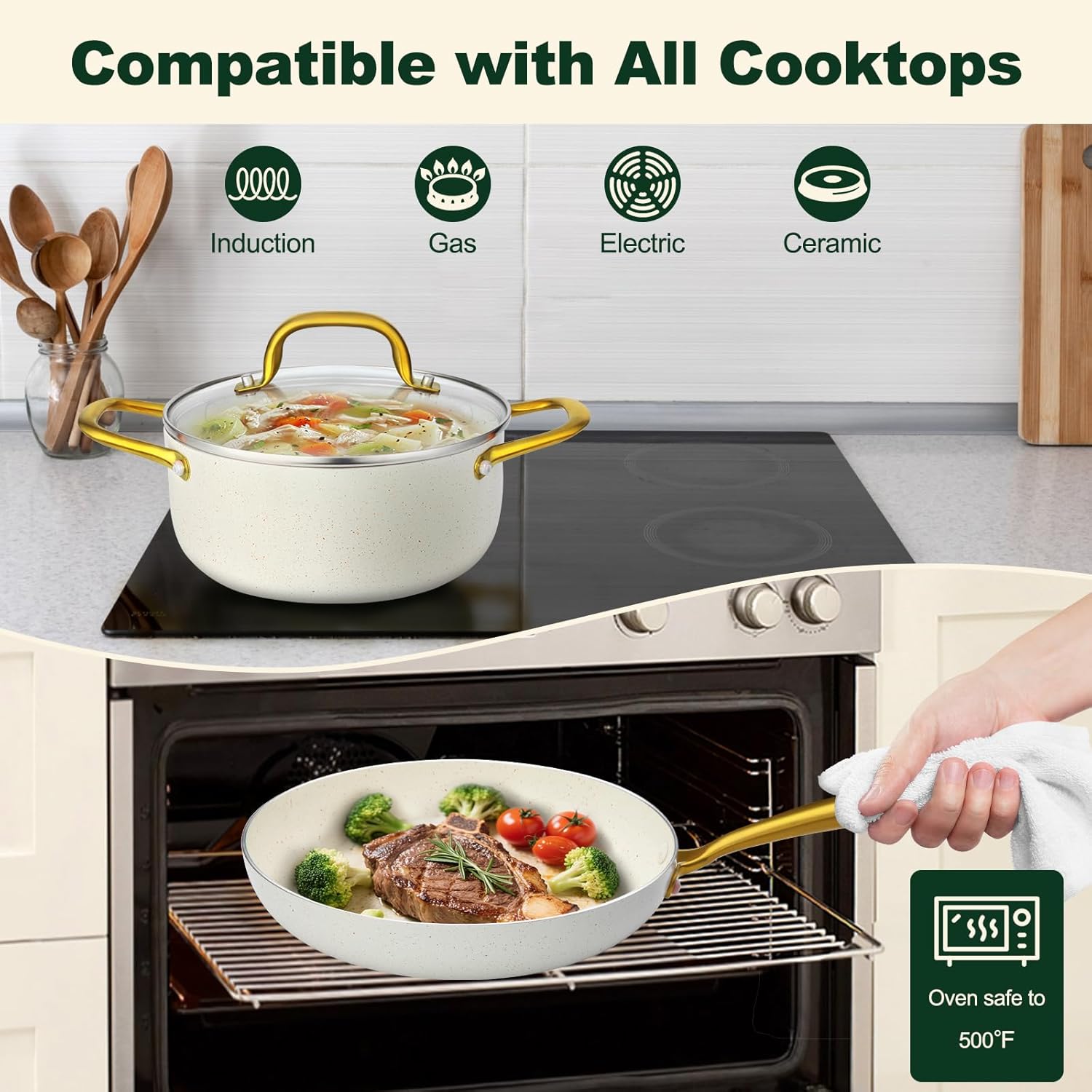
Impact-bonded 0.5mm AISI 430 stainless steel bottom plates ensuring maximum electromagnetic permeability across European induction cooktops.
Metallurgical Architecture: Forged vs. Cast vs. Pressed Aluminum Casseroles
When purchasing ceramic casserole pots at wholesale scale, Mogilev buyers must balance unit FOB cost against long-term consumer satisfaction and warranty return rates. China's leading cookware production hubs in Zhejiang utilize three distinct forming processes:
1. Die-Forged Aluminum Casserole Bodies (Recommended B2B Standard)
Forged aluminum casseroles are manufactured by subjecting heavy aluminum blanks (99.5% pure cookware-grade alloy) to hydraulic pressures exceeding 3,500 tons. This process alters the grain structure of the metal, creating a dense rim (4.0mm - 5.0mm) and base (4.5mm - 6.0mm) while retaining lighter sidewalls (2.5mm - 3.2mm). The resulting casserole structure mimics the heavy heat-sink performance of classic cast iron while weighing 65% less. For Mogilev retail programs seeking mid-to-high-end positioning, forged ceramic casseroles offer the ideal balance of durability, elegant aesthetic wall transitions, and warp resistance.
2. Gravity Die-Cast Aluminum Casseroles
Molten aluminum alloy is poured into precision steel molds. Die-casting allows for complex structural features such as integral cast aluminum side handles, thick thermal retention lids, and deep oval roasting profiles. Cast ceramic casseroles provide supreme structural integrity and oven-safe performance up to 260°C. However, higher raw material mass increases freight weight during railway transit across Eurasia.
3. Stamped / Pressed Aluminum Casseroles
Sheet aluminum is mechanically pressed into shallow casserole shapes. While highly cost-efficient for mass-market promotional sets, thin bases (1.8mm - 2.5mm) are prone to thermal warping on modern high-wattage electric or induction hobs common in urban Mogilev apartments.
| Manufacturing Parameter | Pressed Aluminum | Forged Aluminum (MEIS Standard) | Gravity Die-Cast |
|---|---|---|---|
| Base Thickness Range | 1.8mm – 2.5mm | 4.0mm – 5.5mm | 5.0mm – 8.0mm |
| Thermal Deformation Resistance | Moderate / Low | Exceptional | Maximum |
| Ceramic Adhesion Durability | 15,000 Abrasion Cycles | > 45,000 Abrasion Cycles | > 50,000 Abrasion Cycles |
| Freight Weight Footprint | Ultra Light | Optimized Balance | Heavy |
| Target Retail Segment Mogilev | Discount Chains / Promos | Mid-to-High Retail & E-Commerce | Premium Professional / HoReCa |
Enterprise Advantage: Zhejiang MEIS Kitchenware Co., Ltd.
Located in the Dongnan Industrial Zone, Shuxi Street, Jinhua, Zhejiang, Zhejiang MEIS Kitchenware Co., Ltd. stands as a benchmark manufacturer of nonstick aluminum cookware, ceramic casserole sets, and carbon steel bakeware. Backed by 20 years of continuous manufacturing expertise and over 18 years of direct export operations to international brand owners, MEIS operates fully integrated, in-house production lines assessed on-site by TÜV Rheinland.
Unlike trading intermediaries, MEIS executes every critical quality step under one roof: hydraulic forging, CNC precision base turning, automatic multi-stage degreasing and surface shot-blasting, robotic ceramic spray application, high-temperature tunnel furnace curing, handle torque testing, and final packaging assembly.
Internal Quality Control Matrix
Every production run bound for Mogilev and broader Eurasian markets undergoes stringent quality verification within our in-house testing laboratory:
Salt Spray Corrosion Testing
Exposing finished ceramic surfaces to 5% salt solution atomization for 500+ hours to guarantee exterior rim and rivet corrosion resistance.
Handle Fatigue & Torsion Test
Cyclic mechanical loading of side handles and bakelite knobs exceeding 15,000 lift cycles to prevent structural failure or loosening during use.
Coating Thickness & Cross-Hatch
Dry film thickness (DFT) verification via magnetic induction gauges ensuring 35-45 microns of dual-layer ceramic matrix with Grade 0 cross-hatch adhesion.
Logistics Infrastructure: Direct Export from Jinhua to Mogilev Hubs
Supply chain resilience is vital for Mogilev importers facing evolving Eurasian trade corridors. Shipping ceramic casserole stock from Zhejiang MEIS Kitchenware benefits directly from the nearby Yiwu-Minsk (Kolyadichi) China-Europe Railway Express line. Transit times via direct rail freight average 14 to 18 days, dramatically faster than traditional sea routes via Baltic ports (Riga/Klaipeda) subject to maritime delays.
Regulatory Compliance & EAC Certification
All cookware exported to Belarus must meet the technical regulations of the Eurasian Economic Union (EAEU). Our export division assists Mogilev buyers with complete document sets required for EAC Conformity Declaration, including:
- Food Contact Hygiene Certificates: Heavy metal migration test reports (Lead, Cadmium, Chromium) conducted under LFGB/EU 1935/2004 standards.
- Customs Tariff Classification (HS Code): Accurate classification under HS 7615.10 (Aluminum kitchenware & casseroles) ensuring smooth customs tariff clearance.
- Multi-Lingual Packaging OEM: Custom printing of Belarusian and Russian text, EAN-13 barcodes, and EAC logo marking directly on master cartons and retail gift boxes.
Procurement FAQ: Sourcing Ceramic Casseroles for Mogilev
Start Your Direct Factory Sourcing Project
Partner with Zhejiang MEIS Kitchenware Co., Ltd. for verified ceramic casserole production, competitive OEM pricing, and seamless railway delivery to Mogilev.