Featured Ceramic & Nonstick Cookware Selections
Direct OEM/ODM catalog selections manufactured by Zhejiang MEIS Kitchenware Co., Ltd., engineered for high-altitude flame durability and heavy commercial distribution.
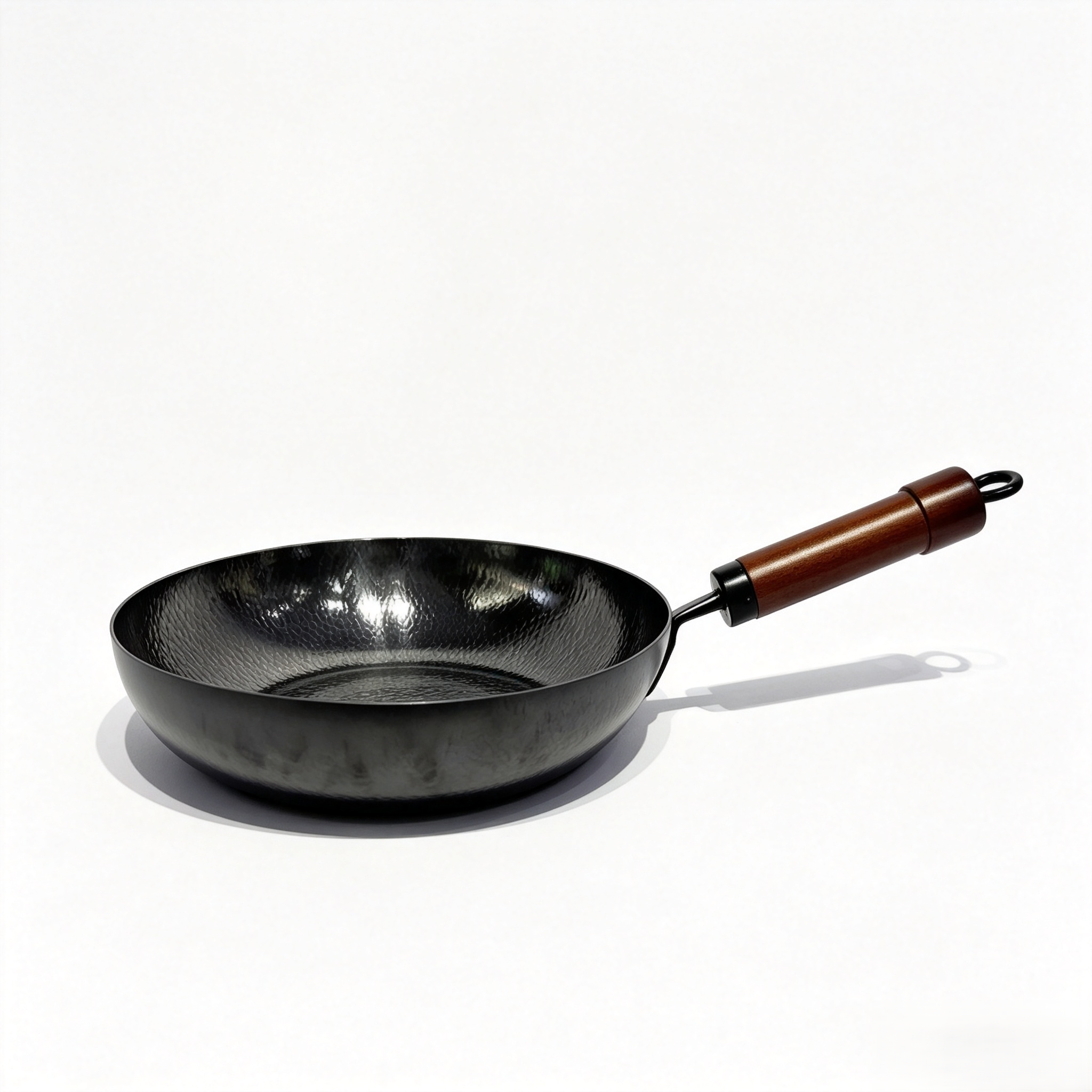
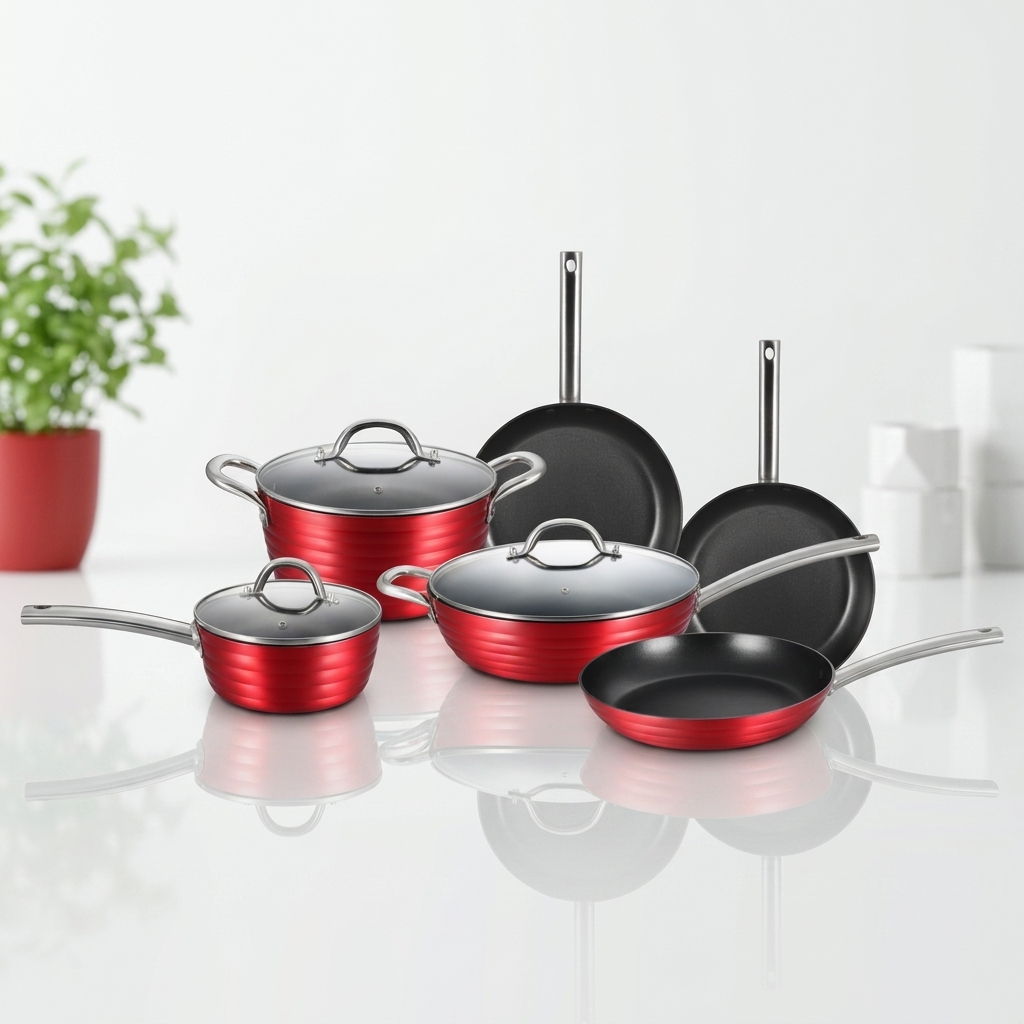
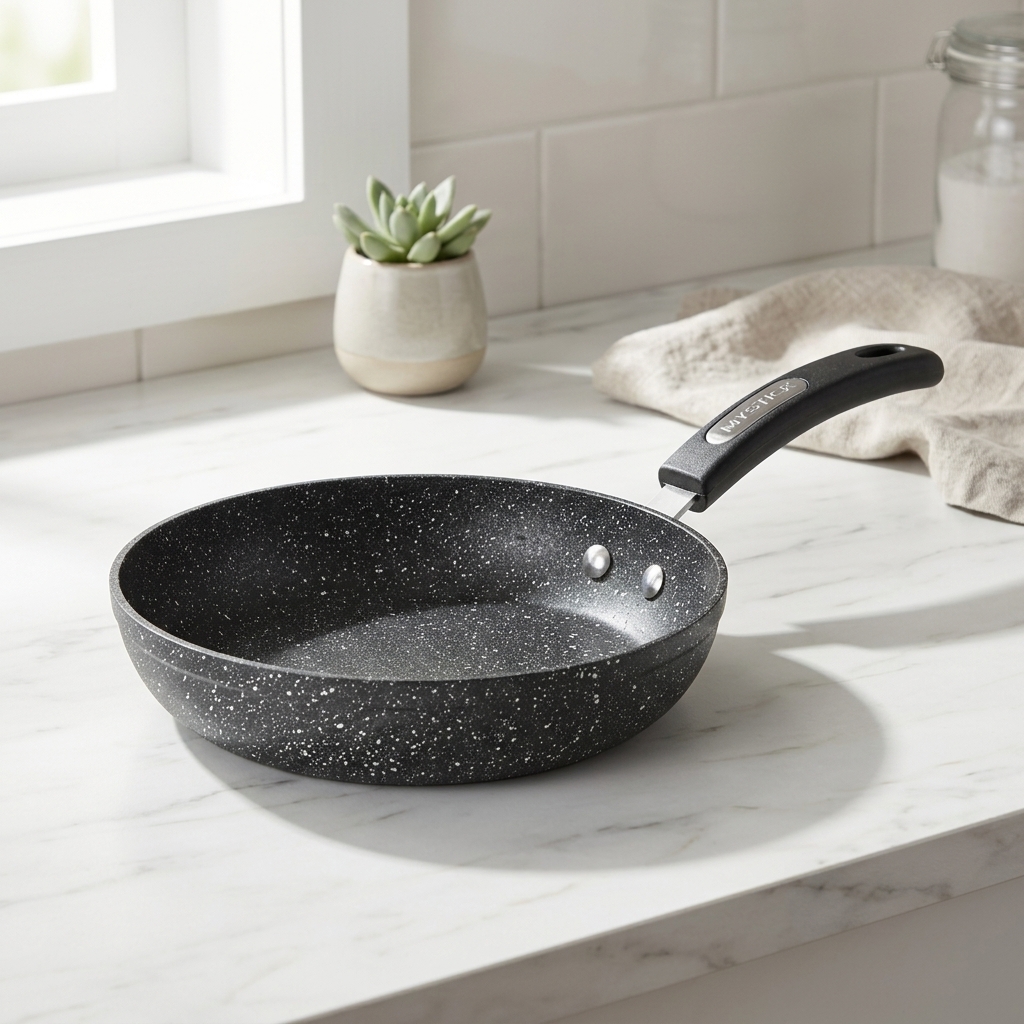
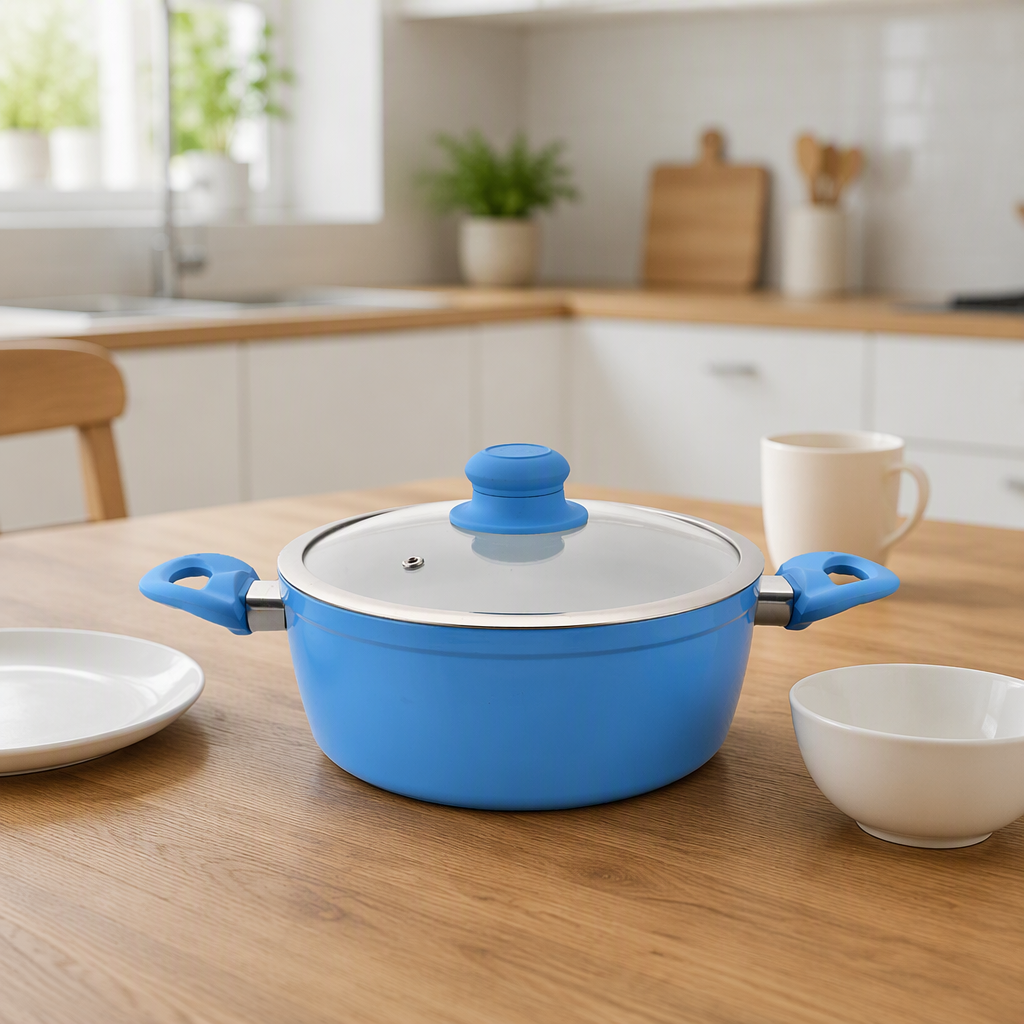
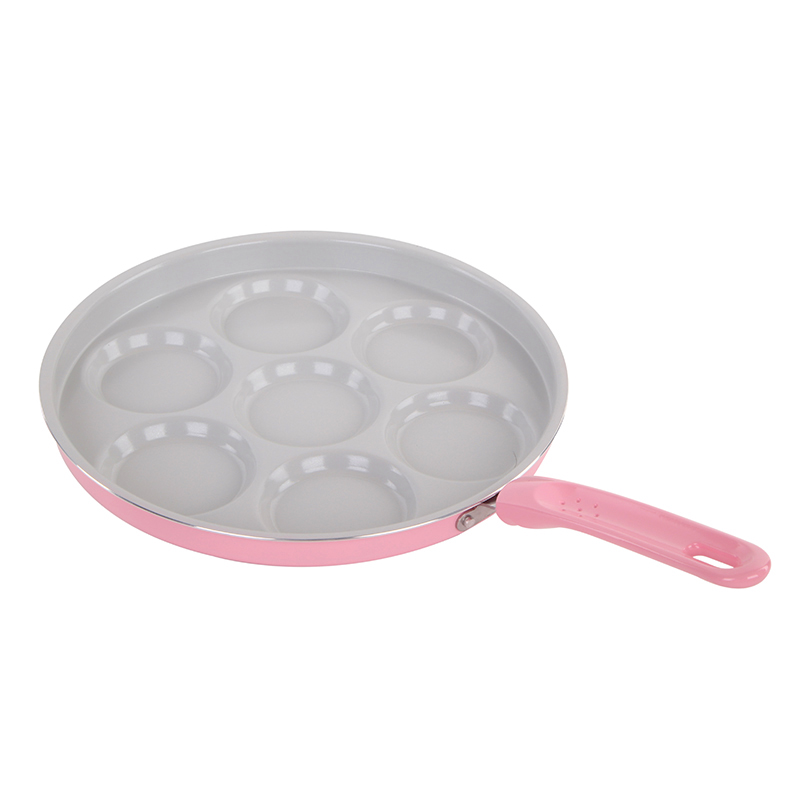
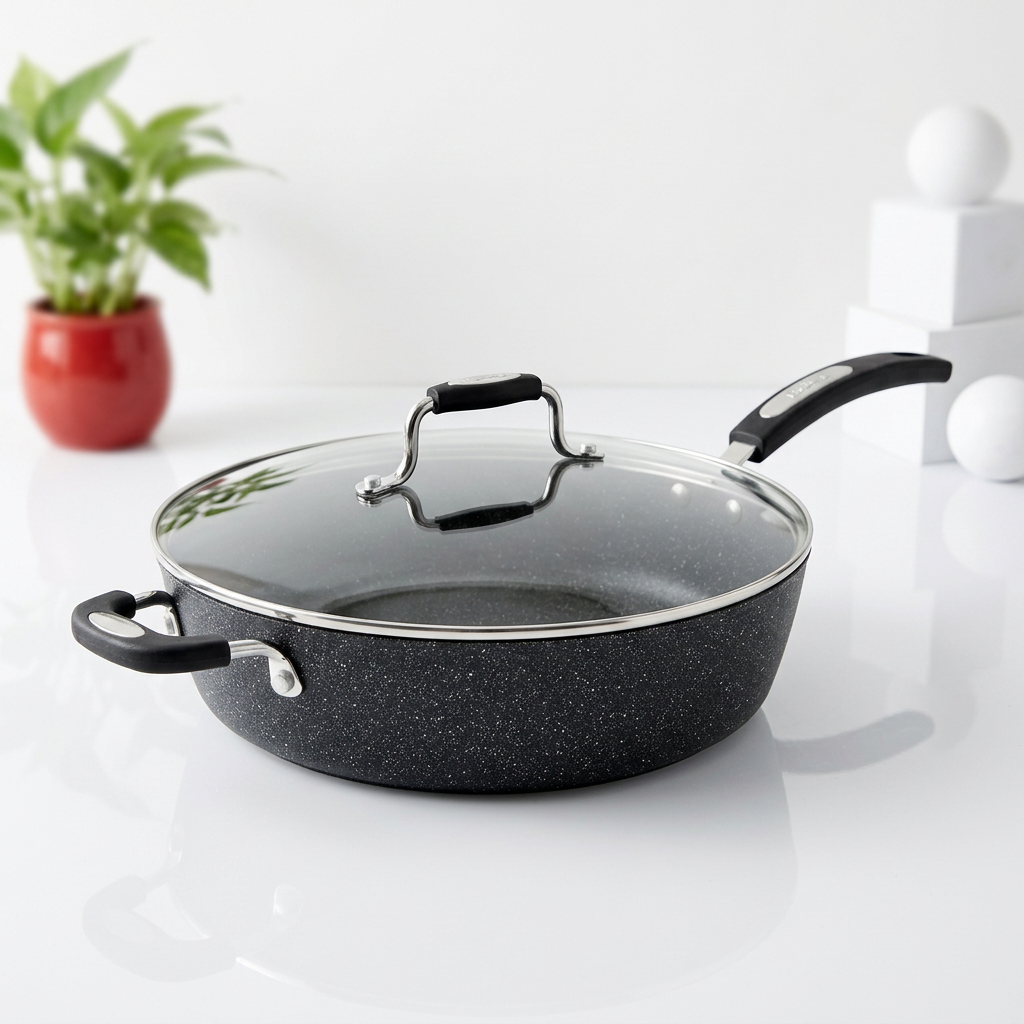
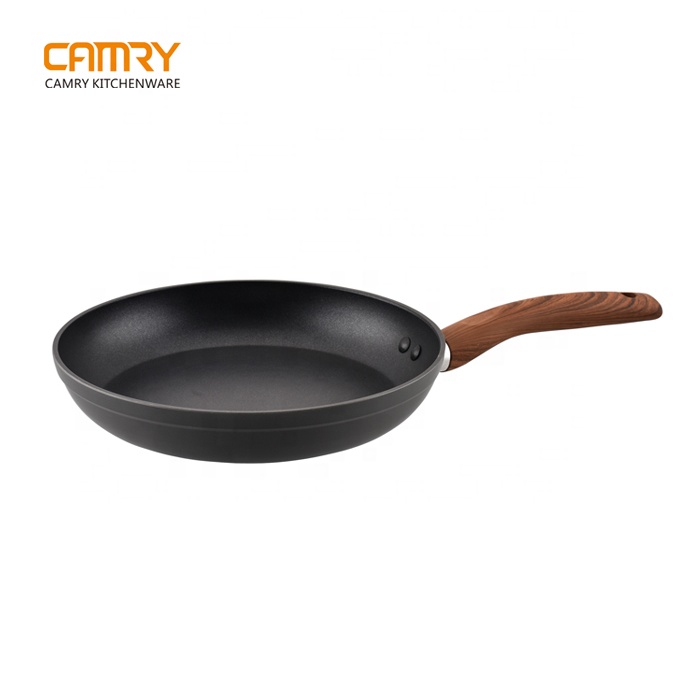
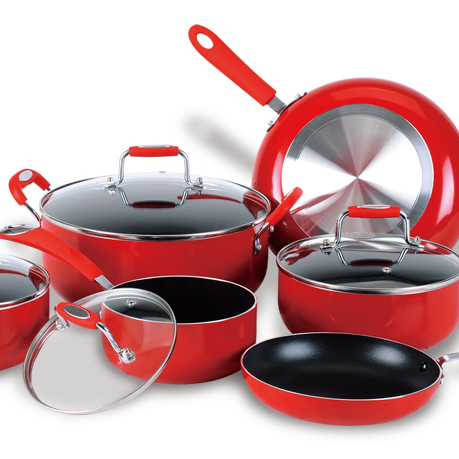
1. Executive Sourcing Brief: Sourcing Chinese Ceramic Cookware for Bolivia
Navigating the global cookware supply chain requires balancing manufacturing efficiency, structural durability, and local consumer cooking habits. For Bolivian commercial importers, department store buyers, and private-label kitchenware brands, sourcing ceramic-coated frying pans directly from Chinese factories provides an unmatched competitive advantage. As a manufacturing powerhouse based in Jinhua, Zhejiang, Zhejiang MEIS Kitchenware Co., Ltd. offers over 20 years of OEM and ODM engineering expertise tailored specifically to Latin American market dynamics.
Bolivia presents a unique trade landscape. Distinct geographic conditions—ranging from high-altitude urban centers like La Paz and El Alto (over 3,600 meters above sea level) to the humid tropical lowlands of Santa Cruz de la Sierra—place distinct demands on cookware substrate materials and coating thermal properties. Traditional Teflon (PTFE) cookware often suffers from thermal degradation and surface blistering under high LP gas flame intensity common in Bolivian domestic kitchens. In contrast, modern inorganic silica-based ceramic nonstick coatings synthesized through sol-gel technology withstand extreme heat up to 450°C (840°F) without emitting harmful chemical vapors, off-gassing, or degrading.
This whitepaper outlines the structural, financial, and logistical framework required to import premium Chinese ceramic cookware into Bolivia. By assessing thermal expansion coefficients, heavy-gauge forged aluminum substrates, and optimized logistics via Pacific ports into Arica/Iquique and across the Bolivian customs territory, commercial buyers can build high-margin retail programs while ensuring compliance with IBNORCA standards and food-safety regulations.
2. Geographic & Culinary Engineering: Why Bolivia Requires Reinforced Ceramic Pans
High-altitude physics, concentrated LP gas heat outputs, and traditional Bolivian culinary techniques demand specialized cookware engineering.
High-Altitude Thermodynamics (3,600m+)
At high altitudes in La Paz, Cochabamba, and El Alto, atmospheric pressure drops significantly, lowering water's boiling point to roughly 87°C–89°C. Consequently, pan-frying and searing rely much more heavily on conduction heat transfer rather than simmering liquids.
In low-quality stamped pans, uneven heat causes localized hotspots, destroying conventional soft nonstick coatings. MEIS utilizes 3.0mm to 4.5mm die-forged aluminum bodies featuring reinforced rim geometries and high-density metal distribution. This heavy gauge acts as a thermal flywheel, maintaining uniform heat across the cooking surface even under the variable flame output of high-altitude gas burners.
Bolivian Culinary Compatibility
Traditional Bolivian recipes demand robust sear capabilities and oil-efficient frying surfaces:
- Silpancho Cochabambino: Deeply pounded, breaded beef steaks require a wide, flat cooking base with uniform oil redistribution to achieve a crisp crust without sticking.
- Majadito Santa Cruz: Stir-fried rice sautéed with charque (cured beef) requires smooth nonstick release to prevent starch caramelization from burning on the pan base.
- Anticuchos & Pique Macho: Quick high-heat stir-frying demands thermal resilience up to 350°C, well beyond the safe thermal envelope of cheap plastic-based pans.
3. Technical Material Comparison Matrix
Assessing structural performance parameters across cookware substrates for Bolivian commercial supply chains.
| Manufacturing Property | Pressed Aluminum (1.8 - 2.5mm) | MEIS Forged Aluminum (3.5 - 4.5mm) | Carbon Steel (Camry Series) |
|---|---|---|---|
| Thermal Retention & Distribution | Fast heat-up, lower heat retention | Exceptional heat distribution & retention | High thermal density, ideal for searing |
| Warp Resistance under LP Gas | Moderate (Risk under intense flames) | Maximum (Structural bottom ribs) | High structural rigidity |
| Coating System Options | PTFE 2-Layer / Standard Ceramic | Sol-Gel Ceramic / Granite / Marble | Nitrided Eco-Steel / PTFE-Free Ceramic |
| Induction Compatibility | Stamped Stainless Base Plate | Hole-to-Hole Full Induction Base | Naturally Magnetic Base |
| Target Bolivian Retail Channel | Volume Supermarkets / Open Markets | Mid-to-High Retail / Boutique Stores | Professional Kitchens & Enthusiasts |
4. Bolivian Cookware Market Dynamics & Consumer Trends
The Bolivian housewares sector is undergoing a massive shift in consumer buying behavior. Historically dominated by basic uncoated aluminum pots and high-maintenance cast iron, urban consumers in Santa Cruz de la Sierra, La Paz, and Cochabamba are increasingly prioritizing food safety, low-oil cooking, and modern aesthetics.
Key market drivers transforming retail inventory demands across Bolivia include:
Health Awareness (Zero PFAS)
Growing awareness surrounding PFOA and heavy metal toxicity in cooking tools has created strong consumer demand for 100% lead-free, cadmium-free ceramic cookware lines in Bolivian retail centers.
Aesthetic Evolution
Modern Bolivian households favor warm earth tones, matte grey granite finishes, pastel green ceramic coatings, and soft-touch wood-look Bakelite handles over industrial silver aluminum finishes.
Multi-Stovetop Utility
While bottled LP gas remains the dominant fuel source across Bolivia, new urban residential developments in Santa Cruz and La Paz are incorporating glass electric and ceramic induction cooktops, requiring universal base compatibility.
5. Enterprise Advantages & Manufacturing Excellence
Why Zhejiang MEIS Kitchenware Co., Ltd. is the leading China manufacturing partner for global buyers.
TÜV Rheinland Audited
Our production campus in Dongnan Industrial Zone, Jinhua, Zhejiang, is independently assessed on-site by TÜV Rheinland. Importers gain full transparency regarding operational capacity, environmental management systems, and worker safety protocols.
In-House Tooling & Precision CNC
From initial 3D rendering to mold making, lathe turning, high-pressure hydraulic forging, and automatic spray lines, MEIS controls every critical manufacturing process under one roof to maintain tight quality standards.
Rigorous Quality Assurance Testing
Every batch of cookware undergoes comprehensive physical and mechanical testing in our internal laboratory before release, ensuring long term durability in consumer kitchens.
Complete Quality Assurance Protocols at MEIS Lab
To ensure zero defect rates upon delivery at foreign ports, MEIS performs strict mechanical and chemical stress testing on every production lot:
- Cross-Hatch Adhesion Test: Coating layer grid scoring to verify inter-layer chemical bonding strength before and after boiling water immersion.
- Salt Spray Corrosion Resistance: Continuous 5% neutral salt spray chamber exposure verifying edge corrosion immunity for coastal or high-humidity regions.
- Handle Mechanical Thrust & Torsion: Applied load testing on handle rivets and spot welds to prevent structural fatigue or loosening over years of frequent use.
- Thermal Shock Cycling: Repeated oven heating up to 250°C followed by immediate cold water quenching to verify ceramic matrix crack resistance.
- Base Flatness Tolerance: Precision laser gauging ensures base concavity remains under 0.5% during high-heat expansion, eliminating wobbling on flat stoves.
- Abrasive Pad Abrasion Resistance: Reciprocating pad testing under standardized weight loads verifying long ceramic coating service life.
6. Bolivia Import Logistics & Supply Chain Playbook
Optimizing sea freight routes, customs clearance, and packaging density from China to landlocked Bolivia.
Transit Ports & Routes
Because Bolivia is landlocked, sea shipments originate from Ningbo-Zhoushan Port or Shanghai Port, transiting the Pacific toward Chilean entry ports: Port of Arica or Port of Iquique. From there, cargo crosses into Bolivia via overland trucking through border posts at Tambo Quemado or Pisiga to final warehouses in La Paz, Cochabamba, or Santa Cruz.
Container Nesting Density
Sea freight rates are calculated based on volume (CBM). MEIS optimizes shipment economics by providing Knock-Down (KD) handle assembly options, nested pan body stacking, and custom bulk master carton configurations that increase container loading density by up to 35% compared to pre-assembled retail boxes.
Customs & Documentation
MEIS provides all necessary import documentation required by Aduana Nacional de Bolivia (ANB), including detailed Commercial Invoices, Packing Lists, Bills of Lading (B/L), Certificates of Origin (Form A), and material food safety compliance certificates (FDA, LFGB) for seamless clearance.
7. Frequently Asked Questions for Bolivian Importers
Direct answers to common commercial, technical, and trade questions raised by B2B buyers.
Why choose ceramic nonstick frying pans over traditional Teflon (PTFE) for the Bolivian market?
Ceramic coatings are synthesized using natural, inorganic silica sol-gel technology, rendering them completely free from PFOA, PTFE, PFAS, lead, and cadmium. In Bolivian domestic kitchens where high LP gas flames are used to cook quickly at high altitudes, traditional Teflon pans can overheat and decompose, releasing toxic fumes and peeling prematurely. Ceramic coatings safely withstand high cooking temperatures up to 450°C (840°F), retaining structural coating integrity and providing superior long-term performance.
What is the Minimum Order Quantity (MOQ) for custom OEM orders bound for Bolivia?
Standard OEM custom orders (including custom color coatings, customized logo laser etching, and branded packaging boxes) typically require an MOQ of 1,000 to 1,500 pieces per pan size or 1,000 sets for complete cookware collections. For trial orders, select hot-selling standardized stock items can be sourced starting from 500 units to allow market validation across Bolivian retail networks.
How do high-altitude conditions in La Paz affect cookware selection?
High altitude drops atmospheric pressure, lowering the boiling point of liquid to around 88°C and requiring higher flame outputs to achieve proper frying temperatures. Thin stamped pans warp under these uneven heat gradients. We strongly recommend heavy-gauge forged aluminum pans (3.0mm to 4.5mm base thickness) with reinforced induction bases. The increased mass absorbs heat evenly, prevents bottom distortion, and eliminates thermal cold spots during cooking.
Can MEIS customize color finishes and handle designs to suit local Bolivian market trends?
Yes. Zhejiang MEIS offers end-to-end ODM and OEM minor and full customization services. Importers can select custom Pantone color matches for ceramic exterior walls (such as terracotta, sage green, matte black, or cream), select soft-touch wood-grain Bakelite or cast stainless steel handles, and request custom retail packaging designs tailored for Latin American retail presentation.
What is the typical production and shipping lead time from Zhejiang, China to Bolivia?
Mass production typically takes 30 to 45 days following artwork approval and deposit receipt. Ocean transit from Ningbo/Shanghai port to the port of Arica or Iquique (Chile) takes roughly 30 to 35 days, followed by 3 to 7 days for overland transit and border customs clearance into major Bolivian cities (La Paz, Santa Cruz, Cochabamba). Buyers are advised to plan inventory cycles with a total lead time of 75 to 90 days.
How does Zhejiang MEIS guarantee coating non-toxicity and food contact safety?
All raw ceramic and nonstick coating formulations applied at our factory are rigorously tested and certified for international food contact safety standards, including FDA (USA), LFGB (Germany), and DGCCRF (France) compliance. Test reports verifying zero PFOA, zero heavy metals, and zero chemical off-gassing are provided with shipping documentation.
Expand Your Cookware Line with China's Premier OEM/ODM Manufacturer
Partner with Zhejiang MEIS Kitchenware Co., Ltd. for factory-direct wholesale pricing, certified quality, and reliable export supply chains engineered for Bolivia.
Get Catalog