20+
Years Industry Engineering
105
TÜV On-Site Verified Staff
100%
PFOA & PTFE Free Sol-Gel
15-22
Days Ensenada Port Landed Freight
Direct Factory Catalog
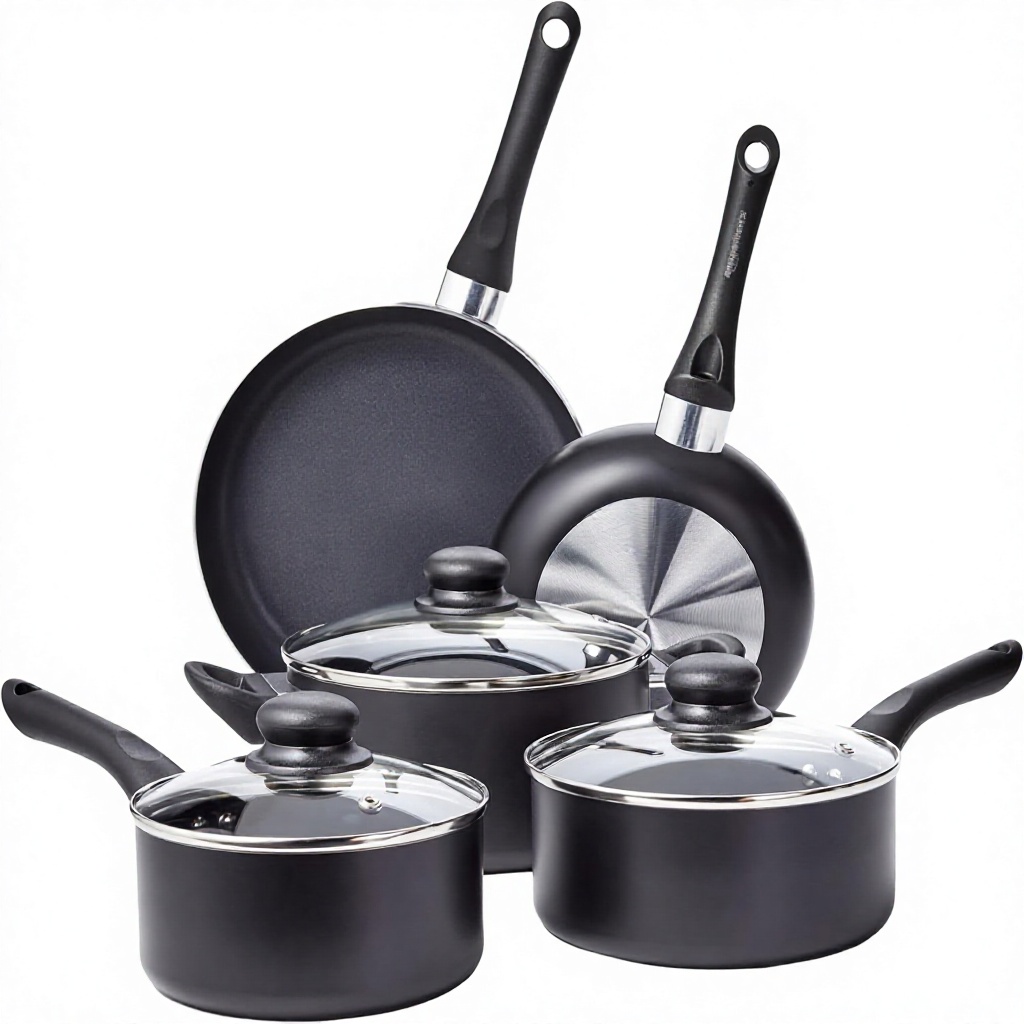
Featured Commercial & Retail Ceramic Non-Stick Skillets
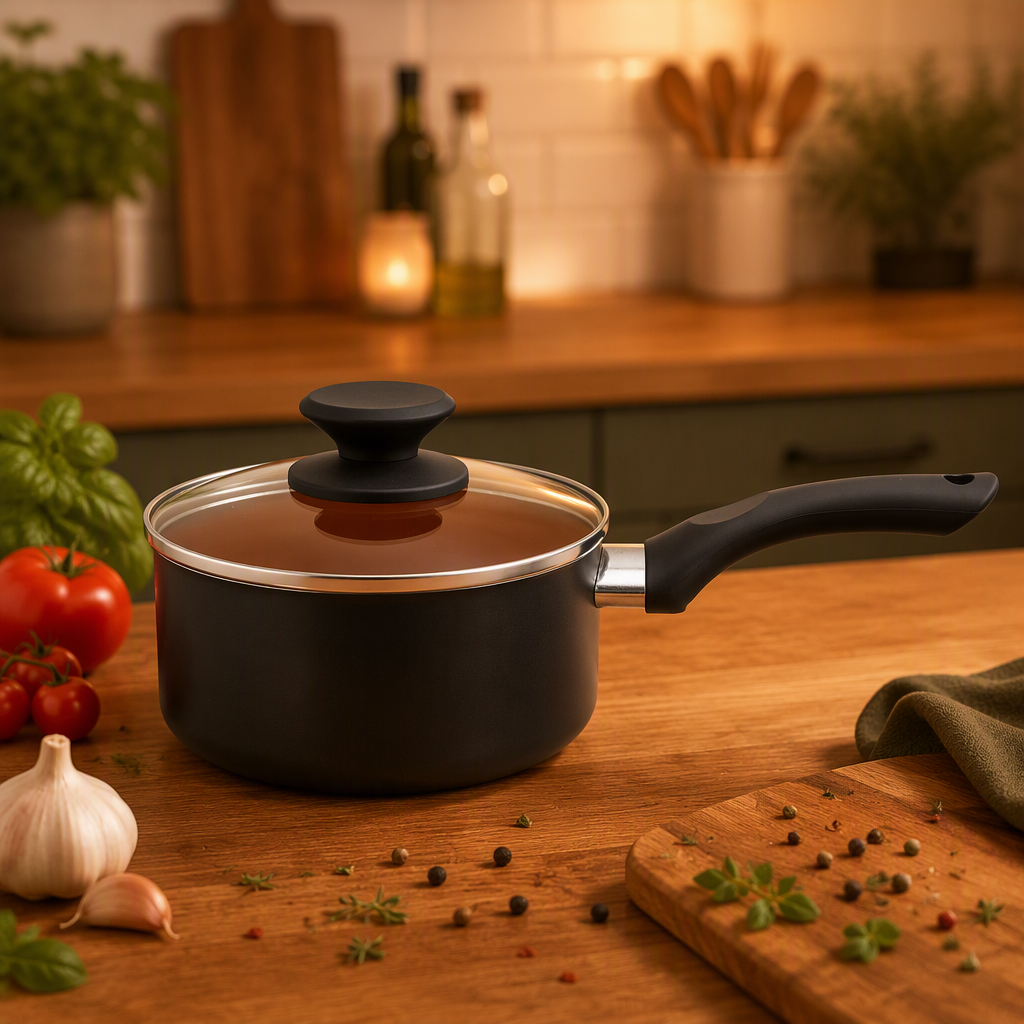
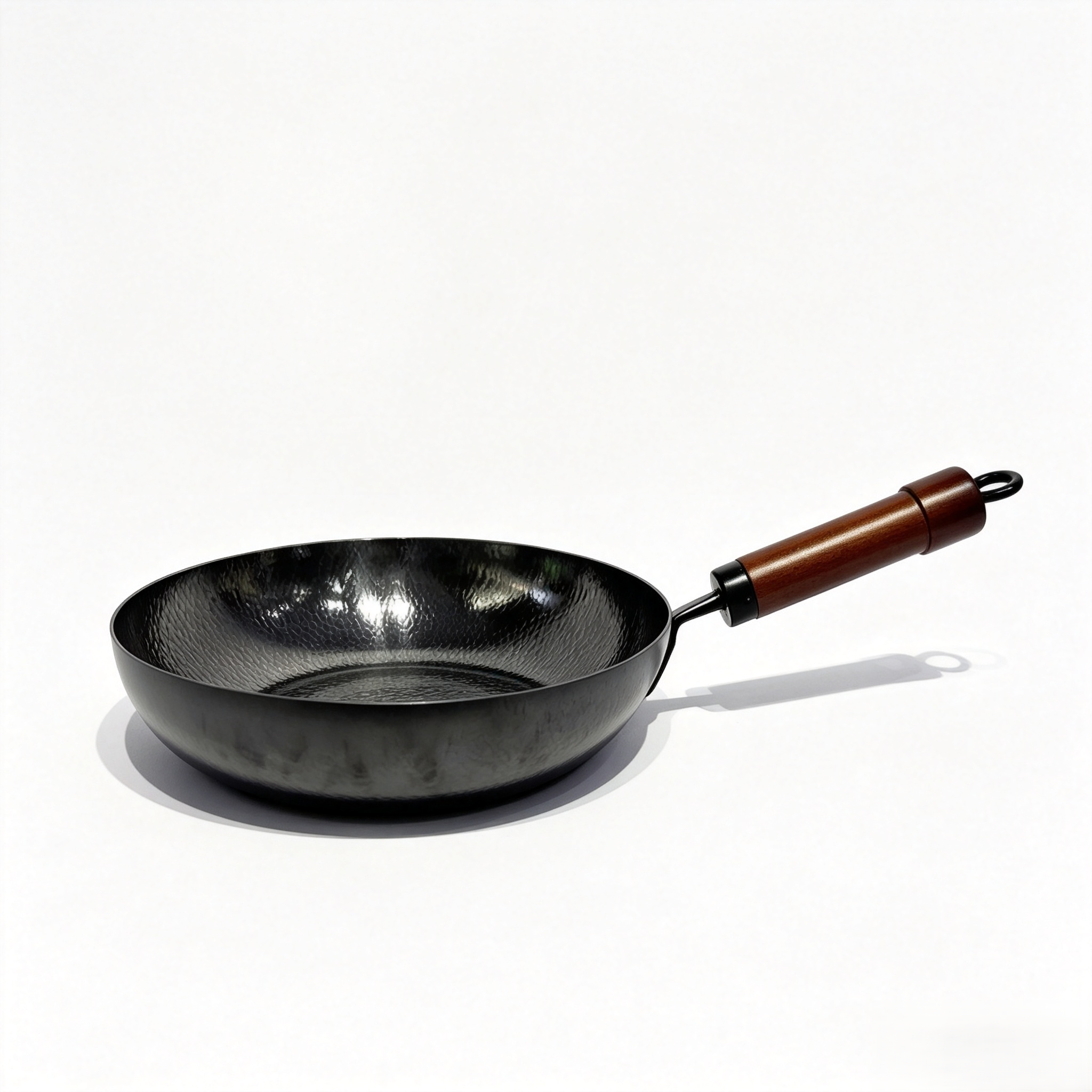
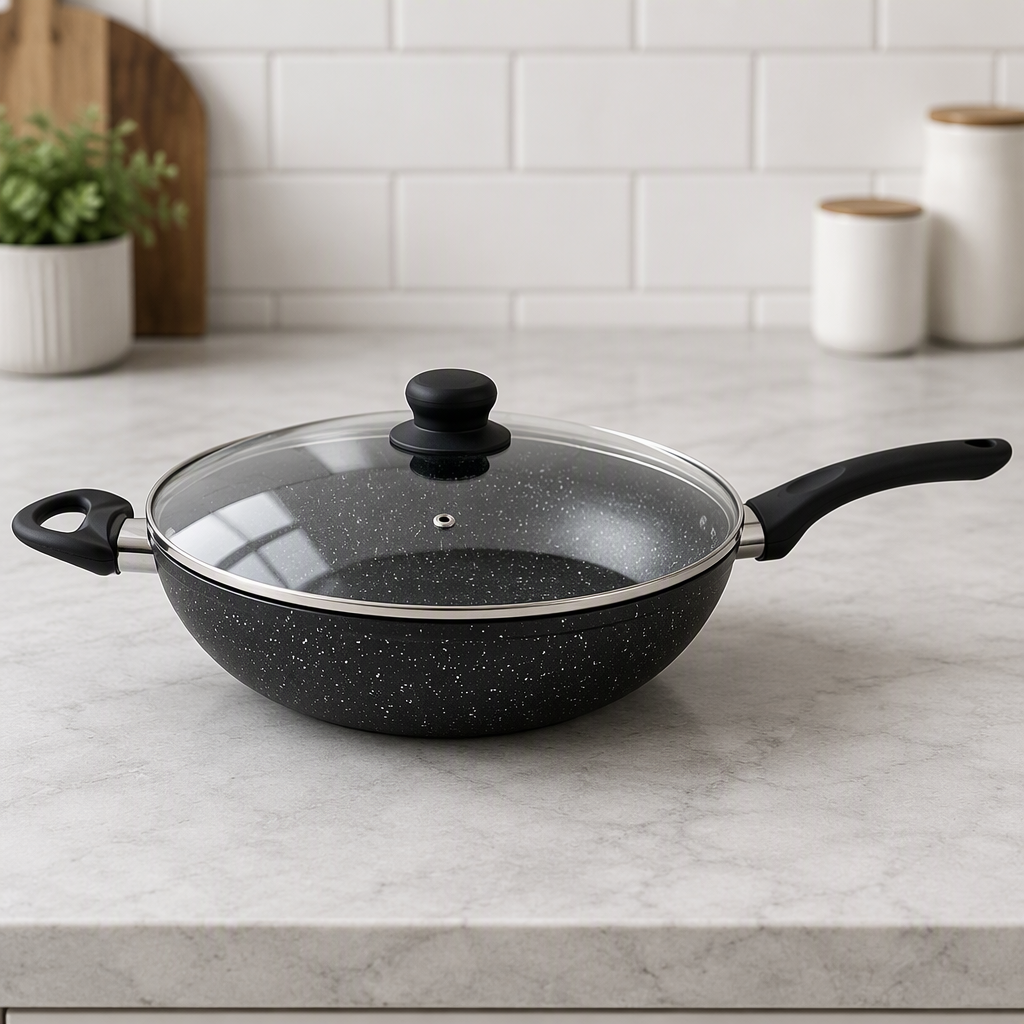
Precision-engineered in Jinhua, Zhejiang, our high-performance pressed aluminum, forged alloy, and heavy-gauge carbon steel lines are tailored for commercial kitchens and retail shelf readiness in the Cali-Baja megaregion.
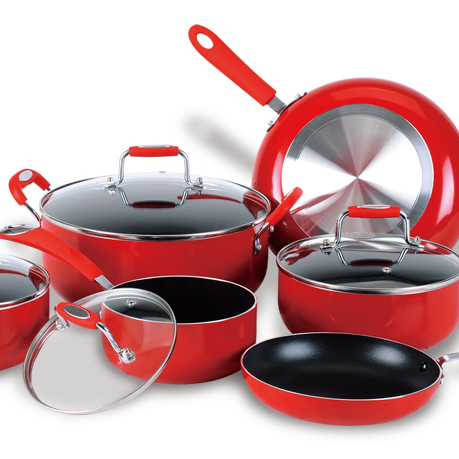
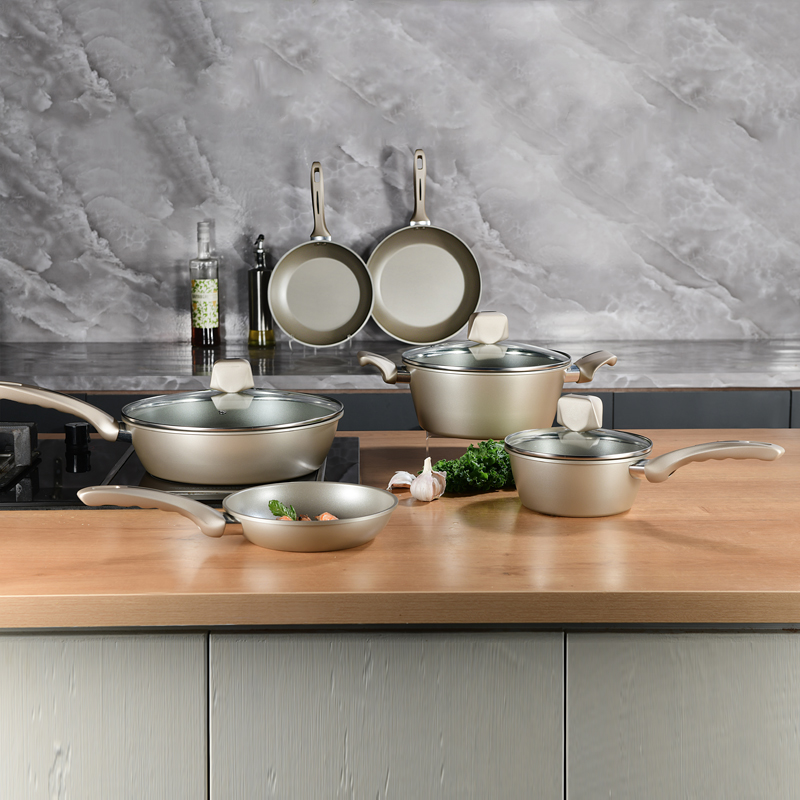
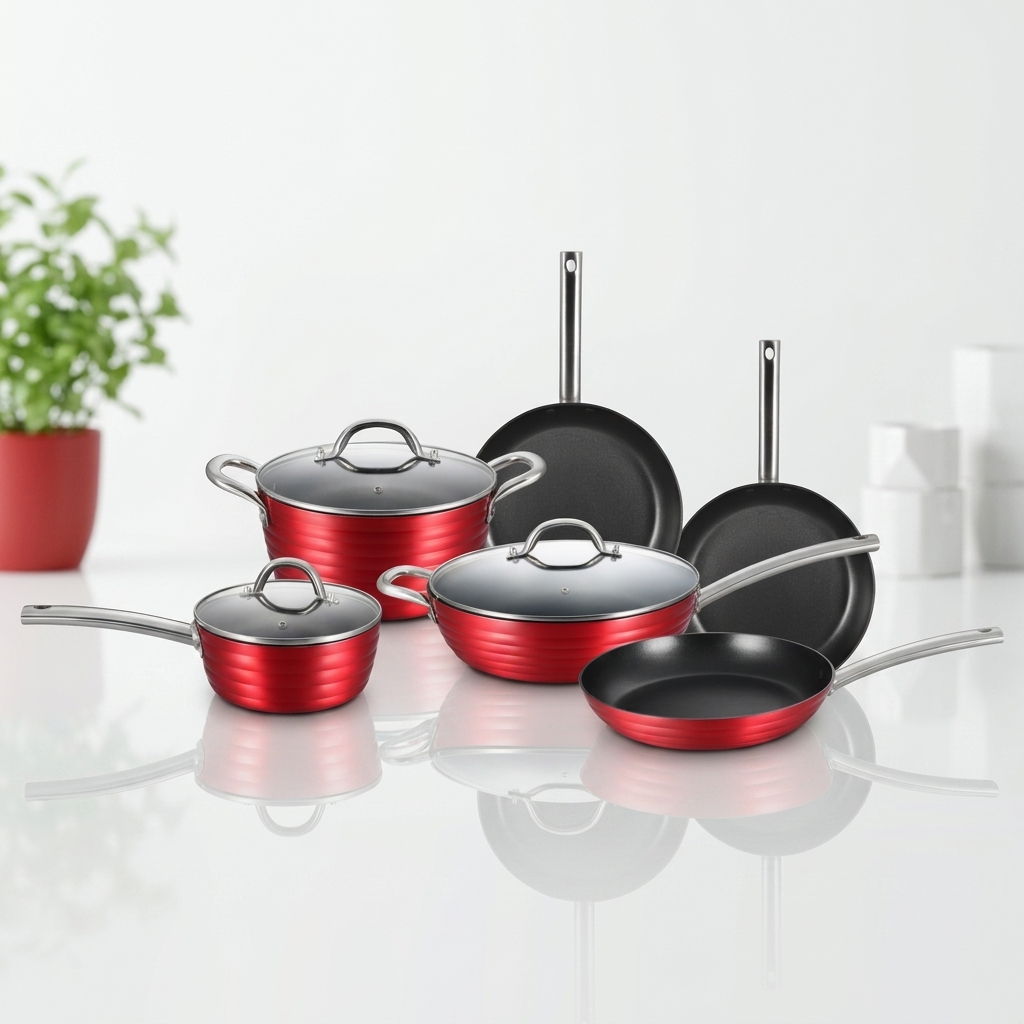
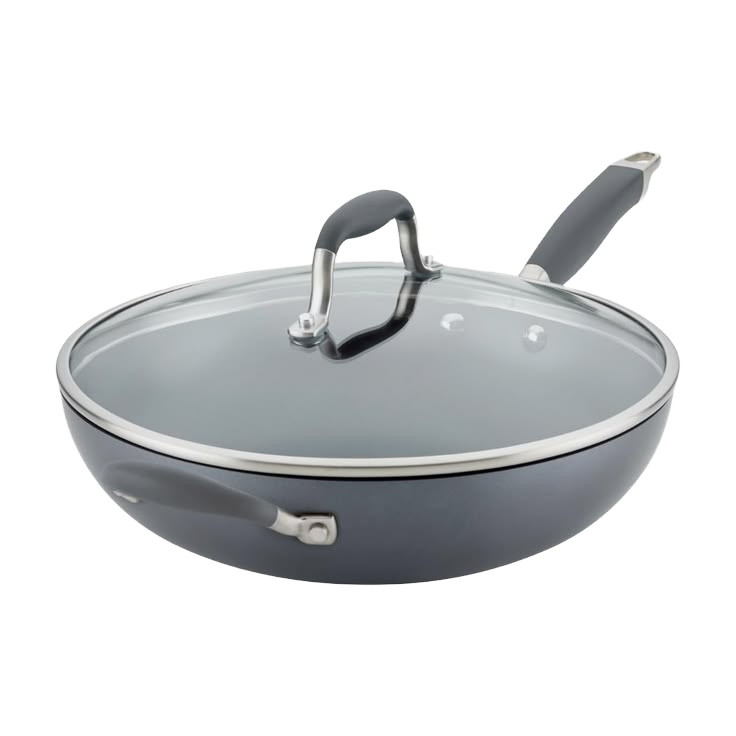
Tijuana as the Gateway for B2B Ceramic Cookware Procurement
As the primary manufacturing, maquiladora, and trade logistics hub of Northwest Mexico, Tijuana, Baja California occupies a strategic geographical crossroads. Operating directly contiguous with San Diego County and leveraging prime entry corridors via the Mesa de Otay Commercial Crossing and the deepwater maritime terminal at the Port of Ensenada, corporate procurement managers in Tijuana demand cookware that satisfies stringent international quality benchmarks while guaranteeing rock-solid supply chain continuity.
For cross-border brand owners, institutional food service operators, and major Mexican retail departmental store groups (such as Liverpool, Coppel, and Soriana distribution hubs operating out of El Florido and Parque Industrial Pacífico), finding a verified Chinese manufacturing partner is critical. Zhejiang MEIS Kitchenware Co., Ltd. bridges the Pacific with audited engineering capabilities, delivering direct container shipments that circumvent middleman markups while ensuring compliance with NOM (Normas Oficiales Mexicanas) standards, US FDA protocols, and European LFGB food-contact mandates.
The modern ceramic skillet is no longer just a household novelty; it has developed into an indispensable culinary instrument across Tijuana's world-renowned Baja Med culinary movement, bustling corporate hospitality kitchens, and private-label retail shelves throughout Baja California and Southern California.
Regional Application Dynamics
Localized Use Cases in the Cali-Baja Economic Zone
Understanding the unique thermal, culinary, and commercial stresses that cookware encounters across Tijuana’s industrial, hospitality, and residential sectors.
High-Heat Baja Med Commercial Kitchens
Tijuana’s gastronomic renaissance blends traditional Mexican ingredients with Mediterranean searing techniques. High-acid reductions like tomatillo sauces, lime-infused marinades, and wine deglazes quickly erode traditional PTFE pans. Our sol-gel inorganic ceramic coatings provide inert surface resistance against corrosion up to 450°C (842°F), preventing toxic degassing or metallic flavor transfers during rapid service.
Cross-Border Private Label & Maquiladora Assembly
Enterprise procurement specialists within the Mesa de Otay and El Florido industrial corridors utilize MEIS OEM/ODM production lines to import semi-finished skillet shells or packaged SKUs under IMMEX maquila regimes. We provide precision CNC machined bottoms, tailored induction stamping, laser logo engraving, and certified packaging engineered for seamless cross-border distribution across Mexico and the Western United States.
Modern Residential Suites & Eco-Retail
Urban vertical developments throughout Tijuana's Zona Río, Playas de Tijuana, and Chapultepec increasingly install energy-efficient magnetic induction cooktops. Our induction-ready pressed and forged aluminum skillets, fitted with warp-resistant composite steel bases, heat up to 35% faster on magnetic hobs than standard cookware, appealing directly to modern, health-conscious urban households seeking PFOA-free cooking.
Procurement Trends Shaping the Tijuana & Mexico Cookware Market
Over the past three years, the commercial skillet procurement landscape in Baja California has experienced fundamental structural shifts, driven by regulatory modernization, evolving consumer purchasing habits, and nearshoring logistics imperatives:
TREND 01
Shift from PTFE to Sol-Gel Ceramic
Health and environmental concerns regarding PFAS, PFOA, and fluoropolymers have led regional buyers to phase out conventional non-sticks in favor of pure mineral-derived silicon dioxide (silica) ceramic surfaces.
TREND 02
Universal Induction Integration
With electric induction cooktops expanding across commercial developments and apartment projects throughout Baja California, orders specifying magnetic induction bottom plates have risen by more than 60% year-on-year.
TREND 03
Heavy-Gauge Anti-Warpage Baselines
Due to the high thermal shocks of high-flame Mexican culinary techniques, buyers now avoid ultra-thin stamped aluminum. Demands have consolidated around 2.5mm to 4.0mm heavy-gauge forged alloys that resist deformation under extreme temperatures.
TREND 04
Ensenada Port Direct Intermodal Freight
Rather than clearing through congested Long Beach/Los Angeles ports and tracking south via San Ysidro, procurement directors are increasingly using the direct Trans-Pacific Ningbo/Shanghai to Ensenada maritime trade lane to expedite customs clearance under Mexican tariff frameworks.
Engineering Whitepaper
Technical Specifications: Sol-Gel Ceramic Skillets
Precision manufacturing parameters maintained at the Zhejiang MEIS Kitchenware production facility for tier-1 global importers.
| Technical Parameter | Pressed Aluminum Alloy | Forged Heavy Aluminum | Nitrided Carbon Steel |
|---|---|---|---|
| Core Substrate Alloy | Commercial Grade 3003 Alloy | High-Density A380 / 3003 Alloy | Heavy-Gauge 08F Carbon Steel |
| Substrate Thickness Range | 2.0 mm – 2.8 mm | 3.2 mm – 4.5 mm (Thick base) | 1.2 mm – 2.2 mm Gauge |
| Coating System Applied | Multi-Layer Sol-Gel Ceramic | Granite / Marble Mineral Ceramic | Inorganic Ceramic / Nitrided |
| Thermal Shock Resistance | Up to 380°C (716°F) | Up to 450°C (842°F) | Up to 500°C (932°F) |
| Abrasion Wear Durability | ≥ 10,000 Cycles (Oscillating) | ≥ 25,000 Cycles (Scrub test) | ≥ 35,000 Cycles (Metal safe) |
| Hob Compatibility | Gas, Radiant, Induction (Plate) | Gas, Electric, Ceramic, Induction | Naturally Magnetic Induction Native |
| Handle Fastening System | Cold Riveted / Welded Bracket | Ergonomic Cast Soft-Touch / SS | Heavy Solid Riveted Steel / Beech |
Enterprise Manufacturing Capabilities: Zhejiang MEIS Kitchenware Co., Ltd.
Choosing an overseas cookware manufacturer requires transparent, auditable evidence of engineering rigor, factory stability, and quality governance. Headquartered in the Dongnan Industrial Zone, Shuxi Street, Jinhua, Zhejiang, China, MEIS Kitchenware provides verified industrial capabilities built over two decades of international trade:
01. CERTIFICATION
TÜV Rheinland Audited
Our operations undergo thorough on-site verification by TÜV Rheinland, evaluating everything from hydraulic pressing tolerances to automatic electrostatic spray systems.
02. CAPACITY
105 Verified Production Specialists
Operating comprehensive in-house tooling, CNC surface machining, high-capacity curing tunnels, and integrated handle testing labs under one roof.
03. TESTING
In-House Testing Laboratory
Every single shipment undergoes rigorous salt-spray corrosion trials, handle torsion testing, dynamic thrust force analysis, and thermal cyclic testing.
04. CUSTOMIZATION
Agile OEM / ODM Tooling
Equipped with internal CNC mold and lathe workshops, enabling custom base shapes, bespoke private-label embossing, and rapid physical sampling.
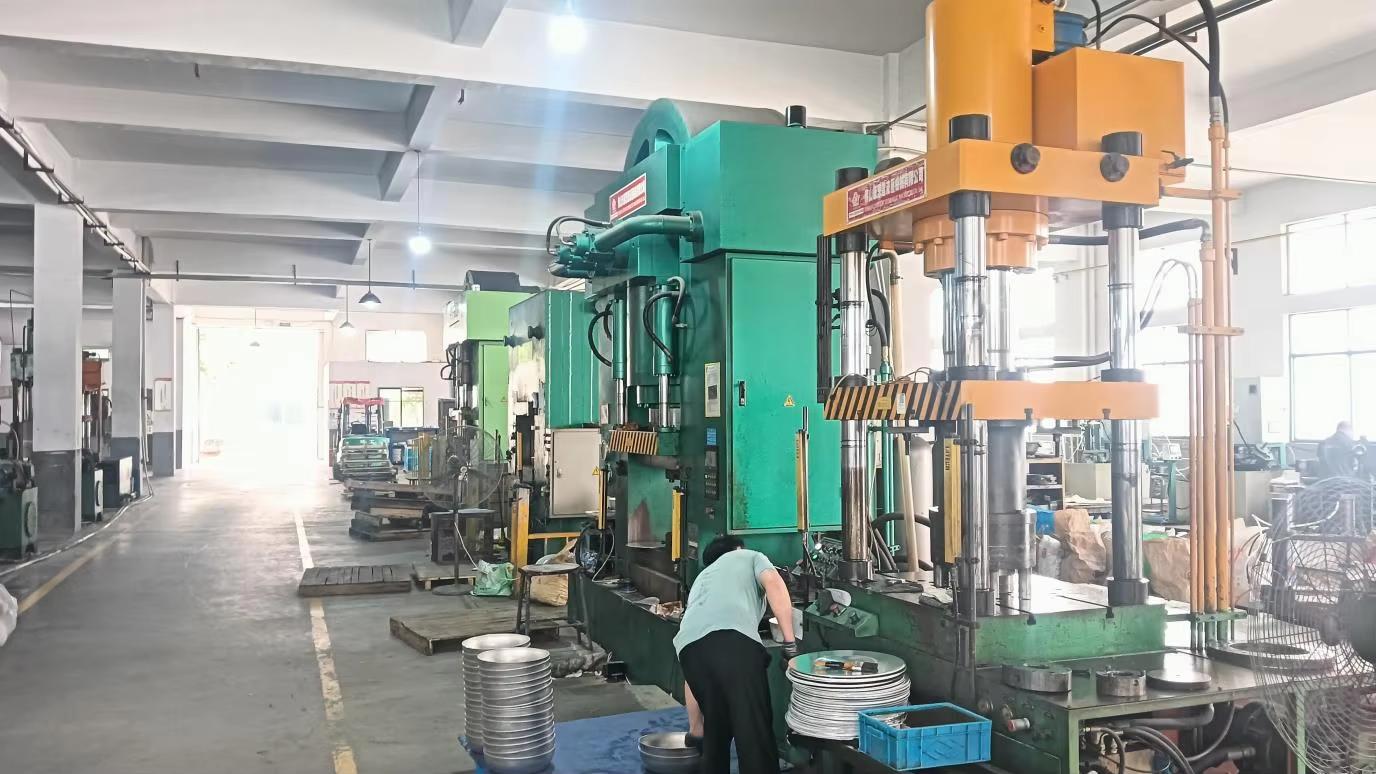
Precision Hydraulic Pressing
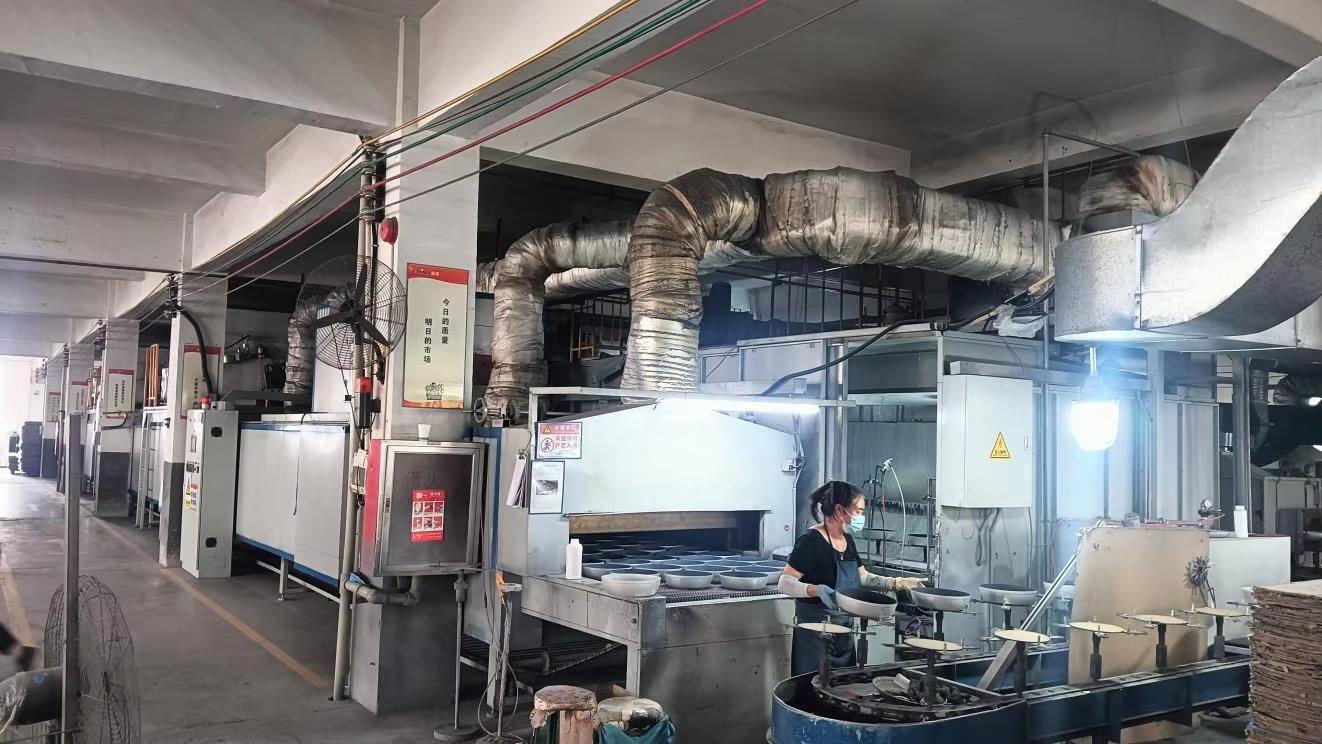
Sol-Gel Ceramic Spray Line
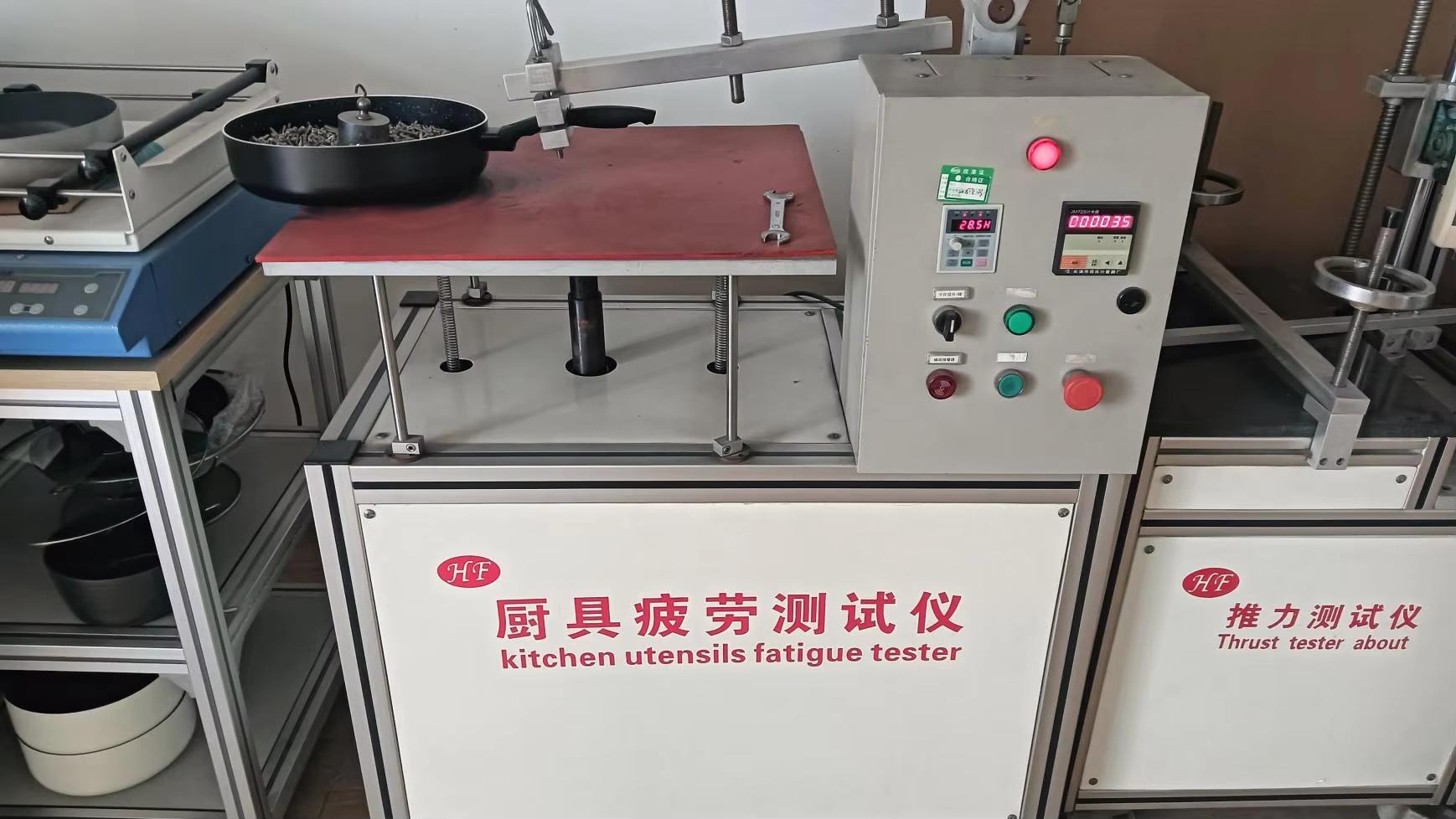
Certified In-House QA Lab
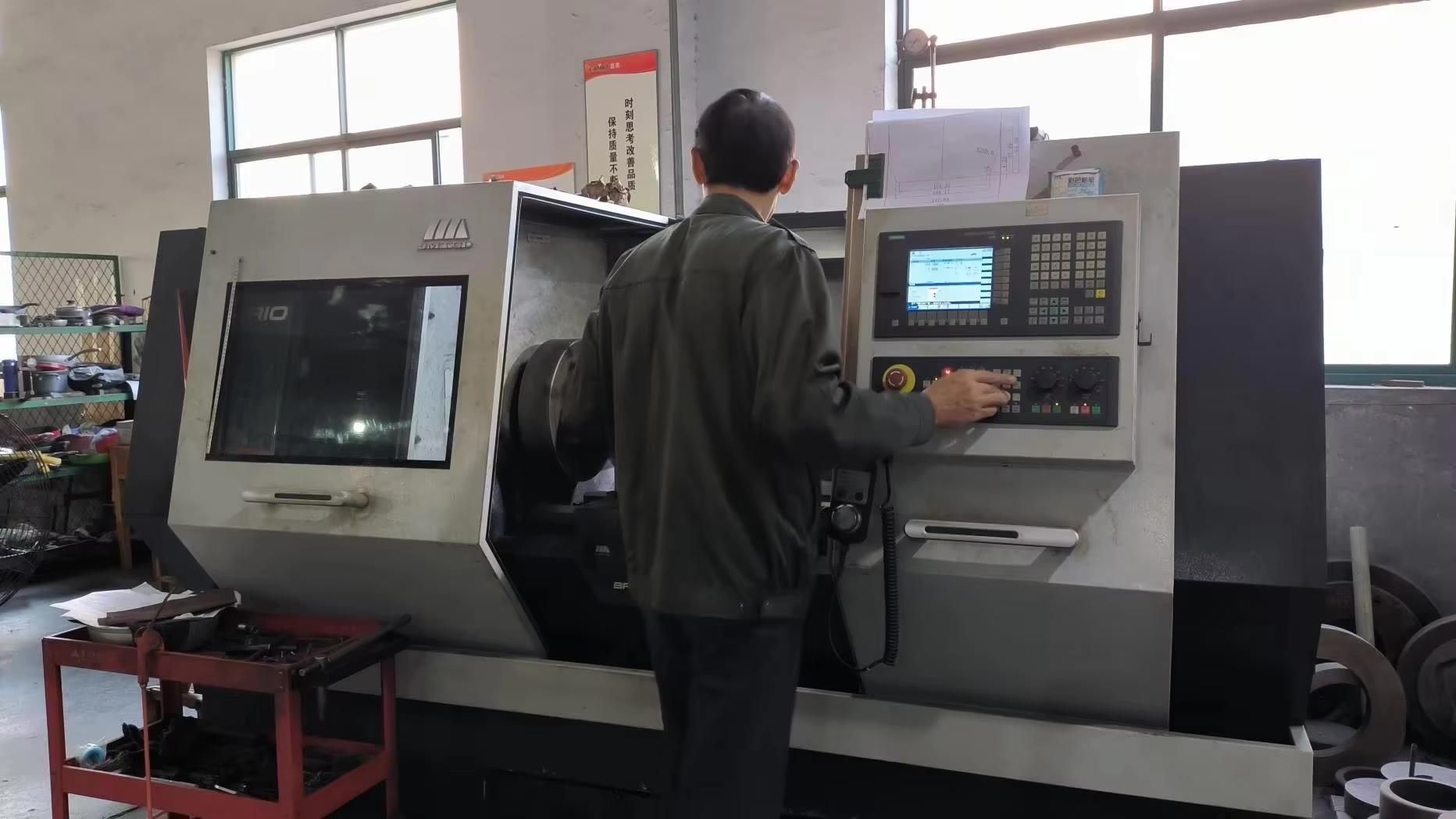
In-House CNC Mold Tooling
Direct Procurement Intelligence
Frequently Asked Questions by Tijuana Buyers
Targeted solutions addressing customs clearance, import compliance, coating safety, and shipping logistics into Baja California.
How are containers typically shipped and routed into Tijuana?
Most commercial buyers based in Tijuana route full-container load (FCL) shipments via direct Trans-Pacific vessels originating from Ningbo or Shanghai Port, discharging directly at the Port of Ensenada (approx. 100 km south of Tijuana). From Ensenada, bonded carrier transport delivers cargo directly to fiscal warehouses or maquiladora sites along the Tijuana-Rosarito-Tecate corridor within 24 hours of customs clearance, minimizing handling fees and transit delays.
Do your ceramic skillets comply with Mexican NOM import regulations?
Yes. Our export products comply fully with NOM-050-SCFI commercial labeling parameters and meet rigorous heavy metals migration tests (lead and cadmium leaching limits) governed by NOM-225-SSA1. Certified compliance dossiers, material safety data sheets (MSDS), and LFGB/FDA food-contact test reports are supplied directly with each production batch to support your customs broker (Agente Aduanal).
Can we request custom colors and private branding for Mexican retail chains?
Absolutely. We specialize in bespoke private labeling. We match interior ceramic surface formulations and exterior heat-resistant silicon finishes to any Pantone color shade. In-house laser etching, base coin-stamping, four-color offset retail gift boxes, Spanish instructional sleeves, and Master Carton UPC barcodes are tailored directly to your brand guidelines.
What are the standard production lead times and Minimum Order Quantities (MOQ)?
For custom OEM/ODM production runs, standard factory lead times range between 35 to 45 days after deposit and design approval. Standard MOQs for pressed and forged aluminum skillets begin at 1,000 to 1,500 units per size, while complete boxed cookware sets generally require a minimum run of 1,000 sets. Selected in-stock styles can be trialed with lower order volumes upon commercial review.
Connect with our Direct Export Engineering Team
Request instant pricing tables, technical data sheets, physical factory sample kits, or custom OEM mold consultations for your Tijuana import or distribution requirements.