TÜV Rheinland On-site Verified Custom Manufacturer · OEM / ODM Jinhua, Zhejiang, China
TÜV Rheinland Audited · DIN EN 12983-1 Compliant

China Top Pasta Pot Factories & Exporters Serving Germany

Precision-engineered pasta cookware, integrated straining systems, and high-conductivity induction bases tailored for German cooktop ecosystems and LFGB §30/31 food contact regulations.

20+
Years Cookware OEM
105
Verified Technicians
<0.12mm
Thermal Concavity Check
100%
LFGB & PFAS-Free Lab Audit
300k
Monthly Unit Capacity
Engineering Catalog

Precision Cookware & Pasta Solutions for the German Market

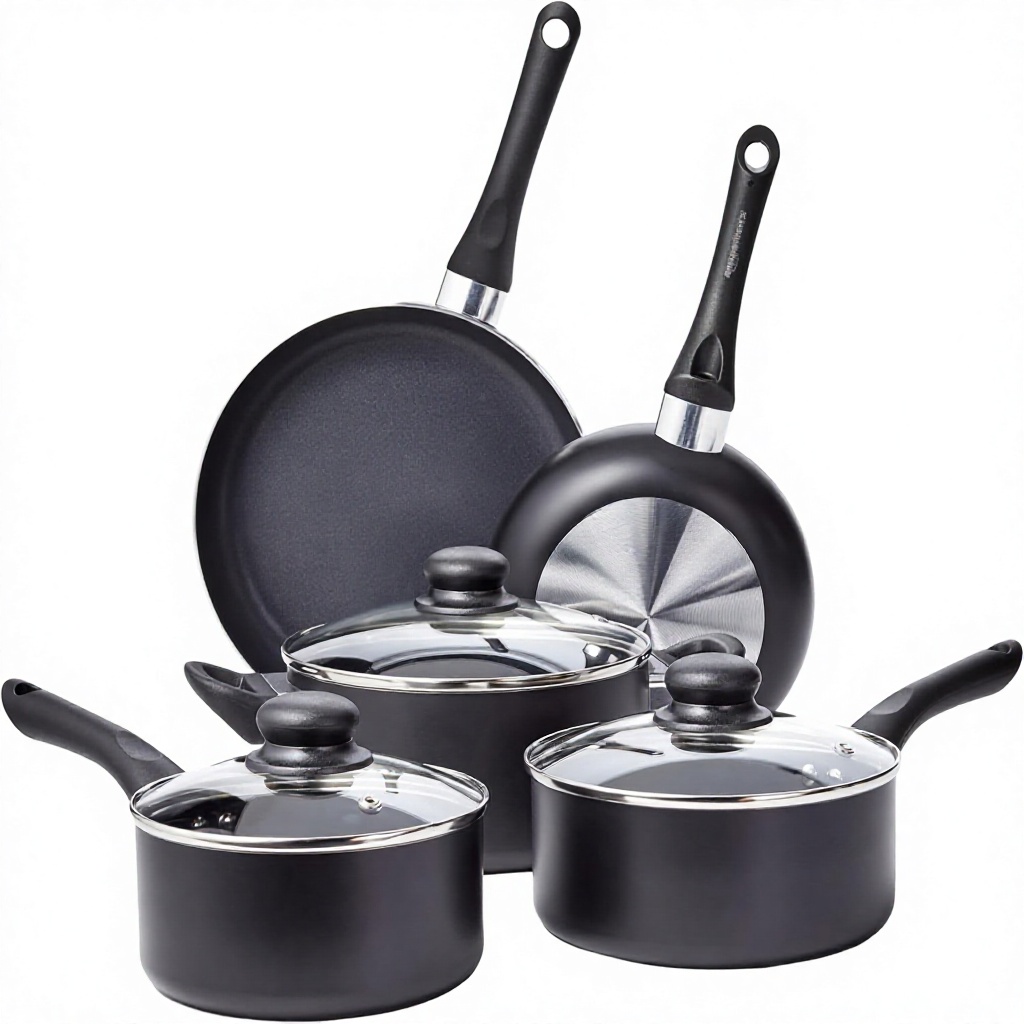
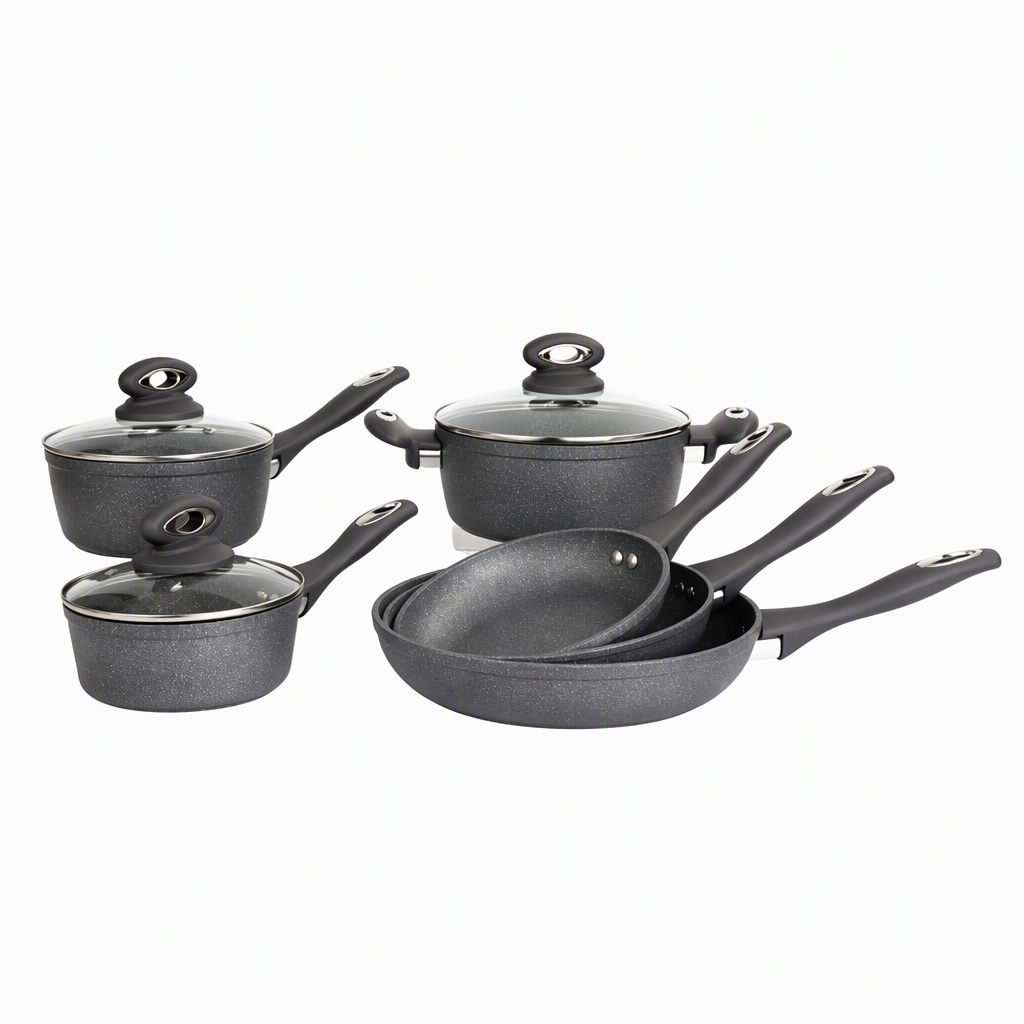
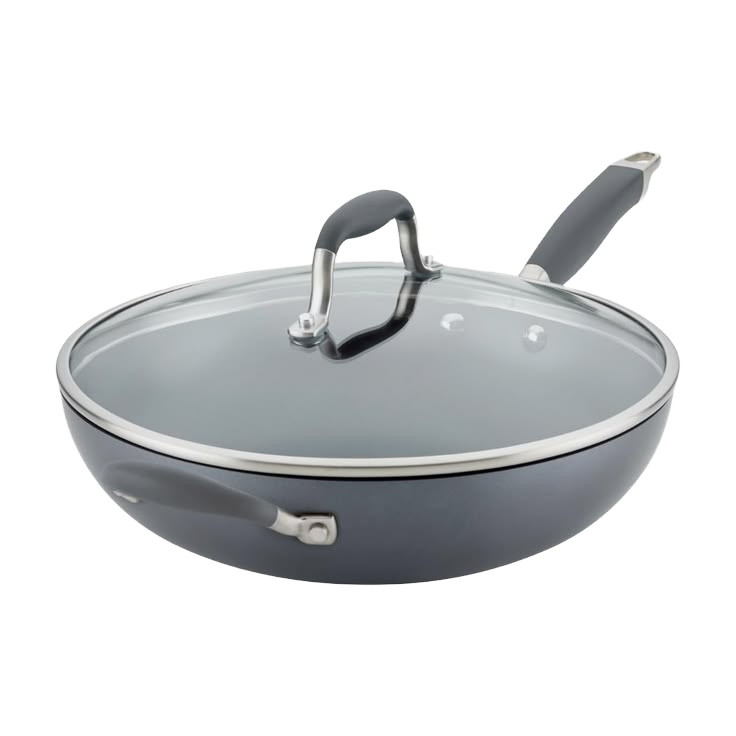
Direct from Zhejiang MEIS Kitchenware Co., Ltd. — featuring impact-bonded induction bases, multi-layer ceramic wear layers, and food-safe nitrided alloy surfaces.

Get Catalog
Engineering Whitepaper

Exporting Pasta Cookware to Germany: Quality Matrices, LFGB Compliance & Induction Physics

A technical guide for category managers, sourcing directors, and houseware buyers across the DACH region evaluating Chinese manufacturing partnerships.

1. German LFGB §30/31 & EU PFAS Regulations

German consumer protection bureaus (BfR) apply zero-tolerance migration testing. MEIS pasta pots and nonstick kitchenware use authenticated ceramic sol-gel matrices and PTFE spray formulations rigorously inspected for primary aromatic amines, heavy metal migration (lead, cadmium, arsenic), and emerging per- and polyfluoroalkyl substances (PFAS) restrictions under EU REACH regulations.

2. Base Convexity & DIN EN 12983-1 Physics

Glass-ceramic induction cooktops common in German households (Bosch, Miele, Siemens) demand strict bottom flatness under heated expansion. Our CNC lathe finishing calibrates an inward cold concavity of exactly 0.5% to 0.8% of diameter. Under thermal boiling loads, this expunges acoustic buzzing, maximizes electromagnetic flux, and prevents cooktop scratching.

3. Mechanical Stress & Handle Safety Standard

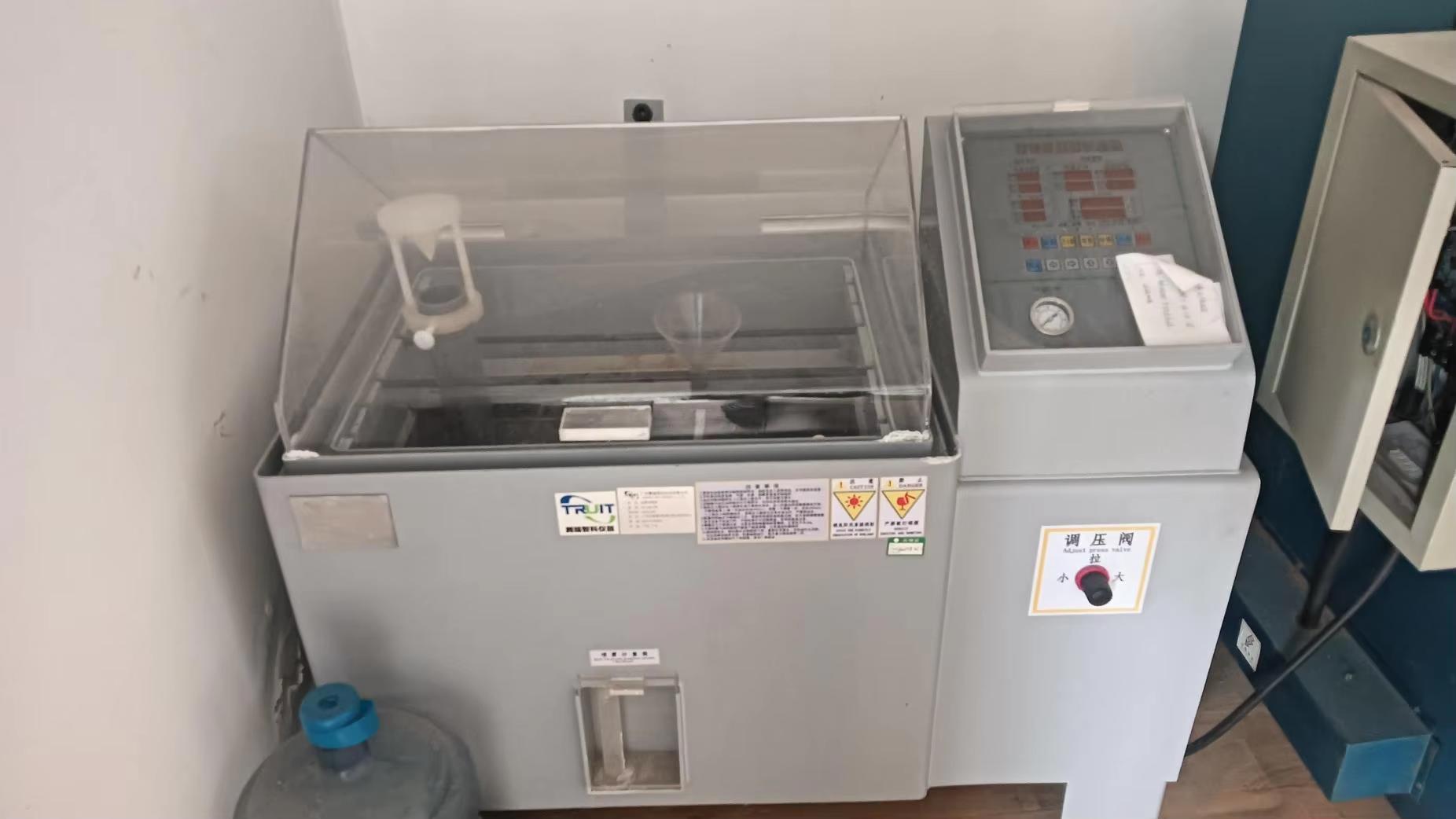
Boiling pasta involves handling significant fluid weight (4 to 6 kilograms of boiling water). MEIS handles undergo DIN EN 12983-1 physical testing: 15,000 cyclical torsional pulls, vertical thrust evaluations at 100N force, and salt spray exposure testing up to 72 hours without rivet shearing or structural degradation of Bakelite and cast stainless steel attachments.

Technical Material Comparison: Pressed vs. Forged Aluminum vs. Carbon Steel

Evaluation Parameter Forged Aluminum Pasta Pot Heavy-Gauge Carbon Steel Deep Pressed Aluminum
Base Construction 4.5mm die-forged with perforated steel plate 1.8mm – 2.5mm seamless monolithic cold rolled 2.5mm – 3.0mm stamped disc with spiral induction
Induction Resonance (Acoustic) Extremely Quiet (<32 dB) Whisper Quiet (Native Ferromagnetic) Moderate (Depends on base plate density)
Heat Retention & Recovery Superior (Optimal for rapid temperature drops) High Thermal Emissivity (Fast boiling) Rapid Convection (Lower overall thermal mass)
Straining Lid Fitment CNC calibrated rim (Tolerance ±0.15mm) Beaded rolled edge Standard spun curl rim
German Target Channel Mid-to-High Retailers (ALDI Süd, REWE, Edeka) Specialty Cooking, HoReCa, Sustainable Lines Promotional Campaigns & High-Volume Supermarkets
Market Dynamics

Localized Applications & Buying Habits in the German DACH Sector

How shifting consumer demographics, energy considerations, and lifestyle cooking are restructuring German pasta pot import volumes.

Energy Saving (Energiesparen) & Rapid Boil

Due to high electricity costs in Germany, consumers look for cookpot bottoms engineered for maximum thermal coupling. Our encapsulated induction discs decrease boil times by 22%, perfectly matching induction "Booster" functions while maintaining absolute thermal equilibrium without base warping.

Integrated Straining (Nudeltopf mit Abgießhilfe)

German apartments often feature compact kitchen configurations where storing separate colanders is inconvenient. The demand for 2-in-1 and 3-in-1 pasta pots with built-in perforated glass lids and locking handles has grown by 34% year-on-year across German e-commerce channels.

The "PFAS-Frei" Transition Acceleration

German consumer awareness regarding PTFE and forever chemicals is among the highest in Europe. Buyers across Frankfurt, Hamburg, and Munich are prioritizing mineral ceramic, granite speckle, and nitrided carbon steel options labeled strictly 100% PFOA- and PFAS-free.

Verified Factory Infrastructure

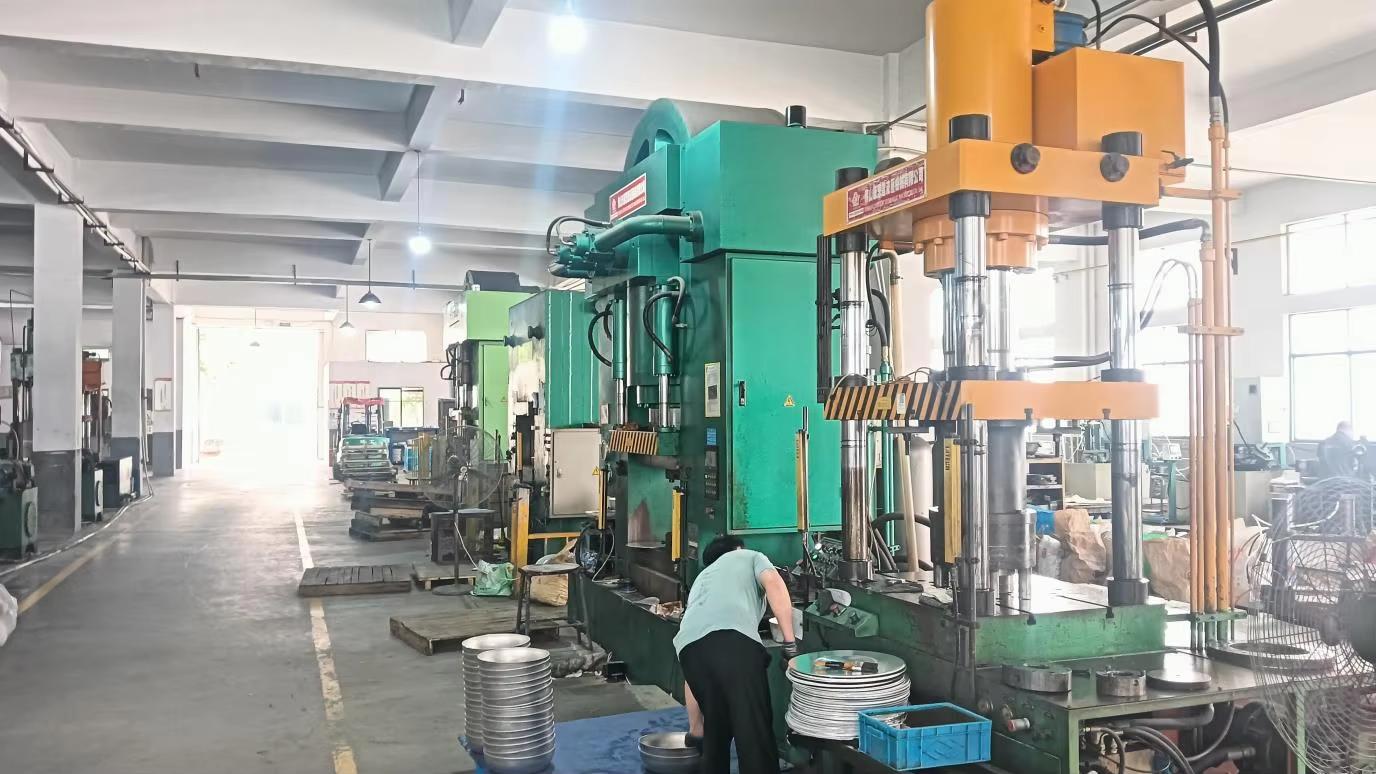
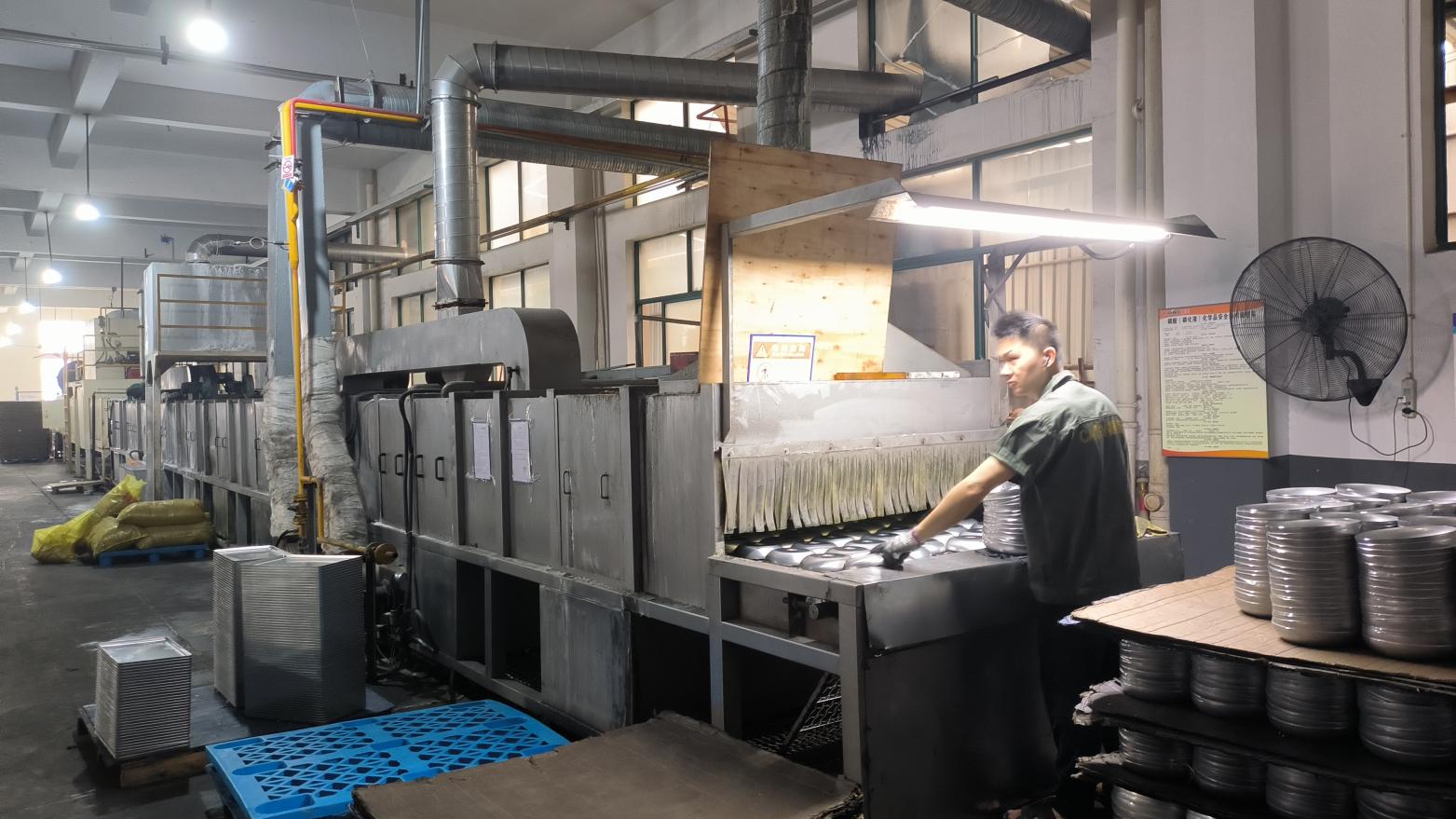
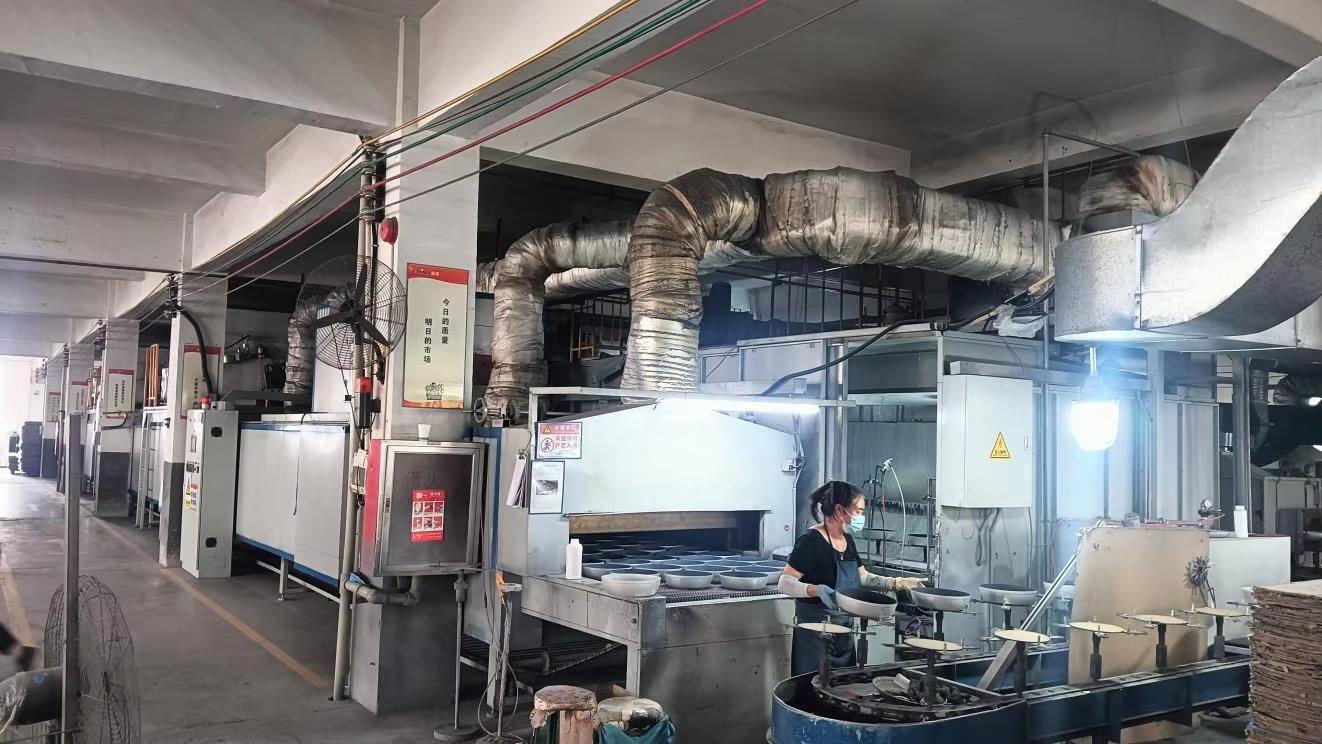
Inside the MEIS Production Facility in Jinhua, Zhejiang

Our 105-person manufacturing plant integrates automated drawing presses, robotic nonstick coating tunnels, and metallurgical testing laboratories assessed on-site by TÜV Rheinland.

Procurement FAQ

Frequently Asked Questions by German Importers & Procurement Directors

Key information covering compliance certification, minimum orders, tooling lead times, and customs clearance logistics.

Can you provide comprehensive LFGB §30/31 test reports for German customs?

Yes. Every cookware batch destined for the German market is backed by recent test certificates conducted through TÜV Rheinland, SGS, or Bureau Veritas. We explicitly document total migration into food simulants (3% acetic acid, 10% ethanol, and olive oil equivalents) to guarantee smooth clearance at ports like Hamburg and Bremerhaven.

What is the standard production MOQ for custom OEM pasta pots?

For fully custom colored ceramic coatings, custom handle molds, or bespoke stamped bottom logos, standard factory MOQ starts at 1,000 to 2,000 sets/units. However, for trial market tests or SKU validation programs, we can facilitate trial runs of 500 units leveraging existing toolings.

How do you guarantee base flatness for German induction cooktops?

We use automated CNC base-lathe milling machines coupled with computerized laser flatness gauges. We maintain a pre-stressed inward spherical concavity tolerance within 0.05mm – 0.12mm. This ensures that when the pot reaches operating temperatures with 5 liters of boiling fluid, the bottom flattens out perfectly flush against the glass surface.

What are your packaging capabilities for Amazon FBA and mail-order (Versandhandel)?

We provide full drop-test certified ISTA 1A/3A e-commerce packaging. We engineer high-strength five-ply corrugated cartons with engineered pulp corners and scratch-proof internal wraps that withstand shipping drop tests up to 80cm, minimizing returns on online platforms.

Connect Directly with Our Zhejiang Engineering Team

Request technical specification sheets, LFGB chemical test summaries, custom tooling estimates, and complete export sample kits prepared specifically for German houseware brands.

Get Catalog