Recommended OEM/ODM Cookware Solutions for Estonia
Engineered for Northern European induction cooktops, high energy efficiency, and strict European food safety standards.
1. Executive Supply Chain Analysis: Sourcing Chinese Aluminum Cookware for Estonia
Estonia's retail, wholesale, and hospitality sectors represent a sophisticated market within the Baltic and Nordic culinary ecosystem. As a tech-forward nation with high disposable income and stringent environmental consciousness, Estonian consumers and commercial buyers demand cookware that seamlessly balances thermal efficiency, non-toxic food contact safety, modern aesthetic appeal, and multi-hob versatility. For Estonian cookware importers, brand owners, and retail chains (such as those supplying Tallinn, Tartu, Narva, and Pärnu), sourcing directly from verified Chinese original equipment manufacturers (OEM) and original design manufacturers (ODM) provides an indisputable competitive edge in gross margins and design customization.
Navigating the supply chain from China to Northern Europe requires robust technical alignment with European Union legislation. Importers must ensure full compliance with EU Regulation (EC) No 1935/2004 on materials intended to come into contact with food, German LFGB standards, REACH SVHC chemical constraints, and the impending total European restrictions on per- and polyfluoroalkyl substances (PFAS/PFOA). As a TÜV Rheinland on-site assessed cookware manufacturer headquartered in Jinhua, Zhejiang, Zhejiang MEIS Kitchenware Co., Ltd. bridges the gap between high-volume Chinese manufacturing scale and strict Baltic regulatory compliance.
2. Metallurgy & Structural Engineering: Pressed vs. Forged Aluminum Cookware
Understanding the core mechanical differences between Pressed Aluminum and Forged Aluminum is paramount for Estonian purchasing directors when constructing product matrices for distinct retail price tiers.
| Performance Criteria | Pressed Aluminum Cooking Pots | Forged Aluminum Cooking Pots | Heavy Gauge Carbon Steel |
|---|---|---|---|
| Forming Process | Stamped from high-purity 3003 aluminum sheets under cold mechanical force. | High-pressure die-forging allowing variable wall thickness and thick rim/base. | Precision hydraulic drawing from heavy carbon steel coil stock. |
| Base Thickness | Typically 2.0 mm – 3.0 mm (Uniform throughout body). | 3.5 mm – 5.0 mm thick base with slim 2.2 mm walls for optimized thermal mass. | 1.5 mm – 2.5 mm rigid steel base. |
| Warping Resistance | Moderate. Ideal for low-to-medium heat consumer applications. | Exceptional. Heavy base prevents thermal shock warping under rapid temperature changes. | High structural rigidity; resilient against continuous high heat. |
| Induction Compatibility | Requires perforated or full-disc stainless steel (AISI 430) impact bottom plate. | Seamlessly integrated magnetic stainless steel induction bottom plate. | Naturally magnetic material; works natively on all induction hobs without added discs. |
| Estonian Market Target | Mass-market supermarkets, promotional sets, entry-level consumer retail. | Mid-to-premium retail brands, e-commerce direct-to-consumer (D2C), gift sets. | Professional HoReCa kitchens, Asian fusion restaurants, heavy-duty baking/roasting. |
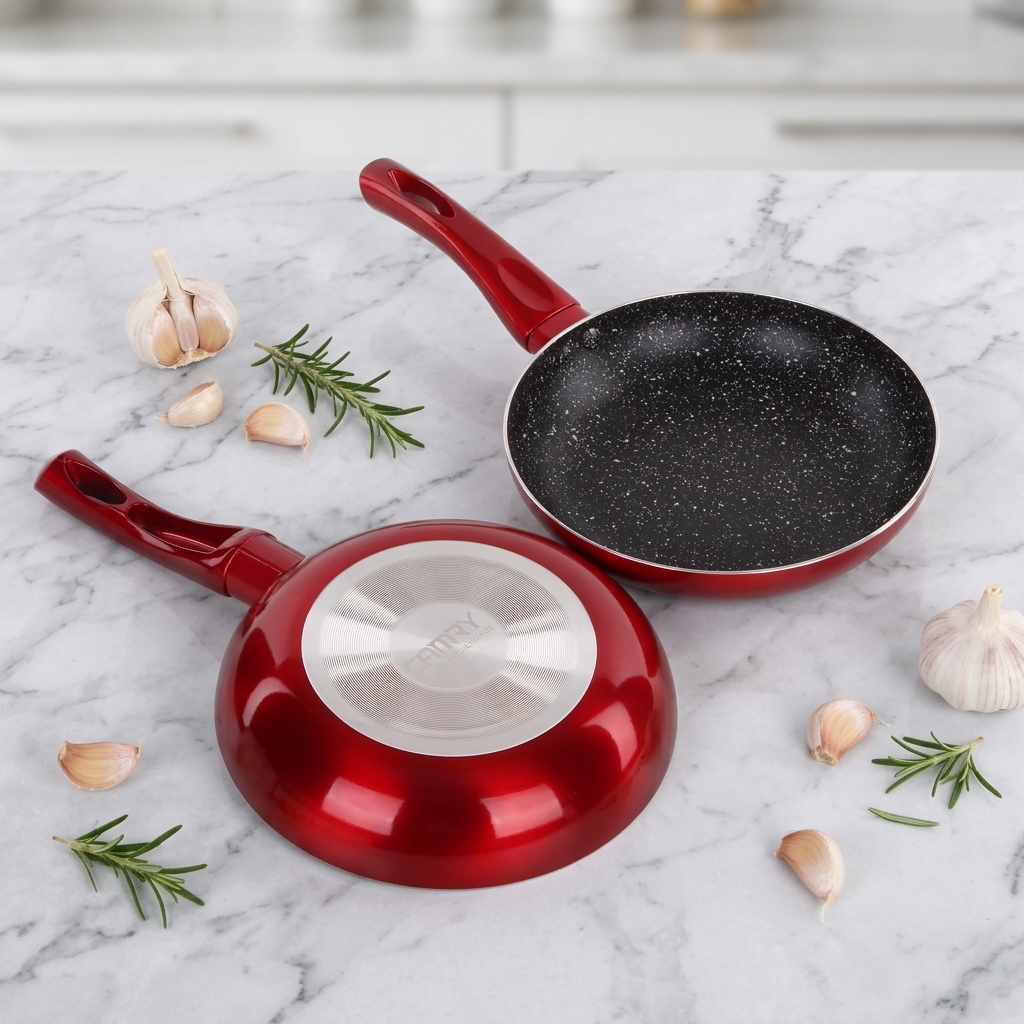
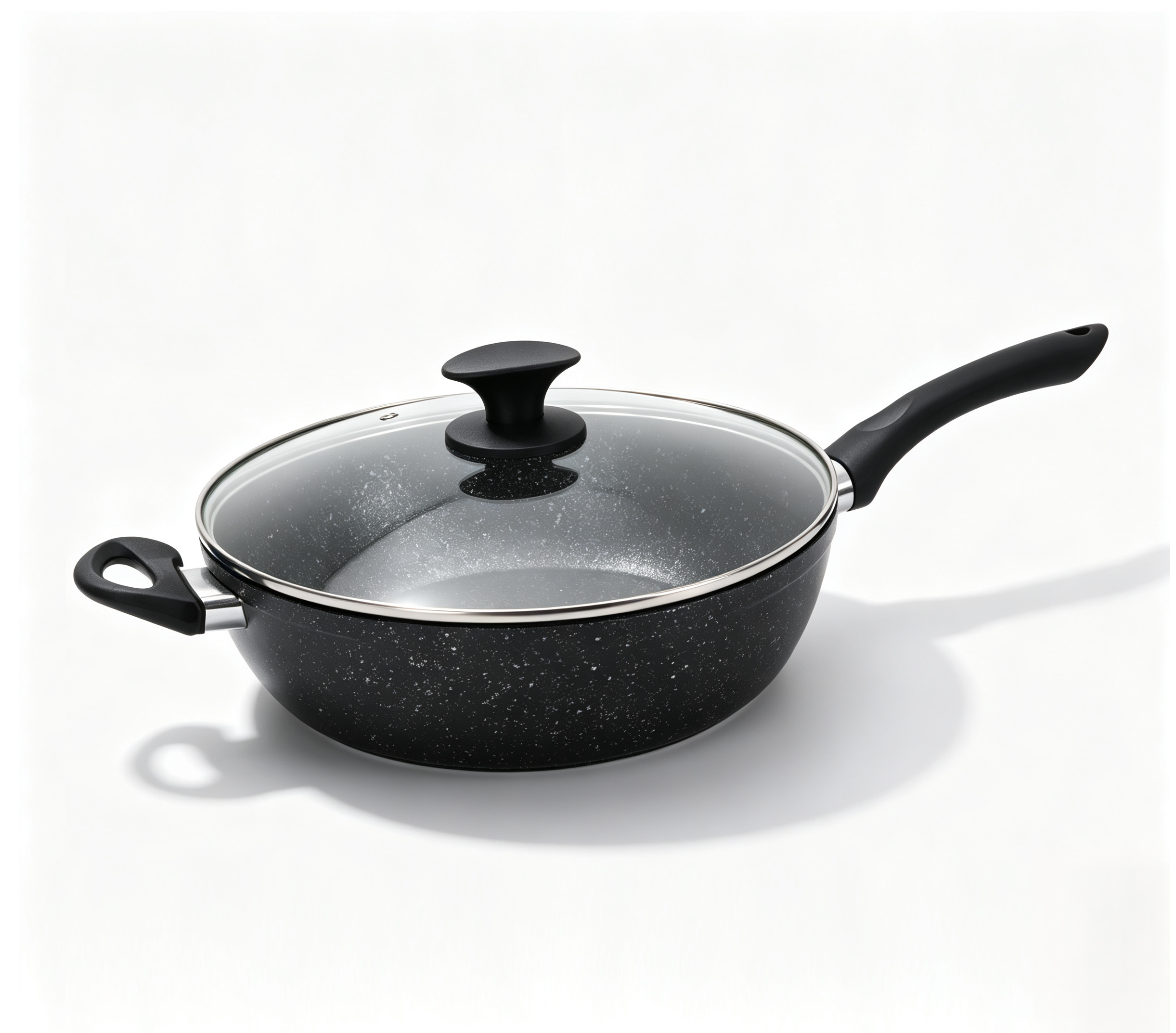
For the Estonian climate and cooking preferences, where energy retention and multi-hob compatibility (especially induction glass ceramic cooktops) are vital, Forged Aluminum cooking pots with impact-bonded AISI 430 stainless steel bases provide superior heat distribution. The thicker base absorbs kinetic energy from induction coils, spreading heat rapidly across the entire vessel bottom and preventing hot spots that scorch delicate dairy-based Scandinavian sauces or slow-simmered soups.
3. Localized Applications: Tailoring Cookware Engineering to Estonian Kitchens
An effective SEO and commercial growth strategy requires hyper-localization. Consumer kitchen habits in Estonia differ noticeably from Southern European or North American markets. To capture search intent and ensure long-term customer satisfaction in Baltic households, cookware engineering must adapt to local culinary realities:
Induction Dominance in Estonian Homes
Over 80% of modern urban housing developments in Tallinn, Tartu, and Pärnu feature induction ceramic cooktops. Our aluminum pots are equipped with high-pressure stamped stainless steel bases (430-grade) to ensure fast magnetic reactivity, short boil times, and zero vibration noise on modern induction hobs.
Slow Boiling & Hearty Baltic Cuisine
Traditional Estonian dishes—such as slow-cooked pork stews, pea soup (hernesupp), jellied meat (sült), and boiled potatoes—require sustained, low-heat simmering. Deep forged aluminum casserole pots with thick walls maintain temperature stability, reducing electricity consumption during long winter cooking sessions.
Seasonal Berry Preserves & Jam Making
Late summer and autumn in Estonia involve harvesting wild berries (lingonberries, cranberries, cloudberries). Multi-layer non-stick ceramic coatings resist fruit acid erosion, preventing sugar crystallization and making post-jam cleaning effort-free.
4. Macro Market Trends Shaping Cookware Import Demand in Estonia
Estonian B2B procurement managers must stay ahead of consumer shifts to maximize stock turnover and avoid regulatory write-offs. We observe four definitive trends driving cookware procurement across the Baltic region:
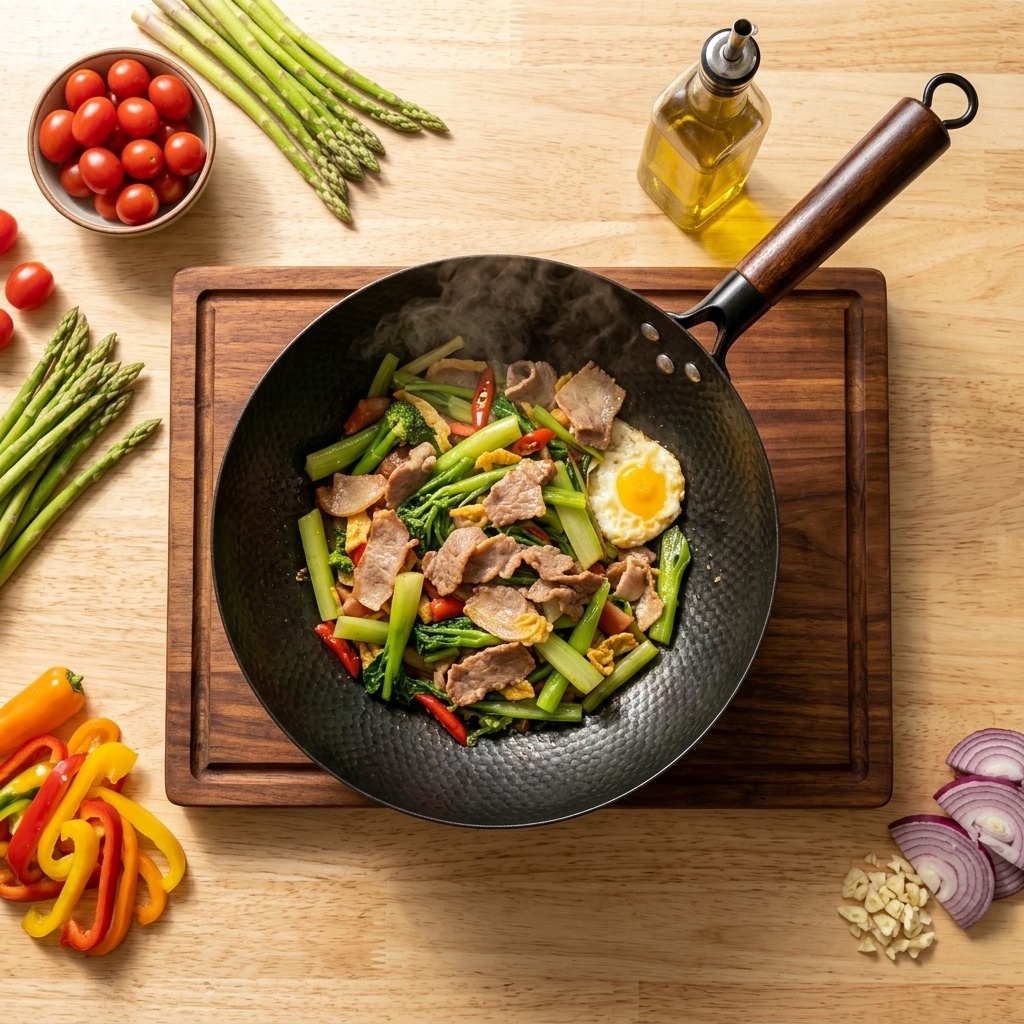
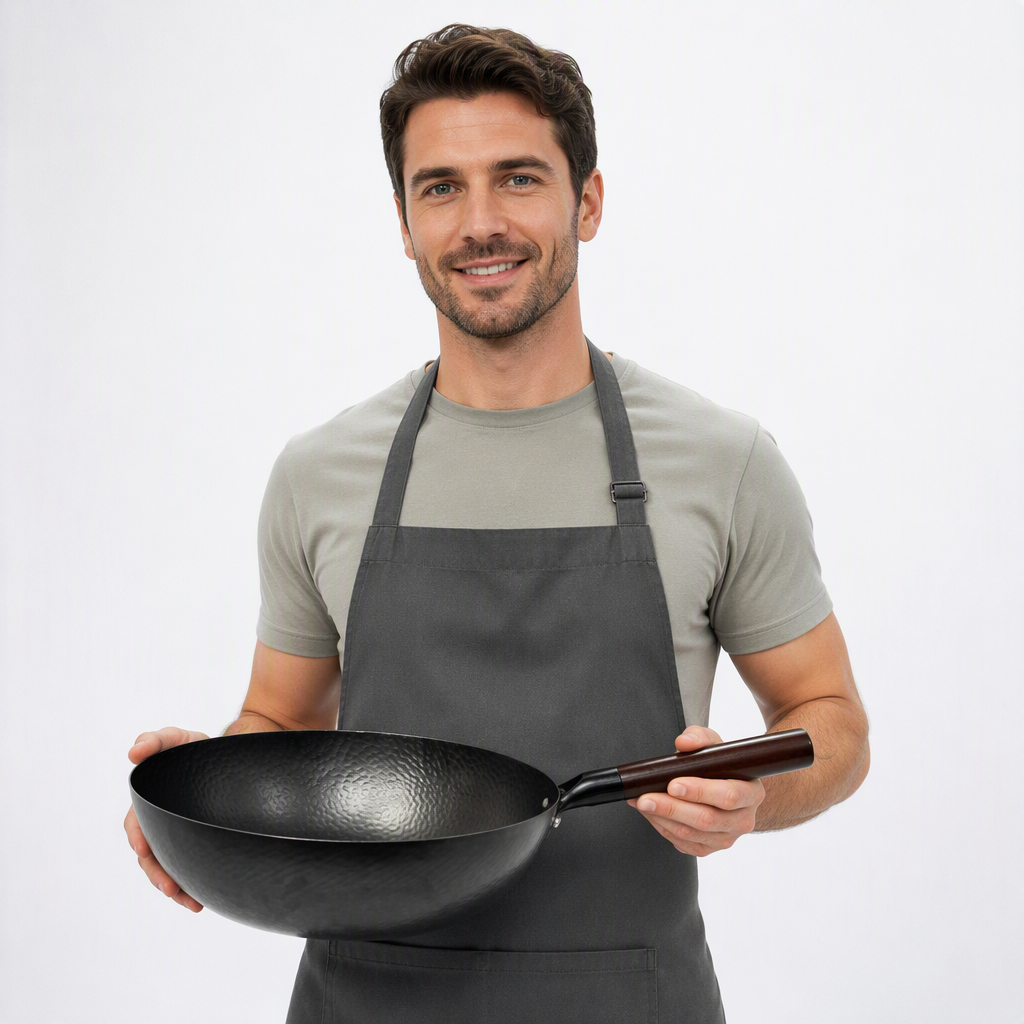
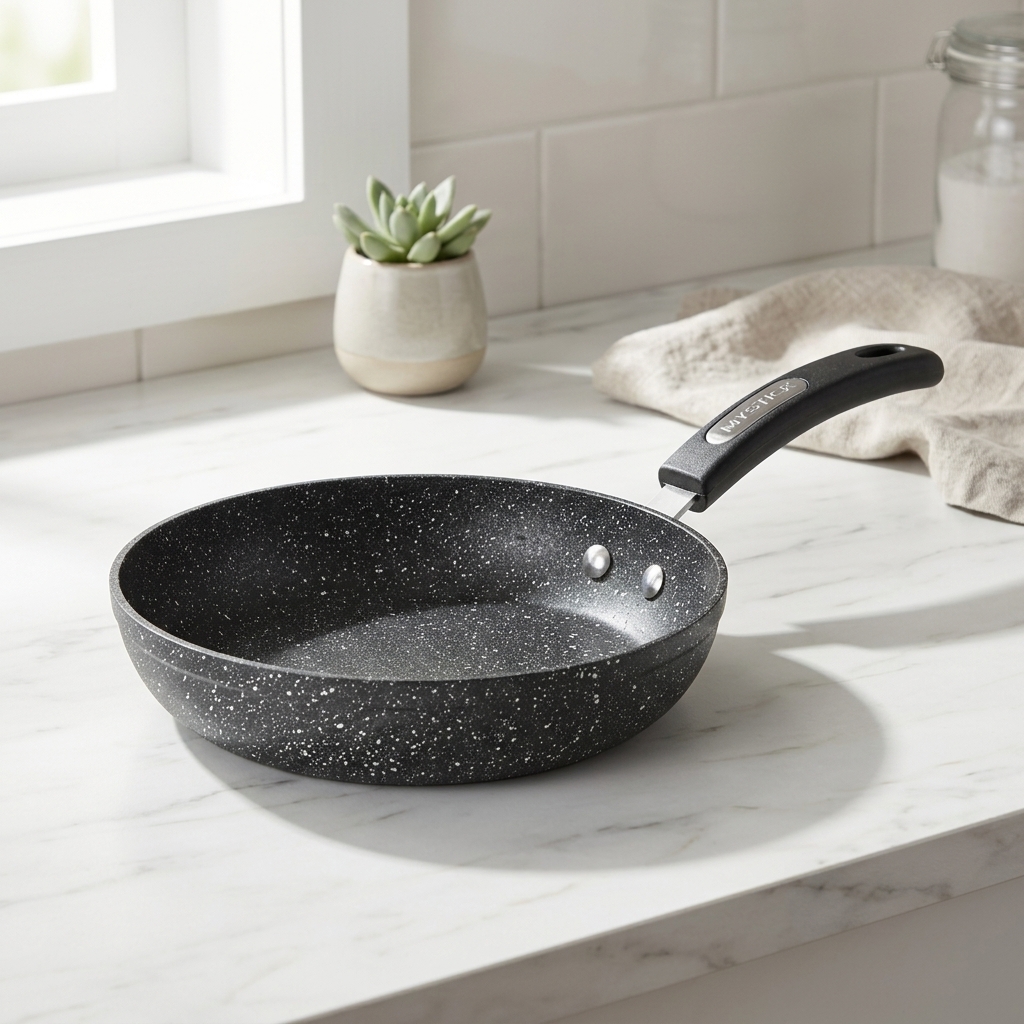
- The Non-Toxic & PFAS-Free Revolution: European consumers are actively steering away from traditional PTFE non-stick pans containing toxic PFAS chemicals. The market demand for natural ceramic non-stick coatings, granite/marble reinforced mineral coatings, and nitrided carbon steel woks has surged by over 45% year-over-year in Scandinavia and the Baltics.
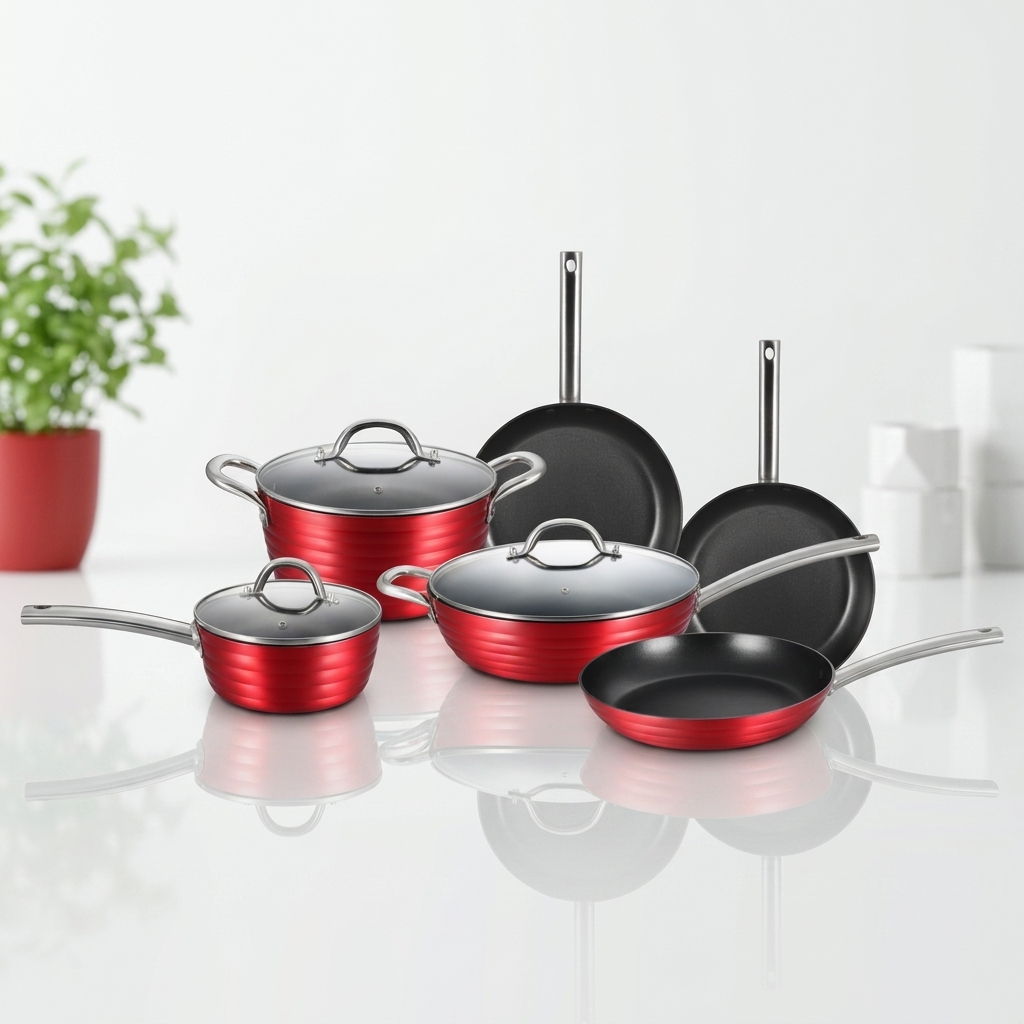
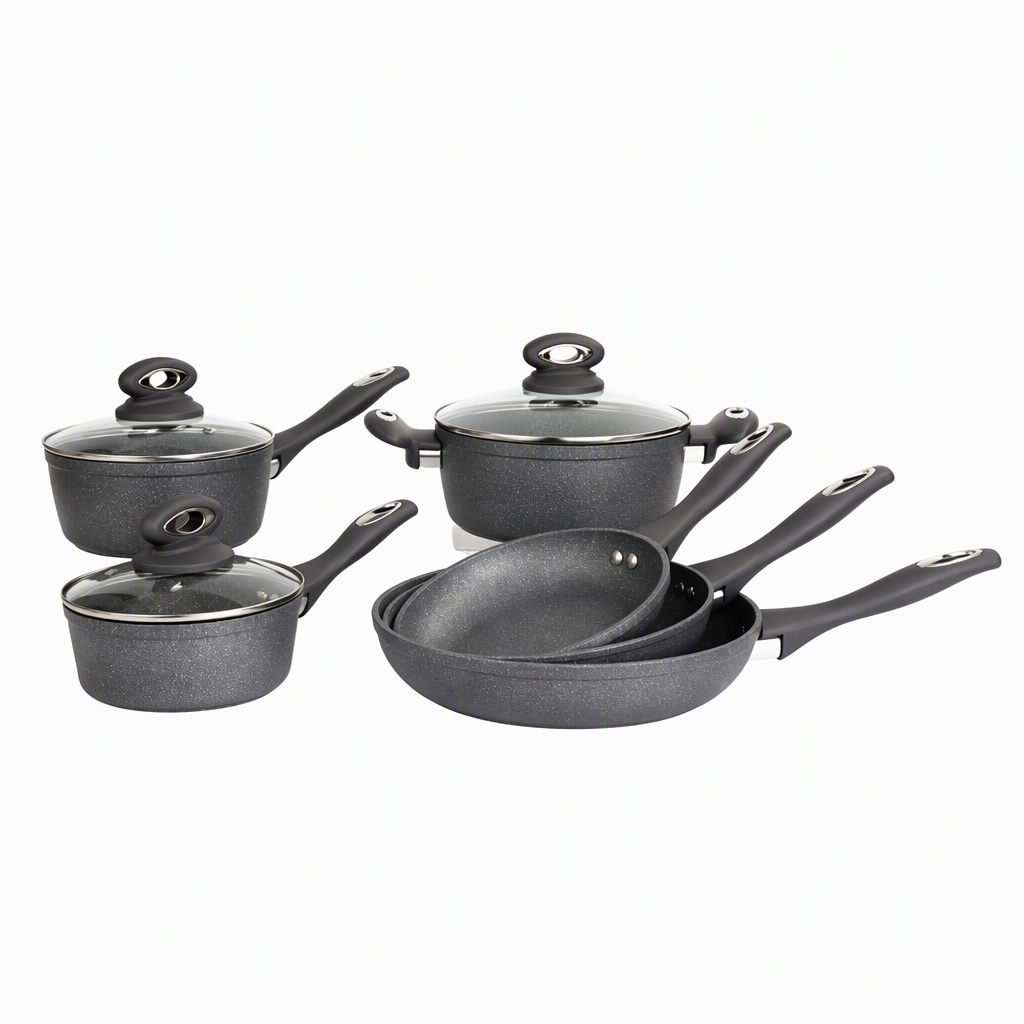
- Minimalist Nordic Design Aesthetics: Estonian interior design leans heavily toward Scandinavian minimalism. Preferred color palettes include matte black, slate gray, cream beige, sage green, and natural wood-effect Bakelite handles with soft-touch rubberized finishes.
- Space-Saving Modular Cookware: Urban apartments in Tallinn favor compact living. Cookware sets featuring detachable, click-lock ergonomic handles allow multi-functional use: transition seamless from induction stovetop to oven baking, then directly to dinner table serving, and finally into compact cupboard stacking.
- Energy Crisis Consciousness: High Baltic energy tariffs have elevated the importance of cookware heat conductivity. Heavy-gauge forged aluminum heats up to 30% faster than cast iron while weighing a fraction of the weight, providing maximum energy efficiency per cooking cycle.
5. OEM/ODM Direct Factory Advantage: Zhejiang MEIS Kitchenware Co., Ltd.
When purchasing wholesale aluminum cooking pots from China, selecting a direct manufacturer rather than a trading intermediary is vital for securing consistent material quality, verified certifications, and factory-direct pricing. Located in the Dongnan Industrial Zone, Shuxi Street, Jinhua, Zhejiang, Zhejiang MEIS Kitchenware Co., Ltd. operates state-of-the-art production infrastructure designed specifically for international B2B buyers.
TÜV Rheinland Verified Manufacturing
Our facility undergoes rigorous on-site auditing by TÜV Rheinland. We maintain strict ISO-compliant quality controls covering incoming raw aluminum disc inspection, coating thickness testing, and automated final packaging checks.
Full In-House Tooling & CNC Production
Equipped with advanced hydraulic presses, punching equipment, CNC lathe machinery, and automatic spraying lines, our 105-person team handles every phase of production under one roof to guarantee seamless precision.
Complete Customization (Private Label)
From custom laser-etched brand logos, specialized color-matching (Pantone system), customized bottom induction graphics, to customized retail color packaging boxes, we offer end-to-end OEM and ODM services.
Our comprehensive laboratory conducts multi-stage testing before dispatch, including salt spray corrosion resistance testing, handle fatigue cycle testing, handle thrust and torsion tests, and coating cross-hatch adhesion testing. This ensures that every cooking pot leaving our factory for Estonia arrives in perfect condition and performs flawlessly for years.
6. Frequently Asked Questions (FAQ) for Estonian B2B Buyers
Here are clear answers to common technical, logistics, and commercial questions raised by importers in Estonia:
How long does shipping take from Ningbo/Ningbo-Zhoushan Port to Tallinn (Muuga Port)?
Are your non-stick cooking pots fully compliant with EU food contact laws and PFAS restrictions?
What is the Minimum Order Quantity (MOQ) for custom brand orders for Estonia?
Can you manufacture custom aluminum cooking pots based on our technical CAD drawings or samples?
How do you protect aluminum pot bodies from warping on high-power induction stoves?
Is MEIS a verified direct factory or a trading company?
Partner with China's Premier Cookware Manufacturer for Estonia
Expand your Baltic retail or distribution business with high-margin, EU-compliant, customized aluminum cooking pots and cookware sets. Contact our engineering and export team today for technical catalogs, instant FOB price quotations, and factory samples.
Contact Us