High-Efficiency Dutch Ovens & Heavy Cookware for Italian Importers
Direct supply from Jinhua's TÜV Rheinland-inspected manufacturer. Precision die-forged bases, induction disc integration, and certified food-contact nonstick finishes engineered for the Genoa market.
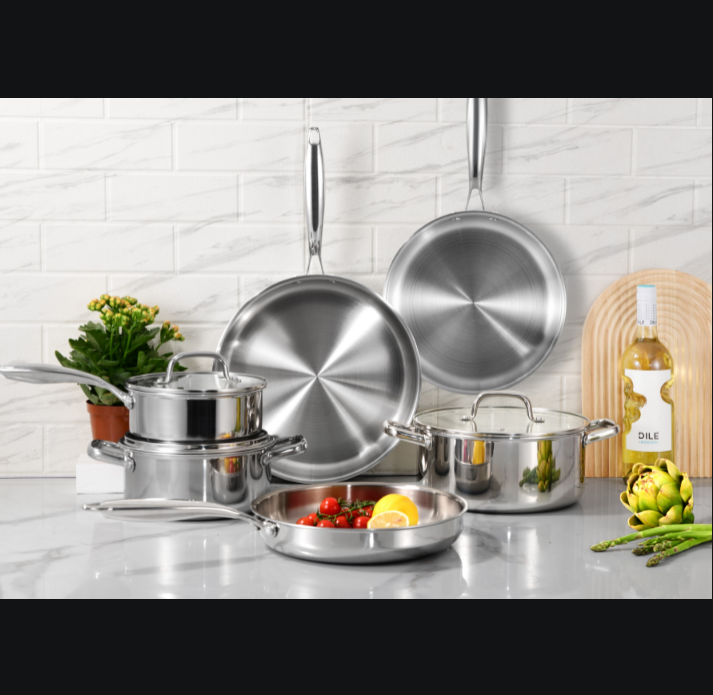
Tri-ply Stainless Steel Cookware Set Flat Bottom Glass Cover
View Details →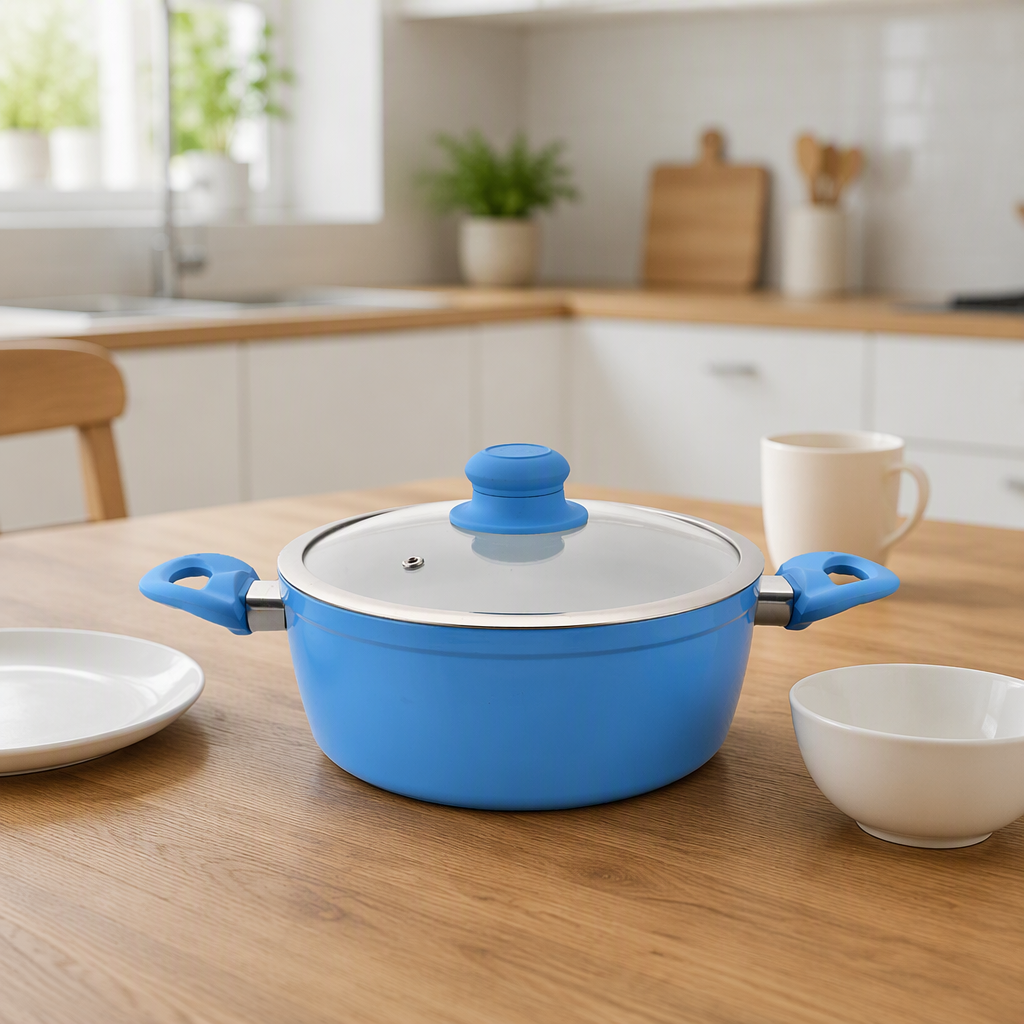
24 cm Lightweight Forged Non-Stick Casserole Soup Pot
View Details →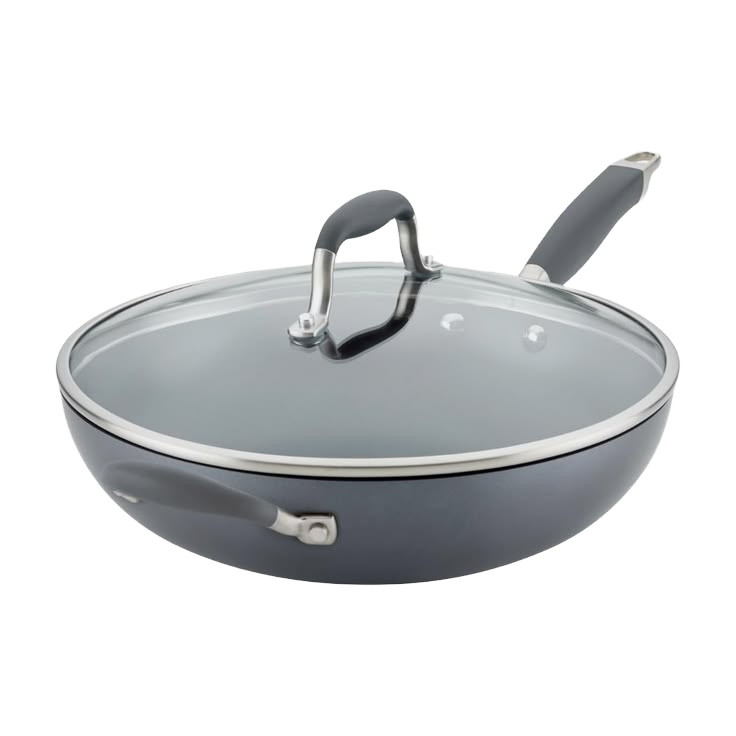
European-Style Pressed Aluminum Ceramic Dutch Sauté Pan
View Details →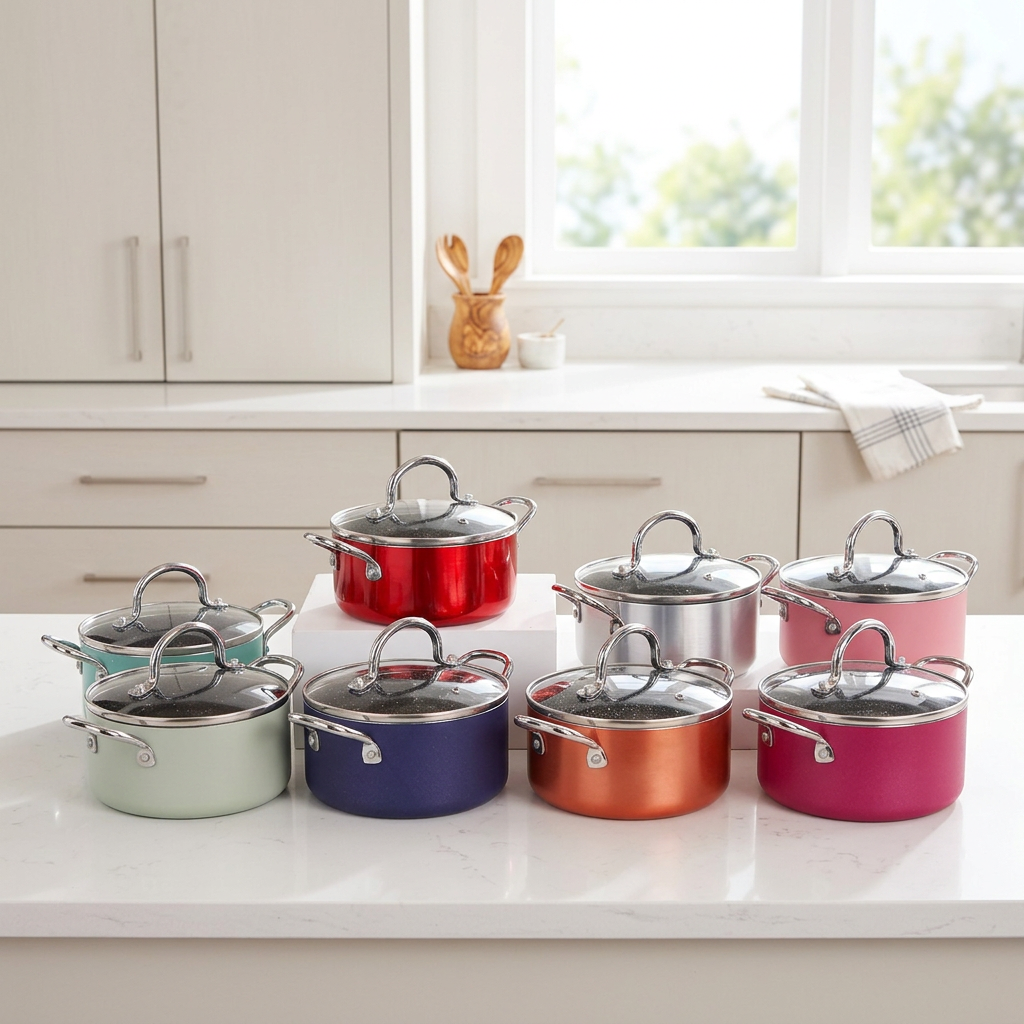
14cm Mini Dutch Sauce Pan with Glass Lid Induction Base
View Details →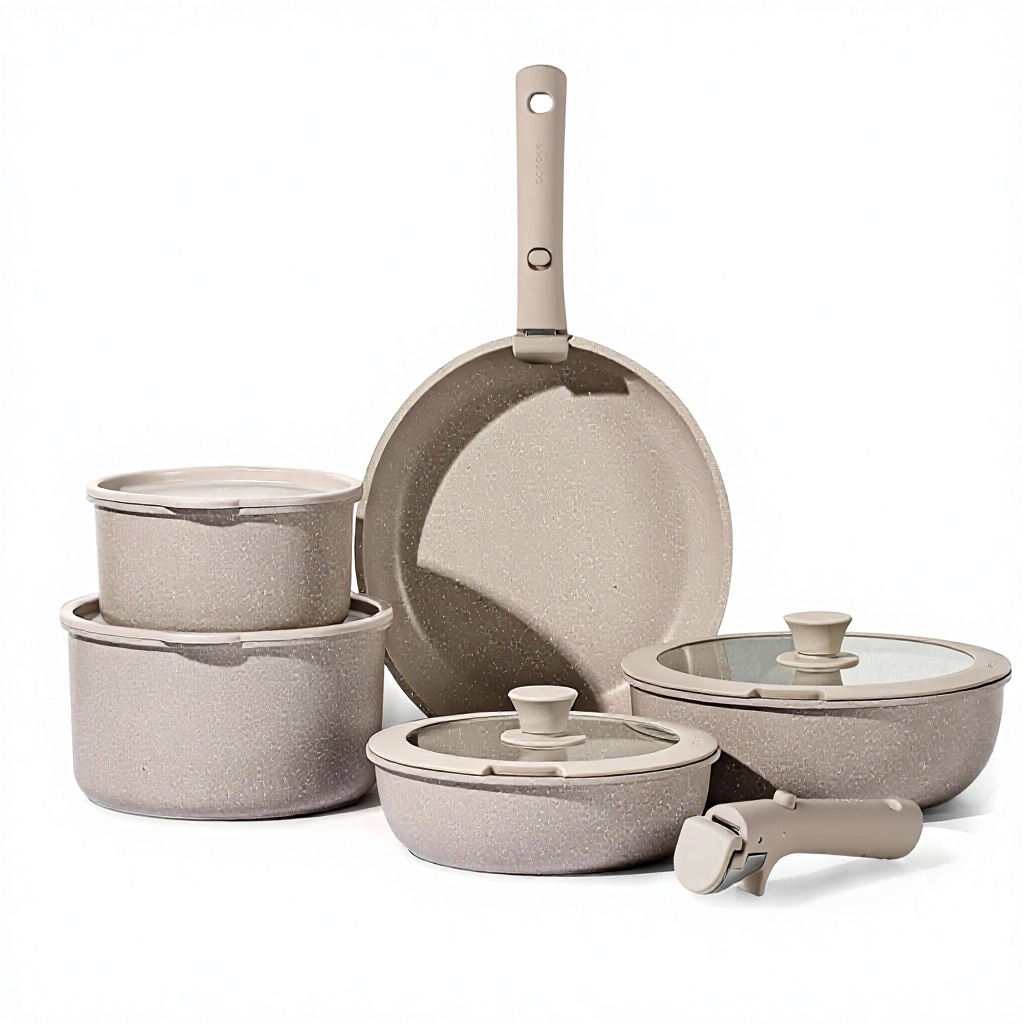
Modular Multi-Piece Cookware System Detachable Handles
View Details →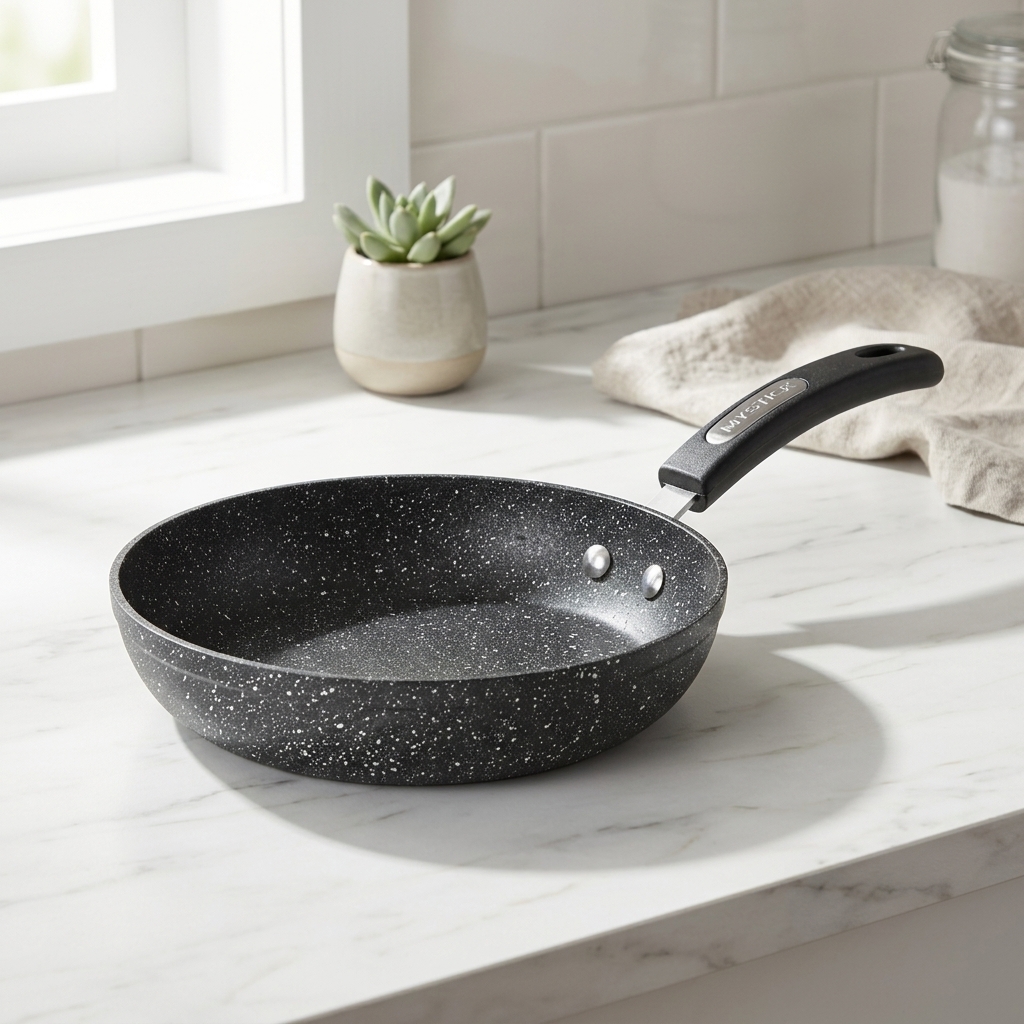
20cm Shot-Blast Heavy Aluminum Cooking Pot Dutch Basin
View Details →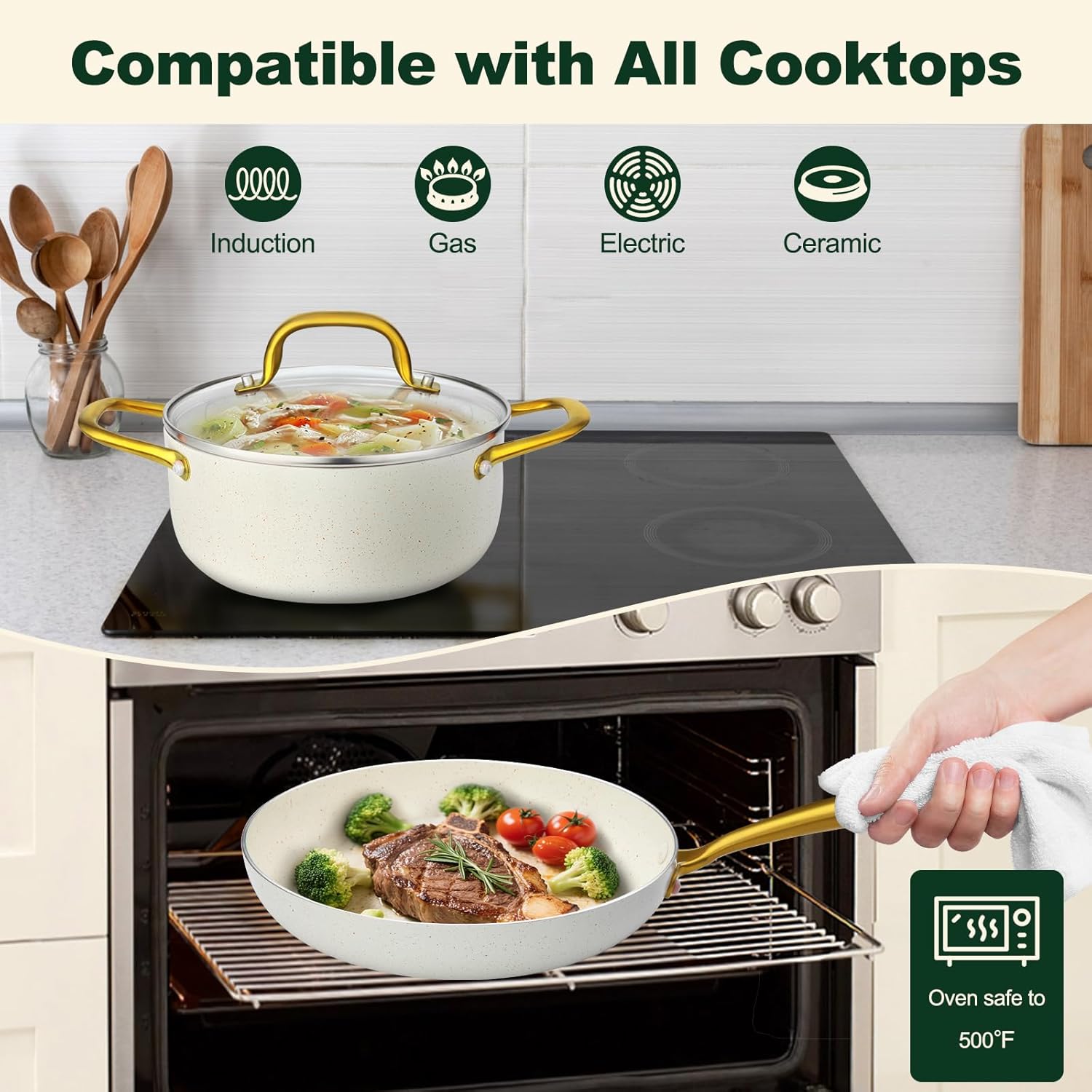
5-Piece Classic Ceramic Dutch Oven & Kitchenware Set
View Details →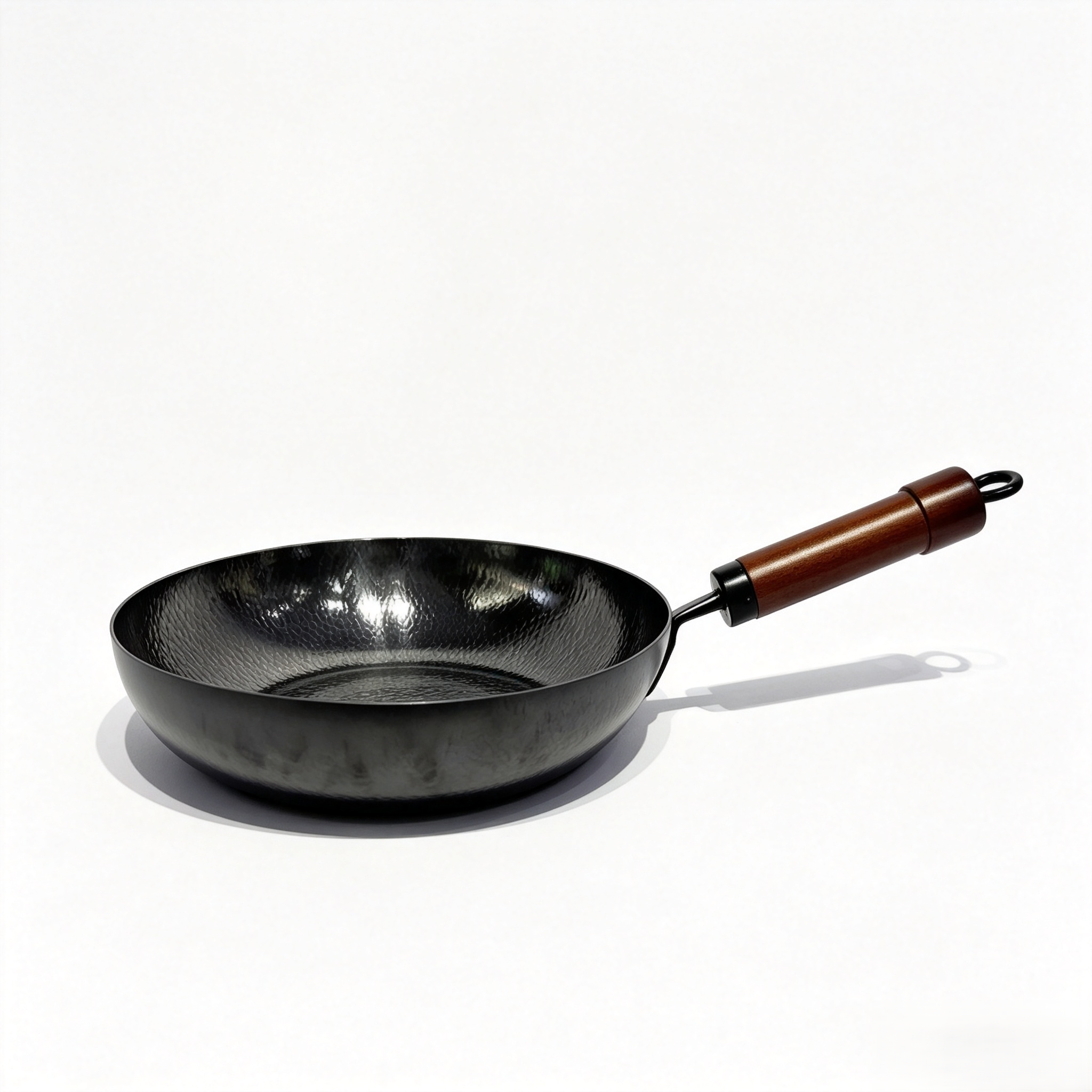
Nitrided Hammered Carbon Steel Deep Casserole Wok
View Details →Strategic Sourcing: Navigating Dutch Oven Import Realities in Genoa & Northern Italy
As the primary maritime gateway of Northern Italy and a focal logistics node for Liguria, Piedmont, and Lombardy, the port of Genoa represents a distinctive procurement landscape for heavy cookware, traditional casseroles, and Dutch oven lines. Importers, department store chains, and HoReCa distributors operating in Genoa demand more than standard cast iron cookware: they require an optimal balance of thermal inertia, ergonomic handling, energy efficiency on induction cooktops, and strict compliance with EU Regulation (EC) No 1935/2004 and the Italian Ministerial Decree 21/03/1973.
1. Localized Application Scenarios: The Culinary Geometry of Liguria
The traditional cuisine of Genoa places extreme demands on slow-simmering and precision braising vessels. From Tomaxelle (Ligurian stuffed veal rolls braised in rich stock) to authentic Stoccafisso accomodato (dried cod slow-braised with tomatoes, taggiasca olives, and pine nuts), traditional cooks require prolonged heat retention without bottom scorching. Standard thin-gauge stamped pots create localized hotspots that quickly burn tomato-based reductions and gelatinous seafood broths.
Conversely, modern Italian metropolitan households in Genoa, Rapallo, and Sanremo increasingly live in apartments where heavy enamelled cast iron Dutch ovens—often weighing upwards of 6 to 8 kg—are deemed unwieldy and prone to chipping induction glass hobs. MEIS Kitchenware solves this regional challenge by producing heavy-gauge die-forged aluminum Dutch ovens and thick-bottom carbon steel braisers. These vessels deliver 90% of cast iron’s heat retention at nearly half the weight, while offering instantaneous thermal dispersion to eliminate hotspot formation during multi-hour reductions.
Slow-Braising Performance
Forged bases ranging between 4.0mm and 5.5mm guarantee uniform heat accumulation, keeping stews and broths simmering gently at low kilowatt usage on European induction cooktops.
Acid & Salt Corrosion Immunity
Multi-layer PTFE-free ceramic and mineral granite coatings withstand prolonged exposure to acidic marinades, white wine reductions, and Mediterranean sea-salt brines.
Maritime Port Efficiency
Direct shipments from Ningbo to the Port of Genoa (PSA Genova Pra' / Terminal Conteneitori Porto di Genova) reduce inland European freight legs, cutting landed container cost significantly.
2. Emerging Regional Trends: The Transition Toward Light Commercial Dutch Cookware
Data from European homeware buying groups points toward three clear developments across Italian homeware purchasing:
- Induction Grid Modernization: The widespread replacement of residential gas hobs with induction ranges across European homes means that any Dutch oven supplied to the Genoa market must feature flat, CNC-machined, anti-warping magnetic bottom plates. MEIS integrates high-tonnage impacted induction disc bottoms, tested up to 260°C without mechanical separation or concave warping.
- The PFOA & PTFE Transition: Genoese consumers show a high preference for eco-conscious cooking tools. Demand is tilting rapidly toward ceramic interior Dutch ovens and pre-nitrided carbon steel casseroles that do not release hazardous fumes if heated dry.
- Nesting & Detachable Handle Utility: Urban residential flats across Ligurian coastal cities require compact kitchen storage. Our detachable handle Dutch casseroles allow the pot body to transition seamlessly from stovetop to oven, and from dining table straight into modular cupboards.
3. Technical Substrate Evaluation for Dutch Oven Engineering
Choosing the appropriate core substrate allows retail buyers and private label brands to position their products with precision across varied price tiers:
| Evaluation Parameter | Die-Forged Aluminum (MEIS) | Traditional Cast Iron | Nitrided Carbon Steel |
|---|---|---|---|
| Wall-to-Base Ratio | 4.5mm Base / 2.2mm Wall (Optimized) | Uniform 4.0mm - 6.0mm (Heavy) | 2.0mm - 3.0mm Gauge (Rigid) |
| Thermal Conduction Rate | 205 W/(m·K) - Rapid, no hotspots | 52 W/(m·K) - Slower response | 54 W/(m·K) - Responsive searing |
| Weight (24cm Dutch Pot) | 1.35 kg - 1.65 kg (Ergonomic) | 4.80 kg - 5.50 kg (Heavy fatigue) | 1.80 kg - 2.10 kg (Balanced) |
| Induction Efficiency | Impact-bonded perforated magnetic disc | Inherent magnetic properties | Inherent magnetic properties |
| Interior Finish Options | Sol-Gel Ceramic, Titanium Nonstick, Granite | Glass Vitreous Enamel (Chip risk) | Pre-seasoned or Nitrided Oxide Layer |
| OEM Unit Cost Index | Moderate (High Retail Margins) | High (Shipping freight overheads) | Competitive (Mass Market Fit) |
4. Enterprise Manufacturing Strengths: Zhejiang MEIS Kitchenware
Situated in the industrial heartland of Jinhua, Zhejiang, Zhejiang MEIS Kitchenware Co., Ltd. has operated as an original equipment and design manufacturer (OEM/ODM) for over 20 years. Unlike trading brokers, our entire production process—from aluminum coil blanking, hydraulic pressing, deep die-forging, CNC rim and bottom turning, automated 4-stage ultrasonic surface degreasing, to automated electrostatic spray coating and robotic assembly—is controlled inside our verified factory premises.
TÜV Rheinland On-Site Audit
Our Jinhua workshops, machinery, social compliance conditions, and management protocols are fully verified through independent third-party on-site audits.
In-House Testing Laboratory
Every Dutch oven production run undergoes salt spray cross-hatch adhesion tests, handle torsion strain verification, thermal shock cycling, and coating cure validation.
Dedicated Tooling & Mold Shop
Our internal CNC machining centers and tooling development team allow rapid 3D physical sample generation within 10 to 15 business days for custom European private labels.
Frequently Asked Questions: Sourcing Dutch Ovens for the Genoa Market
Direct technical answers addressing customs clearing, Italian compliance, minimums, and logistic routines.
What are the customs duty implications and HS code classifications for Dutch ovens entering the Port of Genoa? +
How do MEIS coatings satisfy Italian M.D. 21/03/1973 and European Food Contact Regulations? +
What is the minimum order quantity (MOQ) for custom branding and packaging in the Italian market? +
Can Dutch ovens with tempered glass lids and bakelite handles withstand commercial Italian ovens? +
What is the typical shipping lead time from Ningbo to the Port of Genoa? +
Request Direct OEM/ODM Dutch Oven Quotations for Genoa
Partner directly with an on-site verified Chinese cookware factory. Access customized mold specifications, food safety compliance portfolios, and container pricing sheets today.