Recommended Forged & Non-Stick Cookware Systems
Precision-engineered aluminum kitchenware optimized for European export standards and high-volume commercial distribution.
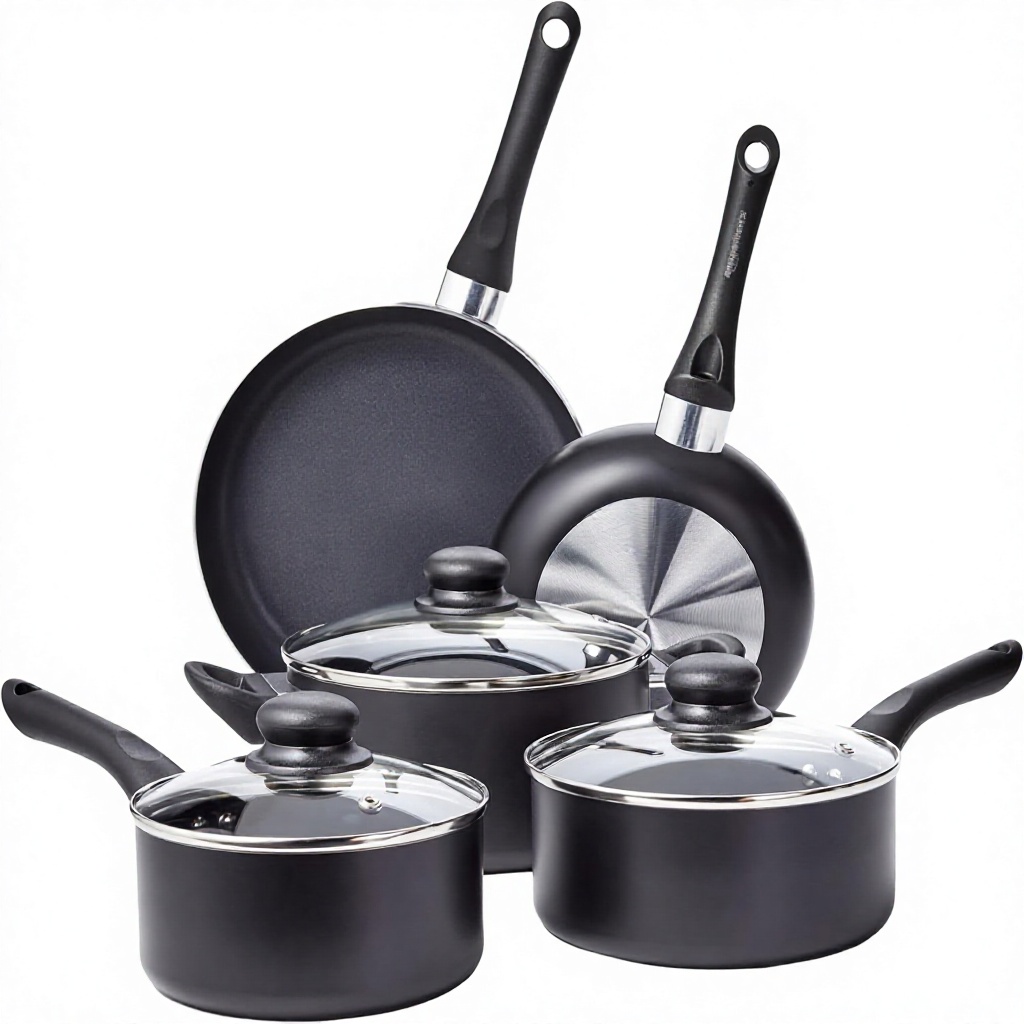
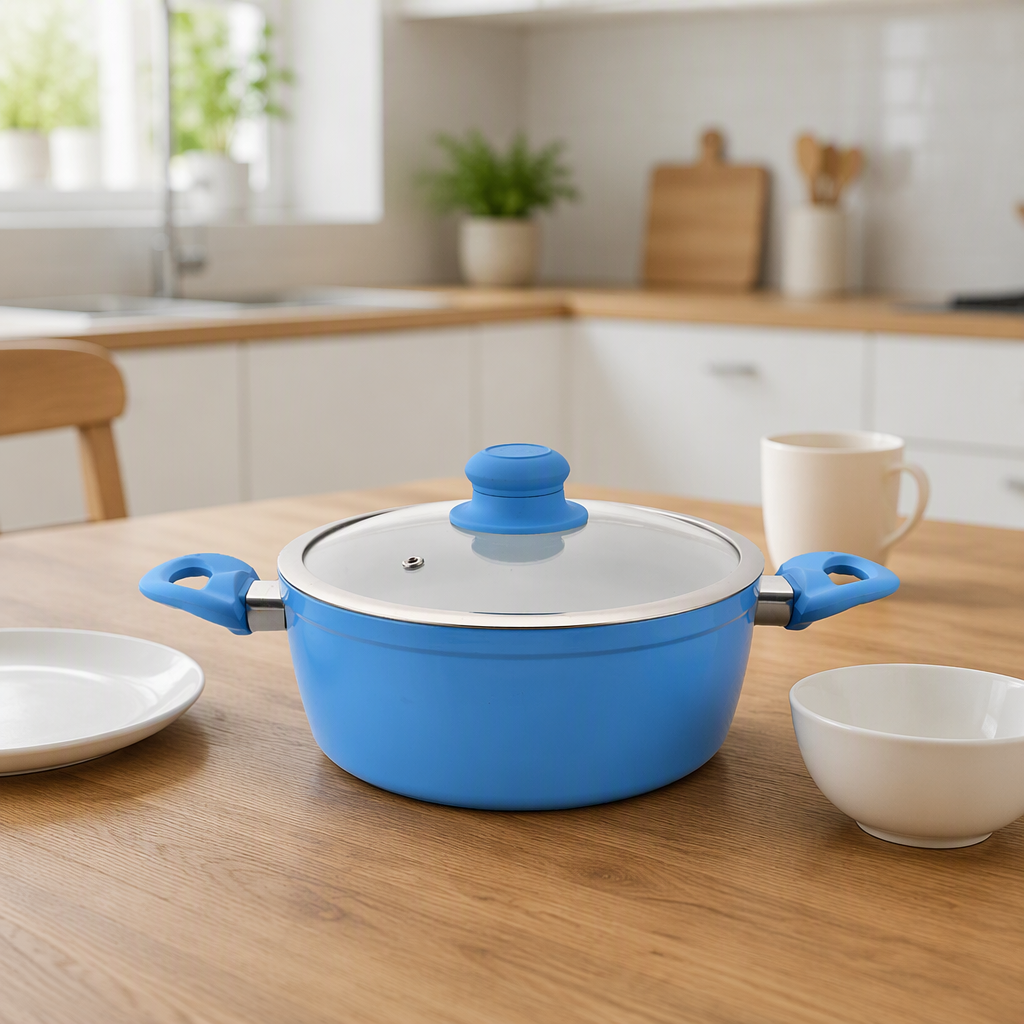
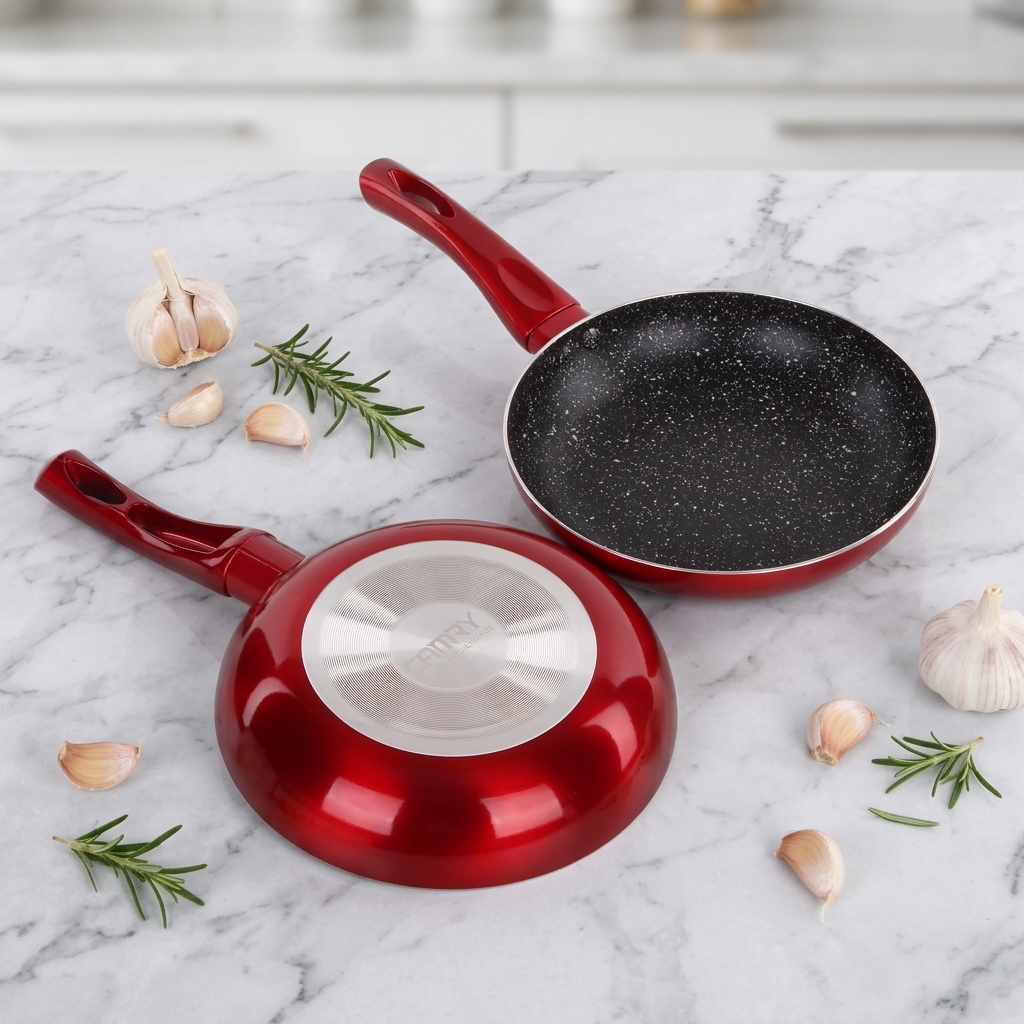
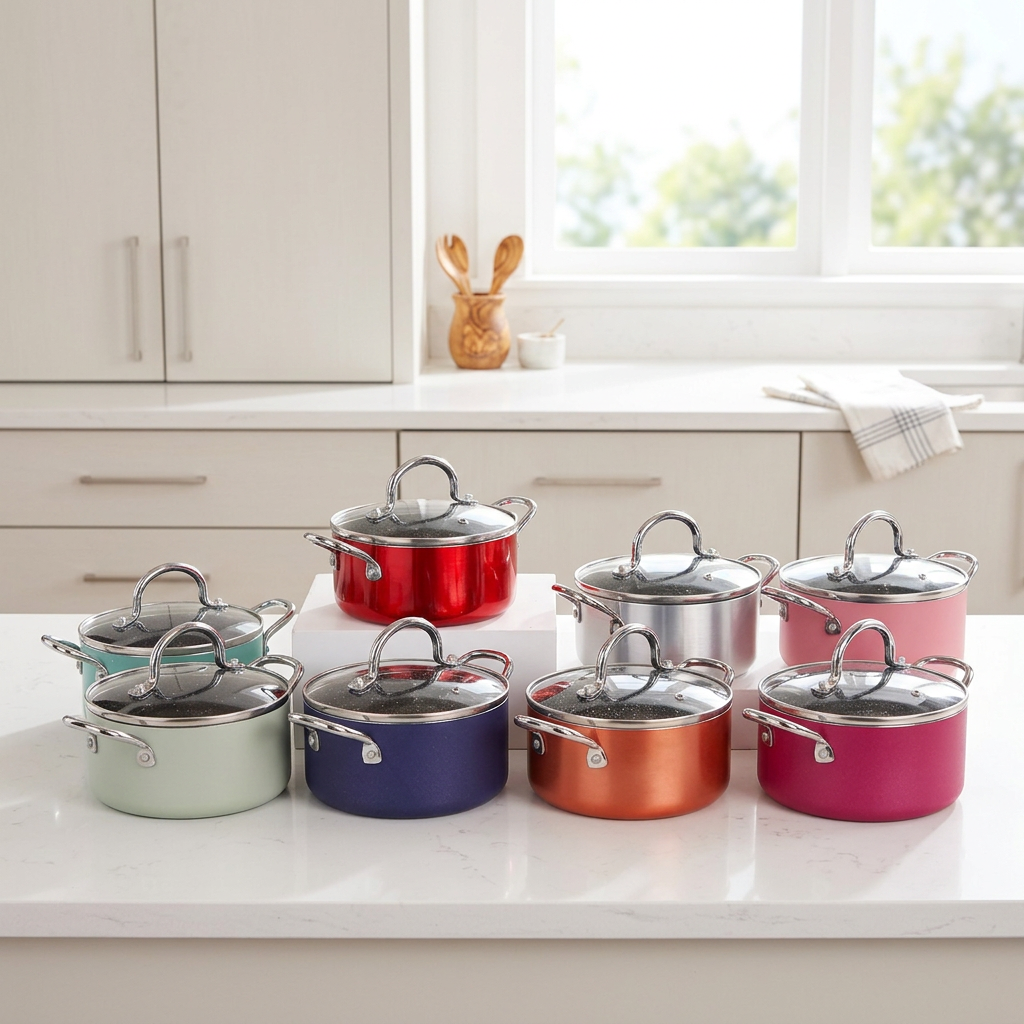
Strategic Supply Chain Engineering for the Grodno Cookware Market
The regional cookware market in Grodno (Гродно) and across Western Belarus represents a unique convergence of Eastern European commercial logistics and distinctive culinary demands. Situated strategically near the Polish and Lithuanian borders, Grodno functions as a key logistics node within the Eurasian Economic Union (EAEU). Retail buyers, wholesale distributors, and commercial department store networks across Grodno Region require cookware solutions that bridge high-durability metallurgy with strict safety and economic thresholds.
To successfully capture consumer market share in Grodno, retail chains must stock kitchenware engineered specifically for localized cooking techniques. The regional gastronomy—characterized by potato-dense dishes like traditional Draniki (драники), slow-simmered Machanka (мачанка), and thick meat stews—places intense thermal strain on frypans, casseroles, and sauté pans. Standard thin-gauge pressed aluminum pans frequently suffer from bottom warping, localized scorching, and rapid non-stick coating degradation when exposed to the high heat and heavy fat contact involved in deep skillet frying.
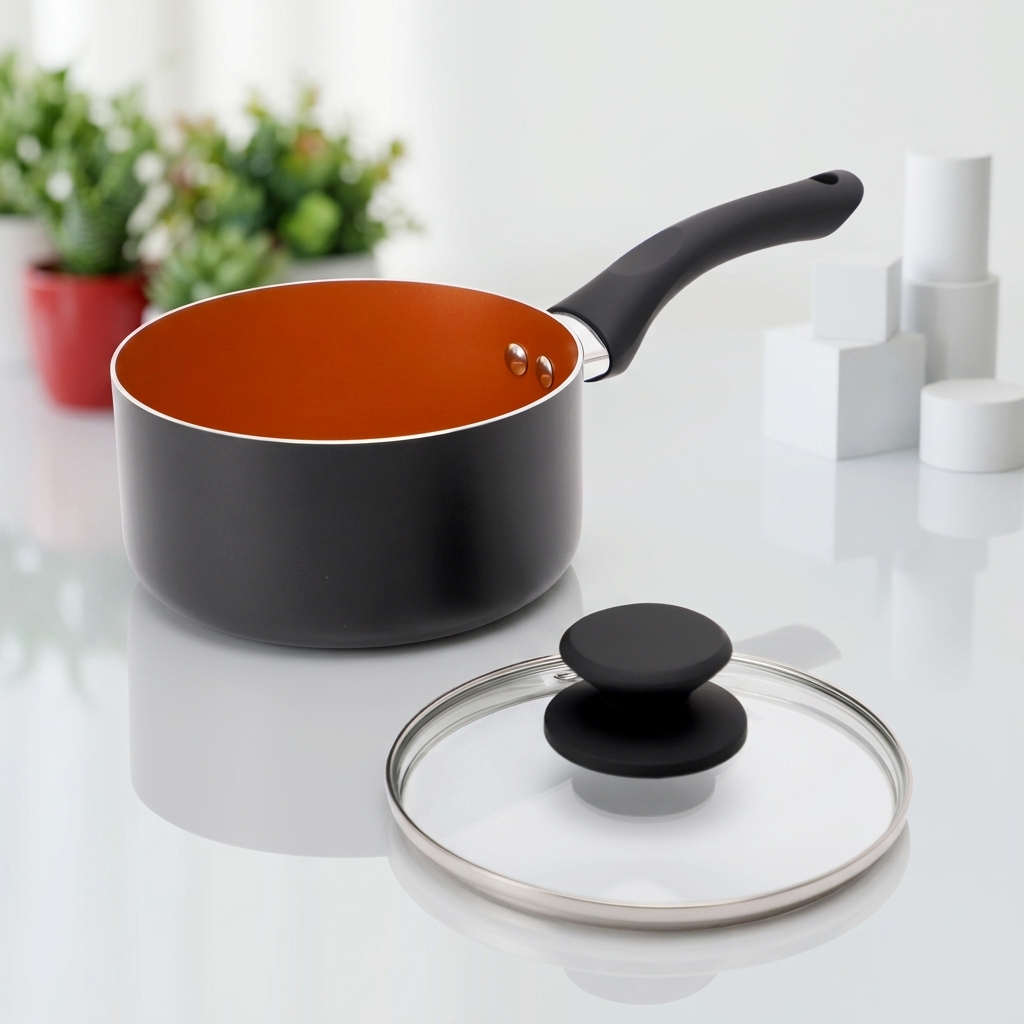
As a leading Chinese custom manufacturer of forged aluminum cookware, Zhejiang MEIS Kitchenware Co., Ltd. provides direct-from-factory OEM/ODM manufacturing solutions engineered to eliminate these pain points. By utilizing high-pressure hydraulic forging presses (ranging from 1,200 to 2,500 tons), we produce dense, variable-thickness cookware bodies featuring heavy rims (3.5mm – 4.5mm) and thick thermal distribution bases (4.0mm – 5.5mm). This structural integrity ensures exceptional warp resistance, precise heat retention, and optimal compatibility with both legacy natural gas ranges and modern induction hobs widely installed in contemporary housing developments across Grodno, Lida, and Slonim.
Structural Integrity
Die-forged 3003 aluminum alloy bodies prevent thermal deformation during prolonged frying cycles at elevated temperatures.
Induction Dynamics
Impact-bonded magnetic stainless steel bottoms ensure rapid electromagnetic energy transfer on all modern Belarus cooktops.
EAEU TR CU Certified
Full regulatory compliance with Eurasian Economic Union technical regulations, ensuring smooth customs clearance at Brest and Grodno borders.
Forged Aluminum vs. Pressed Aluminum vs. Nitrided Carbon Steel: A Technical Comparison
Commercial cookware buyers serving Western Belarus must carefully calibrate their inventory portfolios according to price elasticity, longevity expectations, and cooking stove compatibility. Understanding the underlying physical and chemical properties of forged aluminum versus alternative metal structures is essential for maximizing retail margin and minimizing customer return rates.
| Performance Parameter | Forged Aluminum Cookware | Pressed Aluminum Cookware | Nitrided Carbon Steel Woks |
|---|---|---|---|
| Forming Method | High-pressure cold/hot die forging (variable wall thickness) | Mechanical stamping from uniform sheet disk | Deep-drawing / Mechanical hammering |
| Base / Rim Thickness | Base: 4.0 - 5.5 mm | Rim: 3.5 - 4.5 mm | Uniform 2.0 - 3.0 mm throughout | Uniform 1.2 - 2.0 mm heavy gauge |
| Thermal Distribution | Superior uniformity; eliminates hot spots | Fast response, prone to center hot-spots | High heat retention; intense localized heat |
| Warp Resistance (at 260°C) | Extremely High (Engineered stress relief) | Moderate (Susceptible under rapid cooling) | High (Rigid crystal structure) |
| Non-Stick Coating Bond | Multi-layer PTFE / Ceramic / Marble dispersion | Standard 2-layer PTFE or Ceramic spray | Natural seasoning / Chemical nitriding |
| Primary Target Market (Grodno) | Mid-to-Premium Retail, Hypermarkets, Department Stores | Promotional lines, Budget Supermarket chains | Specialty Asian cooking, HoReCa, Professional kitchen |
1. The Metallurgical Advantage of Forged Aluminum
The manufacturing process of forged aluminum cookware begins with solid cylindrical aluminum slugs or heavy-gauge blank disks of high-purity 3003-series alloy. Under tremendous hydraulic pressure, the aluminum is forced into custom-machined steel molds. This plastic deformation realigns the metal's internal grain structure, compressing microporosity and significantly increasing tensile strength. The resulting vessel possesses extra-thick material at the base where heat transfer occurs, and tapered sidewalls that keep total vessel weight comfortable for household ergonomics.
By contrast, standard pressed cookware maintains a uniform thickness across the entire pan. When exposed to high gas flame outputs, thin pressed bases expand rapidly in the center, causing the pan base to bow outward (a defect known as convex warping). Forged aluminum cookware manufactured by Zhejiang MEIS Kitchenware avoids this entirely through engineered stress-relief zones and thick impact-bonded induction bases.
2. Coating Systems: Multi-Layer PTFE, Sol-Gel Ceramic, and Marble Dispersion
Coating longevity is directly proportional to surface pre-treatment and cross-linking density. At our Jinhua facility, forged cookware bodies undergo multi-stage automatic acid etching, degreasing, and grit-blasting to create an optimal mechanical anchor profile prior to coating application. We offer Grodno importers three primary non-stick architectural platforms:
- Granite & Marble Reinforced Fluoropolymer Systems: Incorporating microscopic mineral particles (titanium or granite flakes) within a multi-layer PTFE matrix. This creates a textured hard-wearing barrier capable of exceeding 25,000 cycles under BS EN 12983-1 abrasion testing protocols.
- Eco-Friendly Sol-Gel Silica Ceramic Coatings: Derived from inorganic inorganic silicon dioxide matrices. Completely free of PFOA, PFOS, Lead, and Cadmium. Capable of withstanding extreme thermal excursions up to 400°C without hazardous fume generation—ideal for environmentally conscious consumer segments in Belarus.
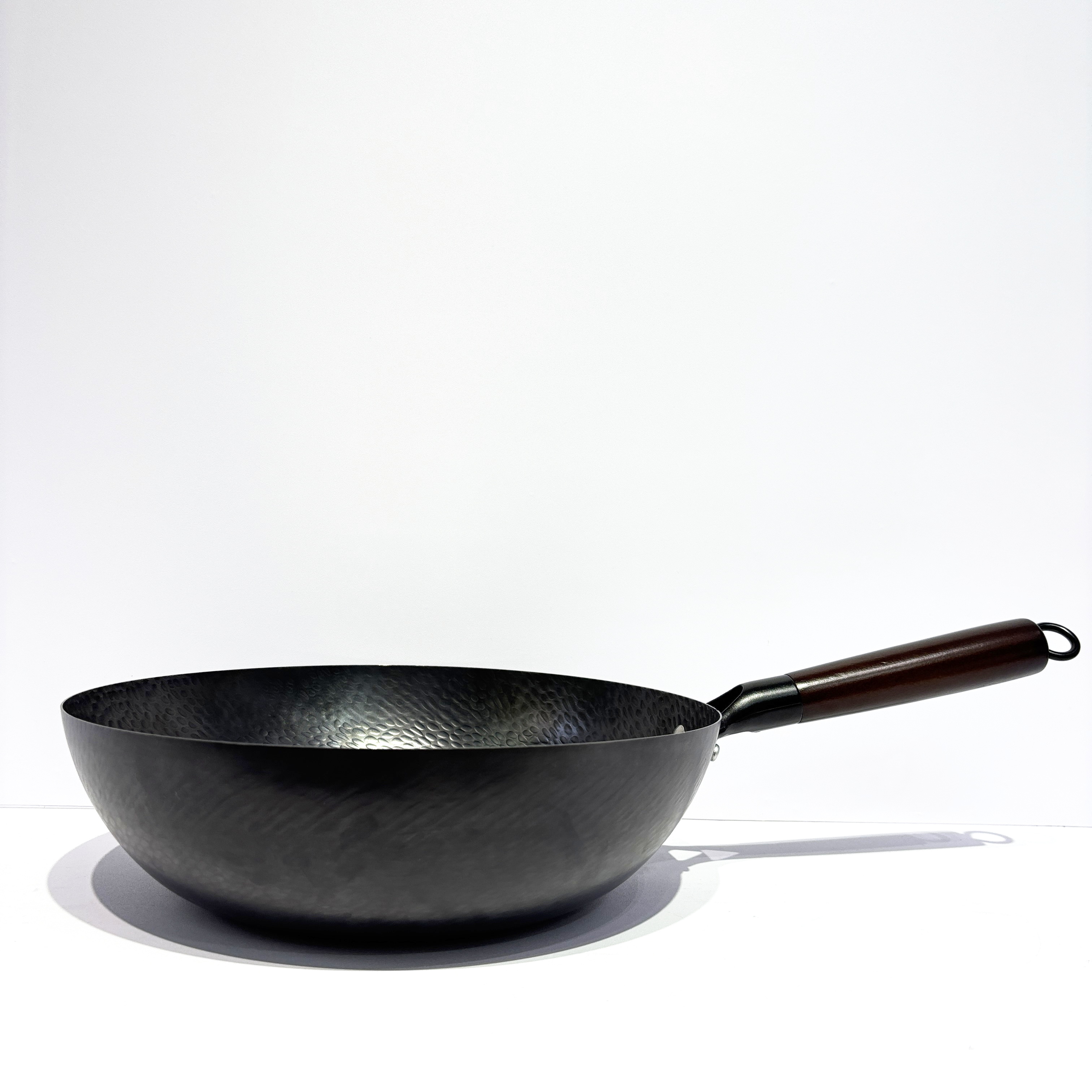
- Nitrided Heavy-Gauge Carbon Steel: For specialized wok cooking, iron atoms are thermochemically infused with nitrogen at 570°C. This forms a corrosion-resistant magnetite barrier that accepts natural oil seasoning without requiring synthetic fluoropolymer layers.
Localized Application Scenarios & Consumer Trends in Grodno
Successful enterprise sourcing requires aligning product engineering with localized retail realities. In the Grodno market, cookware distribution spans diverse retail environments—from major shopping centers such as Old City and Trinity Shopping Center to specialized household hardware networks and regional wholesale bases supplying smaller municipalities like Vawkavysk, Shchuchyn, and Smarhon’.
Home Culinary Adaptation
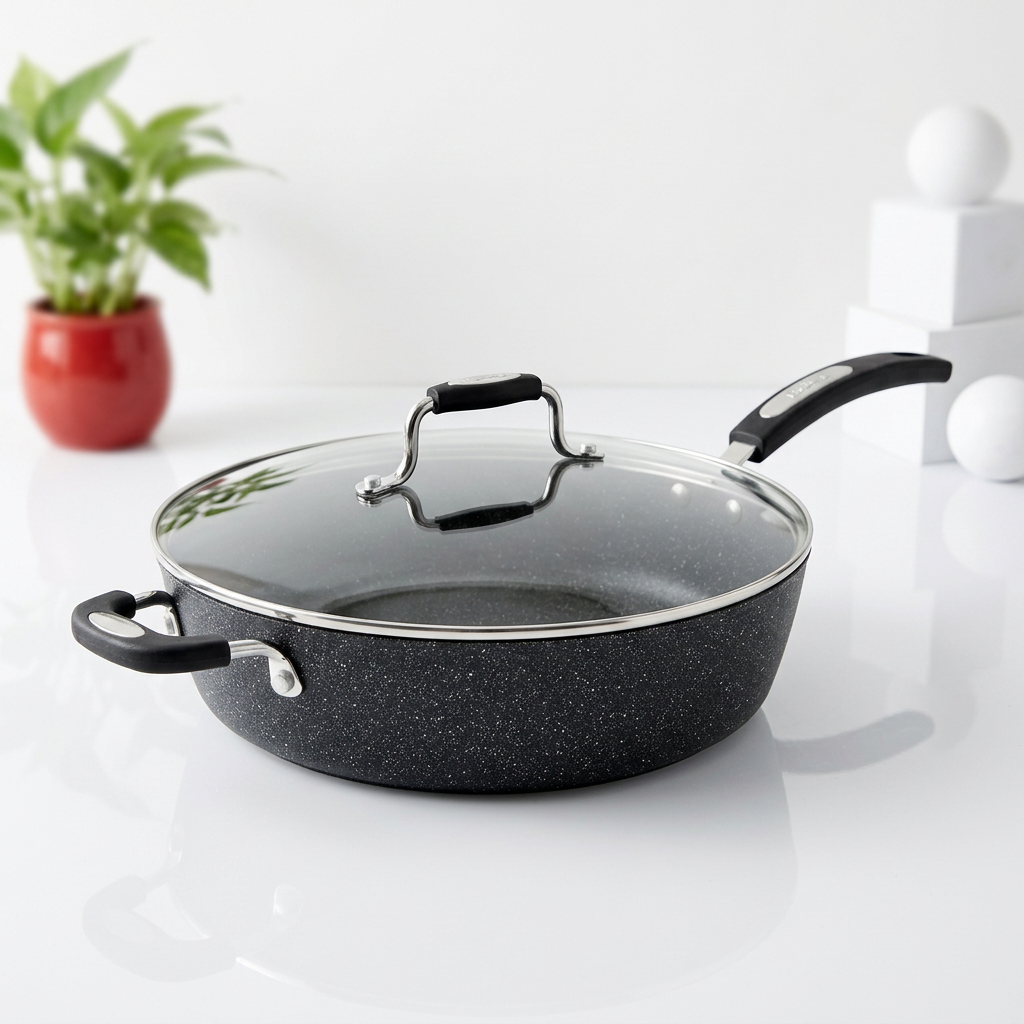
High-Starch Potato & Meat Frying: Belarusian cooking frequently involves high-starch ingredients cooked at medium-to-high pan contact temperatures. Our forged casseroles and deep frypans feature scratch-resistant marble interiors that prevent potato starch adhesion, allowing low-oil frying without surface scorching.
Slow Oven Braising: Forged casseroles paired with tempered glass lids and stainless steel or soft-touch heat-resistant bakelite handles allow seamless transition from gas cooktops into residential baking ovens.
Retail & Logistics Logistics Realities
Induction Stove Penetration: Urban apartment modernization across Grodno has accelerated the transition from gas lines to glass-ceramic induction cooktops. All MEIS forged aluminum cookware shipped to Belarus is equipped with full-coverage stainless steel induction bottom plates, ensuring 100% magnetic responsiveness.
Containerized Rail Freight Efficiency: Located near the main Yiwu-to-Minsk rail line, our factory optimizes carton volumetric packaging to maximize unit load density in 40ft High Cube containers, minimizing landed freight costs per piece.
Manufacturing Capabilities of Zhejiang MEIS Kitchenware Co., Ltd.
When sourcing direct from China, foreign buyers require transparent, on-site verified manufacturing infrastructure to guarantee product quality and order fulfillment stability. Zhejiang MEIS Kitchenware Co., Ltd. operates state-of-the-art production facilities in the Dongnan Industrial Zone, Shuxi Street, Jinhua, Zhejiang, China. Assessed on-site by TÜV Rheinland, our enterprise seamlessly integrates all core manufacturing phases under one operational roof:
- Precision Tooling & Mold Workshop: In-house CNC centers and automated lathes allow rapid prototyping and custom mold engineering for private label handle designs, bespoke pot shapes, and custom embossing.
- High-Pressure Forging & Stamping Lines: Fully automated hydraulic presses ensure dimensional tolerance precision across high-volume production runs.
- Automated Surface Pre-Treatment: Multi-stage ultrasonic cleaning and grit-blasting lines maximize non-stick coating adhesion.
- Reciprocating Spray Coating Tunnels: Computer-controlled spray heads apply precise coating film thicknesses (25–35 microns), followed by high-temperature curing ovens operating under strict thermal telemetry.
- In-House Metallurgy & Physical Quality Testing Laboratory: Every production batch is subjected to rigorous physical stress testing prior to packaging.
Rigorous Quality Assurance Testing Matrix
To ensure total reliability in commercial distribution, our quality control engineers execute standardized physical performance evaluations:
- Handle Fatigue & Torque Testing: Handles undergo 15,000 downward cyclic stress loads under BS EN 12983-1 standards to ensure zero rivet loosening or structural failure.
- Thermal Shock Resistance: Cookware heated to 200°C is repeatedly quenched in cold water to evaluate coating cross-linking stability and metal base flatness.
- Cross-Hatch Adhesion Tape Tests: Coating surfaces are precision-hatched with a grid cutter and subjected to pressure-sensitive adhesive tape pull tests to verify layer-to-layer cohesion.
- Corrosion Resistance: Continuous 24-hour salt spray exposure testing ensures external heat-resistant paint and base metals withstand harsh dishwasher environments.
Frequently Asked Questions for B2B Importers in Grodno & Belarus
Below are detailed answers to common inquiries from commercial buyers, supply chain directors, and retail category managers operating within the Eurasian Economic Union market.
Is Zhejiang MEIS Kitchenware a direct factory or a trading agent?
Zhejiang MEIS Kitchenware Co., Ltd. is an on-site verified manufacturer and direct exporter with our own specialized manufacturing facility in Jinhua, Zhejiang. Our facility has been physically audited on-site by TÜV Rheinland. We handle all metal forming, surface preparation, non-stick coating, assembly, and export documentation directly without intermediary agency markups.
How do you ensure compliance with Belarus EAC / EAEU TR CU regulatory standards?
Our cookware materials are fully tested and certified under international food-contact safety standards (EU 1935/2004, FDA, LFGB). We provide complete chemical composition safety datasheets and test reports for Lead, Cadmium, PFOA, and Heavy Metal migration, enabling Belarusian importers to seamlessly secure necessary Eurasian Economic Union Declaration of Conformity (EAC TR CU) documentation through local testing authorities.
What are the typical Minimum Order Quantities (MOQ) for custom private label orders?
For standard customized forged aluminum cookware sets and fry pans featuring custom Pantone interior/exterior colors, laser-engraved brand logos, and customized retail color gift boxes, our standard MOQ ranges from 1,000 to 1,500 units or sets per item size. Selected hot-selling models are available for lower-volume trial shipments upon negotiation.
What logistics shipping options are available from your Jinhua factory to Grodno?
We routinely ship via containerized rail freight utilizing the China-Europe Railway Express (Yiwu/Jinhua to Minsk / Kolyadichi rail terminals), offering a transit time of approximately 14 to 20 days. From Minsk rail hubs, goods are easily trucked directly to warehouses in Grodno. Alternatively, sea freight containers can be dispatched via sea ports to Baltic terminals for inland bonded transport.
Can we customize cookware handle finishes and glass lid styles for local consumer preferences?
Yes, full customization is our core capability. Importers serving Grodno frequently request soft-touch Bakelite handles with simulated wood-grain transfers, ergonomic stainless steel cast handles, and flat tempered glass lids featuring silicone rims for modern stackable retail presentation.
What is the technical difference between your granite ceramic and multi-layer PTFE coatings?
Multi-layer PTFE coatings utilize mineral particle reinforcement to maximize smooth food release and long-term oil-free frying performance. Sol-Gel ceramic coatings are inorganic mineral surfaces offering higher temperature tolerance (up to 400°C) and absolute eco-friendly marketing positioning. Both coating options are 100% PFOA-free and non-toxic.
How do you protect fragile cookware and glass lids against damage during long-distance rail transport?
We engineer master export packaging specifically for long-distance intermodal rail transit. Glass lids are polybagged and suspended in reinforced corrugated cardboard inserts or bubble sleeves. Cookware items feature protective poly-mesh edge guards and 5-ply double-wall heavy-duty corrugated master cartons capable of resisting high compression loads in stacked shipping containers.
Partner with a Verified Chinese Cookware Manufacturer
Expand your retail catalog in Grodno with heavy-duty forged aluminum cookware, ceramic sets, and carbon steel woks engineered for European durability. Contact our B2B export engineering team today for technical catalogs, pricing matrixes, and factory sample units.
Get Catalog