Induction Ready
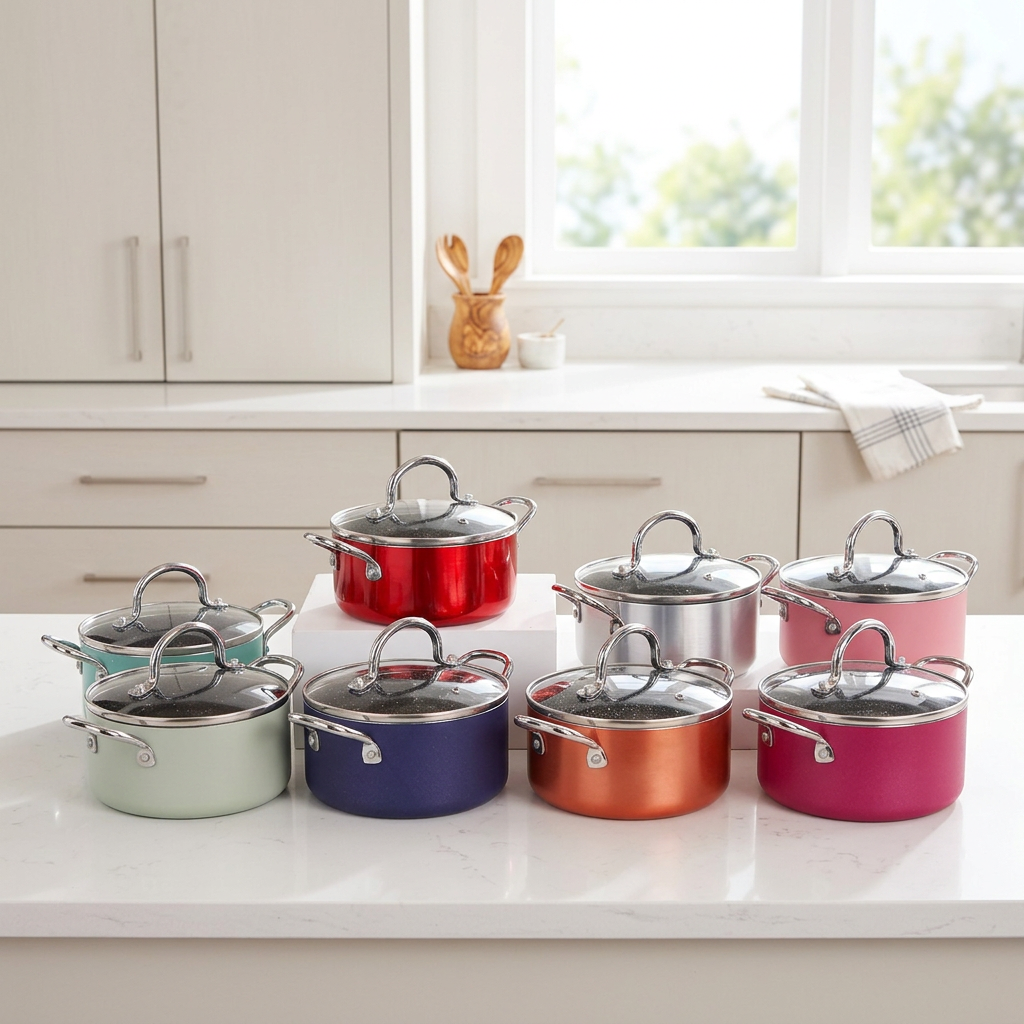
Direct OEM & ODM volume production with on-site TÜV Rheinland verification, rigid thermal standards, and precision multi-layer non-stick coatings.
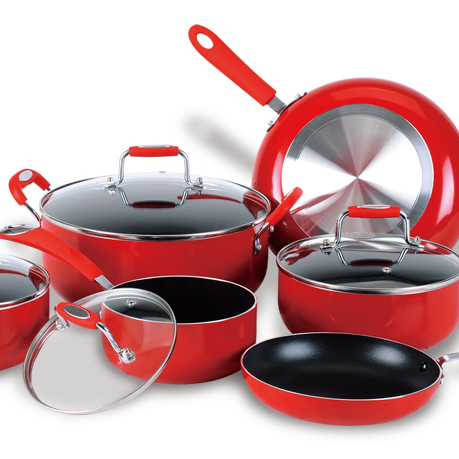
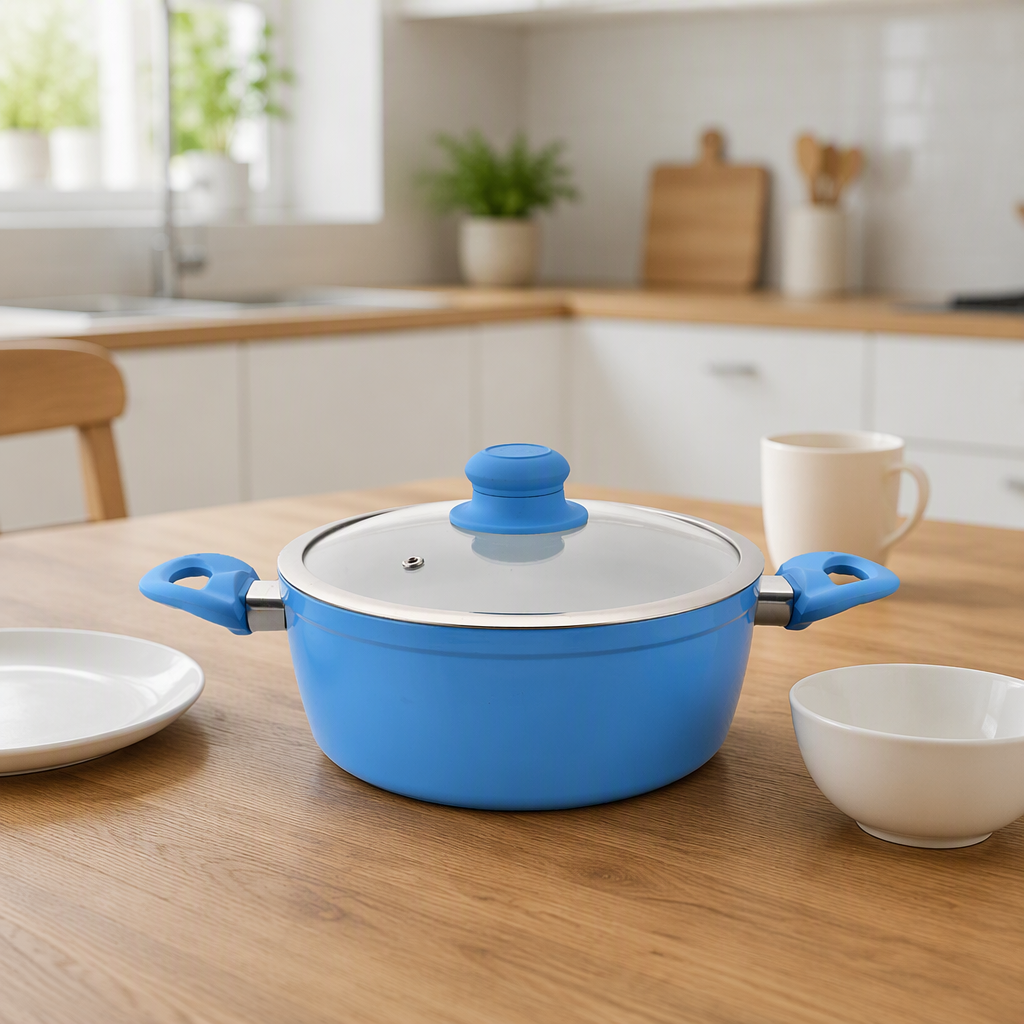
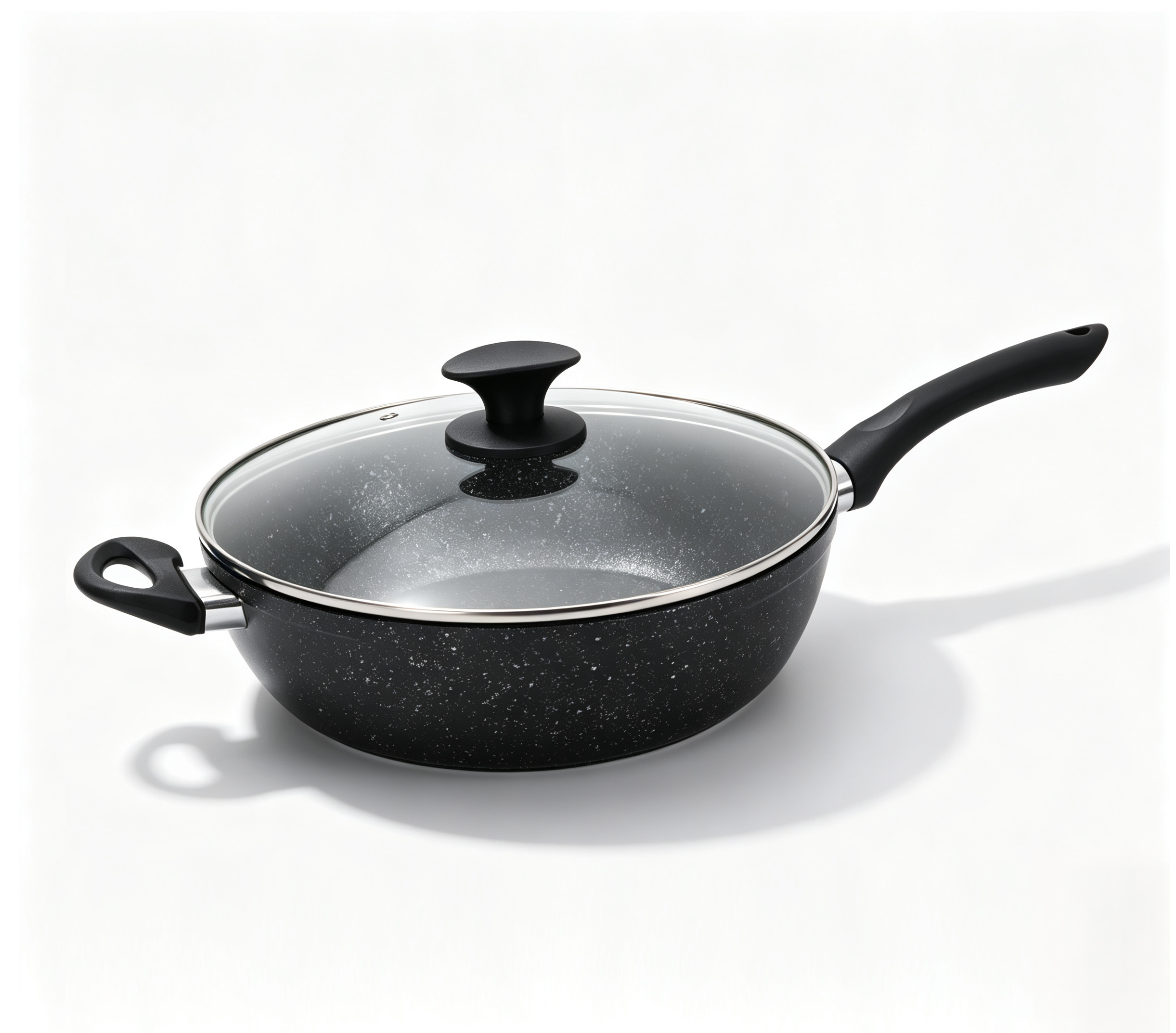
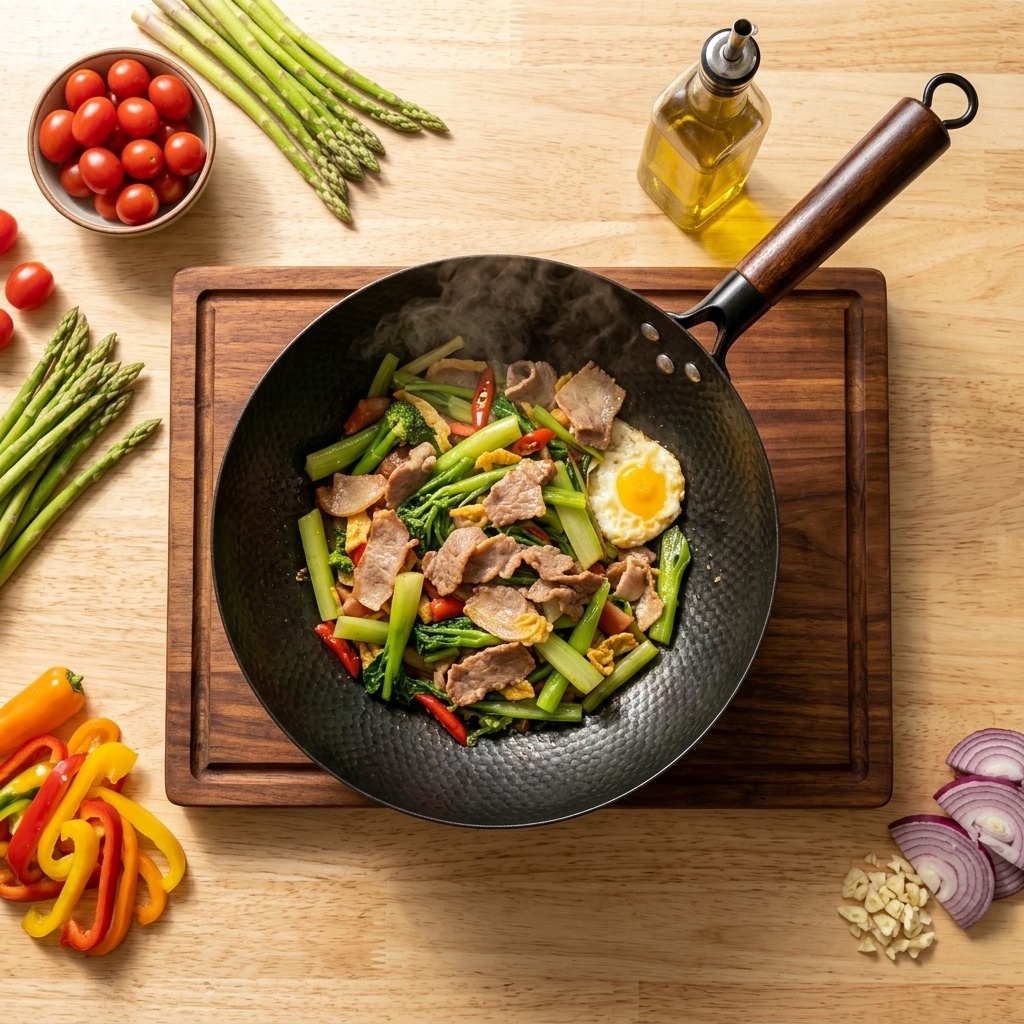
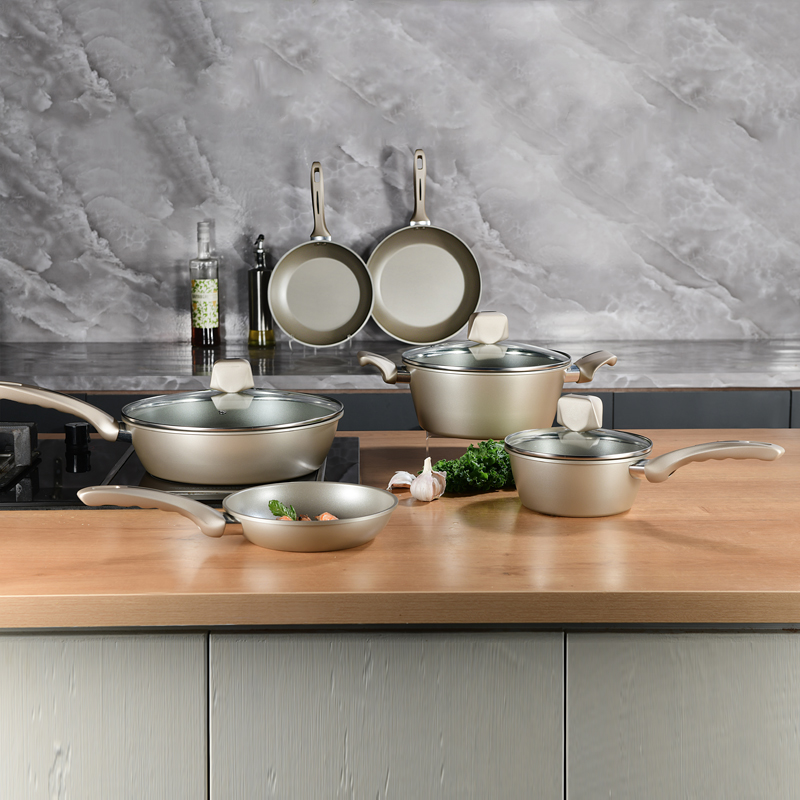
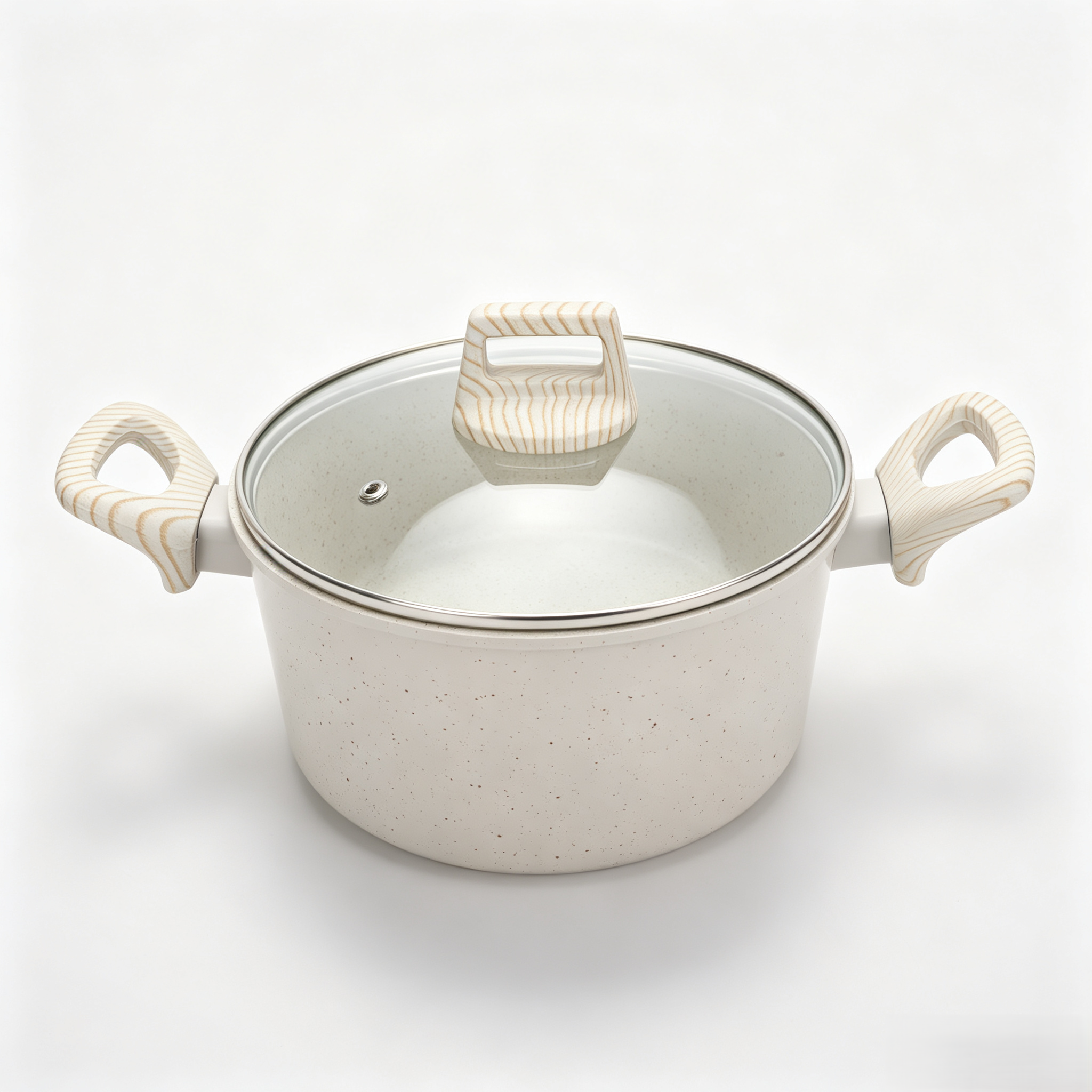
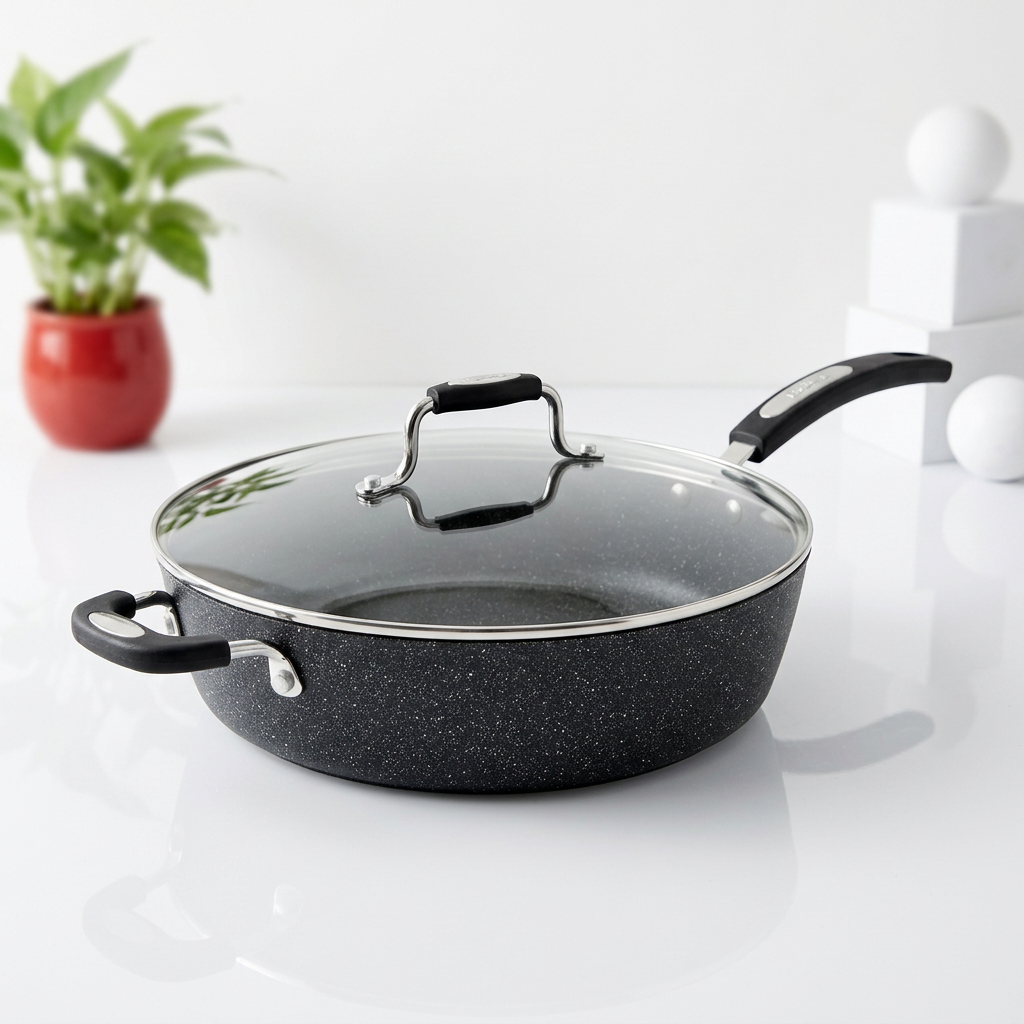
The culinary landscape of Strasbourg, serving as the commercial and cultural epicenter of Alsace and the administrative seat of the Grand Est region, represents one of Europe's most exacting consumer and commercial cookware markets. Characterized by dense concentrations of traditional Winstubs, Michelin-starred gastronomic establishments, high-turnover brasseries, and high household demand for heritage oven dishes, local purchasing channels prioritize structural rigidity, dimensional thermal stability, and accelerated heat distribution above generic consumer attributes. For bulk importers, wholesale hardware cooperatives, and retail brands operating along the Upper Rhine corridor, sourcing roasting vessels directly from precision-scale manufacturing facilities in China represents the definitive mechanism to reconcile demanding technical standards with optimized landed margins.
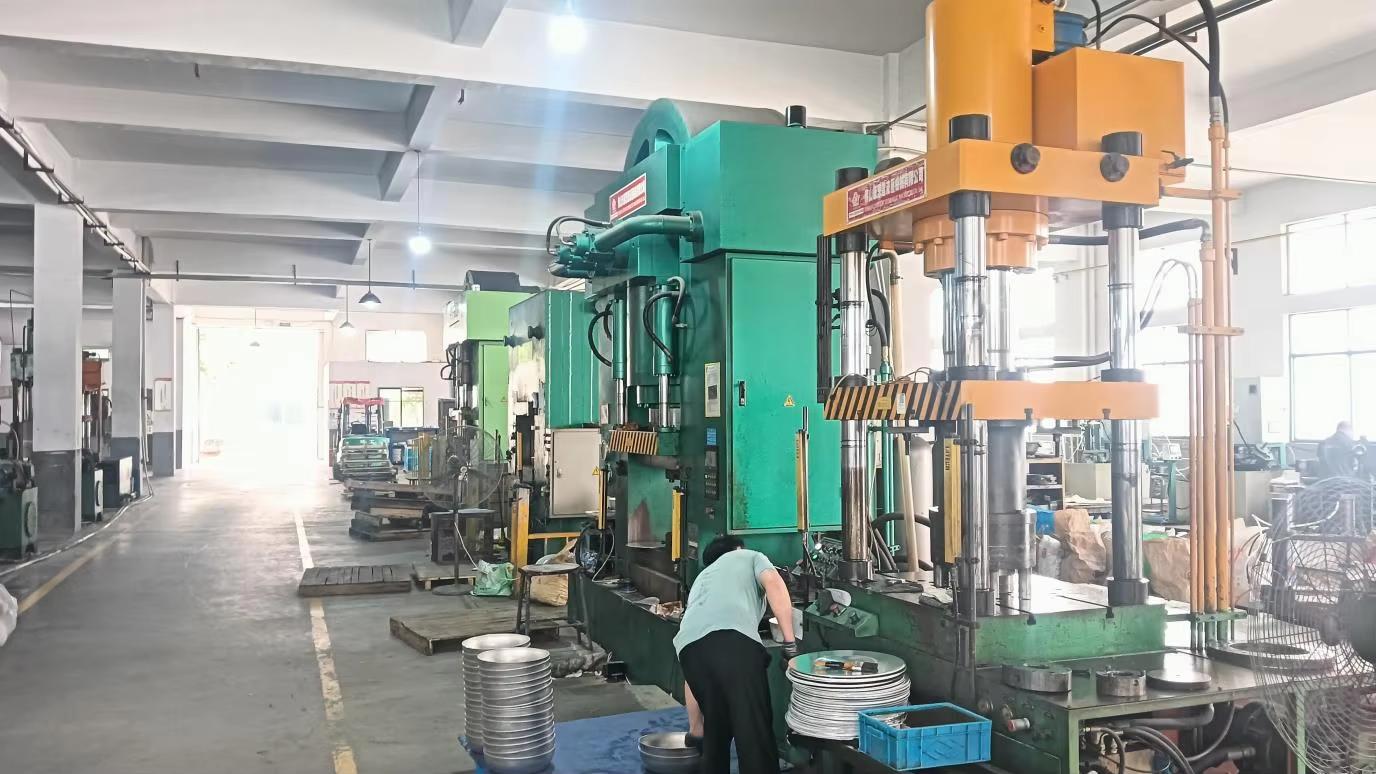
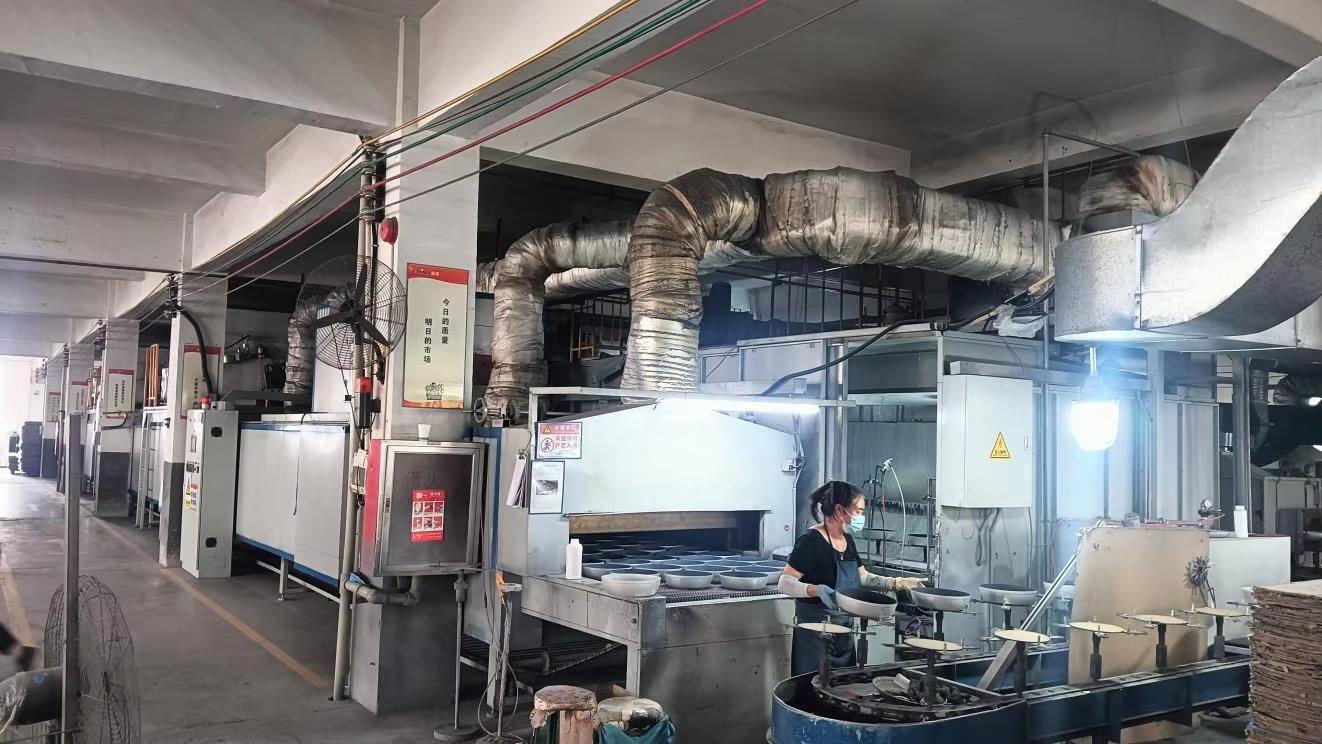
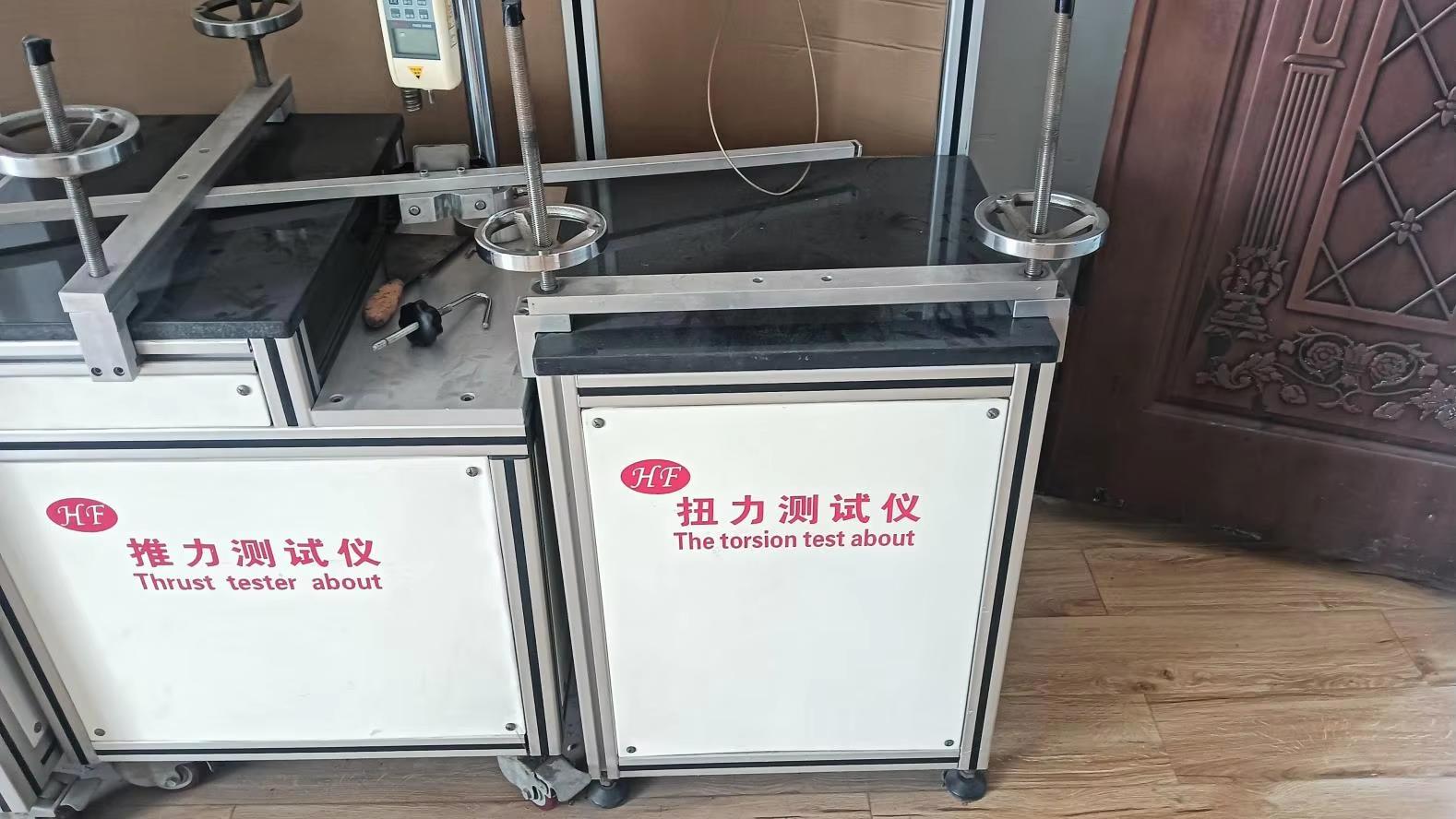
As an internationally audited manufacturer—Zhejiang MEIS Kitchenware Co., Ltd. (operating with TÜV Rheinland on-site verification from Dongnan Industrial Zone, Jinhua, Zhejiang)—we synthesize two decades of metallurgical research and stamping expertise to deliver roasting and braising solutions customized precisely for European culinary mechanics. Unlike generalist intermediaries, our manufacturing platform controls every phase of production: disc blanking, heavy-tonnage hydraulic deep-drawing, precision rim trimming, multi-stage degreasing, robotic electrostatic non-stick spraying, continuous tunnel kiln curing, handle torsion testing, and retail-ready packaging.
Roasting vessels destined for retail and professional culinary sectors in Strasbourg must perform beyond standard baking operations. Regional gastronomy utilizes prolonged high-temperature roasting, high-acid deglazing with local white wines (Riesling, Sylvaner), and hybrid stovetop-to-oven transitions. The table below illustrates the mechanical adaptations required across core Alsatian culinary workflows:
While historically prepared in terracotta, commercial catering and modern Alsatian home kitchens increasingly transition to heavy-gauge forged aluminum and non-stick roasting casseroles. Accommodating triple-meat layers (beef, pork, lamb) marinated in acidic wine requires non-reactive PTFE/Ceramic barriers resistant to pH drops down to 2.8, while maintaining thermal retention across 4-hour baking cycles.
High-volume turnover of Wädele (braised and crisp pork knuckles) and local geese during seasonal winter markets demands roasters equipped with high-clearance, electro-polished stainless steel or non-stick carbon steel wire racks. This lifts lipid drippings away from contact surfaces, avoiding smoke point breaches and guaranteeing uniform skin crisping via continuous 360-degree convection.
French professional technique relies on searing cuts over direct gas or high-flux induction elements before transferring to convection ovens, finishing with vigorous reduction of juices on the stovetop. Roaster bases must incorporate integrated 0.5mm 430-ferritic stainless steel induction impact discs to completely prevent thermal shock crowning when chilled broths are poured into 220°C vessels.
Selecting the optimal roaster configuration for catalog distribution in Strasbourg requires assessing thermal conductivity, structural gauge, unit payload weight, and localized price-elasticity points. MEIS manufactures across three primary substrate categories to supply both discount superstore programs (e.g., hypermarket private-label promotions) and premium specialty culinary boutiques:
| Engineering Attribute | Pressed Aluminum Roasters | Forged Aluminum Roasters | Heavy Carbon Steel Roasters |
|---|---|---|---|
| Forming Mechanism | Hydraulic stamped from 3003-series alloy sheet | High-pressure die-forging (thick rim/base, thin walls) | High-gauge cold rolled steel deep drawn |
| Thermal Conductivity (W/m·K) | High (~205–215), rapid thermal equalization | Excellent (~200–210), superior core heat reservoir | Moderate (~50–60), focused searing heat |
| Induction Compatibility | Requires punched or perforated steel base plate | Impact-bonded induction plate or edge-to-edge spray | Naturally ferromagnetic; zero plate bonding required |
| Warp Resistance Index | Moderate; optimized for domestic ovens up to 220°C | Maximum; engineered for commercial thermal cycling | High; rigid sheet resists torsion up to 260°C |
| Coating Systems Supported | PTFE 2-coat, Ceramic Sol-Gel, Easy-Clean Gloss | Multi-layer Granite, Marble speckle, Hard Anodized | Titanium-reinforced PTFE, High-temp Silicone enamel |
| Alsatian Market Positioning | Mass-retail holiday promotional promotions & flyers | Mid-to-high cookware retail, professional bistro line | Traditional roasting trays, bakeries, value sets |
Strategic purchasing managers must calibrate product development around four evolving shifts in consumer values and regulatory pressures impacting Eastern France:
French legislative bodies and regional environmental monitors continue to push rigorous timelines for restricting persistent fluorinated compounds. Demand in Strasbourg has shifted heavily toward certifiable PFOA-free PTFE, GenX-free, and inert ceramic sol-gel formulations that safeguard health without compromising grease release.
With residential electrification outperforming fossil fuel installations across urban Strasbourg and rural Alsace, every roasting pan must deliver flawless compatibility with induction cooktops, featuring rapid coil activation and non-scratch smooth base treatments for ceramic glass.
Apartment living in central Strasbourg promotes compact storage. Retail buyers favor roasters with dual cast-iron-style handles, modular roasting racks, and deep-dish profiles capable of transitioning seamlessly from whole poultry roasting to deep-pan lasagna, gratins, and fruit crisps.
Corporate procurement protocols demand comprehensive supply-chain traceability. Direct factory partnerships with MEIS provide verified documentation including raw ingot test reports, DGCCRF food-contact certificates, REACH compliance, and BSCI social audit reports.
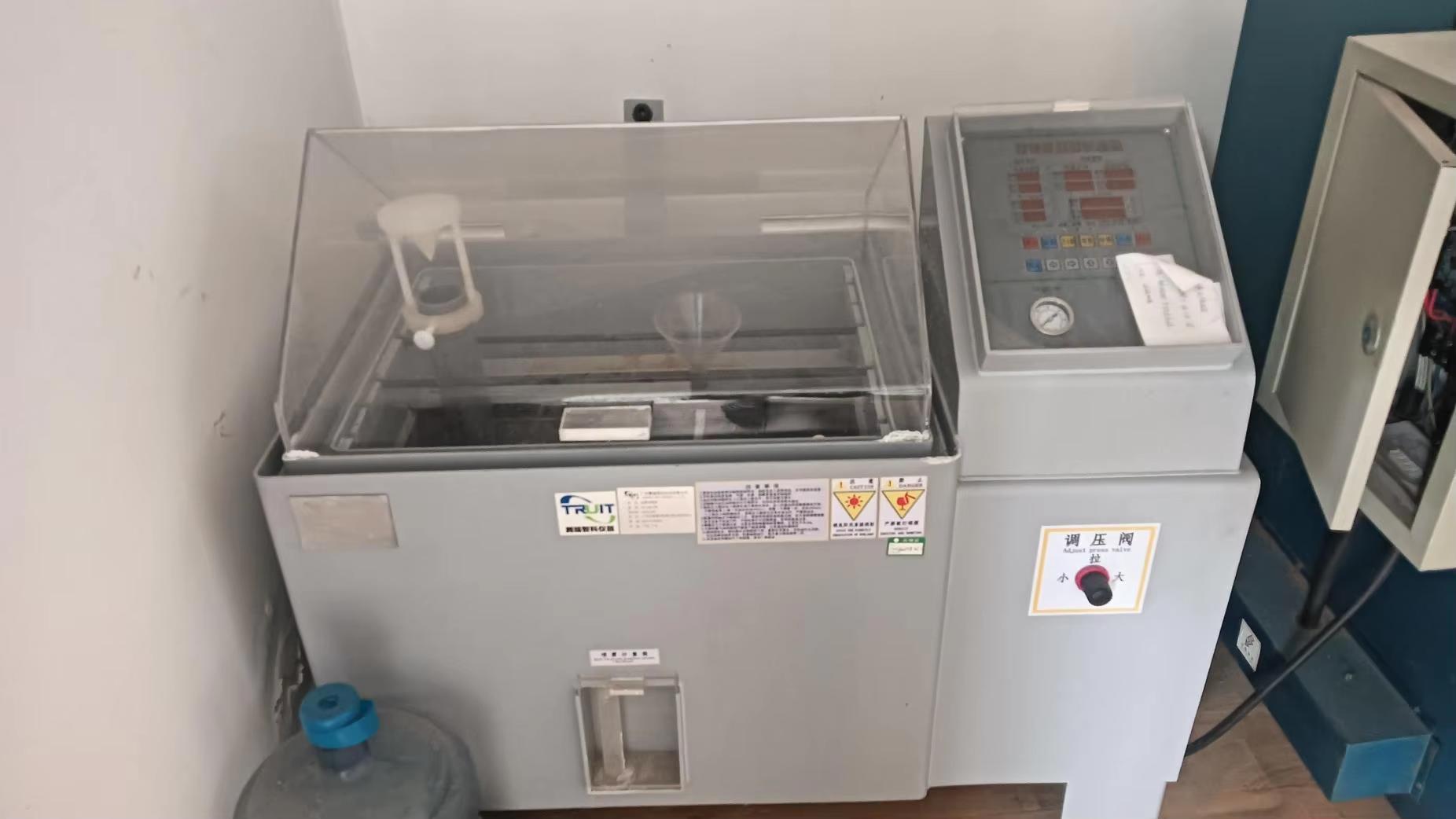
Reliable coating bonding, base flatness tolerances, and handle security do not happen by chance. Our 105-person workforce operates dedicated CNC lathes, automated spray lines, and an in-house quality inspection laboratory evaluated on-site by TÜV Rheinland:
We streamline cross-border manufacturing for distributors in Alsace, minimizing sample iteration delays and mitigating import tariff exposure:
You provide the target dimensional capacity (e.g., 35cm x 25cm x 6cm), desired gauge (2.0mm to 4.5mm), handle style (riveted stainless steel vs. cast aluminum), and target price point. Our engineering office completes DFM analysis within 48 hours.
Utilizing our dedicated CNC mold workshops and lathe machinery, we craft prototype draw molds and cast tooling in-house, cutting sample lead times down to 10–14 working days with verified dimensional tolerances.
Mass manufacturing proceeds through our semi-automated stamping, degreasing, coating, and assembly lines. In-line QC checks confirm coating thickness (DFT), cross-hatch adhesion, and induction stability prior to export shipment.
Straight answers regarding minimum orders, European food-grade compliance, logistics routing, and custom tooling.
Yes. All cookware exported to France is manufactured in strict compliance with Regulation (EC) No 1935/2004, the German LFGB, and French DGCCRF directives (including Arrete du 13 Janvier 1976 and subsequent amendments on coated aluminum). Our coatings are subjected to migration tests for heavy metals (lead, cadmium), primary aromatic amines (PAA), and perfluorinated compounds. Third-party testing via TÜV Rheinland or SGS is regularly arranged per production lot.
Standard production runs for customized non-stick roasting pans begin at 1,000 to 2,000 units per size/colorway. For pilot orders or entry into new product tiers, selected standardized bodies can be ordered at lower volume thresholds (starting from 500 units) utilizing generic master cartons with custom four-color branded belly bands or sleeve inserts.
We offer full FOB Ningbo or FOB Shanghai arrangements, as well as multimodal CIF/DAP terms. Shipments destined for Strasbourg commonly discharge at Antwerp or Rotterdam and are barged directly down the Rhine via the autonomous Port of Strasbourg (Port Autonome de Strasbourg - PAS), or routed via container rail from Le Havre, optimizing transit costs and lowering overall carbon expenditure.
Absolutely. While bakelite handles are ideal for everyday stovetop frying pans, roasting vessels frequently face commercial baking environments exceeding 240°C. We offer precision-riveted cast 201 or 304 stainless steel loop handles, ergonomic wide-grip configurations designed for thick kitchen mitts, and heavy-duty wire roaster handles with automated riveting to prevent looseness or steam penetration.
Stamped or pressed pans are formed from uniform aluminum discs (typically 2.0mm to 3.0mm thickness), providing lightweight handling and fast thermal response at very accessible price points. Forged aluminum roasters utilize multi-ton hydraulic forging that distributes metal dynamically—creating a dense 4.0mm–5.0mm base that prevents warping under sudden thermal swings, paired with tapered 2.5mm walls to minimize unnecessary weight.
Every production shift conducts standard cross-hatch adhesion tests (DIN EN ISO 2409), continuous dry-film thickness measurement (DFT), pencil scratch hardness (typically ≥ 2H–4H depending on formulation), and continuous boiling saltwater immersion tests to verify anti-corrosion bonding before cartons are palletized.
Partner with Zhejiang MEIS Kitchenware Co., Ltd. for verified manufacturing excellence, competitive unit pricing, and certified European compliance. Request engineering drawings, custom coatings, and landed FOB/CIF quotations today.