High-Performance Nonstick Cookware & Saucepans
Engineered with heavy-gauge carbon steel and forged aluminum bodies, optimized for thermal efficiency, rapid sauce reductions, and anti-corrosion protection in coastal environments.
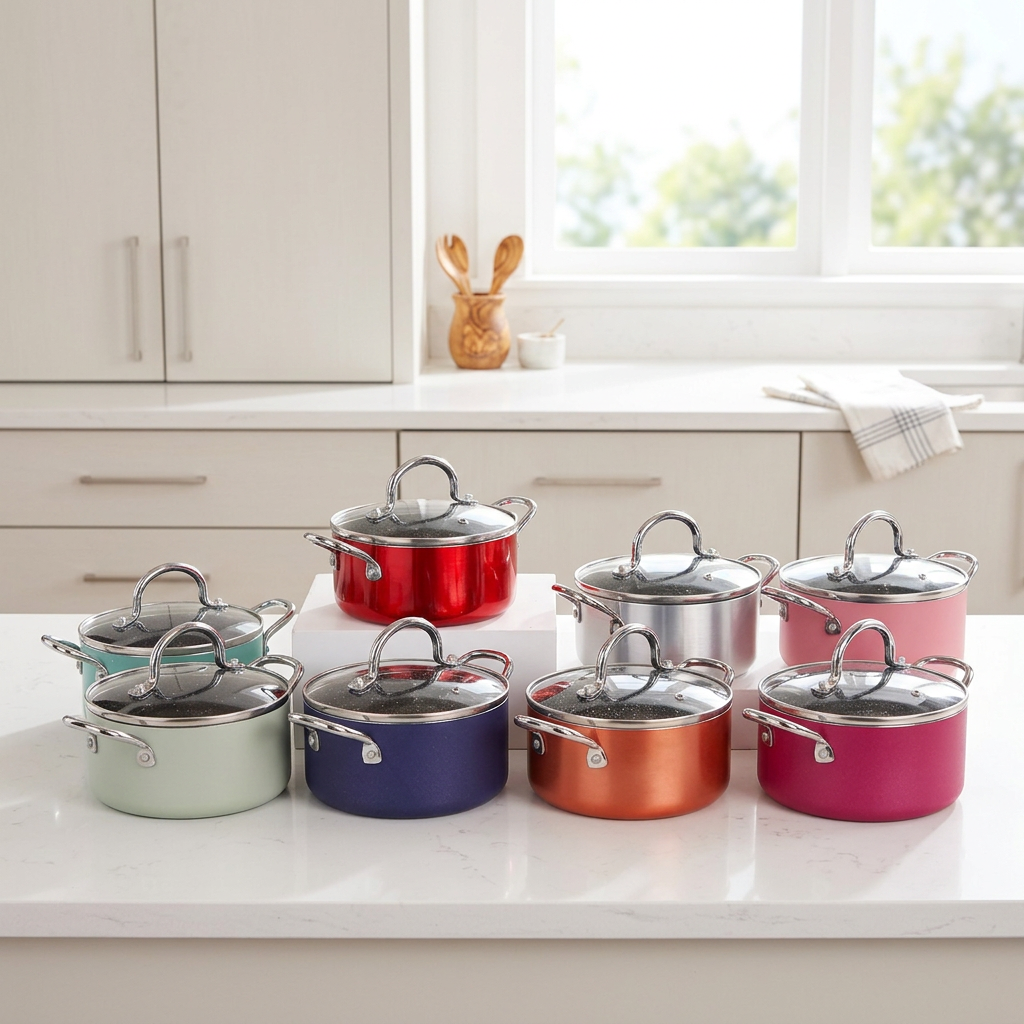
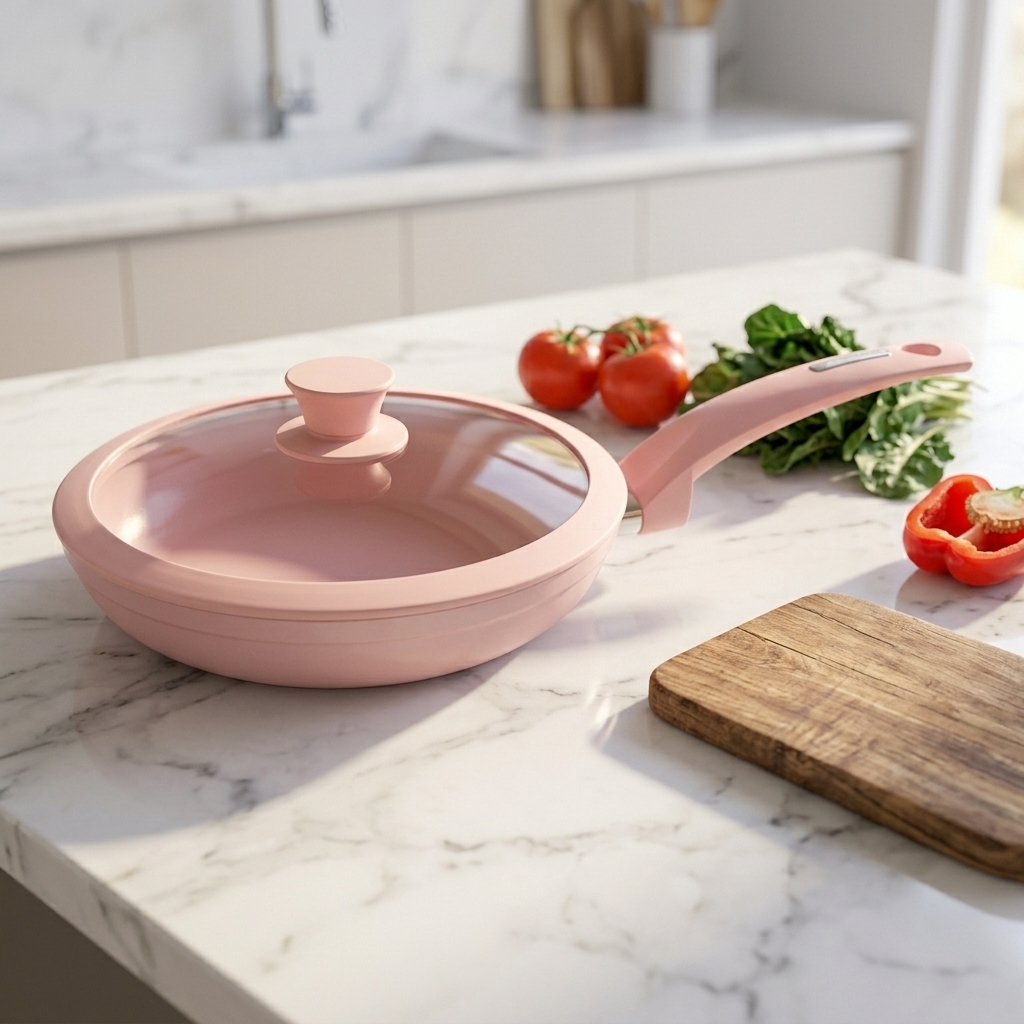
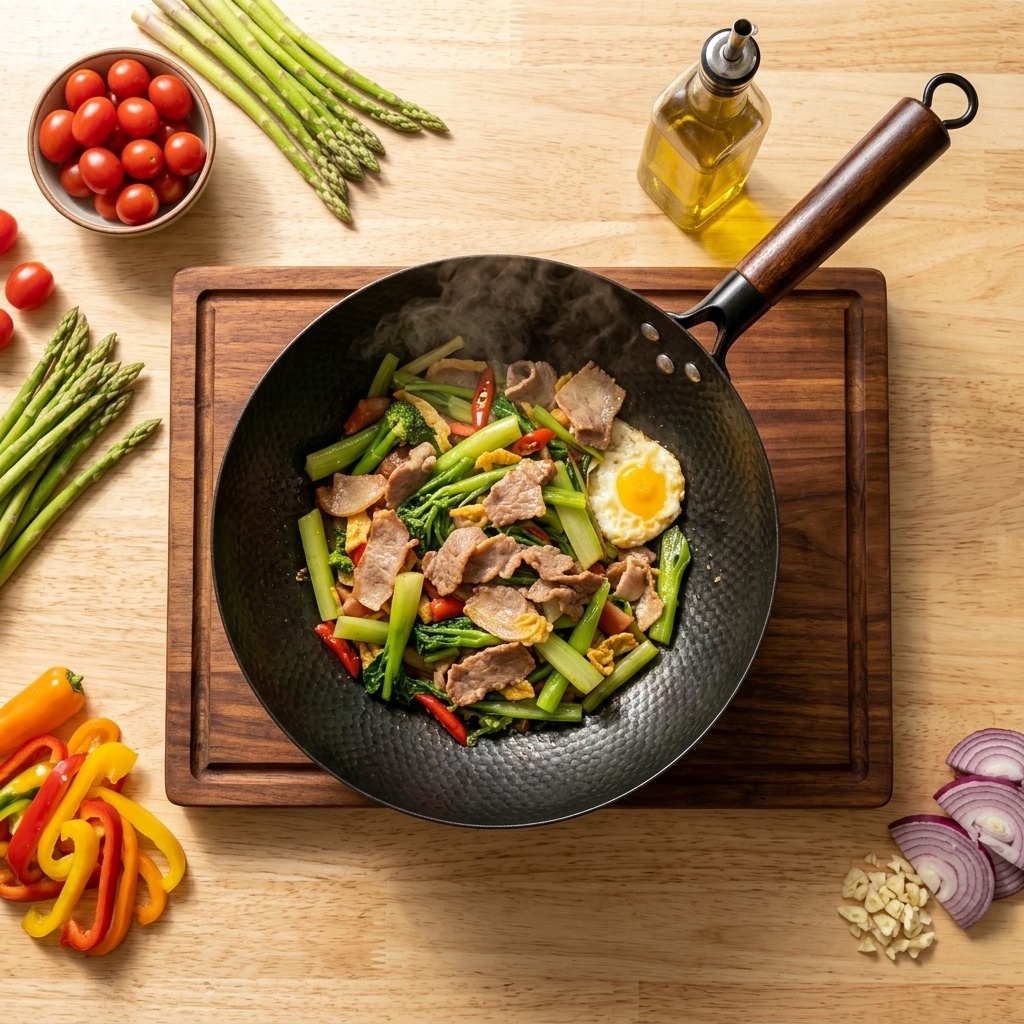
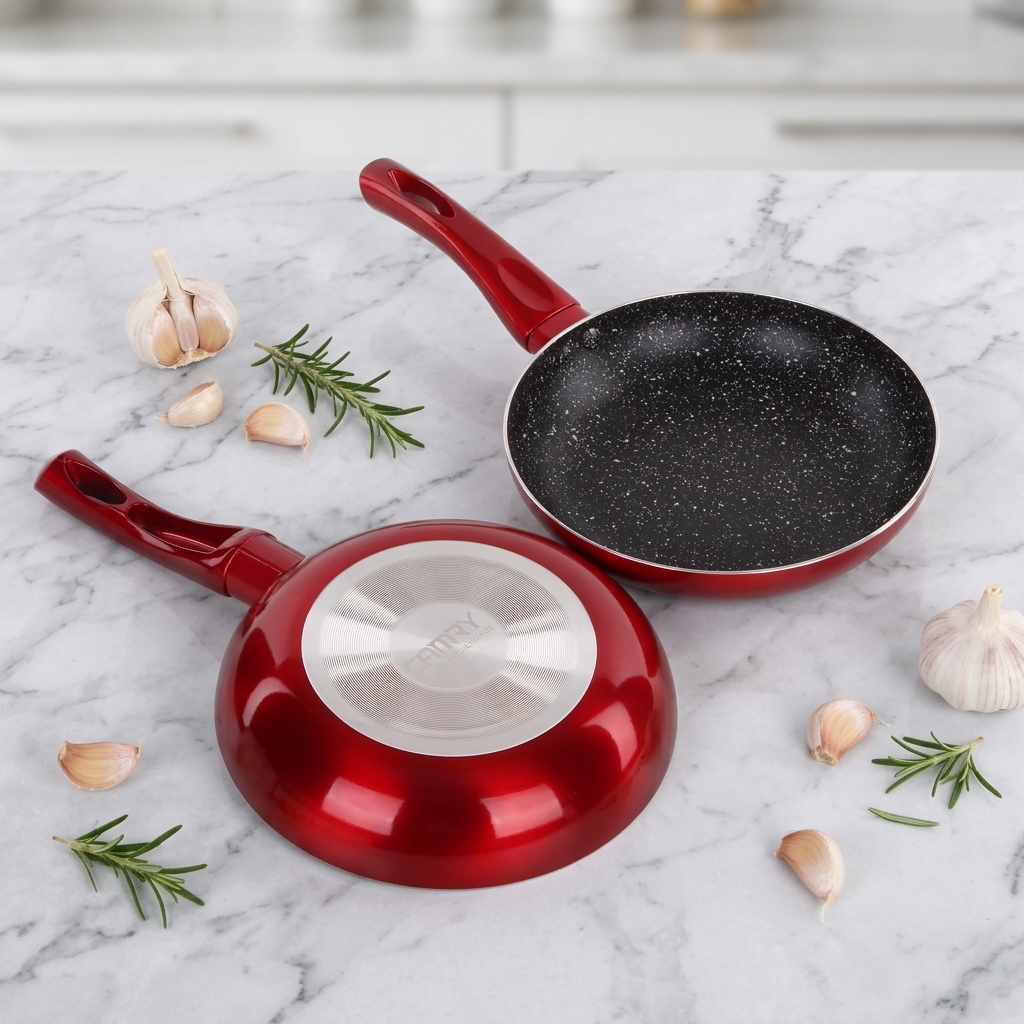
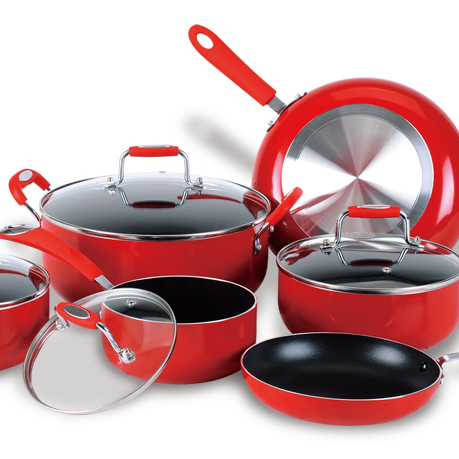
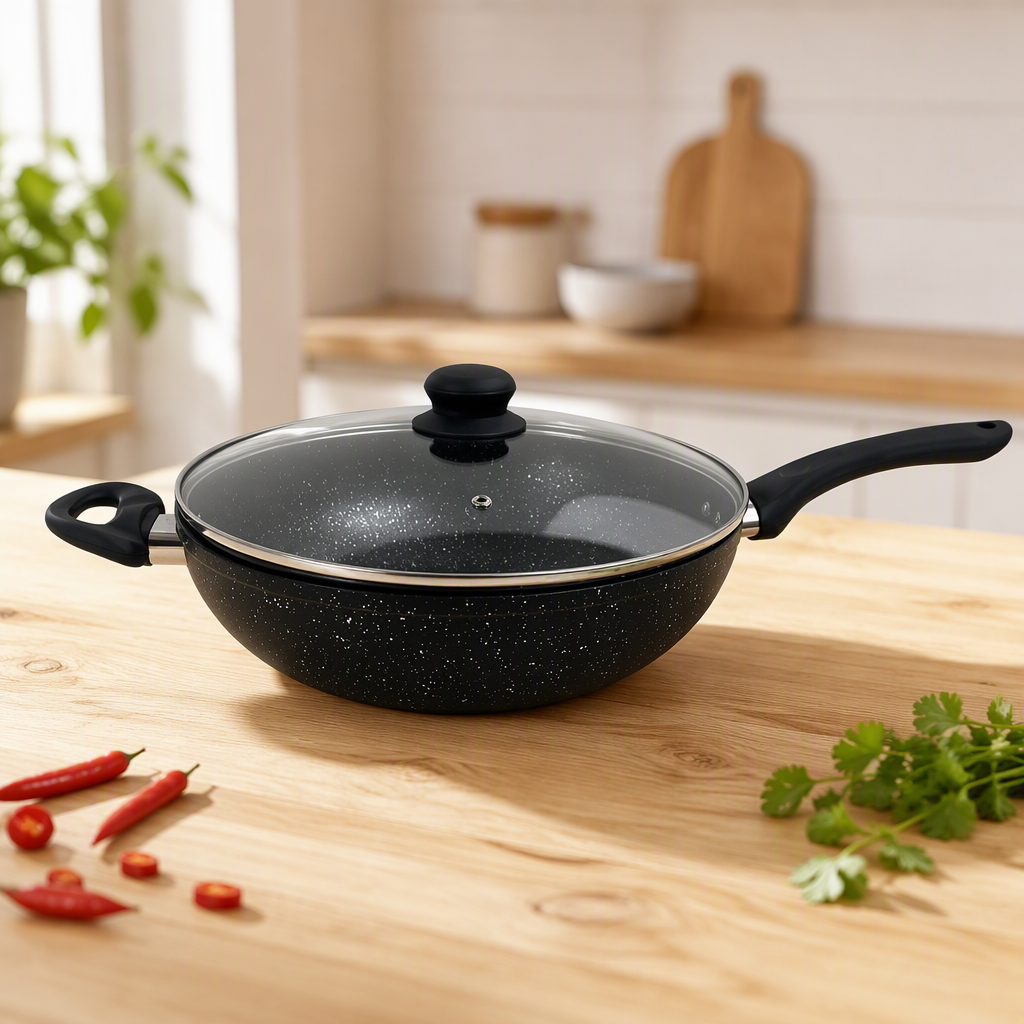
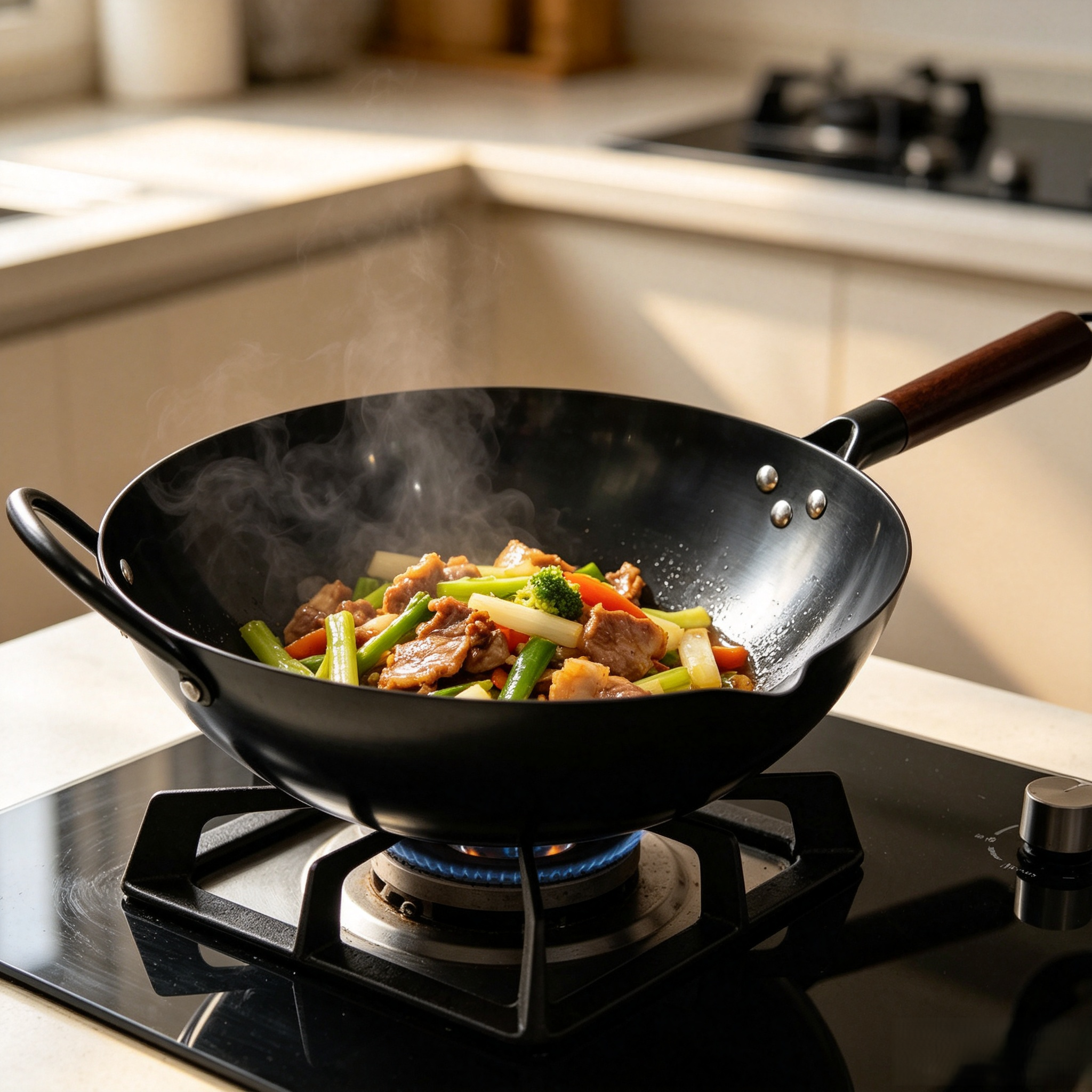
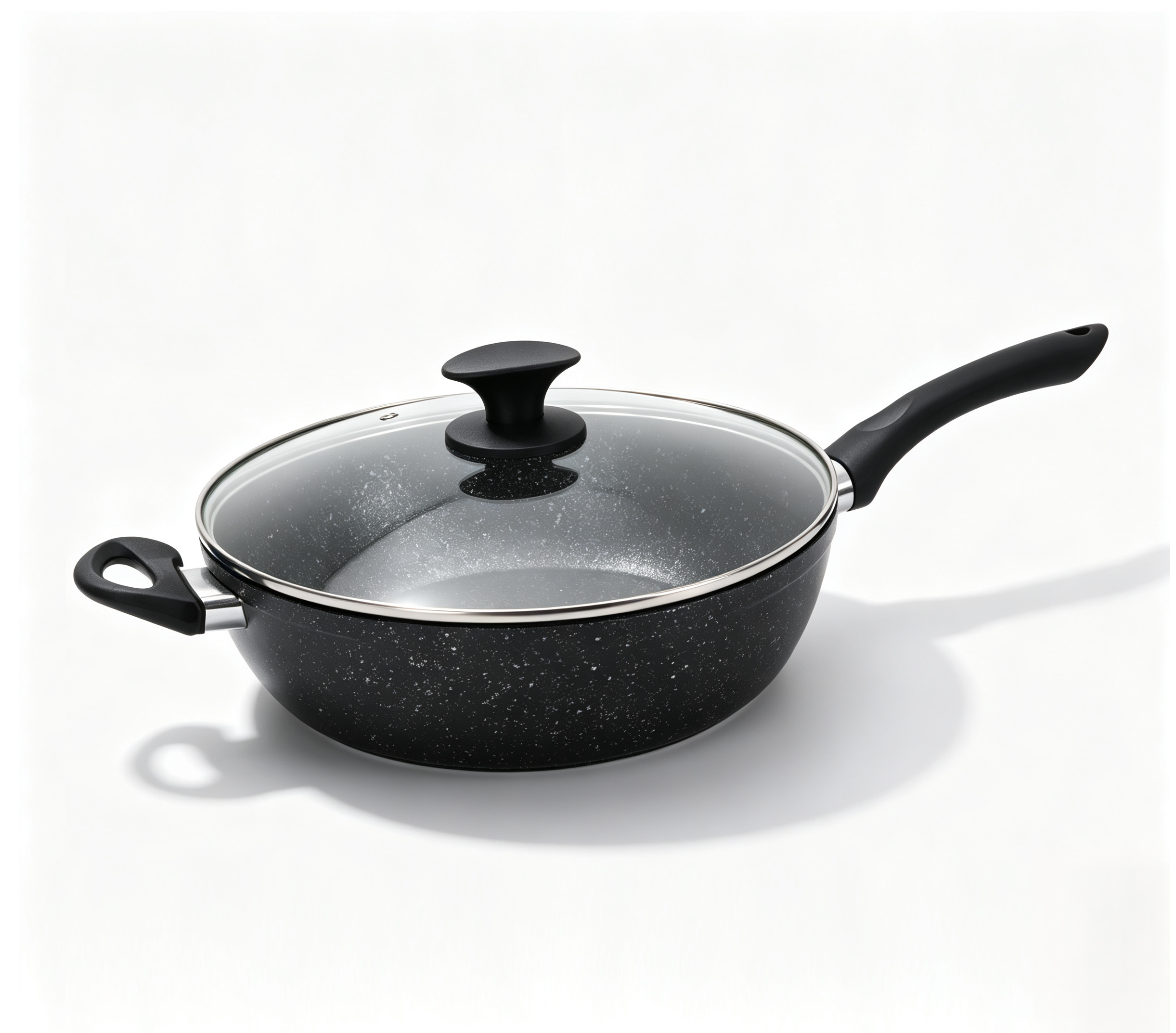
Executive Summary: Carbon Steel Saucepan Dynamics in Machala, Ecuador
Analyzing local economic expansion, coastal kitchen requirements, and why carbon steel saucepans represent the highest-margin procurement target for El Oro importers.
Machala Market Overview
As the "Capital Mundial del Banano" and the primary economic engine of El Oro Province, Machala’s market demands culinary gear capable of serving both massive agricultural canteens and a rapidly expanding domestic hospitality trade. With direct maritime access via Puerto Bolívar, local buyers require bulk-manufactured cookware that balances low landed cost with industrial durability.
Thermal Efficiency & Fuel Savings
Due to shifting energy dynamics in Ecuador—where electric induction hobs are replacing liquefied petroleum gas (LPG) under government efficiency drives—carbon steel saucepans stand out. Carbon steel is naturally ferromagnetic, achieving 90%+ induction energy transfer without requiring bonded encapsulated aluminum/steel sandwich plates.
Coastal Corrosion Mitigation
Machala’s humid tropical climate and proximity to the Gulf of Jambelí create high atmospheric salinity. Standard low-grade carbon steel oxidizes rapidly. Our custom OEM saucepans incorporate nitrogen nitriding and multi-layer PFOA-free ceramic/granite nonstick matrices to ensure zero rusting during maritime freight and long retail shelf life.
Technical Specification: Carbon Steel Saucepan Engineering
Understanding the molecular advantage of gas-nitrided heavy-gauge carbon steel versus conventional aluminum in humid South American retail ecosystems.
Why Heavy-Gauge Carbon Steel Outperforms Competitors in Machala
Carbon steel occupies a unique metallurgical sweet spot between cast iron and pressed aluminum. While cast iron suffers from thermal lag and extreme weight, and aluminum requires added stainless steel discs to operate on induction hobs, cold-rolled carbon steel provides rapid heat response with exceptional mechanical strength.
Our OEM saucepans utilize high-purity carbon steel sheets (SPCC grade) subjected to precision hydraulic deep-drawing. This process creates uniform wall thickness (1.2mm to 2.0mm options) with reinforced rims that prevent thermal deformation under continuous high-heat restaurant commercial usage.
Gas-Nitriding Surface Hardening
Through thermochemical treatment at 570°C, nitrogen atoms diffuse into the steel substrate, creating an iron nitride layer ($\epsilon$-phase). This renders the saucepan immune to rust, scratches, and acid erosion from citrus-heavy coastal Ecuadorian sauces.
Multi-Layer Nonstick Integration
We apply high-density PFOA-free PTFE, Ceramic, or Granite marble nonstick systems, cured at high temperatures for structural anchoring. This ensures seamless release during sugar-heavy plantain glaze reductions and dairy-based gravies.
Ergonomic Handle Anchoring
Equipped with heavy-duty stainless steel rivets or cool-touch bakelite handles featuring ergonomic thumb rests. Handles withstand 150N torque testing without loosening or cracking over long-term usage.
Machala Gastronomy: How Our Saucepans Fit Local Needs
From coastal seafood bisques to traditional banana starch gravies, discover how engineered carbon steel saucepans optimize real-world kitchen workflows in El Oro.
1. Coastal Seafood Sauces & Ceviche Base Reductions
Machala's culinary identity is anchored in Gulf of Jambelí fresh seafood. Dishes like Caldos de Mariscos and garlic butter reductions require precise temperature control so seafood does not overcook. The high thermal responsiveness of carbon steel allows chefs to instantly lower heat, preventing sauce separation and cream curding.
2. Plantation Canteens & High-Volume Catering
The extensive banana agriculture sector demands robust kitchenware for worker dining halls. Commercial cooks prepare large batches of plantain stews (Sango de Plátano) and peanut-based gravies (Maní). Carbon steel saucepans resist impact denting and thermal shock when moved directly from high flame to washing stations.
3. Household Daily Cooking & Energy Efficiency
In modern Machala households, urban apartments are adopting compact induction hotplates. A 14cm to 20cm mini carbon steel saucepan heats liquid 30% faster than traditional thick earthenware or aluminum pans, directly cutting electricity bills for budget-conscious Ecuadorian families.
Cookware Material Comparison for South American Wholesale
Evaluating key technical metrics to guide high-volume buyers, retail store chains, and supermarket importers in Ecuador.
| Technical Parameter | Zhejiang MEIS Carbon Steel Saucepan | Standard Pressed Aluminum | Traditional Cast Iron |
|---|---|---|---|
| Induction Compatibility | 100% Native Ferromagnetic (No extra disc needed) | Requires attached Stainless Steel base plate | Native Ferromagnetic |
| Thermal Response Speed | Ultra-Fast (< 45 seconds to boil water) | Moderate to Fast | Slow (High heat retention, slow ramp-up) |
| Freight Weight & Shipping Cost | Optimal (Moderate weight, high stacking tolerance) | Lightweight | Very Heavy (Increases container freight rates) |
| Salt-Spray Anti-Corrosion (ASTM B117) | Exceeds 48 Hours (Nitrided + Multi-Layer Coating) | 24 Hours (Oxidation on raw edges) | Prone to rapid rusting if unseasoned |
| Structural Integrity & Warp Resistance | High (Cold-rolled high tensile strength) | Medium (Can warp under severe thermal shock) | Extremely High (Brittle under dropping impact) |
| Landed Cost per Unit in Machala | Highly Competitive / Maximum Margin Potential | Low baseline cost | High landed cost due to weight cubic volume |
Zhejiang MEIS Kitchenware Co., Ltd. – Your OEM Partner
Located in Jinhua, Zhejiang, our TÜV Rheinland verified manufacturing facility delivers custom private-label production tailored to South American importers.
Integrated Manufacturing Excellence
Operating dedicated hydraulic pressing, CNC base machining, automated ultrasonic degreasing, multi-layer nonstick spray coating, and assembly lines under one roof. We eliminate middleman markups and guarantee batch-to-batch quality control.
- ✓ TÜV Rheinland On-Site Verified: Complete transparency of production lines, labor standards, and capacity.
- ✓ 20 Years Industry Experience: Over two decades serving global retailers, importers, and brand owners.
- ✓ Full Customization: Custom body height, thickness gauge, handle colors, lid types, and laser-engraved branding.
- ✓ Ecuadorian Packaging Compliance: Custom color boxes with Spanish labeling, INEN barcode integration, and export master carton protection.
OEM/ODM Workflow
A streamlined 5-step export process to ensure flawless order execution from initial draft to Puerto Bolívar discharge.
- Spec Definition: Choose diameter (14cm-24cm), gauge (1.2-2.0mm), handle & nonstick type.
- Rapid Tooling & Sampling: Tooling completed in-house with physical samples delivered via express courier.
- Batch Stamping & Nitriding: Automated hydraulic deep-drawing followed by surface treatment.
- Coating & Quality Testing: Cross-hatch adhesion, salt spray, and handle torque verification.
- FOB/CIF Logistics: Direct shipping from Ningbo/Shanghai port to Puerto Bolívar or Guayaquil.
Frequently Asked Questions for Machala & Ecuador Buyers
Addressing key questions regarding shipping, customs duties, customization, nonstick safety, and minimum order quantities.
1. What shipping options are available for delivering saucepans to Machala, Ecuador?
We routinely ship standard 20ft and 40ft High Cube containers directly from Ningbo Port or Shanghai Port to Puerto Bolívar (Machala) or Guayaquil Port. We handle all export documentation, commercial invoices, packing lists, and Certificates of Origin (Form A/CO) required for Ecuadorian customs clearance.
2. What is the standard Minimum Order Quantity (MOQ) for custom OEM saucepans?
For fully customized OEM carbon steel saucepans (custom nonstick coating color, private logo laser printing, and customized Spanish packaging), the standard MOQ ranges between 1,000 to 2,000 pieces per size. Trial orders for selected running models can be accommodated starting at 500 units.
3. How do your carbon steel saucepans perform under high-salinity coastal conditions in Machala?
Our carbon steel cookware undergoes advanced surface nitriding and multi-layer coating application. In-house testing includes 48-hour ASTM B117 salt spray exposure tests to confirm that the cookware body, rivet joints, and rim edges resist atmospheric corrosion during sea transit and coastal usage.
4. Are your nonstick coatings certified food-safe and PFOA-free?
Yes. All coating materials—whether Granite, Marble, Ceramic, or classic PTFE systems—are 100% PFOA-free, lead-free, and cadmium-free. They comply strictly with international food contact standards (FDA, LFGB, REACH, and local Ecuadorian INEN guidelines).
5. Can you manufacture saucepans with heat-resistant wood-grain or soft-touch handles?
Absolutely. We offer an extensive selection of handles, including soft-touch silicone-coated bakelite, wood-effect water-transfer handles, hollow cast stainless steel handles for commercial ovens, and detachable handle mechanisms for compact storage.
6. Why choose Carbon Steel saucepans over Pressed Aluminum for the Ecuadorian retail market?
Carbon steel provides natural ferromagnetic properties for 100% induction efficiency without needing an added stainless steel impact base plate. This reduces manufacturing cost and structural complexity, while offering superior impact resistance and thermal conductivity at an attractive wholesale price point.
7. Do you provide samples prior to full container production?
Yes. Pre-production samples can be manufactured within 7-10 days and dispatched via DHL/FedEx to your office in Machala or Quito for evaluation of weight, thermal performance, handle ergonomics, and coating quality.
8. Is Zhejiang MEIS Kitchenware a direct factory or a trading agency?
Zhejiang MEIS Kitchenware Co., Ltd. is an on-site verified manufacturer and exporter located in Jinhua, Zhejiang, operating over 100 skilled staff across pressing, CNC, coating, and assembly workshops assessed directly by TÜV Rheinland.
Expand Your Cookware Business in Machala Today
Partner direct with Zhejiang MEIS Kitchenware Co., Ltd. for factory-direct pricing, custom OEM branding, robust anti-corrosion engineering, and reliable shipping to Puerto Bolívar.