Export-Verified Cookware Program for Mexico
Explore our top 8 precision-engineered pots, pans, and woks manufactured for high-volume consumer distribution across Mexican supermarket chains, department stores, and e-commerce platforms.
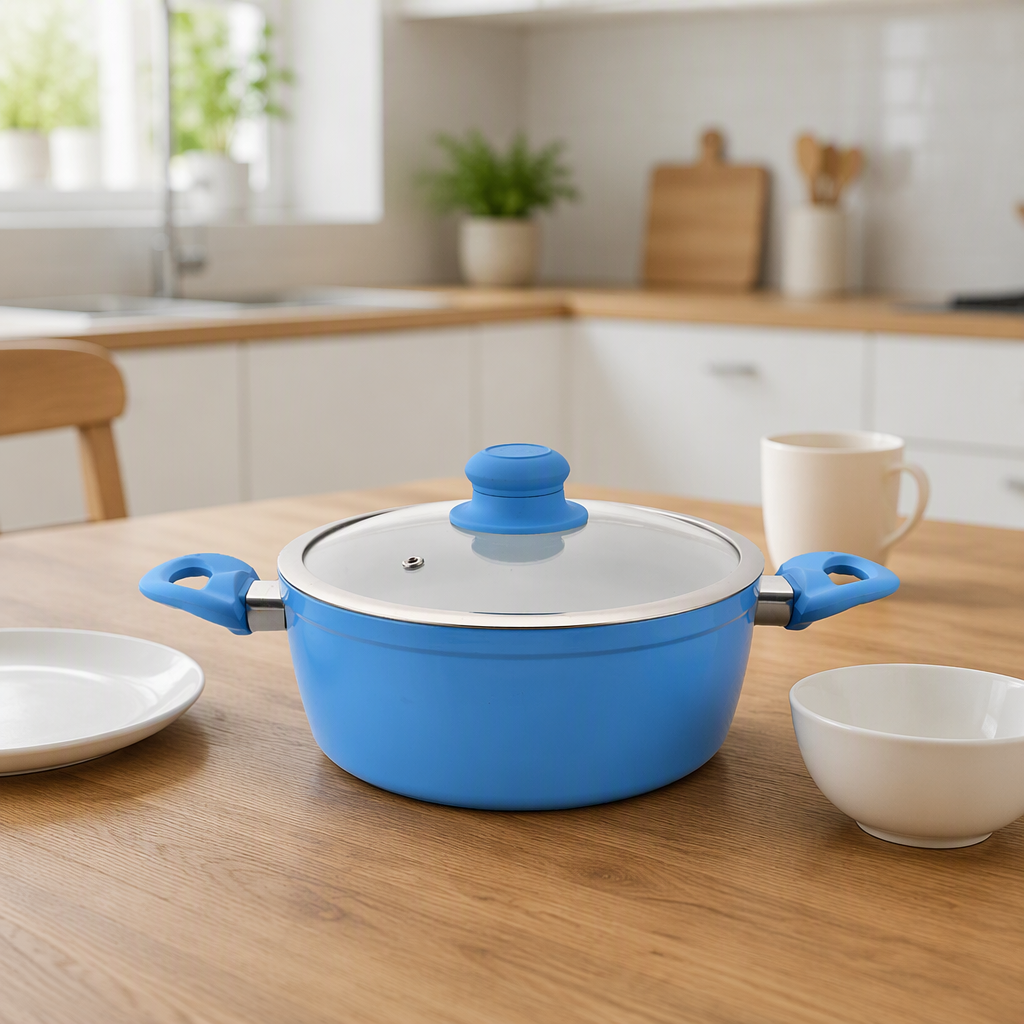
- High-thermal retention forged alloy
- Bakelite stay-cool ergonomic handle
- Optimized for caldo de res & pozole
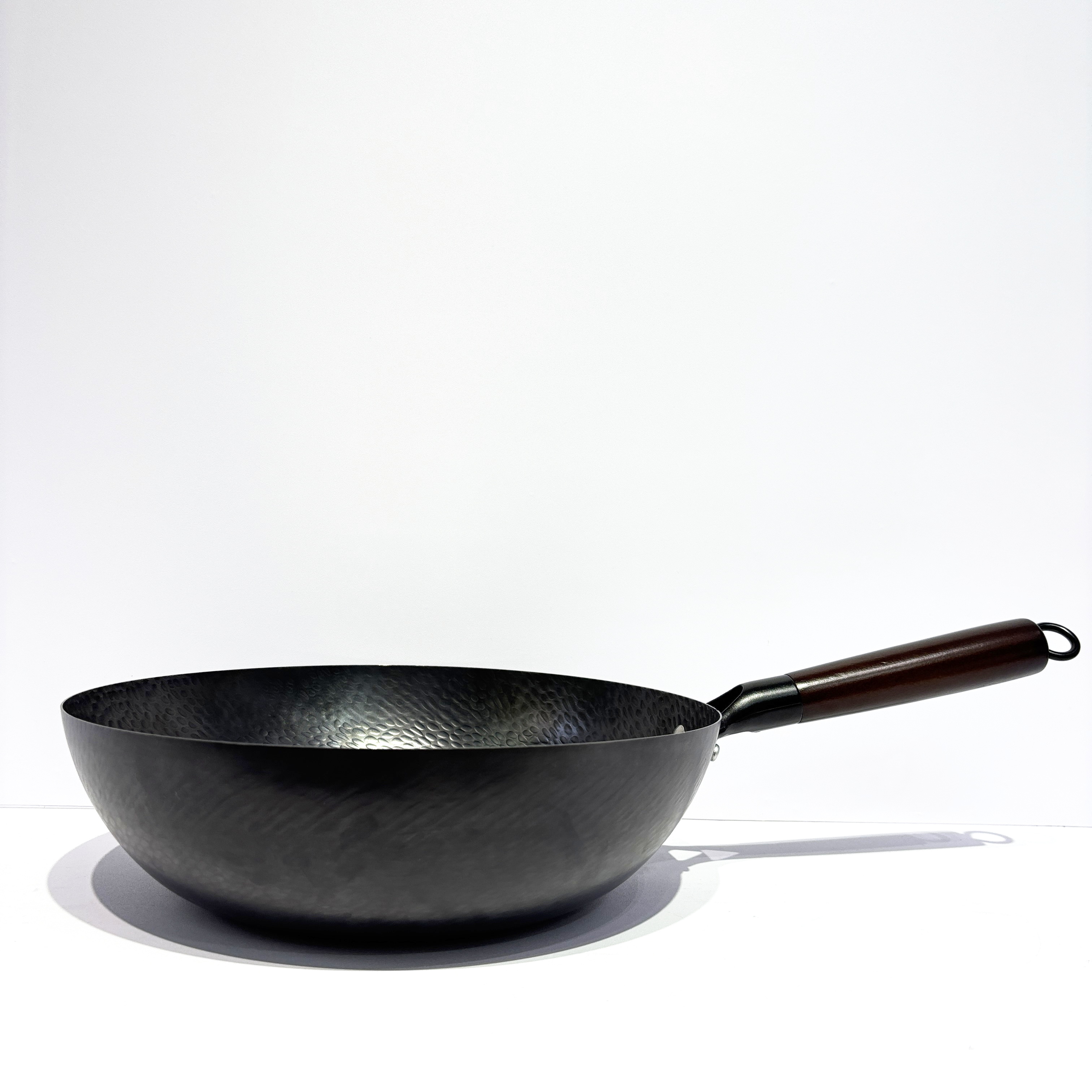
- Micro-textured, zero synthetic chemical layer
- Extreme scratch resistance for discadas
- Multi-stove & open-flame certified
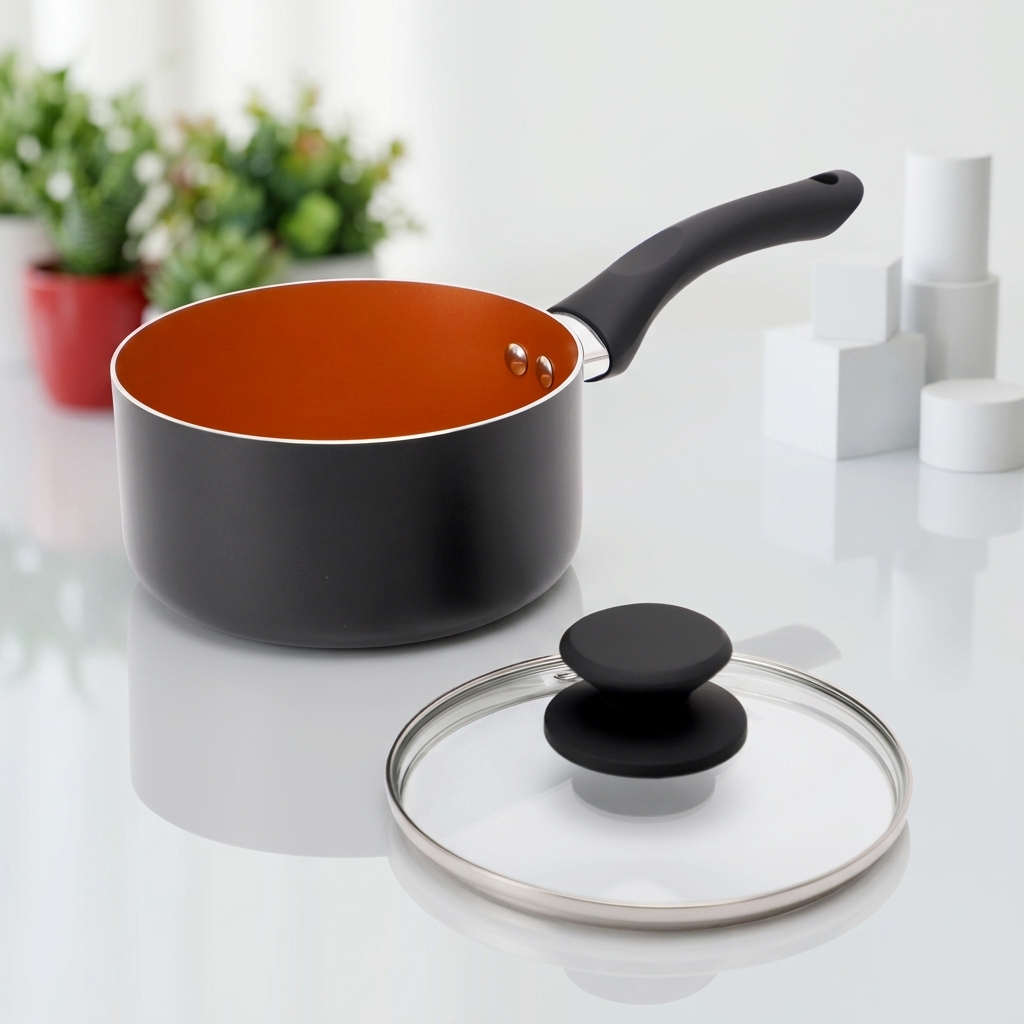
- Acid-resistant ceramic for tomato/chile salsas
- Dual-pour spouts with vented glass lid
- Soft-touch wood-grain bakelite grip
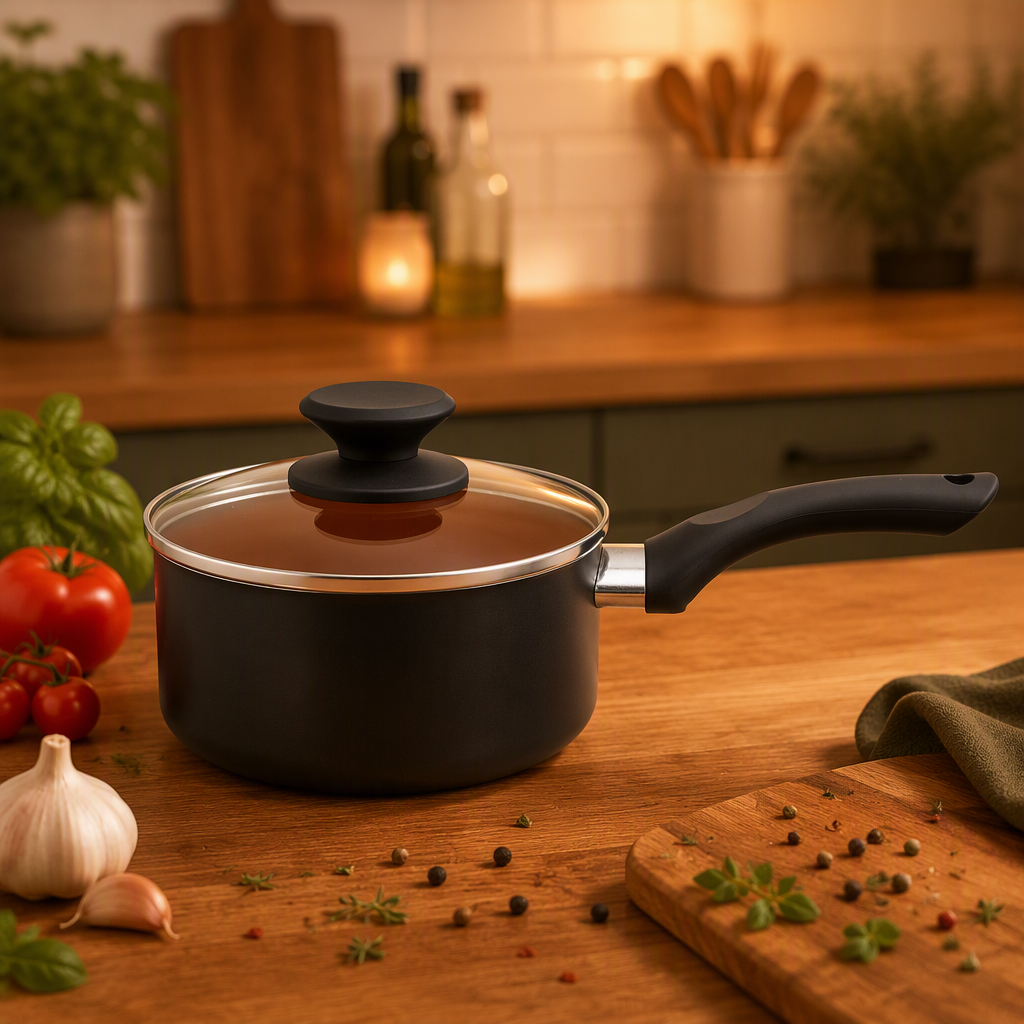
- Reinforced mineral composite non-stick
- Even thermal distribution, anti-warping base
- Gas, electric, & induction hob ready
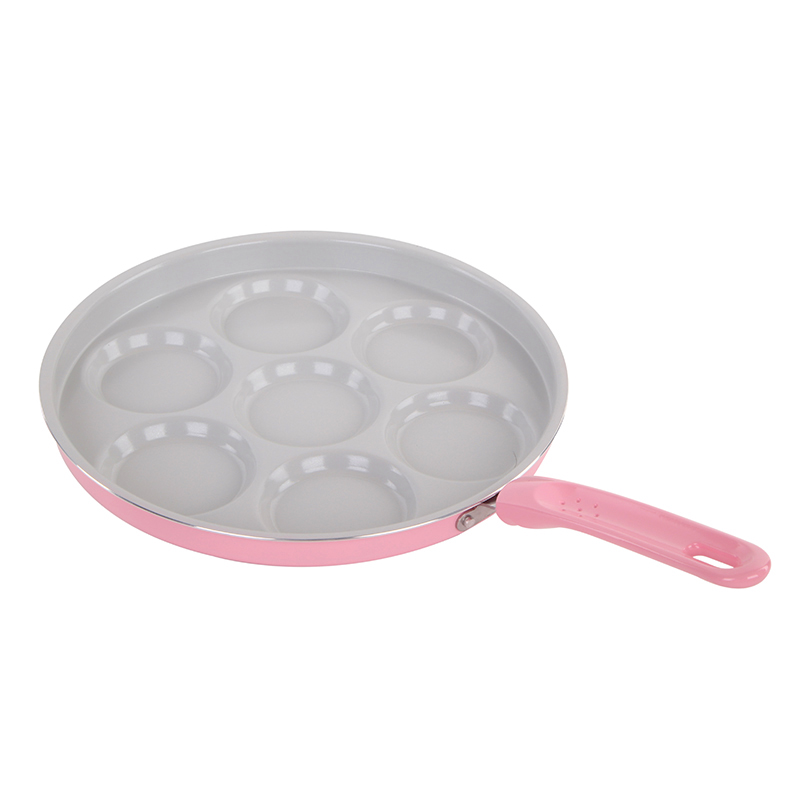
- Complete nested retail-box configuration
- PFAS/PTFE/PFOA-free organic mineral coat
- Tailored for modern Mexican kitchen spaces
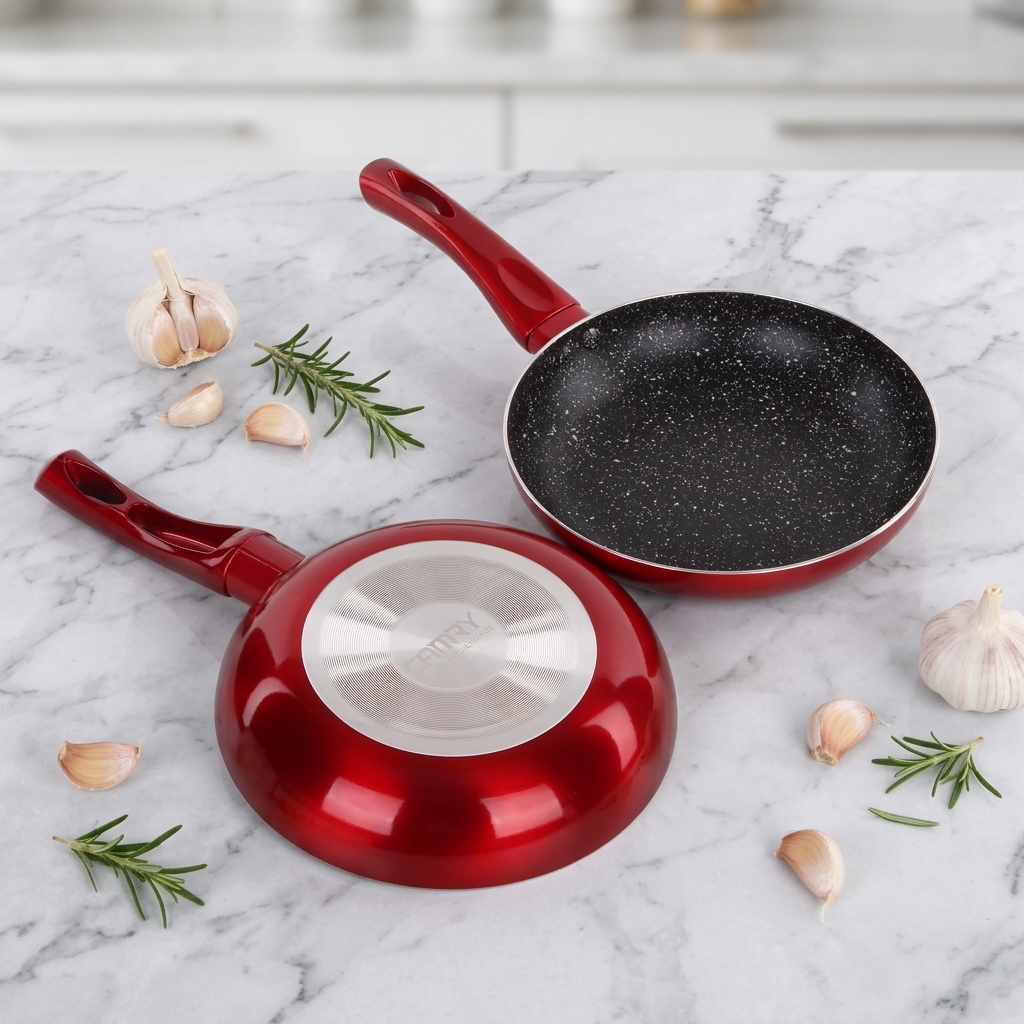
- High-volume supermarket margin champion
- Extra-wide surface for tortillas & enchiladas
- Shatterproof tempered glass steam-vent lid
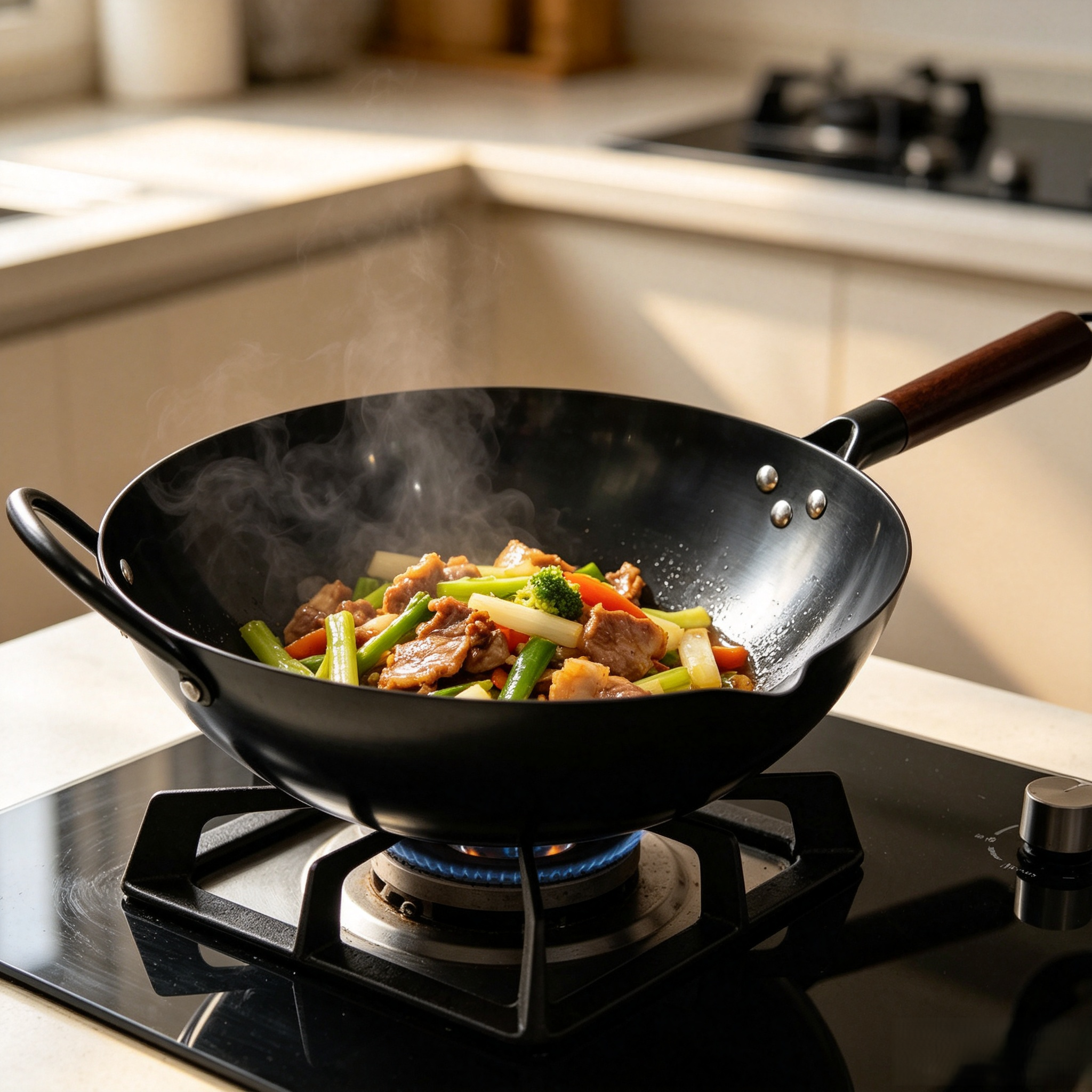
- Gas & induction ready deep-curved body
- Rivetless hygienic internal cooking bowl
- Natural oil polymerization seasoned surface
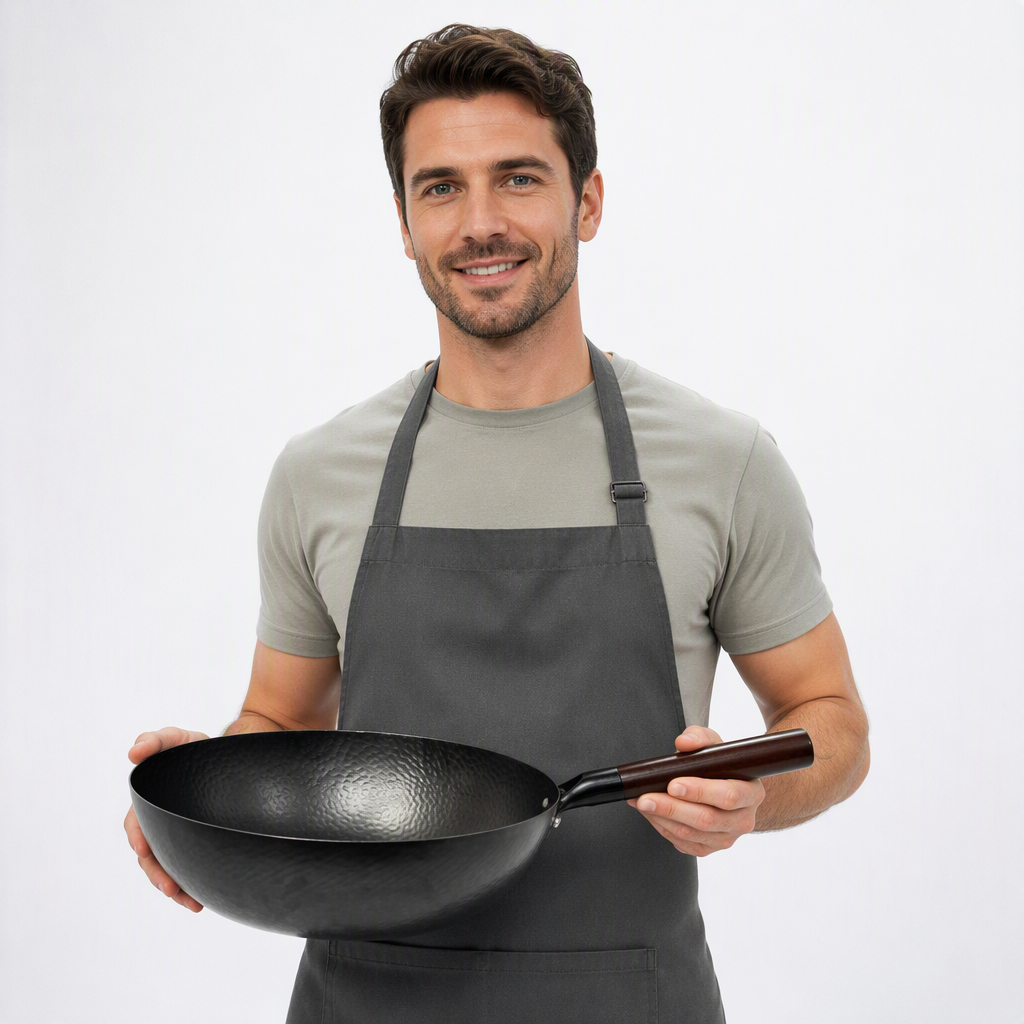
- Heavy thermal shock resistance
- Tough non-porous gas-nitrided surface
- Natural beechwood insulation handle
The Mexican Culinary Matrix: Why Standard Non-Stick Fails
Mexican gastronomy is recognized by UNESCO as Intangible Cultural Heritage. It introduces cooking environments characterized by intense acidic attacks, extreme thermal shocks, and continuous dry searing. Sourcing standard domestic non-stick cookware results in rapid coating delamination and retailer return rates exceeding 14%.
Aggressive Acid Resistance
Traditional Mexican cooking depends heavily on acidic ingredients—tomatillos, charred chiles, sour citrus, and vinegar-based marinades (pH 2.8 to 4.2). Conventional PTFE fluoropolymer layers contain microscopic pores through which volatile acids seep, corroding the aluminum substrate and causing surface blistering. Our Sol-Gel ceramic matrices incorporate high-density inorganic silicon dioxide (SiO2) networks that provide complete chemical impermeability to persistent acid attacks during long-simmering *moles* and *salsas*.
Dry High-Heat Searing (Tatemado)
The fundamental Mexican technique of *tatemar* (dry charring chiles, onions, and garlic directly on a dry surface) quickly pushes surface temperatures above 260°C (500°F). Traditional non-stick coatings breakdown at 240°C, releasing toxic fumes and peeling away. MEIS Sol-Gel ceramic coatings withstand operational peak temperatures up to 450°C (842°F) without chemical degradation, structural crazing, or loss of release properties.
Thermal Shock Resilience
Deglazing hot pans with cold water or broths is standard practice in Latin kitchens. When cheap stamped pans encounter cold liquids, thermal contraction differences warp the base and fracture brittle non-stick coatings. Our die-forged aluminum bases (ranging from 3.5mm to 4.8mm base thickness) coupled with elasticity-balanced elastic ceramic formulations absorb sudden 180°C temperature deltas with zero mechanical distortion.
| Evaluation Parameter | MEIS Sol-Gel Ceramic Coated | Traditional PTFE Nonstick | Barro Vidriado (Raw Terracotta) | Raw Stamped Aluminum |
|---|---|---|---|---|
| Acid Resistance (pH 2.5 - 4.5) | Exceptional (SiO2 Inactive) | Moderate (Porous to vinegar/lime) | Poor (Glaze breakdown/leaching) | Very Poor (Pitting and graying) |
| Thermal Ceiling | Up to 450°C (Tatemado Safe) | 240°C - 260°C (Fume release hazard) | Variable (Prone to flame fracture) | 400°C+ (Structural softening) |
| Toxicological Safety Profile | Zero PTFE, PFAS, PFOA, Lead, Cadmium | Contains synthetic fluoropolymers | Risk of Lead (Plomo) leaching | Food leaching under acidic contact |
| Induction Hob Compatibility | Optional 430 Stainless Magnetic Base | Requires secondary punched plate | Zero (Non-metallic) | Zero (Requires heavy disc impact) |
| Abrasion Resistance (Cycles) | 25,000+ (BS 7069 standard) | 4,000 - 8,000 cycles | Low mechanical resistance | Easily gouged with metal spoons |
Mexican Market Trends & Regulatory Evolution (2025–2030)
Understanding consumer psychology, retail procurement standards, and Mexican Federal Norms (NOM) is essential for brand owners targeting retail channels like Walmart de México, Soriana, Coppel, and Liverpool.
NOM-049 & Lead-Free Shift
COFEPRIS and Mexican health authorities have intensified enforcement of NOM-049-SSA1-1993 and NOM-231-SSA1-2016, eradicating heavy-metal leaching from traditional artisan cookware (barro vidriado con greta). Middle-class Mexican households are actively replacing earthenware with ceramic-coated aluminum cookware that provides an identical earthen pastel aesthetic combined with certified lead- and cadmium-free safety.
Rise of Urban Induction Living
Metropolitan developments in Mexico City (CDMX), Guadalajara, and Monterrey are shifting from municipal gas pipelines toward induction and radiant ceramic cooktops due to residential safety regulations and clean energy subsidies. Cookware exported to Mexico must incorporate full-coverage 430-grade magnetic bases that prevent cold spots when preparing slow-cooked staples like frijoles refritos.
Omnichannel Retail Consolidation
Purchasing power in Mexico is concentrated across two dominant models: Tier-1 Department Stores/Modern Supermarkets (Liverpool, Palacio de Hierro, Walmart, Chedraui) prioritizing European pastel aesthetics, detachable handles, and gift-ready 8- to 12-piece sets; and Mass Consumer Financed Retailers (Coppel, Elektra) demanding durability, high perceived weight, and competitive pricing structures.
Why Global Importers Partner with MEIS Kitchenware
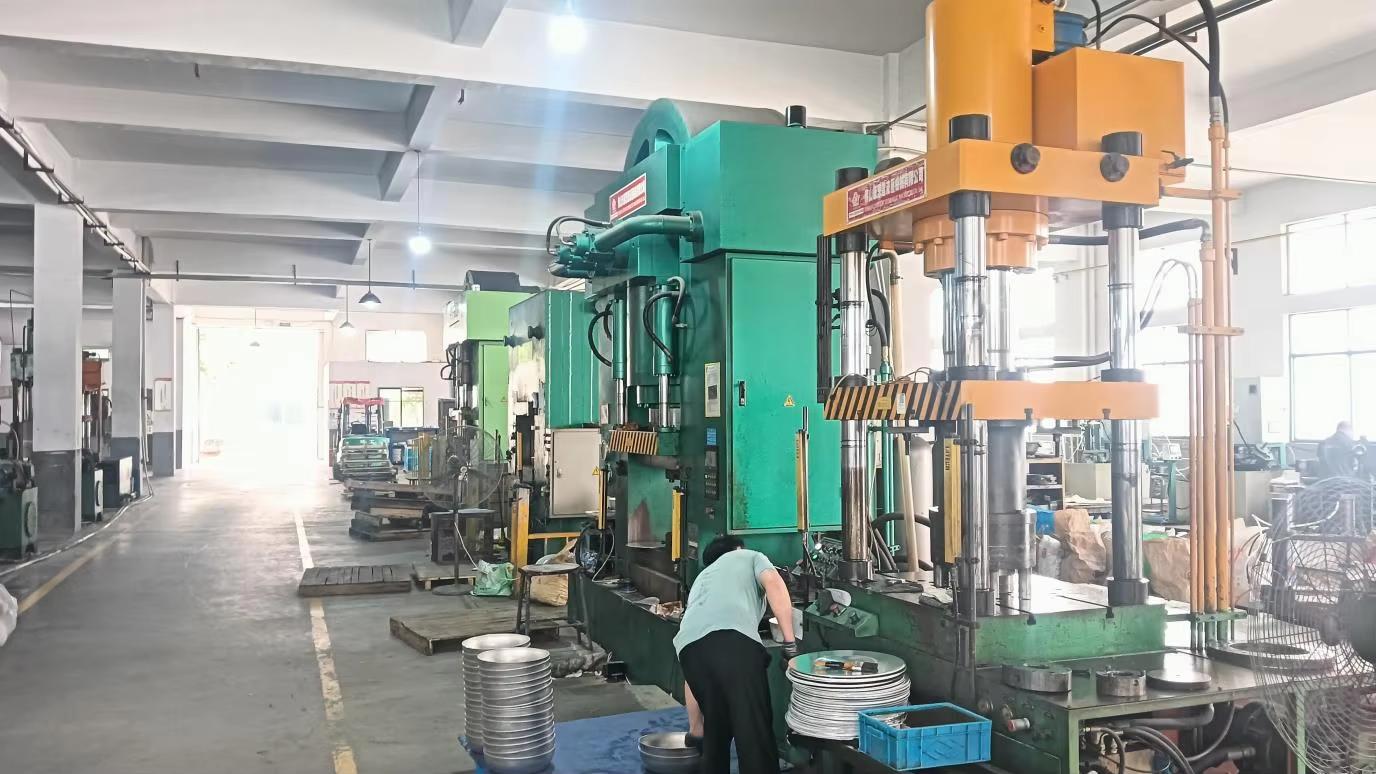
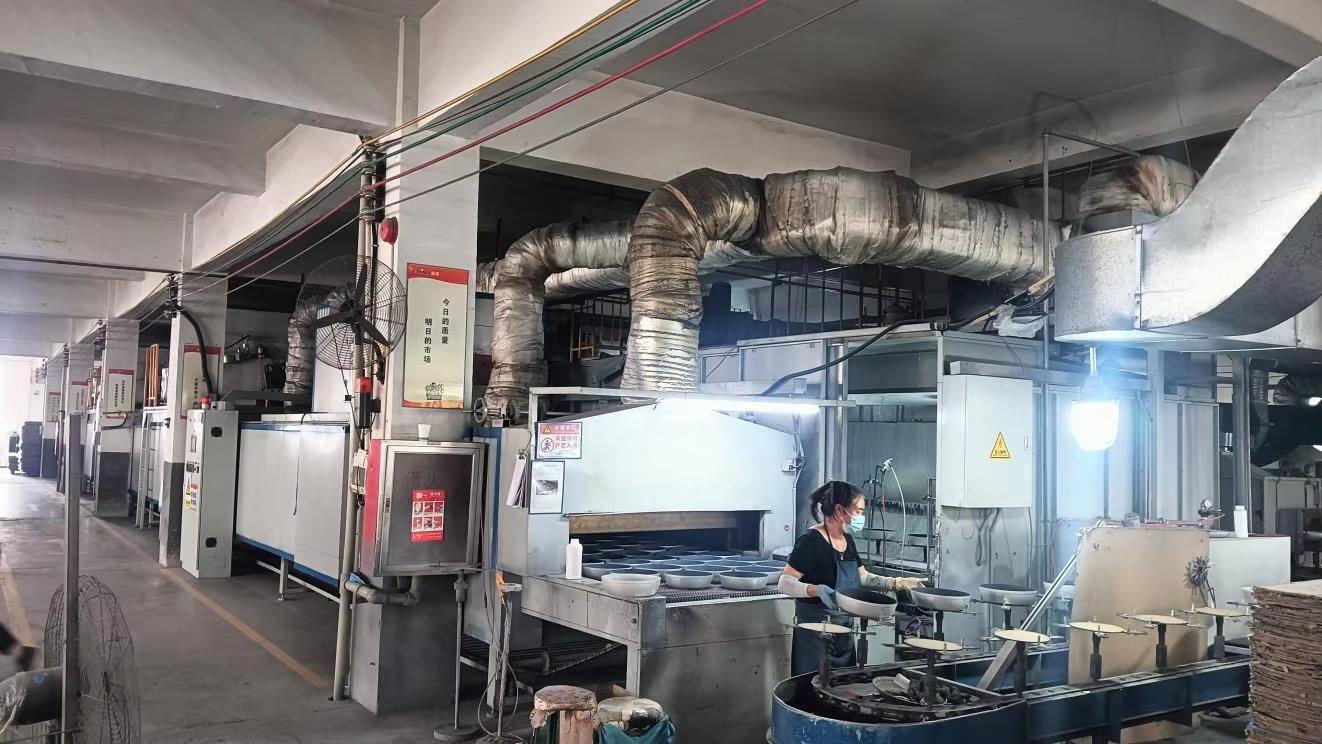
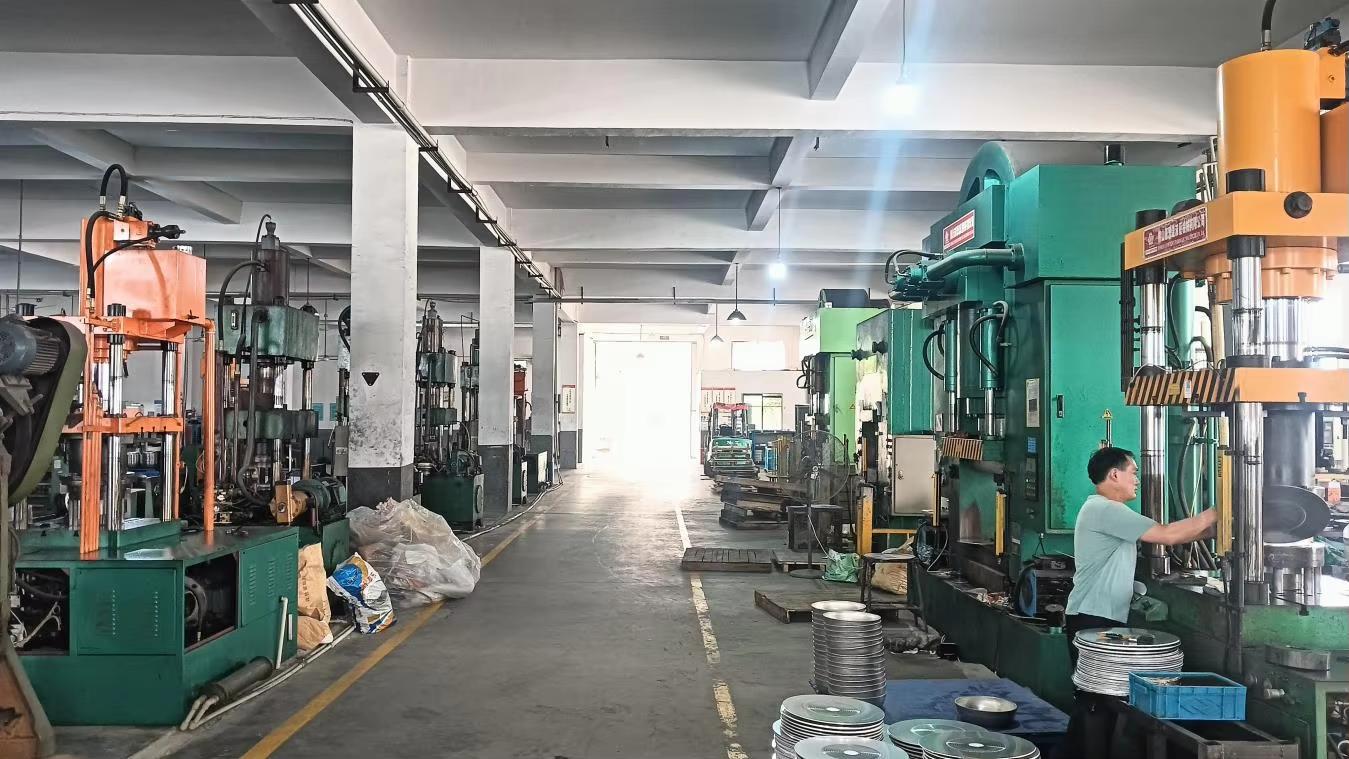
Operating from our audited industrial facility in Jinhua, Zhejiang, MEIS Kitchenware integrates advanced CNC mold engineering, heavy hydraulic forging, automated continuous coating lines, and comprehensive quality laboratories under one roof.
Full In-House Tooling & Mold Workshop
Unlike assembly agents or trading companies, MEIS operates its own precision CNC tooling and lathe department. We engineer proprietary cookware shapes, customized helper-handle molds, bespoke roasting rack patterns, and localized Mexican comal profiles within 14 days, drastically cutting new product launch timelines for private brands.
Automated Multi-Stage Coating Lines
Our Jinhua production floor features dust-free, climate-controlled robotic spray booths. Aluminum surfaces undergo ultrasonic degreasing, mechanical shot-blasting, robotic base-primer application, mineral effect atomization, and computer-controlled gas curing tunnels calibrated at precise thermal curves to ensure cross-hatch coating adhesion of Grade 5B (ASTM D3359).
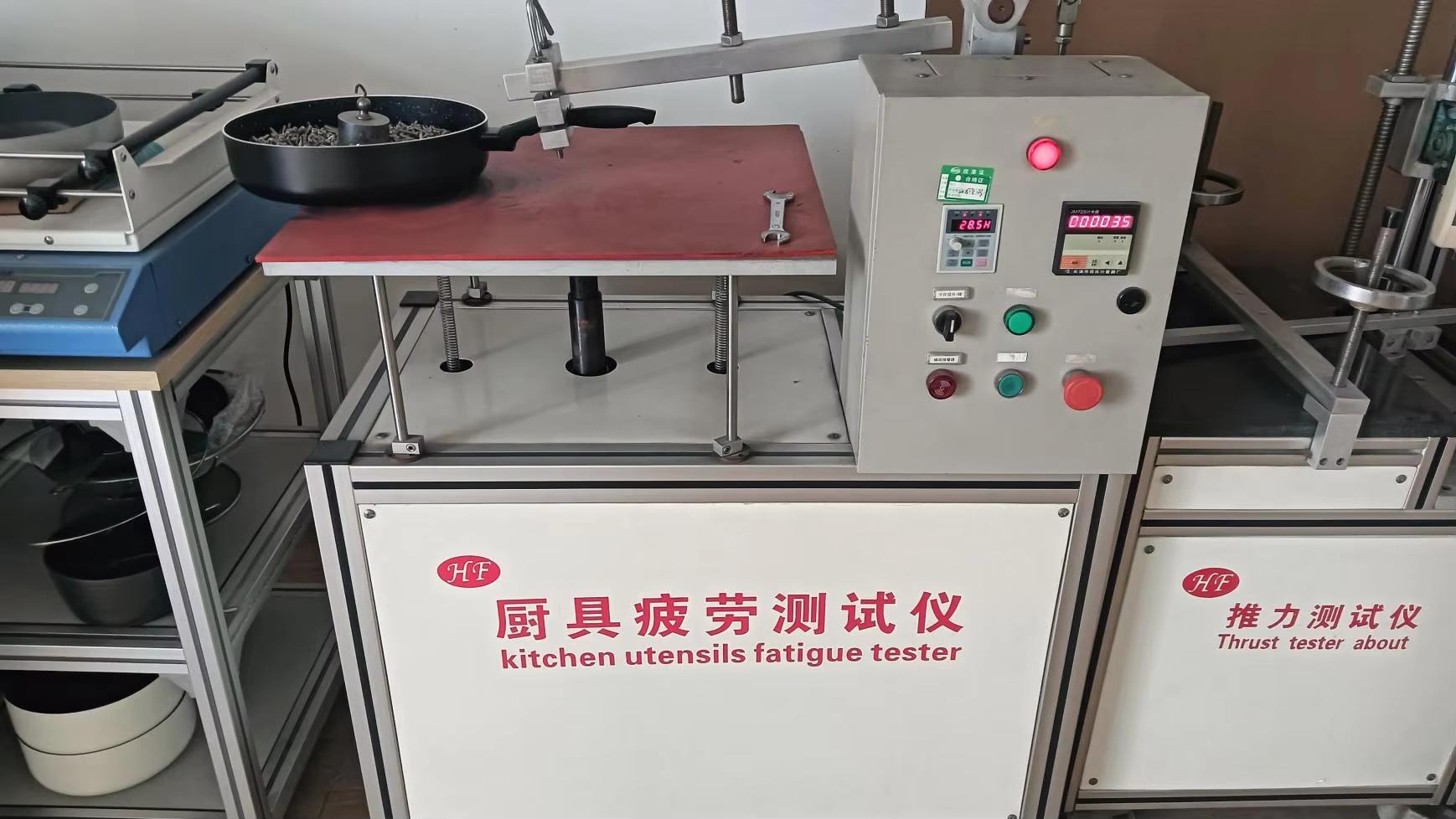
Rigorous In-House Testing Laboratory
Every production lot intended for Mexican export undergoes exhaustive testing: 5% neutral salt spray tests (ASTM B117) exceeding 72 hours for coastal humidity resistance (Veracruz/Cancun), repeated dishwasher cycle simulation, handle static loading and torsion strain verification, and food contact migration tests ensuring compliance with FDA and LFGB regulations.
Frequently Asked Questions for Sourcing to Mexico
Straightforward answers addressing customs tariffs, NOM certification, logistics to Pacific ports, and OEM customization requirements for Mexican buyers.
What Mexican import duties and HS codes apply to ceramic-coated cookware?
Aluminum cookware with nonstick/ceramic coating is classified under the Mexican Tariff Heading (Fracción Arancelaria) 7615.10.02 or 7615.10.99 (Utensilios de uso doméstico de aluminio). Carbon steel items are imported under 7323.93.00 or 7323.99.99. Depending on the current Mexican decree on steel/aluminum tariffs, general ad-valorem tariffs range between 15% and 25% plus 16% IVA (Value Added Tax).
MEIS provides fully compliant export paperwork, including Certificates of Origin, detailed commercial invoices, and packing lists formatted specifically to accelerate clearance via Mexican customs brokers (Agentes Aduanales).
How does MEIS ensure compliance with NOM labeling and sanitary standards?
We comply with NOM-050-SCFI-2004 (Commercial information and labeling for general products). All inner boxes, color sleeves, and user manuals are printed in Spanish, listing your RFC, importer name, country of origin, warranty duration, and care instructions (e.g., curing guidelines and non-abrasive cleaning advice).
For sanitary safety (COFEPRIS/NOM-049/NOM-231), our ceramic coatings undergo certified third-party testing (SGS or TÜV) confirming zero presence of extractable lead (Pb) and cadmium (Cd).
What are the sea transit times and shipping ports to Mexico?
We ship FOB Ningbo or Shanghai. Direct Pacific shipping lines (such as COSCO, MSC, and Maersk) connect directly to Mexico’s primary Pacific ports:
• Puerto de Manzanillo (Colima): 18 to 22 days ocean transit time (servicing Central Mexico, Guadalajara, and CDMX).
• Puerto de Lázaro Cárdenas (Michoacán): 20 to 24 days ocean transit time (optimized for rail connection directly into Mexico City dry ports Pantaco/Cuautitlán).
What is the standard Minimum Order Quantity (MOQ) and production lead time?
Standard production runs start at 1,000 to 1,500 units for individual frying pans and casseroles, and 1,000 sets for boxed 5-to-12 piece cookware collections. For market verification and trial container loads (LCL or mixed SKU FCL), trial allocations of 500 units can be negotiated based on standard color palettes.
Lead time for initial OEM orders (including tooling/laser plate setup) averages 35 to 45 days; repeat container reorders are completed in 30 days.
Can you manufacture custom Pantone colors and specialized handles for Mexico?
Yes. We support complete Pantone color matching for exterior silicone-polyester or high-temperature enamels, along with interior ceramic hues (including matte cream, terracotta brown, slate grey, and speckled granite). We also offer heat-insulating soft-touch bakelite handles with natural timber hydro-dipping, flame-guard metal rings, and gold/rose-gold PVD cast stainless steel handles.
Step-by-Step OEM Project Execution
From initial 3D design validation to bonded warehouse container loading, our streamlined process eliminates manufacturing bottlenecks.
Technical Briefing
Definition of target retail price band, vessel gauge (pressed 2.0-3.0mm or forged 3.5-4.5mm), bottom design (spiral induction or full-covered), handle ergonomics, and target retail store channel.
Rapid Prototype & Molds
CAD rendering and rapid 3D printing of handle mockups. Tooling configuration in our CNC lathe workshop and functional sampling within 7 to 10 working days.
Pre-Shipment Compliance
Testing of sample batches for nonstick release, thermal shocking, salt fog exposure, and migration under FDA/LFGB guidelines with certified test report handoff.
Automated Production
Continuous blanking, deep hydraulic pressing, surface blasting, automatic robotic ceramic spray coating, and computerized curing at 400°C+.
Quality Control Gate
100% inline inspection of handle torque, rim roundness, bottom flatness, and scratch-free surface aesthetics before final export carton sealing.
FOB Loading & Documentation
Palletized or high-cube container consolidation at Ningbo port, accompanied by Spanish bill of lading, commercial invoice, and Packing List for Mexican customs clearance.