Featured Commercial & Retail Cookware Portfolios
Direct factory production lines covering cold-forged and heavy-gauge stamped configurations engineered to meet the demanding requirements of Columbus private label distributors.
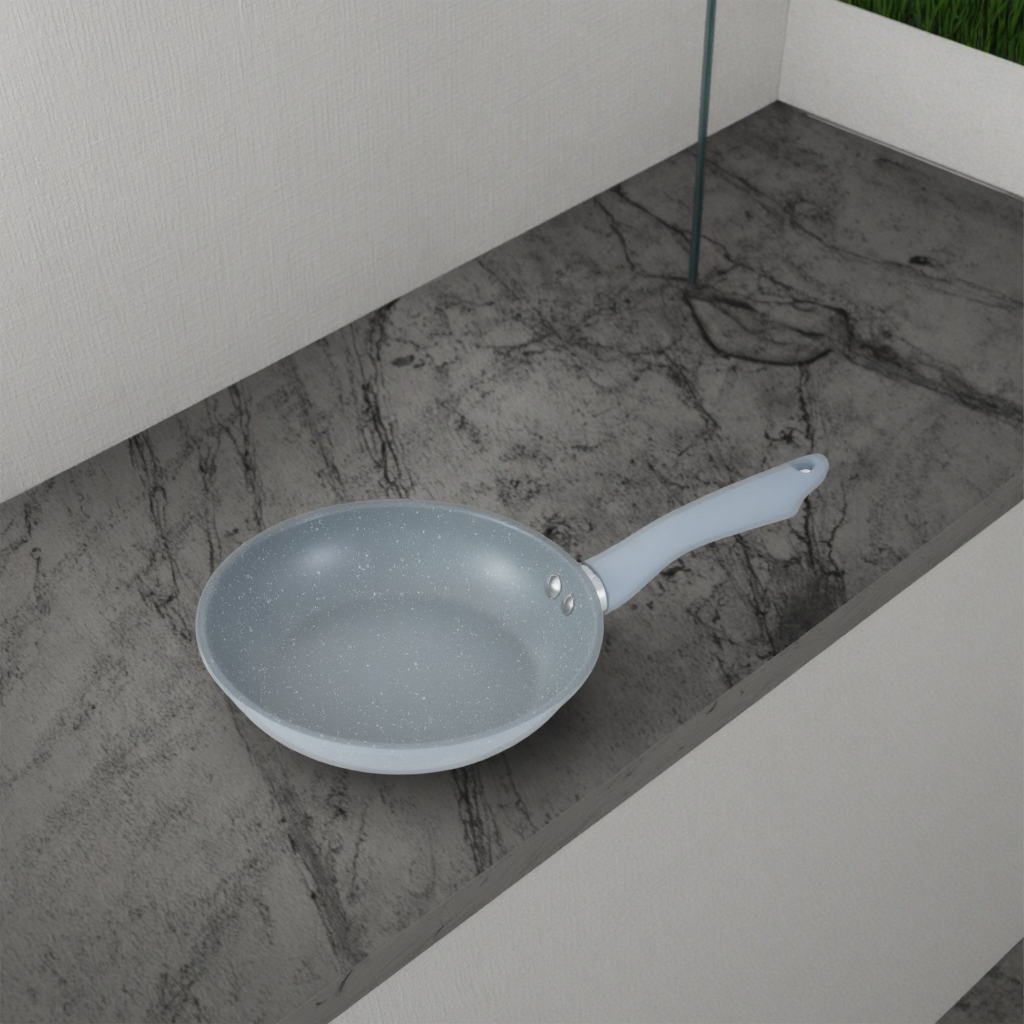
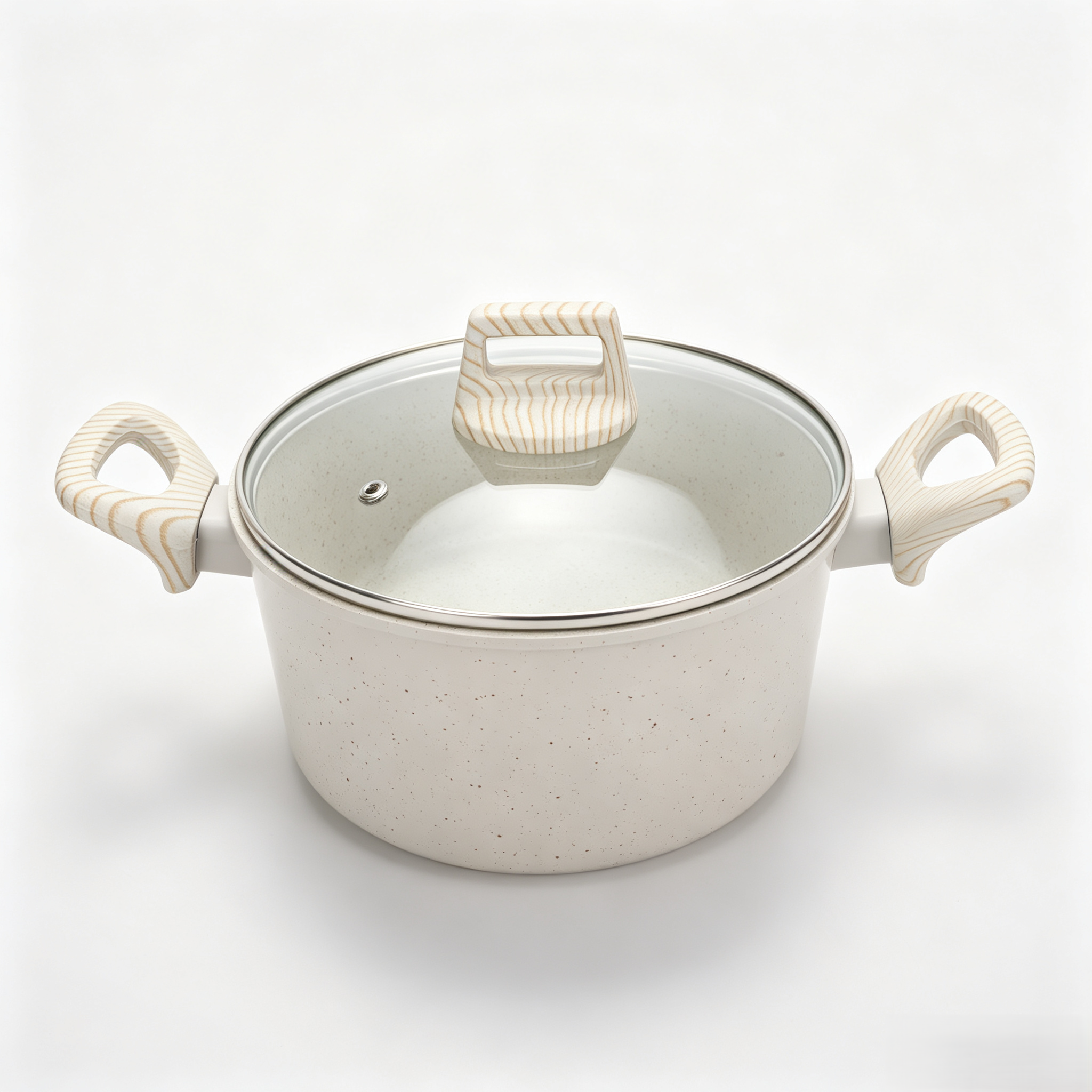
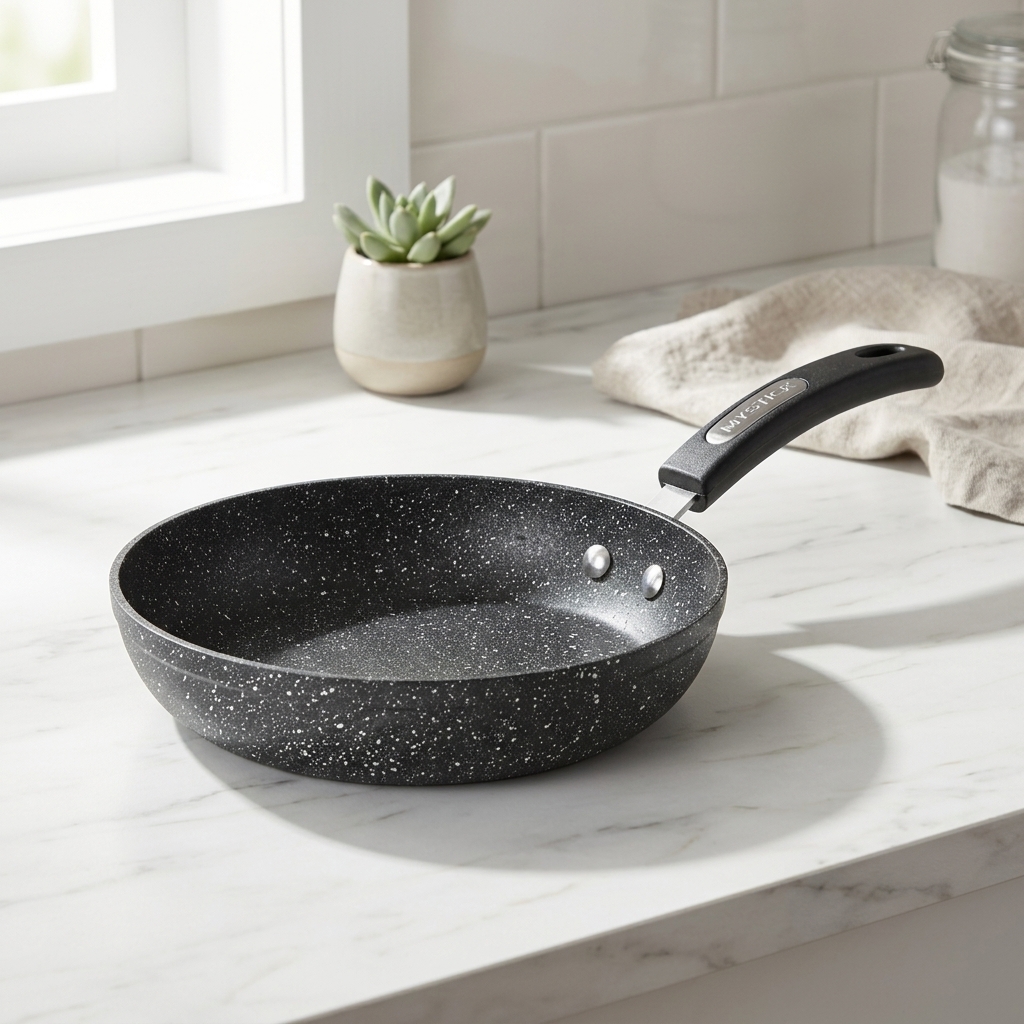
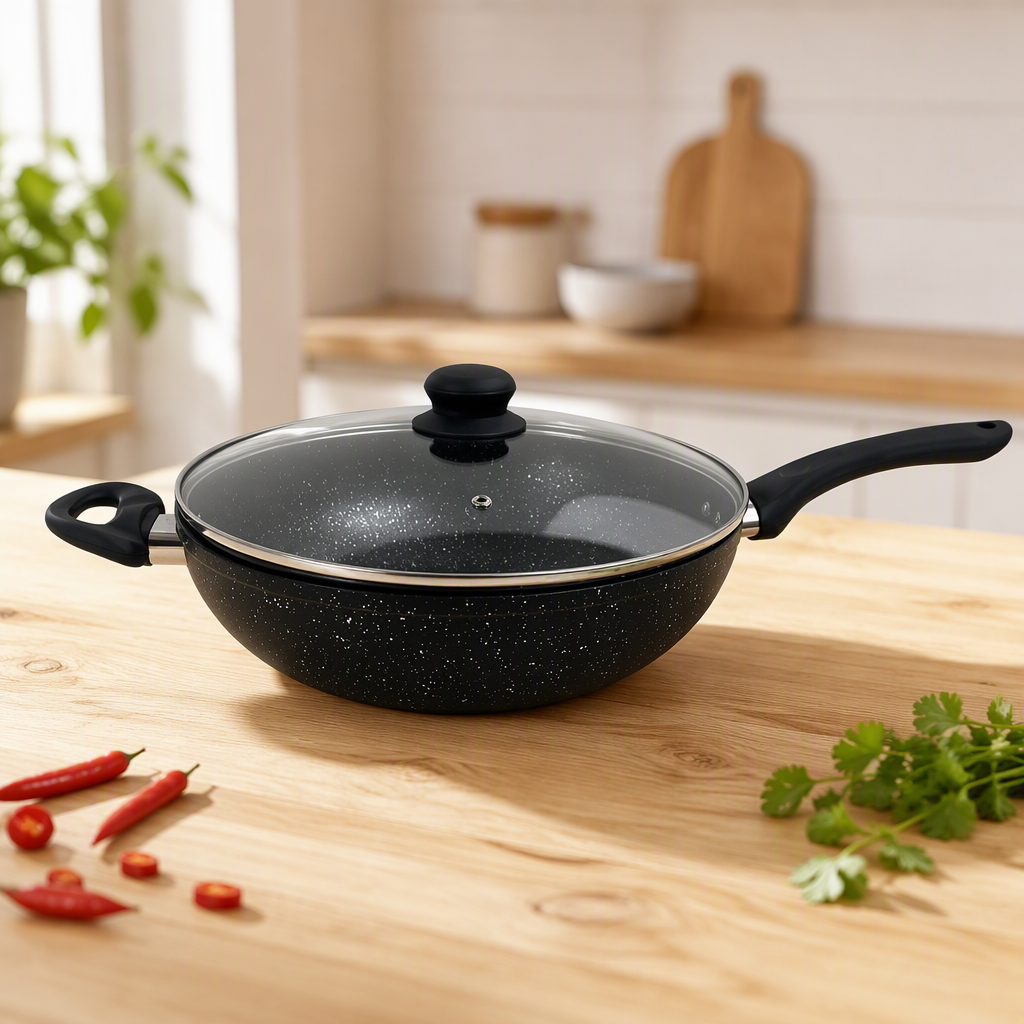
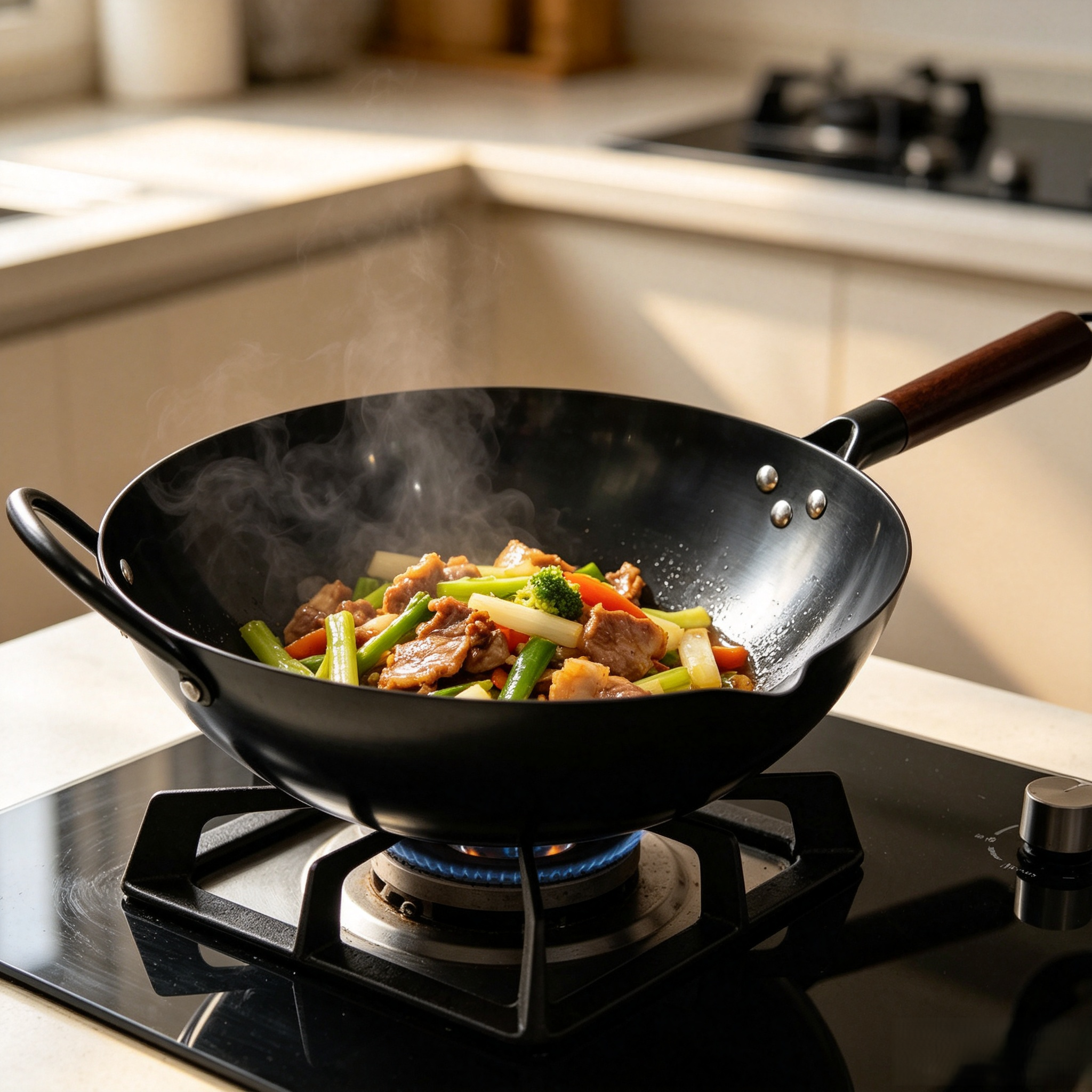
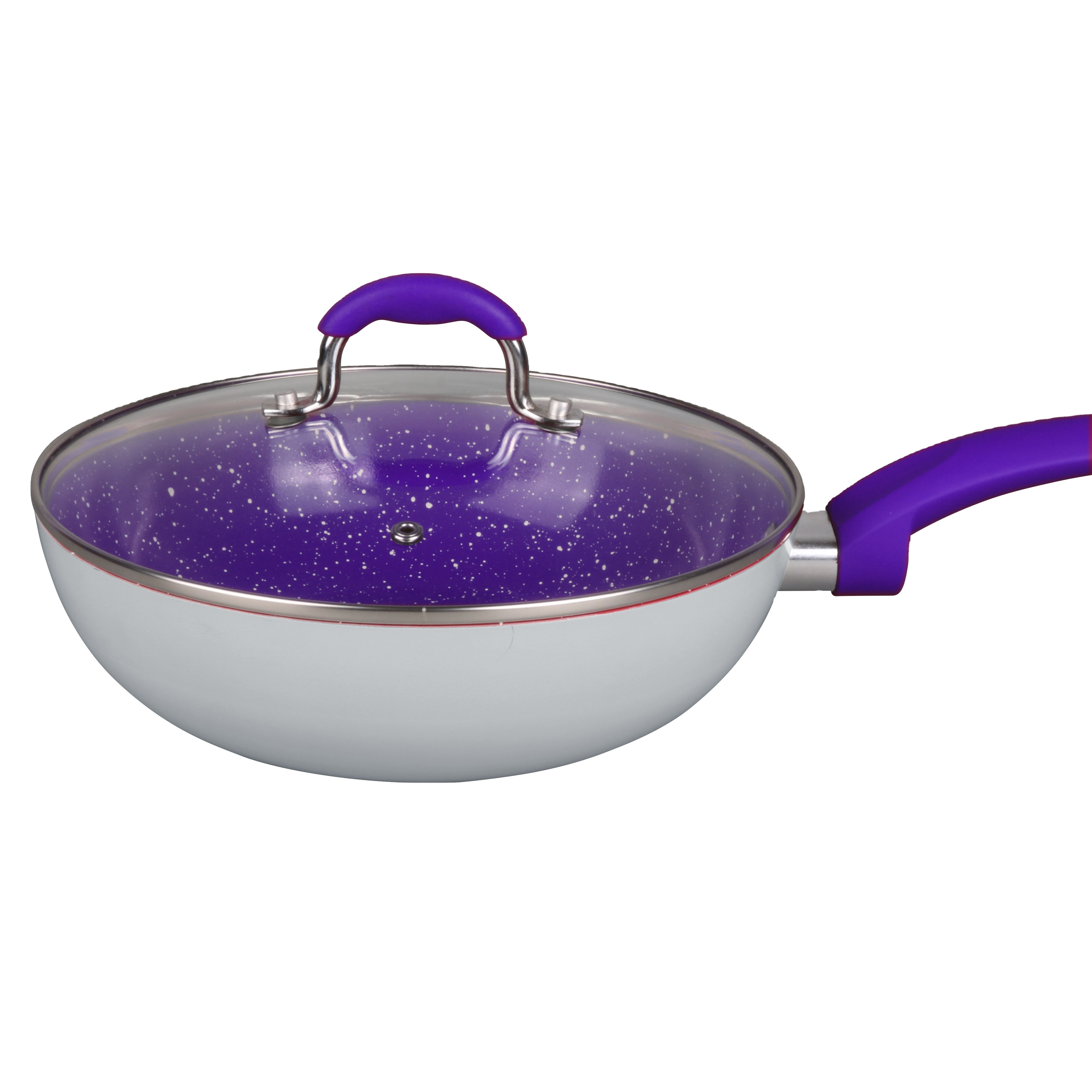
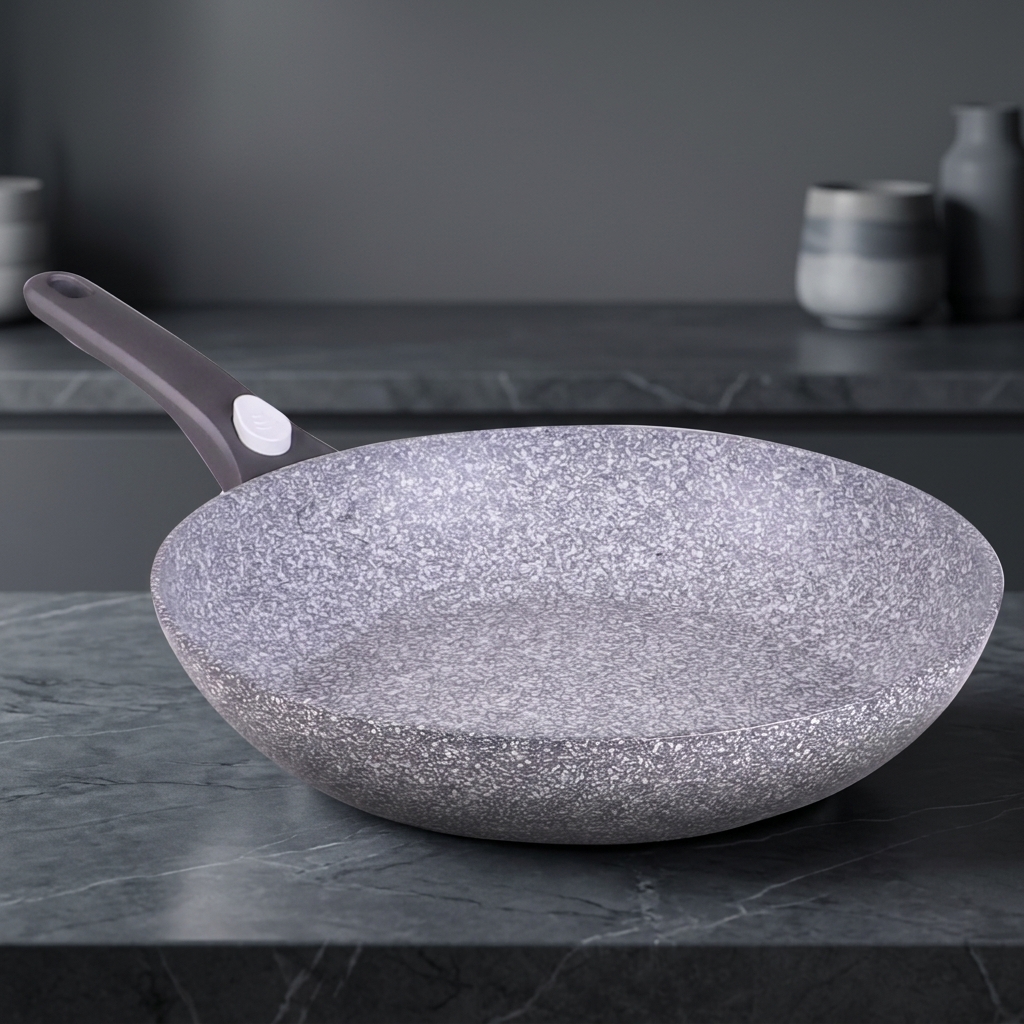
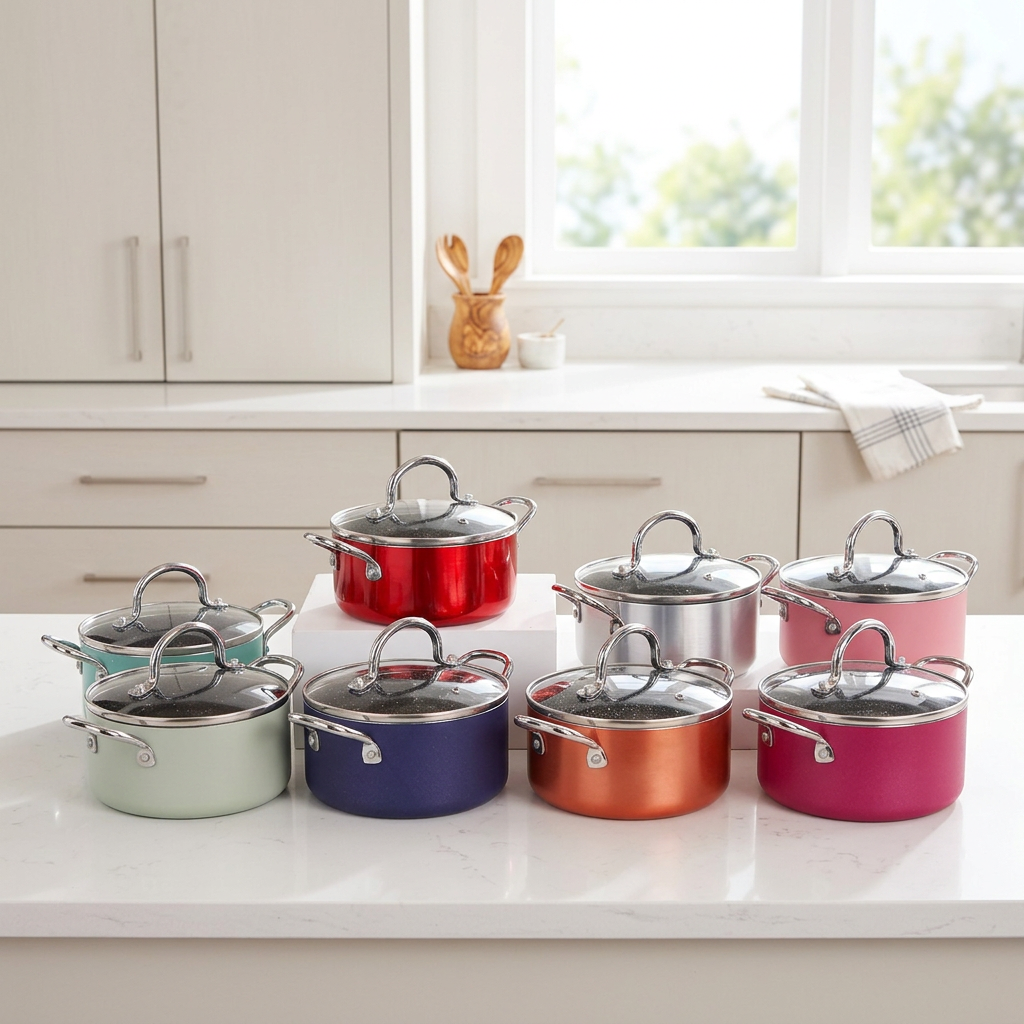
Engineering Ceramic Saucepans: Mechanical Integrity & Sol-Gel Metallurgy
Analyzing thermal dissipation factors, boundary-layer stress thresholds, and non-fluorochemical coating adhesion for Midwestern culinary procurement specifications.
In the evolving consumer and hospitality market across greater Columbus and the broader Ohio Valley, cookware procurement is pivoting decisively away from traditional fluoropolymer (PTFE/PFOA) coatings. This transition is propelled by heightened safety compliance, aggressive consumer education regarding per- and polyfluoroalkyl substances (PFAS), and demanding environmental requirements. As a result, Ceramic Nonstick Saucepans utilizing inorganic silica-based sol-gel technologies have advanced from a boutique alternative to an essential core product line for national retailers, regional e-commerce operators, and institutional hospitality chains.
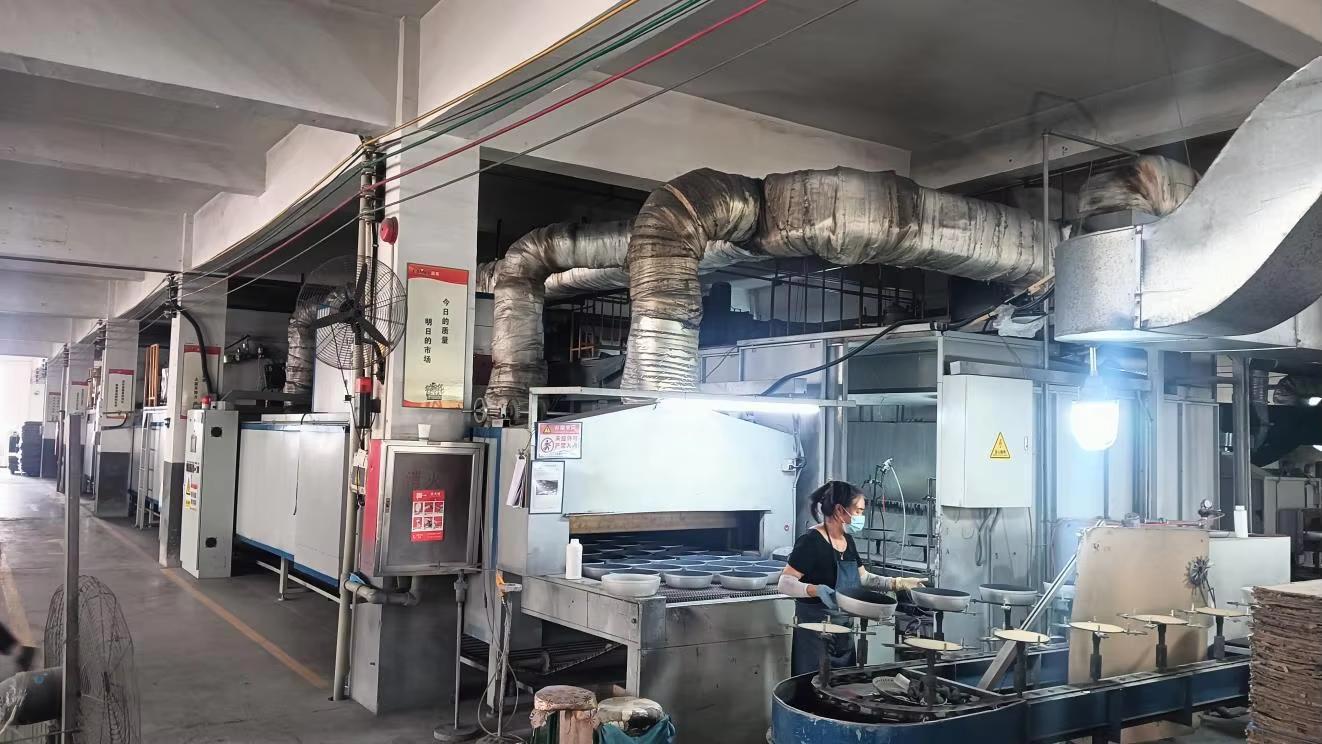
Zhejiang MEIS Kitchenware Co., Ltd. operates at the vanguard of this metallurgic and chemical evolution. Situated in the Dongnan Industrial Zone, Shuxi Street, Jinhua, Zhejiang, our fully integrated manufacturing facilities convert raw virgin aluminium ingots and cold-rolled carbon steel coils into calibrated, performance-tested saucepans. By eliminating external sub-contractors for our critical stamping, shot-blasting, robotic ceramic spray lines, and curing ovens, MEIS ensures that every metric—from thermal conductivity down to atomic coating adhesion—aligns with rigid American testing standards including ASTM C609, FDA 21 CFR 175.300, and California Proposition 65 compliance parameters.
Localized Application Scenarios Across Columbus
Engineered specifically to solve the thermal, logistical, and culinary requirements of the Midwestern commercial and residential food ecosystem.
The Columbus Food Hall & Culinary Incubator Revolution
Columbus, Ohio stands as one of the premier test-market epicenters in the United States. Fast-casual concepts, incubator kitchens in Franklinton and the Short North, and multi-concept food halls demand equipment that transitions effortlessly between high-volume lunch rushes and exacting sauce formulation.
Traditional nonstick pans quickly degrade under the continuous cycles of commercial dishwashers and high-heat induction ranges. MEIS heavy-gauge forged ceramic saucepans utilize hardened mineral topcoats that resist thermal shock down to sudden cold water rinses, giving food startup incubators and regional restaurant chains the aesthetic presentation of consumer-grade cookware with the rugged wear resistance of industrial stockpots.
Market & Regulatory Trends Impacting Columbus Procurement
Navigating regulatory crackdowns, retail channel shifts, and the modernization of midwestern manufacturing logistics.
Cookware Substrate & Nonstick Coating Performance Analysis
Evaluating engineering trade-offs to aid product directors in selecting the optimal structural profile.
| Evaluation Factor | Cold-Forged Ceramic Saucepan | Stamped Aluminum (Pressed) | Heavy-Gauge Carbon Steel |
|---|---|---|---|
| Core Substrate Thickness | Base: 4.0mm / Walls: 2.2mm | Uniform 2.0mm – 2.5mm | Calibrated 1.8mm – 2.0mm |
| Surface Coating Architecture | Double-coat inorganic silica sol-gel | Single/multi-layer ceramic/marble | Ceramic, titanium-reinforced, or nitrided |
| Maximum Working Temperature | 450°C (842°F) Without toxic fume release | 350°C (662°F) | 400°C+ Extreme endurance |
| Induction Efficiency Factor | High (Perforated impact stainless disc) | Moderate (Depends on base plate) | 100% Native Ferromagnetic Core |
| Handle Assembly Options | Detachable, cast SS, soft-touch Bakelite | Riveted standard Bakelite | Welded tubular or hollow cast steel |
| Target Market Segmentation | Premium retail, specialty boutique DTC | Volume retail, hypermarkets, promotional sets | Commercial restaurants, high-temp searing |
Full Traceability from Metal Sheet to Packed Container
Unlike export agencies or assembling workshops, MEIS maintains complete mechanical, metallurgical, and surface engineering under one roof.
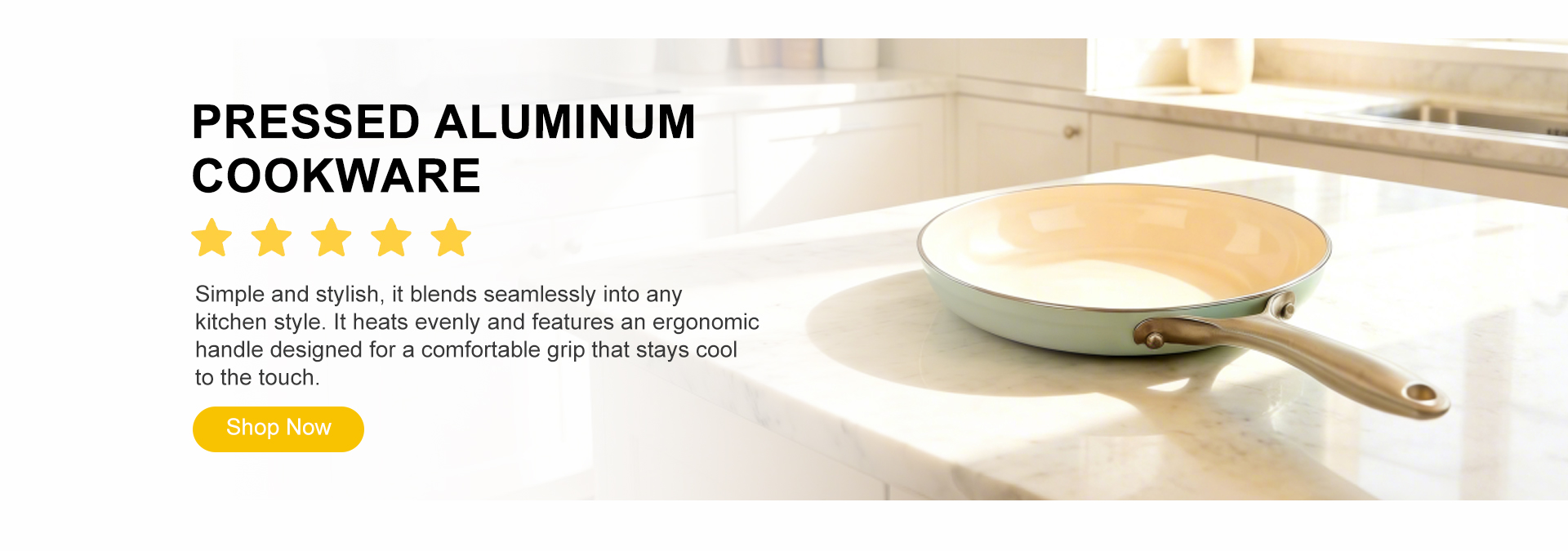
Heavy Machinery, In-House Mold Tooling & Quality Rigor
Our Jinhua factory campus spans advanced hydraulic forming bays, multi-axis automated polishing systems, and cleanroom spray-coating lines. Operating under certified ISO 9001 and verified on-site by TÜV Rheinland, every batch of ceramic saucepans is subjected to an exhaustive quality assurance regimen.
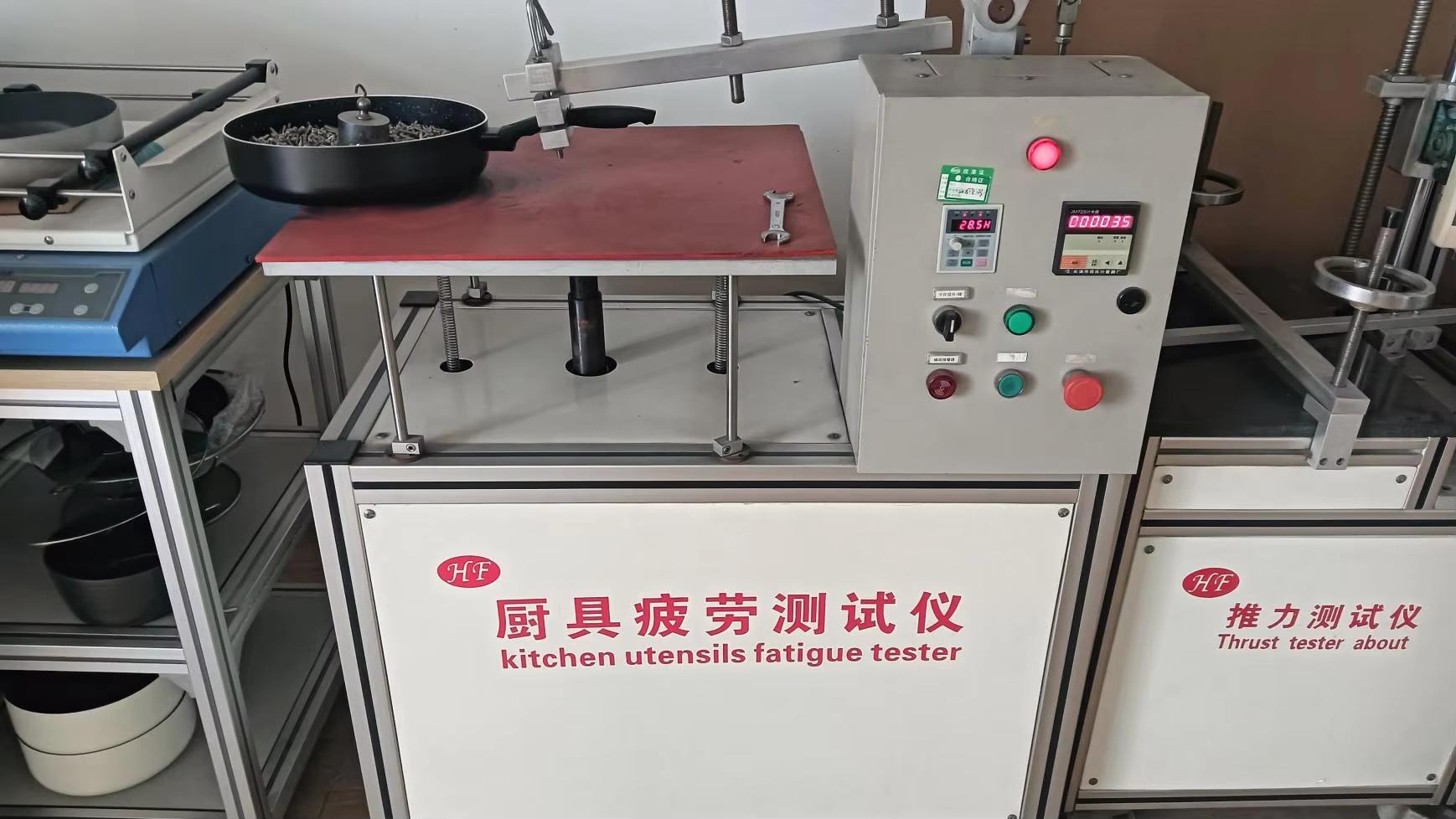
We deploy dedicated labs equipped with accelerated salt-spray chambers to simulate coastal shipping corrosion, pneumatic handle fatigue testers pulling 15,000 cycles, and computer-controlled torque testers ensuring rivets and fasteners will not loosen under heavy kitchen workloads.
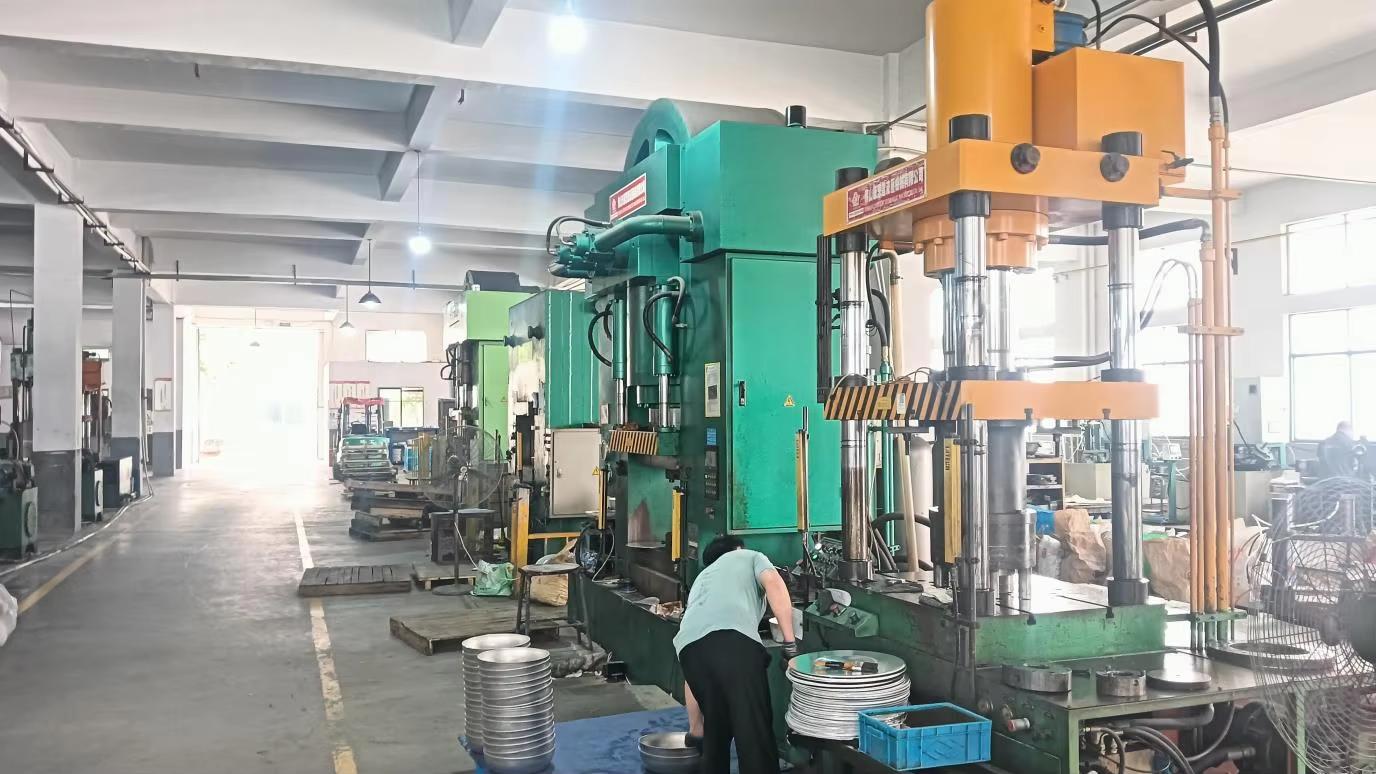
Deep-Draw Pressing
Calibrated wall-thickness distribution.
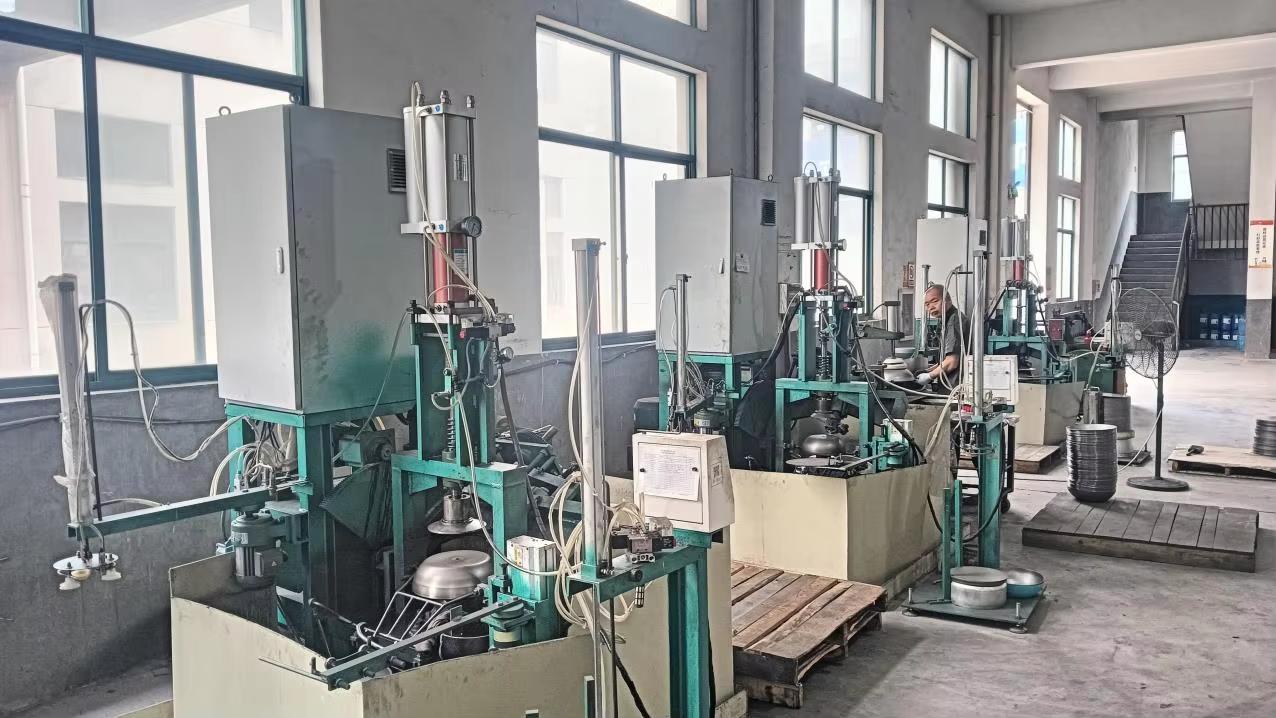
Precision CNC Turning
100% planar base tolerance for induction.
In-House Laboratory
ASTM cross-hatch adhesion testing.
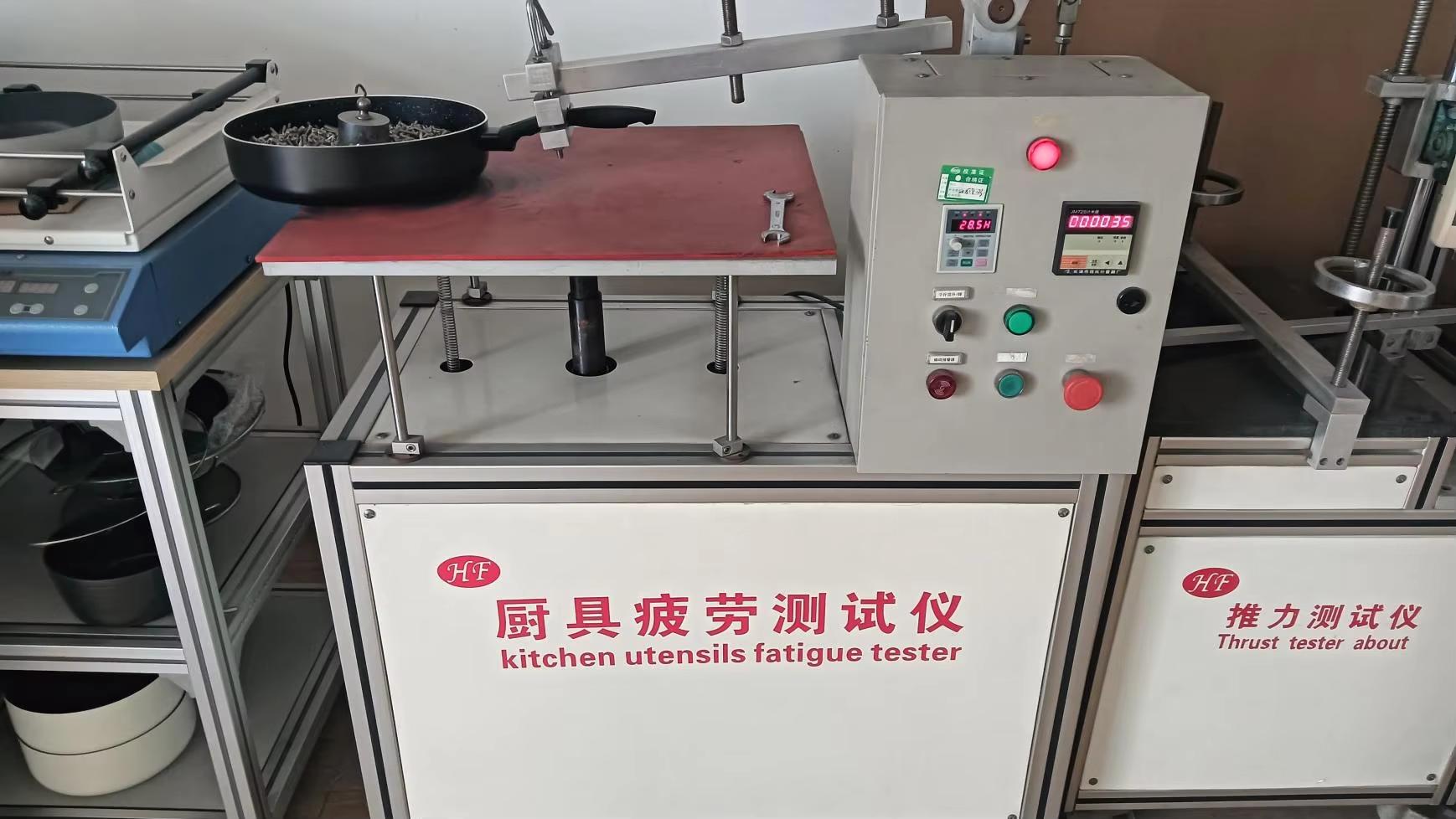
Mechanical Durability
Handle fatigue & torsion validation.
Six-Stage Enterprise Development Framework
From preliminary 3D CAD modeling to port delivery in Cleveland or Columbus inland dry ports, our project lifecycle eliminates communication friction.
Frequently Asked Questions for Columbus Supply Managers
Answers to common inquiries regarding lead times, logistics, compliance certifications, and production runs.
Production lead times for custom OEM ceramic saucepans typically range between 30 to 45 days post-deposit and sample signoff. Ocean transit from Ningbo port to US East Coast gateways (Norfolk or New York) averages 24–30 days, followed by 3–4 days via Norfolk Southern or CSX intermodal rail direct to Columbus logistics centers.
Yes. Our proprietary sol-gel ceramic formulas are manufactured using pure inorganic silicon dioxide matrices. Every production run is certified to be 100% free of PTFE, PFAS, PFOA, GenX, lead, and cadmium, complying fully with FDA 21 CFR 175.300 and stringent California Proposition 65 food-contact standards.
For custom ceramic saucepans featuring specific Pantone colorways and private label retail gift boxes, standard MOQs are 1,000 to 1,500 units per size/color. For standard production tooling with custom laser-etched handles, trial orders starting at 500 units are available to support initial Columbus test-market launches.
Absolutely. We embed an impact-bonded or friction-welded 430-grade ferritic stainless steel induction base plate into the aluminum body under high pressure. This guarantees rapid electrical eddy current generation, optimal heat dissipation, and zero warping under continuous commercial restaurant use.
We engineer drop-test certified mail-order packaging compliant with ISTA-1A and ISTA-3A standards. This includes customized internal pulp trays, edge protectors, and localized UPC/FNSKU barcoding so shipments arrive at Columbus fulfillment centers ready for instant intake and distribution.
Yes, Zhejiang MEIS Kitchenware Co., Ltd. is verified on-site by TÜV Rheinland. Our industrial manufacturing facilities, employee working conditions, safety systems, and automated testing lines undergo periodic physical audits available for review by procurement compliance departments.