Engineered Cookware Lines for Market Importation
Discover our TÜV Rheinland-certified OEM cookware range engineered for superior thermal diffusivity, ergonomic handle balance, and durable food-grade nonstick matrices.
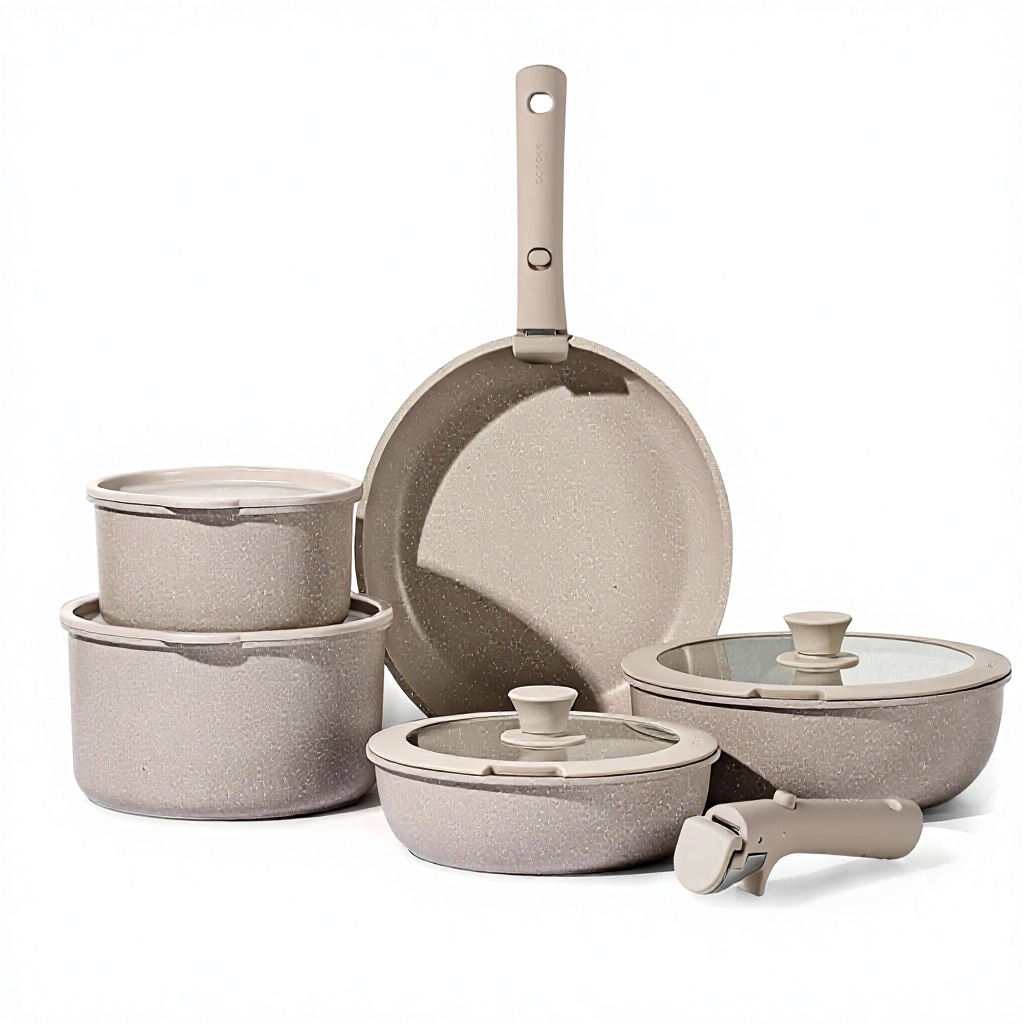
CAROTE 19-Piece Non-Stick Cookware Set Detachable Removable Handles
View Technical Specs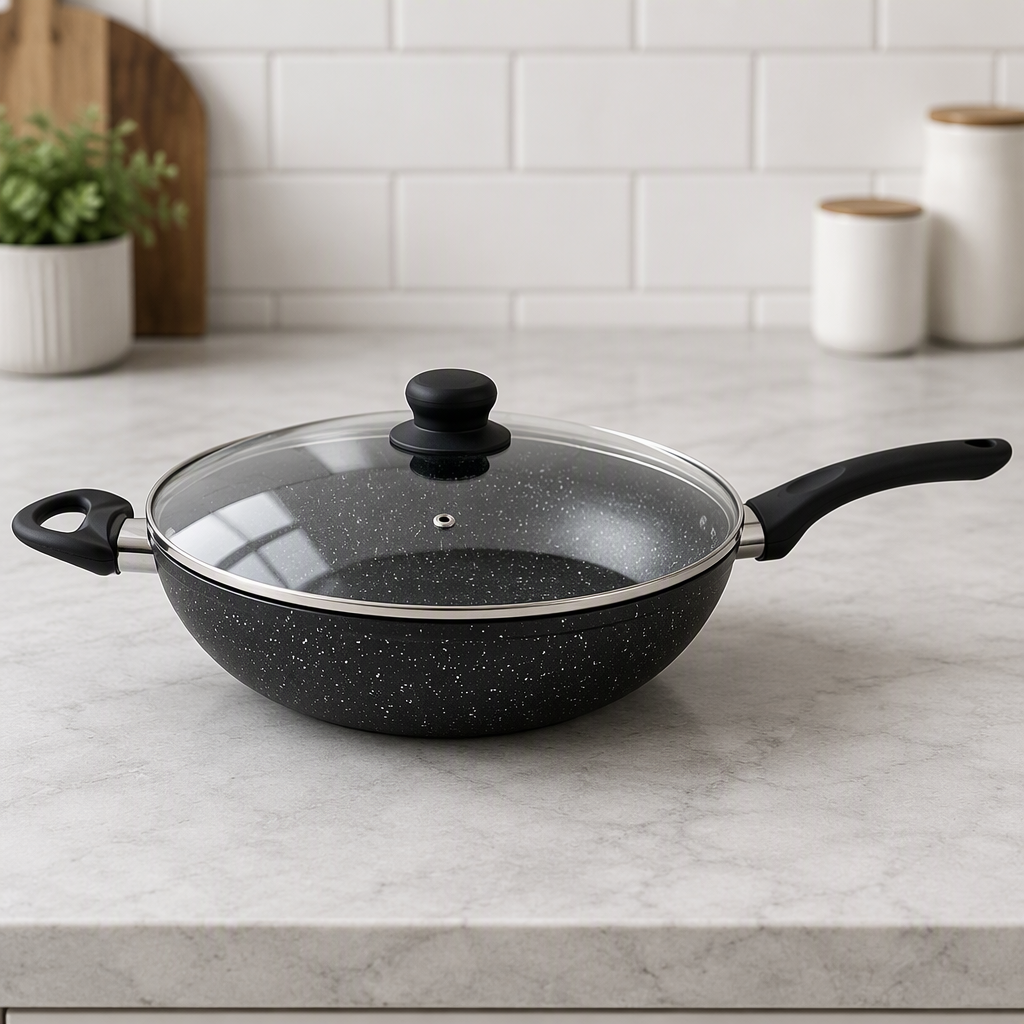
24 cm Forged Aluminum Wok Marble Coating Non Stick Deep Fry Pan Glass Lid
View Technical Specs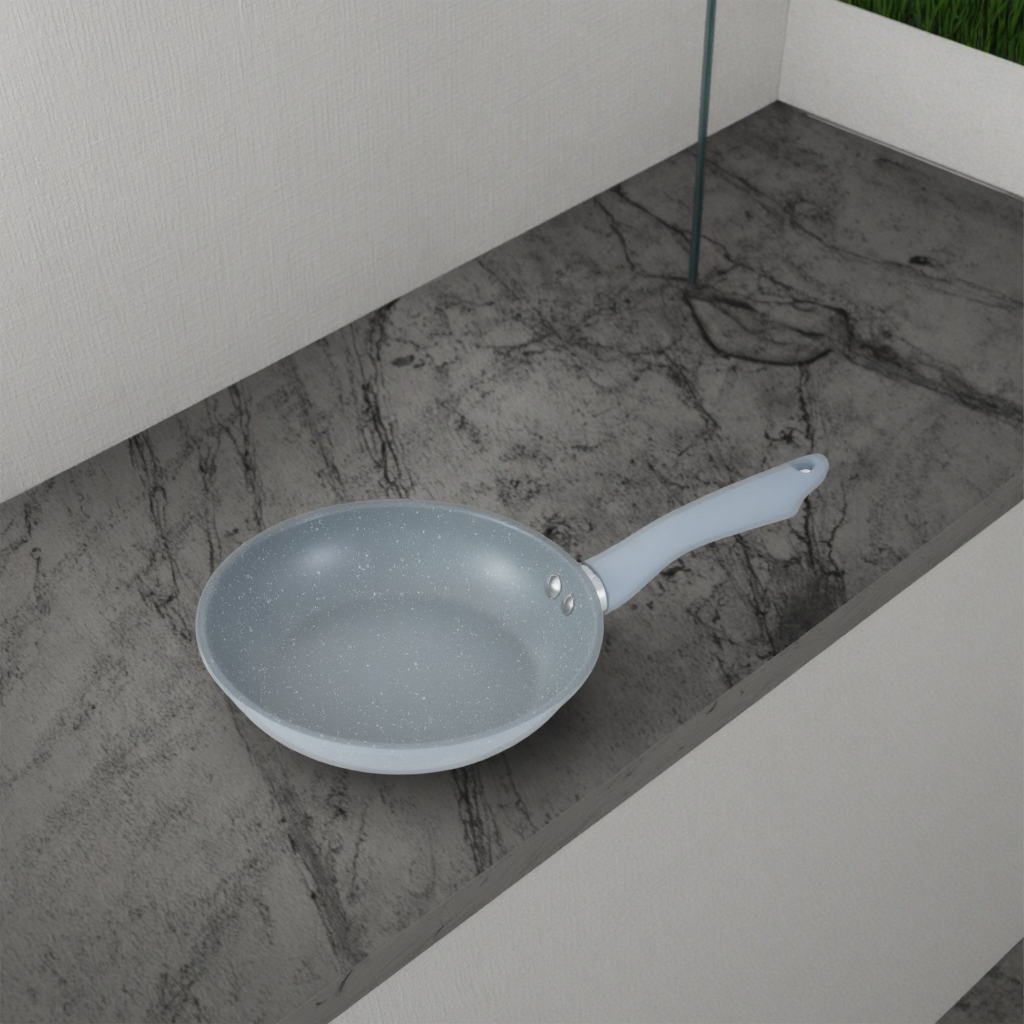
10-Inch Heavy Gauge Carbon Steel Fry Pan with Bakelite Soft Touch Handle
View Technical Specs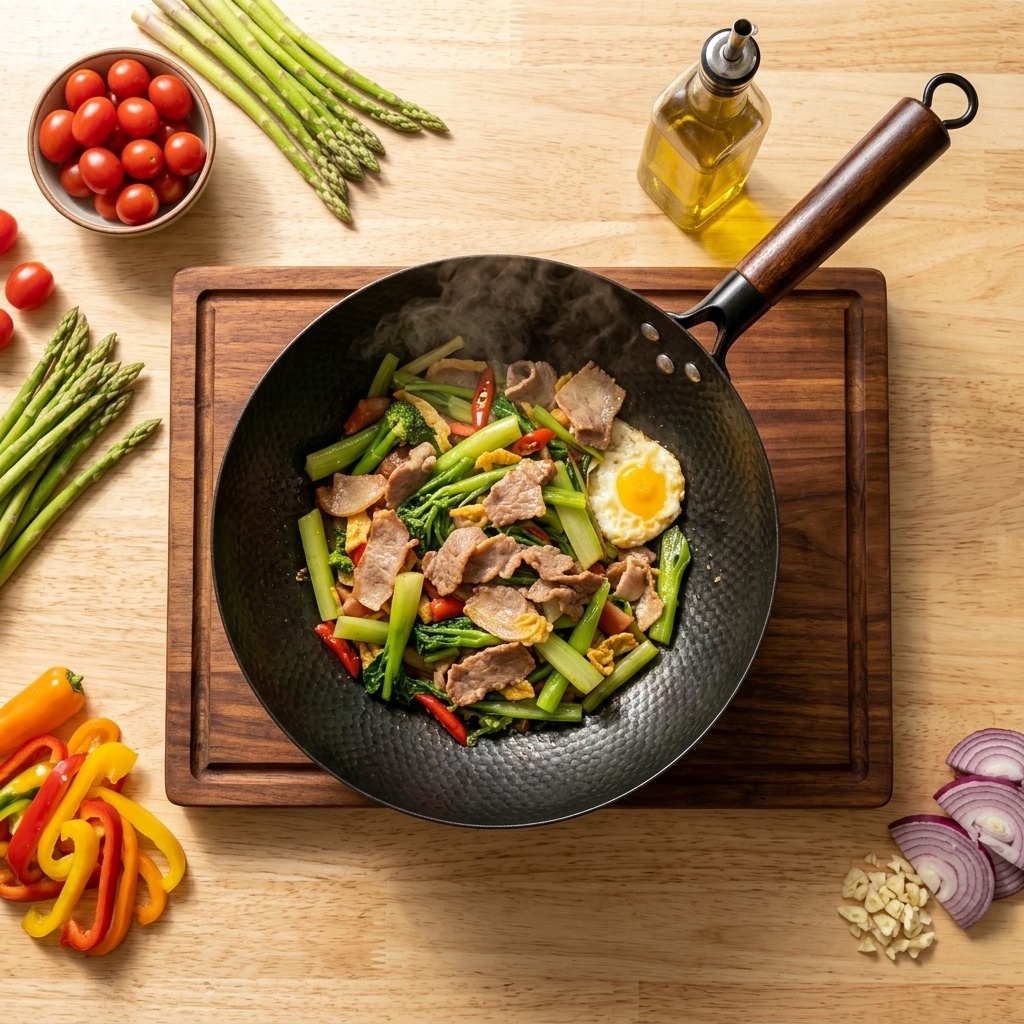
12 Inch 30cm Heavy Gauge Carbon Steel Chinese Wok Wooden Handle Nitrogen Coating
View Technical Specs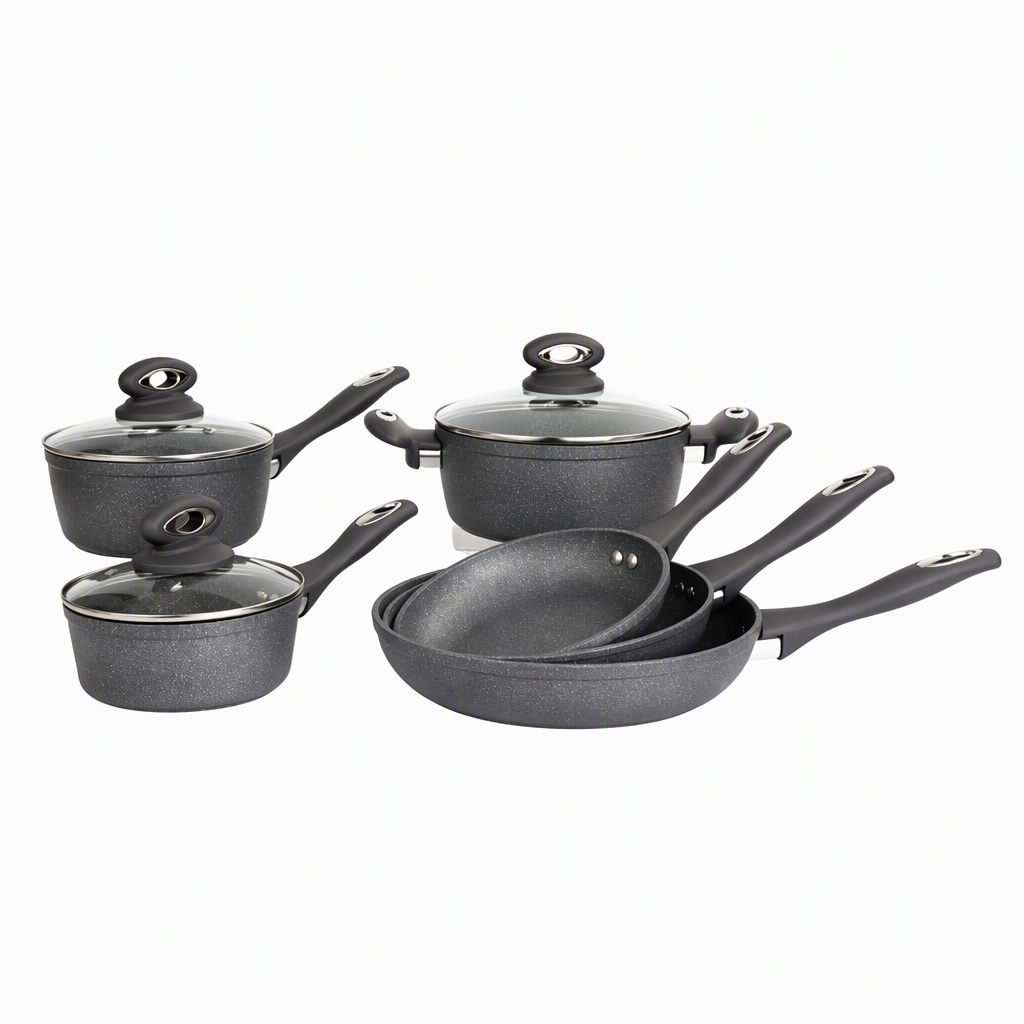
9 Piece Forged Aluminum Cookware Set Marble Coating Induction Base Glass Lids
View Technical Specs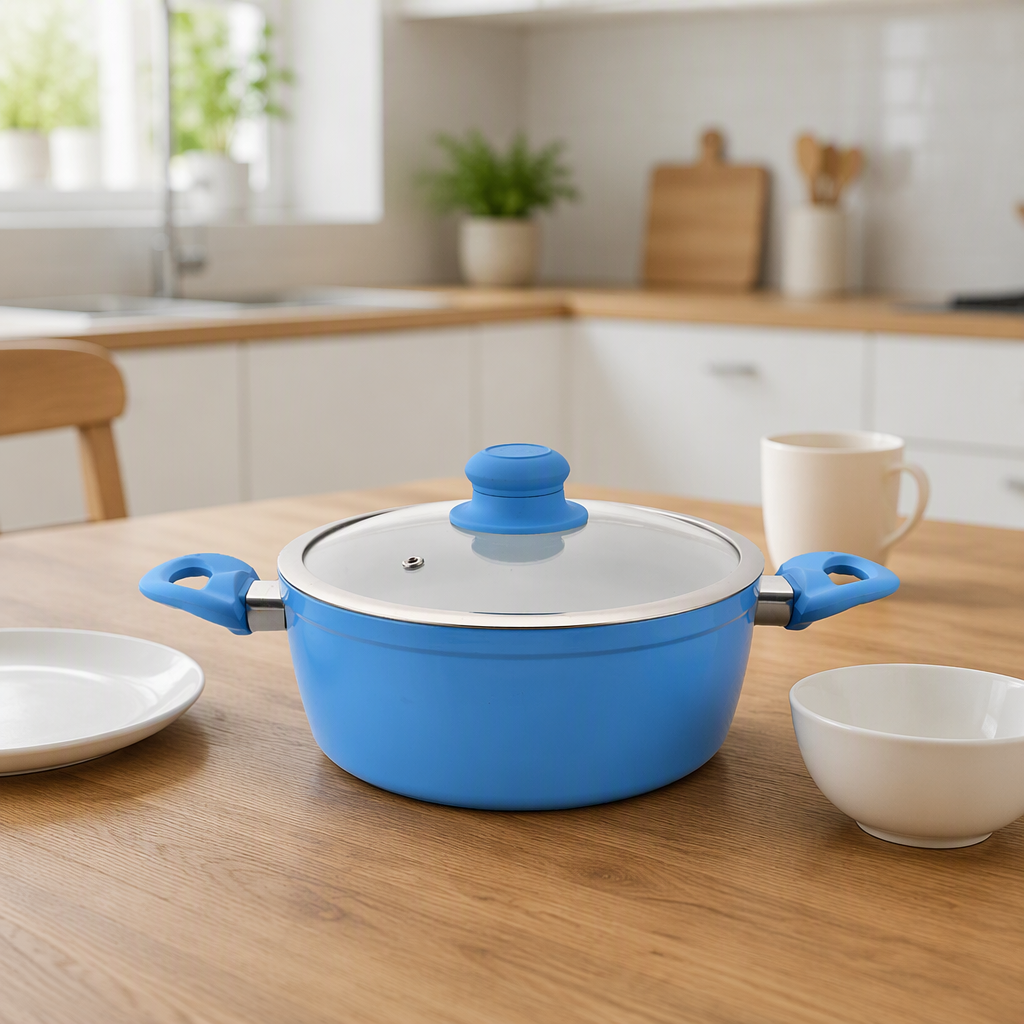
24 cm Durable Forged Non Stick Casserole Soup Pot Bakelite Handle Glass Lid
View Technical Specs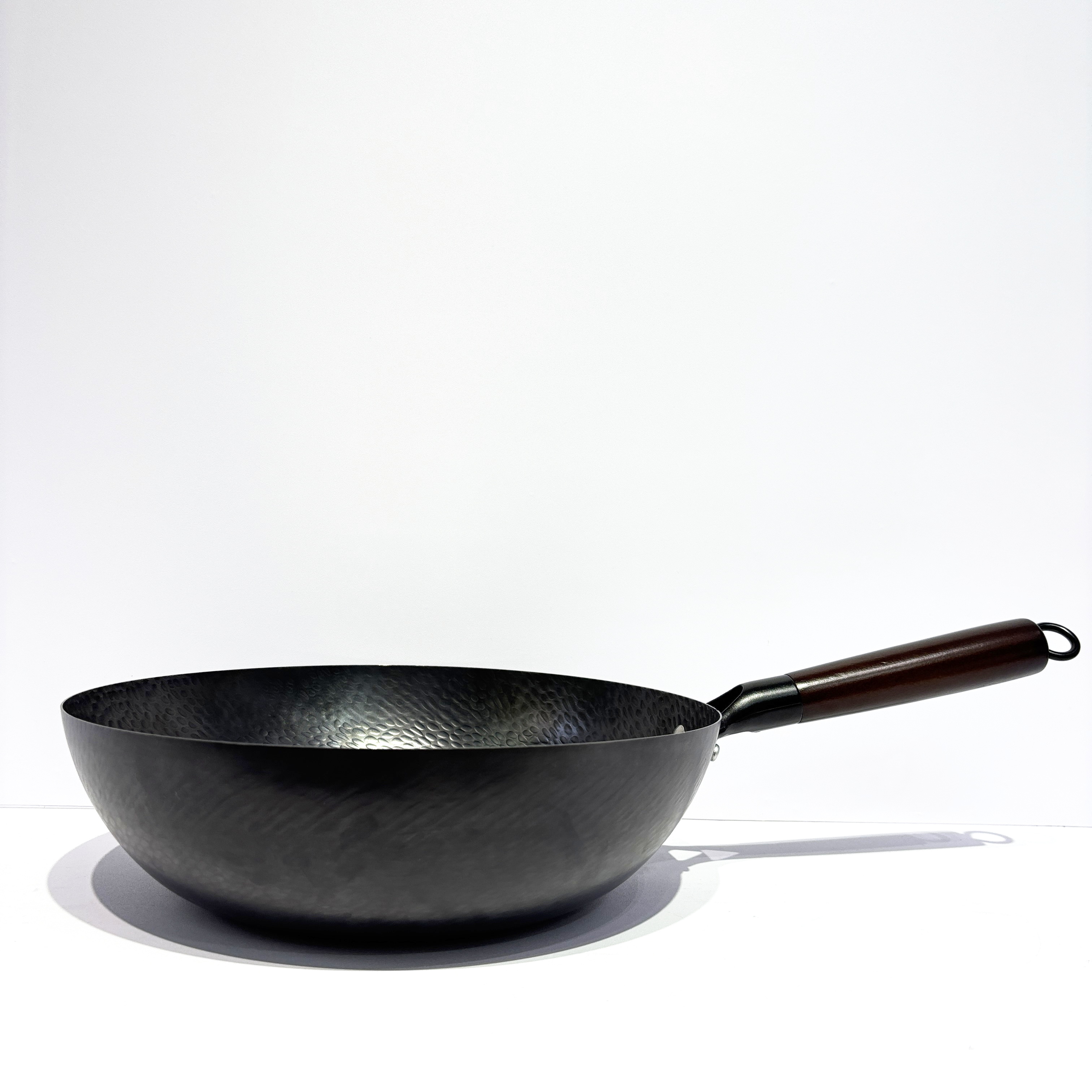
CAMRY Customized Logo Nitrided Nonstick Carbon Steel Wok Wooden Handle
View Technical Specs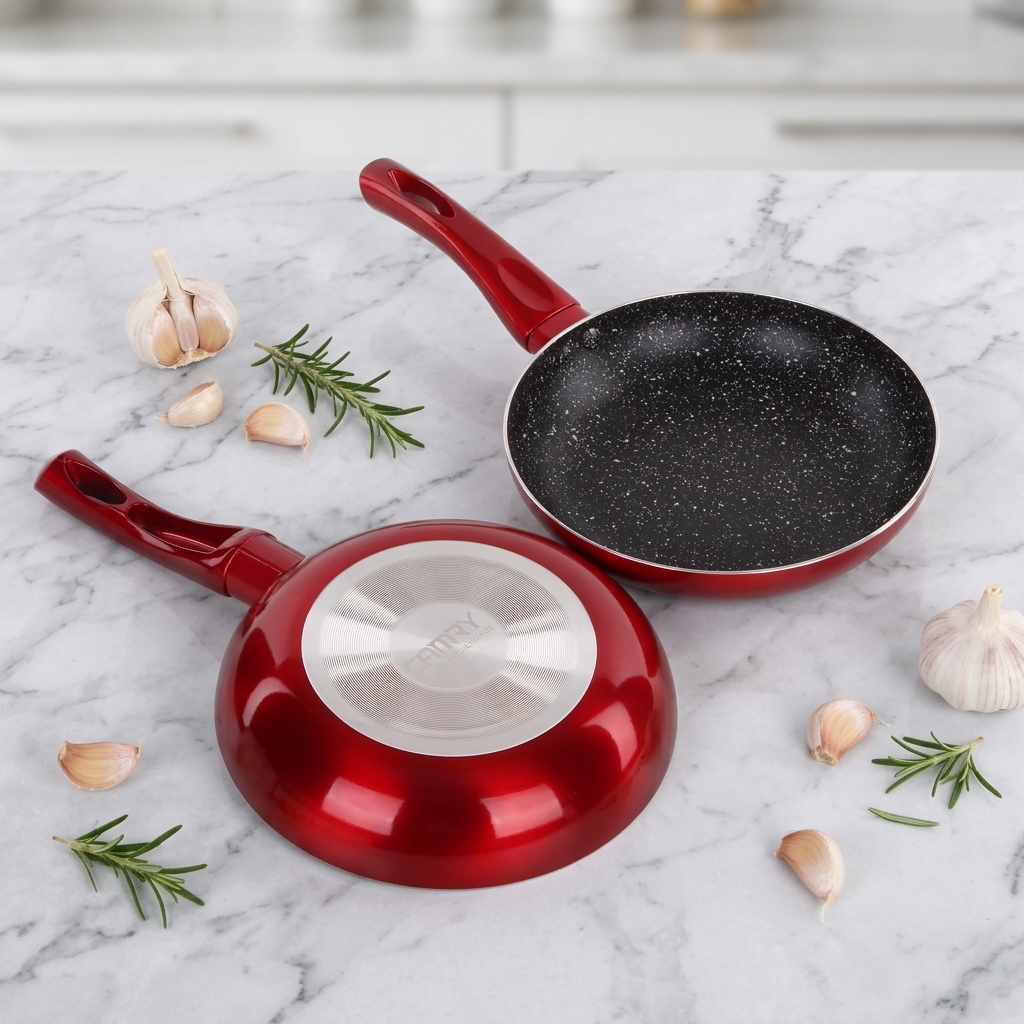
Durable 30 cm PFOA-free Non-Stick Pressed Frying Pan Glass Cover Heat-Resistant
View Technical SpecsNavigating the Serbian Kitchenware Market: Strategic OEM Sourcing Analysis
The Republic of Serbia, serving as the central economic engine of the Western Balkans, is undergoing a rapid modernization of its retail consumer ecosystem and commercial gastronomy infrastructure. As urban centers like Belgrade (Beograd), Novi Sad, and Niš experience expanding middle-class disposable income, consumer expectations regarding household goods have shifted dramatically. Kitchenware—specifically nonstick cookware, sauce pots (*šerpe*), and multi-functional casseroles—is no longer viewed as mere utility, but as an intersection of health compliance, energy efficiency, and modern culinary aesthetic.
Historically dominated by heavy enamelware and basic stainless steel, the Serbian domestic market is witnessing an accelerated migration toward advanced nonstick cookware. According to regional retail indicators, demand for forged aluminum nonstick sauce pots and multi-layer marble/granite ceramic pots has grown at an annual rate exceeding 12% over the past three years. This growth is driven by three key factors:
- Energy-Efficient Induction Compatibility: With rising household energy costs across Southern Europe, Serbian consumers are replacing legacy electric iron-ring hobs with rapid-induction cooktops. This mandates cookware engineered with high-precision, warp-resistant magnetic induction bases.
- Transition to Non-Toxic Cookware: Serbia’s ongoing alignment with European Union chemical regulatory frameworks (specifically EU Regulation EC 1935/2004 and LFGB standardizations) has heightened consumer awareness regarding PFOA, PFOS, heavy metals, and micro-plastic degradation. Importers require verified PFOA-free, fluoropolymer-safe, or ceramic sol-gel nonstick matrices.
- E-Commerce & Modern Retail Expansion: Major retail chains operating across Serbia—such as Delhaize Serbia (Maxi, Tempo), Mercator-S (Idea, Roda), Forma Ideale, Okov, and burgeoning regional e-commerce marketplaces (Ananas.rs)—are demanding custom private-label OEM cookware that offers unique structural aesthetics, superior packaging durability, and high inventory margin potential.
Nonstick Sauce Pot Manufacturing Engineering & Coating Technology
Understanding the physical science of heat transfer, structural aluminum forging, and multi-coat nonstick adhesion ensures superior performance under demanding cooking conditions.
Forged vs. Pressed Substrates
While pressed aluminum offers high-speed cost efficiency, die-forged aluminum sauce pots deliver heavy-gauge wall rim thickness (3.5mm to 4.5mm) and a ultra-dense core structure ($\approx 220 \text{ W/m}\cdot\text{K}$ thermal conductivity). This eliminates thermal hotspots and guarantees dimensional base stability under severe temperature transitions.
Sol-Gel & Fluoropolymer Systems
We engineer ceramic nonstick coatings derived from inorganic silica sol-gel technology, alongside multi-coat reinforced PTFE/Granite scratch-resistant systems. Cured at elevated temperatures exceeding 400°C, these surfaces achieve 9H pencil hardness ratings and withstand thousands of mechanical abrasion cycles.
Impact-Bonded Induction Base
Using high-tonnage friction forging presses, we bond AISI 430 magnetic stainless steel plates to the aluminum base. This creates a monolithic thermal junction, ensuring immediate electromagnetic energy transfer on induction stoves without plate delamination over time.
| Performance Metric | Pressed Aluminum Pot | Forged Aluminum Pot (OEM Benchmark) | Heavy Carbon Steel Pot |
|---|---|---|---|
| Base Wall Thickness | 1.8mm – 2.5mm | 3.5mm – 5.0mm (Enhanced Rim) | 1.2mm – 2.0mm |
| Thermal Retention Index | Moderate | Exceptional (Sustained Simmering) | High / Rapid Response |
| Warp Resistance Rating | Standard Household | Heavy-Duty / Anti-Deformation | High Structural Rigidity |
| Coating System Compatibility | 2-Coat PTFE / Basic Ceramic | 3-Coat Reinforced Marble/Granite/Titanium | Nitrided / Organic Nonstick |
| Recommended Market Segment | Promotional / Value Chains | Mid-to-High Retail & Private Label | Professional / Specialized Cookware |
Custom Cookware Adaptation for Serbian Culinary Practices
A primary principle of Search Intent and Product Ergonomics is ensuring that cookware geometry aligns precisely with the end-user's daily cooking habits. Serbian gastronomy (*srpska kuhinja*) possesses distinct heat-treatment requirements that dictate specific sauce pot geometry, wall height, handle thermal insulation, and base heat diffusion.
1. Slow Simmering: Pasulj, Paprikaš, and Gulaš
Traditional Serbian cuisine relies heavily on slow-cooked dishes such as Pasulj (Serbian bean soup), Goveđi Gulaš (beef stew), and Ribnlji Paprikaš. These recipes require prolonged simmering lasting anywhere from 2 to 5 hours. Standard thin cookware creates scorching at the pot bottom, ruining delicate starch emulsions. Our OEM forged sauce pots feature thick base plates that maintain uniform heat distribution at minimal burner settings, preventing caramelization and sticking.
2. High-Starch Thickening & The "Zaprška" Technique
A quintessential step in Serbian cooking is introducing a Zaprška—a roux created by frying flour, sweet paprika powder (*aleva paprika*), and fat. High-potency flour roux burns easily when exposed to uneven hot spots. A nonstick coating with superior non-wetting surface tension ensures that the roux can be incorporated smoothly without sticking or charring along the sidewall corners.
3. Dairy & Cornmeal Reduction: Cicvara & Popara
Dishes like Cicvara (cornmeal cooked with kaymak butter and cheese) and Kačamak require heavy stirring of melted fats and sticky starches at elevated temperatures. Traditional pots require aggressive soaking and scrubbing. Our marble multi-layer nonstick surfaces allow melted cheese solids to glide effortlessly off the surface, enabling effortless cleaning in soft or hard water regions across Vojvodina and Central Serbia.
4. Fruit Preserves & Seasonal Canning (Ajvar & Džem)
Late summer and autumn in Serbia mark the tradition of preparing household preserves—including Ajvar (roasted red pepper relish) and Džem od šljiva (plum jam). The high sugar content in fruit preserves normally causes instant surface burning. OEM nonstick sauce pots equipped with cool-touch Bakelite or silicone soft-touch handles provide safer handling during long hours of continuous reduction and potting.
Compliance Standards, Logistics, and Importation Trends for Serbia
A comprehensive guide for commercial buyers, importers, and brand owners navigating regulatory frameworks, customs clearance, and supply chain routing into the Serbian market.
Food Contact Compliance
Shipments destined for Serbia must comply with the Law on Food Safety (*Zakon o bezbednosti hrane*) and sanitary inspection protocols managed by the Ministry of Health. Zhejiang MEIS Kitchenware provides full testing reports confirming compliance with EU EC 1935/2004, LFGB, and heavy metal migration (Lead, Cadmium, Chromium) zero-detection limits.
Logistics & Corridor Selection
Ocean container freight originating from Ningbo Port (located adjacent to our Jinhua manufacturing base) typically routes via the maritime express corridor to either Piraeus Port (Greece) or Rijeka Port (Croatia) / Bar Port (Montenegro), followed by direct rail or truck freight into Belgrade's dry port customs terminals (Dobanovci / Batajnica).
Serbian Consumer Packaging
OEM branding requires custom color packaging containing localized Serbian translations (both Cyrillic and Latin scripts supported), clear instruction inserts detailing nonstick maintenance, barcode integration (EAN-13), and compliance markings satisfying Serbian Market Inspection (*Tržišna inspekcija*) guidelines.
Why Partner with Zhejiang MEIS Kitchenware Co., Ltd.
Located in the Dongnan Industrial Zone, Shuxi Street, Jinhua City, Zhejiang Province, Zhejiang MEIS Kitchenware Co., Ltd. is a specialized manufacturer of nonstick aluminum and carbon steel cookware. Operating across integrated, on-site facilities verified by TÜV Rheinland, our 105-person technical workforce oversees every stage of cookware production—from raw aluminum disc stamping to final automated box sealing.
Integrated In-House Manufacturing Lines
Unlike trading intermediaries, MEIS Kitchenware controls the entire quality loop within a single industrial campus. Our infrastructure includes:
- Hydraulic Pressing Workshops: High-tonnage deep-drawing presses producing seamless pot bodies with exact wall tolerances.
- CNC Base Finishing & Turning: Automated lathes providing smooth, mirror-flat bases and precise induction disk recessing.
- Automated Pre-Treatment & Washing: Continuous degreasing and surface texturing tunnels that ensure maximum chemical and mechanical bond between metal and nonstick spray coats.
- Enclosed Nonstick Spray Coating Lines: Multi-station robotic spray booths applying primer, mid-coat granite effects, and protective clear coats under cleanroom environmental controls.
- Handle Fatigue & Structural QC Testing Lab: In-house testing rigs executing salt spray corrosion analysis, handle torque/thrust limits, coating cross-hatch adhesion, and abrasion resistance.
Complete OEM & ODM Customization Scope
We empower Serbian brand owners, department stores, and importers with comprehensive product differentiation flexibility:
- Custom Exterior Colors: Heat-resistant silicone polyester lacquer matched to any Pantone reference—including matte black, modern pastel green, terracotta, and metallic gradient finishes.
- Interior Coating Options: Choice of 2-layer PTFE, 3-layer marble/granite speckle, reinforced ceramic sol-gel, or diamond-particle matrix.
- Handle & Knob Ergonomics: Mold-customized soft-touch Bakelite, wood-grained heat-transfer designs, riveted hollow stainless steel, or space-saving detachable handle systems.
- Flexible Minimum Order Quantities (MOQ): Accessible baseline order quantities (1,000 to 3,000 units per model) paired with trial order capability for new market testing.
Frequently Asked Questions for Serbian Cookware Importers
Direct answers to common commercial, technical, and regulatory questions encountered during OEM cookware procurement.
Partner with a Verified OEM Nonstick Sauce Pot Factory
Elevate your cookware retail line or distribution catalog in Serbia. Contact our technical engineering team today for instant factory direct pricing, custom sample development, and complete technical specifications.
Contact Us