Featured Commercial Cookware Series
Engineered for high thermal retention, heavy-use stability, and compatibility across induction and flame heat sources.
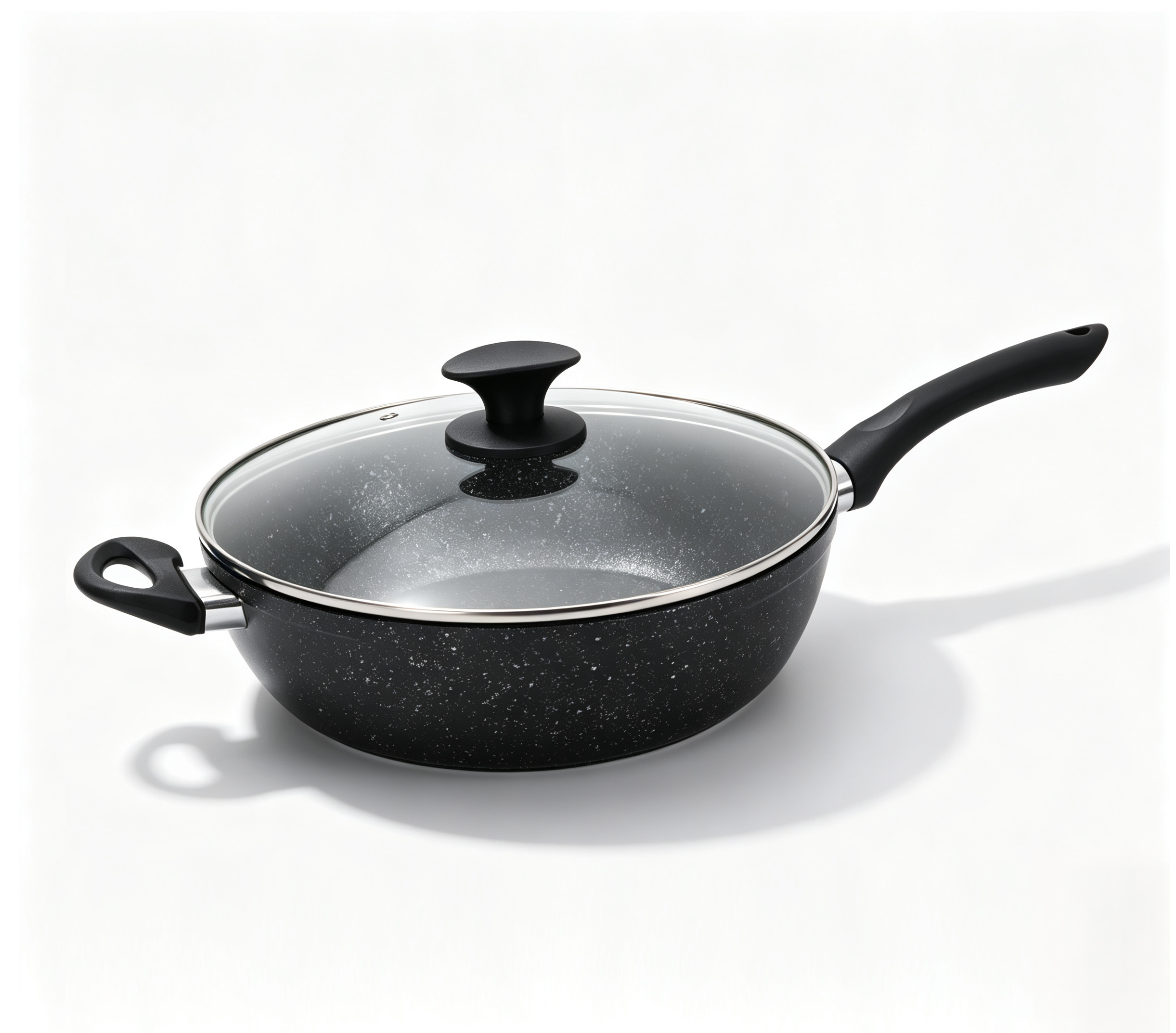
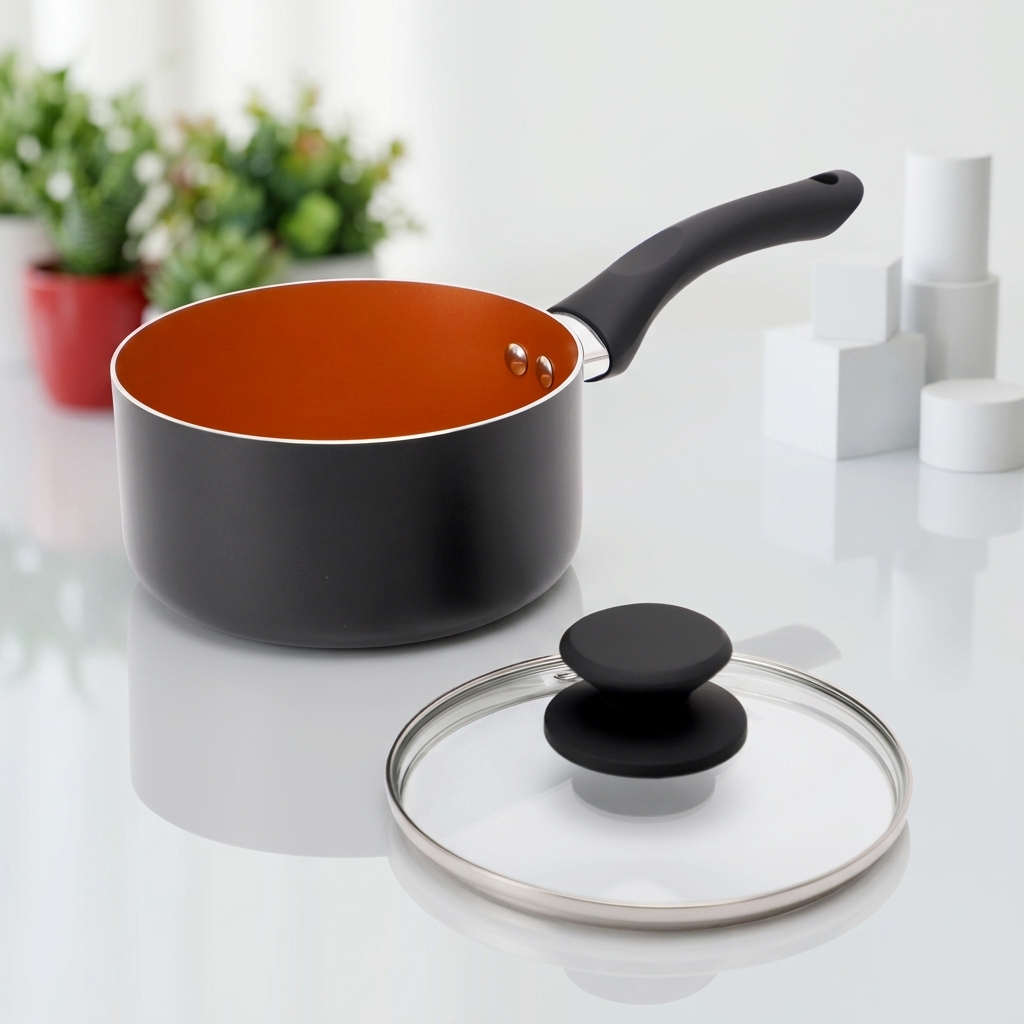
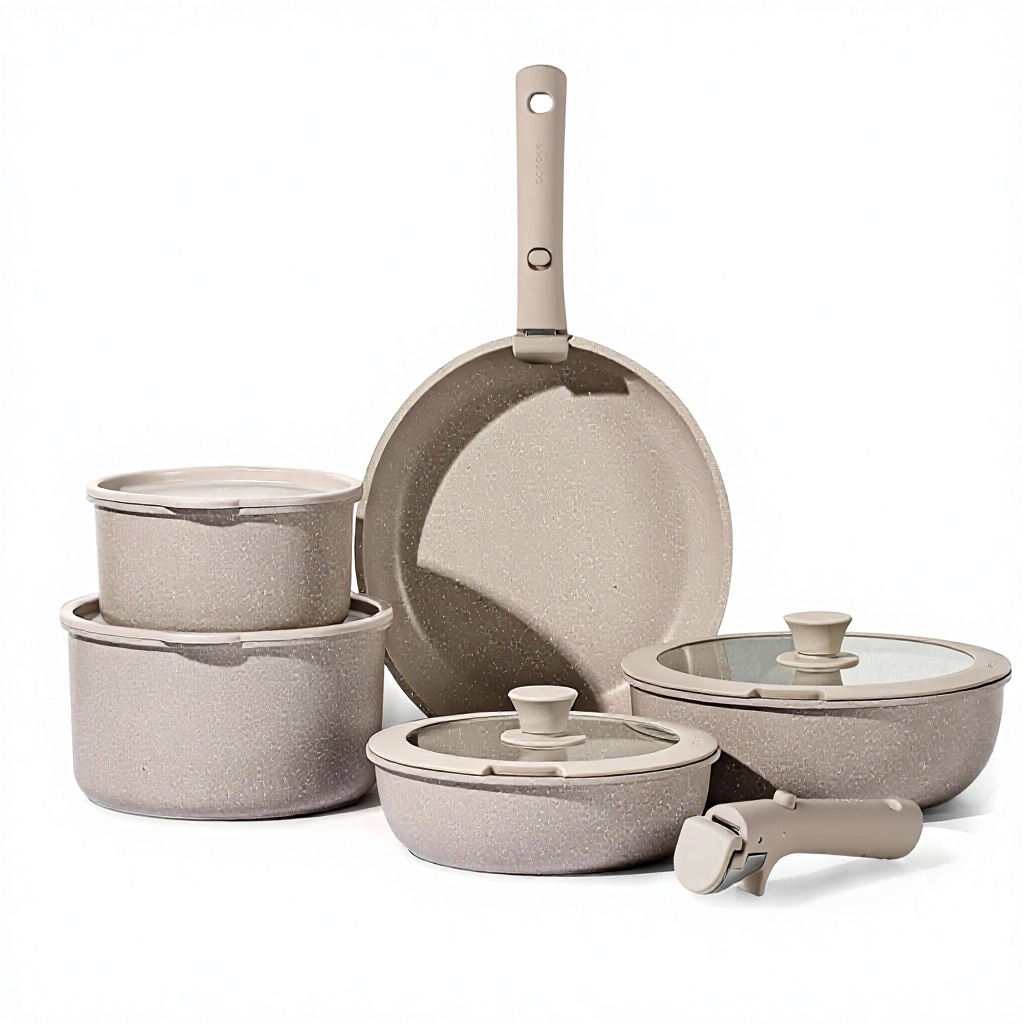
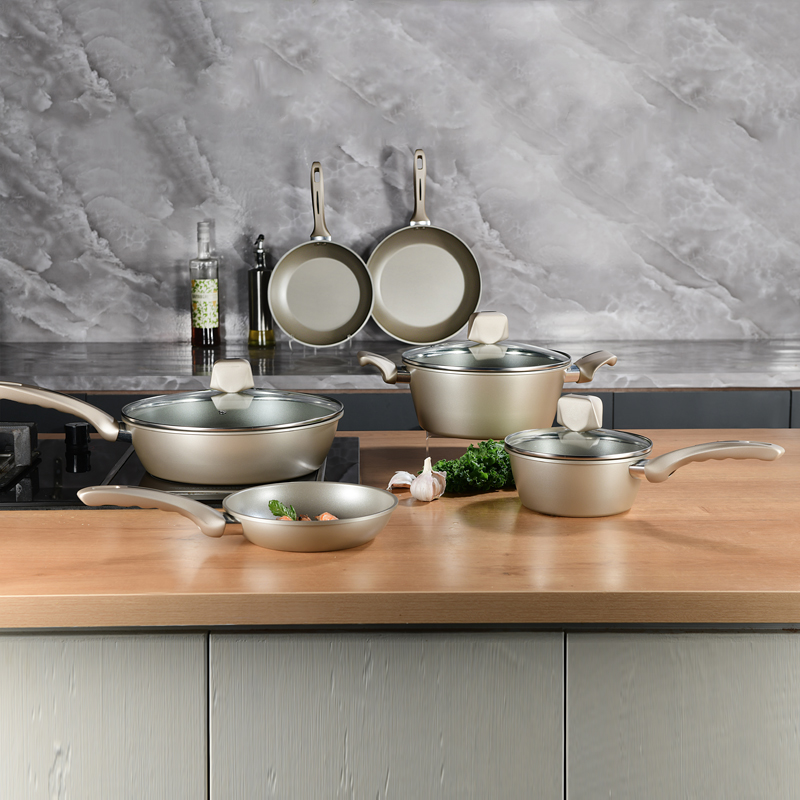
1. Executive Summary & Sourcing Dynamics in Southern Ukraine
The trade corridor of Odesa, Chornomorsk, and the broader Black Sea basin represents one of Eastern Europe's most critical distribution hubs for commercial kitchenware, home cookware, and HORECA supply chains. As a primary maritime port city with deep connections to overland transit routes across Moldavia, Romania, and Central Ukraine, Odesa demands a specialized product mix: cookware that balances superior thermal inertia, robust mechanical durability, and competitive landed costs.
Among all heavy-duty cookware formats, Dutch ovens (traditionally known in Eastern European trade as kazan or heavy stewing pots) maintain a dominant position in both consumer and commercial purchasing. However, evolving energy costs, changing kitchen setups—from traditional gas burners to high-efficiency induction cooktops—and the growth of regional restaurant networks have created distinct technical requirements for Dutch oven manufacturing.
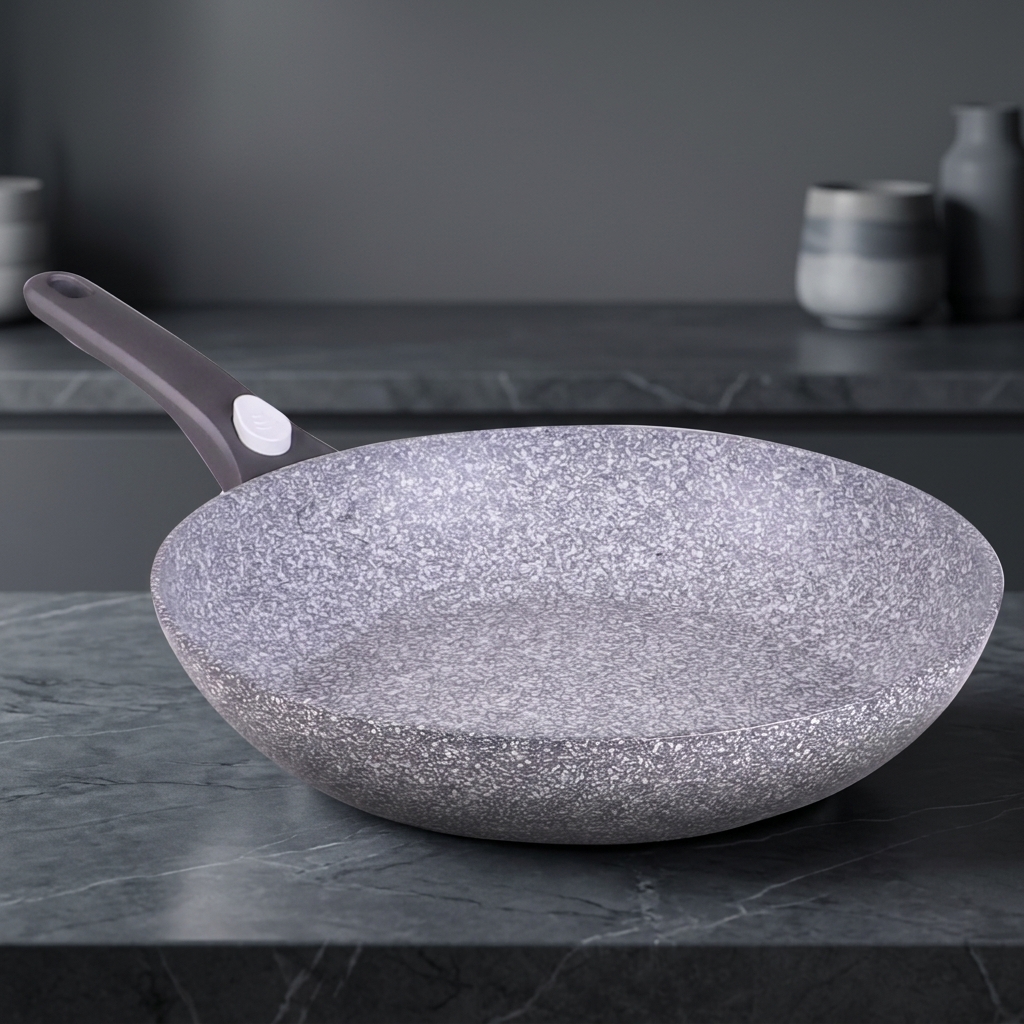
Zhejiang MEIS Kitchenware Co., Ltd. (operating from our integrated manufacturing hub in Jinhua, Zhejiang, China) serves tier-1 importers, wholesale distributors at Odesa's historic 7th Kilometer Market (7-й км), and regional retail brands. By replacing traditional, brittle heavy cast iron with advanced die-forged aluminum alloys (Alloy 3003/3004) and heavy-gauge carbon steel coated with multi-layer vitreous ceramic and granite non-stick matrices, we deliver Dutch ovens that provide equivalent heat retention with 40% less weight, faster thermal responsiveness, and total immunity to rust under Odesa’s high-humidity coastal environment.
2. Metallurgical Comparison: Cast Iron vs. Forged Aluminum Dutch Ovens
To provide actionable Information Gain for wholesale buyers and brand managers evaluating inventory selection for Southern Ukraine, the table below outlines the core engineering parameters comparing traditional enameled cast iron against modern die-forged aluminum Dutch ovens manufactured by MEIS Kitchenware.
| Performance Metric | Traditional Cast Iron | MEIS Die-Forged Aluminum | Heavy-Gauge Carbon Steel |
|---|---|---|---|
| Thermal Conductivity (W/m·K) | 52 W/m·K (Slow heat distribution) | 205 W/m·K (4x faster thermal flux) | 54 W/m·K (Targeted searing heat) |
| Specific Weight (g/cm³) | 7.20 g/cm³ (Extremely heavy) | 2.70 g/cm³ (40% lighter handling) | 7.85 g/cm³ (Rigid structural strength) |
| Corrosion Resistance (Maritime Air) | Medium (Prone to rim rust) | Superior (Passivated + Multi-layer Granite) | High (Enamel/Titanium seal) |
| Induction Efficiency | Native Ferromagnetic | Bonded Stainless Steel Impact Base | Native Ferromagnetic Base |
| Thermal Shock Tolerance (ΔT) | 180°C limit (Cracking risk) | 240°C limit (Warp & crack resistant) | 220°C limit |
| Landed Shipping Cost / Unit | High (Container payload weight maxed) | 35-40% Lower Freight Cost per Unit | Balanced Weight-to-Volume |
By leveraging high-pressure hydraulic forging presses (ranging from 1,200 to 2,500 tons), MEIS constructs Dutch oven bodies with extra-thick base plates (4.5mm to 6.0mm) and tapered side walls (2.5mm to 3.5mm). This precise distribution of thermal mass eliminates hot spots during prolonged simmer cycles—essential for classic regional stews, broths, and slow-roasted meats—while protecting against warping even under commercial kitchen thermal stress.
3. Localized Application Scenarios across Southern Ukraine
Successful SEO product performance relies on understanding exact User Intent and local consumption habits. In the Odesa region, Dutch ovens fulfill critical culinary and commercial functions across three main sectors:
1. HORECA & Seaside Culinary Venues
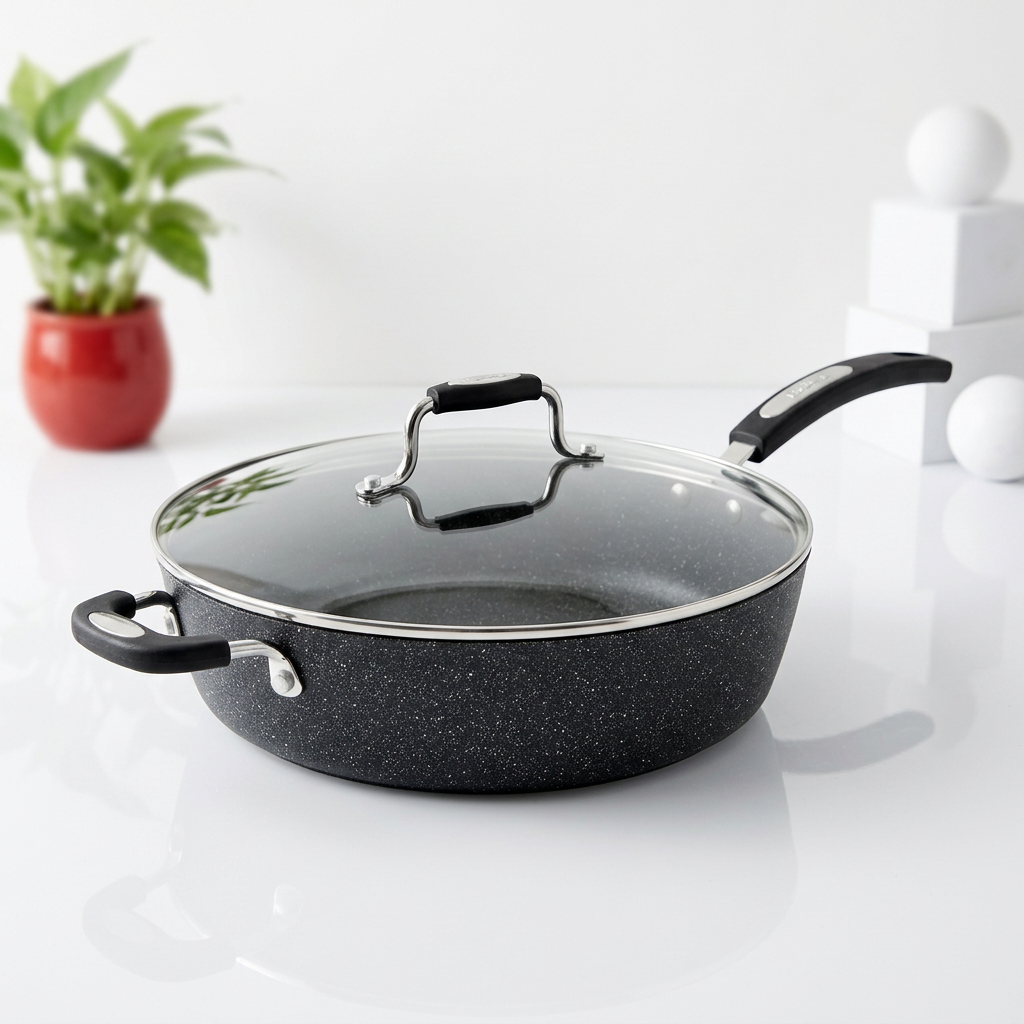
Odesa's vibrant coastal restaurant sector (Arcadia, Lanzheron, French Boulevard) requires high-turnover cooking equipment. Dutch ovens with granite multi-layer non-stick coatings allow chefs to prepare heavy seafood broths (such as Black Sea Uha), slow-braised meat dishes, and stuffed cabbage rolls (Holubtsi) without burn-on, enabling effortless washing between meal rushes.
2. Household Energy-Efficient Cooking
Due to intermittent electrical power supply and high utility rates across Ukrainian municipalities, domestic consumers prioritize kitchenware with high thermal retention. A thick-bottomed die-forged Dutch oven retains heat for up to 45 minutes after the stove is turned off, allowing dishes to finish simmer-cooking passively on residual heat.
3. Outdoor Flame & Gas Stove Integration
Suburban homes, dacha cottages in Fontanka and Zatoka, and outdoor catering operators frequently cook over open LPG flames or wood burners. MEIS Dutch ovens feature high-temperature silicone-polyester or vitreous exterior coatings rated up to 380°C, preventing surface discoloration, blistering, or soot adhesion.
4. Localized Market Trends & Supply Chain Dynamics
Analyzing procurement data from major Ukrainian retail networks (Epicentr K, Silpo, Jusk) and regional importers reveals four key market trends driving Dutch oven demand in Odesa:
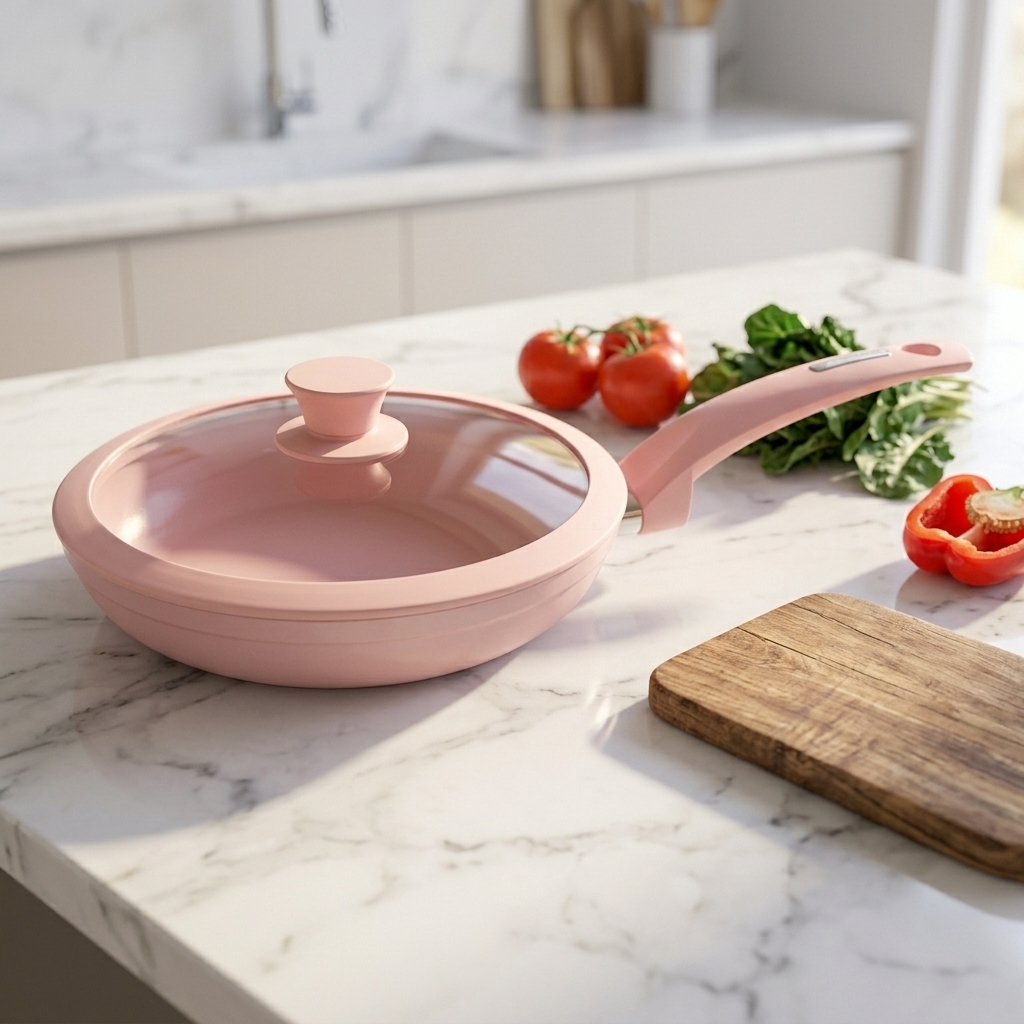
- Demand for Detachable & Space-Saving Ergonomics: Urban apartments in Odesa favor multi-functional pots. Dutch ovens equipped with engineered detachable handle systems (tested to >150N tensile shear load) allow the same vessel to function as a stove-top stew pot, an oven roasting dish, and a compact refrigerator storage unit.
- PFOA/PFOS-Free Food Safety Compliance: Ukrainian consumers are increasingly aligned with European Union food contact standards (EU Regulation No 1935/2004, LFGB, and FDA guidelines). Importers must ensure non-stick coatings are 100% free of heavy metals, lead, cadmium, and PFOA.
- Universal Stovetop Adaptability: Induction stove adoption in modern residential developments across Odesa has risen over 35% in recent years. Cookware must feature stamped or spray-bonded stainless steel induction disks ensuring rapid magnetic coupling.
- Logistical Adaptation via Land and Danube Ports: Freight routes into Southern Ukraine have shifted toward land transport via Poland/Romania and river ports like Izmail and Reni. Lightweight forged aluminum Dutch ovens significantly increase container loading efficiency compared to heavy cast iron, maximizing importer profit margins.
5. Corporate Strengths: Zhejiang MEIS Kitchenware Co., Ltd.
Located in the Dongnan Industrial Zone, Shuxi Street, Jinhua, Zhejiang, China, Zhejiang MEIS Kitchenware Co., Ltd. is a specialized manufacturer and exporter of non-stick aluminum and carbon steel cookware. With over 20 years of factory production expertise and 18 years of B2B international export trade, MEIS provides end-to-end OEM/ODM manufacturing for top global cookware brands, importers, and retail chains.
TÜV Rheinland Audited Quality
Our facility undergoes rigorous on-site verification by TÜV Rheinland. Every production lot undergoes raw material spectroscopic analysis, coating thickness measurement (using magnetic eddy-current gauges), and cross-hatch adhesion testing.
Full In-House Manufacturing
From aluminum disk blanking, hydraulic pressing, and CNC rim trimming to automated multi-station spray coating and high-temperature curing tunnels—all critical processes remain 100% under our direct control.
Custom Tooling & Rapid ODM
Equipped with an internal tooling workshop featuring lathes, spark erosion equipment, and CNC machining centers, we can develop custom Dutch oven molds, private-label lid knobs, and custom handle designs in as little as 20 days.
6. Frequently Asked Procurement Questions (FAQ for Odesa Importers)
Below are authoritative responses to common technical and commercial queries raised by B2B buyers, supply chain directors, and commercial importers in Southern Ukraine:
What is the minimum order quantity (MOQ) for custom Dutch oven orders?
For standard customized production (custom exterior paint colors, laser-etched brand logos, and customized color box packaging), our standard MOQ is 1,000 to 1,500 sets/pieces per size. For trial market testing in Odesa, selected stock mold configurations can be ordered from 500 units.
How do MEIS cookware coatings resist salt-air corrosion in coastal cities like Odesa?
Our cookware undergoes a multi-layer surface treatment process. Before non-stick coating application, the forged aluminum substrate is shot-blasted and chemically passivated. We apply 3-layer ceramic/granite systems that pass 5% NaCl neutral salt spray testing (NSS) for over 72 consecutive hours without blistering or oxidation.
Can MEIS supply custom packaging compliant with Ukrainian retail labeling laws?
Yes. Our in-house design team creates localized packaging artwork fully compliant with DSTU consumer protection guidelines. We print high-strength 5-layer corrugated color boxes with Ukrainian language barcode integration, handling symbols, and localized user manuals.
What coating options are available for private-label Dutch oven lines?
We offer a diverse portfolio: water-based PTFE multi-layer non-stick coatings, eco-friendly Sol-Gel ceramic coatings, marble and granite stone speckle finishes, titanium-reinforced commercial coatings, and high-gloss vitreous enamel exteriors.
What are the standard production lead times and shipping terms for Southern Ukraine?
Mass production lead time is typically 30 to 35 days after artwork and deposit confirmation. We provide flexible incoterms including FOB Ningbo/Shanghai, CIF Constanta/Reni/Izmail, and DAP/DDP overland transport directly to your designated warehouse in Odesa.
Are MEIS Dutch ovens tested for handle strength and thermal shock?
Yes. Every batch undergoes rigorous quality control testing in our internal lab, including handle dynamic load bending tests (1,000 continuous cycles under 5kg weight), handle torsion checks, and rapid thermal shock cycles (heating to 220°C followed by immediate cold water immersion).
Ready to Expand Your Cookware Portfolio in the Odesa Market?
Partner direct with Zhejiang MEIS Kitchenware Co., Ltd.—TÜV Rheinland verified manufacturer. Request factory-direct wholesale quotes, technical specification sheets, and sample kits today.
Send an Inquiry