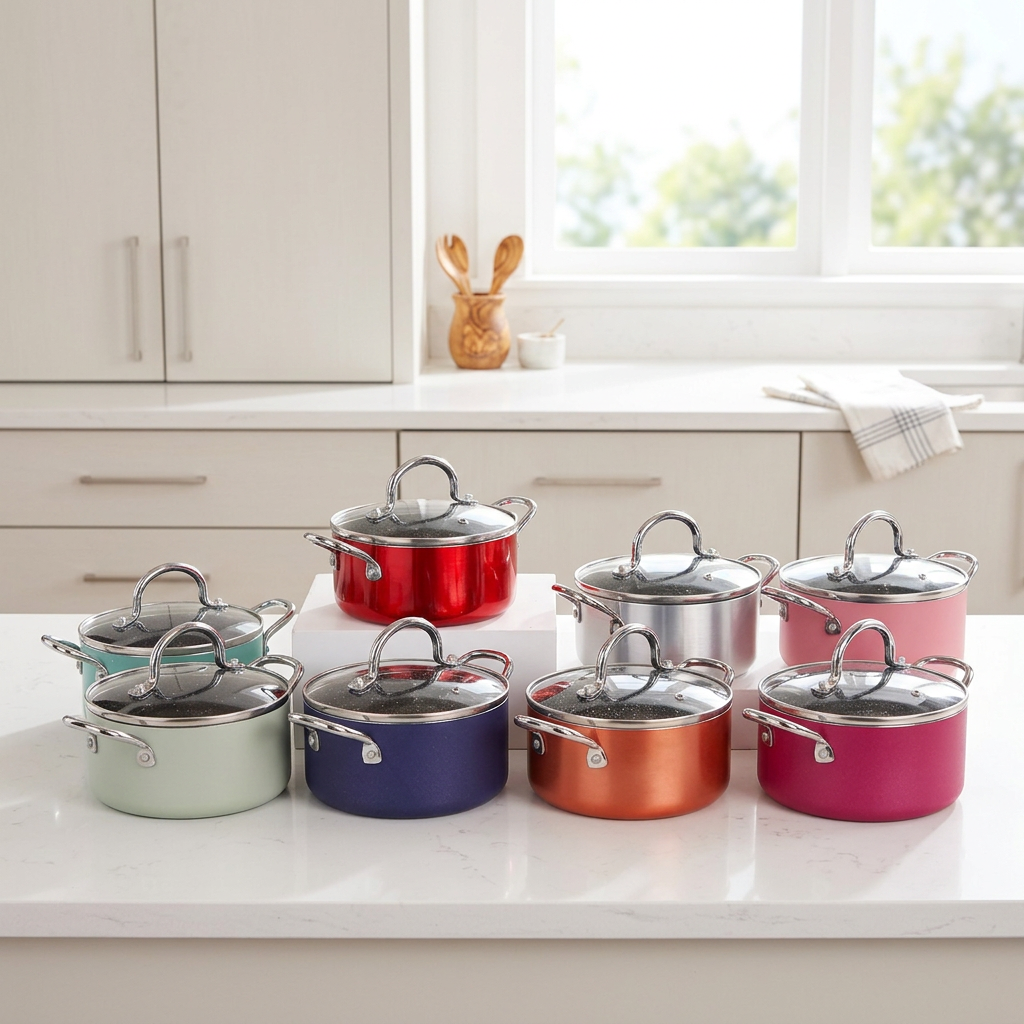
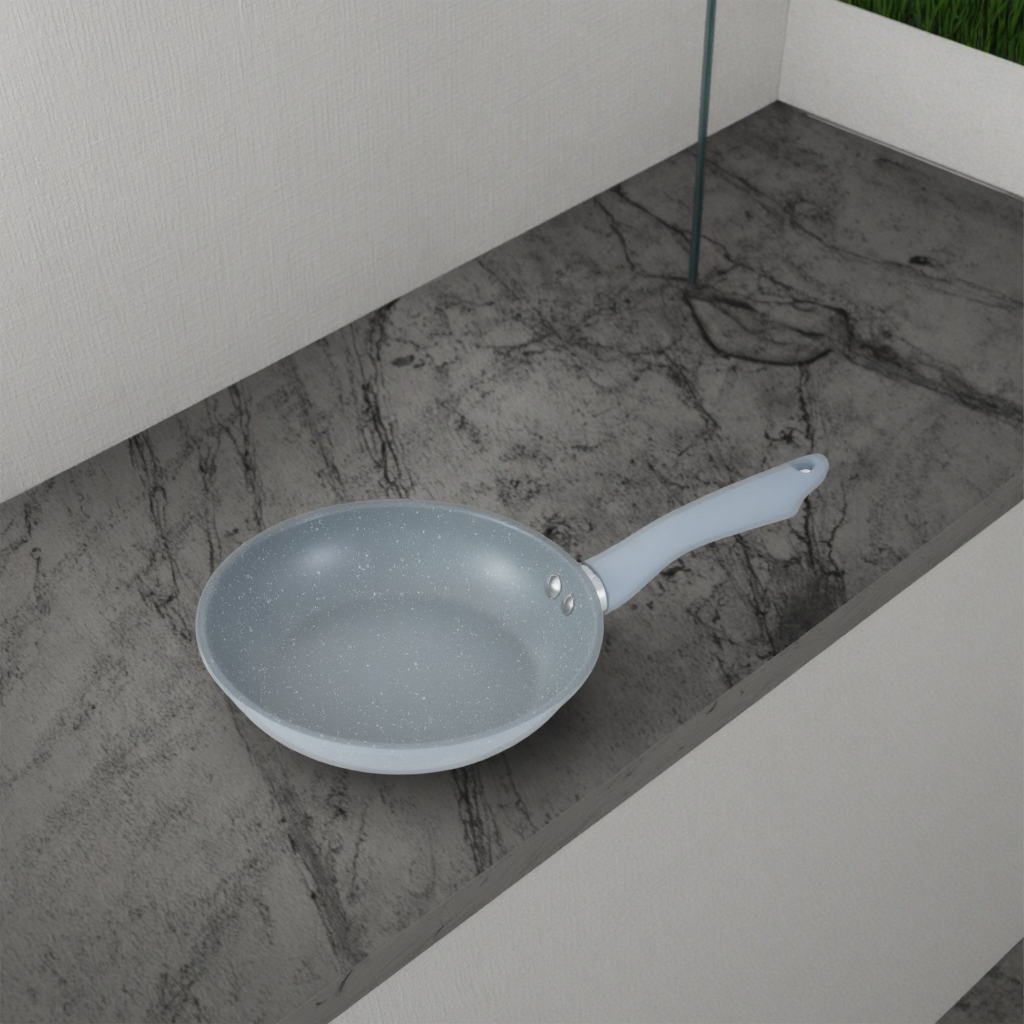
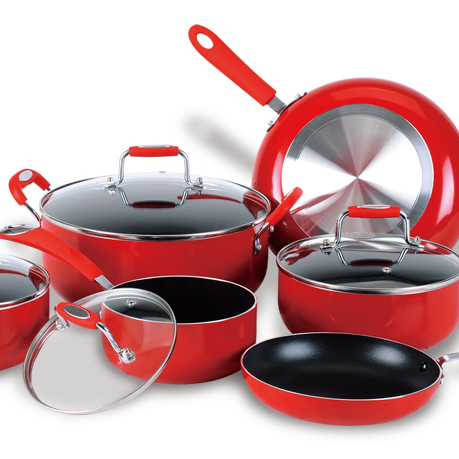
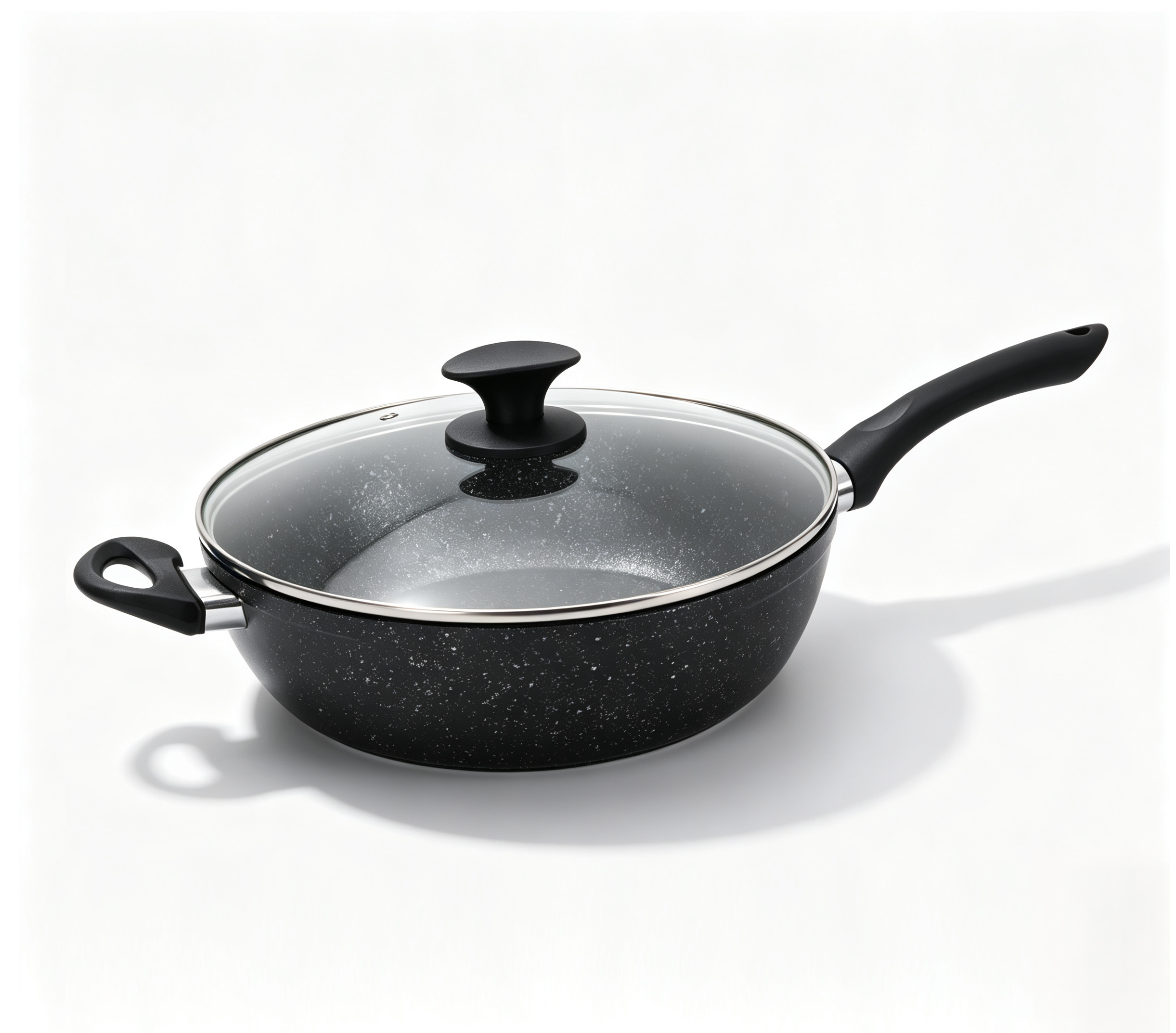
Featured Export-Grade Cookware Lines
Engineered for high thermal retention, heavy culinary usage, and compatibility with Central American commercial and residential kitchens.
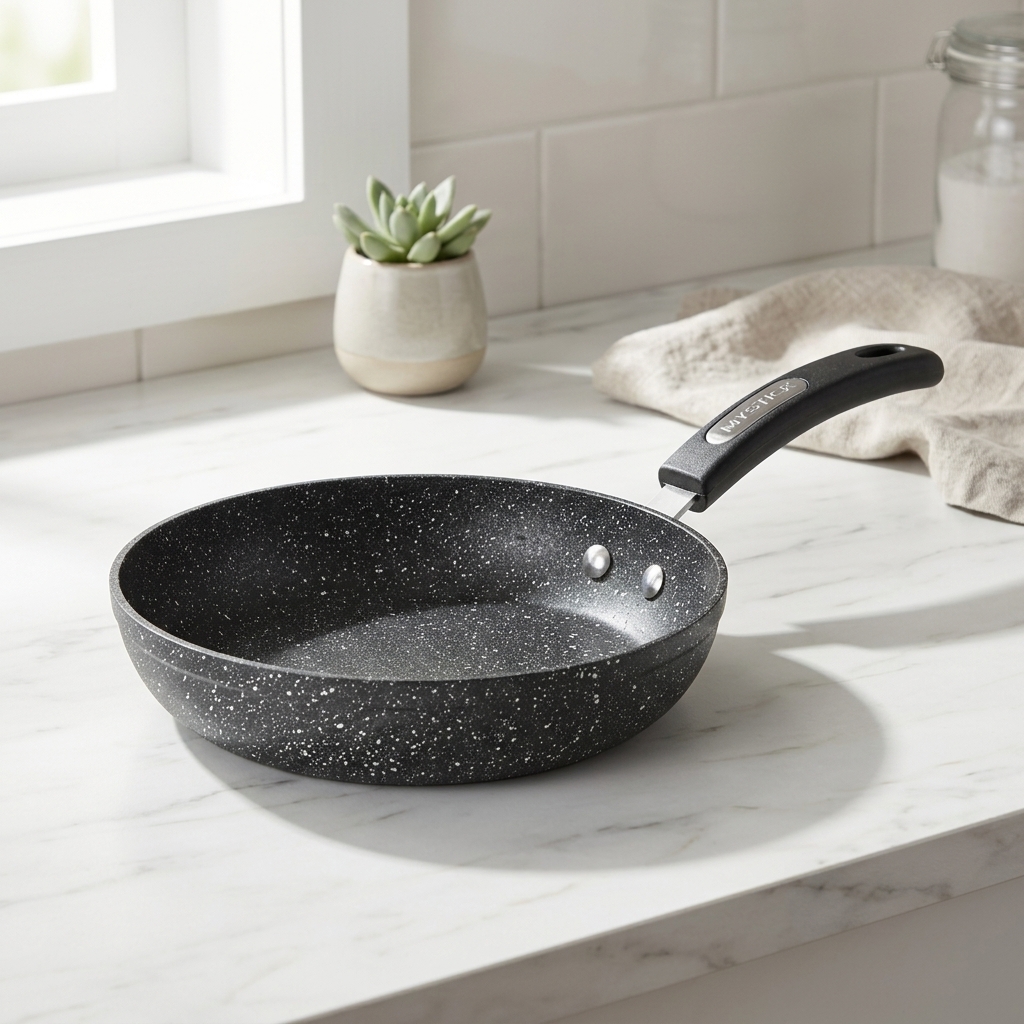
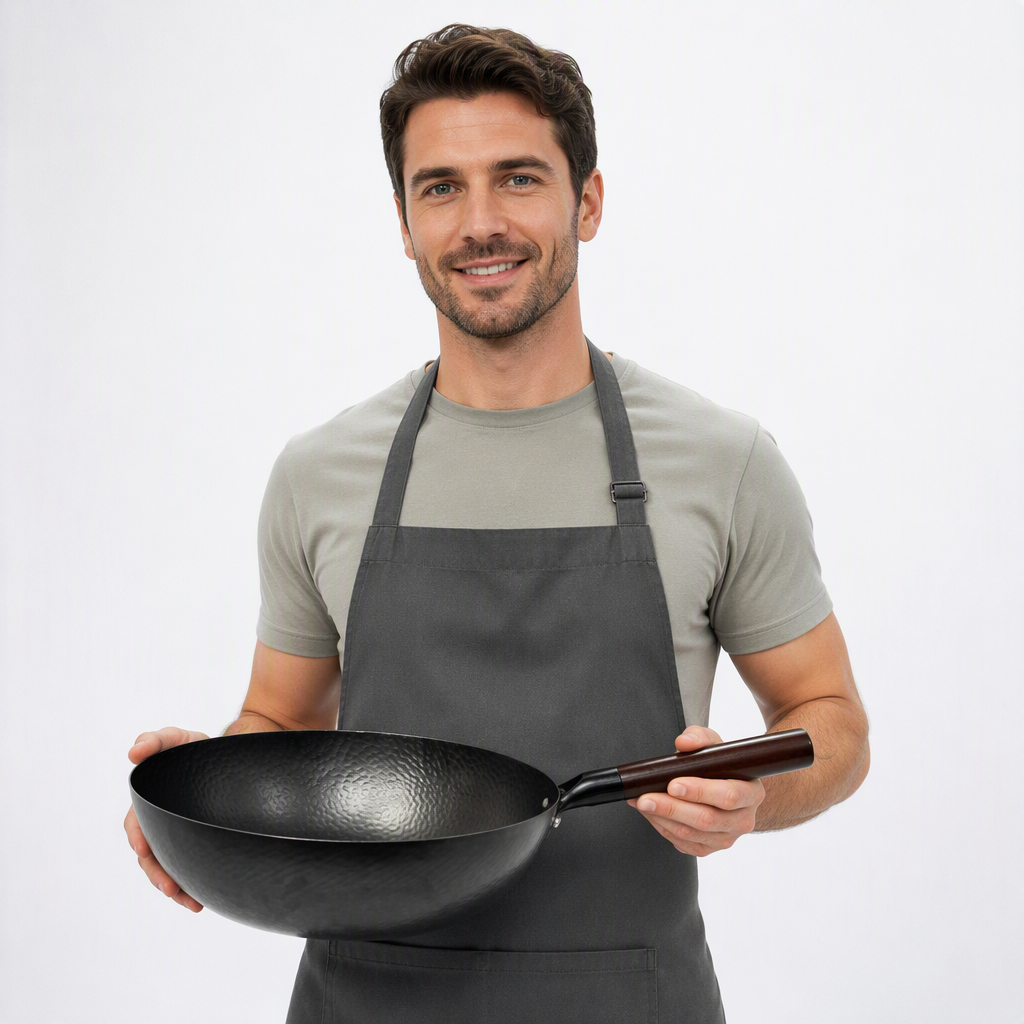
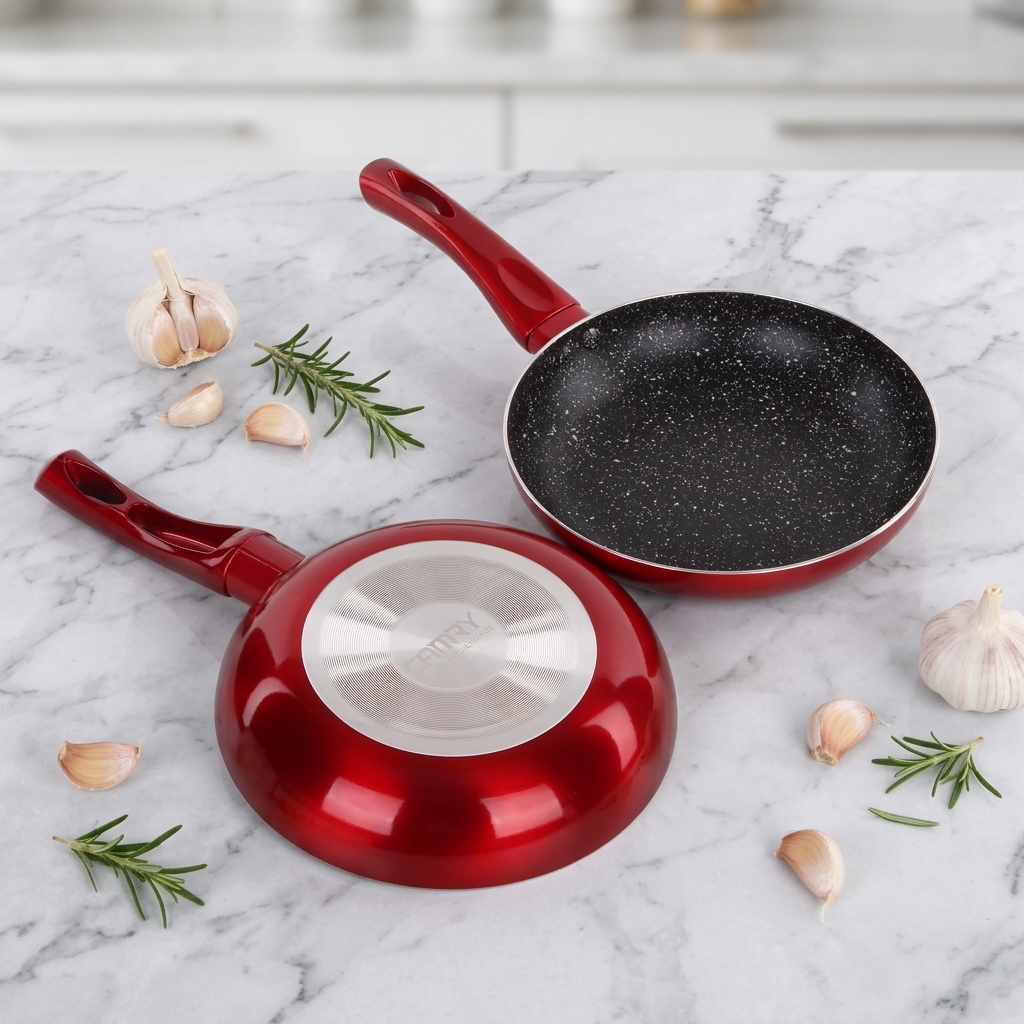
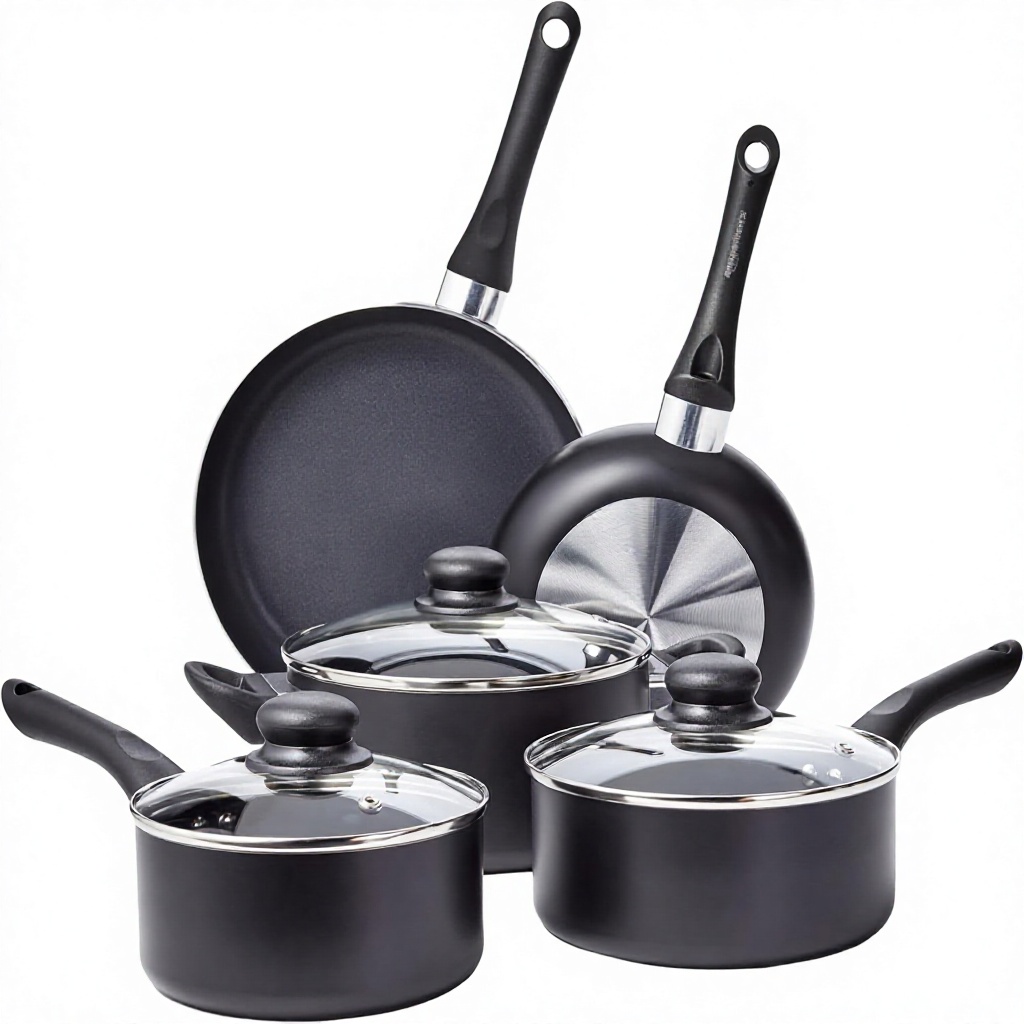
1. Commercial & B2B Sourcing Analysis for Tegucigalpa, Honduras
Tegucigalpa, as the administrative hub and capital of Honduras situated within the mountainous Distrito Central, presents unique market dynamics for kitchenware procurement. Operating at an elevation exceeding 990 meters above sea level with an expanding urban middle class, the culinary and commercial foodservice requirements in Tegucigalpa differ significantly from coastal lowlands. Department store buyers (such as retail conglomerates in Colonia Palmira or major chains like Diunsa and Supermercados La Colonia), commercial hotel procurement officers, and wholesale importers face specific challenges regarding cookware thermal efficiency, substrate longevity, and landed procurement costs.
In Honduras, traditional cooking practices demand cookware capable of enduring high thermal input, continuous sauteing, and prolonged stewing of staples like beans, plantains, and heavy meats (*Carne Asada*, *Pollo con Tajadas*). Standard thin-gauge pressed cookware often suffers premature base warping under intense direct-flame Liquefied Petroleum Gas (LPG) burners, which remain the predominant heat source across Tegucigalpa residential and commercial spaces. Consequently, professional buyers are rapidly pivoting toward Forged Aluminum Cookware and Heavy-Gauge Carbon Steel Lines engineered with thick rim-to-base construction to guarantee absolute warp resistance, superior thermal distribution, and extended operational lifespans.
SEO Information Gain Insight: Metallurgy and pressure engineering are key differentiators. Forged aluminum cookware produced under high-tonnage hydraulic presses reorganizes the molecular aluminum grain structure, producing high structural density with up to 4.5mm base thickness while maintaining light overall pan weight—making it the ideal solution for Tegucigalpa’s high-altitude gas combustion environments.
2. Technical Architecture: Why Forged Aluminum Outperforms Thin Pressed Alternatives
Understanding the distinction between metal shaping technologies is critical for Honduran importers aiming to minimize return rates and build high-rating consumer brands. As a TÜV Rheinland verified manufacturer based in Jinhua, Zhejiang, Zhejiang MEIS Kitchenware Co., Ltd. utilizes advanced cold-forge hydraulic pressing processes that compress solid aluminum alloy ingots into precise shapes with varied thickness zones—maximizing material where thermal stress is highest.
Variable Wall Thickness
Forging allows thick bases (4.0mm - 5.0mm) for optimal heat accumulation coupled with lighter walls (2.5mm - 3.2mm) to reduce user hand fatigue during continuous commercial cooking.
Zero-Warp Guarantee
High mechanical density prevents bottom bowing under thermal shock, ensuring flat surface contact even when pans are subjected to immediate rinsing after high-heat gas stove frying.
Multi-Layer Coating Anchor
Shot-blasted forged substrates provide superior mechanical interlock for ceramic, granite, and marble nonstick matrices, dramatically extending scratch resistance.
Engineering Comparison: Material Performance for Importers
| Technical Parameter | Forged Aluminum (MEIS Premium) | Pressed Aluminum (Standard) | Heavy Gauge Carbon Steel |
|---|---|---|---|
| Typical Base Thickness | 3.8mm – 5.0mm | 1.8mm – 2.5mm | 1.2mm – 2.0mm |
| Thermal Conductivity | High (~237 W/m·K) | High (Uneven spots) | Moderate (~50 W/m·K) |
| Structural Rigidity | Exceptional (Die-Forged) | Moderate / Risk of warping | Rigid / High Tensile |
| Non-Stick Coating Options | Granite, Marble, PTFE-Free Ceramic | Basic 2-Layer PTFE / Ceramic | Nitrided, Ceramic, Silicone non-stick |
| Induction Efficiency | Impact-bonded Stainless Plate | Hole-punched disc | Naturally Magnetic (100% Direct) |
| Target Retail Segment | Mid-to-High Department Stores | Promotions / Mass Supermarkets | Commercial Kitchens & Wok Stations |
3. Localized Application Scenarios in Tegucigalpa & Central America
To successfully market cookware in the Distrito Central and surrounding departments, OEM buyers must tailor product selection to authentic local usage environments. Below are key commercial deployment scenarios identified through our market research in Honduras:
Scenario A: Commercial Catering & Gastronomy in Colonia Escalón & Palmira
Restaurants, boutique hotels, and catering enterprises operating in Tegucigalpa's business districts demand cookware that bridges rapid heat responsiveness with easy cleaning. The 30cm Nitrided Carbon Steel Non-Stick Wok and Modern Granite Deep Fry Pans provide chefs with high heat resistance without requiring tedious pan seasoning. The nitrided surface layer provides natural rust resistance—a vital feature given Central America's rainy seasons and tropical atmospheric moisture.
Scenario B: Modern Urban Households & Modular Apartments
With urbanization expanding rapidly in Tegucigalpa, younger homeowners are seeking space-efficient, health-conscious kitchenware. Multi-piece sets featuring removable handles and granite-speckled ceramic nonstick coatings allow complete stackability in compact apartment cabinets. Furthermore, the modern aesthetic of marble-effect cookware aligns with contemporary kitchen interiors sold through high-end retailers.
Scenario C: High-Altitude Atmospheric Cooking Dynamics
At 1,000 meters above sea level, water boils at approximately 96.6°C rather than 100°C, causing stewing and simmering processes to take longer. Forged aluminum saucepans and stock pots with heavy tempered glass lids retain internal steam pressure and thermal mass effectively, saving up to 18% in LPG fuel consumption compared to lightweight cookware lacking precision-fit lids.
4. Tegucigalpa Cookware Market Trends & Growth Opportunities (2025–2030)
As international supply chains evolve, Honduran cookware buyers are shifting strategies to capture higher gross margins while meeting stringent international health standards. Key market movements include:
- Elimination of Hazardous Chemical Coatings: Honduran consumers are becoming increasingly conscious of food safety. Importers are replacing legacy coatings with certified PFOA-free, Lead-free, and Cadmium-free nonstick matrices. Zhejiang MEIS Kitchenware provides complete FDA, LFGB, and RoHS compliance documentation for all exported batches.
- Growth of Multi-Hob Adaptability: While gas stoves dominate Tegucigalpa, new residential developments are introducing smooth-top ceramic electric and induction hobs. Sourcing cookware with impact-bonded stainless steel induction bases enables distributors to sell a single SKU across all stove types.
- Private-Label OEM Packaging: Retailers are expanding house brands to protect margins against global e-commerce platforms. We offer full private-label customization—including customized color-box designs, laser-engraved bottom logos, custom handle molds, and eco-friendly protective sleeves.
5. Enterprise Advantages of Zhejiang MEIS Kitchenware Co., Ltd.
Selecting the right manufacturing partner in China is the most decisive factor in securing operational stability for your import business in Tegucigalpa. Operating from the Dongnan Industrial Zone in Jinhua, Zhejiang, MEIS Kitchenware brings 20 years of specialized cookware production expertise directly to B2B buyers.
TÜV Rheinland Audited
Our manufacturing facility, working conditions, quality management systems, and mechanical capabilities are verified on-site by TÜV Rheinland for total buyer transparency.
Integrated Tooling Workshop
With in-house mold making, CNC machining, and turning lathes, we dramatically shorten custom ODM prototype lead times from months to under 15 days.
Rigorous Testing Protocols
Every production run undergoes in-house salt spray corrosion testing, handle fatigue testing, torsion resistance checks, and cross-hatch coating adhesion assays.
By controlling every manufacturing stage under one roof—from hydraulic pressing and precision punching to nonstick automated spraying, curing, handle riveting, and final carton packing—MEIS Kitchenware ensures zero defect rates upon delivery at Puerto Cortés for onward transport to Tegucigalpa.
Frequently Asked Questions for Honduran Importers
Essential answers for procurement officers, importers, and brand owners in Tegucigalpa.
Expand Your Cookware Line in Tegucigalpa Today
Partner directly with Zhejiang MEIS Kitchenware Co., Ltd.—TÜV Rheinland verified manufacturer in China. Request your custom sample kit, factory pricing catalog, or technical OEM quotation now.
Get a Quote