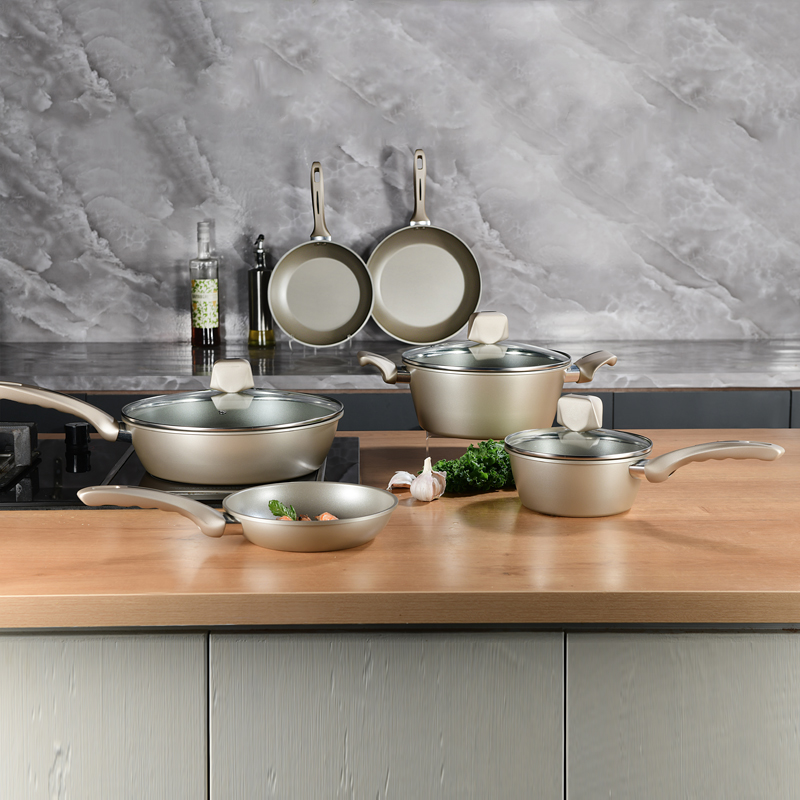
Recommended Forged Cookware & Culinary Systems
Engineered for high thermal shock resistance, advanced magnetic induction permeability, and extreme durability under commercial and household Canadian cooking habits.
20+
Years Manufacturing Mastery
100%
TÜV Rheinland Inspected
4.5mm
Thick Forged Warp-Proof Bases
30+
Container Loads/Mo to N. America
Engineering Forged Cookware for the Canadian Market
Canadian culinary conditions demand specialized metallurgical and structural formulations that differ significantly from standard temperate-zone kitchenware.
Rapid Thermal Cycling Resilience
In Canadian provinces ranging from Ontario and Quebec to Alberta, rapid temperature shifts between sub-zero supply chains or cold tap water and immediate maximum heating elements cause stress fractures in standard pressed metal.
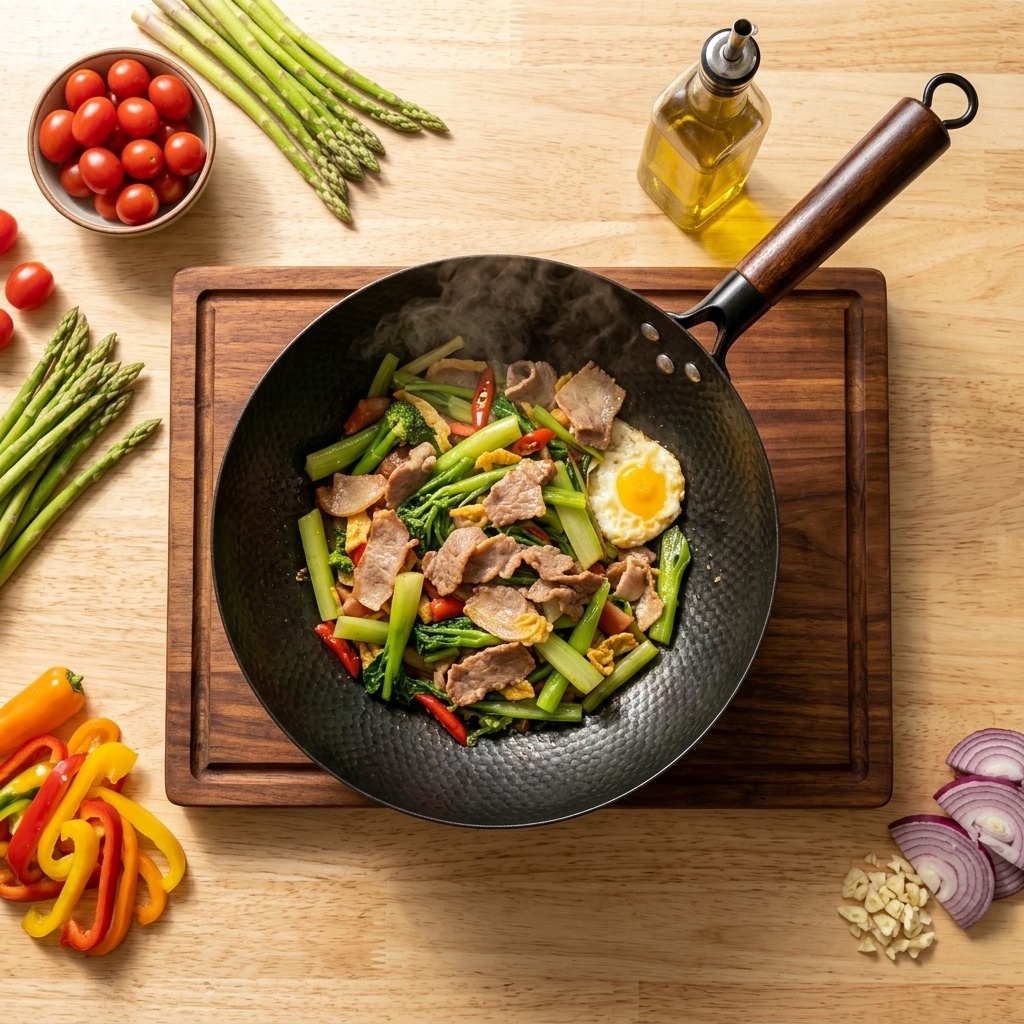
Our heavy-gauge forged aluminum and carbon steel cookware utilizes high-tonnage multi-step die forging. This process aligns molecular grain direction, reinforcing structural integrity against warping when transitioning from extreme thermal environments.
- Integrated 4.0mm to 4.8mm bonded thermal bases
- Zero base concavity under thermal shock standard DIN EN 12983-1
- Uniform heat dispersal across high-wattage electric cooktops
High-Permeability Induction Bases
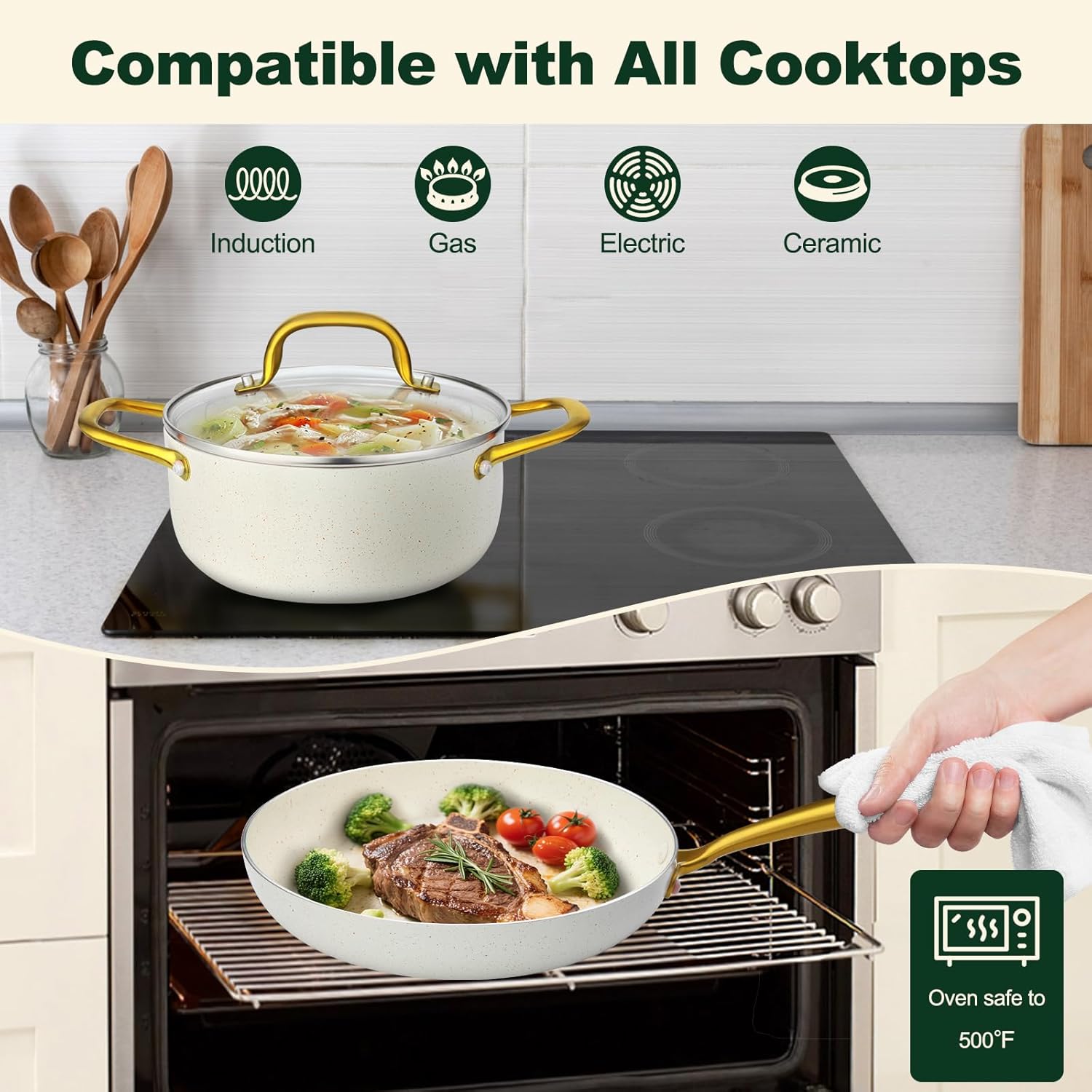
With Canada’s aggressive transition toward clean-energy residential infrastructure, electric induction ranges (such as those powered by Hydro-Québec and BC Hydro) have seen compound annual growth rates surpassing traditional gas appliances.
We deploy high-density 430-grade ferritic stainless steel impact-bonded bases. This ensures instantaneous eddy-current heating, eliminating dead zones and maximizing energy conversion efficiency across all residential induction surfaces.
- Full-surface perforated and stamped induction disk layouts
- Optimized magnetic flux density for rapid heating feedback
- Compatible with glass-ceramic smooth induction hobs
Canadian Regulatory Compliance
Navigating the Canadian Consumer Product Safety Act (CCPSA) and Health Canada Food Directorate standards requires zero trace tolerance for harmful extractables under extreme food contact simulations.
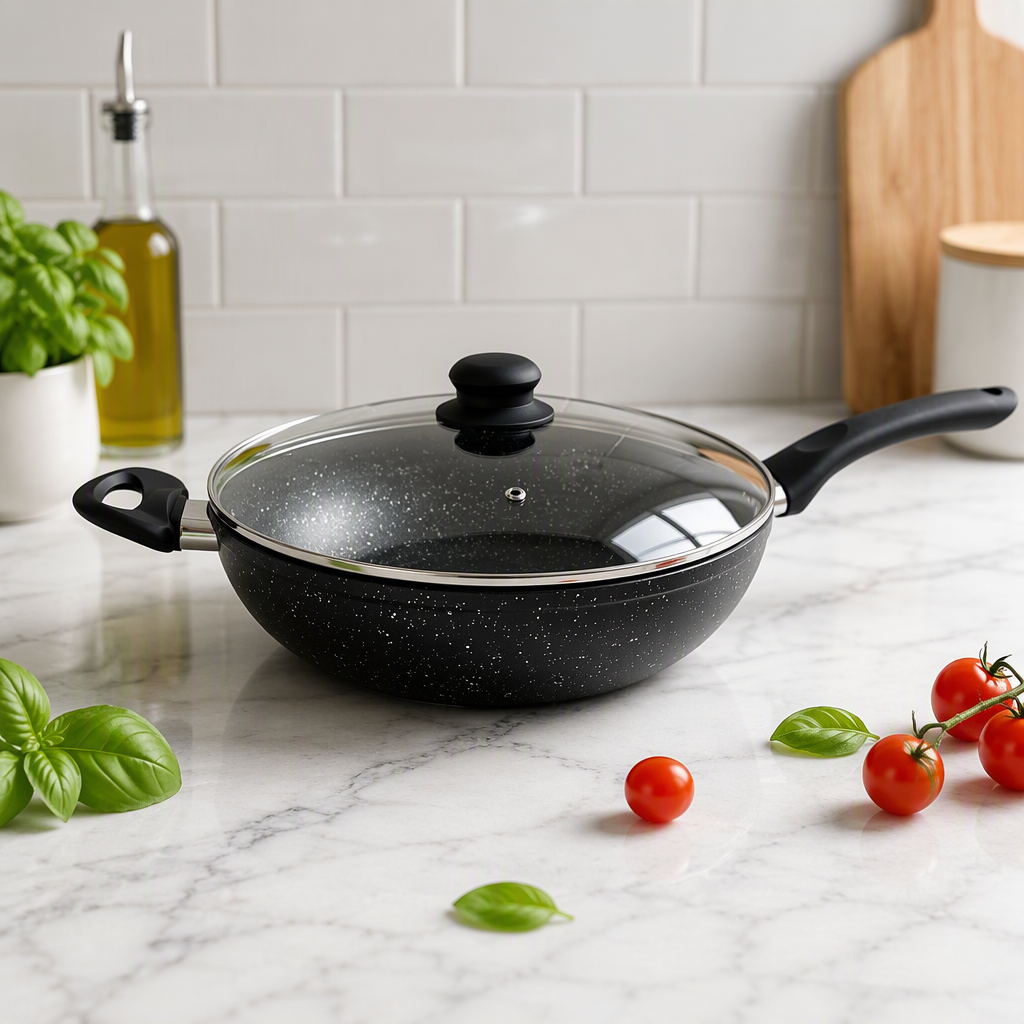
Every non-stick coating formulation—from multi-layer PTFE-free ceramic to reinforced granite and fluoropolymer-free nitriding treatments—undergoes comprehensive testing to ensure non-migration of toxic substances.
- Certified PFOA, PFOS, Lead, and Cadmium leaching free
- Rigorous migration testing via neutral, acidic, and fatty simulants
- Full compliance with Health Canada Cosmetic & Food Chemical guidelines
Canadian Consumer Trends: Urban Density & Clean Gastronomy
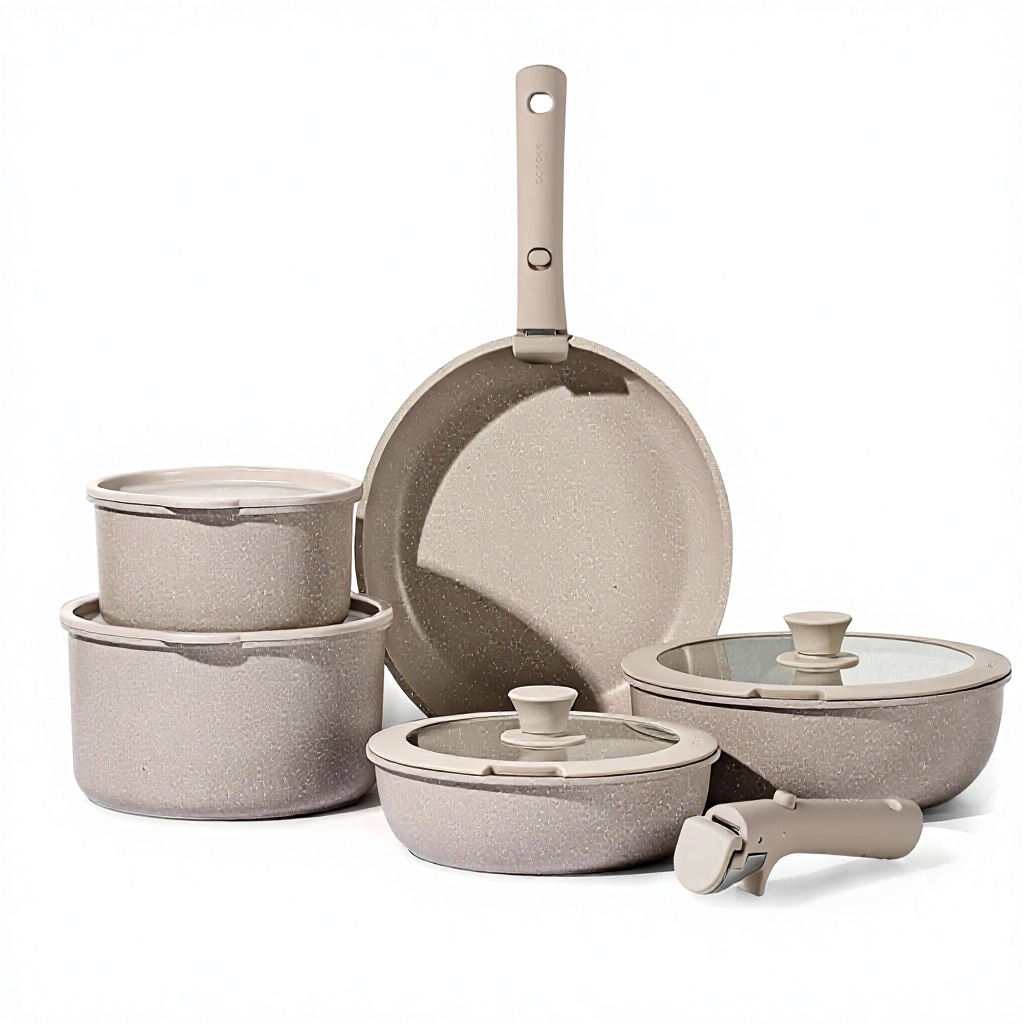
In high-density condominium markets across Toronto, Vancouver, and Montreal, storage ergonomics dictate buyer preference. Modern urban apartments feature limited cabinet volume, accelerating demand for space-efficient cookware architectures.
Strategic Sourcing Insight: Stackable forged sets engineered with multi-lock detachable handle systems reduce freight-volume footprint by up to 48%, significantly decreasing trans-Pacific logistics landed costs for Canadian importers.
Furthermore, Canadian demographics reflect an affluent, health-conscious audience demanding "clean eating" cooking vessels requiring minimal culinary fat. Our water-based sol-gel ceramic non-stick solutions deliver contact angles exceeding 108°, preserving release properties through intense searing, braising, and stewing rituals customary to cold-weather culinary traditions.
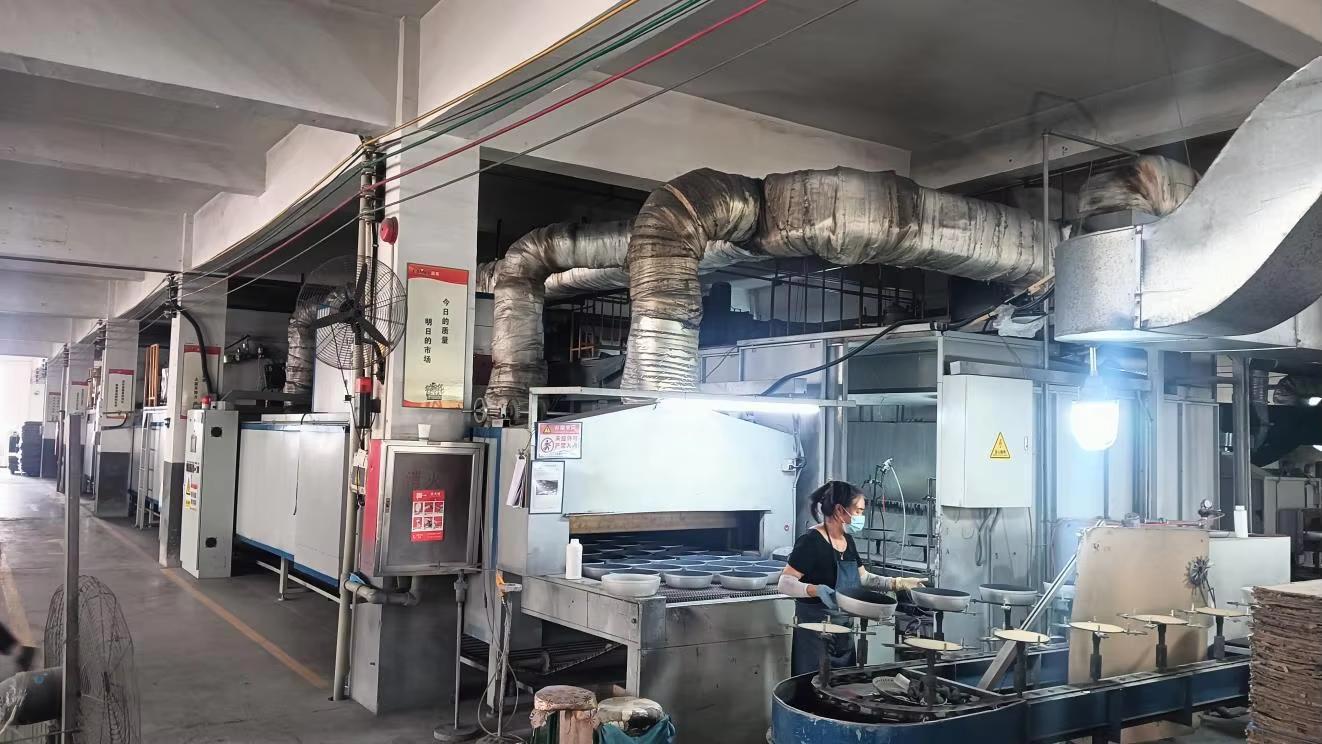
Engineered Excellence: Zhejiang MEIS Industrial Infrastructure
Serving major retailers, brand licensing projects, and tier-1 kitchenware importers across North America through integrated, on-site manufacturing control.
TÜV Rheinland Assessed Facility
Located in the Dongnan Industrial Zone of Jinhua, Zhejiang, MEIS Kitchenware encompasses end-to-end manufacturing operations. Our on-site facilities maintain independent CNC tooling, hydraulic pressing lines, multi-station degreasing lines, robotic spray coating booths, and precision assembly lines.
Unlike export traders who outsource distinct production stages, our unified manufacturing model ensures strict quality control and traceable production schedules.
Laboratory Quality Verification
Our in-house metrology and endurance testing labs simulate years of aggressive consumer use. We prevent retail return liabilities through strict batch-level stress testing:
- ASTM D3359 cross-hatch adhesion verification
- NSS (Neutral Salt Spray) corrosion testing over 72+ hours
- Handle cyclic fatigue, torsion, and 15kg load thrust testing
- Base flatness thermal stability checks at 260°C
Comprehensive OEM/ODM Engineering
We empower Canadian retail merchandisers and brand developers with scalable customization. From bespoke 3D CAD modeling to rapid mold tooling within 15 working days, our team accommodates private label specifications:
- Pantone color matching across exterior high-heat coatings
- Laser engraving, handle mold stamping, and custom packaging
- Bilingual French/English carton design for Canadian retail rules
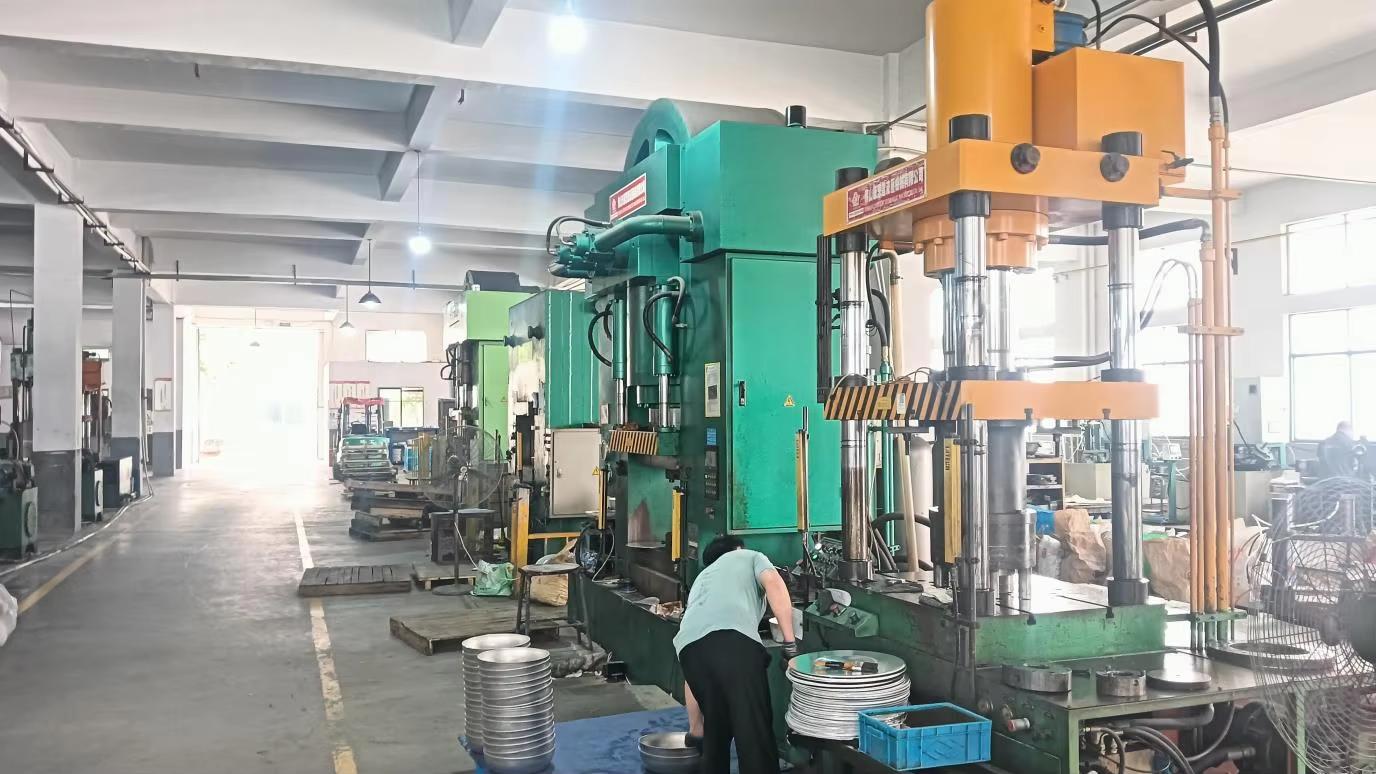
Precision Mechanical Metallurgy: Forging vs. Pressing
In standard mass-market cookware production, thin aluminum sheets (1.6mm - 2.2mm) are simply pressed into vessel forms. While cost-effective, pressed vessels possess uniform thinness that predisposes them to heat-crowding and bottom concavity on Canadian electric coil and glass top ranges.
In contrast, MEIS Forged Aluminum Production utilizes computerized die-forging hydraulics to reshape alloy billets under heavy hydraulic load. This redistributes material thickness into key stress areas: yielding a fortified 4.0mm - 5.0mm bottom profile with thinner 2.5mm vertical side-walls.
This deliberate structural delta offers maximum heat retention across the base while minimizing overall pan mass. It protects users from wrist fatigue and ensures uniform boiling points essential for batch sauces, stews, and braised recipes.
Procurement FAQ for Canadian Buyers & Importers
Direct answers covering trade logistics, packaging compliance, regulatory mandates, and supply chain continuity.
How do your non-stick coatings comply with Canada’s Consumer Packaging & Labeling Act?
We work closely with retail procurement specialists to implement strict bilingual (English and Canadian French) retail packaging, mandatory master case barcode indexing (UPC/EAN), metric volume representations (liters alongside quarts), and accurate non-toxic claims (PFAS-Free, PFOA-Free) verified through certified third-party testing documentation (SGS, TÜV, Intertek).
What shipping terms and port handling corridors do you utilize for Canadian distribution?
We routinely arrange FOB Ningbo / Shanghai, CIF, and DDP shipments connecting directly to major Canadian maritime hubs—primarily the Port of Vancouver and Port of Prince Rupert for Western Canadian entry, or multimodal inland routes routing to Montreal and Toronto via CN/CP Rail corridors. Moisture-resistant packaging and desiccants are included to protect metal finishes during long cold-weather maritime transits.
What are the minimum order quantities (MOQs) for custom forged cookware formulations?
Standard production runs for custom-coated or custom-branded forged aluminum and carbon steel sets generally require 1,000 to 2,000 sets per production run. For standalone SKU additions (such as open-stock 20cm, 24cm, or 28cm fry pans), trial production thresholds begin at 1,000 pieces per size, subject to custom color matching and handle tooling requirements.
Can you match proprietary retail color palettes and handles for Canadian private labels?
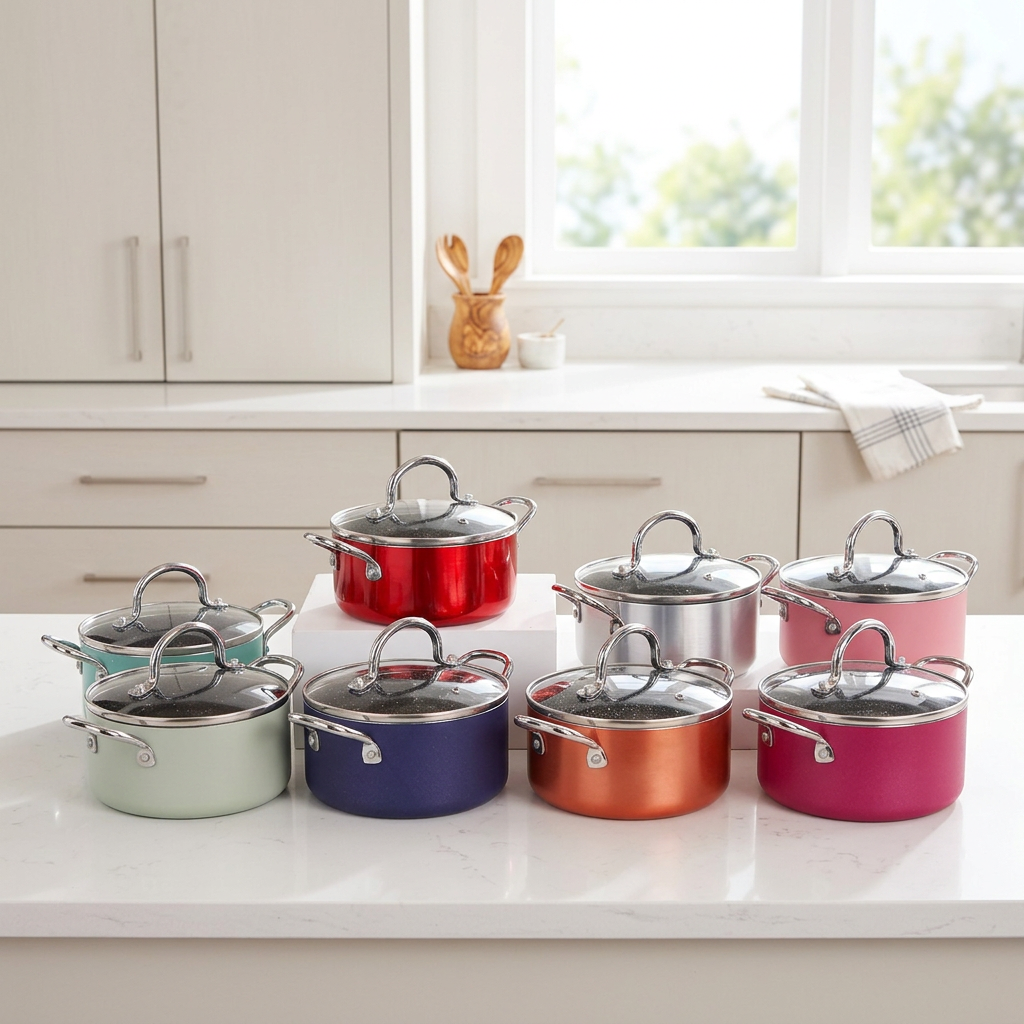
Yes. We leverage custom PVD hardware finishes, soft-touch silicone stay-cool coatings, and cast stainless steel handles. Exterior finishes can be formulated to exact Pantone tolerances—including modern Scandinavian pastels, matte earth tones, and traditional high-gloss metallic hues suited to regional retail aesthetics.
Ready to Source High-Yield Forged Cookware for the Canadian Market?
Partner directly with Zhejiang MEIS Kitchenware. Our engineering team provides direct DFM (Design for Manufacturability) analysis, custom sampling schedules, and comprehensive landed cost projections for your seasonal and core catalog programs.
Send an Inquiry