Induction Ready
Years Cookware Manufacturing
Skilled Factory Personnel
TÜV Rheinland Audited Lines
Global Export Destinations
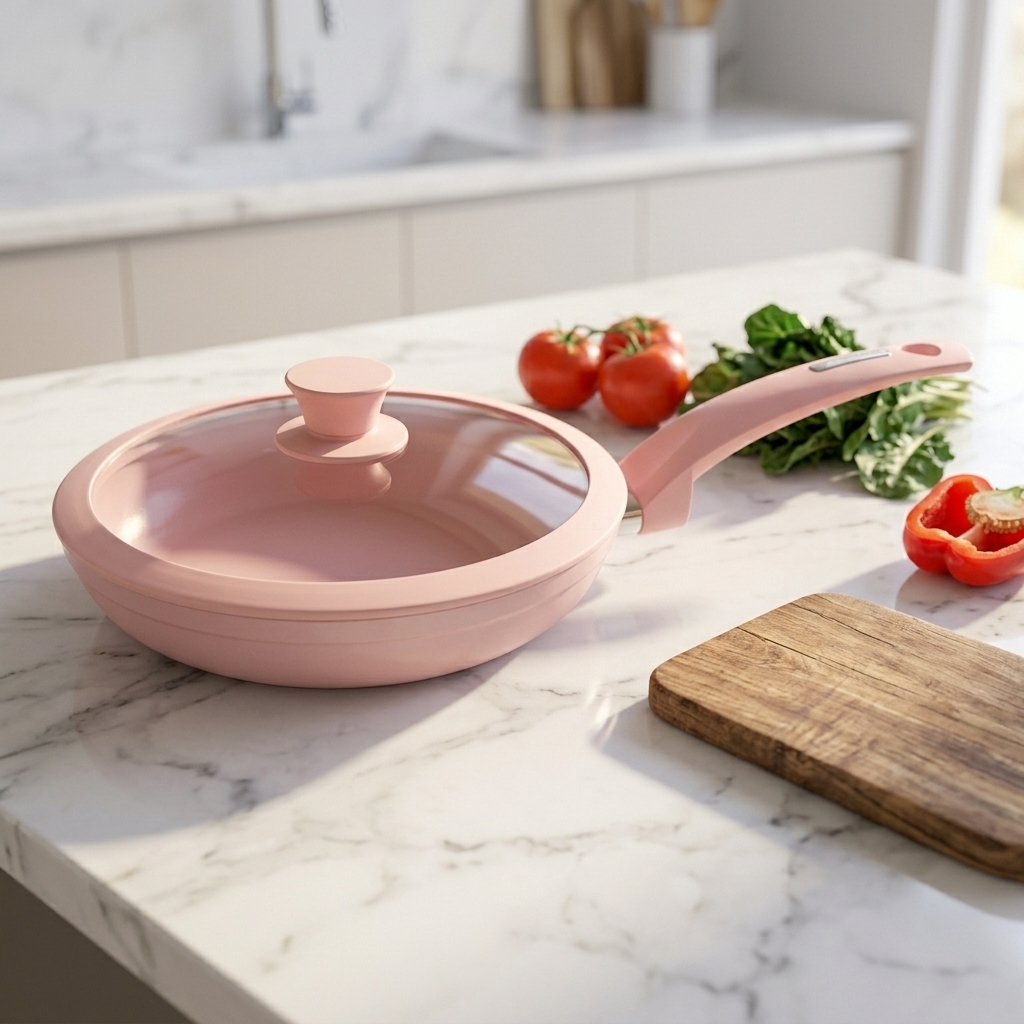
Engineered for high thermal transfer, mechanical longevity, and pristine non-stick performance across modern European culinary architectures.
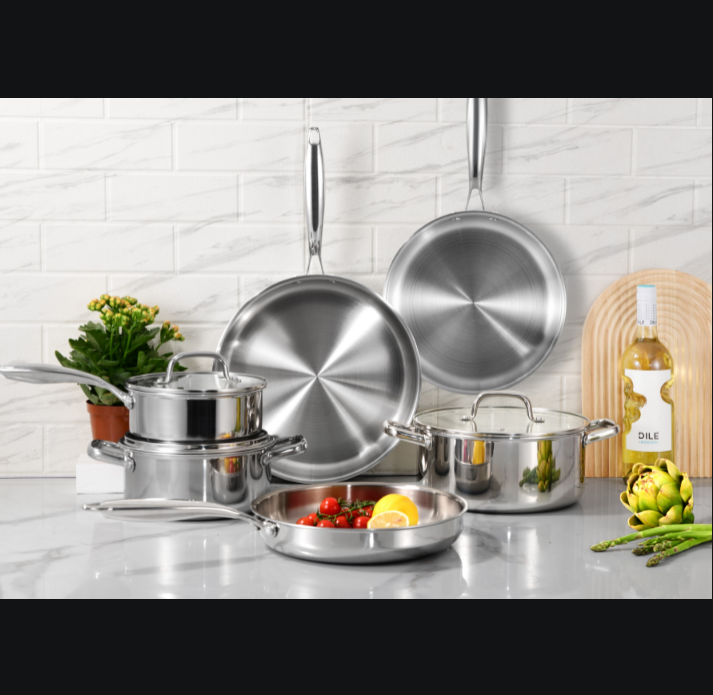
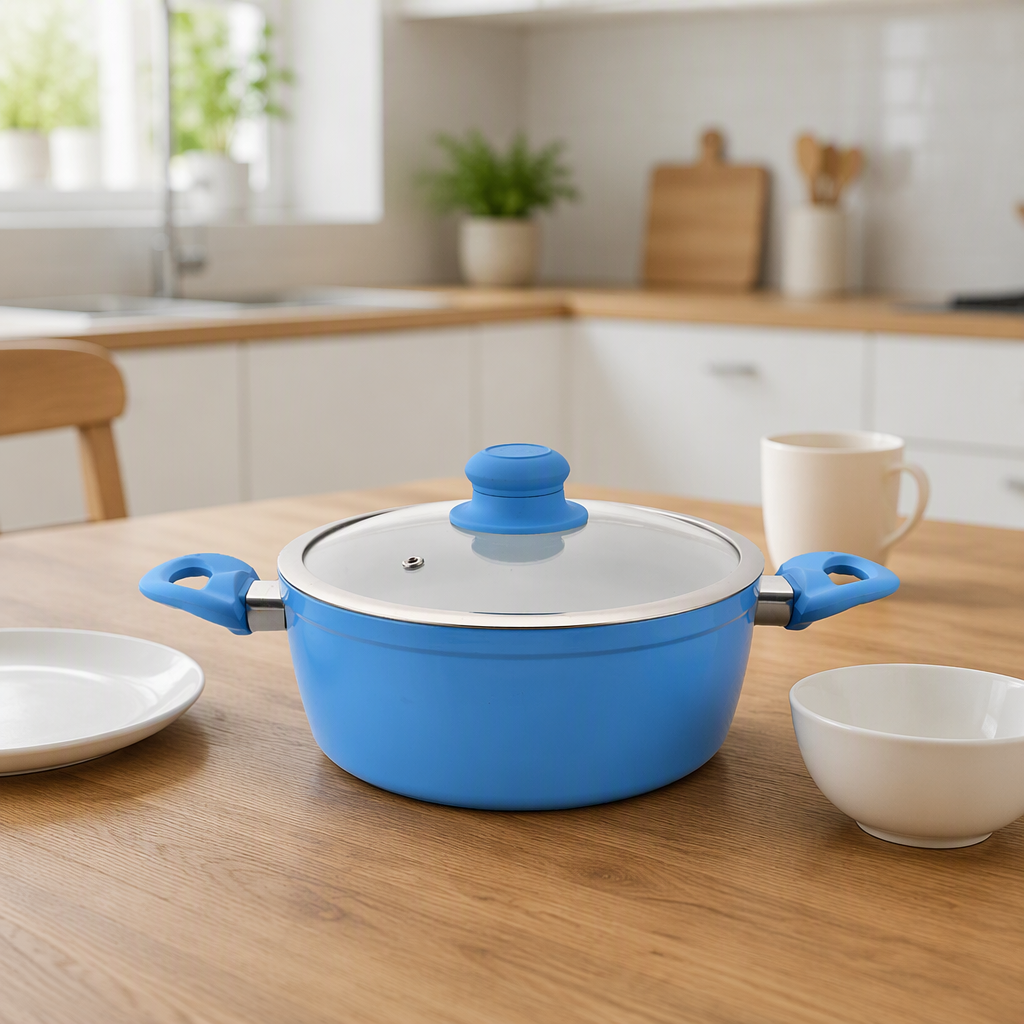
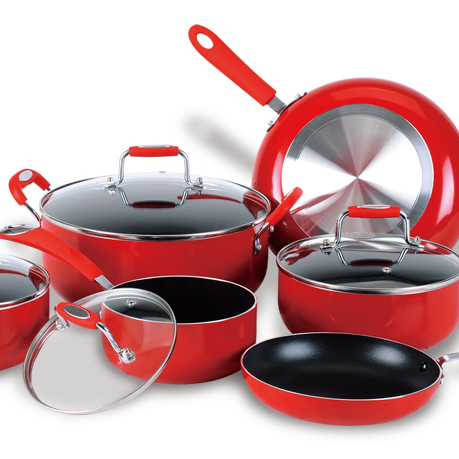
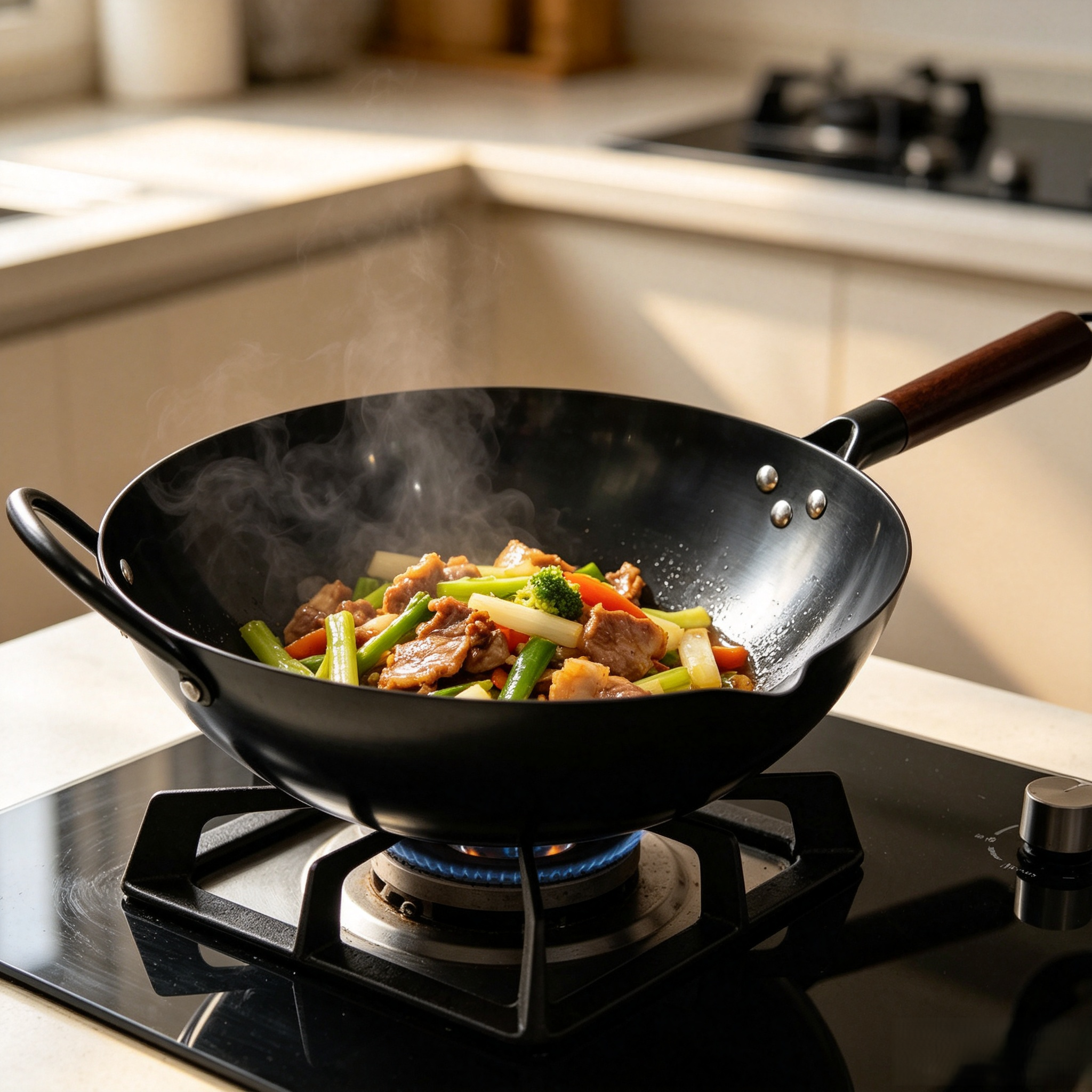
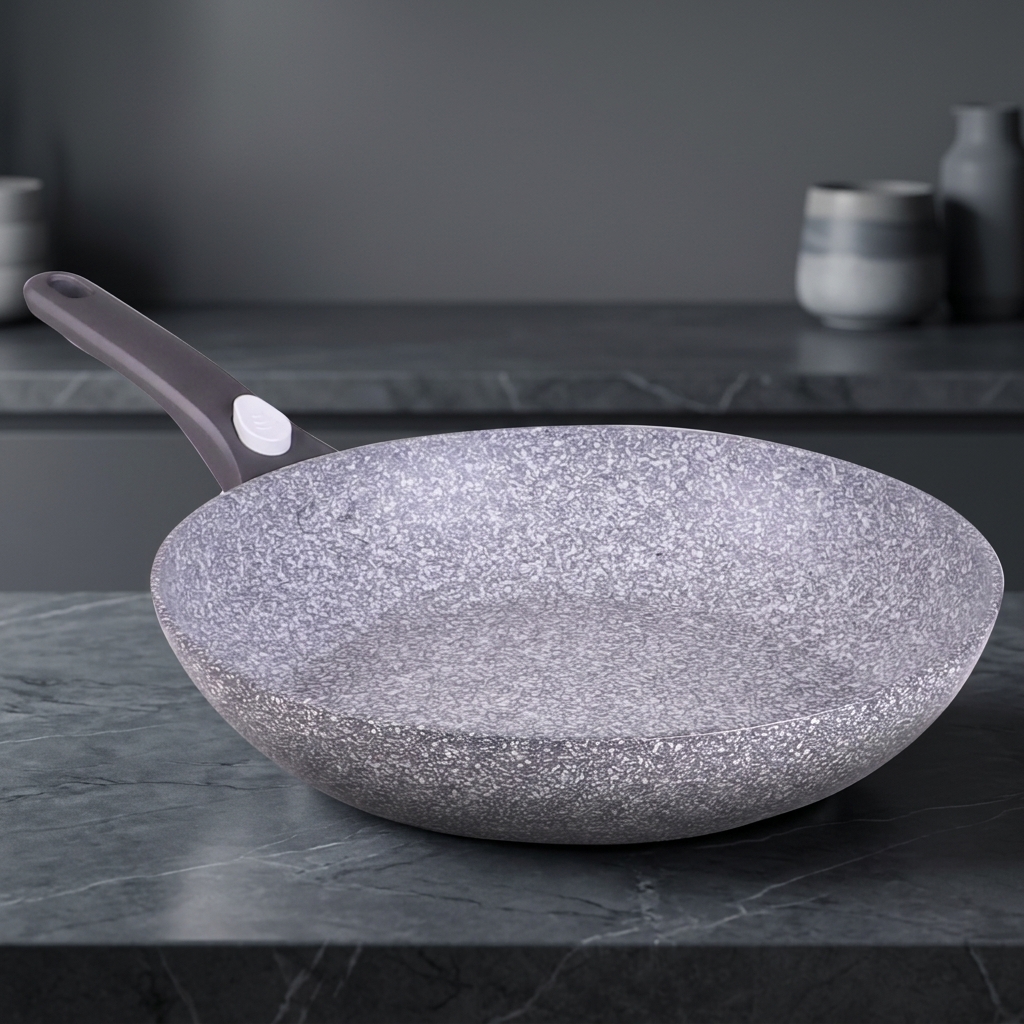
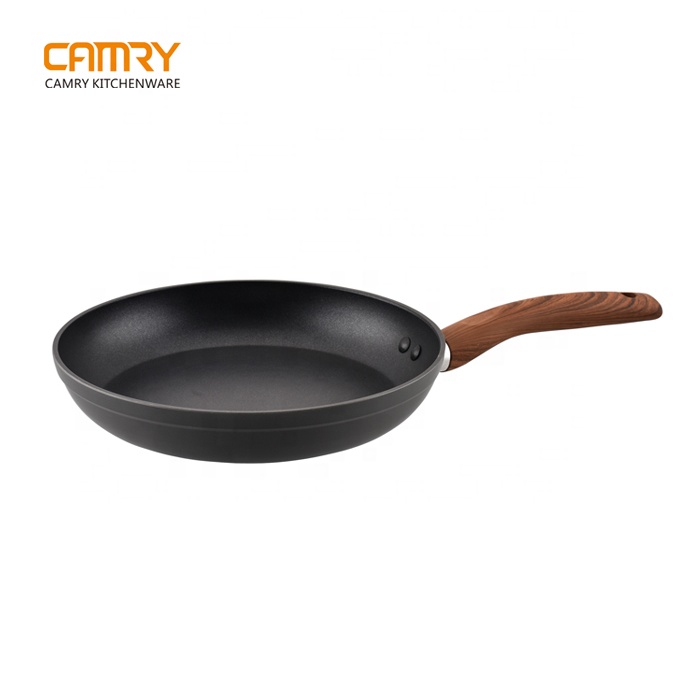
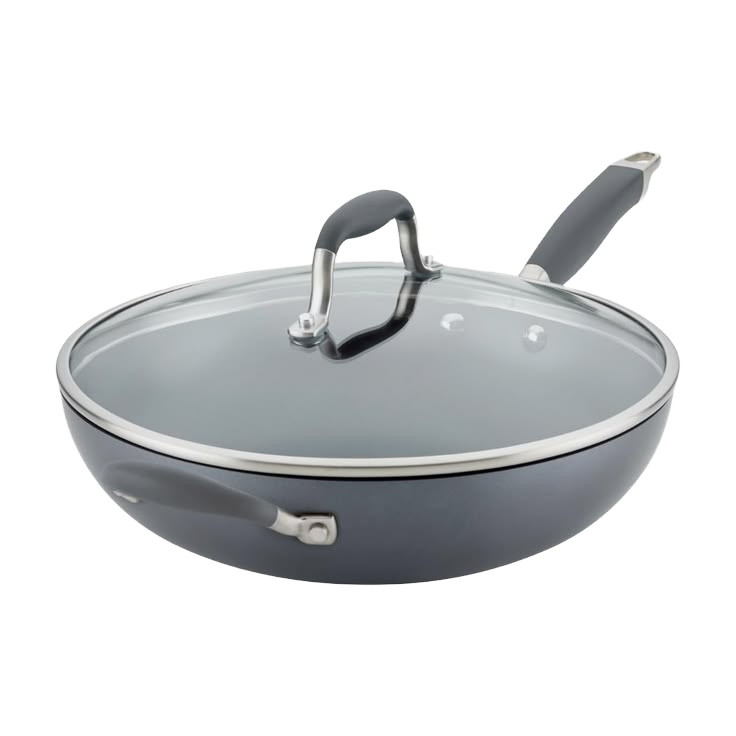
Analyzing thermal dynamics, gastronomic techniques, and EU compliance criteria in high-performance pan fabrication.
The commercial cookware and consumer homeware markets in Verona—and throughout the wider Veneto region—are defined by a synthesis of classic culinary excellence and high engineering rigor. Verona sits as a central logistics corridor within Northeast Italy, connecting trade routes from Milan and Venice down through the industrial arteries of Emilia-Romagna. For retail private-label distributors, HoReCa (Hotel, Restaurant, and Catering) wholesalers, and omnichannel kitchen brands situated in Verona, selecting the optimal frying pan factory requires navigating tight material tolerances, stringent food-contact directives, and exacting regional culinary expectations.
Cookware distributed in the Verona market does not simply serve general frying functions; it must endure authentic, high-stress culinary applications. Veronese culinary heritage heavily emphasizes temperature-sensitive preparations that expose pan metallurgy to unique mechanical challenges:
The iconic Risotto all'Amarone requires a pan or sauté skillet capable of intense, uniform basal heat to toast the Vialone Nano grains, followed by continuous acidity exposure from Amarone della Valpolicella wine reductions. The pan's internal coating must resist high-tannin chemical degradation while supporting vigorous mechanical agitation during the cold-butter mantecatura phase.
Verona's tradition of braised and seared beef and horsemeat dishes (Pastissada de Caval) requires cookware that transitions seamlessly between high-heat surface searing (Maillard reaction) and extended simmering. Skillets and braisers with forged thick-wall construction (3.5mm to 4.5mm) maintain core temperature when cold proteins are placed on the cooking surface.
Delicate freshwater species such as lavaret, trout, and sardine from nearby Lake Garda demand ultra-precise thermal release. Skillets featuring advanced fluoropolymer-free ceramic glazes or multi-layer granite-reinforced matrices prevent fragile flesh from adhering, allowing crisp golden-brown finishes using minimal cooking oils.
Cookware procurement professionals across Northern Italy are executing major supply-chain pivots driven by technical mandates, sustainable lifestyle shifts, and real estate configurations:
1. Universal Induction Mandates & Base Integrity: Electric and magnetic induction cooktops have grown rapidly across northern Italian households and commercial hospitality units, driven by regional energy-efficiency directives. Traditional cookware designs often suffer from base bowing or delamination when exposed to the instant electromagnetic fields generated by high-wattage induction ranges. Verona procurement managers increasingly demand friction-forged full-induction bases or thick perforated stainless steel spray bottoms that guarantee 100% planar flatness, eliminating cold spots and annoying vibrational hums during service.
2. Transition to Advanced Inorganic and Mineral Coatings: European consumer consciousness regarding chemical inertness has accelerated the phase-out of conventional low-tier fluoropolymer chemistry. In Verona, leading private labels emphasize 100% PFOA, PFOS, lead, and cadmium-free solutions. Advanced water-based ceramic sol-gel coatings and multi-layer titanium-granite hybrid coatings dominate prime shelf space, combining effortless cleaning with elevated scratch resistance against daily utensil use.
3. Space Optimization via Removable Handle Technology: Urban living spaces in Verona’s historic center (Centro Storico) and surrounding residential hubs place a premium on kitchen storage efficiency. Cookware lines engineered with modular, detachable ergonomic handle mechanisms allow full stovetop, in-oven, and dishwasher versatility, while reducing carton volume by up to 45%—delivering profound freight cost savings during maritime container shipping.
Evaluating commercial-grade base substrates across manufacturing feasibility, thermal performance, and compliance.
| Substrate Category | Thermal Diffusivity (W/m·K) | Warp Resistance Under Thermal Shock | Induction Coupling Mechanism | Target Verona Channel Segment |
|---|---|---|---|---|
| Forged Aluminium Alloy (3003) | ~205 (High) | Exceptional (Thick 4.0mm+ base absorbs thermal stress) | Impact-bonded / friction-welded SS430 plate | Mid-to-High Retail, Department Stores, Cookware Boutiques |
| Pressed Aluminium | ~215 (Ultra-fast) | Moderate (Optimal for light-to-medium thermal cycling) | Perforated sprayed or stamped magnetic disc | Hypermarkets, Mass Promotional Sets, Fast Turn Wholesale |
| Tri-Ply Clad (SS304 - Al - SS430) | ~90-120 (Sustained retention) | Superior (Mechanical composite structure) | Integrated magnetic SS430 exterior skin | Commercial HoReCa, Culinary Academies, Professional Chefs |
| Nitrided Carbon Steel | ~50-65 (Direct heat) | High (High tensile resilience) | Native ferromagnetic molecular structure | Specialty Searing, Wok Programs, Sustainable Eco-Brands |
Direct-from-factory precision, comprehensive quality audits, and custom tooling designed to safeguard your brand reputation.
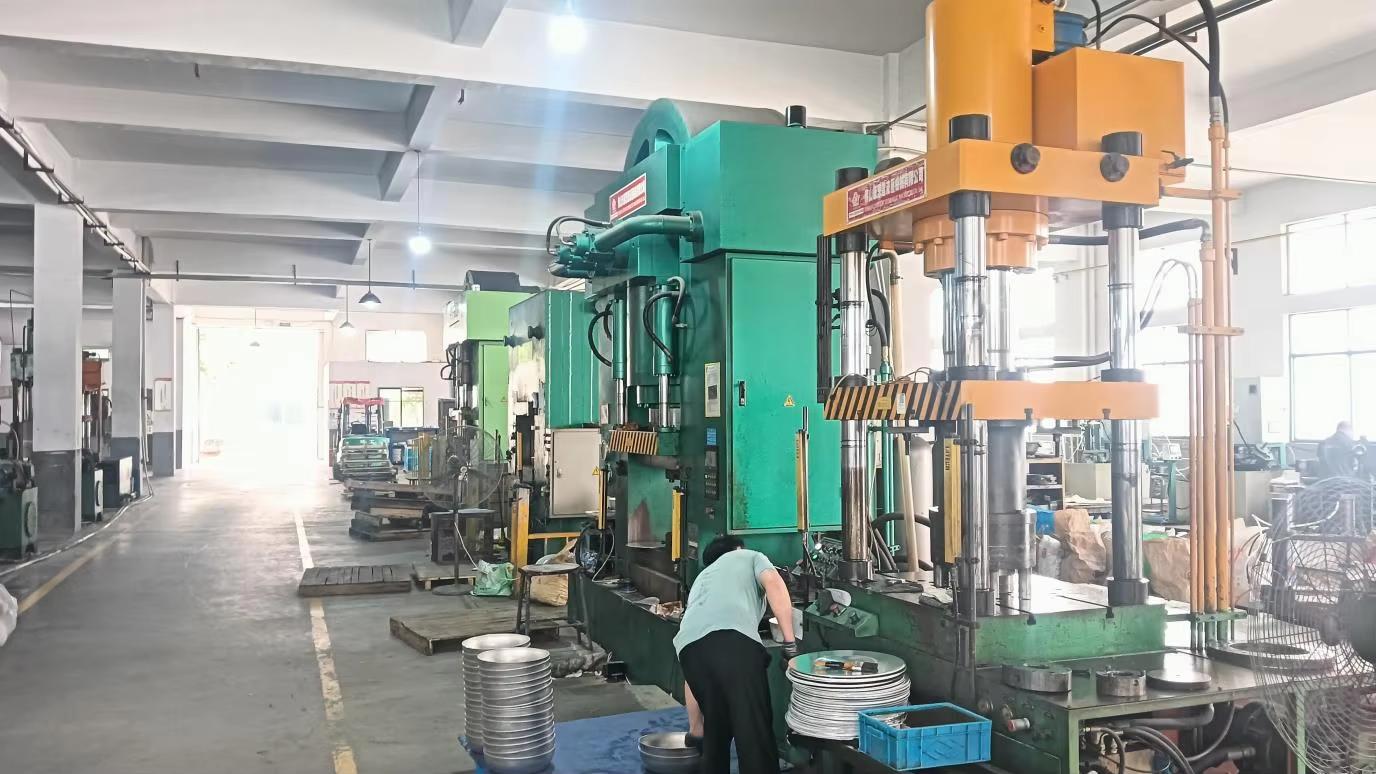
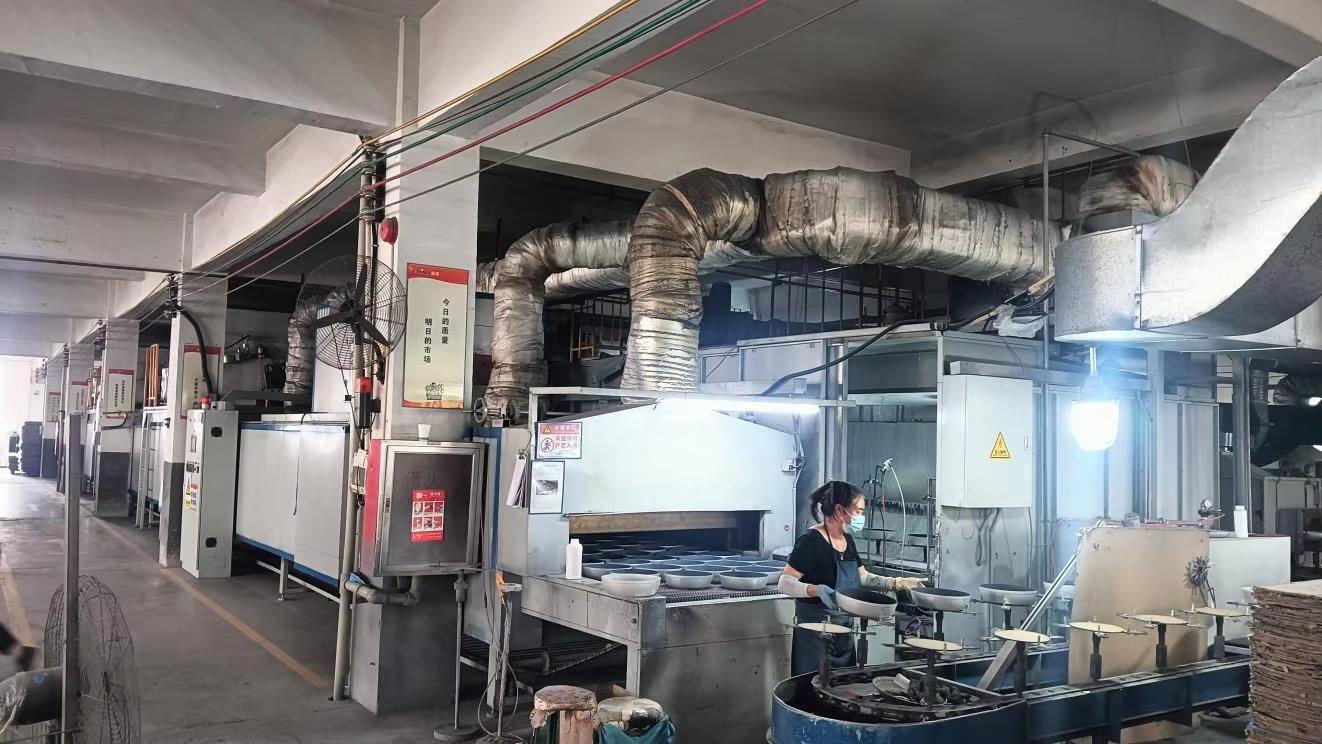
As an authentic, vertically integrated manufacturing partner located in the Dongnan Industrial Zone of Jinhua, Zhejiang, Zhejiang MEIS Kitchenware Co., Ltd. operates in direct contrast to trading intermediaries. Backed by 20 years of technical manufacturing heritage and an audited 105-person workforce, we provide European brands with complete transparency from raw ingot stamping to automated final packaging.
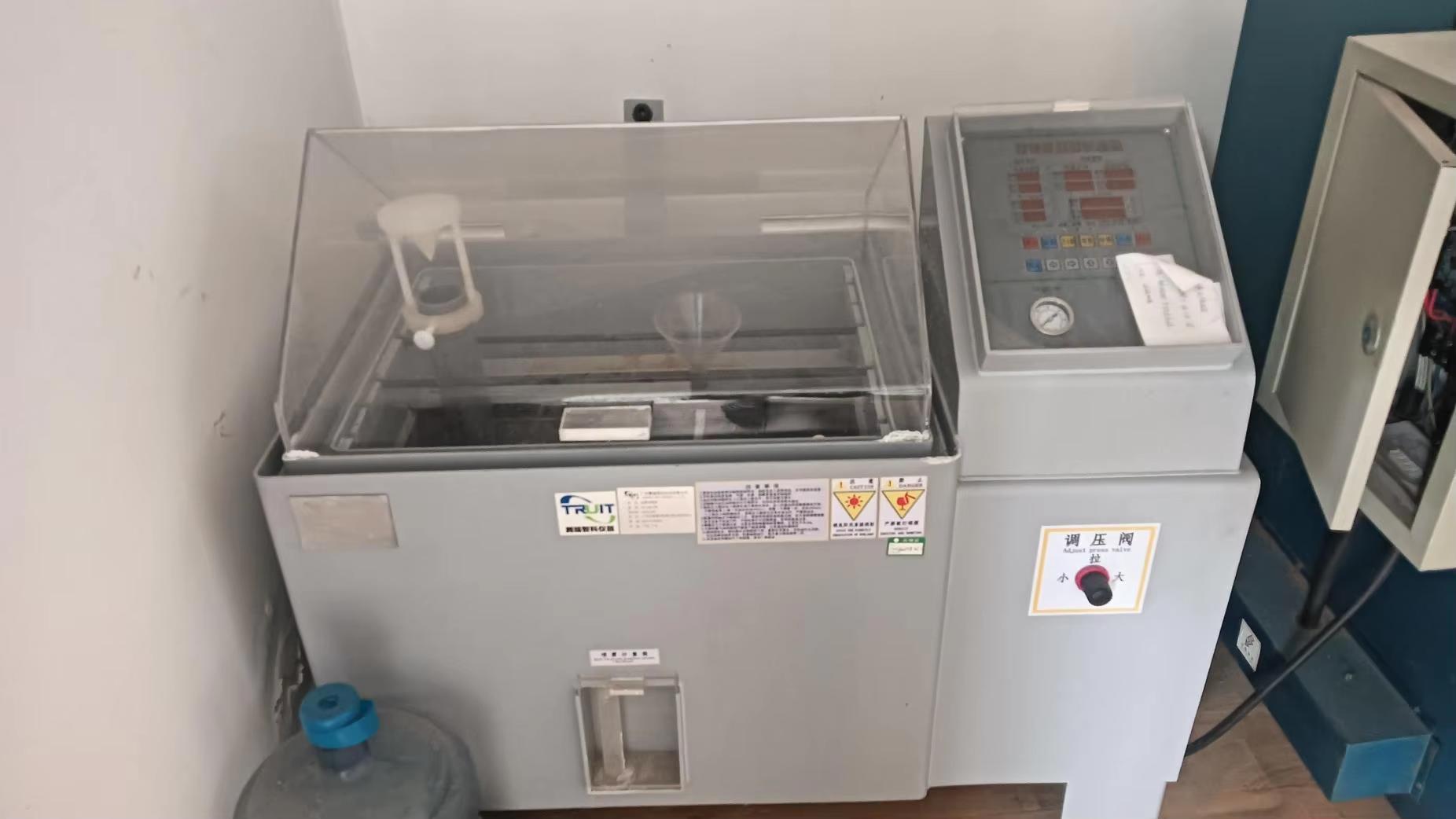
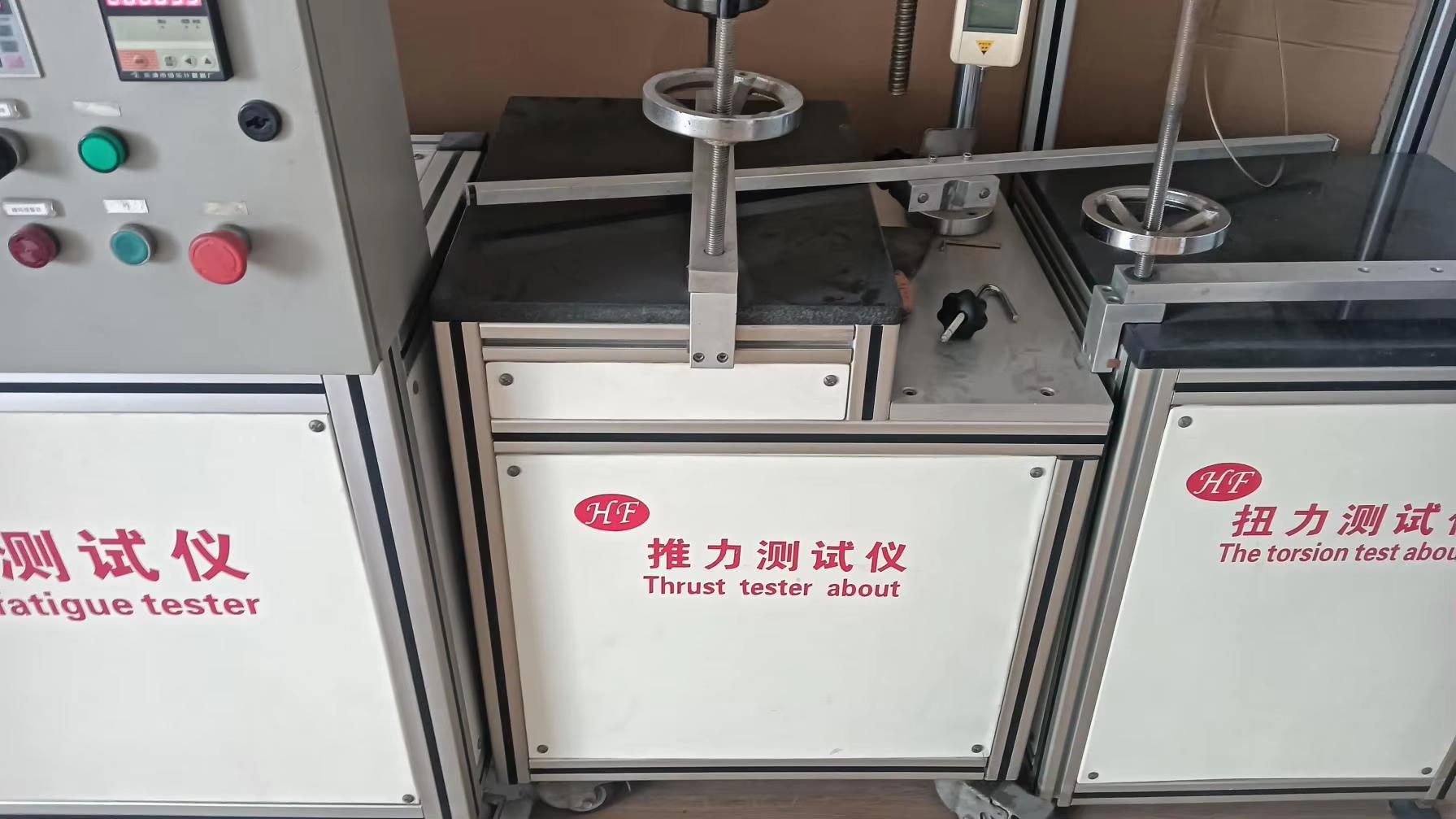
Our complete manufacturing footprint, tooling labs, and testing protocols have been verified on-site by TÜV Rheinland, ensuring full alignment with strict ISO standards.
Every production run undergoes cyclic handle fatigue testing, salt-spray corrosion chamber analysis, thermal shock tests, and non-stick release cross-hatch checks.
Our dedicated mold-making workshop and multi-axis CNC machines dramatically compress custom prototype turnaround times for unique Italian handle designs.
Over a decade of direct maritime logistics management to Southern European entry ports (Venice, Genoa, Trieste), with comprehensive DGCCRF and LFGB certification support.
Real-world engineering infrastructure backing every container load leaving our factory floor.
Direct answers to regulatory, technical, and logistics inquiries commonly posed by Italian commercial buyers.
Yes. All frying pans, woks, and casseroles manufactured for our European clients strictly conform to Regulation (EC) No 1935/2004, the European REACH regulation, and specific Italian D.M. 21/03/1973 standards. Furthermore, we regularly supply test reports validated by SGS and TÜV verifying that our ceramic and non-stick coatings are 100% free of PFOA, PFOS, GenX, lead, and cadmium, ensuring effortless customs clearance and consumer safety.
For custom OEM/ODM production (including custom pan color matching via Pantone, custom laser-etched basal logos, and customized four-color retail packaging), standard MOQs range between 1,000 and 1,500 pieces per size for individual forged or pressed pans. For comprehensive multi-piece boxed sets, the typical minimum begins at 1,000 sets. We also offer lower trial batch quantities for selected stock tooling programs to support regional market validation.
We implement precision high-tonnage impact bonding or perforated friction-embossing for our ferromagnetic induction base plates, followed by specialized CNC base finishing. Our engineers maintain a concave crown tolerance between 0.3% and 0.5% at ambient temperatures. When heated on induction or ceramic glass stovetops, the pan expands to absolute planar flatness, preventing oil migration to the edges and completely eliminating hot-spot scorching.
Absolutely. Our in-house engineering and tooling facility operates CNC and precision mold-making equipment capable of creating proprietary handle geometries, including silicone-dipped soft-touch finishes, cast stainless steel fixtures, and detachable quick-release mechanisms. We provide complete dielines for gift boxes, display sleeves, and pallet-optimized master cartons to reduce breakage and enhance retail shelf presence.
Standard mass production lead time is approximately 35 to 45 days after deposit confirmation and sample approval. Sea freight from Ningbo or Shanghai port to major Northern Italian container terminals—such as the Port of Venice (Venezia), Genoa (Genova), or Trieste—typically requires 28 to 35 days in transit. We provide comprehensive export customs documentation, bills of lading, and certificate of origin paperwork for seamless entry.
Connect directly with our engineering and export team for custom tooling evaluations, material specifications, and rapid OEM/ODM quotation.