TÜV Rheinland On-site Verified Custom Manufacturer · OEM / ODM Jinhua, Zhejiang, China
Institutional Supply Chain & OEM Engineering

Frying Pan Factory & Supplier Serving Vatican City

Direct B2B Manufacturing of Certified Nonstick Cookware, Forged Aluminum Cookware Sets, and Commercial Kitchen Solutions for Ecclesiastical & Pontifical Facilities

Export-Grade Cookware Formulated for High-Standard Facilities

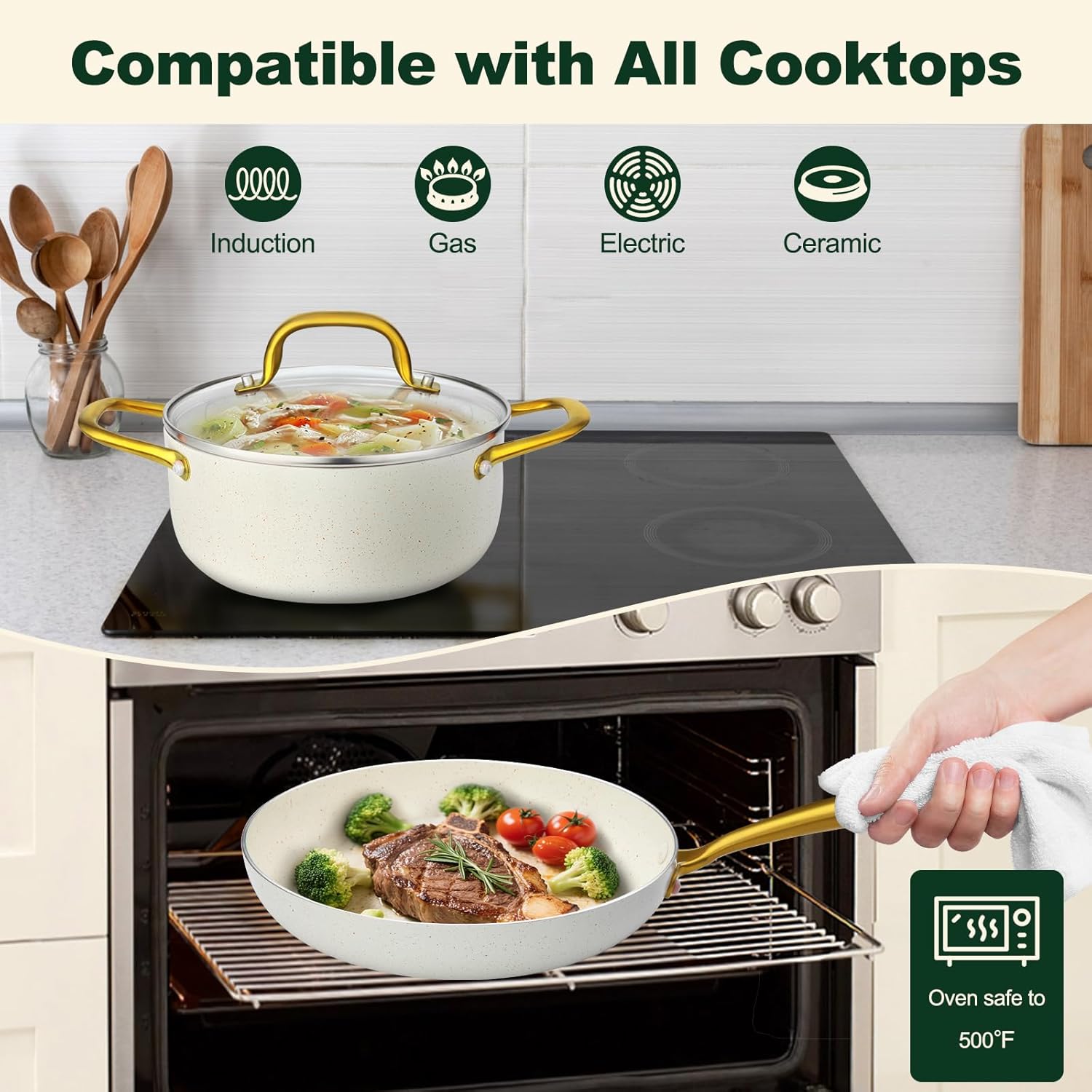
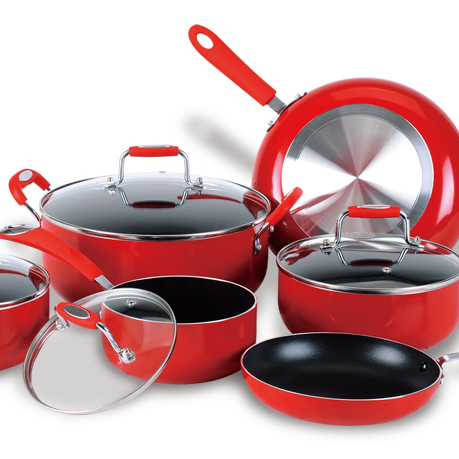
Tested on-site with induction-compatible thermal bases, multi-tier ceramic coating, and reinforced alloy compositions built for continuous service in diplomatic, institutional, and monastic culinary kitchens.

Procuring for Pontifical Residences, Diplomatic Missions, or Institutional Catering?

Access our complete export catalog with comprehensive material certificates (LFGB, FDA, DGCCRF), factory-direct volume pricing, and custom branding specifications.

Get Catalog

Engineering Standards for Cookware in Historic Pontifical & Ecclesiastical Environs

Procurement of kitchenware and commercial frying apparatus serving Vatican City State (Stato della Città del Vaticano) demands a specialized metallurgical and operational profile rarely matched by off-the-shelf consumer retail supplies. As the sovereign territorial enclave of the Holy See, Vatican City encompasses diverse culinary nodes: from the high-turnover mess halls of the Pontifical Swiss Guard and institutional cafeterias supporting Vatican Museums personnel, to the private residential quarters of the Domus Sanctae Marthae and diplomatic missions accredited to the Holy See.

Culinary spaces within ancient Vatican palaces and ecclesiastical properties operate under stringent structural and safety parameters. Many facilities are integrated within medieval and Renaissance-era masonry protected by UNESCO cultural heritage protocols. In these settings, open-flame cooking is strictly restricted or phased out to safeguard invaluable frescoes and eliminate fire hazards. Consequently, kitchens throughout the Leonine City have converted extensively to induction technology. A frying pan factory supplying this micro-state must fabricate cookware featuring absolute magnetic permeability, perfectly planar bases that will not bow under intense induction flux, and thermal retention characteristics that mitigate regional electrical power draw.

Furthermore, culinary administrators serving Vatican institutions adhere to strict European Union and Italian sanitary codes, specifically the rigorous Italian Decreto Ministeriale 21/03/1973, German LFGB (Lebensmittel- und Futtermittelgesetzbuch), and EU Regulation (EC) No 1935/2004 regarding food contact materials. Zhejiang MEIS Kitchenware Co., Ltd., leveraging over 20 years of OEM/ODM fabrication excellence in Jinhua, Zhejiang, bridges the gap between high-capacity industrial manufacturing and the bespoke dimensional tolerances required by ecclesiastical and institutional purveyors serving Vatican City.

Primary Cookware Application Scenarios Across the Holy See Enclave

How our heavy-duty forged and pressed aluminum frying pans fulfill distinct culinary duties inside Vatican City and its extraterritorial ecclesiastical properties in Rome.

Pontifical Residences & Guest Lodges

Facilities like Domus Sanctae Marthae require small-to-medium volume, highly hygienic culinary preparation. Our 2-Layer Ceramic & PVD 5-Piece Sets provide non-reactive, chemical-free cooking surfaces ideal for dietary-specific meal preparation for resident cardinals, clerical guests, and visiting prelates requiring delicate oil-free sautés.

Pontifical Swiss Guard Mess Facilities

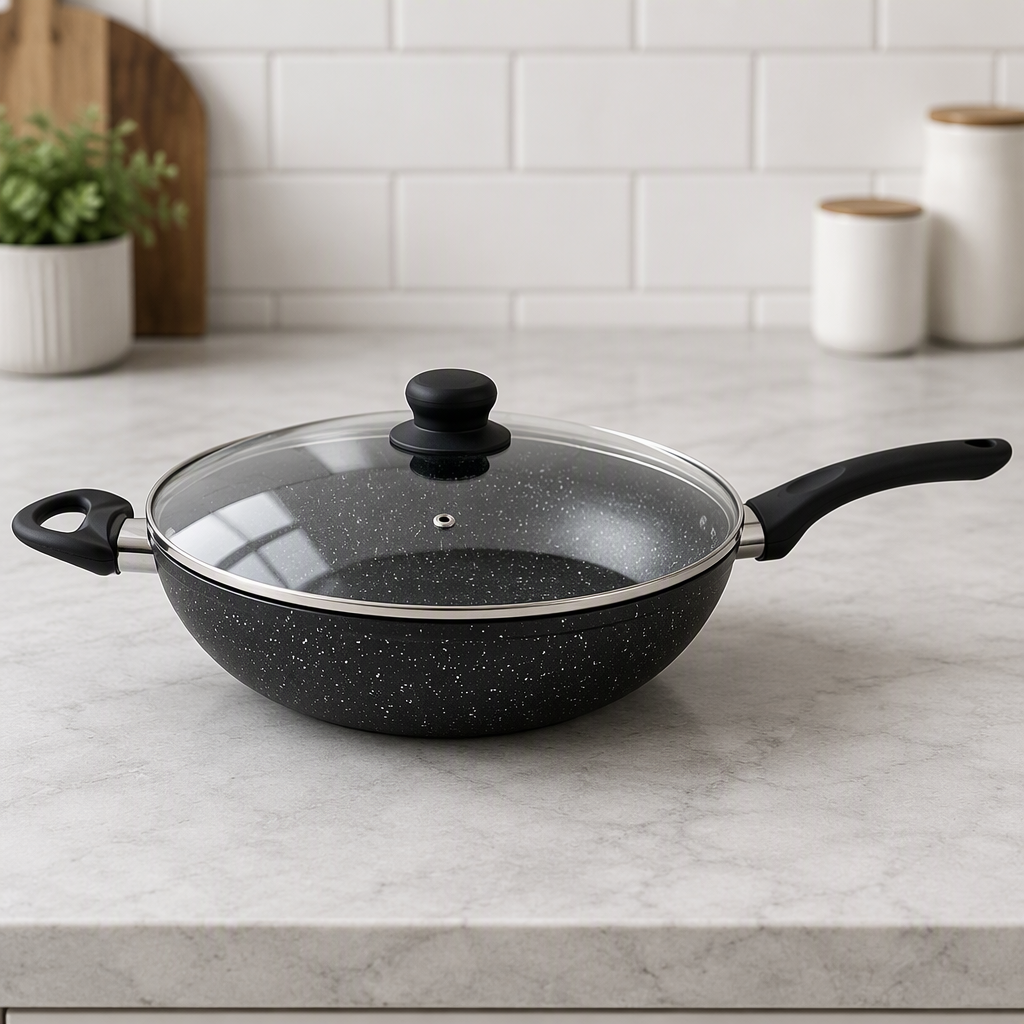
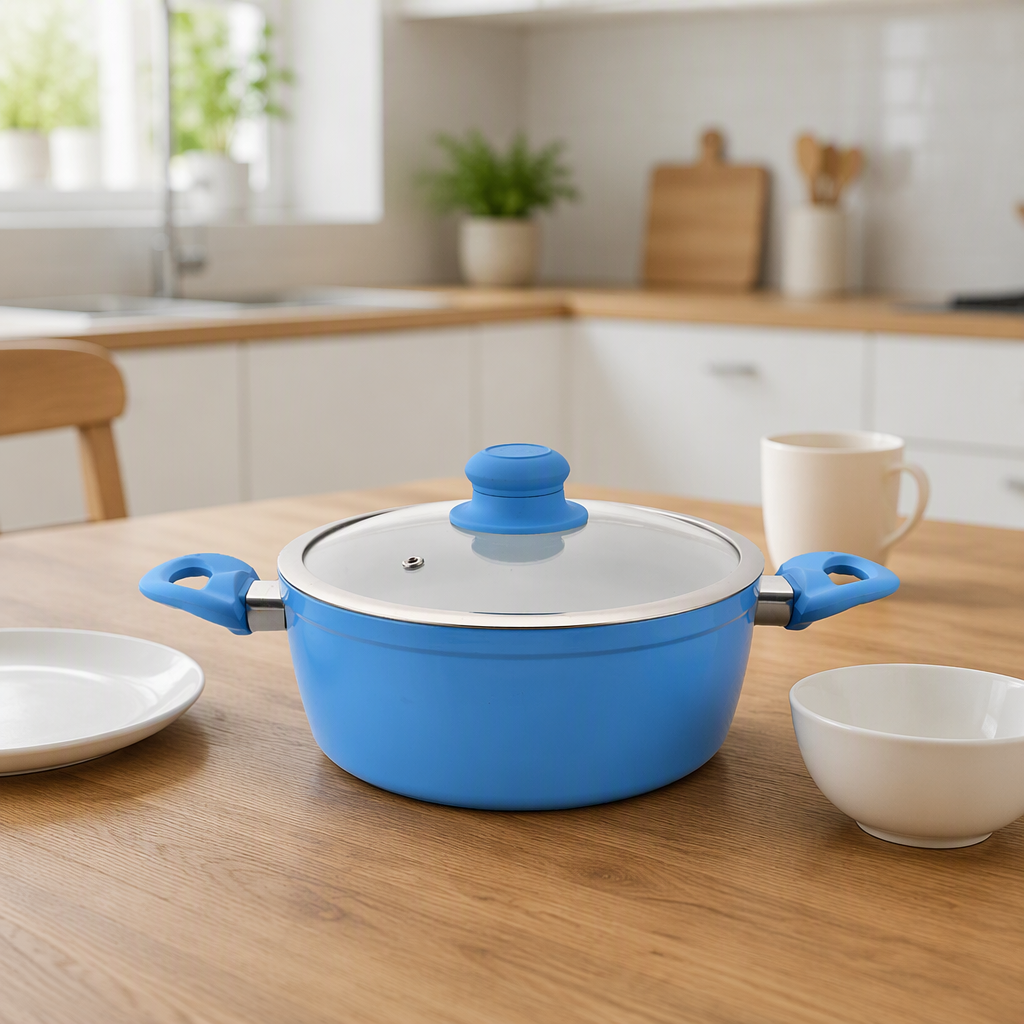
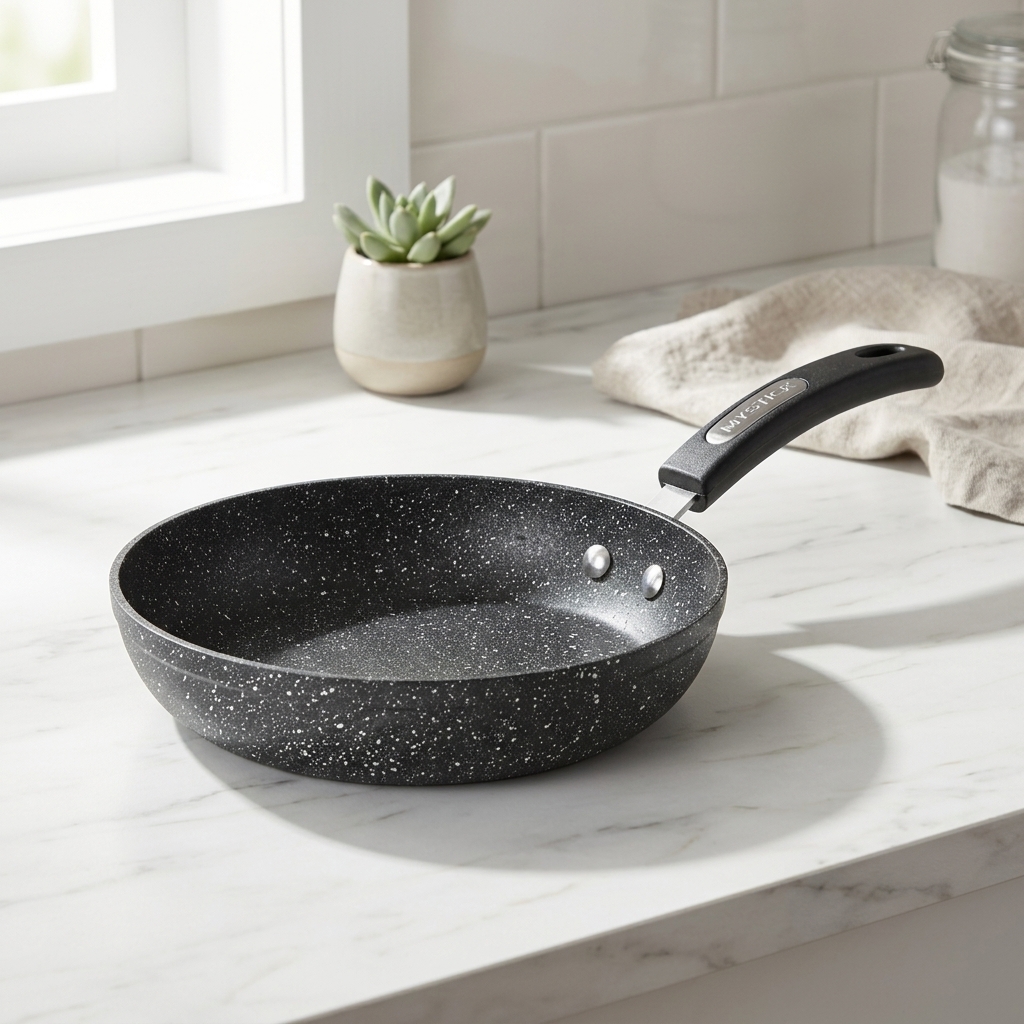
The culinary mess supporting the Guard forces operates at commercial scale under disciplined schedules. These kitchens mandate heavy-gauge 24cm and 28cm Forged Aluminum Deep Woks and Casseroles. The reinforced thermal rim (4.5mm) and scratch-resistant marble interiors endure intense mechanical agitation, rapid batch searing, and automated dishwashing sanitization cycles.

Diplomatic Missions & Extraterritorial Palaces

Over 80 diplomatic missions accredited to the Holy See, along with extraterritorial properties like the Palazzo di Propaganda Fide and the Archbasilica of St. John Lateran, host formal banquets. Our Shot-Blast Pressed Aluminum and Modern Induction Skillets deliver uniform heat distribution necessary for high-end Roman and Mediterranean culinary menus.

Comparative Engineering Analysis: Pan Morphologies for Vatican Buyers

Understanding the balance between rapid thermal transference, mass inertia, and coating durability when planning long-term institutional kitchen replenishment.

Performance Parameter Pressed Aluminum (2.0–3.0mm) Die-Forged Aluminum (4.0–4.5mm) Carbon Steel Commercial Tri-Ply Clad Stainless Option
Thermal Conductivity (W/m·K) 205–220 (Instantaneous Heating) 180–205 (Controlled Thermal Mass) 45–55 (Gradual Radiant Buildup) 16 (Requires Pure Aluminum Core)
Base Planarity under 240°C Cycle Standard Tolerance (±0.4mm) Superior Warp Resistance (<0.15mm) Elastic Expansion Controlled Rigid Structural Integrity
Induction Efficiency Factor Punched Ferritic Disc (88%) Integrated Cast Induction Mesh (95%) 100% Naturally Ferromagnetic Ferritic 430 Base Exterior (92%)
Nonstick Interior Coating Matrix Multi-Layer Sol-Gel Ceramic Multi-Layer Titanium/Granite Fluoropolymer Pre-Seasoned or Ceramic Glaze Micro-Etched or Bare S/S Interior
Ergonomic Weight / Durability Index Lightweight (Minimizes Wrist Fatigue) Optimal Weight-to-Structural Balance Heavy / Industrial Gauge Maximum Weight / Lifetime Wear
Recommended Institutional Fit Staff Breakrooms, Fast Canteens Main Dining, Continuous Meal Prep High-Heat Searing & Baking Ovens Banquet Sauté Lines & Braising

Procurement Modernization: Aligning with Ecological Directives (Laudato si')

In recent procurement cycles, Vatican City State has emerged as an ardent advocate of sustainable purchasing, driven directly by Pope Francis’s encyclical Laudato si’ (On Care for Our Common Home). This ecological framework has transformed institutional purchasing across the Curia, Vatican City Governorate, and associated Pontifical universities situated across Rome.

When procurement officers in Vatican City negotiate supply contracts with cookware manufacturers, ecological considerations match strict durability benchmarks. The transition reflects three prominent industry transformations:

Total PFAS & GenX Elimination

Institutional dining tenders require cookware with complete absence of PFOS, PFOA, GenX, and related perfluoroalkyl substances. Our proprietary ceramic and granite nonstick systems utilize waterborne, sol-gel mineral formulations cured at precise thermal curves, ensuring zero off-gassing and food safety verification.

Induction Energy Conservation

With ancient palace circuits relying on energy imported through the Italian grid, maximizing thermal conversion is paramount. Our forged aluminum cookware incorporates dense cold-sprayed or impact-bonded ferritic bases that convert over 94% of induction magnetic energy directly into cooking heat.

Compact Footprint & Detachable Tooling

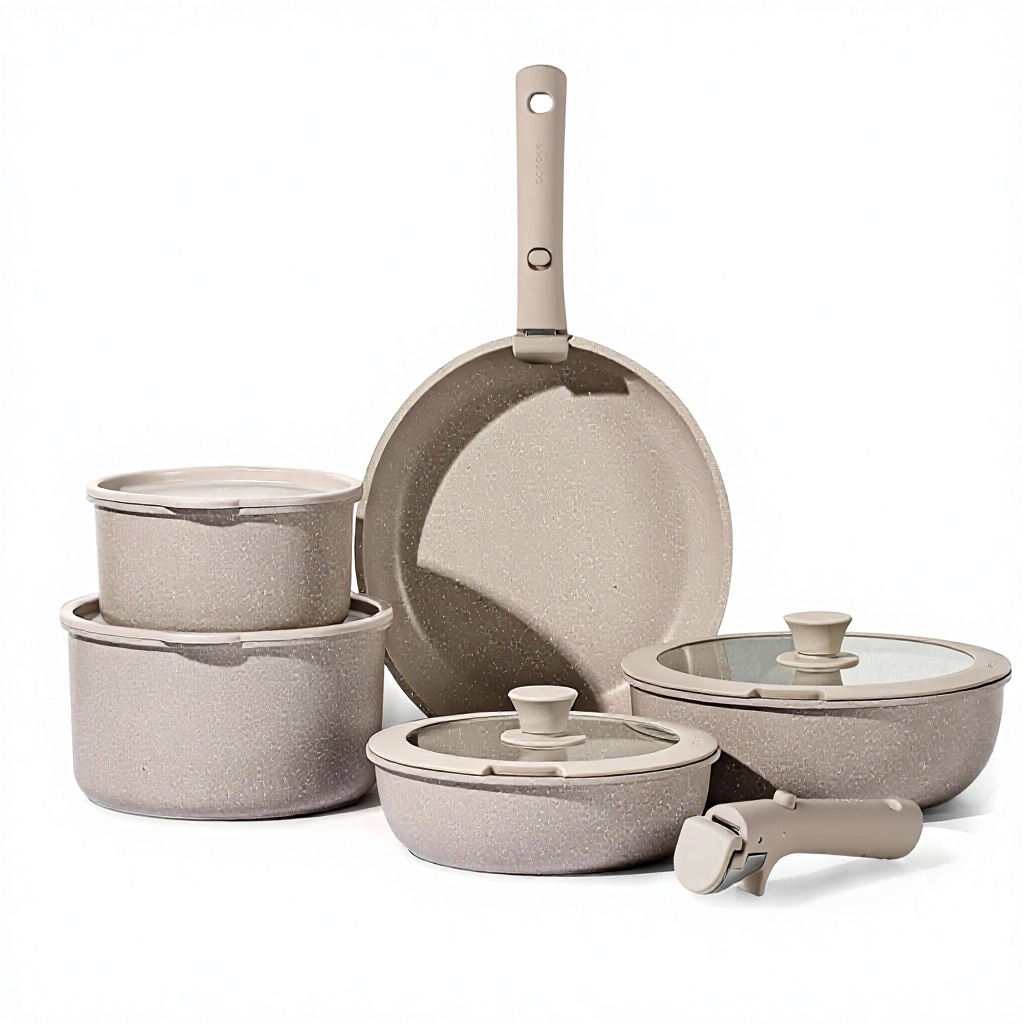
Residential kitchens within historic clerical apartments often have tight physical layouts. The demand for stackable systems with detachable handles (such as our CAROTE 19-Piece Set) has surged, providing complete culinary versatility while conserving cabinet space.

Zhejiang MEIS Kitchenware: Direct Manufacturing Capabilities

Headquartered in Jinhua’s Dongnan Industrial Zone, we operate fully integrated manufacturing lines verified on-site by TÜV Rheinland, delivering uncompromised OEM/ODM quality control.

20+
Years Manufacturing
18
Years Verified Supplier
105
Full-Time Technicians
100%
TÜV On-Site Inspected
10+
Years Global Export

High-Tonnage Hydraulic Forming

Equipped with 800-ton to 1600-ton automated hydraulic die-forging presses that shape aerospace-grade aluminum discs into high-density cookware bodies with structural resilience and balanced thermal mass.

CNC Precision Base Lathes

In-house computerized numeric control (CNC) grooving and facing machinery delivers planar micro-tolerances. This prevents wobble on flat glass ceramic induction tops, guaranteeing stable heat transfer.

Automated Robotic Spray Lines

Dust-free climate-controlled robotic coating rooms apply consistent multi-layer ceramic, marble, and granite strata. Computer-controlled curing ovens eliminate solvent residues and guarantee film adhesion.

Accredited In-House Testing Lab

Every production batch undergoes destructive and non-destructive evaluations: handle torsion stress (20Nm+), continuous rivet thrust, salt-spray corrosion resistance (up to 72 hours), and cross-hatch scratch adhesion.
Frequently Asked Questions: Sourcing Cookware for Vatican City

Key legal, logistical, and technical questions addressed for institutional purchasing managers, hospitaliers, and culinary contractors supplying the Holy See.

What are the import procedures, customs clearance channels, and tax protocols for shipments delivered to Vatican City?

Although Vatican City State is not a member of the European Union, it maintains an open border and complete customs and monetary union with the Republic of Italy under the Lateran Treaty of 1929. Shipments manufactured in our factory enter via Italian ports of entry (typically Civitavecchia, Genoa, or Rome Fiumicino for expedited air cargo) under transit status (T1). Vatican institutional entities possessing duty-free diplomatic status (Esenzione Doganale) can clear goods exempt from Italian import tariffs and Italian VAT (IVA 22%) through official notification from the Governatorato dello Stato della Città del Vaticano. Zhejiang MEIS Kitchenware handles all standard export documentation, including Bills of Lading, detailed commercial packing lists, custom-coded pro forma invoices, and Certificates of Origin to streamline clearance through Italian customs authorities.

Are MEIS cookware coatings compliant with the Italian Food Contact Regulation (DM 21/03/1973) and EU 1935/2004?

Yes. All cookware formulations produced for European ecclesiastical and commercial distribution undergo strict chemical migration testing. Testing conducted by accredited third-party laboratories (including TÜV Rheinland and SGS) certifies compliance with EU Framework Regulation (EC) No 1935/2004, the German LFGB provisions (Sections 30 & 31), and the specific migration limits mandated under Italian Ministerial Decree 21/03/1973. Test results verify that global migration of lead, cadmium, fluorinated compounds, and heavy metal ions falls far below detection ceilings, even under sustained contact with acidic foods (such as Roman-style tomato reductions) at elevated boiling temperatures.

What is the Minimum Order Quantity (MOQ) for institutional or diplomatic custom orders?

For standard catalogue specifications, our typical mass-production MOQ ranges from 1,000 to 2,000 pieces per skillet, or 1,000 sets for modular cookware sets. However, for recognized institutional projects serving Pontifical bodies, regional Roman monastic congregations, or official hotelier procurement for Holy Year jubilee events, we offer flexible low-volume trial runs starting at 50 to 500 units for selected stock lines. Custom laser engraving (such as institutional crests, Latin mottos, or administrative property markings on stainless steel handles) can be incorporated within custom packaging programs.

Why is forged aluminum preferred over stamped aluminum or bare cast iron in Vatican dining facilities?

Forged aluminum delivers the thermal benefits of cast cookware without the prohibitive mass or maintenance vulnerabilities. High-tonnage die-forging concentrates the alloy's crystalline structure, allowing a 4.0mm to 4.5mm base thickness paired with 2.5mm walls. This architecture prevents bottom warping over modern induction coils while ensuring the pan remains lightweight enough for kitchen staff to handle over prolonged shifts without repetitive strain injury. Unlike cast iron, forged nonstick aluminum will not rust in humid dish storage rooms, requires zero seasonal oil re-curing, and does not react with acidic wine- and tomato-based culinary recipes.

How does MEIS ensure the structural safety of handles in high-turnover culinary services?

Handle failure poses a severe scald hazard in busy commercial kitchens. MEIS integrates heavy-duty, dual-gauge aluminum rivets and aerospace-standard mounting brackets. Every handle design is validated in our Jinhua engineering lab through rigorous cyclic stress tests: static horizontal load pulling exceeding 200 Newtons, handle torsion deflection twisting up to 20 Newton-meters without loosening, and thermal fatigue cycles (alternating between 200°C oven conditions and cold water quenching). Whether configured with stay-cool phenolic Bakelite or cast stainless steel, our handles remain locked to the pan body.

Can MEIS manufacture specialized cookware configurations for upcoming Jubilee Holy Year banqueting demands?

Yes. As Rome and Vatican City prepare for Jubilee cycles that welcome tens of millions of pilgrims, institutional caterers face unprecedented volume spikes. We provide rapid OEM tooling and custom mold development for oversized banquet paella pans, heavy-duty induction roasters with stainless steel racks, and high-volume braising casseroles. Thanks to our in-house CNC mold workshop, prototype samples can be engineered, cast, and dispatched for client trial approval in under 15 working days.

Consult Directly with Our Cookware Engineering & Export Directorate

Request technical specifications, sample evaluations, and factory direct quotations for bulk cookware supply serving Vatican City and European institutional programs.

Get Catalog