Engineered Cookware Inventory for Mile-High Sourcing
Tested for uniform thermal distribution, nonstick coating integrity, and heavy commercial cycle life.
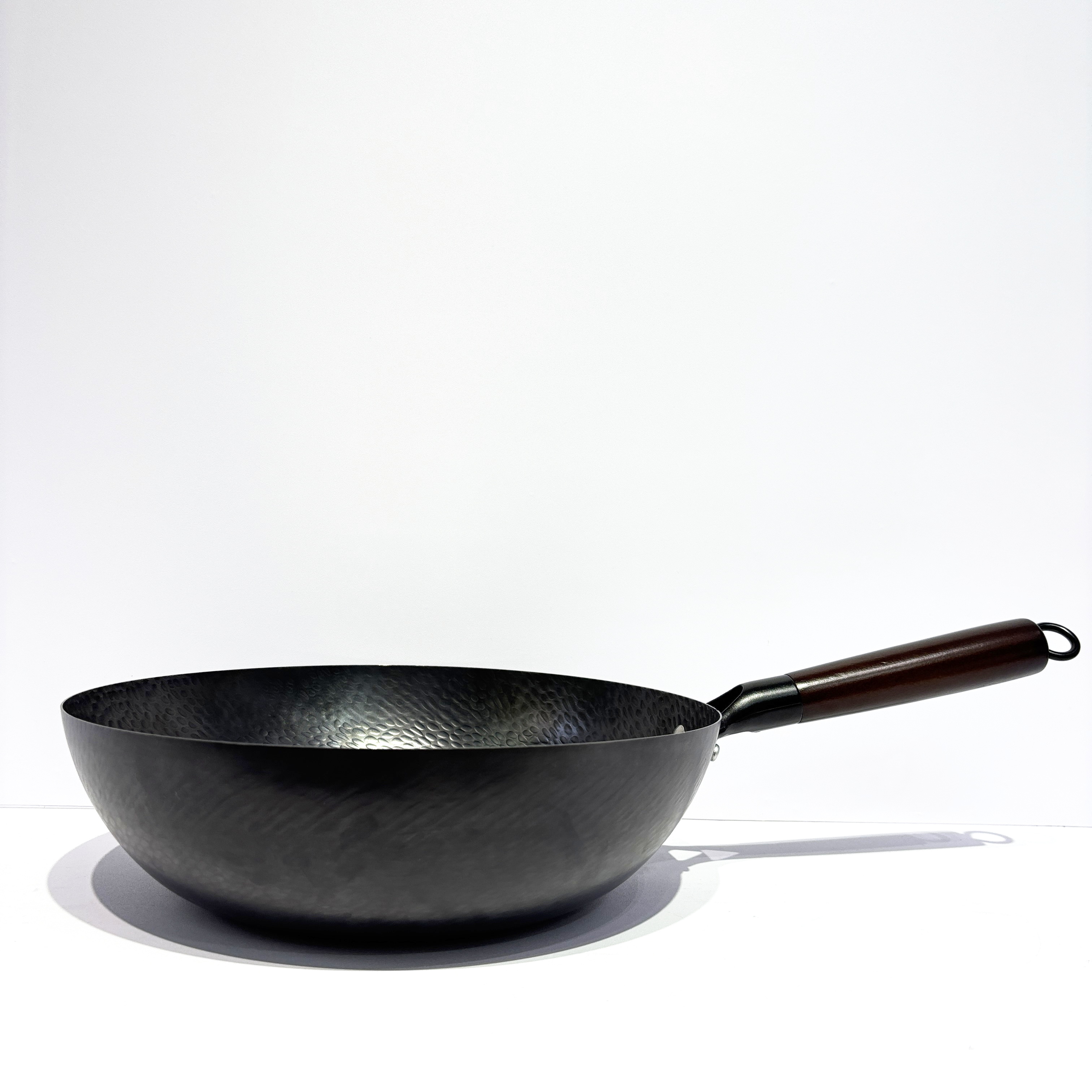
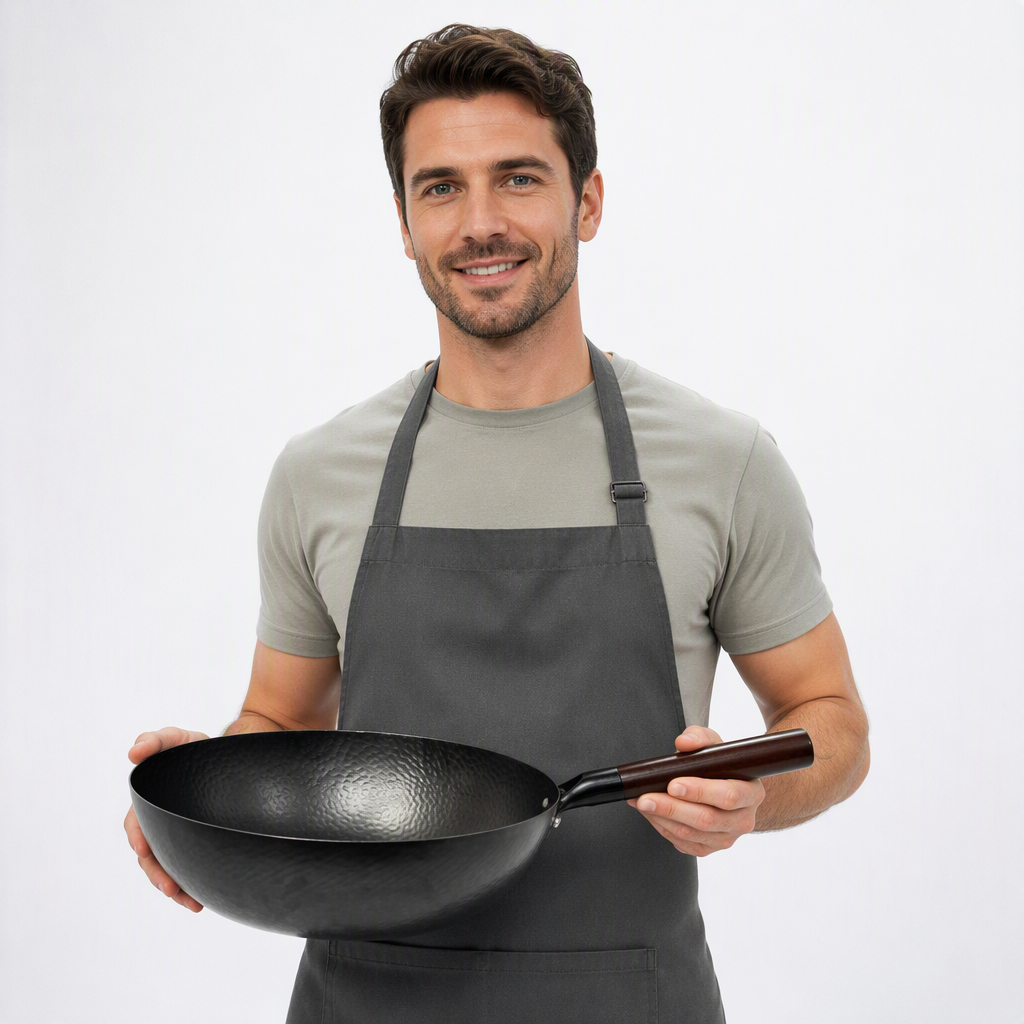
CAMRY Customized Logo Nitrided Hammered Carbon Steel Wok
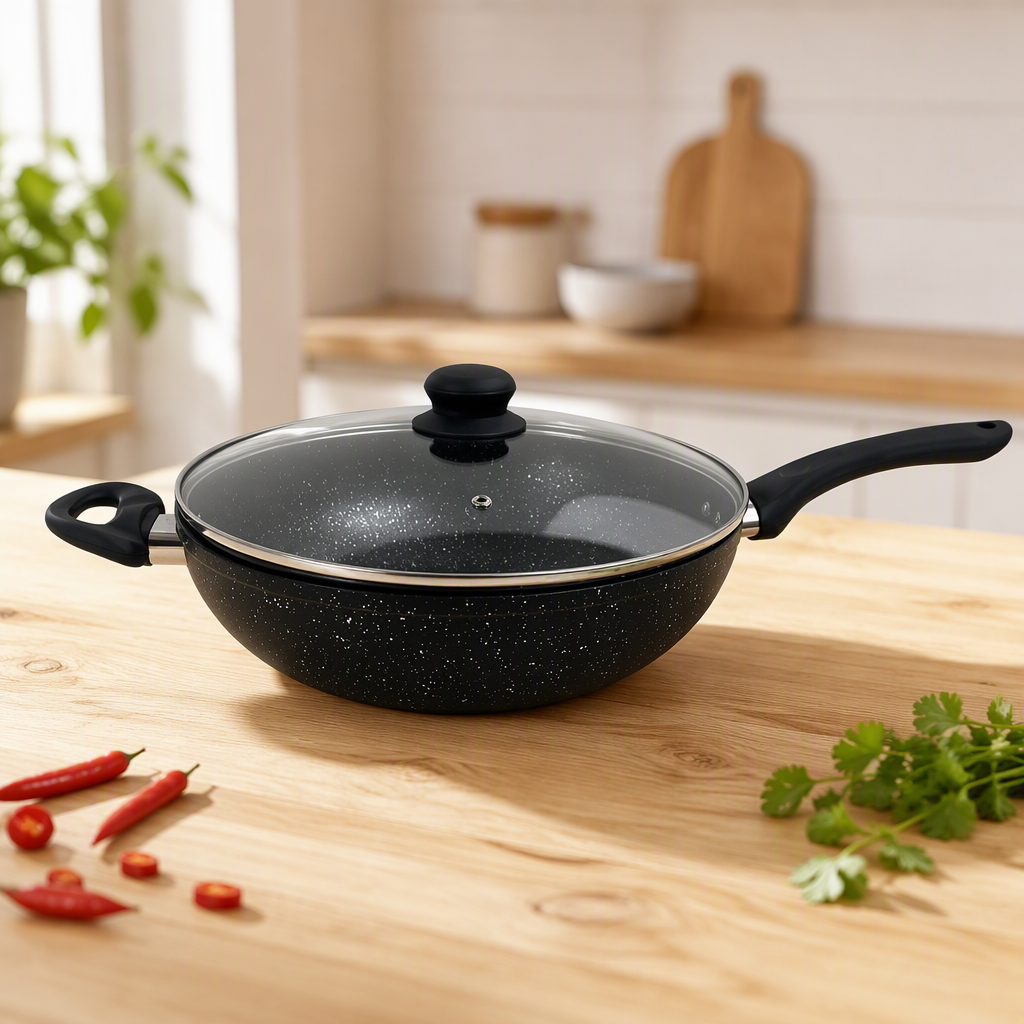
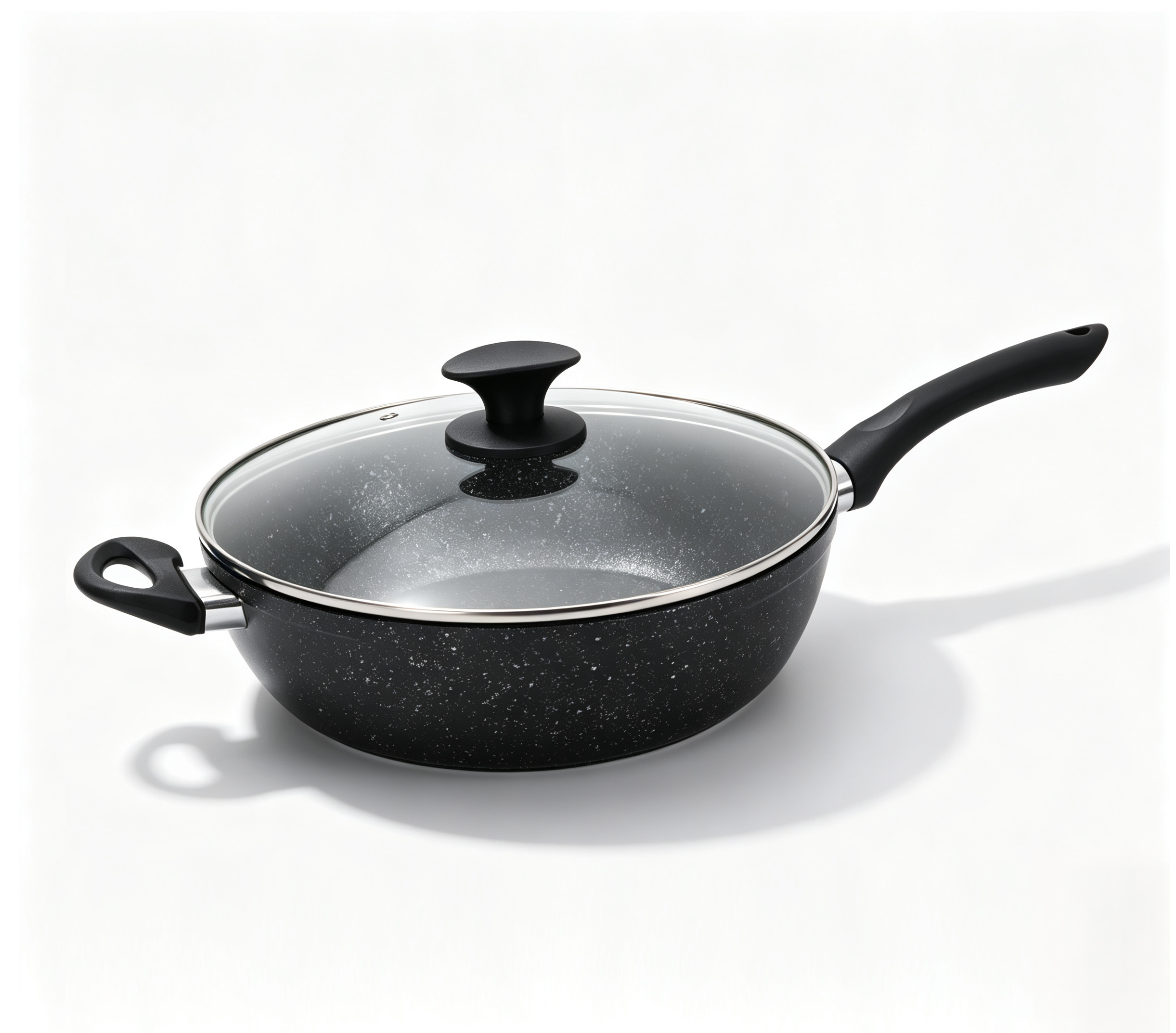
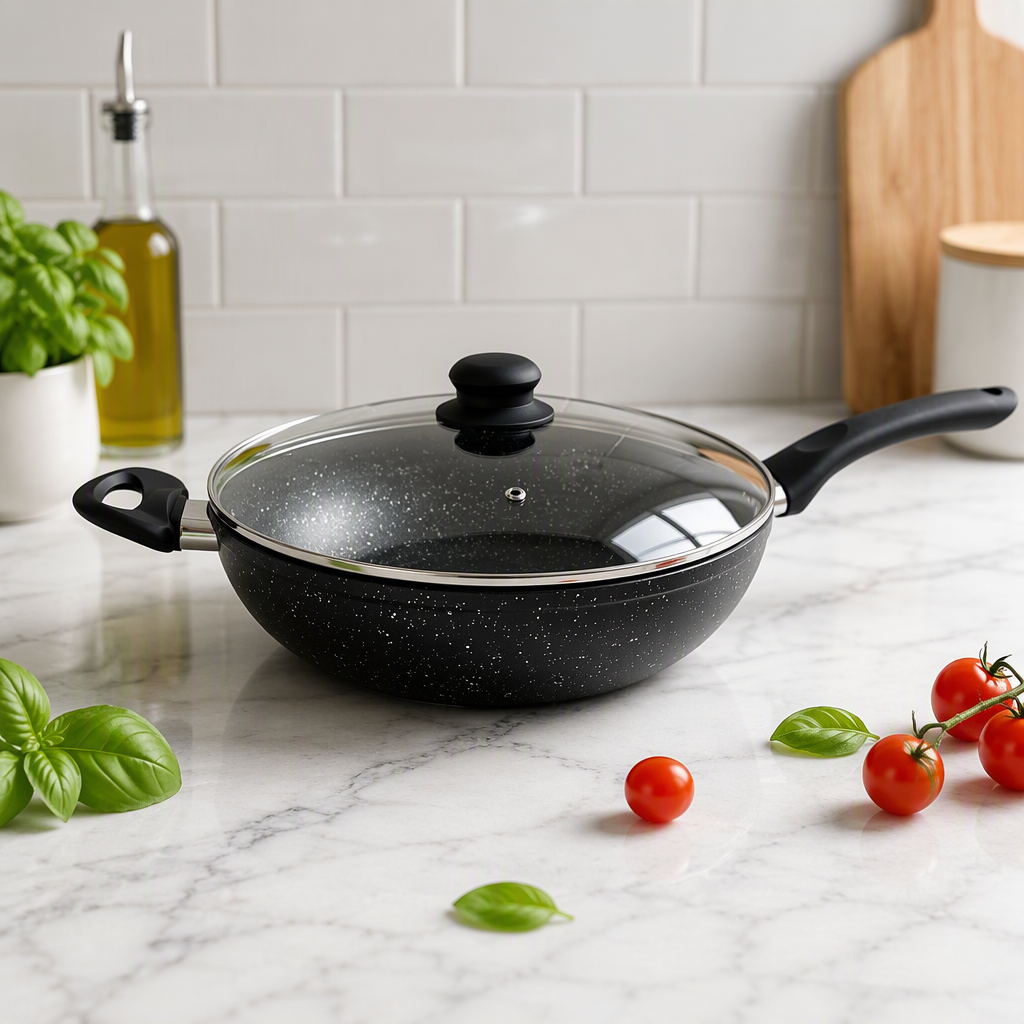
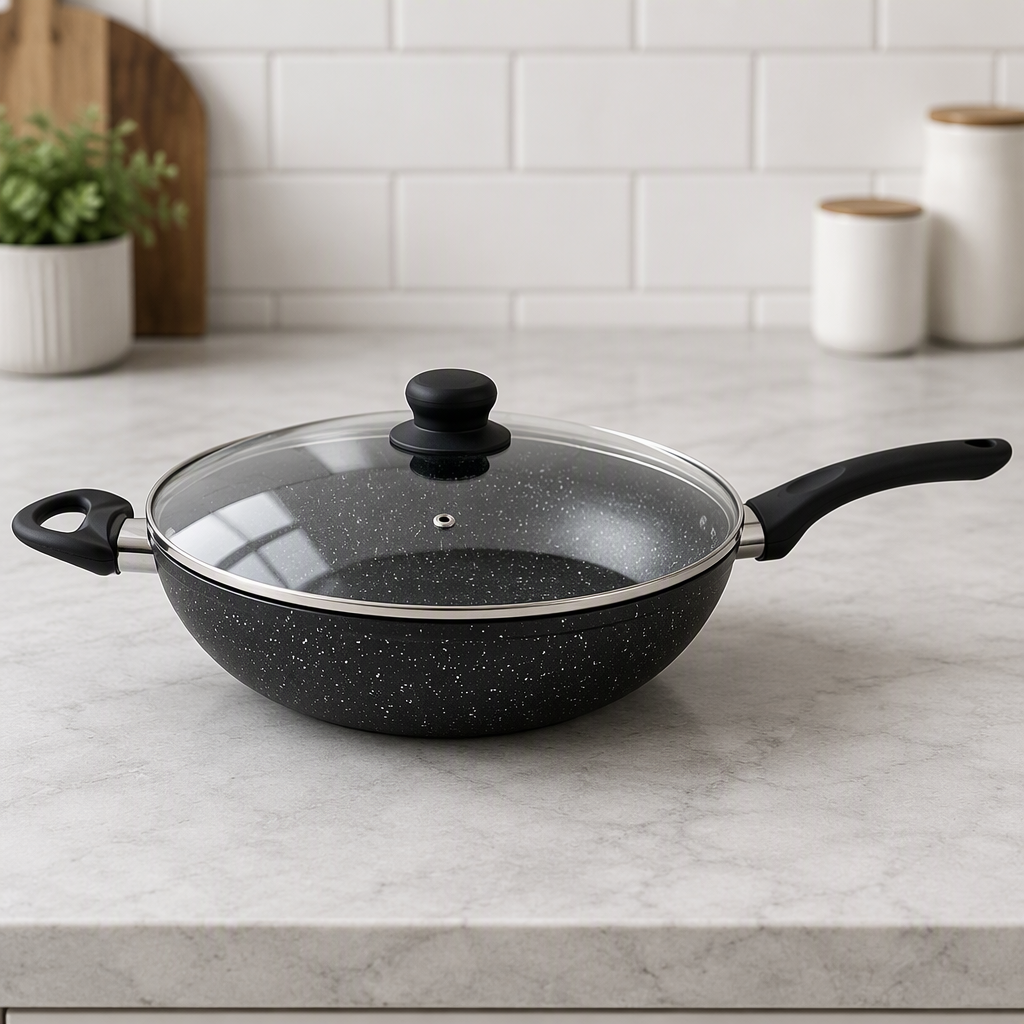
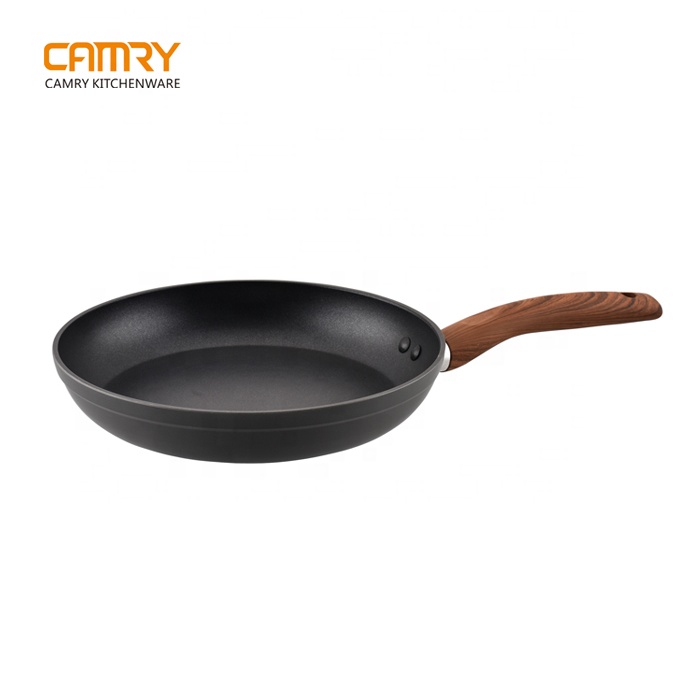
Modern Granite Multi-Function Deep Fry Pan Induction Ready
Technical Whitepaper: Engineering Cookware for the Denver & Rocky Mountain Ecosystem
Procuring commercial-grade cookware and retail private-label lines in the Denver Metropolitan Area and Front Range Urban Corridor presents distinct technical hurdles rarely encountered at sea level. At an elevation exceeding 5,280 feet, atmospheric pressure registers roughly 83 kPa (contrasted with 101.3 kPa at sea level), causing water to boil at approximately 202°F (94.4°C). The rapid evaporation rates and elevated thermal convection environments in Rocky Mountain commercial kitchens require cookware with exceptional heat retention, precise bottom flatness, and micro-engineered thermal diffusion.
As an established cookware manufacturer boasting 20 years of precision production and on-site factory verification by TÜV Rheinland, Zhejiang MEIS Kitchenware Co., Ltd. supplies high-spec forged aluminum, heavy-gauge pressed aluminum, and nitrided carbon steel fry pans tailored directly to retail supply chains, restaurant equipment distributors, and e-commerce brands navigating these rigorous regional demands.
1. High-Altitude Thermodynamic Behavior & Thermal Inertia
In high-altitude culinary environments like Denver, Boulder, and Aurora, lower ambient air density decelerates ambient convective cooling, yet accelerates moisture evaporation from food surfaces. Ordinary thin-stamped aluminum skillets (below 2.0mm) rapidly develop thermal hot spots when moisture flashes off instantly. This leads to scorched pan bases, surface degradation, and uneven searing of proteins such as Colorado bison and Angus cuts. Our engineering solution leverages die-forged aluminum blanks with 3.5mm to 4.5mm variable wall thicknesses, pairing a heavy, warp-resistant foundation with lighter sidewalls to maximize heat distribution across gas and magnetic induction hobs without placing undue strain on busy kitchen staff.
Multi-Layer Thermal Core
Die-forging condenses aluminum grain structure, eliminating micro-porosities and ensuring thermal conductivity up to 205 W/m·K for rapid recovery during heavy cold-food dropping cycles.
PFOA-Free Ecological Matrices
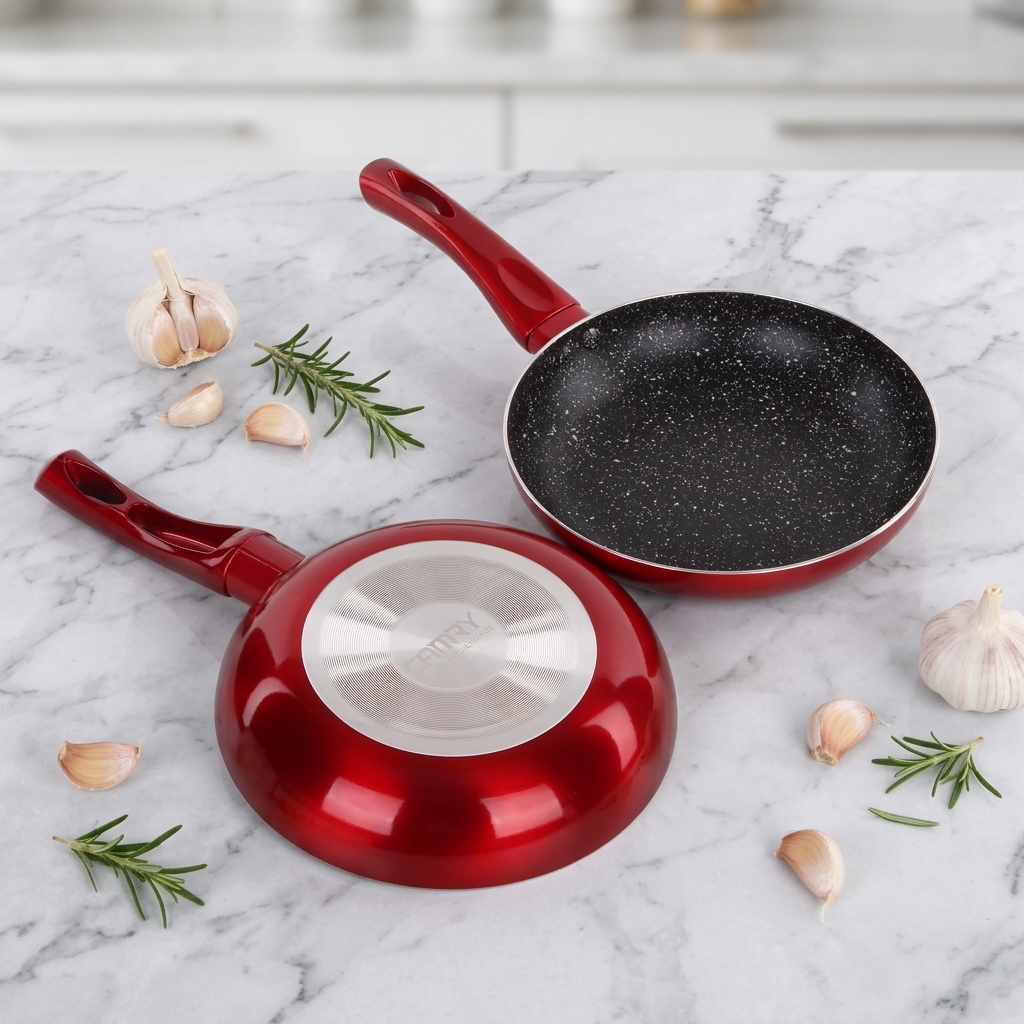
Ceramic sol-gel, granite-infused, and marble speckle matrices cured at 420°C create dense, inert cross-linking that resists thermal shock, acid reduction sauces, and rigorous mechanical dishwasher washings.
Magnetic Induction Convergence
Perforated and full-coverage 430-grade stainless steel magnetic induction base plates are bonded at 400 metric tons of hydraulic pressure, mitigating base warping under intense induction thermal cycles.
Material Metallurgy & Performance Matrix
A data-driven engineering comparison designed for B2B procurement managers and brand developers calculating total cost of ownership (TCO) and warranty claim ratios.
| Evaluation Parameter | Die-Forged Aluminum (MEIS 3.5–4.5mm) | Heavy-Gauge Carbon Steel (Nitrided) | Standard Pressed Aluminum (2.0–2.5mm) |
|---|---|---|---|
| Thermal Conductivity (W/m·K) | 190 – 210 (Exceptional uniform heat) | 45 – 55 (Localized high-heat sear) | 210 – 225 (Fast response, lower retention) |
| High-Altitude Warp Resistance | Class A+ (Tolerates 280°C thermal shocks) | Class A (Exceptional structural strength) | Class B (Designed for standard domestic use) |
| Nonstick Surface System | Reinforced Multi-layer Granite / Ceramic | Gas-Phase Nitrided Rust-Proof Matrix | Dual-Layer PTFE / Eco Ceramic |
| Induction Compatibility | Bonded 430 SS Perforated Base Plate | Naturally Ferromagnetic Base | Optional Stamped Induction Plate |
| Denver Market Positioning | Premium Retail, Direct-to-Consumer Brands | Outdoor Outfitting, Specialty Culinary Retail | Supermarket Volume Programs, Promotions |
Denver Localized Application Scenarios & Market Dynamics
Denver's culinary and retail landscape is undergoing two major structural shifts: an unprecedented commitment to commercial kitchen decarbonization and a surging consumer preference for rugged, multi-environment cookware capable of transitioning between Rocky Mountain backcountry camping and modern urban induction cooktops.
Decarbonization Mandates & Commercial Induction Retrofits
Driven by municipal environmental initiatives and green building updates across Denver and the broader Colorado Front Range, high-volume commercial kitchens and luxury multi-family developments are actively transitioning away from open natural gas ranges toward high-efficiency commercial induction cooktops. Induction cooking transfers energy directly to cookware via alternating magnetic fields, demanding absolute bottom flatness (tolerance <0.15mm) to prevent hob buzzing, thermal hot spot generation, and uneven energy consumption. Our CNC lathe-finished induction base plates ensure full contact and flawless magnetic coupling on commercial-grade Vollrath, Garland, and True Induction systems commonly specified in Colorado hospitality projects.
The "Camp-to-Kitchen" Lifestyle Shift
Colorado consumers maintain an active outdoor lifestyle that bridges indoor cooking with backcountry open-fire preparations. This has spurred robust retail demand for our Nitrided Carbon Steel Skillets and Detachable Handle Forged Fry Pans. Nitriding thermochemically diffuses nitrogen atoms deep into the steel lattice at 550°C, delivering extreme surface hardness (HV > 650) and intrinsic oxidation resistance without chemical coatings that could otherwise blister over high-BTU camp stoves.
Zhejiang MEIS Kitchenware: Direct Manufacturing Authority
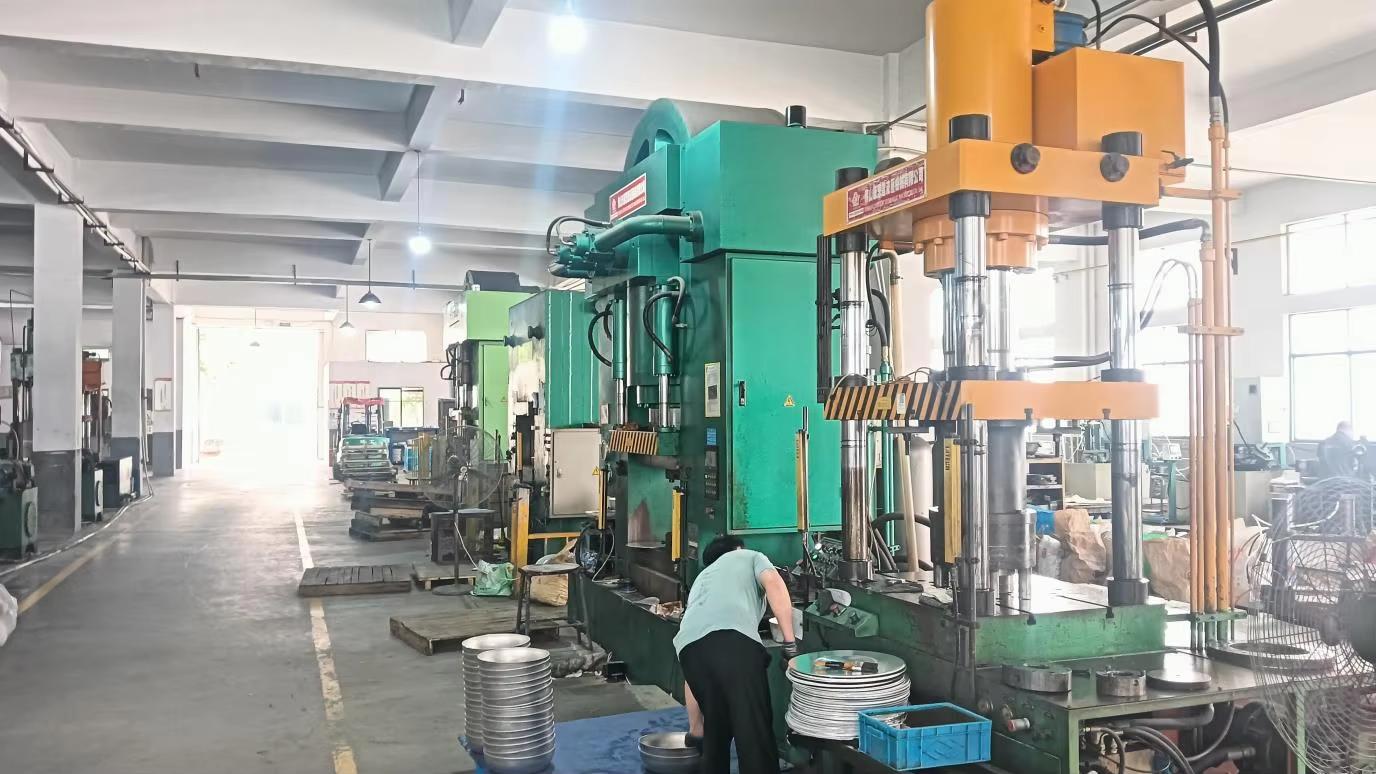
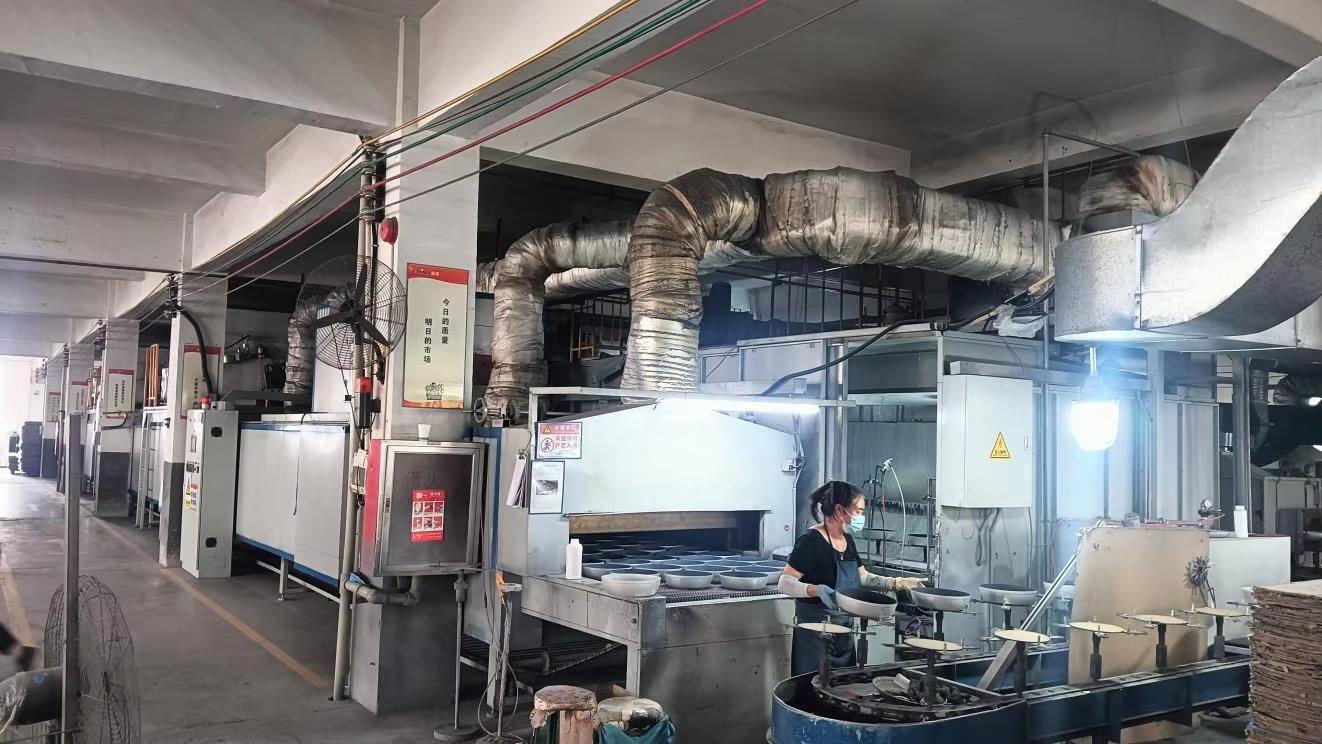
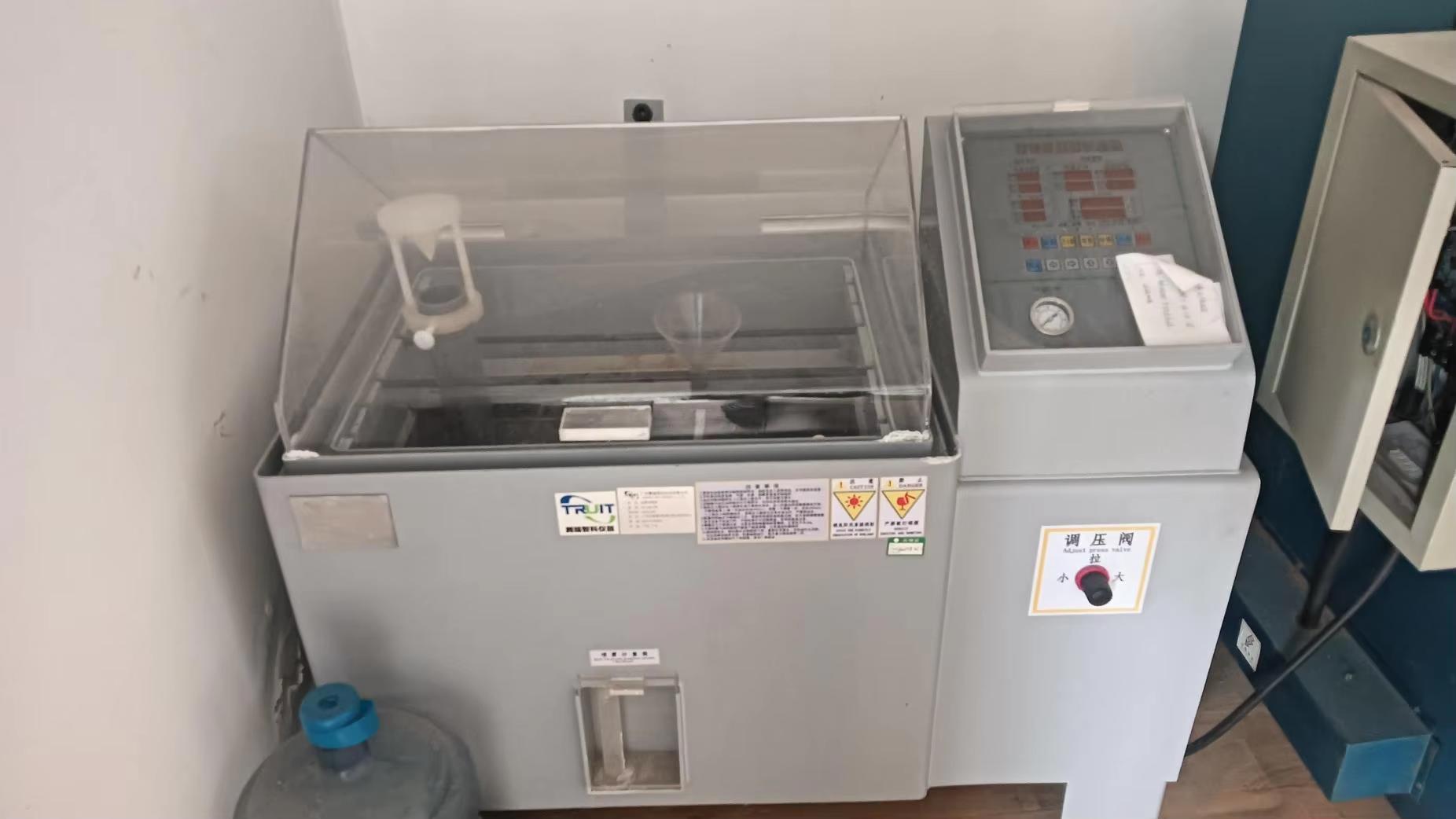
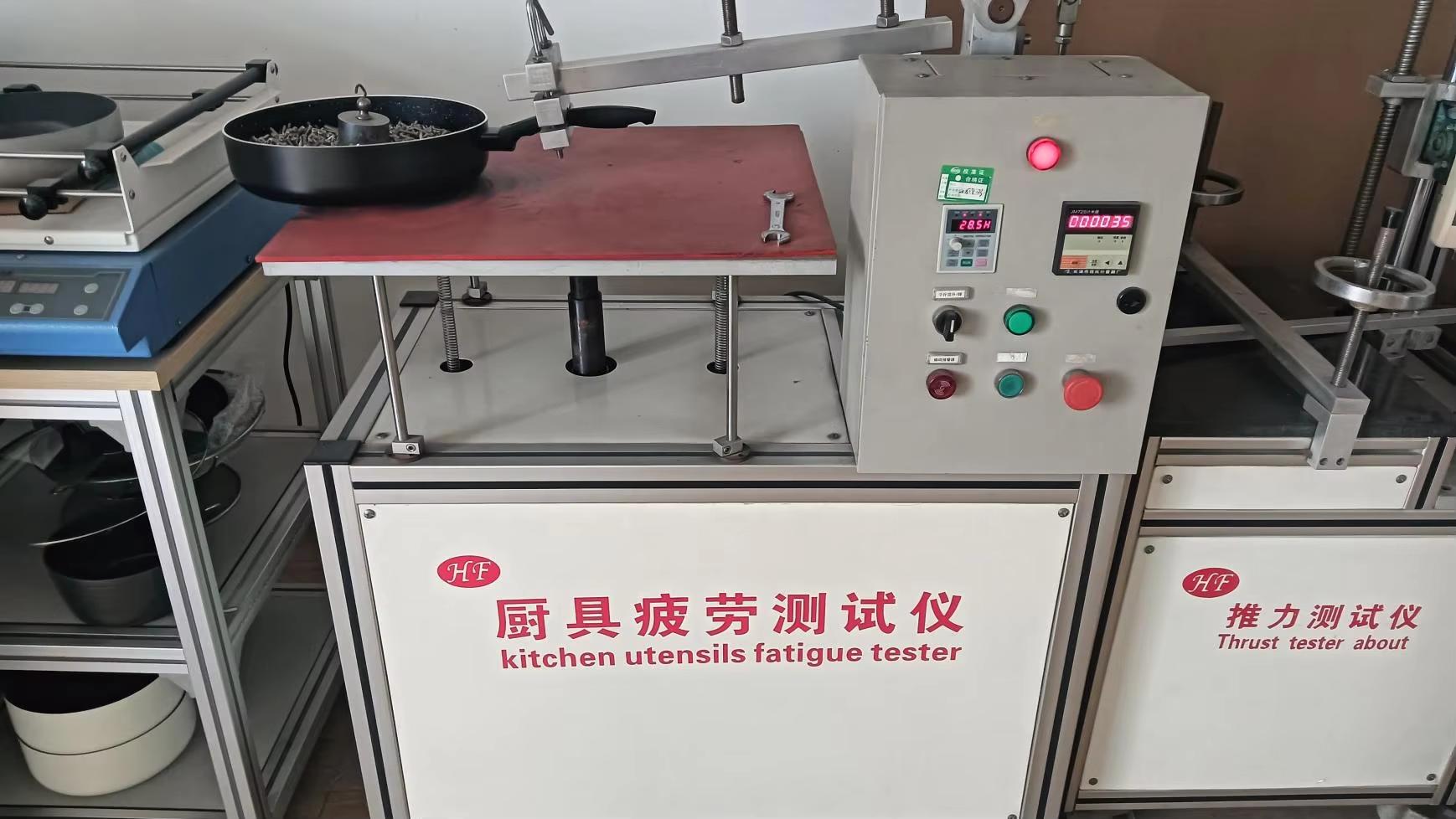
Positioned directly within the hardware and kitchenware manufacturing epicenter of Jinhua, Zhejiang, Zhejiang MEIS Kitchenware Co., Ltd. operates end-to-end stamping, die-forging, surface treatment, nonstick spray coating, handle assembly, and laboratory testing facilities under a unified quality assurance protocol assessed on-site by TÜV Rheinland. Unlike trading agents or intermediary brokers, our 105 verified staff manage production lines that directly control every variable affecting pan longevity, food contact compliance, and structural integrity.
Frequently Asked Questions: Denver Cookware Procurement
Addressing supply chain mechanics, shipping logistics via US Intermodal pathways, and product customization standards.
How do you ship bulk cookware consignments to Denver, Colorado?
Are your nonstick coatings certified compliant with US FDA and Colorado PFAS regulations?
Can we develop custom molds and bespoke handle designs for our private-label cookware brand?
What are the minimum order quantities (MOQs) for custom production runs?
How do forged aluminum pans compare to pressed aluminum in Denver commercial settings?
Streamline Your Cookware Supply Line Directly from the Manufacturer
Connect with our technical engineering and international export desk to request customized OEM/ODM proposals, material sample test packs, or full technical specifications for your brand.