Featured Induction Cookware Lines
Engineered for rapid electromagnetic induction response, high thermal shock resistance, and certified food safety compliance. Recommended for Heredia's retail brands, hospitality providers, and kitchenware importers.
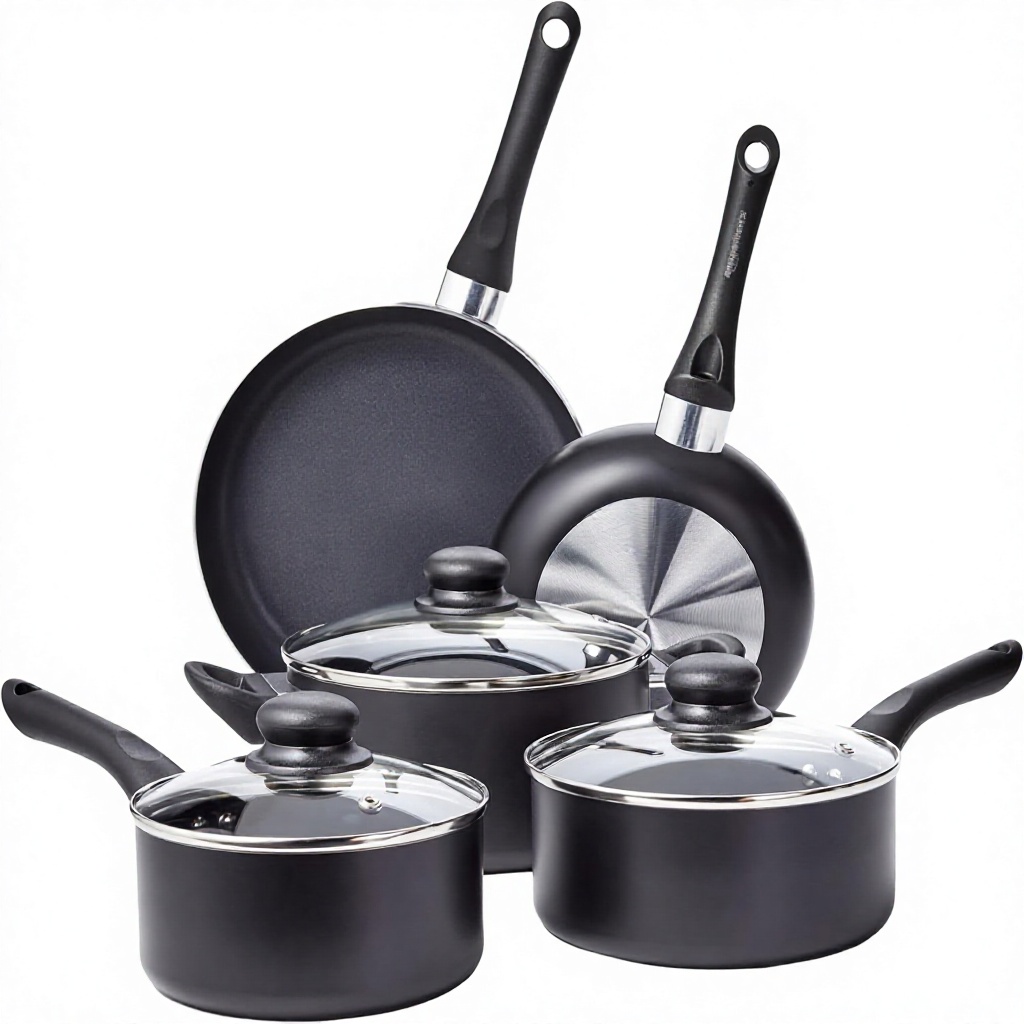
Basics Aluminum Ceramic Non-Stick 8-Piece Cookware Set
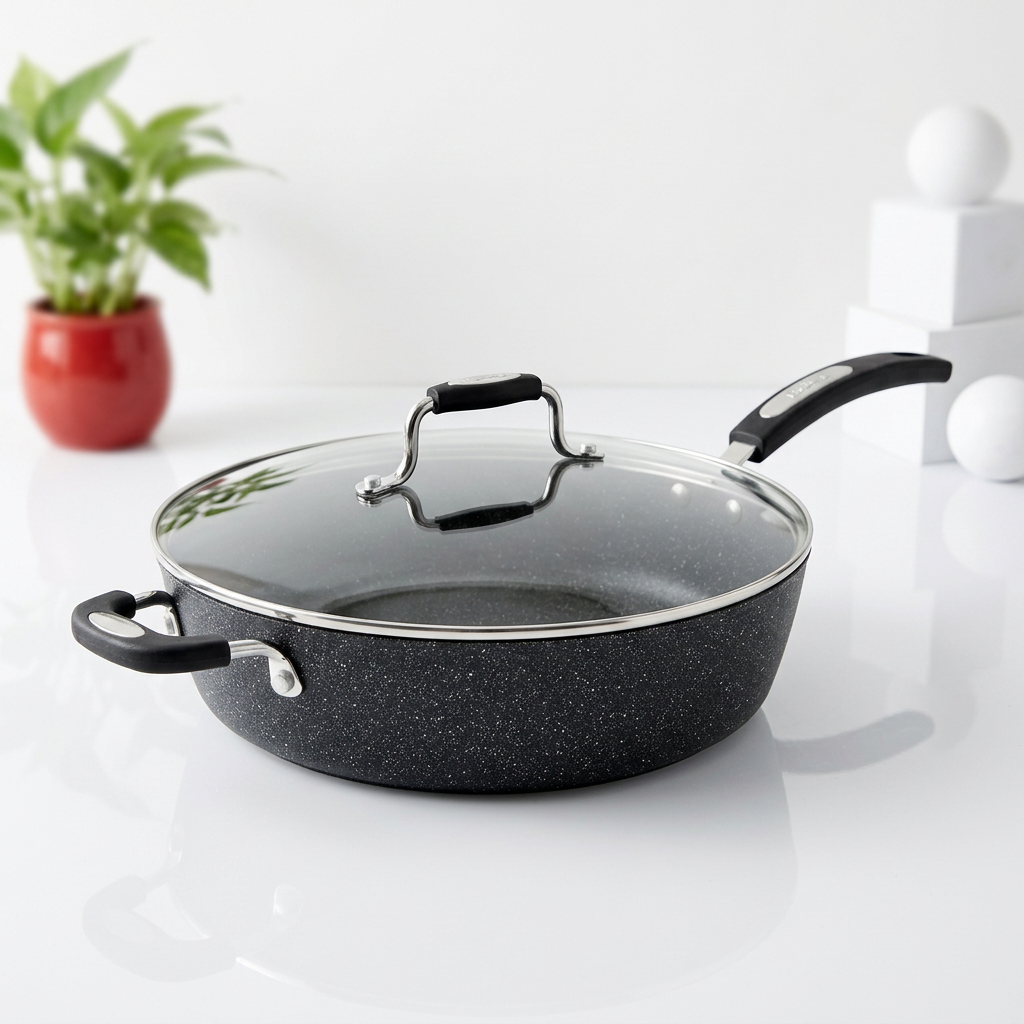
Classic 11 Inch (28cm) Non-Stick Cookware Set Deep Fry Pan
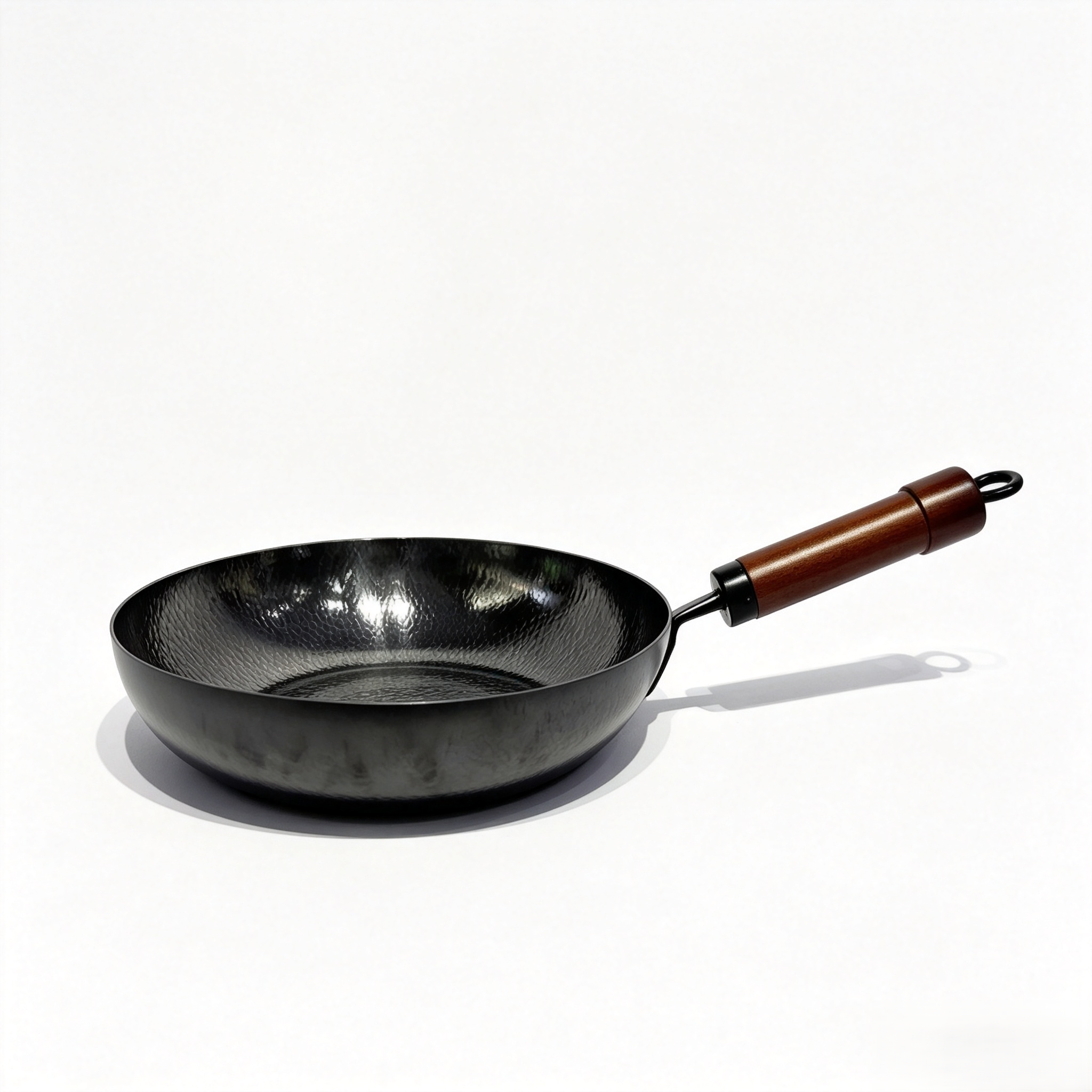
Modern CAMRY Eco-friendly Nitrided Carbon Steel Wok
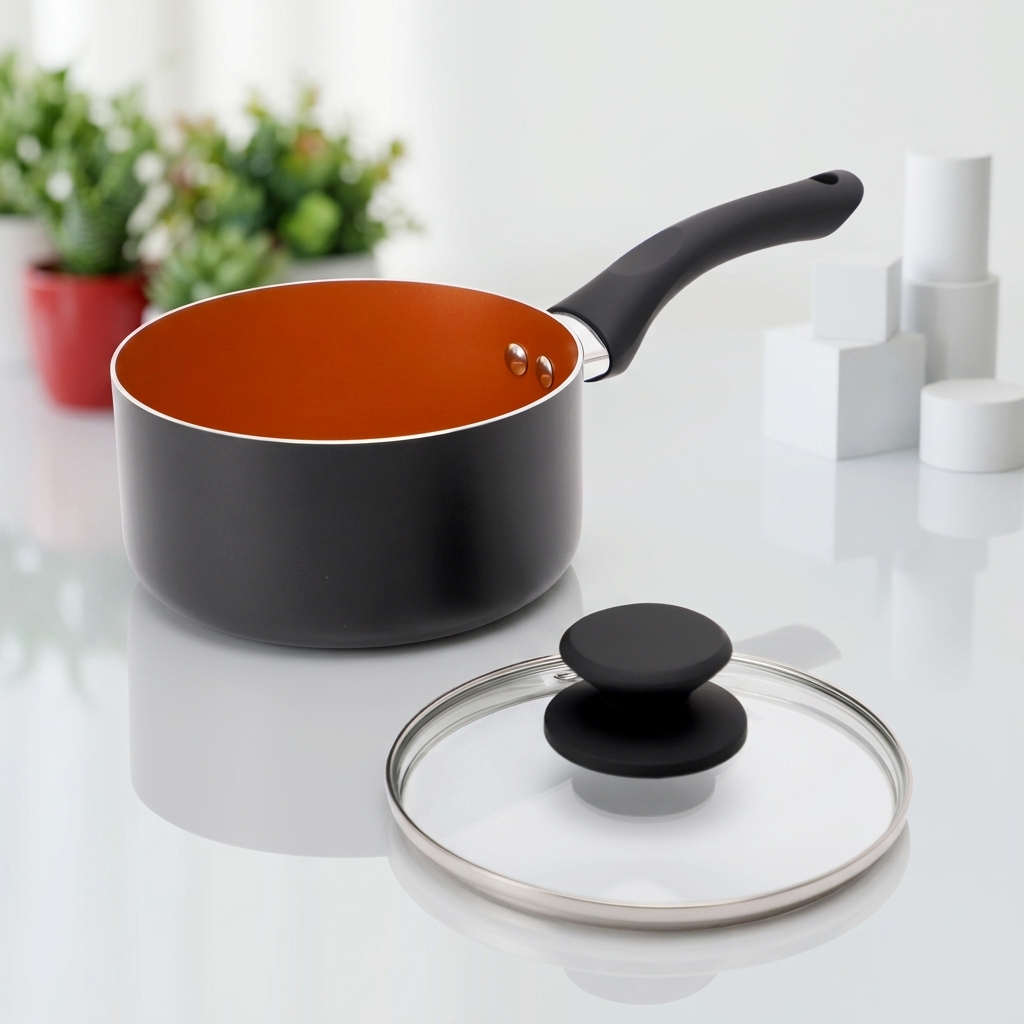
1.5QT Modern Metal Sauce Pan Glass Lid Ceramic Interior
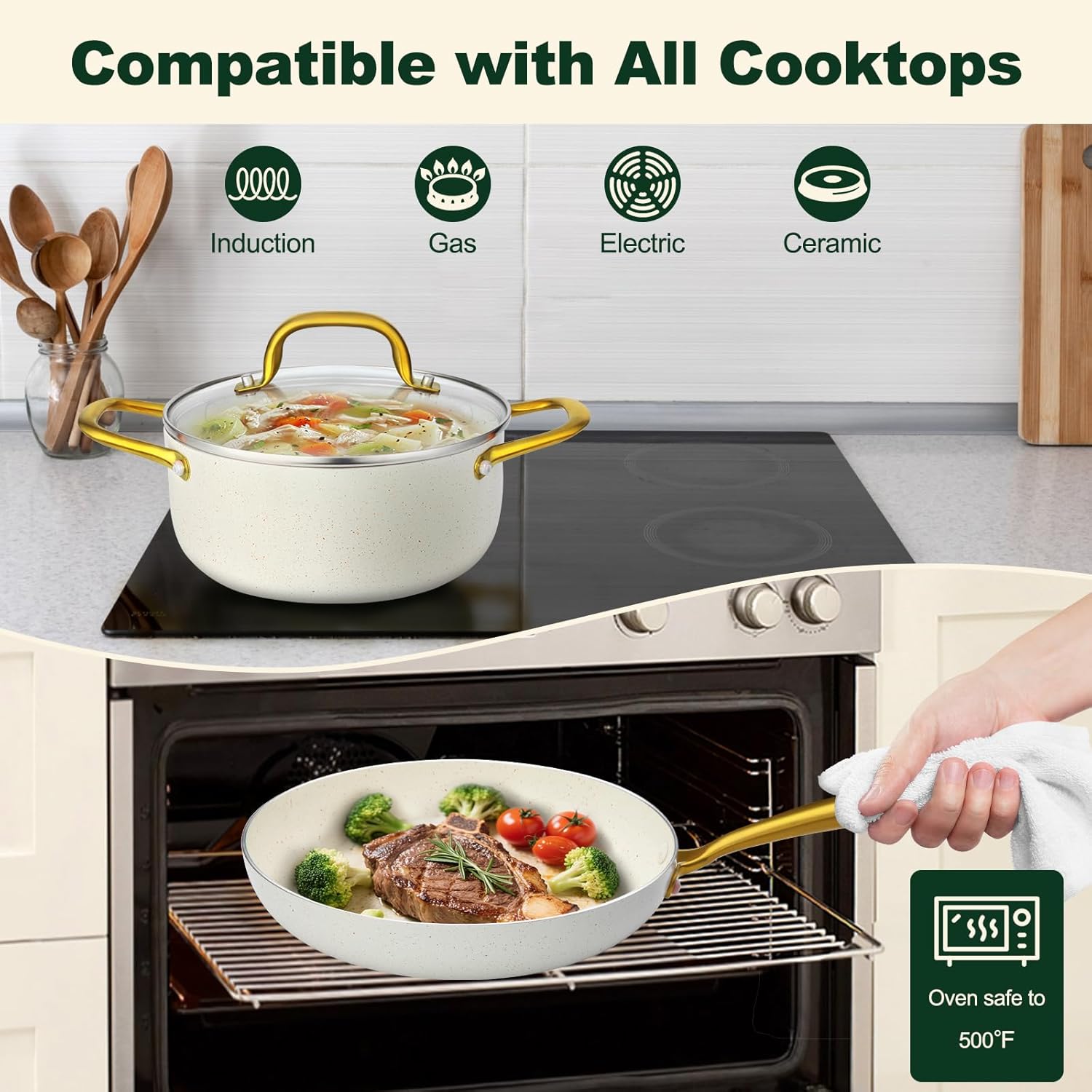
5-PIECE Classic Kitchenware Set PVD Ceramic Coating
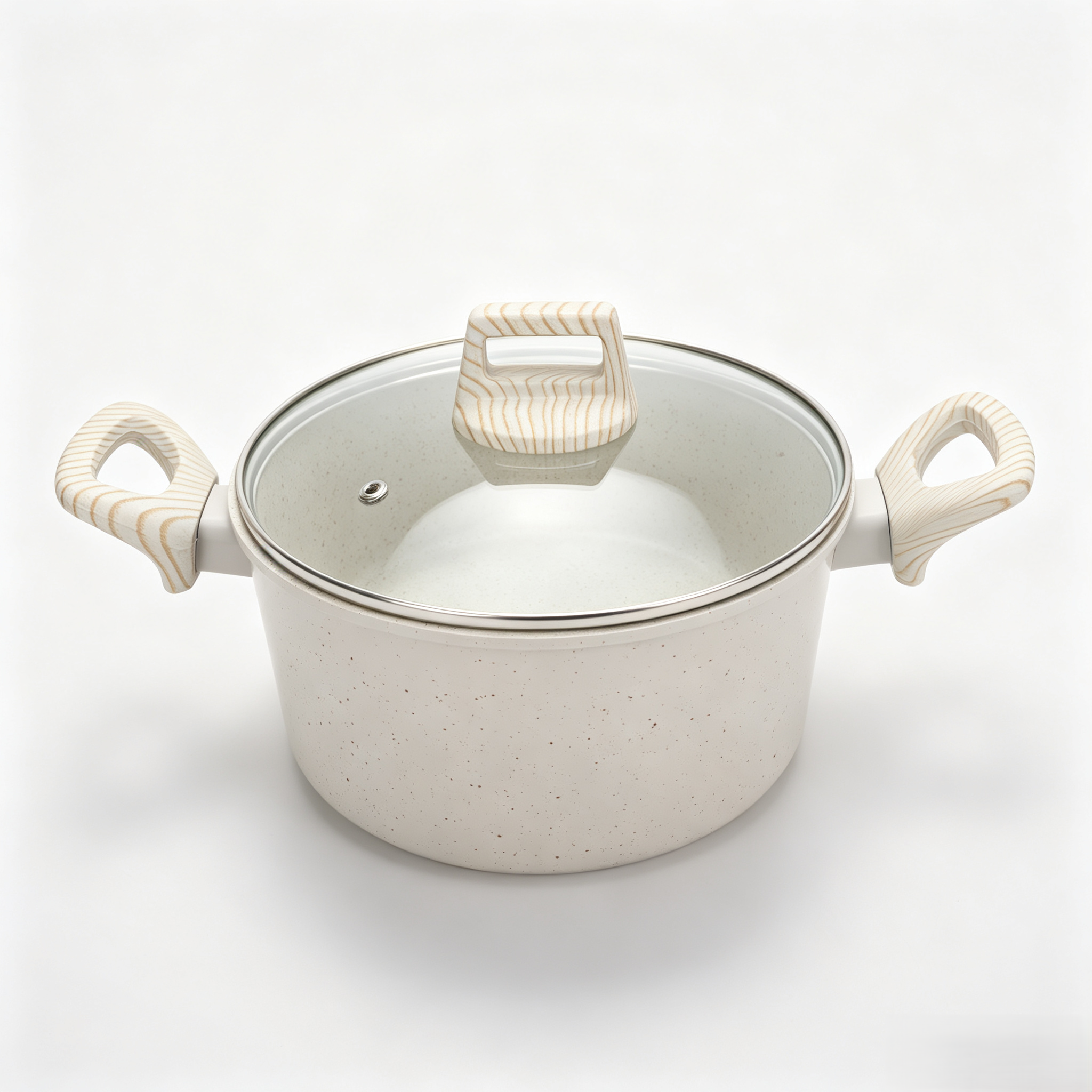
Large Capacity Durable Nonstick Aluminum Casserole Pot
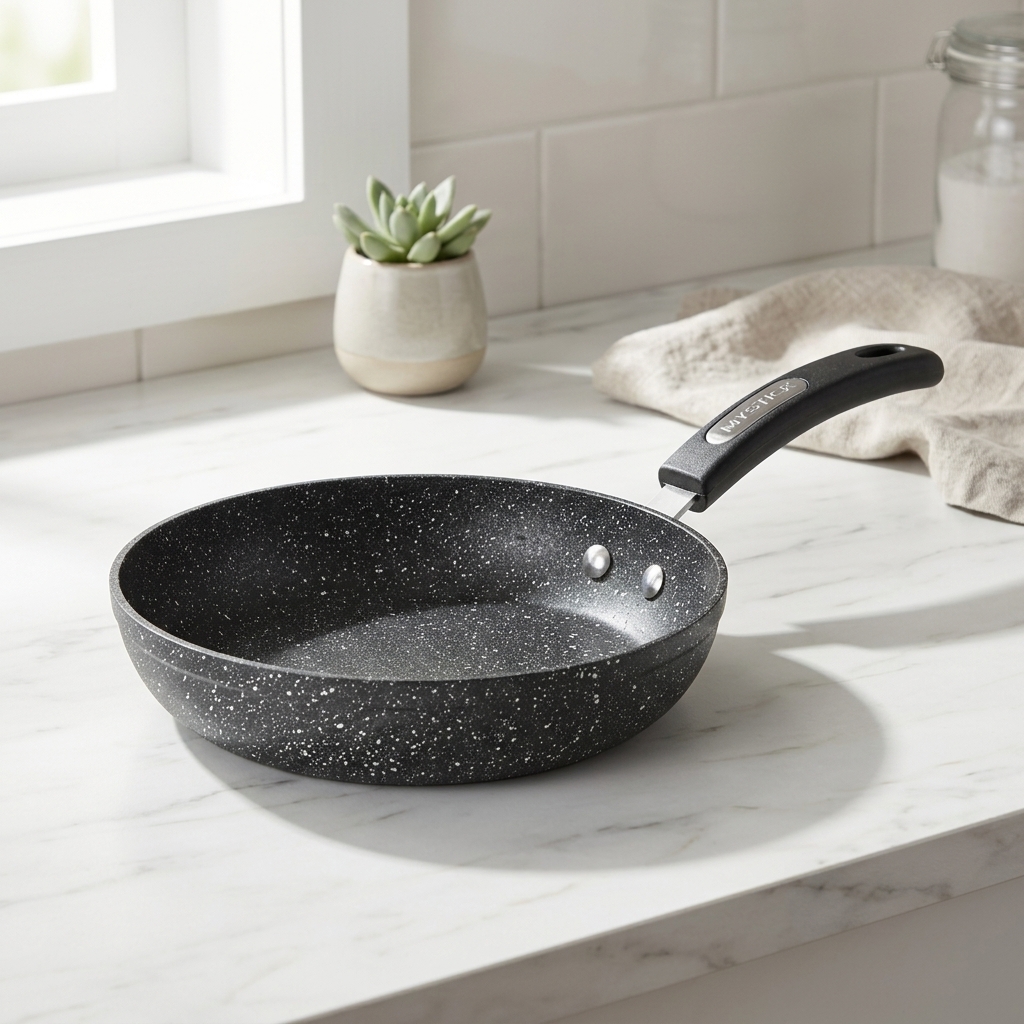
20cm Aluminium Shot Blast Frying Pan & Cooking Pot
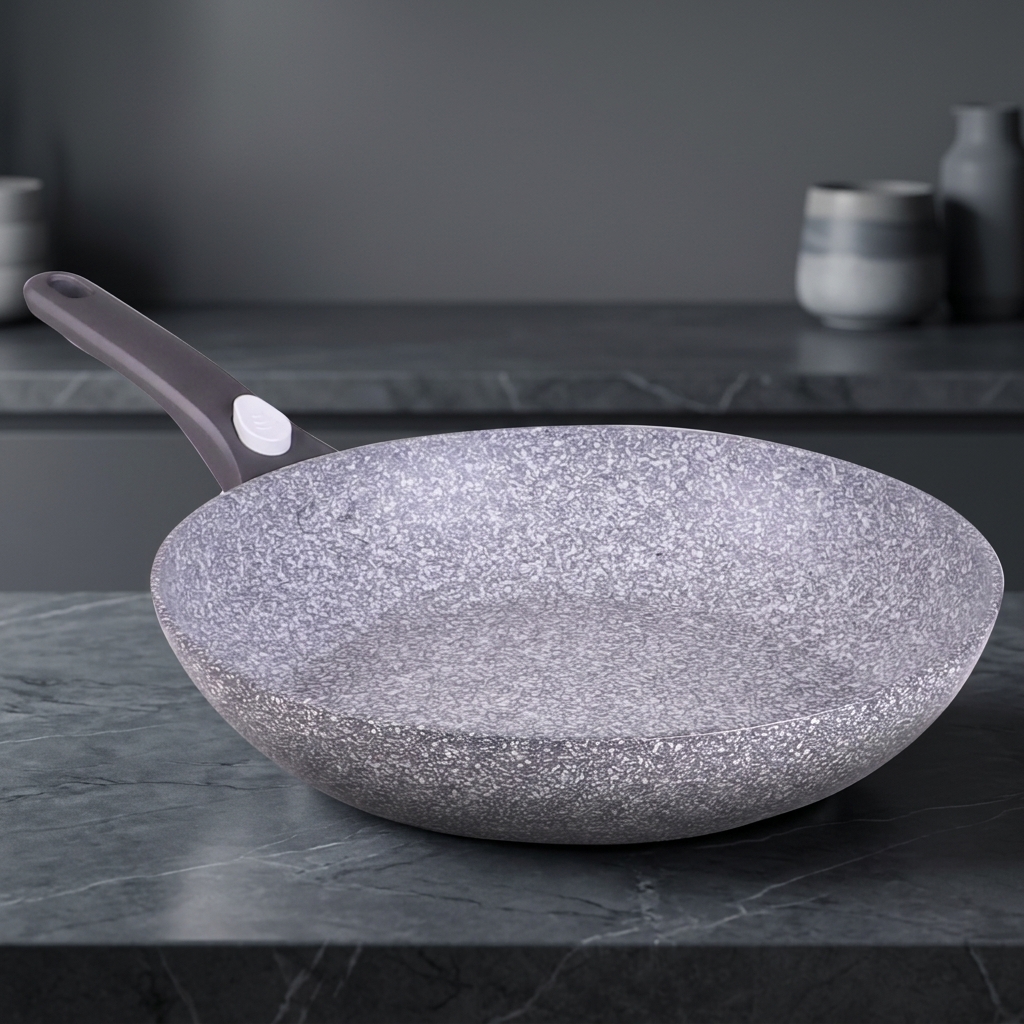
Granite Coating Non-Stick 24cm Fry Pan Detachable Handle
1. Strategic Overview: The Shift Toward Induction Cooking in Heredia, Costa Rica
The province of Heredia, situated at the heart of Costa Rica’s Greater Metropolitan Area (GAM), is undergoing a rapid transition toward energy-efficient, high-technology kitchen environments. Driven by Costa Rica’s national commitment to generating over 98% of its electricity from renewable sources (hydroelectric, geothermal, and wind), both residential developers and commercial hospitality enterprises in Heredia are systematically phasing out liquefied petroleum gas (LPG) in favor of high-efficiency electromagnetic induction stovetops.
From modern high-density residential towers in San Francisco de Heredia and Belén to luxury eco-resorts and boutique restaurants along the slopes of Barva, local buyers are demanding induction-ready cookware that delivers superior energy conversion, rapid heat response, and extreme durability against humid tropical atmospheric conditions. As a TÜV Rheinland on-site verified manufacturer based in Jinhua, Zhejiang, Zhejiang MEIS Kitchenware Co., Ltd. engineered this comprehensive industrial whitepaper to guide Heredia-based importers, distributors, private label brands, and commercial buyers through the metallurgical, thermal, and regulatory considerations essential when sourcing OEM/ODM induction cookware from China.
2. Thermal Engineering & Metallurgical Foundations of Induction Cookware
Induction cooking relies on high-frequency magnetic fields (typically 20 kHz to 50 kHz) generated by copper coils beneath the cooktop glass. These magnetic fields penetrate the ferromagnetic base of the cookware, inducing high-density electric currents (eddy currents) that generate rapid thermal energy directly within the metal via Joule heating. Standard non-magnetic aluminum cannot generate heat on an induction hob unless it is engineered with a specialized magnetic substrate base.
A. Impact-Bonded Stainless Steel Base Plates (SUS430 / 18/0)
For pressed and forged aluminum cookware lines, Zhejiang MEIS Kitchenware utilizes high-pressure impact bonding or friction welding to unite a 430-grade (18/0 magnetic stainless steel) perforated disc to the bottom of the aluminum body. Under thousands of tons of hydraulic pressure, the aluminum flows into the micro-perforations of the stainless steel plate, creating a mechanical lock that prevents base warping, thermal delamination, and air-gap insulation.
- Base Flatness Tolerance: Maintained within <0.25mm across maximum working temperatures to guarantee 100% surface contact with glass hobs.
- Thermal Expansion Coefficient Matching: Engineered disc geometry absorbs linear expansion differentials between AISI 430 steel ($10.4 \times 10^{-6} \text{K}^{-1}$) and 3003 aluminum alloy ($23.2 \times 10^{-6} \text{K}^{-1}$), eliminating base popping or dishing.
B. Carbon Steel: Natural Ferromagnetic Efficiency
Carbon steel cookware, such as our CAMRY nitrided woks and heavy-gauge frying pans, possesses intrinsic magnetic permeability throughout the entire pan body. Carbon steel eliminates the need for a secondary bonded base plate, offering instant electromagnetic excitation, thermal response times under 3 seconds, and a 92% energy efficiency conversion rate—ideal for Heredia's fast-paced commercial kitchens and busy households.
| Substrate Material | Forming Technology | Induction Method | Thermal Efficiency | Warp Resistance | Ideal Heredia Segment |
|---|---|---|---|---|---|
| Pressed Aluminum (3003) | Cold Stamping / Drawing | Perforated SUS430 Disc | 84% - 88% | Standard (2.0 - 2.5mm) | Supermarkets, Retail Gift Sets |
| Forged Aluminum (6061) | High-Pressure Die Forging | Full-Coverage Induction Plate | 89% - 92% | High (3.5 - 4.5mm Rim) | Mid-to-High Retail, E-Commerce |
| Heavy Carbon Steel | Cold Rolling / Nitriding | Intrinsic Ferromagnetic | 92% - 95% | Extreme (Warp-Proof) | Commercial Catering, Asian Fusion |
| Hard Anodized Aluminum | Electrochemical Anodizing | Bonded Stainless Bottom | 88% - 91% | Very High (Scratch Resistant) | Boutique Hotels, Culinary Schools |
3. Coating Science & Resistance to Heredia’s Humid Microclimate
Heredia experiences a tropical highland climate with elevated relative humidity (often exceeding 80% during the rainy season). Moist ambient air combined with salty food exposure during high-temperature frying accelerates corrosion in inferior coatings and unpassivated aluminum substrates. MEIS Kitchenware applies advanced surface prep and coating technologies to ensure long service life:
Sol-Gel Ceramic Systems
Inorganic silicon dioxide ($\text{SiO}_2$) matrix applied via wet-on-wet spray curing at 400°C. Completely free of PTFE, PFOA, PFOS, cadmium, and lead. Resists temperatures up to 450°C without toxic fume degradation.
Granite & Marble Reinforcement
Multi-layer PTFE nonstick reinforced with natural mineral micro-particles. Demonstrates wear resistance exceeding 20,000 cycles under BS EN 12983-1 mechanical abrasion testing.
Thermochemical Nitriding
Gas nitriding treatment at 570°C for carbon steel woks. Nitrogen atoms diffuse into the steel lattice, creating an anti-rust iron nitride layer ($\text{Fe}_4\text{N}$) that eliminates organic coating peeling.
4. Localized Application Scenarios in Heredia's Key Commercial & Retail Sectors
To successfully capture market share in Heredia and the broader Central Valley region of Costa Rica, buyers must align product specifications with specific local end-use environments:
A. Modern Eco-Residential Complexes (Belén, San Real, Barva)
Urban apartment dwellers in Heredia prioritize stackable, space-saving cookware with multi-functional capabilities. Cookware sets featuring detachable click-handles and universal glass lids allow seamless transition from induction stovetop to oven, and directly to the dining table or refrigerator, reducing kitchen cabinet footprint by up to 50%.
B. Eco-Tourism & Hospitality Sector
Heredia’s boutique eco-lodges and hotel restaurants demand heavy-duty forged aluminum casserole pots and deep frying pans with riveted stainless steel handles. These items endure high-frequency dishwashing cycles and thermal shock without handle loosening or coating failure. Compliance with international food contact standards (FDA, LFGB, EU Regulation 1935/2004) is mandatory for institutional purchasing.
C. High-Volume Mass Retail & Department Chains
For large-scale retail distribution across Heredia department stores and supermarket chains, lightweight pressed aluminum cookware sets equipped with soft-touch Bakelite handles offer an attractive price-to-performance ratio. These lines allow volume buyers to deliver high visual shelf appeal (granite effects, pastel ceramic finishes) at competitive landed costs.
5. Quality Assurance Protocols at Zhejiang MEIS Kitchenware Co., Ltd.
Located in the Dongnan Industrial Zone of Jinhua, Zhejiang, MEIS Kitchenware operates state-of-the-art pressing, CNC, cleaning, automated spray coating, assembly, and testing lines under one roof. Our verified factory infrastructure includes comprehensive in-house quality control testing before any batch is cleared for container loading:
- Cross-Hatch Adhesion Test (ASTM D3359): Lattice cutting on nonstick surfaces followed by adhesive tape pull testing to verify zero coating flaking.
- Continuous Salt Spray Testing (ISO 9227): 5% NaCl saline fog exposure for up to 72 hours to ensure substrate passivating and corrosion resistance under humid tropical environments.
- Handle Fatigue & Torsion Load Testing (BS EN 12983-1): Handles undergo 15,000 continuous upward/downward force cycles at full load capacity to guarantee mechanical joint safety.
- Base Flatness Heat Cycle Validation: Pans are heated to 250°C and quenched in cold water repeatedly to prove warp resistance on glass induction tops.
6. Comprehensive Supply Chain & Import Logistics Guide for Costa Rica Buyers
Importing custom OEM/ODM cookware containers into Costa Rica requires structured planning regarding ports, customs classification, and container packing optimization:
- Port Routing: Shipments originate from Ningbo or Shanghai Port, direct-sailing via the Panama Canal to Puerto Limón (Caribbean Coast) for fast overland trucking via Route 32 into Heredia, or to Puerto Caldera (Pacific Coast). Average transit time: 24 to 32 days.
- Customs & Tariff Classification (HS Codes):
- Aluminum Cookware (Pans/Pots):HS Code 7615.10
- Carbon Steel / Iron Cookware:HS Code 7323.99 - Container Payload Optimization: Custom retail color boxes are engineered to maximize 40ft HQ container CBM density, reducing per-unit ocean freight overhead by up to 14%.
Frequently Asked Questions for Buyers in Heredia
Get authoritative answers regarding minimum orders, technical customizations, shipping logistics, and induction compatibility.
Why is induction base flatness particularly critical for hobs sold in Costa Rica?
Induction hobs utilized across Heredia homes and commercial kitchens feature glass-ceramic tops with integrated thermal sensors. If a pan's base warps or bows by even 0.5mm, an air gap is created that reduces magnetic flux coupling, causes localized overheating, and triggers the hob's auto-shutoff safety protocol. MEIS Kitchenware guarantees base flatness within <0.25mm through high-tonnage CNC finishing and thermal stress-relieving processes.
Is MEIS Kitchenware a direct manufacturer or a trading intermediary?
Zhejiang MEIS Kitchenware Co., Ltd. is an on-site verified custom manufacturer located in Dongnan Industrial Zone, Shuxi Street, Jinhua, Zhejiang, China. Our facilities have been independently audited and verified on-site by TÜV Rheinland. We operate complete in-house pressing, die-forging, CNC machining, automated nonstick spraying, handle riveting, and quality testing workshops.
What are the Minimum Order Quantities (MOQ) for custom private label orders?
For full OEM/ODM customization—including custom PVD coating colors, laser-etched brand logos, custom handle molds, and localized retail gift box packaging—standard MOQs range from 1,000 to 1,500 sets (or 2,000 pieces per individual item size). Selected hot-selling fry pans are available in lower trial quantities starting from 500 pieces for initial market testing in Central America.
How do ceramic nonstick coatings compare against granite/PTFE coatings in humid climates?
Both coating systems offer distinct commercial advantages. Sol-Gel Ceramic coatings (PTFE-free) appeal strongly to health-conscious consumers in Heredia looking for eco-friendly, zero-chemical cookware. Mineral-reinforced Granite/Marble PTFE coatings offer exceptional micro-scratch resistance and extended release longevity under heavy daily frying. MEIS supplies both options, certified under FDA and LFGB international food contact standards.
Can carbon steel cookware withstand high moisture levels without rusting in Heredia?
Standard raw carbon steel can rust if left wet in humid environments. However, MEIS CAMRY carbon steel woks undergo high-temperature gas nitriding. This process creates an impermeable nitride barrier ($\text{Fe}_4\text{N}$) integrated directly into the steel surface, dramatically increasing rust resistance, surface hardness, and hydrophobic oil retention without requiring synthetic chemical coatings.
What support is available for Costa Rica import documentation and customs compliance?
We provide full export documentation required by Costa Rica’s Ministerio de Hacienda and customs authorities, including Commercial Invoice, Packing List with detailed net/gross weights and CBM, Bill of Lading (B/L), Certificate of Origin (Form F or General CO), and technical food-contact safety compliance certificates (FDA / LFGB / TÜV test reports).
Partner with a Verified Induction Cookware Manufacturer
Direct factory pricing, complete OEM/ODM engineering support, and reliable containerized delivery serving Heredia, San José, and global markets. Contact our technical sales engineering team today for instant quotes and product samples.