Induction Frying Pan Supplier & Exporter San Francisco Market
Precision-Engineered Cookware for the Bay Area's Rapid Transition to All-Electric, High-Efficiency Commercial & Residential Culinary Standards
Curated Induction Cookware Solutions
Tested against rigorous industrial induction hobs to deliver warp-free thermal performance, clean release, and durability.
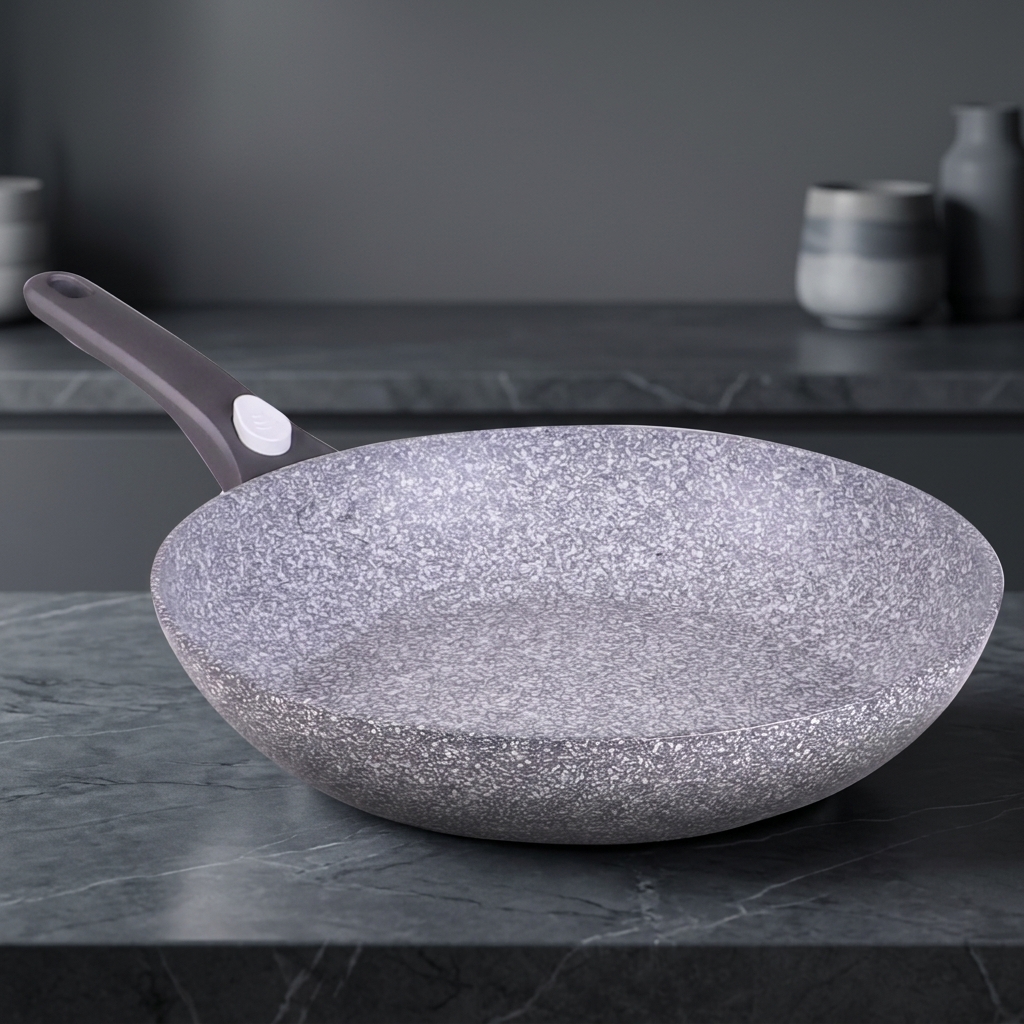
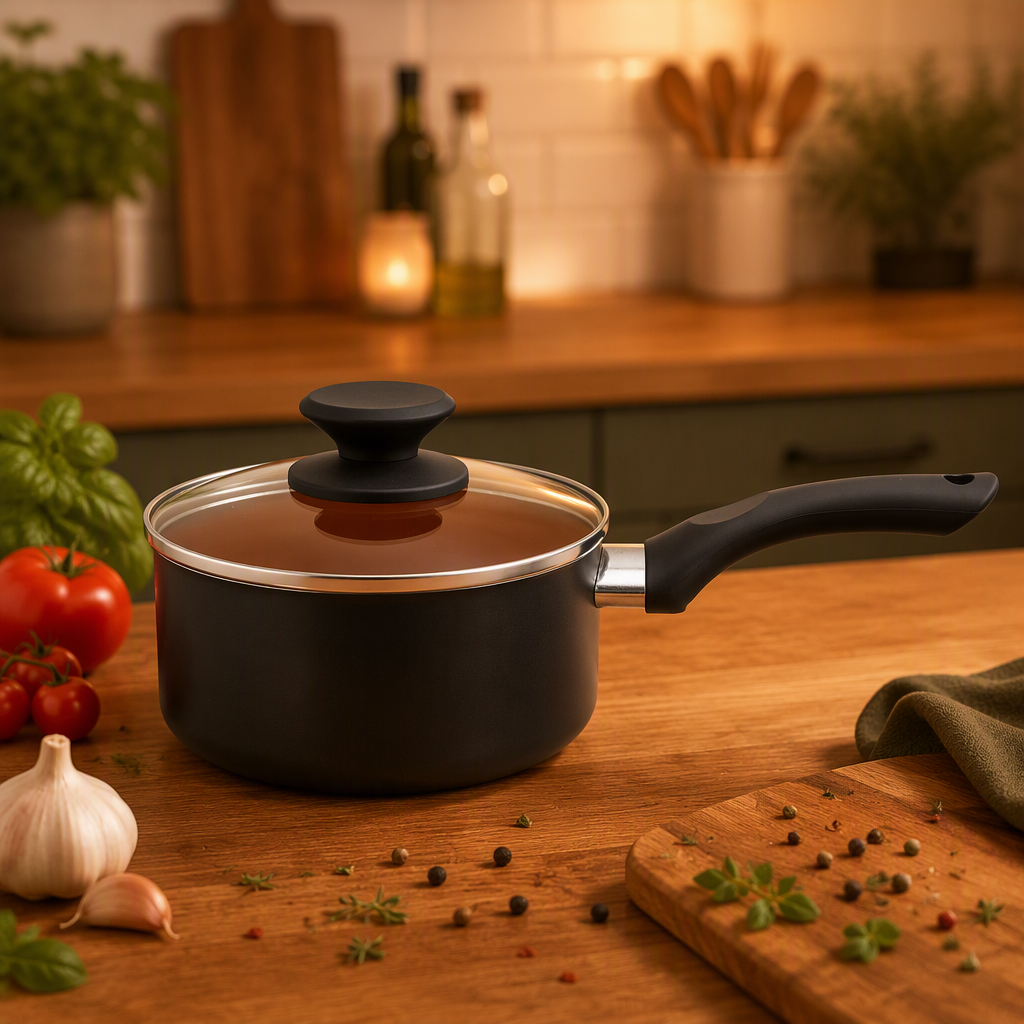
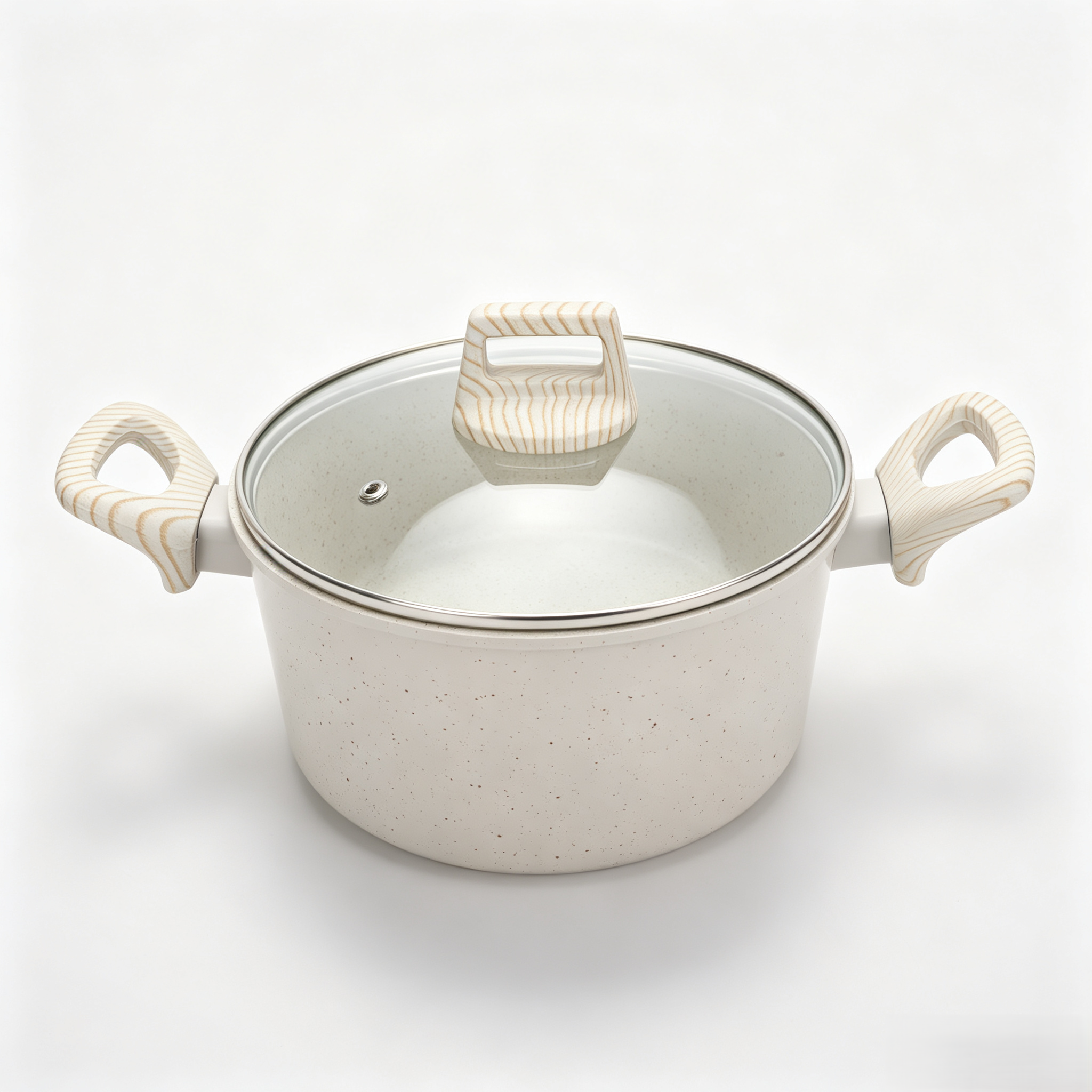
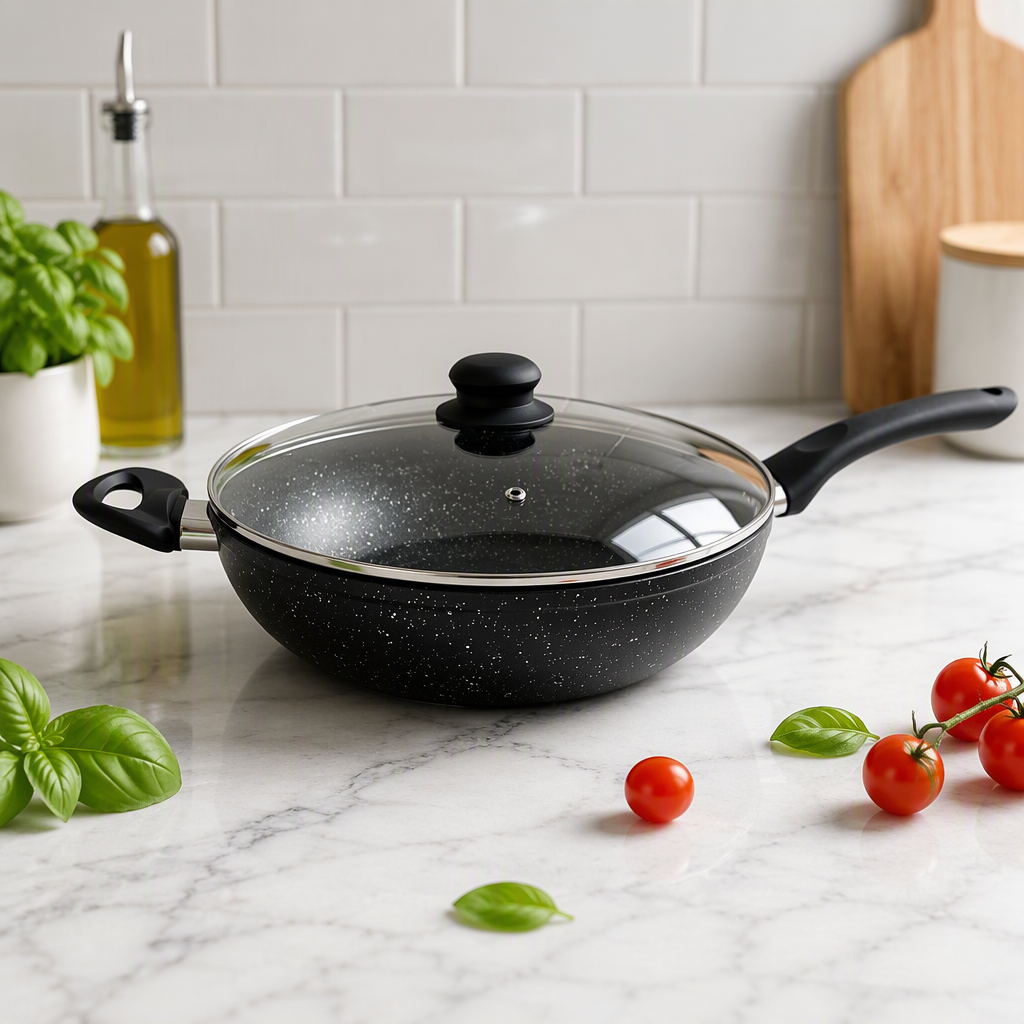
San Francisco Cookware Procurement: The Strategic Electrification Shift
The commercial culinary and residential kitchenware sectors across the San Francisco Bay Area are undergoing a historic transformation. Driven by municipal building codes, commercial kitchen energy standards, and strict residential green-building ordinances, Northern California leads North America in the transition away from fossil fuel gas ranges toward high-frequency commercial induction technology. For institutional buyers, hospitality purchasing directors, supermarket distributors, and direct-to-consumer culinary brands, sourcing high-efficiency induction frying pans is no longer merely a SKU line extension—it is an existential operational requirement.
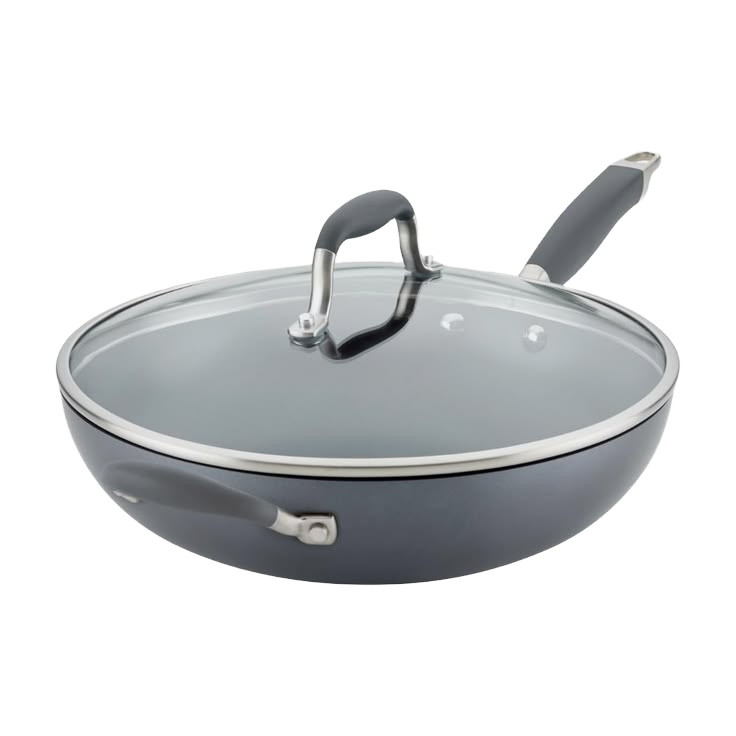
Procuring cookware for the San Francisco market demands profound engineering synchronization. Induction cooktops rely entirely on electromagnetic induction to generate heat directly within the pan's ferromagnetic foundation. Traditional frying pans retrofitted with thin stamped magnetic mesh frequently suffer from catastrophic base warping, buzz resonance, cold spots, and delamination when exposed to the high-wattage induction surfaces common in modern Bay Area developments. Zhejiang MEIS Kitchenware Co., Ltd. addresses these failure points through advanced material science, utilizing heavy-gauge die-forging, high-tonnage thermal stamping, and high-frequency bonded ferritic base plates engineered to maintain planarity down to 0.2 mm tolerances under sustained thermal shock.
Bay Area Operational Scenarios & Technical Stress Profiles
San Francisco's unique intersection of culinary density, high operating costs, and progressive environmental legislation creates distinct localized performance requirements across three major commercial vectors:
High-Throughput Michelin & Farm-to-Table Kitchens
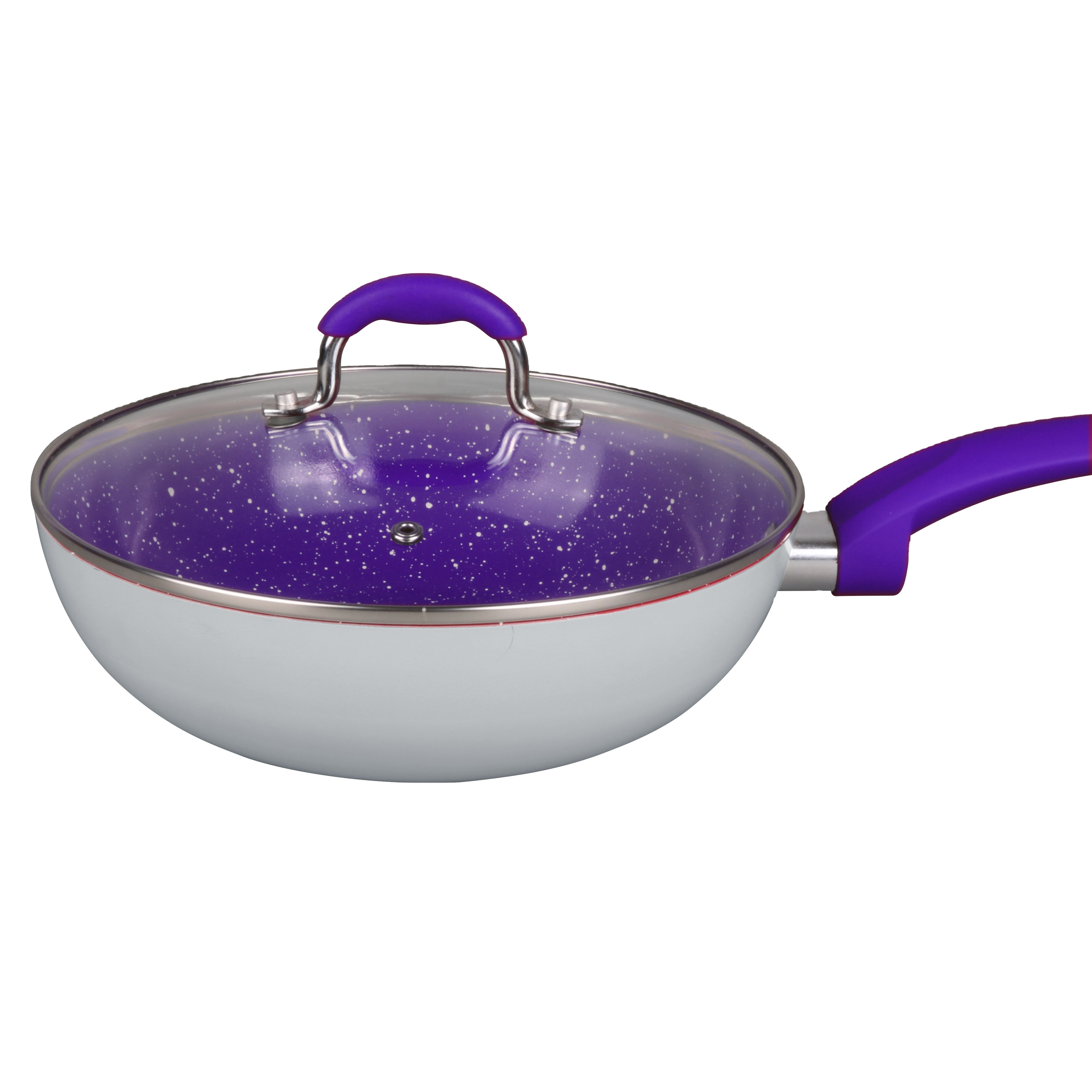
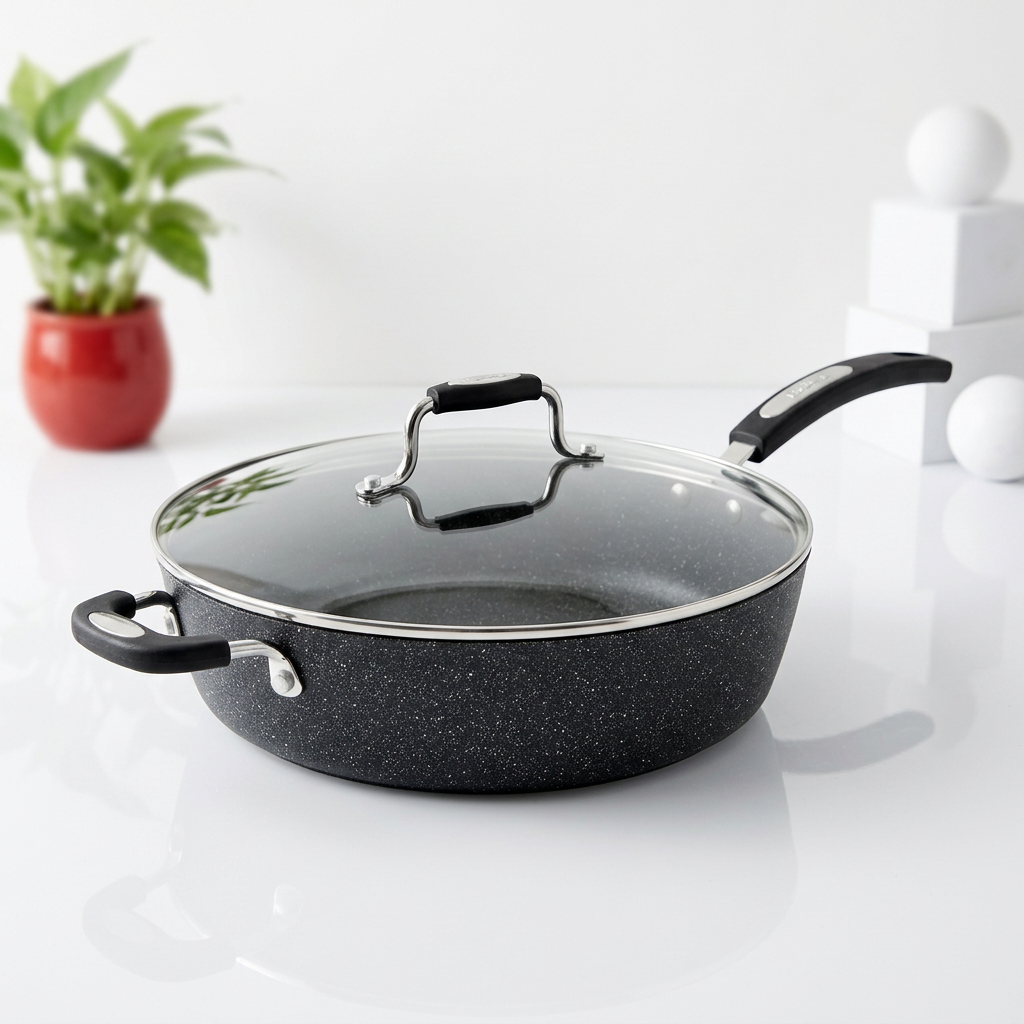
Bay Area boutique restaurants utilize high-density induction surfaces (such as Garland and CookTek) demanding instantaneous thermal responsiveness without regional scorch points. Our forged aluminum cookware lines with reinforced granite and ceramic matrices allow searing, reduction, and quick emulsification without thermal inertia lag, reducing line ticket times.
All-Electric Urban Residential Real Estate
Multi-unit luxury apartments across SoMa, Mission Bay, and South Beach feature mandatory all-electric kitchens. Urban consumers demand compact storage, sleek minimalist aesthetics, and modular flexibility. Our stackable cookware series featuring detachable handles and oven-safe profiles directly solves square-footage constraints in dense modern dwellings.
Fast-Casual Asian & Fusion Concepts
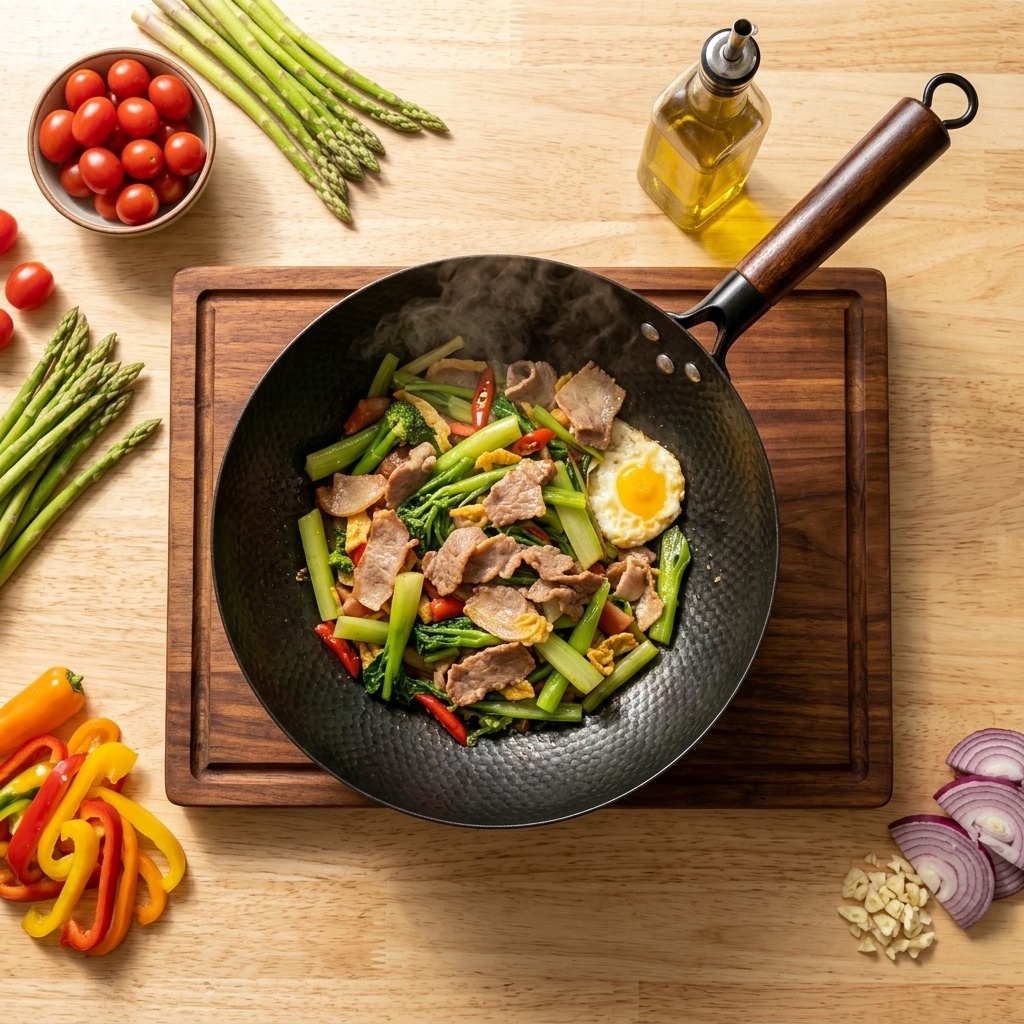
San Francisco and the East Bay harbor a dense ecosystem of wok-centric cuisines. Electrified high-output commercial wok cookery historically presented severe efficiency bottlenecks. Our heavy-gauge 12-inch nitrogen-treated carbon steel flat-base woks provide immediate magnetic coupling, delivering genuine 'Wok Hei' heat profiles on induction coils without warped pan bottoms.
Engineering Matrix: Substrate Performance on Induction Hobs
Selecting optimal substrates requires evaluating structural yield strength, thermal diffusivity, and magnetic flux permeability:
| Evaluation Parameter | Die-Forged Aluminum (Reinforced) | High-Gauge Pressed Aluminum | Heavy-Gauge Carbon Steel |
|---|---|---|---|
| Base Construction | Impact-bonded 430 stainless steel cap (3.5–4.5mm base) | Punched induction mesh plate (2.0–2.8mm base) | Monolithic ferromagnetic body (1.8–2.5mm continuous) |
| Magnetic Flux Coupling | High (Optimized by uniform alloy disc bonding) | Moderate (Suited for medium-frequency residential coils) | Native (Direct coupling, zero efficiency transmission loss) |
| Thermal Warp Resistance | Exceptional (Resists oil canning up to 320°C shocks) | Standard (Calibrated for consumer home applications) | High (Minimal expansion along horizontal planes) |
| Coating Systems | Multi-layer granite, marble speckle, ceramic sol-gel | Ceramic, high-durability PTFE, hard-anodized | Nitrided un-coated, titanium-infused hybrid nonstick |
| Target Retail Class | Boutique specialty, high-end department, e-commerce | Supermarket chains, club stores, volume promotions | Commercial restaurant supply, professional culinary |
Regulatory Mandates & Emerging California Consumer Trends
Sourcing for the California supply chain requires navigating the most stringent consumer safety and environmental protections in the United States. Importers must proactively align manufacturing capabilities with current and upcoming statutory frameworks:
AB 1200 Cookware Disclosure
California Assembly Bill 1200 mandates exhaustive ingredient transparency. All intentionally added PFAS, BPA, lead, cadmium, and designated authoritative list chemicals must be validated and declared on retail packaging and online listings. MEIS operates strict compliance protocols with full third-party assay traceability.
Zero-PFOA & Mineral Ceramic Transition
The Northern California demographic exhibits an overwhelming preference for non-toxic lifestyle cookware. Our mineral-based sol-gel ceramic and granite speckle coatings provide smooth release properties without releasing volatile organic compounds (VOCs) during prolonged high-heat exposures.
Building Decarbonization Mandates
San Francisco's ban on natural gas in new construction continues to accelerate consumer adoption of freestanding and built-in induction units. This creates sustained year-over-year expansion in demand for replacement cookware sets engineered explicitly for magnetic cookery.
Verified Manufacturing Infrastructure & Technical Capabilities
Zhejiang MEIS Kitchenware Co., Ltd. is not a broker, distributor, or trading intermediary. Situated strategically in the Dongnan Industrial Zone, Shuxi Street, Jinhua, Zhejiang, our vertically integrated manufacturing complex spans raw disc stamping, precision CNC lathing, automated multi-stage degreasing, clean-room spray coating application, and handle stress testing under one unified roof.
TÜV Rheinland Audited Quality
- On-site third-party assessed factory facility and capacity
- In-house metallurgical and coating testing laboratories
- Standardized ASTM and ISO cookware endurance procedures
- Rigorous incoming disc metallurgical spectrometer verification
In-House Tooling & Prototyping
- Equipped with high-precision CNC tooling centers and mold lathes
- Fast-track ODM design-to-sample pipeline (CAD/CAM in days)
- Customized ergonomic handles, helper handles, and rim profiles
- Proprietary tooling for anti-warp induction base stamping
Comprehensive Testing Equipment
- Handle Fatigue & Thrust Testers: Repeated dynamic shock loads
- Handle Torsion Testers: Verifying zero looseness on rivet/weld
- Salt Spray Chambers: Corrosion barrier validation across coatings
- Thermal Shock & Cure Ovens: Base flatness verification post-shock
Frequently Asked Questions for California Buyers
Key commercial and technical considerations addressed by our engineering and export compliance divisions:
Q: How do you ensure cookware bases do not buzz or hum on Bay Area induction cooktops?
A: Induction humming is caused by micro-vibrations when thermal bonding between the magnetic base disc and aluminum body contains micro-voids. We apply 2,500+ tons of hydraulic force during impact-bonding and maintain CNC flatness tolerances below 0.2 mm, ensuring acoustic stability on high-end hobs like Bosch, Wolf, and Miele.
Q: Are all coatings fully compliant with California AB 1200 and Prop 65?
A: Absolutely. We provide formal third-party laboratory test certificates (SGS/TÜV) certifying zero intentionally added PFAS, PTFE (for ceramic lines), PFOA, lead, or cadmium. We also assist private-label buyers in drafting compliant packaging disclosure panels and mandatory web listing verbiage.
Q: What are your standard Minimum Order Quantities (MOQ) for private label runs?
A: Standard production runs for customized cookware sets and fry pans range from 1,000 to 3,000 pieces per size/mold. However, to support market testing, boutique private labels, or regional pilot launches, selected inventory molds are available starting from 50 to 500 units.
Q: What is the logistics timeline from the Jinhua factory to the Port of Oakland?
A: Our Jinhua factory is located near Ningbo and Shanghai ports. Standard ocean freight to the Port of Oakland typically spans 14 to 18 transit days. Our standard mass production lead time is 35 to 45 days post-sample approval, enabling dependable quarterly inventory replenishment cycles.
Q: Do you offer customization for multi-family residential housing development packages?
A: Yes. We collaborate with Bay Area developers, hospitality procurement firms, and property managers to manufacture uniform, stackable induction cookware starter packages equipped with space-saving detachable handles and heavy-gauge construction that withstands tenant use.
Q: Can our team commission independent third-party inspections prior to dispatch?
A: Yes, we welcome third-party pre-shipment inspections (such as SGS, Bureau Veritas, or QIMA) to verify batch coating thickness, cross-hatch adhesion, base planarity, and carton drop-test parameters before final container dispatch.
Empower Your Induction Cookware Line
Consult with our engineering team to develop high-efficiency, fully compliant cookware tailored for retail, commercial, or private-label distribution in the Northern California market.
Contact Us