Export Solutions for Lazio & Central Italy
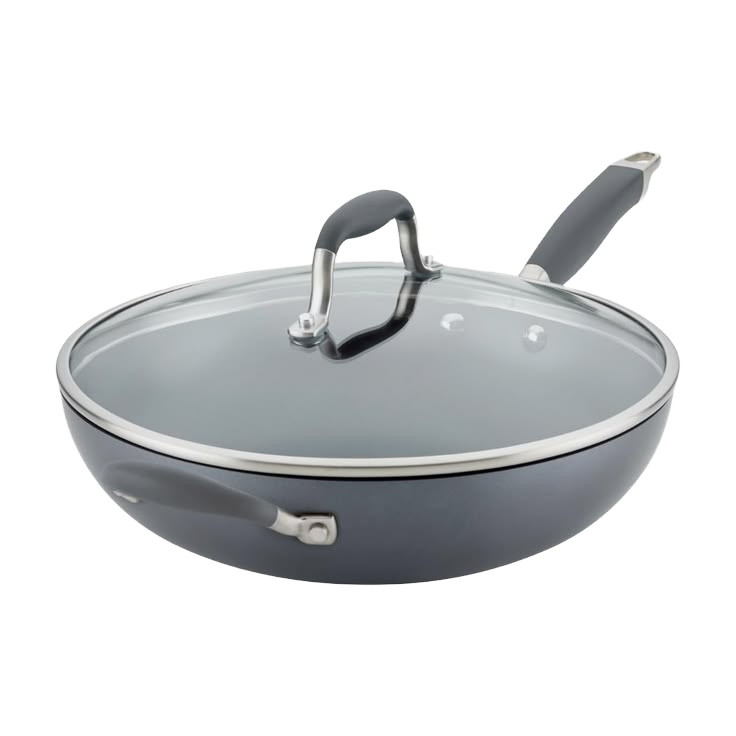
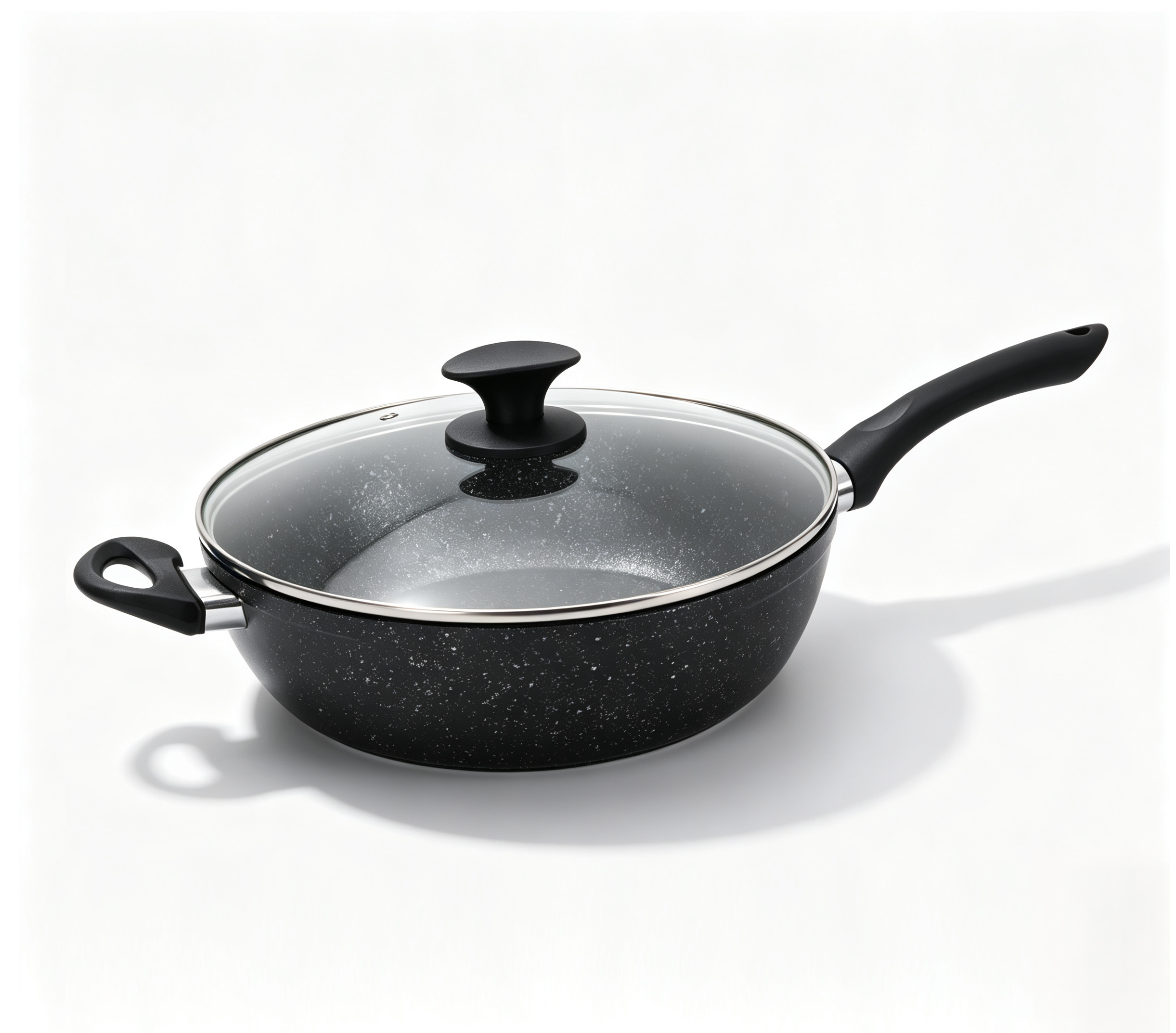
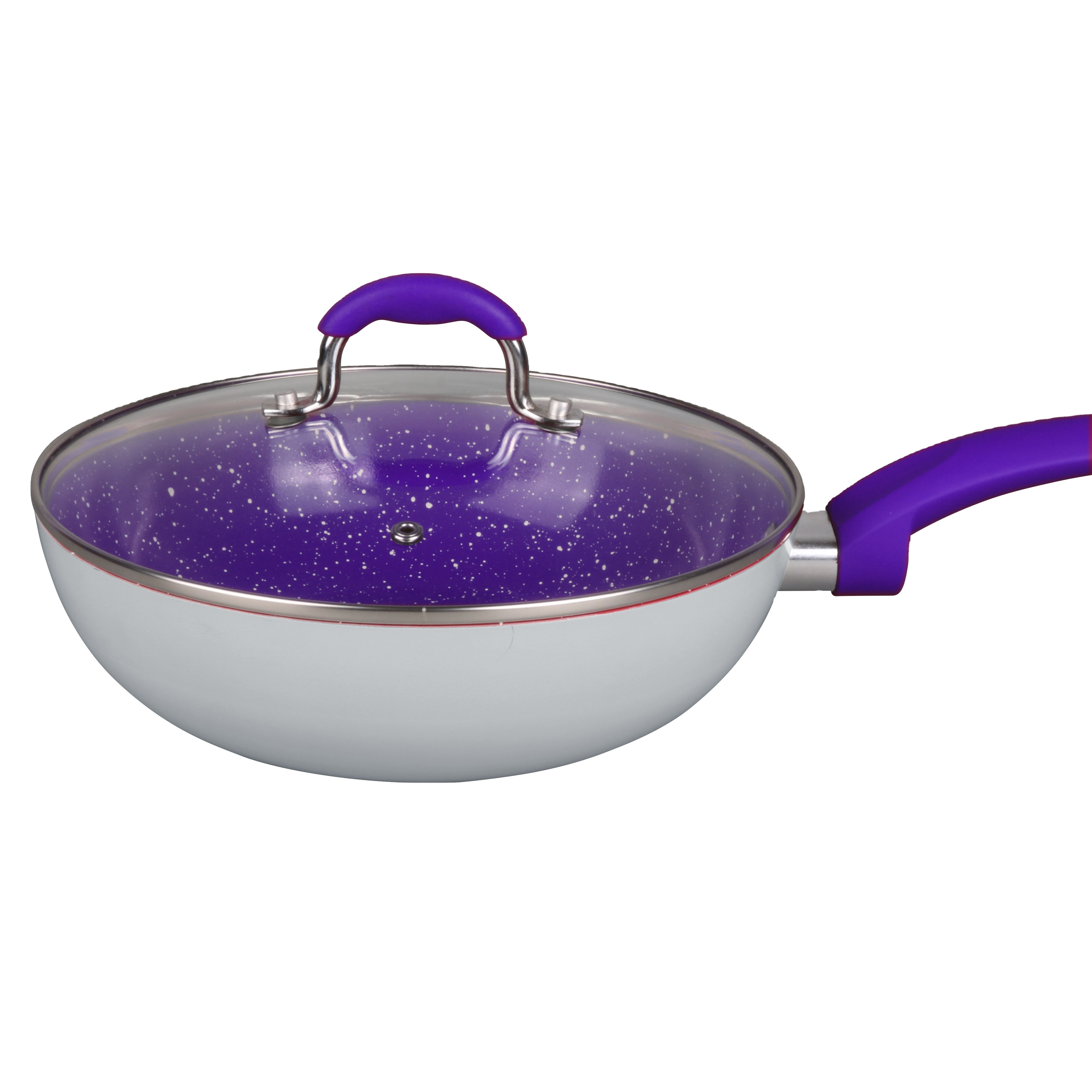
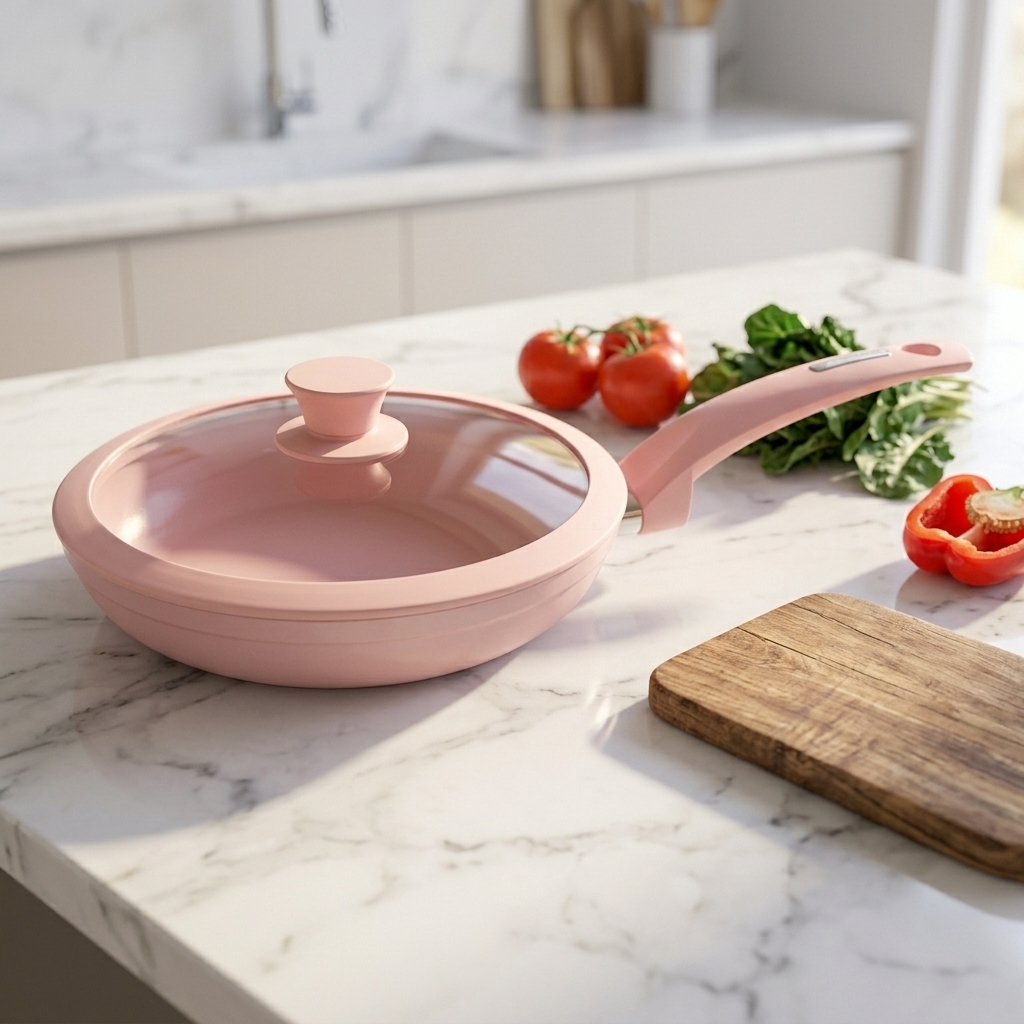
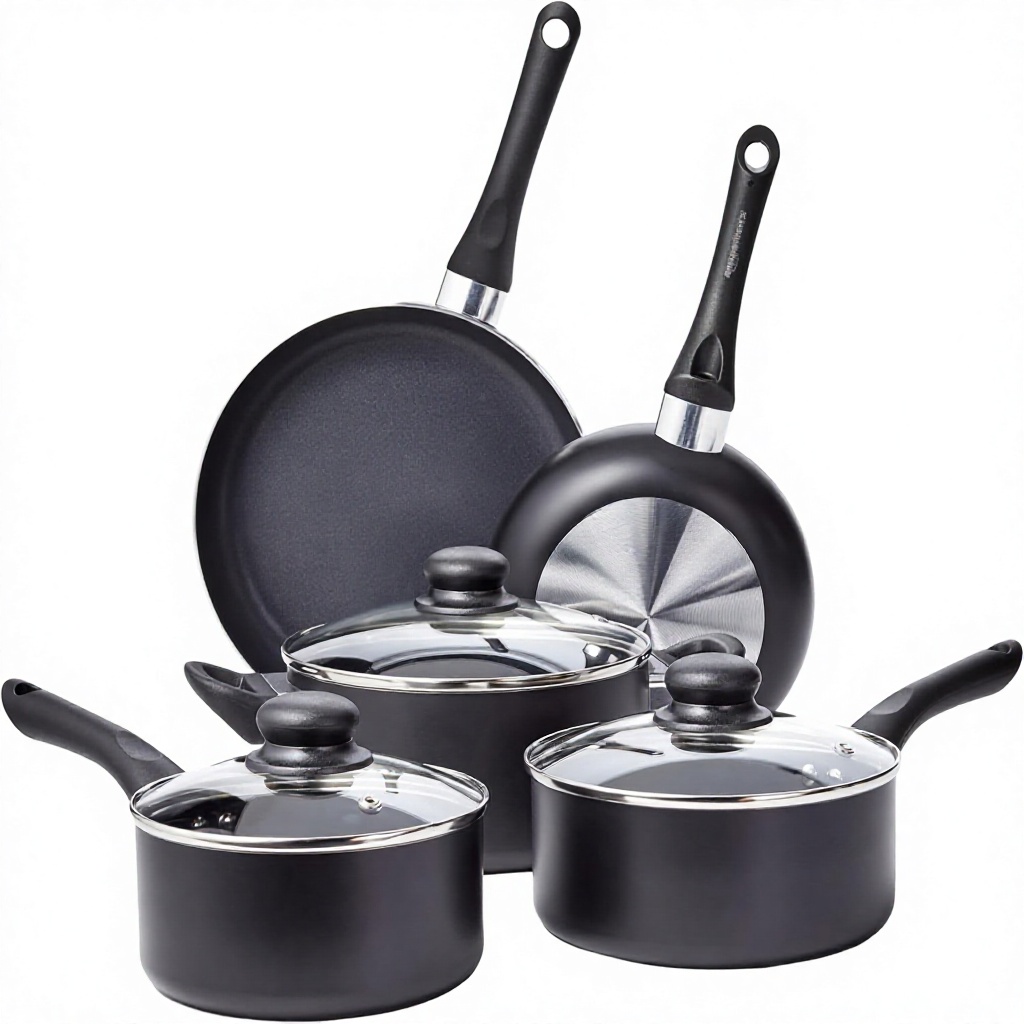
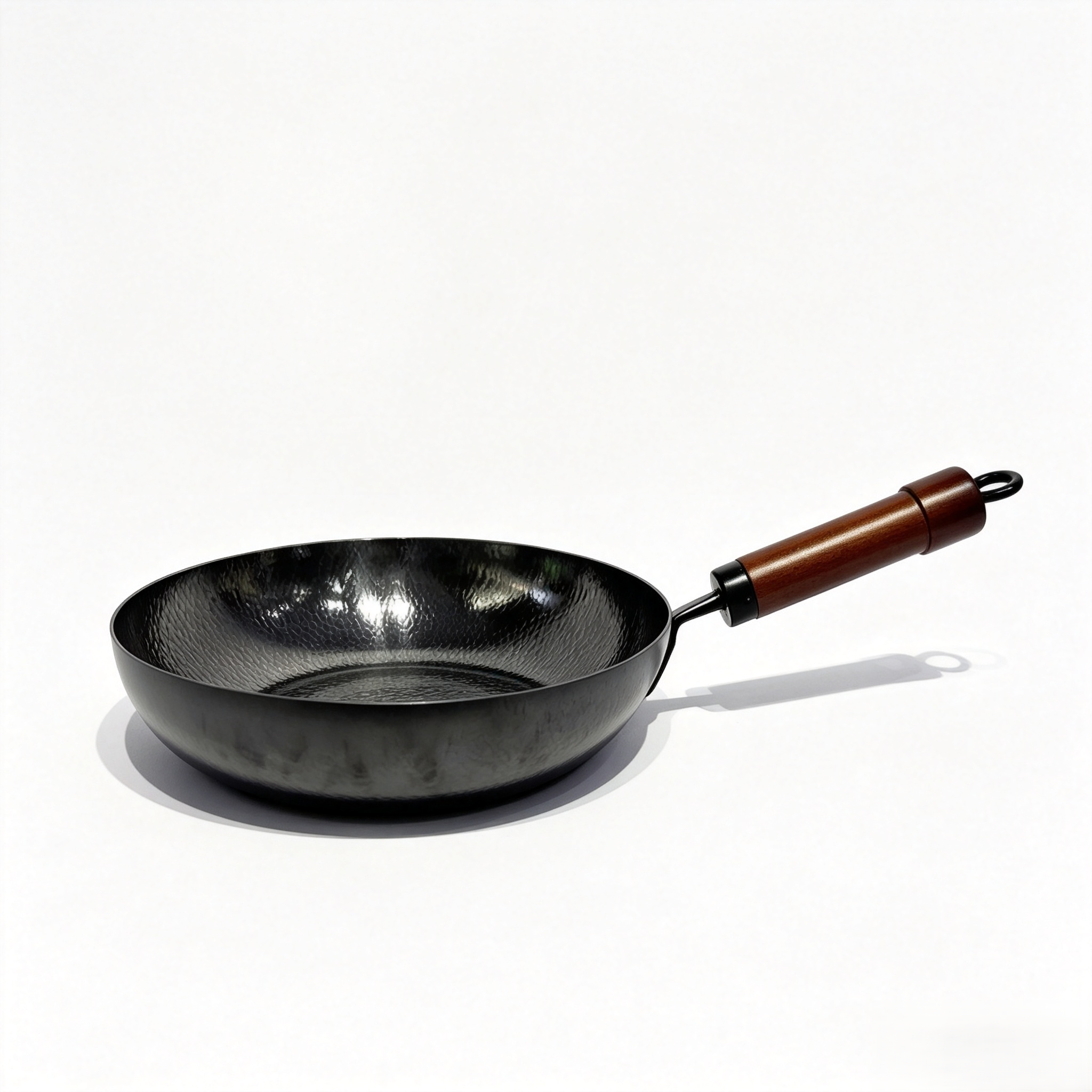
Featured Induction Cookware Portfolio
Engineered in our TÜV Rheinland-inspected facility, these 8 production lines address the rigorous thermal stability and anti-warp parameters required by Rome's commercial restaurateurs and high-end retail distributors.
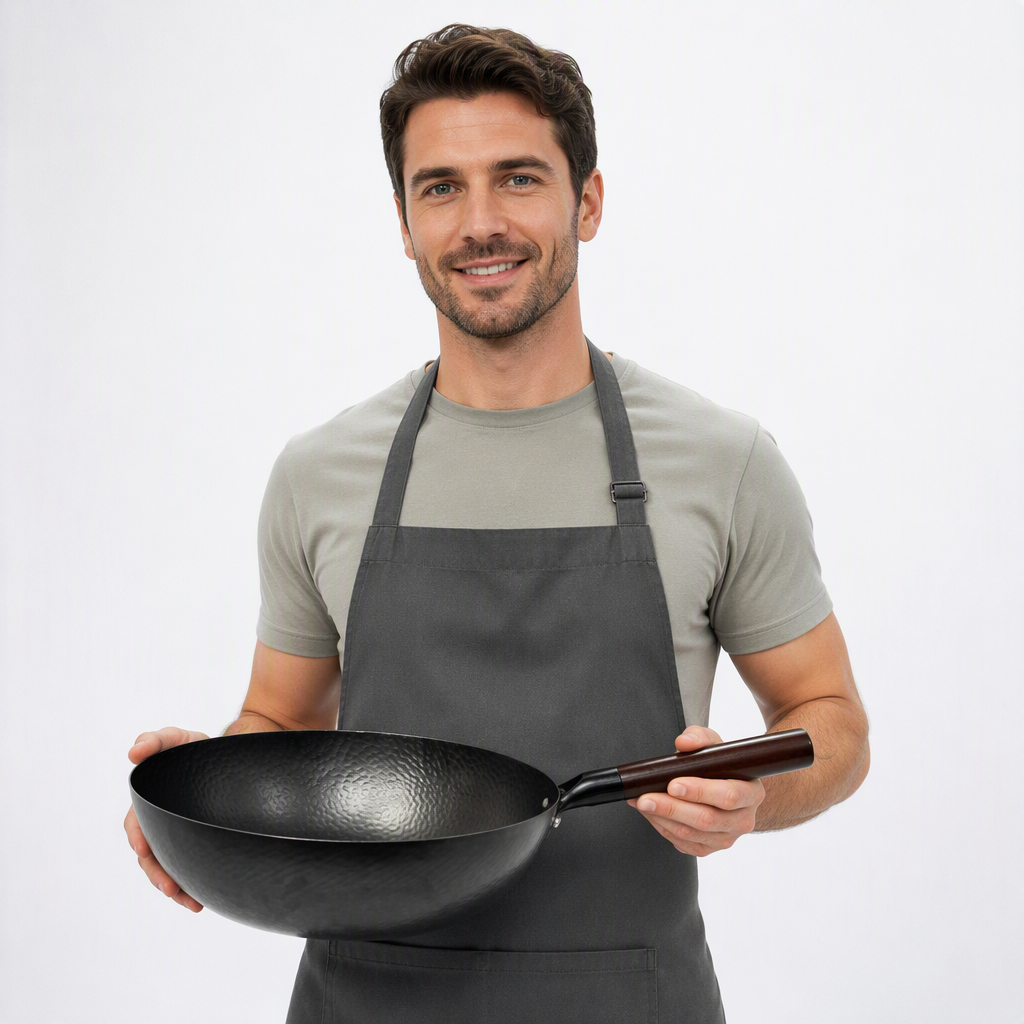
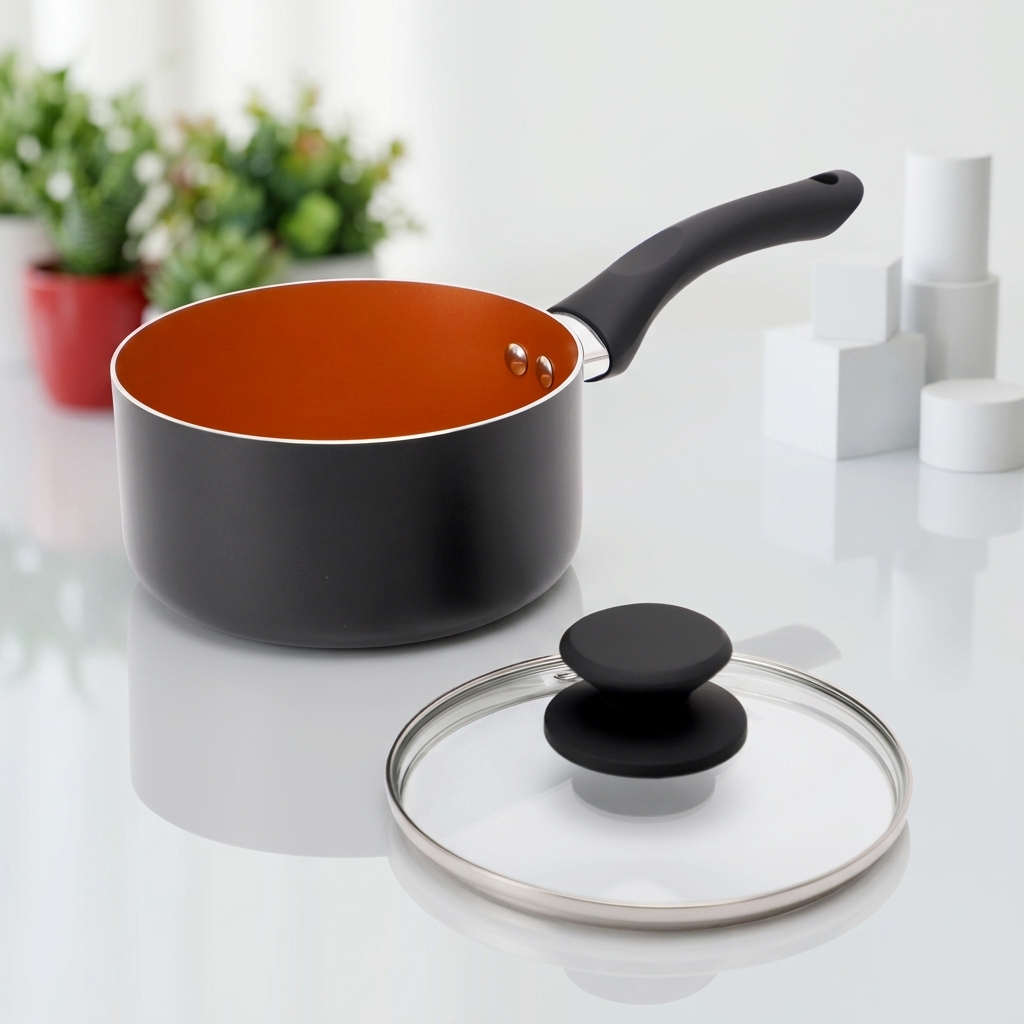
Localized Application Scenarios
Built for Rome's Historic Trattorias & High-Yield Modern Kitchens
Cooking Roman classics on modern induction hobs presents distinctive metallurgical hurdles. Our cookware engineering balances thermodynamic velocity with non-reactive surface treatments.
High-Turnover Trattoria Service (Trastevere & Testaccio)
Roman trattorias churn out hundreds of pasta portions daily during compressed lunch windows. Emulsifying pecorino romano and starchy water for Cacio e Pepe or rendering fatty pork jowl for Carbonara requires rapid heat adjustability without scorching delicate animal fats. Our magnetic induction bases eliminate dead heat zones, ensuring uniform emulsification across rapid service intervals.
Acidic Gastronomy Resistance (Sugo all'Amatriciana)
Traditional Roman pan cuisine relies heavily on prolonged tomato reductions and white wine deglazing. Untreated low-grade pans suffer pinhole pitting and coating breakdown under intense acid-saline stress. MEIS kitchenware incorporates dual-cured ceramic matrix barriers and titanium-doped mineral primers that resist acetic and citric degradation in commercial pan tosses.
Boutique Hospitality & Historic Center Kitchen Regs
Properties operating in the UNESCO historical core of Rome face strict heritage preservation and fire ventilation codes (Piano Particolareggiato di Roma). Open gas flames are progressively restricted in favor of clean commercial induction stoves. Our 4.0mm to 4.5mm forged aluminum bases deliver the thermal mass of heavy cast cookware while keeping pans lightweight for ergonomic handling by line staff.
Macro-Economic & Legislative Analysis
Market Shift: The Induction Electrification of Lazio
Data-driven commercial trends shaping inventory cycles for cookware importers, hypermarket buyers (GDO), and horeca suppliers across the Italian peninsula.
Surging Commercial Power Grid Shift
Italian commercial electricity pricing volatility and nationwide carbon footprint targets (Piano Nazionale Integrato per l'Energia e il Clima) have forced restaurant operators in Rome to transition away from inefficient methane burners. Induction equipment transfers up to 90% of thermal energy directly to the pan base compared to roughly 40% for open flames. Supplying cookware with certified, impact-bonded ferritic bases is paramount for maximum magnetic coupling.
Stricter EU Chemical Compliance (PFAS Bans)
Italian regional food contact authorities (ASL Lazio) strictly audit fluoropolymer cookware under (EC) No 1935/2004 regulations. MEIS provides completely inert, PFOA-free, PFOS-free sol-gel ceramic formulas and nitrided carbon steel options that provide Roman distributors peace of mind against pending European Chemicals Agency (ECHA) universal PFAS restrictions.
Consolidation of Private-Label Cookware
Major retail chains in Central Italy are consolidating SKU catalogs, moving from fragmented middleman purchasing to factory-direct OEM alliances. Retail margins require tight landing costs, customizable packaging (Italian-language sleeves, FSC-certified master cartons), and short production lead times that our vertically integrated Jinhua facility guarantees.
| Performance Attribute | MEIS Impact-Bonded Induction Base | Standard Punched Perforated Disc | Solid Cold-Rolled Carbon Steel |
|---|---|---|---|
| Induction Efficiency (Lazio 230V Lab) | 91.4% Direct Coupling | 76.2% Coupled (Eddy Current Loss) | 94.8% Direct Magnetic Field |
| Thermal Distribution Variance | ±3.2°C Across 28cm Plate | ±11.8°C (Center Cold Ring) | ±4.1°C Across Pan Geometry |
| Warp Resistance (Thermal Shock Test) | 220°C to 15°C Water (Zero Distortion) | Slight Convexity after 40 cycles | Permanent Flatness Retained |
| Dishwasher & Salt-Spray Stability | Passed 72-Hour ASTM B117 Mist | Edge Pitting Observed at Joint | Requires Seasoning / Nitride Shield |
Why European Procurement Directors Partner With Us
Direct Factory Scalability, Zero Trading Intermediaries
Based in Dongnan Industrial Zone, Shuxi Street, Jinhua, Zhejiang, Zhejiang MEIS Kitchenware Co., Ltd. operates complete in-house metallurgy, CNC shaping, coating, and assembly infrastructure.
TÜV Rheinland Inspected
Fully vetted on-site by TÜV Rheinland. We ensure transparent operational traceability, legal workplace hygiene, and environmental compliance fulfilling EU corporate due diligence laws.
Tooling & Mold Making
Our factory runs dedicated CNC milling, engine lathes, and stamping die fabrication. Custom Italian profile handles or bespoke wall angles convert from CAD blueprints to prototypes in under 15 days.
Stress Testing Laboratory
Every production run undergoes strict in-house laboratory trials: neutral salt-spray fog chambers, pneumatic handle torsion tests, thrust shear evaluations, and dry-boil nonstick coating adhesion checks.
18+ Years Global Export
Seamless logistics execution with ocean carriers routing direct to Civitavecchia (Rome's gateway sea terminal) and Genoa ports. Complete customs packs provided with Form A, CE, and food contact paperwork.
20+
Years Cookware Manufacturing
105
Technical Factory Staff
18
Years Verified Supplier
25+
Raw Material Supply Alliances
100%
Batch Inspection Before Crating
Procurement Clarifications
Rome Importer & Buyer FAQs
Authoritative engineering and trade answers addressing common supply chain friction points when importing cookware from Zhejiang into Italy.
How do you guarantee your induction frying pans will not bow or warp on high-power European induction hobs?
Warpage on commercial 400V European induction units is caused by disparate thermal expansion between the aluminum pan chassis and the ferritic steel induction bottom. MEIS prevents this through high-tonnage thermal stamping and impact bonding at over 400°C. This molecularly embeds a 430-grade magnetic stainless steel disc into the aluminum base under 2,000+ tons of pressure. Even during aggressive rapid-heating cycles common in busy Roman restaurants, the pan retains a precise concave tolerance of less than 0.3%, ensuring continuous flat contact and avoiding safety shutdowns on induction sensors.
What is the typical shipping transit time and destination port for shipments bound for Rome?
FCL (Full Container Load) shipments originate from Ningbo or Shanghai ports, sailing directly to the Port of Civitavecchia (Porto di Roma) or the Port of Genoa. Ocean transit times typically range from 28 to 36 days depending on maritime routing. For inland delivery into industrial logistical parks around Lazio, such as Santa Palomba or Tiburtina Valley distribution centers, we handle complete export documentation including Bill of Lading, Packing Lists, Commercial Invoices, and Declaration of Conformity (DoC).
Do your nonstick and ceramic coatings strictly comply with Italian MOCA regulations?
Yes. Products exported to the Italian market are fully compliant with the national Decreto Ministeriale 21/03/1973 as well as EU Framework Regulation (EC) No 1935/2004 for materials intended to come into contact with food (MOCA). Our coatings are verified free of extractable lead, cadmium, and cobalt, and undergo global migration testing in acetic acid and olive oil simulants conducted by recognized test institutions like SGS, TÜV, and Intertek.
Can you manufacture private-label cookware lines with customized Italian retail packaging?
Yes. Over 85% of our manufacturing output consists of private-label programs for supermarkets, department stores, and brand owners. We offer complete OEM customization: pan exterior Pantone color matching, laser-etched brand logotypes on stainless steel or wooden handles, custom-tooled induction base bottom plates with your company insignia, and four-color offset printed retail sleeve boxes with Italian legislative environmental labeling (Etichettatura Ambientale) compliance.
What are your Minimum Order Quantities (MOQ) for custom induction frying pans?
Standard custom production runs require an MOQ of 1,000 to 2,000 units for single-size frying pans (e.g., 20cm, 24cm, 28cm) and 1,000 to 1,500 sets for multi-piece cookware collections. For newly developed OEM designs requiring unique die-forging tooling, we can accommodate trial runs starting at lower batch sizes to support retail market testing in Central Italy.
Partner with a Verified Nonstick Induction Cookware Manufacturer
Accelerate your cookware distribution margin. Contact our engineering team for technical spec sheets, factory pricing matrices, or sample units delivered to your corporate offices in Rome or across Italy.