Nonstick Aluminum Cookware Factories & Suppliers for New Amsterdam
Direct Factory OEM/ODM Sourcing, Metallurgical Engineering & High-Gain B2B Supply Chain White Paper for Caribbean Importers
Verified Factory Portfolio
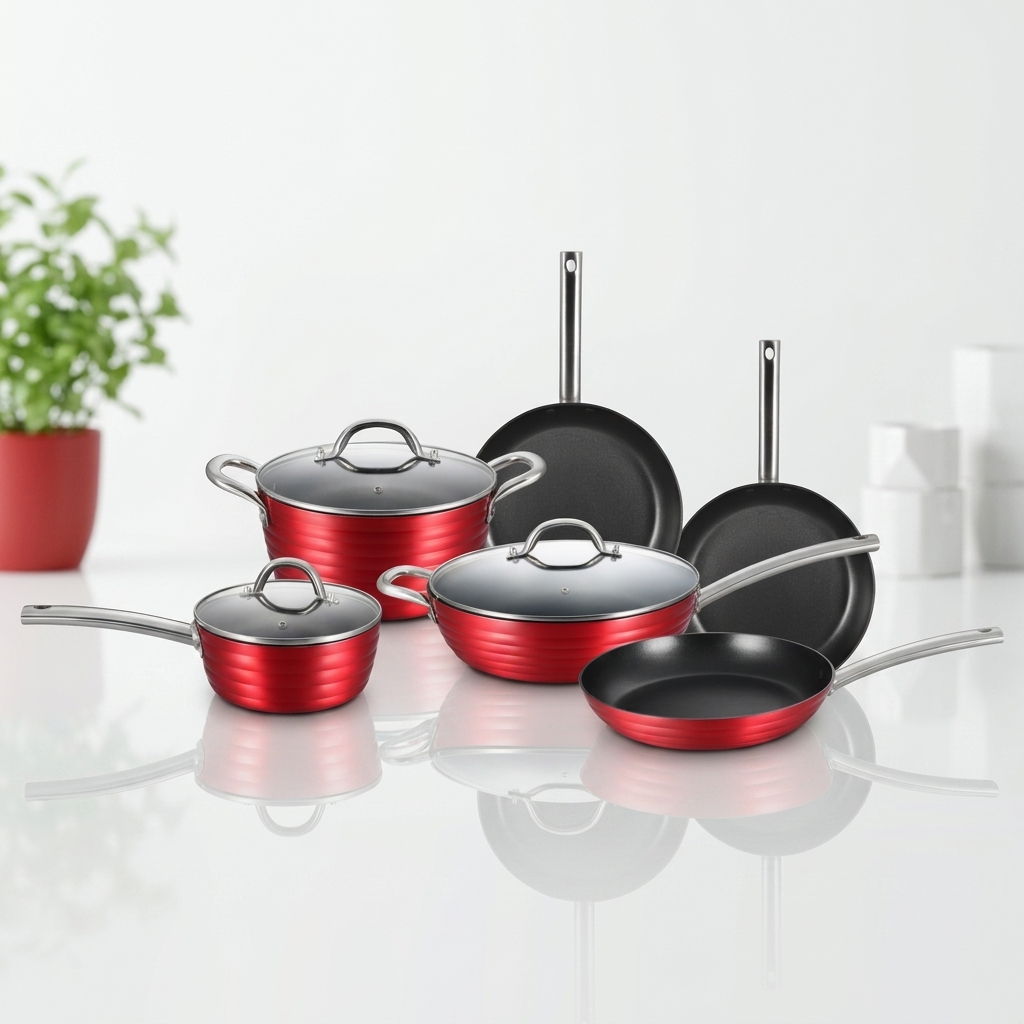
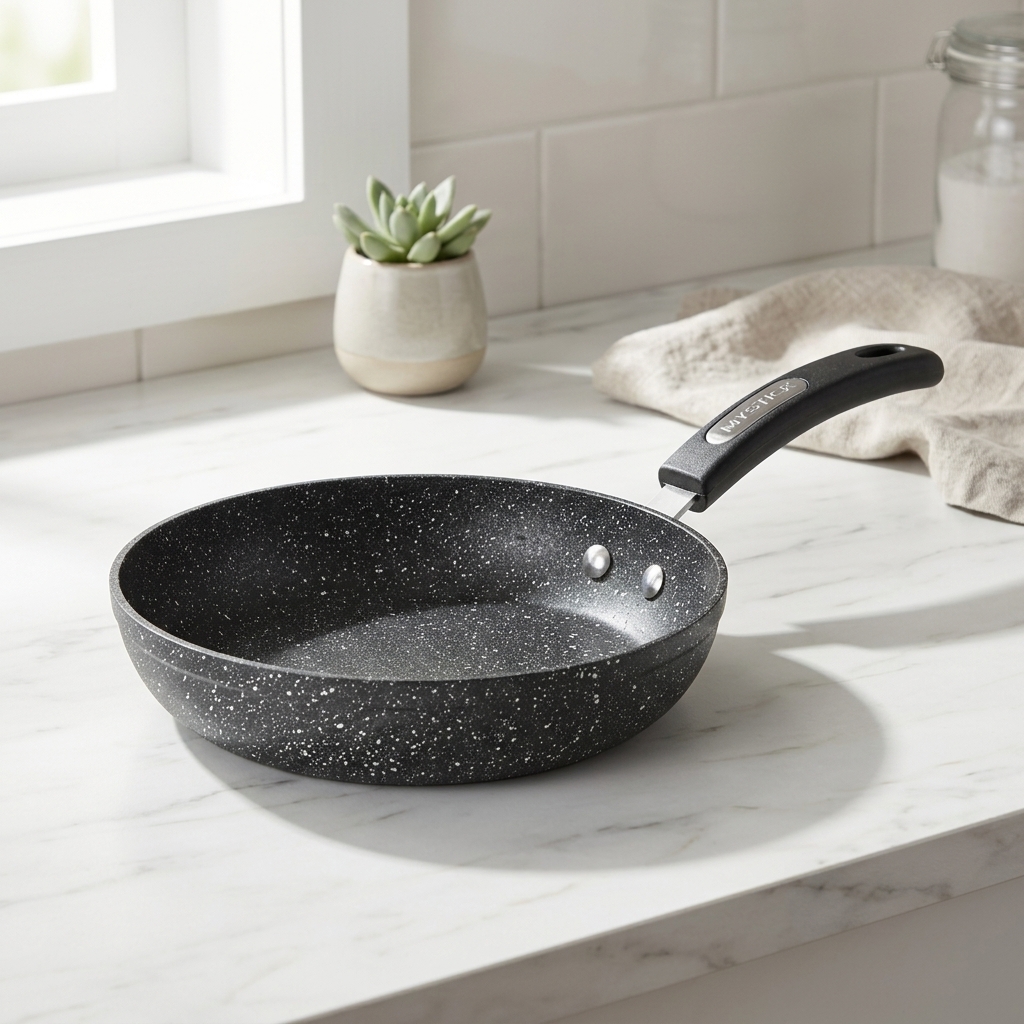
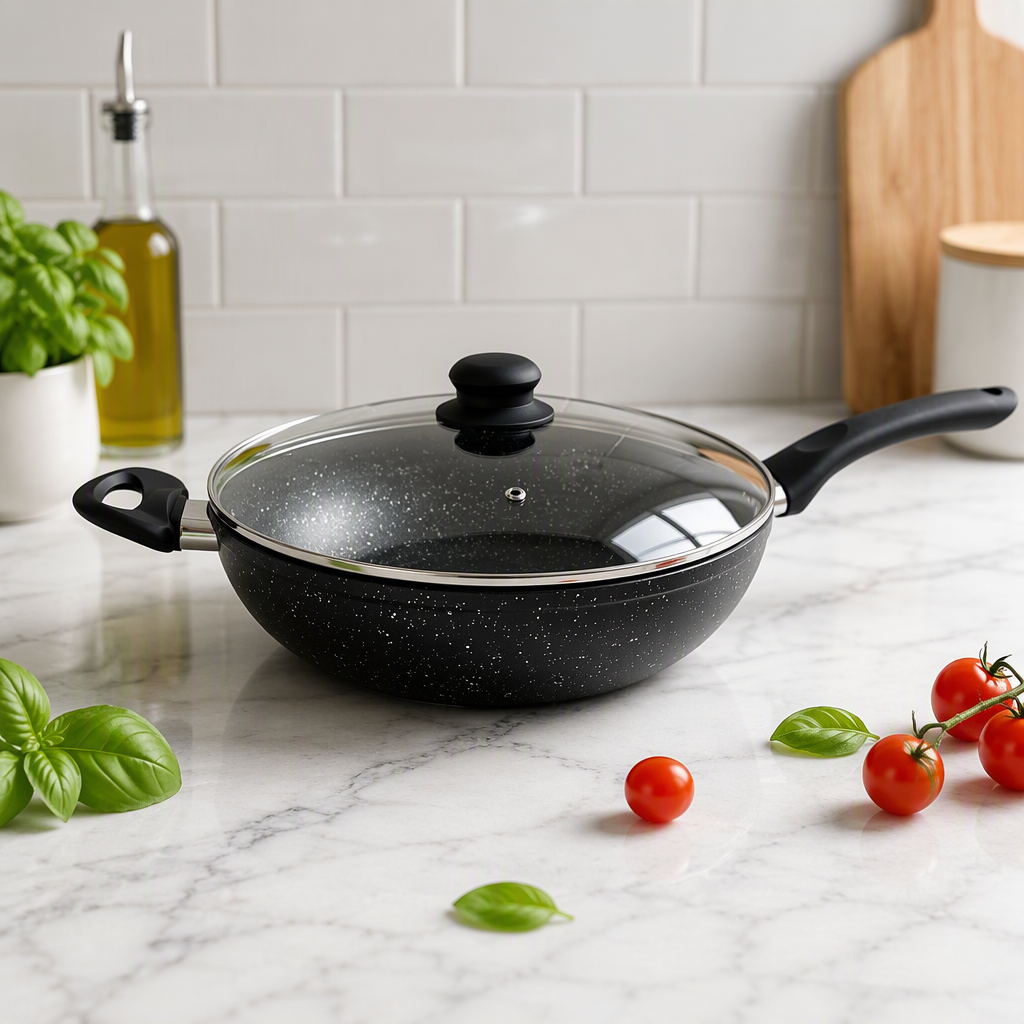
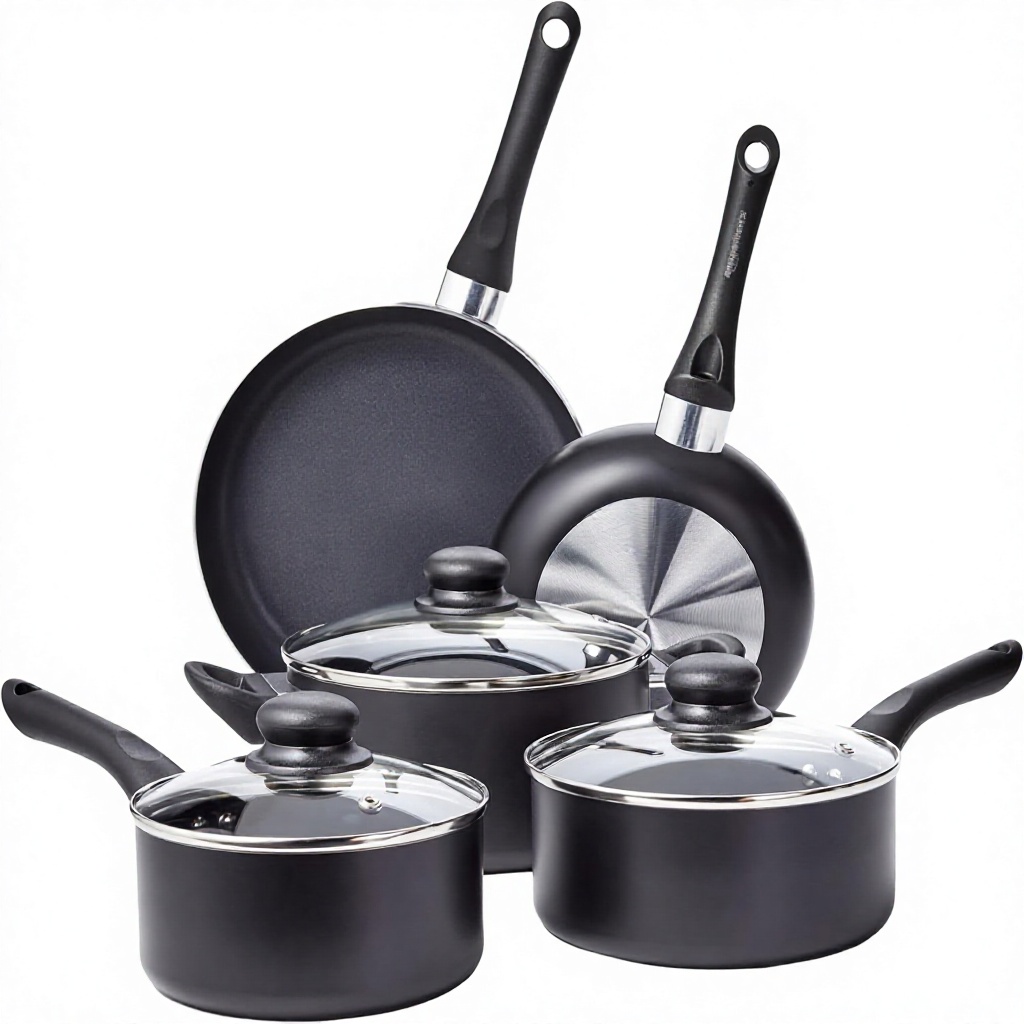
Featured Nonstick & Carbon Steel Cookware Lines
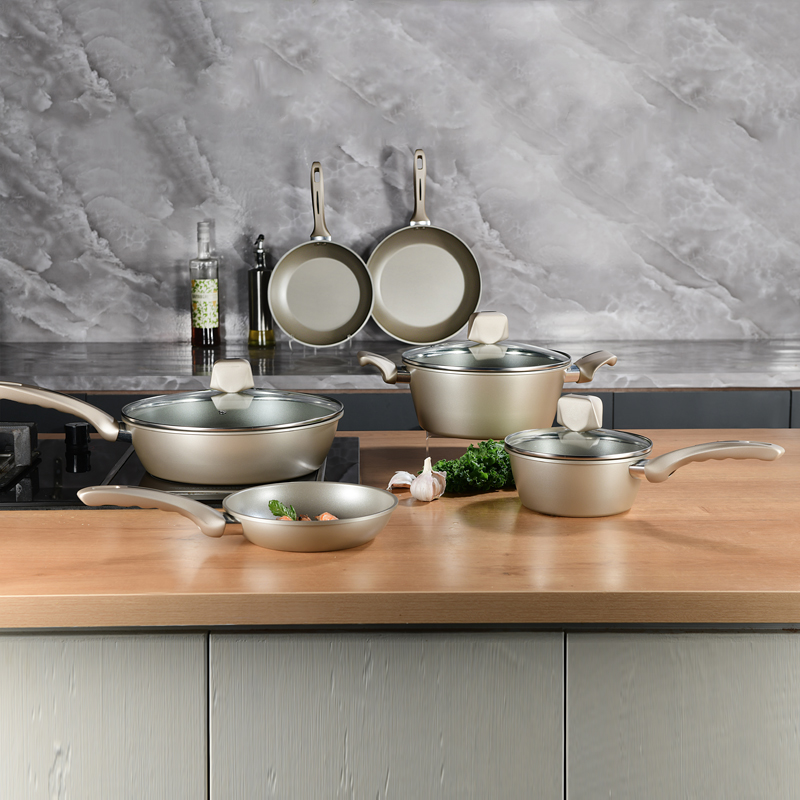
Direct from Zhejiang MEIS Kitchenware Co., Ltd. — Engineered for thermal durability, nonstick longevity, and high-volume commercial/retail export to New Amsterdam.
B2B Procurement White Paper: Sourcing Nonstick Aluminum Cookware for New Amsterdam
Navigating the supply chain dynamics for commercial kitchenware distribution in New Amsterdam (Berbice, Guyana) and the broader South American/Caribbean maritime trading corridor requires a rigorous evaluation of metallurgical integrity, coating tribology, and localized consumer cooking habits. As local infrastructure modernizes and commercial hospitality along the Berbice River expands, wholesale buyers, department stores, and institutional catering suppliers demand nonstick cookware solutions that balance rapid thermal response with long-term abrasion resistance.
This technical white paper serves as an authoritative procurement benchmark for global buyers seeking to establish OEM or ODM manufacturing partnerships directly with verified Chinese manufacturing plants. Direct-from-factory sourcing from established industrial hubs like Jinhua, Zhejiang eliminates intermediary trading markups, guarantees strict compliance with international food safety standards (including FDA, LFGB, and EU 1935/2004 directives), and ensures optimized containerized shipping logistics directly to Caribbean entry ports.
Key Supply Chain Insight for New Amsterdam Importers
Cookware destined for coastal tropical environments requires high-density exterior anodization or silicone-polyester coatings combined with anti-corrosive stainless steel induction bottoms. Unprotected aluminum bases exposed to high-humidity, salt-laden ambient air suffer from accelerated surface oxidation. Direct engineering cooperation ensures correct metallurgical selection prior to mass production.
Pressed Aluminum vs. Forged Aluminum vs. Heavy-Gauge Carbon Steel
Selecting the ideal substrate geometry and forming technique directly governs structural warp resistance, manufacturing unit cost, and thermal conduction efficiency. At Zhejiang MEIS Kitchenware Co., Ltd., advanced pressing, die-forging, and CNC turning operations are tailored to specific product lines:
Substrate Type
Manufacturing Process
Thermal Conductivity
Structural Density
Target Application in New Amsterdam
Pressed Aluminum (1.5mm - 2.5mm)
High-speed hydraulic cold stamping from pure A1050/A3003 aluminum discs.
Forged aluminum items utilize specialized rim-thickening technology (typically expanding rim depth up to 4.5mm while maintaining 3.0mm wall thickness). This structural balance prevents physical pan distortion when transitioning rapidly from gas flames to ambient sink water—a critical endurance factor for intense culinary environments in tropical climates.
Advanced Coating Tribology: PTFE, Sol-Gel Ceramic, and Granite Reinforcement
The service life of nonstick cookware relies heavily on the interfacial adhesion between the aluminum substrate and the dry film coating stack. Our factory employs automated multi-stage pre-treatment, including shot-blasting, chemical degreasing, and acid-etching, ensuring optimal mechanical keying prior to spray application.
Fluoropolymer PTFE Systems
Multi-layer (Primer, Mid-coat, Top-coat) PTFE nonstick systems offer an exceptionally low coefficient of friction (<0.05). Reinforced with titanium micro-particles, these coatings withstand rigorous wear while guaranteeing 100% PFOA-free, non-toxic food preparation.
Sol-Gel Inorganic Ceramic
Derived from silica sand matrices, ceramic coatings cure into an ultra-hard ceramic film capable of withstanding operational temperatures up to 450°C. Ideal for eco-conscious brands prioritizing high heat tolerance and vibrant, stain-resistant pastel color choices.
Marble & Granite Speckle
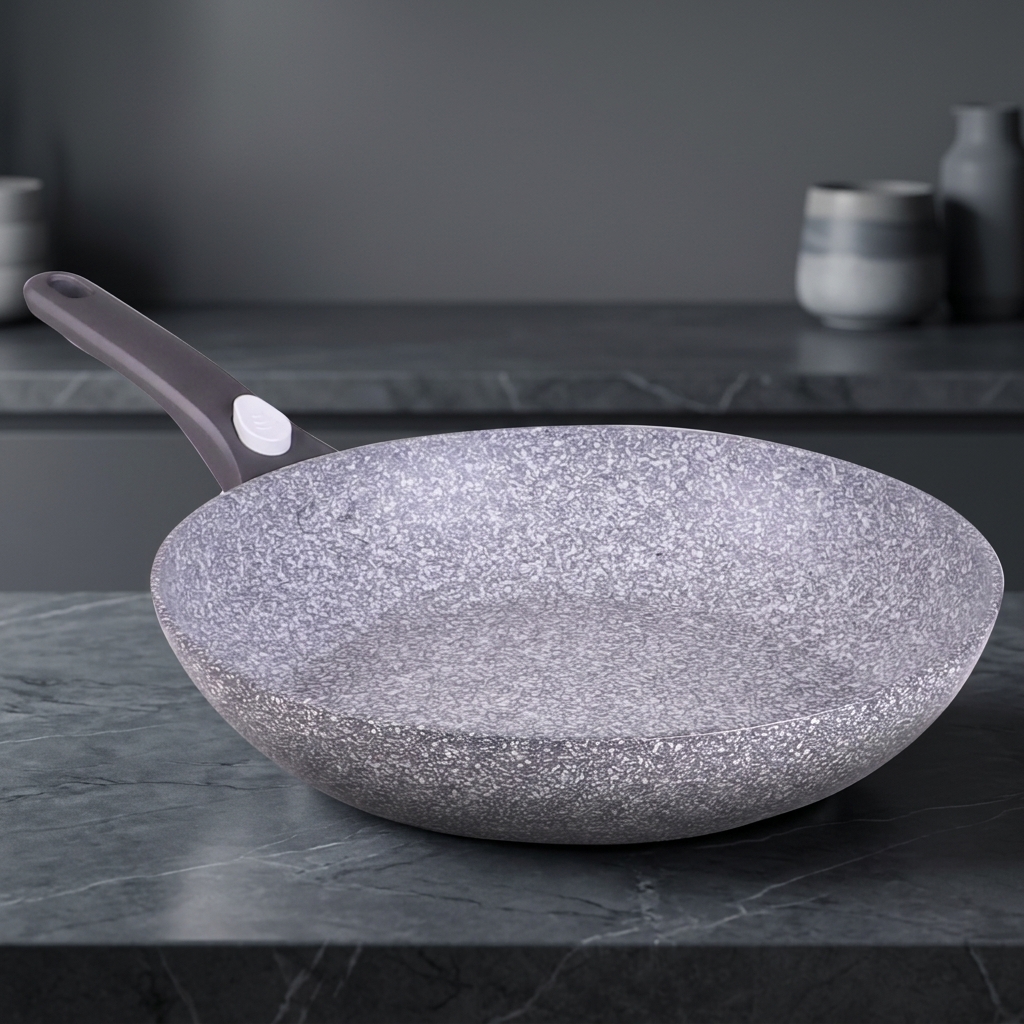
By incorporating mineral micro-crystallites into the top-coat layer, stone-effect coatings exhibit extraordinary scratch resistance under kitchen utensil contact while presenting a high-end natural aesthetic favored in retail showroom displays.
Localized Application Scenarios in New Amsterdam & the Caribbean Market
Designing cookware for New Amsterdam requires a clear understanding of regional culinary techniques, heat source availability, and kitchen infrastructure. Regional gastronomy in Berbice and across coastal Guyana frequently demands prolonged simmer times, heavy spicing, high-oil frying, and high-heat searing for curries, stews, and fried starches.
1. High-Thermal Gas Stovetop Compatibility
While electric and induction stovetops are growing in urban re-developments, liquefied petroleum gas (LPG) burners remain the dominant heat source in New Amsterdam households and commercial eateries. LPG burners generate intense localized heat zones. To prevent warping and nonstick degradation:
Base Scoring & Flame Guard: Cookware items feature precision-lathed spiral bases or heavy-gauge induction plates that evenly disperse flame heat across the entire bottom diameter.
Heat-Resistant Hardware: Flame-guards mounted on soft-touch Bakelite handles prevent thermal conductivity from reaching user grips, ensuring safety during high-flame cooking.
2. Deep-Frying and Heavy Stewing Requirements
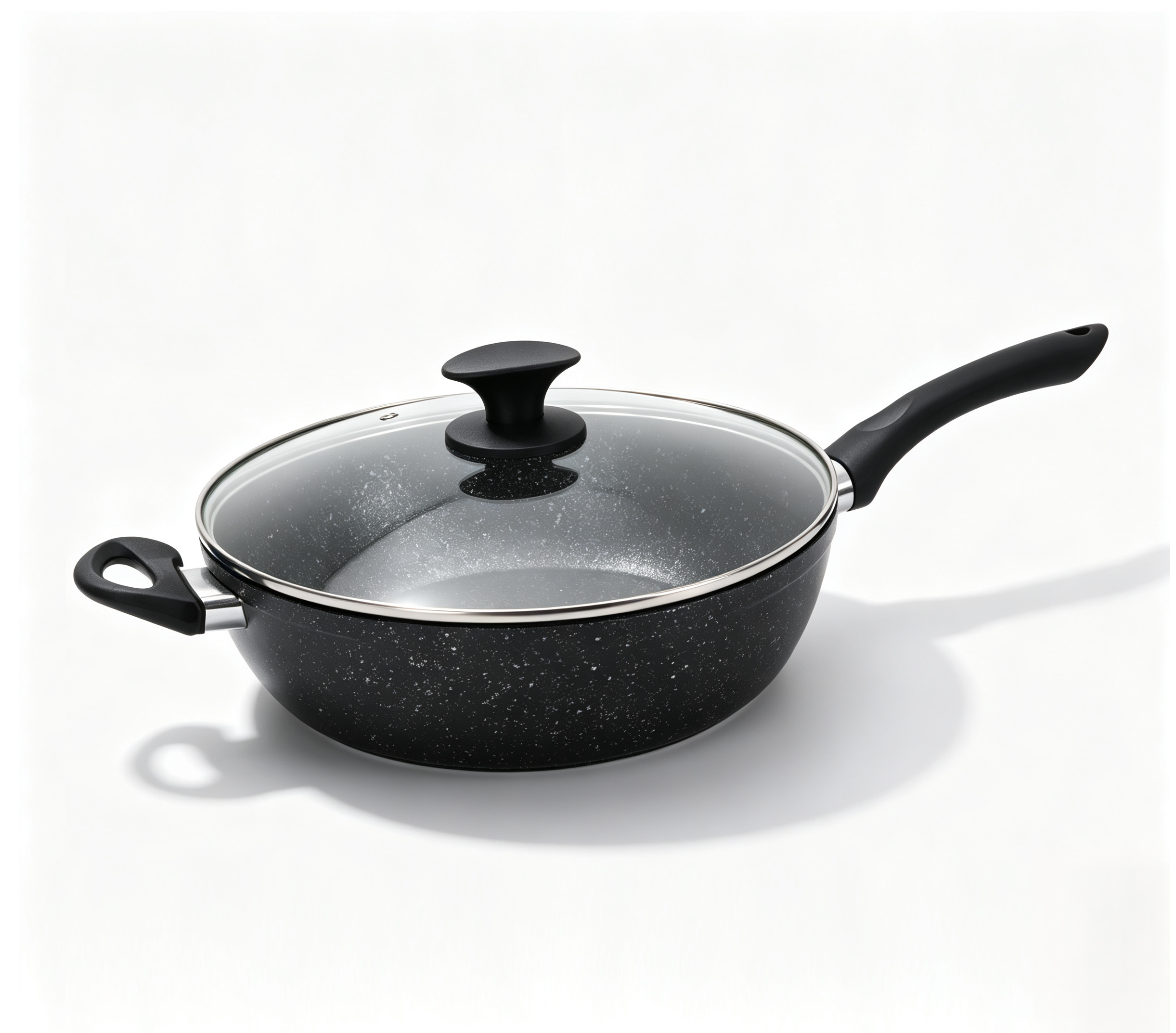
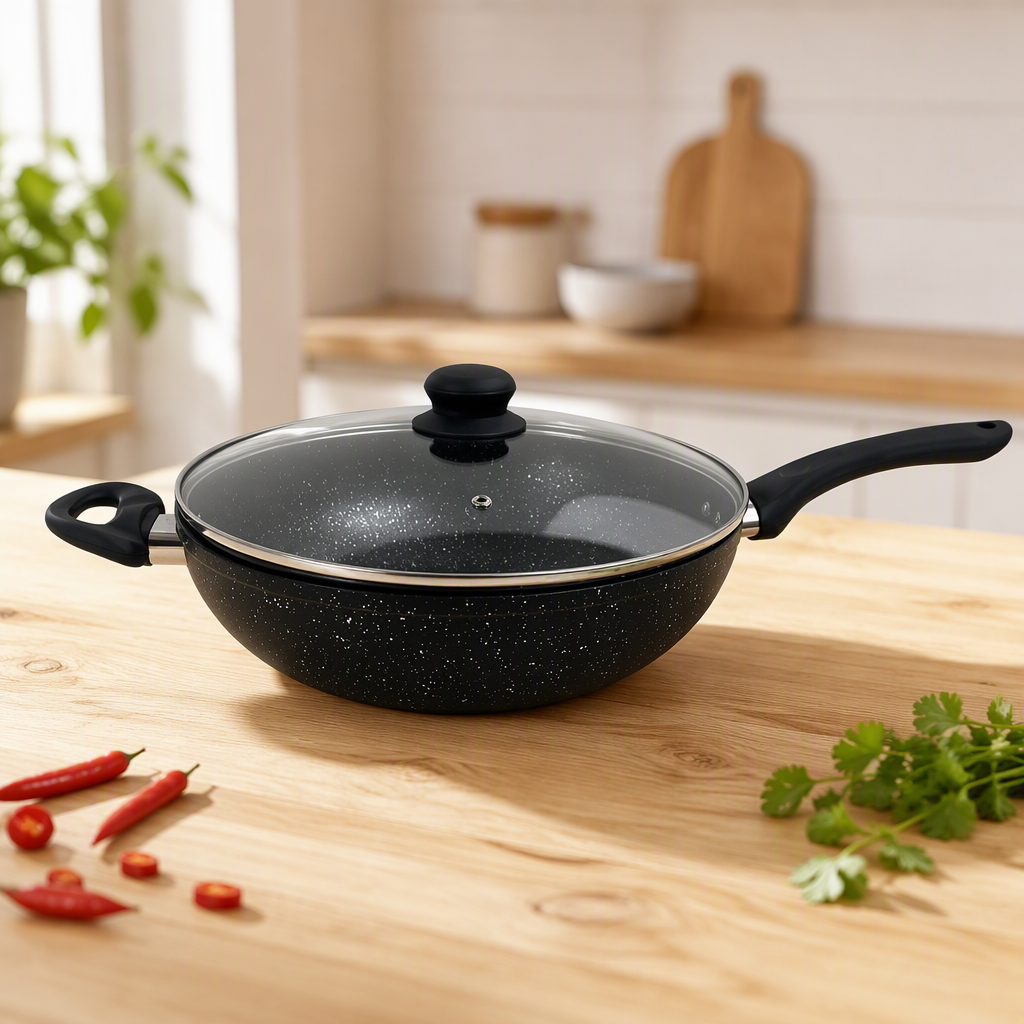
Local dishes like pepperpot, curry dishes, and deep-fried savory doughs require deep-bodied vessel designs. Our 32cm Granite Coating Forged Woks (5.5L capacity) and 26cm Marble Induction Woks provide the necessary volumetric depth and tall sidewalls to minimize oil splatter while maintaining uniform oil temperatures.
3. Atmospheric Salt-Air & Humidity Resistance
In humid coastal maritime regions like New Amsterdam, standard untreated ferrous hardware quickly suffers from atmospheric rust. All cookware supplied by MEIS Kitchenware for coastal export utilizes grade-304 stainless steel rivets, anodized flame guards, and multi-coat exterior silicone-acrylic enamels tested under 48-hour neutral salt spray conditions.
Procurement & Market Growth Trends in Guyana and Regional Trade Networks
Guyana’s rapidly expanding macroeconomic landscape has driven significant growth in residential construction, hotel development, and retail commercial hubs. In New Amsterdam, retail procurement managers are transitioning away from unbranded, low-tier aluminum pots toward certified non-toxic, aesthetically sophisticated cookware sets.
3 Strategic B2B Purchasing Trends Identified for 2025–2028
Space-Saving Detachable Handle Sets: Modular cookware with removable handles (such as our 5-Piece Forged Aluminum Set) reduces master carton shipping volumes by up to 40%, directly lowering freight costs per unit into South American ports.
Health-Conscious Non-Toxic Marketing: Clear consumer messaging emphasizing "100% PFOA-Free, PTFE-Free, Lead and Cadmium-Safe" has become a decisive purchasing trigger in regional retail stores.
Color-Coordinated Kitchen Aesthetics: Metallic Red, Matte Black, Cream White, and Pastel Pink multi-piece sets packaged in high-graphic color box branding are outperforming unboxed open-stock pans.
Situated in the Dongnan Industrial Zone, Shuxi Street, Jinhua, Zhejiang, Zhejiang MEIS Kitchenware Co., Ltd. stands as a premier specialized manufacturer of nonstick aluminum and carbon steel cookware. With over 20 years of operational experience and an 18-year verified supplier presence on international B2B platforms, our facility offers turnkey OEM and ODM manufacturing services for global importers.
Integrated Manufacturing Facilities
Spanning thousands of square meters, our facility houses 105 full-time personnel, fully automated pressing and forging press lines, computer-controlled CNC base lathes, automated liquid spray coating booths, continuous curing tunnel ovens, and automated handle riveting stations.
In-House Quality Assurance & Testing Lab
Quality control is embedded at every stage of production—from raw aluminum disc thickness verification to finished master carton drop tests. Our on-site testing laboratory conducts routine rigorous quality evaluations:
Salt Spray Testing: Evaluates anti-corrosion resistance of exterior finishes and stainless steel rivets.
Cross-Hatch Coating Adhesion (ASTM D3359): Ensures nonstick layers remain permanently bonded to the substrate.
Handle Load & Fatigue Testing: Simulates thousands of lifting cycles under double-capacity load conditions.
Torque & Impact Resistance Testing: Confirms handles resist loosening or fracture under sudden mechanical shock.
Thermal Shock Validation: Repeated heating to 250°C followed by immediate cold water quenching to verify warp resistance.
Our operations are verified on-site by independent international auditing authority TÜV Rheinland, providing complete transparency and risk mitigation for international contract manufacturing.
Frequently Asked Questions for B2B Importers in New Amsterdam
What is the standard Minimum Order Quantity (MOQ) for custom OEM production?
Standard minimum order quantities generally range from 1,000 to 3,000 sets or pieces per model, depending on the level of customization (such as custom color matching, custom mold development, or brand box printing). For select running stock or trial promotional orders, lower initial quantities (down to 500 units) can be arranged upon consultation.
How are shipments routed to New Amsterdam, Guyana, and what are the logistics lead times?
Cargo is typically loaded in FCL (Full Container Load) or LCL (Less than Container Load) at Ningbo or Shanghai Port, China. Vessels transiting to Guyanese entry points (such as Georgetown or Berbice port facilities) typically feature sea transit times of 35 to 45 days. Production manufacturing lead time averages 30 to 40 days following sample approval and deposit receipt.
Can our company request custom private-label branding, handles, and packaging?
Yes. We offer complete OEM/ODM customization. You can customize the exterior coating color (Pantone matching), surface finish (granite, marble, ceramic, or metallic), handle material (soft-touch, wood-grain Bakelite, or cast stainless steel), bottom logo laser engraving, and retail packaging (5-ply full-color gift box, sleeve, or display shipper).
Are your nonstick coatings certified safe for international food contact standards?
Absolutely. All coating systems applied at MEIS Kitchenware strictly comply with global food safety standards, including US FDA 21 CFR 175.300, European EU Directive 1935/2004, and German LFGB specifications. Our products are guaranteed 100% free of PFOA, PFOS, lead, and cadmium.
How does MEIS ensure products arrive without moisture damage or scratch defects during long ocean transits?
Each vessel is individual protective wrapped with scratch-resistant polybags or tissue interleave sheets. Glass lids are secured with edge-protector foam beads. Master cartons utilize heavy-duty 5-ply corrugated craft board with high bursting strength, accompanied by desiccant packs inside container loads to mitigate tropical humidity condensation.
What is the difference in cost and performance between pressed and forged aluminum woks?
Pressed aluminum woks offer a lower unit cost and lightweight hand balance, making them ideal for budget-conscious retail volume. Forged aluminum woks feature a thicker base (up to 4.5mm) and thinner walls, providing superior structural warp resistance, even heat retention, and a premium tactile feel that commands higher retail price margins.
Partner Directly with a Verified Cookware Factory
Expand your market share in New Amsterdam with factory-direct pricing, custom OEM design support, and TÜV Rheinland-certified quality assurance. Contact our engineering and export team today for technical catalogs, pricing quotes, and physical sample requests.