Engineered Bakeware & Cookware Portfolio
Precision-manufactured cookware engineered to withstand high ambient moisture, constant thermal shock, and rigorous commercial use in Manaus, Amazonas.
Manaus Market Dynamics: Industrial Logistics, Climate & Culinary Demands
Operating within the capital of Amazonas requires a distinct understanding of the macro and micro-economic factors governing northern Brazil. As the primary economic engine of northern South America, Manaus is distinguished by two critical operational drivers: the regulatory environment established by the Zona Franca de Manaus (ZFM / Free Trade Zone of Manaus) and the severe equatorial climate defined by the surrounding Amazon Basin.
For commercial importers, regional distributors, hospitality chains, and professional bakeries operating in neighborhoods like Adrianópolis, Ponta Negra, and the Centro Histórico, standard consumer-grade bakeware fails prematurely. The average relative humidity in Manaus consistently exceeds 80% to 88%, coupled with equatorial temperatures consistently surpassing 33°C. In poorly ventilated commercial bakeries and riverboat transport networks, conventional thin-gauge carbon steel suffers from rapid micro-oxidation and edge corrosion beneath the coating layer, while inferior nonstick polymers experience hydrothermal degradation and delamination.
Furthermore, the logistical gateway into Manaus relies primarily on cabotage and fluvial shipping along the Amazon and Rio Negro rivers from coastal transit hubs like Santos, Paranaguá, and Belém. Freight transit cycles can extend up to 25–40 days from offshore origins. Cookware and bakeware imported into the ZFM must feature superior salt-spray tolerance, airtight anti-corrosion seaworthy packaging, and heavy-gauge dimensional stability to survive both transit vibration and regional handling.
Specialized Applications Across Manaus Sectors
Engineered to satisfy industrial duty cycles, unique indigenous ingredients, and modern culinary requirements across Amazonas.
Artisanal Padarias & Confeitarias
Bakeware deployed in commercial bakeries throughout Manaus must handle dense, high-starch preparations such as traditional Bolo Podre de Tapioca, Bolo de Macaxeira, and cupuaçu-infused pastries. High sugar contents and sticky starch residues cause standard pans to seize.
- Multi-layer titanium-infused ceramic and PTFE coatings for zero-residue release.
- Reinforced rolled rims preventing pan distortion under sustained 240°C thermal baking cycles.
- Resistant to lactic and fruit-derived organic acids found in native Amazonian fillings.
Hospitality & Ecotourism Lodges
From upscale urban kitchens along Ponta Negra to remote jungle eco-lodges along the Rio Negro, hospitality operators require multi-functional cookware that transitions seamlessly between high-heat gas ranges and modern induction cooktops.
- Heavy-gauge forged aluminum bodies distributing heat across large native fish fillets (Tambaqui, Pirarucu).
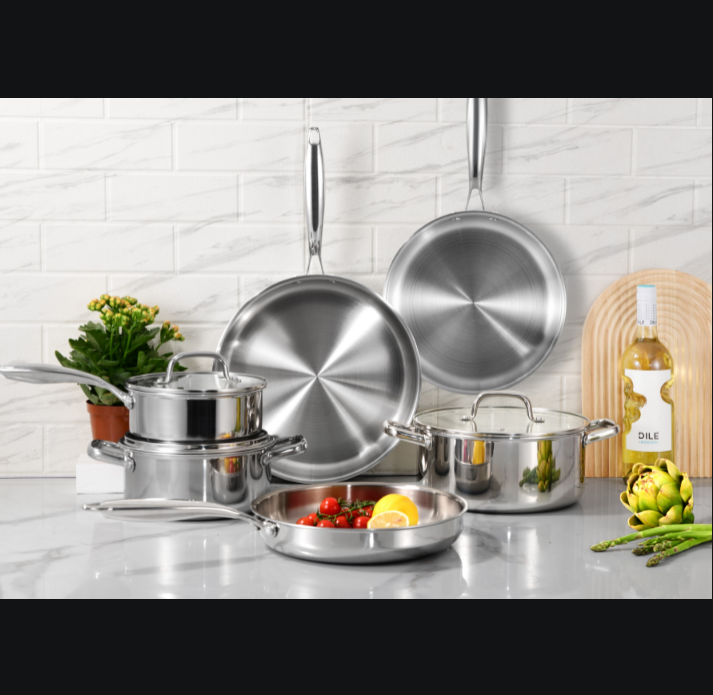
- Full-coverage magnetic stainless steel bases resistant to moisture seepage and base separation.
- Ergonomic, heat-dissipating soft-touch handles certified for prolonged kitchen shifts.
Wholesale Retail & Supermarket Programs
Major regional retail groups and hypermarkets supplying Manaus and downstream municipalities demand stackable, visually striking cookware sets with durable gift packaging engineered for humid warehouse storage.
- Detachable-handle configurations reducing ocean carton volume by up to 45%.
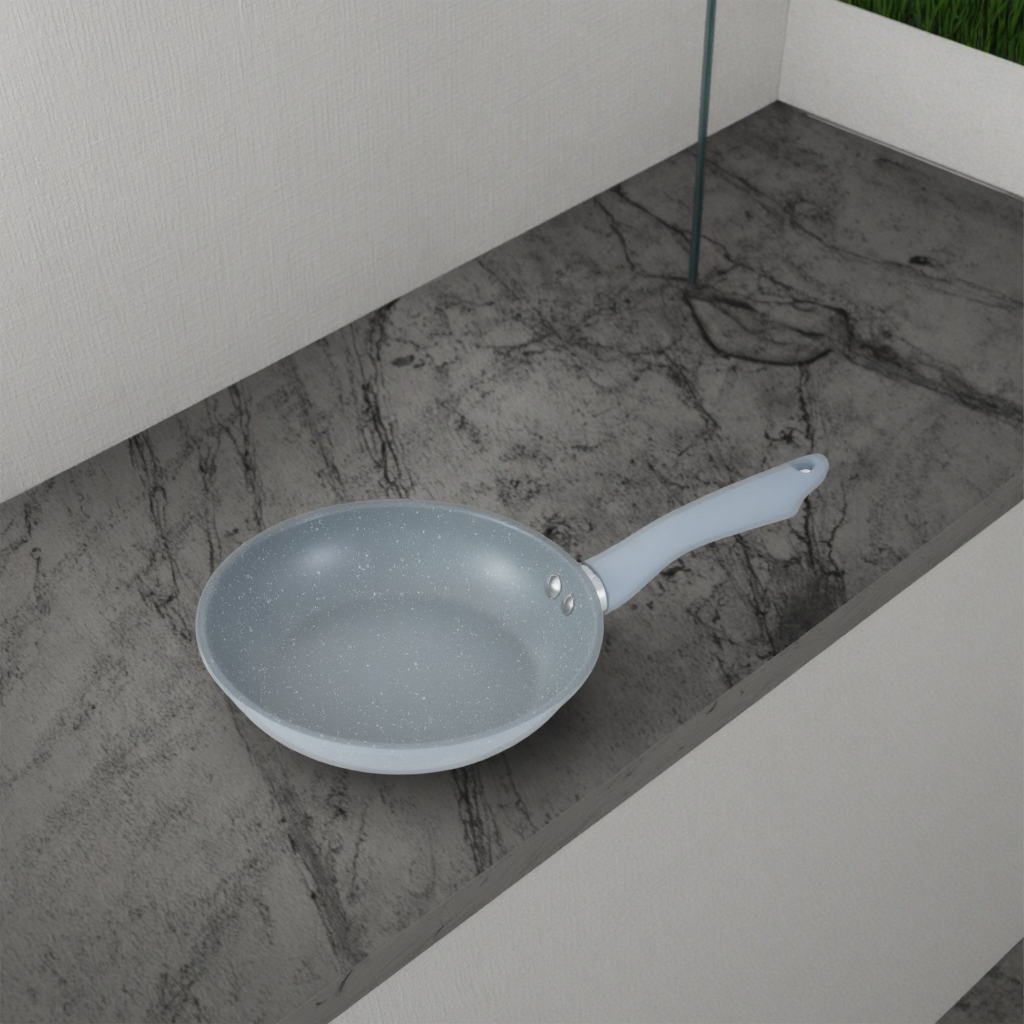
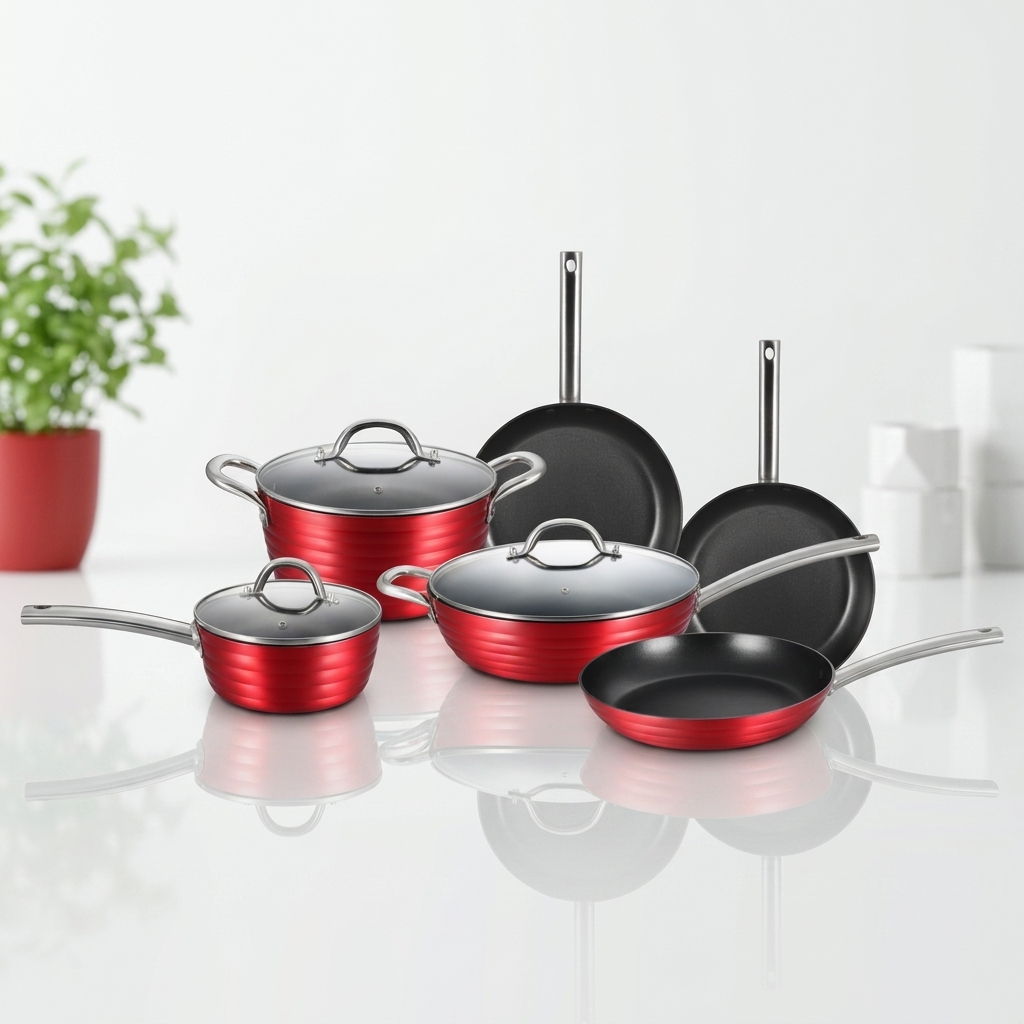
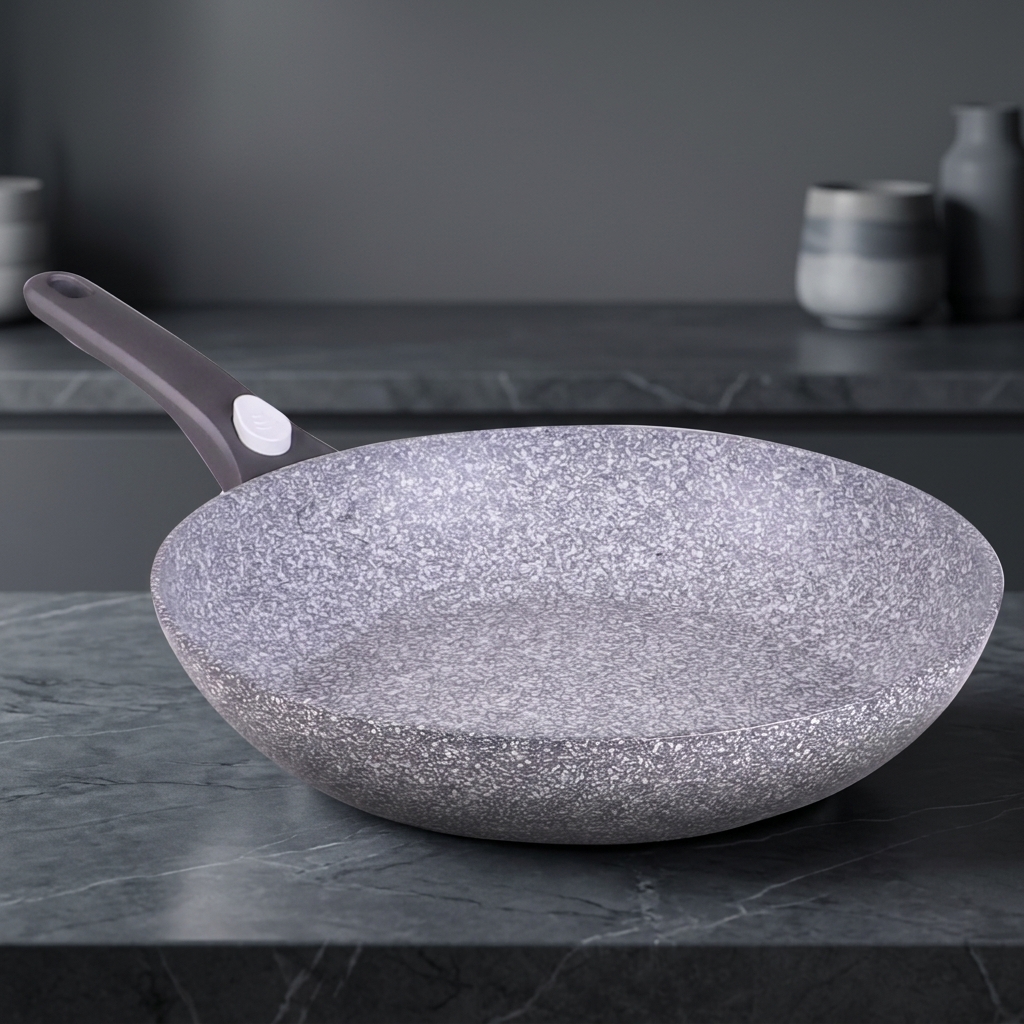
- High-gloss metallic and granite exterior finishes resistant to shelf scuffing and moisture hazing.
- Turnkey private-label printing, barcode compliance, and Brazilian bilingual consumer inserts.
Emerging Supply Trends in the Amazonas Cookware Sector
The commercial cookware ecosystem in Manaus is experiencing a paradigm shift driven by technological adoption and consumer health awareness. B2B purchasers must position their product catalogues ahead of these three major structural developments:
1. Accelerating Shift Toward Induction Compatibility: Driven by energy-efficient residential high-rises and fire regulations across newer commercial developments in Manaus, electric and induction hobs are rapidly replacing traditional bottled LPG cookers. Aluminum cookware without induction bases is facing reduced retail velocity. Our engineered line features cold-pressed, high-pressure integrated induction plates that will not warp or delaminate even during continuous thermal expansion cycles.
2. Stringent Demands for Non-Toxic Coating Chemistry: The modern Brazilian consumer actively screens for PFOA-free, PTFE-free, Lead-free, and Cadmium-free certifications. In hot humid environments where thermal breakdown occurs more readily on low-grade pans, ceramic and water-based granite speckle nonstick systems offer absolute chemical safety and comply with global LFGB, FDA, and Brazilian sanitary food-contact expectations.
3. Compact Kitchens & River Logistics (Detachable Handle Engineering): Urban apartment spaces in central Manaus are tightening, while logistics costs upriver remain high. Detachable handle cookware sets (such as our 5-piece forged sets) provide dual value: they allow consumers to move pans directly from hob to oven to refrigerator, and allow importers to achieve maximum volumetric loading efficiency inside 40ft High Cube containers.
Factory-Direct Engineering: Zhejiang MEIS Kitchenware
Eliminate intermediary costs by partnering directly with an audited manufacturer operating comprehensive, self-contained production lines in Jinhua, Zhejiang.
TÜV Rheinland Audited Facility
Our facility in Dongnan Industrial Zone, Jinhua, is verified on-site by TÜV Rheinland. We maintain complete ISO-compliant traceability from raw aluminum disc receipt to final carton sealing.
Dedicated In-House Tooling & Mold Workshop
Equipped with internal CNC machining, lathes, and mold development centers, we reduce OEM sample lead times to 7–12 days and support proprietary embossed base patterns and ergonomic handle molds.
Stringent Multi-Vector Testing Laboratory
Every production batch undergoes mandatory testing: handle thrust and torsion tests, handle fatigue resistance cycles, curing oven adhesion checks, and neutral salt-spray corrosion analysis.
Establish Your Direct Factory Supply Chain to Manaus
Connect directly with our engineering and international export logistics department. Request comprehensive product catalogs, CIF/FOB pricing schedules, or bespoke private-label tooling consultations.
Send an InquiryFrequently Asked Procurement Questions
Essential guidance for commercial buyers and brand owners sourcing cookware for the Amazonas marketplace.
How do MEIS nonstick coatings resist high humidity in Manaus warehouses?
Standard nonstick coatings can experience moisture ingress between the aluminum substrate and primer layer during maritime storage in hot equatorial climates. MEIS utilizes a high-temperature automatic degreasing and surface shot-blasting process that creates a deep mechanical anchor profile. Combined with multi-layer ceramic and titanium-reinforced primer systems cured at exact thermal tolerances, our cookware prevents blistering, delamination, and edge corrosion even after extended storage in Amazonian humidity.
What are the shipping options and lead times for containers arriving in Manaus (ZFM)?
We routinely export 20GP and 40HQ containers destined for Brazilian ports. Shipments destined for the Manaus Free Trade Zone (Zona Franca de Manaus) typically route via maritime carrier to Brazilian coastal transshipment ports (such as Santos or Suape) before proceeding via cabotage along the Amazon river to the Port of Manaus. Typical production lead time is 30 to 45 days after deposit and design sign-off, with maritime transit taking approximately 35–45 days depending on the selected shipping line.
Can MEIS supply custom packaging compliant with Brazilian retail standards?
Yes. Our OEM packaging service provides high-strength 5-ply and 7-ply corrugated outer export cartons, moisture-barrier inner PE bagging, and full-color Brazilian Portuguese retail packaging. We integrate mandatory Brazilian labeling criteria, EAN-13 barcodes, and care instructions tailored for local consumers.
What is the difference in performance between pressed aluminum, forged aluminum, and carbon steel in local cooking?
Pressed aluminum provides a lightweight, budget-friendly option ideal for everyday fast boiling and frying. Forged aluminum features a thick base and thin walls, providing superior thermal retention and warp resistance, which is critical for searing large cuts of native fish like Tambaqui. Carbon steel offers commercial-grade durability and natural magnetic properties for induction, making it ideal for intensive baking, roasting, and restaurant pan-frying.
What are the Minimum Order Quantities (MOQ) for custom private-label orders?
For standard models with customized brand logos, handle colors, and retail gift boxes, MOQs generally start from 1,000 to 2,000 units or sets per SKU. For trial market tests or selected existing inventory specifications, flexible introductory volumes can be negotiated. Contact our export sales team via the inquiry portal for a detailed quotation.