High-Performance Cookware & Baking Solutions
Directly manufactured by Zhejiang MEIS Kitchenware Co., Ltd. Tested for high thermal conductivity, extreme surface durability, and full EU LFGB food-safety compliance.
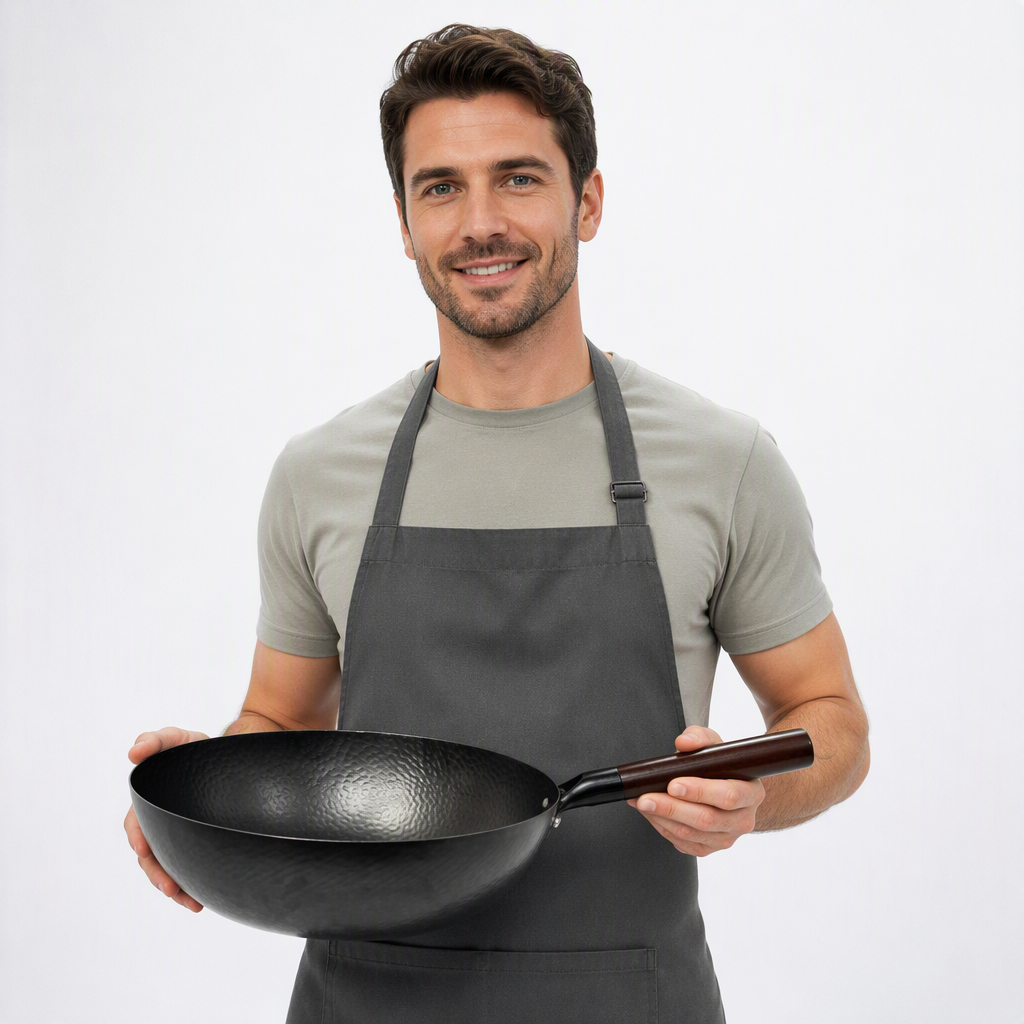
30cm Carbon Steel Round Wok Nitrided Surface Wood Handle Non Stick Stir Fry Pan for Gas and Induction Cookers
View Product Specs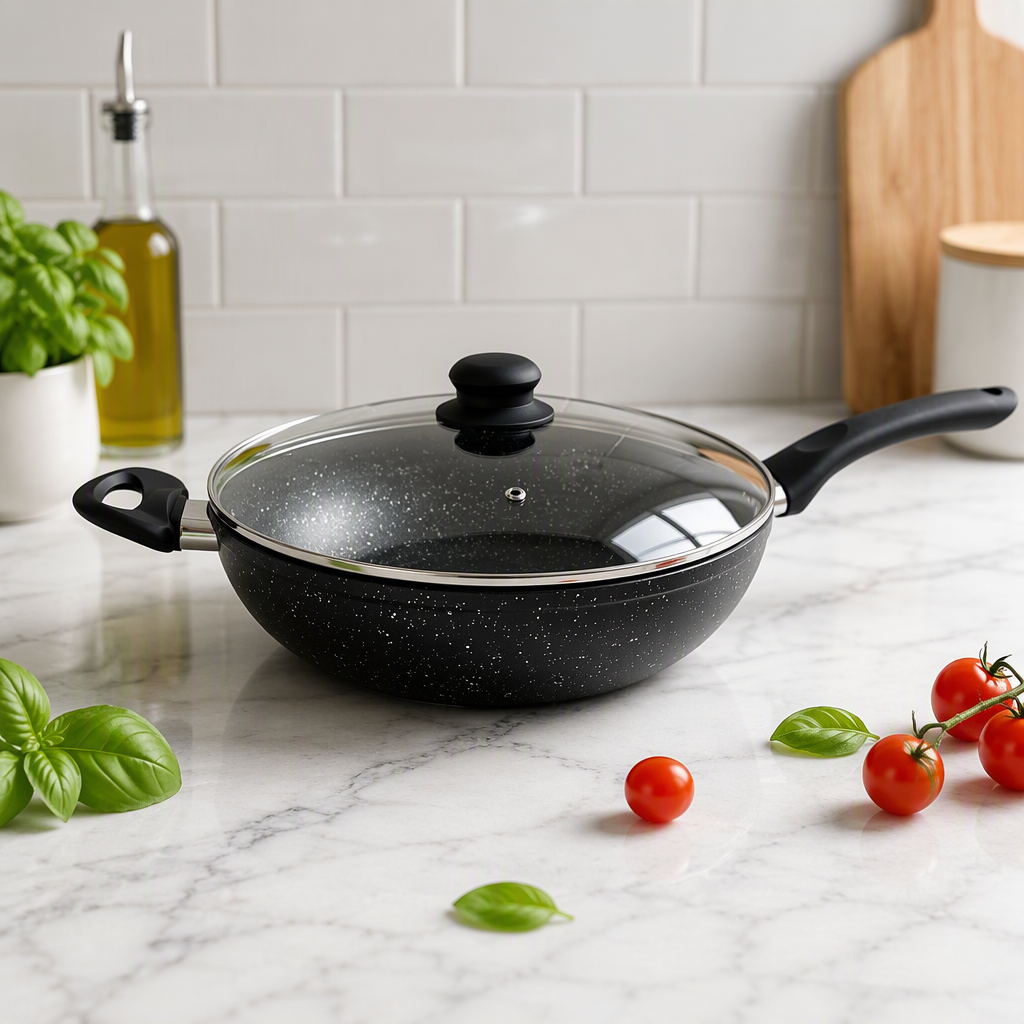
26 cm Non Stick Forged Aluminum Wok Marble Coating Glass Lid Cool Handle 3.5 L for Gas and Induction Cookers
View Product Specs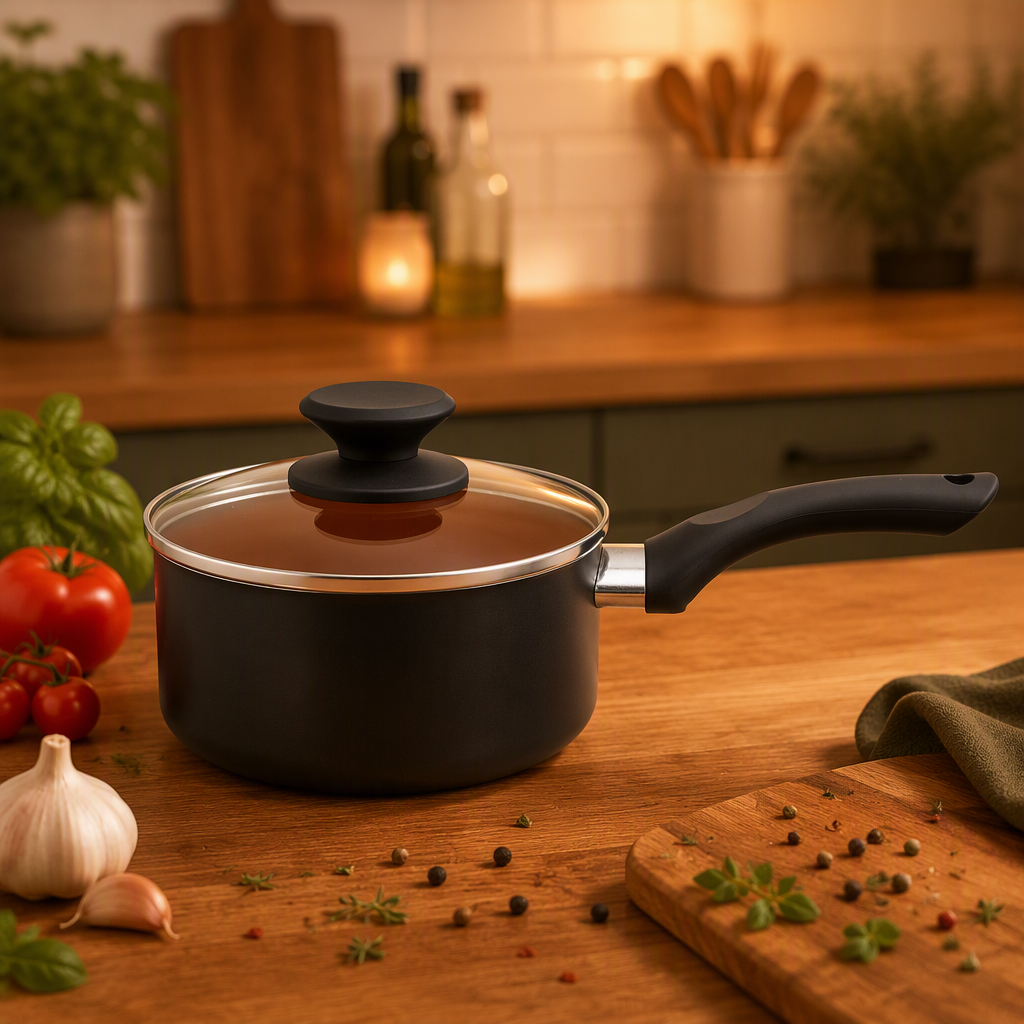
24 cm Non Stick Aluminum Saucepan with Glass Lid Multi Layer Coating Lightweight Cooking Pot for Gas and Induction
View Product Specs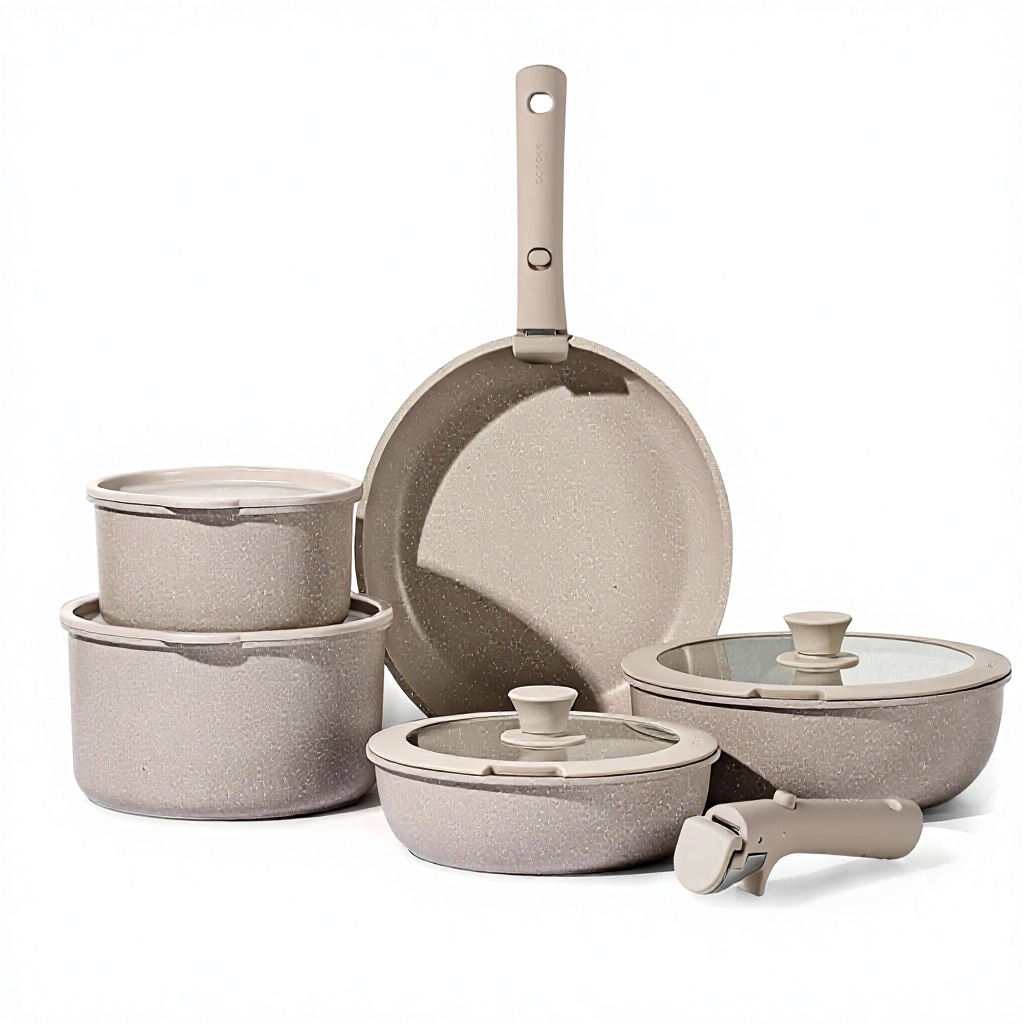
CAROTE 19-Piece Non-Stick Cookware Set Detachable Removable Handles Induction Compatible Oven Safe Dishwasher Safe Gas/Electric
View Product Specs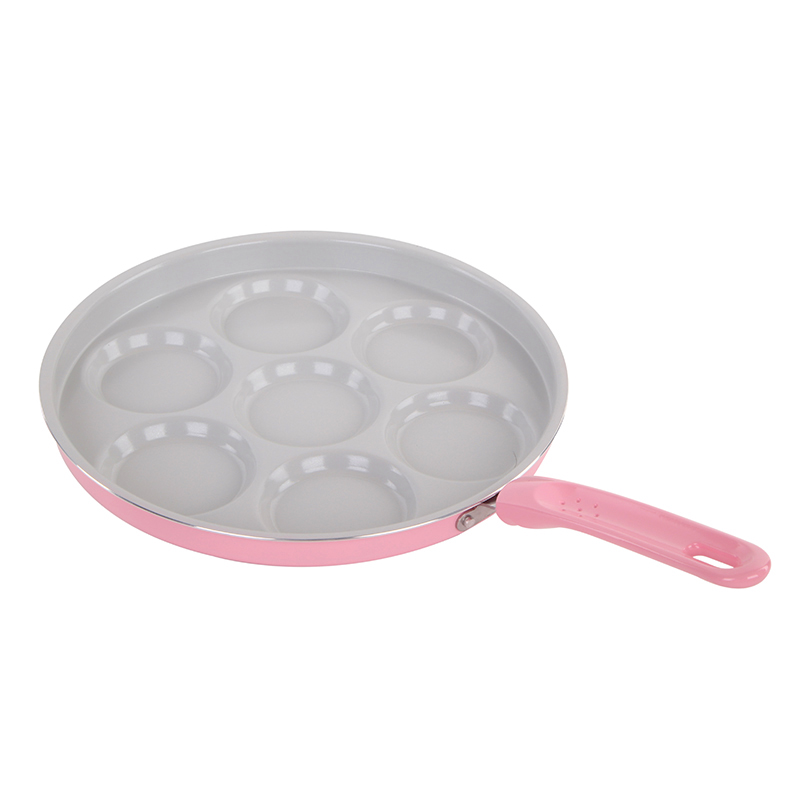
Home Kitchen Eco-Friendly Modern Aluminum Alloy Metal Non-Stick Gas Cooker Egg Fry Pan Cookware Set
View Product Specs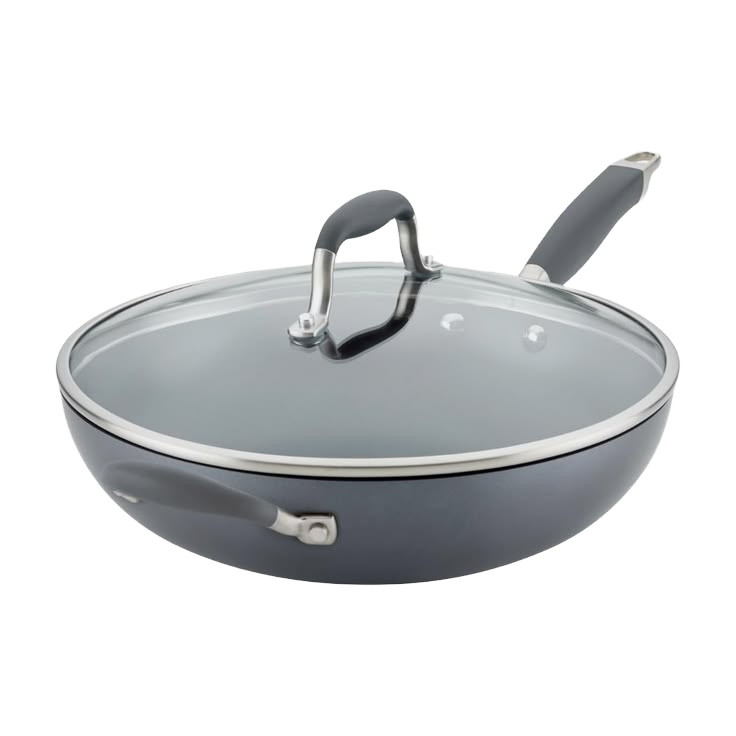
European-Style Frying Pan 26/28/30cm Pressed Aluminum Alloy Non-stick Ceramic Coating Induction Bottom Glass Cover Oven Safe
View Product Specs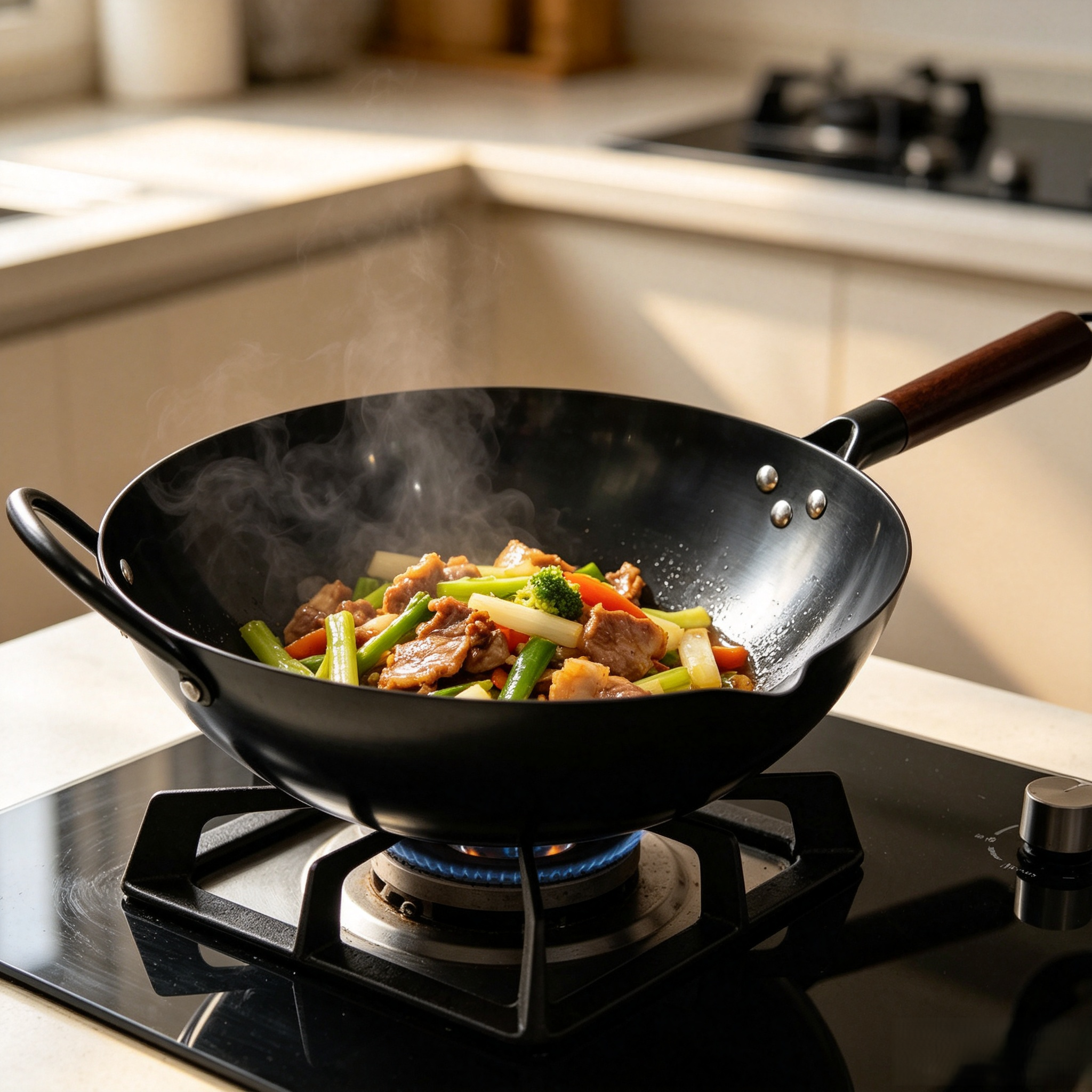
OEM/ODM 28/30/32/34cm Healthy Nitrided No Coating Carbon Steel Wok Gas & Induction Ready Tempered Glass Lid Wooden Handle
View Product Specs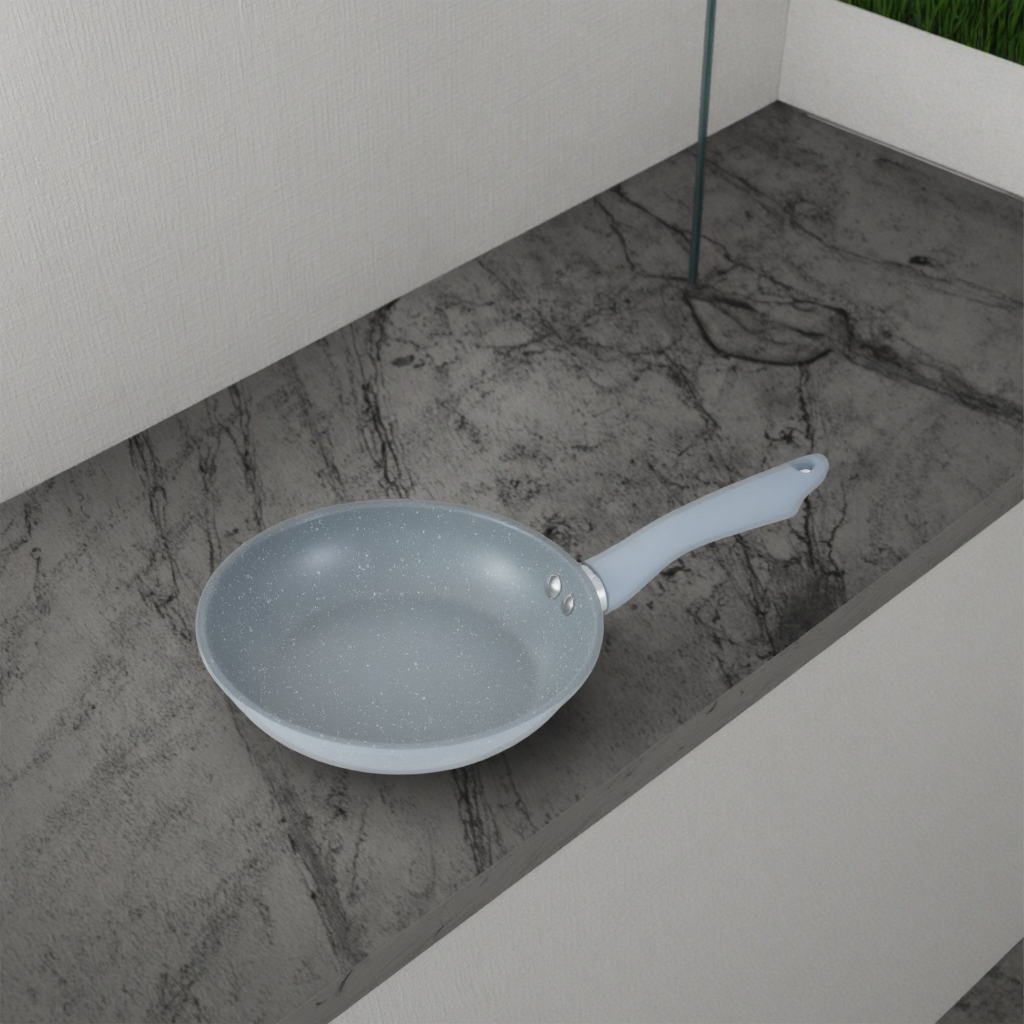
10-Inch Heavy Gauge Carbon Steel Fry Pan with Bakelite Soft Touch Handle Ceramic Non-Stick Eco-Friendly Pans
View Product SpecsStrategic Supply Analysis: Nonstick Baking Pans for the Slovakian Market
The Slovak cookware and bakeware sector is currently undergoing a structural transformation driven by strict European Union sustainability mandates (PFAS phase-outs), rising consumer demand for premium home baking instruments, and shifting retail dynamics in hubs like Bratislava, Košice, Prešov, and Žilina. For commercial buyers, retail sourcing managers, and private-label brand owners in Slovakia, identifying an enterprise-grade manufacturing partner capable of delivering high-quality carbon steel bakeware and forged/pressed aluminum nonstick pans is vital to preserving margin integrity and complying with European regulatory regimes.
As a TÜV Rheinland on-site verified cookware manufacturer operating from Jinhua, Zhejiang, Zhejiang MEIS Kitchenware Co., Ltd. offers direct factory-to-importer supply channels. By engineering nonstick bakeware, roasting trays, and frying pans that integrate advanced organoceramic (Sol-Gel) and PTFE-free fluoropolymer alternatives with heavy-gauge substrate alloys, MEIS provides Slovak importers with a distinct competitive advantage in durability, thermal conductivity, and food-contact safety.
Localized Application Scenarios Across Slovak Kitchens & Commercial Bakeries
Slovak culinary traditions possess deep roots in dense, yeasted pastry baking, savory hearth breads, and roasted meats. Understanding these regional culinary practices allows us to customize wall thickness, core density, surface texture, and coating thermal limits specifically for the Slovakian end-consumer.
Traditional Slovak Bakery (Vianočné Pečivo & Bublanina)
Slovak home baking heavily features delicate fruit sponges like Bublanina, yeasted nut rolls (Orechovník), and intricate Christmas pastries (Vianočné pečivo). These recipes demand uniform heat diffusion across the entire pan surface to prevent localized sugar caramelization and bottom scorching. MEIS heavy-gauge carbon steel baking sheets and aluminum cake pans offer optimal thermal retention, preventing premature crusting while preserving moisture inside yeast-based pastries.
Dense Roast Specialties & Poultry (Kura na Smotane & Duck Roasts)
During autumn feast days (Hody) and family gatherings, heavy roasting pans are utilized for whole goose, duck, and pork loins. MEIS roasting pans equipped with dual-riveted cast steel handles and wire roasting racks permit fat drainage while enduring sustained oven temperatures up to 260°C. The nonstick coating allows sticky meat reductions and fat drippings to release effortlessly during cleanup.
Modern Urban Kitchens & High-Efficiency Induction Hobs
Urban apartments in Bratislava and Košice are rapidly converting to modern glass-ceramic induction stovetops. Cookware and baking pans destined for Slovak retail shelves must integrate full-clad, high-magnetic permeability stainless steel induction bases or natural ferromagnetic carbon steel structures. MEIS cookware ensures flat-bottom stability without warping, ensuring zero energy loss on induction zones.
Macro Trends & Regulatory Compliance Governing Slovakia's Bakeware Market
Sourcing cookware for the European Union market requires strict adherence to evolving health and environmental directives. Importers and retailers distributing products through major Slovak chains (such as COOP Jednota, Kaufland SK, Metro Cash & Carry, Mall.sk, and Alza.sk) face increased regulatory scrutiny and shifting consumer expectations.
1. The EU PFAS Phase-Out & Sol-Gel Ceramic Transition
European chemical regulatory frameworks, overseen by ECHA (European Chemicals Agency), are moving aggressively toward universal restrictions on Per- and Polyfluoroalkyl Substances (PFAS). Slovak consumers are actively prioritizing healthy, eco-friendly cookware free from PFOA, PFOS, Lead, and Cadmium.
MEIS leads this market evolution by supplying advanced Sol-Gel Ceramic nonstick coatings and silicon-polyester bakeware coatings. Our ceramic formulations are inorganic, derived from silica sand, and completely free from fluorinated polymers, resisting degradation up to 450°C without emitting toxic fumes.
2. Stringent LFGB & DGCCRF Food Contact Testing
Slovakia strictly enforces EU Regulation (EC) No 1935/2004 alongside the rigorous German LFGB (Food and Feed Code) standards. Nonstick bakeware must undergo rigorous overall and specific migration testing, verifying that no heavy metal, primary aromatic amine, or volatile organic constituent migrates into food during high-temperature baking.
At MEIS, every batch of raw aluminum alloy, carbon steel coil, and coating matrix undergoes rigorous third-party verification (SGS / TÜV Rheinland) prior to export shipment to Slovakia.
Substrate Engineering Matrix: Carbon Steel vs. Forged vs. Pressed Aluminum
Selecting the optimal material matrix is crucial for target pricing, thermal profile matching, and shelf positioning in Slovak retail stores. The table below illustrates the structural parameters engineered at our Zhejiang manufacturing plant:
| Performance Characteristic | Carbon Steel Bakeware | Forged Aluminum Pan | Pressed Aluminum Pan |
|---|---|---|---|
| Core Tensile Strength | Extreme Rigidity / High Tensile | High Density / Anti-Warp Base | Moderate / Lightweight Structural |
| Thermal Conductivity | Fast, Direct Heat Transfer | Exceptional, Even Diffusion | Rapid Heat Response |
| Induction Compatibility | Naturally Ferromagnetic (100%) | Requires Clad Stainless Disc | Requires Pressed Induction Disc |
| Surface Coating Bond | Shot-Blasted / Nitrided Base | Multi-Layer Granite / Marble | 2-Layer / 3-Layer PTFE/Ceramic |
| Oven Temperature Threshold | Up to 260°C – 300°C | Up to 240°C (Oven Safe) | Up to 220°C |
| Slovakian Retail Positioning | Baking Sheets, Loaf Pans, Roasters | Premium Fry/Saute Pans & Casseroles | Volume Promotional & Supermarket Sets |
Enterprise Advantages: Why Slovakia Importers Partner with Zhejiang MEIS
Operating out of the Dongnan Industrial Zone, Shuxi Street, Jinhua, Zhejiang, China, Zhejiang MEIS Kitchenware Co., Ltd. serves as a direct manufacturing engine for global distributors, private-label brands, and importers.
TÜV Rheinland On-Site Verified
Our production floor, administrative operations, and quality management protocols are fully verified on-site by TÜV Rheinland. Importers gain absolute supply chain transparency without costly third-party agency overheads.
In-House Tooling, CNC & Mold Making
Equipped with internal lathe machinery, precision CNC centers, hydraulic presses, and automatic washing/spray lines, MEIS transforms custom 2D/3D concept sketches into physical samples rapidly, eliminating external mold delays.
Comprehensive Quality Testing Laboratory
We maintain an in-house laboratory equipped with salt spray corrosion testers, coating curing validation ovens, handle thrust testers, torsion rigs, and handle fatigue testers to ensure every production batch survives transit and rigorous daily usage.
End-to-End Private Label Customization for Slovak Brands
From custom color matching (Pantone system) for nonstick ceramic coatings, to custom-engraved stainless steel handle rivets, customized laser-etched induction bottoms, and eco-friendly FSC cardboard packaging printed in Slovak language — MEIS provides total OEM/ODM flexibility.
Slovakia B2B Procurement FAQ
Answers to common supply chain, regulatory, and technical questions asked by Slovakian cookware importers and purchasing managers.
Are MEIS baking pans and nonstick cookware fully compliant with Slovak and EU food contact laws?
Yes. All cookware and bakeware produced by Zhejiang MEIS Kitchenware Co., Ltd. complies with EU Regulation (EC) No 1935/2004 and the German LFGB standard. Our nonstick coatings—including ceramic, marble/granite, and nitrided carbon steel—are tested for overall migration, heavy metals (Cadmium, Lead, Nickel), and volatile organic compounds (VOCs) through accredited laboratories such as SGS and TÜV Rheinland.
What is the minimum order quantity (MOQ) for shipping to Slovakia?
Standard minimum order quantities generally range from 1,000 to 3,000 pieces or sets per model for fully customized OEM production (custom color, specialized packaging, laser branding). However, for selected stock fry pans, woks, and standard baking sheets, trial orders starting from 50 to 500 pieces can be accommodated to assist with market testing in Central Europe.
What shipping and logistics channels are recommended for Bratislava or Košice?
Most shipments bound for Slovakia originate from Ningbo Port or Shanghai Port, dispatched via ocean freight to European gateways such as the Port of Koper (Slovenia) or Hamburg (Germany), followed by feeder rail/truck transport directly to inland container depots in Bratislava or Žilina. We offer complete FOB, CIF, or DDP (Delivered Duty Paid) trade terms.
Can MEIS develop custom-shaped baking pans for regional Central European baked goods?
Absolutely. With our in-house mold workshop, precision CNC machinery, and hydraulic drawing lines, we can engineer custom metal tooling for specialized baking shapes—such as bundt pans (Bábovka), fluted tart tins, rectangular loaf pans, or custom roasting trays—with prototype samples ready within 15–20 days.
What is the difference between carbon steel and pressed aluminum for commercial baking line supply?
Carbon steel provides superior structural strength, higher heat tolerance, and natural induction compatibility, making it ideal for baking tins, roasting trays, and heavy-duty pans. Pressed aluminum is lighter and faster at thermal conduction, making it cost-effective for promotional retail sets and quick-heating stovetop fry pans.
Expand Your Cookware Line in Slovakia with MEIS
Partner directly with a TÜV Rheinland verified manufacturer. Request our latest product catalog, technical specification sheets, or custom OEM quotation today.
Get Catalog