Aluminum Alloy
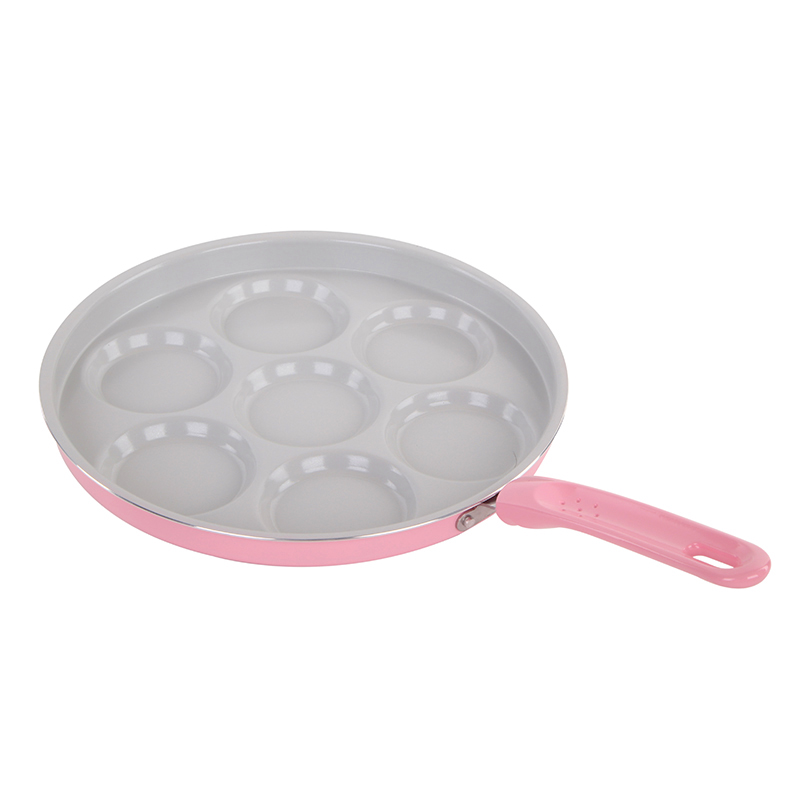
Eco-Friendly Modern Aluminum Alloy Non-Stick Casserole & Pan Set
Multi-layer PTFE/Granite nonstick, precision spun bottom, balanced thermal retention for German home kitchens.
Engineered by Zhejiang MEIS Kitchenware Co., Ltd. for direct maritime container shipping to the Port of Hamburg (Waltershof / CTA terminals). Full OEM/ODM technical support with LFGB-compliant coatings.
Multi-layer PTFE/Granite nonstick, precision spun bottom, balanced thermal retention for German home kitchens.
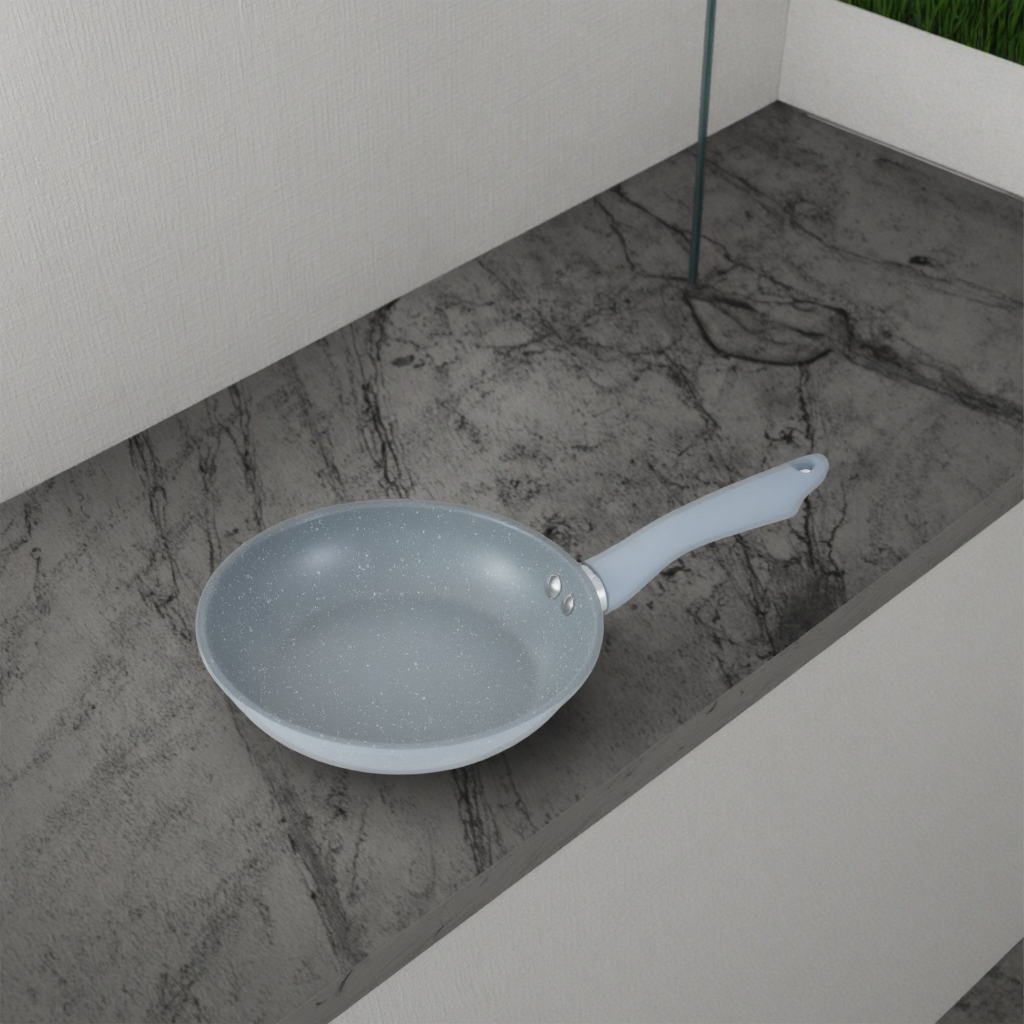
Naturally ferromagnetic core, soft-touch ergonomic German-standard handle, high-release eco-ceramic finish.
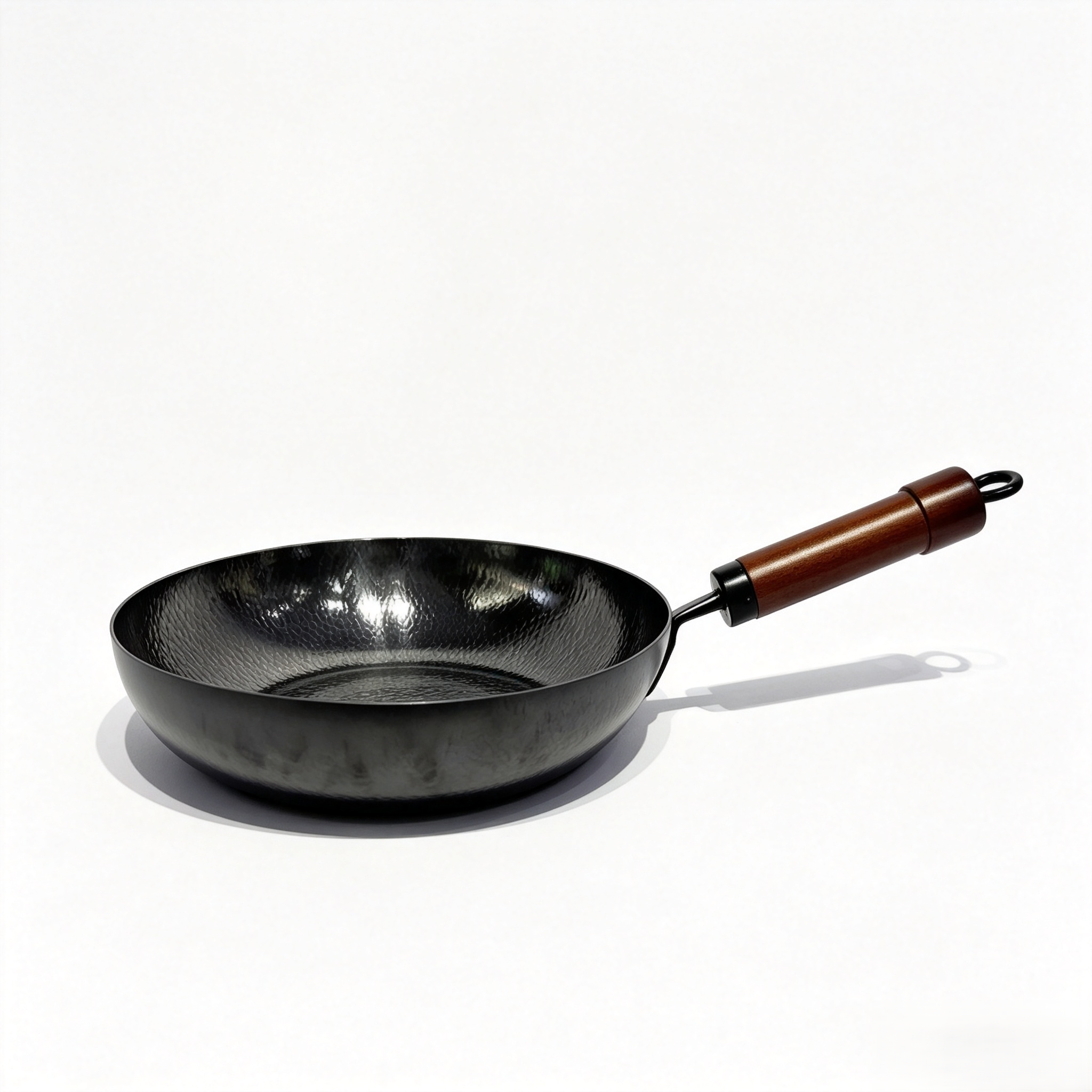
Chemical-free gas nitriding corrosion resistance, hammered surface, induction-ready flat base, 2-3L capacity.
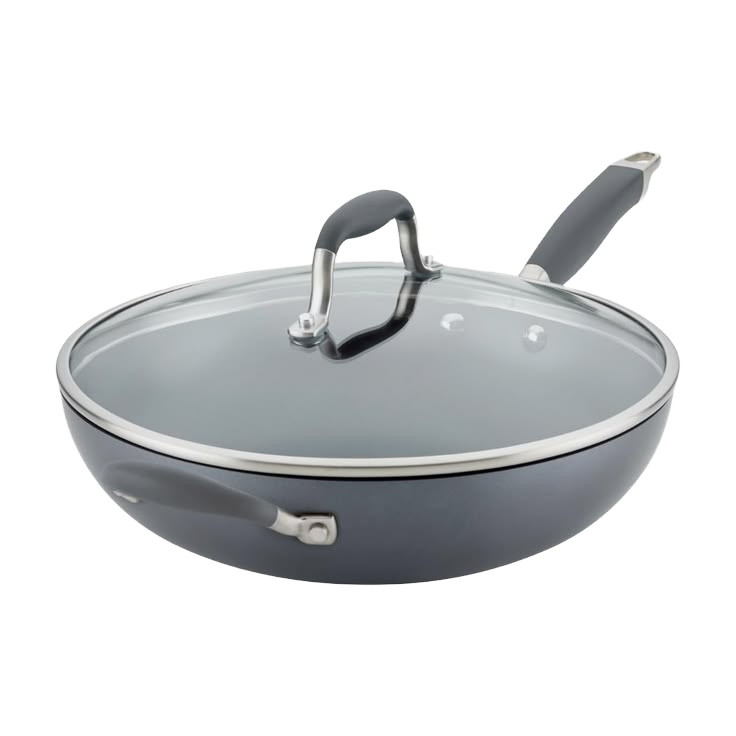
26/28/30cm configurations, perforated stainless induction disc, thermal shock resistant glass cover, oven safe.
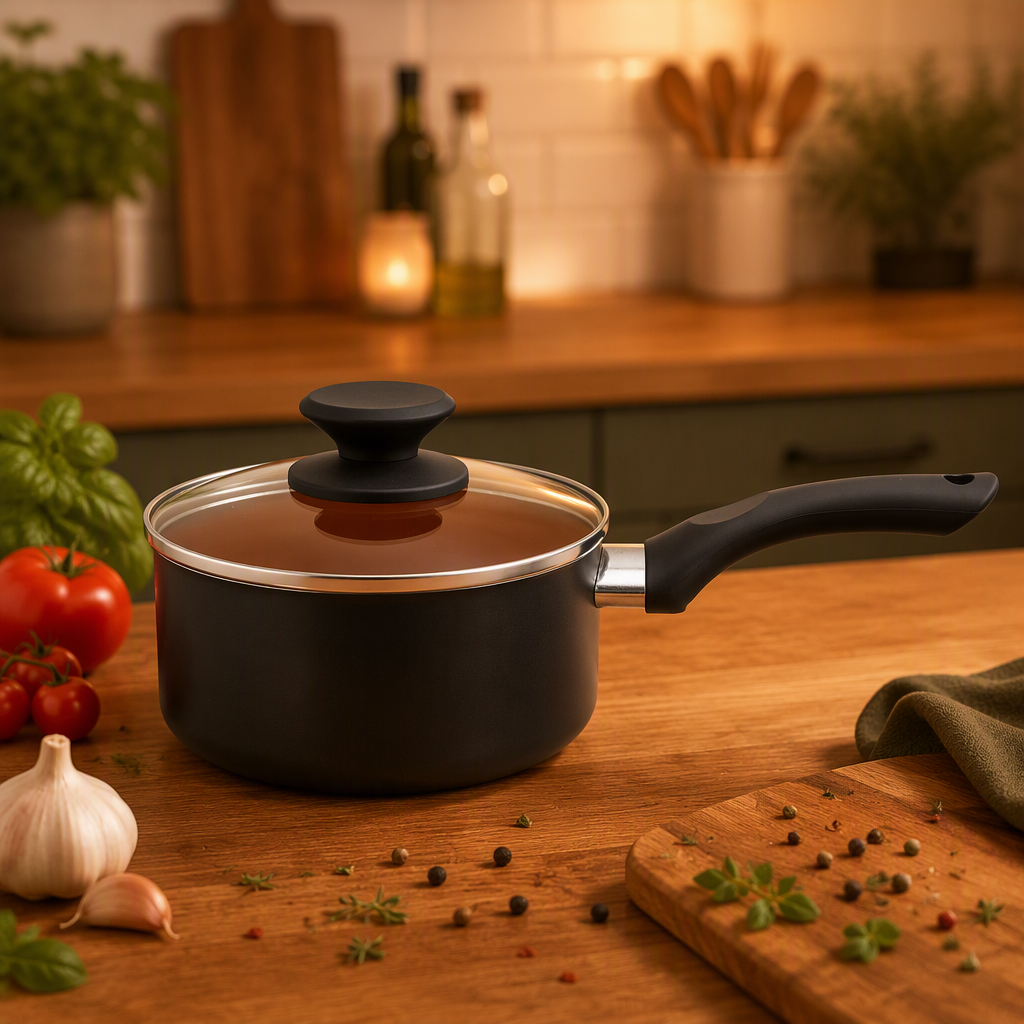
Dual-sided pour spouts, lightweight high-tensile alloy body, anti-warp magnetic bottom for induction stoves.
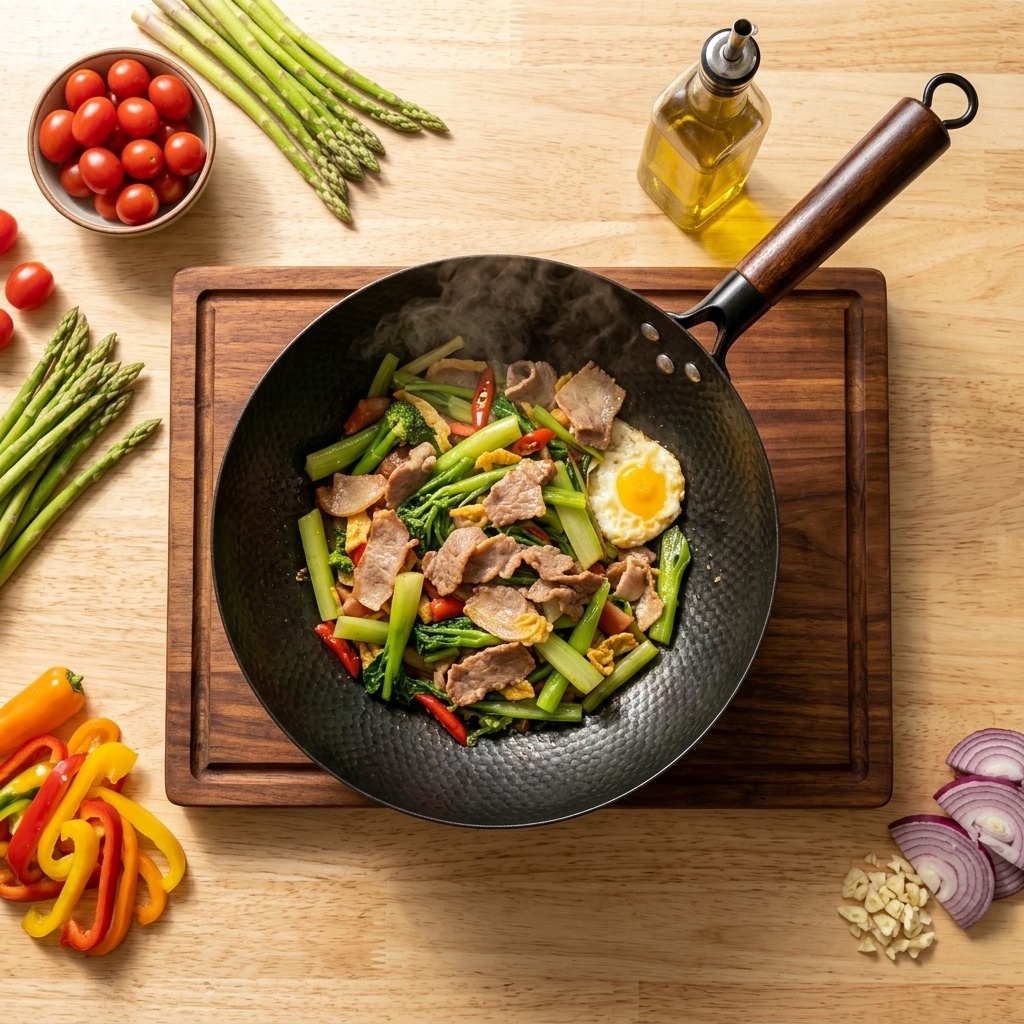
Nitrogen molecular infusion coating, thick flat induction bottom, solid beechwood stay-cool handle hardware.
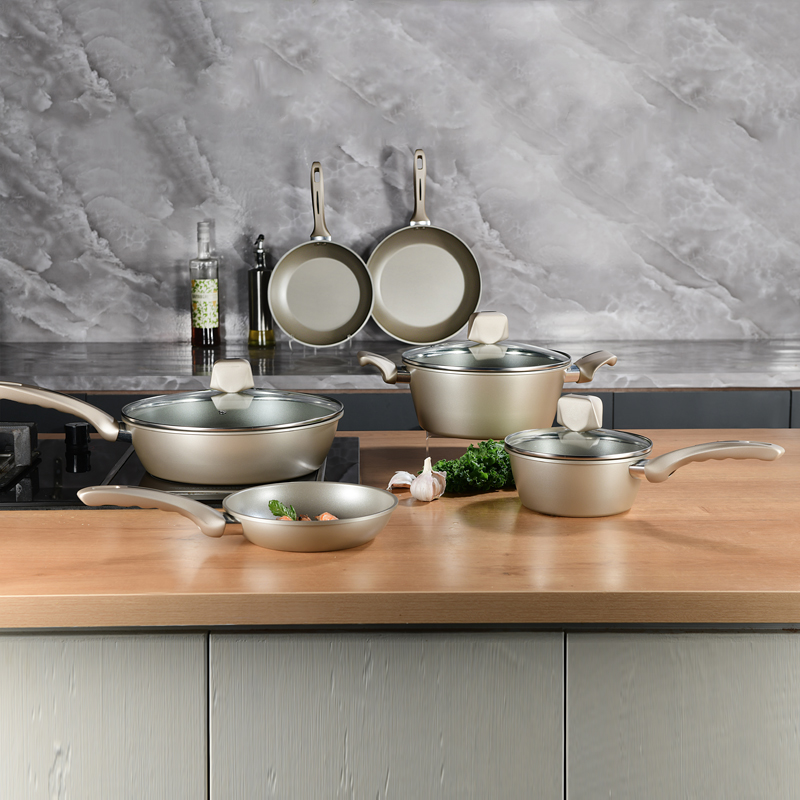
Complete kitchen solution with casseroles, saucepans, and Dutch ovens. Titanium diamond reinforced matrix.
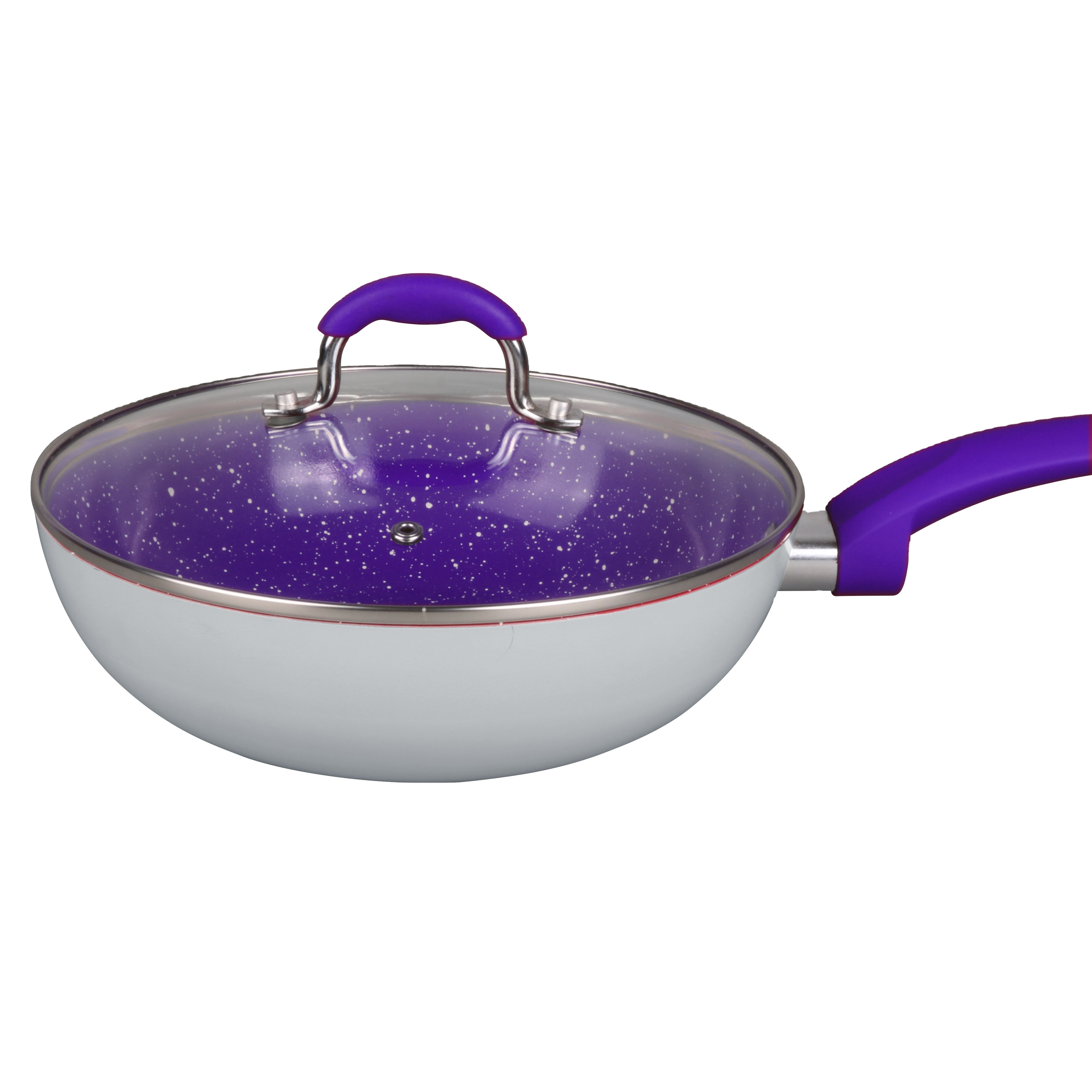
Triple-pass mineral speckle coating, flame-guard bakelite hardware, optimized cost-to-weight ratio for retail chains.
Why product engineering for Hamburg demands specialized thermal hysteresis, strict acid resistance, and high-wattage induction stability.
Hamburg is not merely Germany's second-largest metropolis; it is the commercial fulcrum of Northern European gastronomy and maritime logistics. The Hanseatic cooking culture has historically evolved around hearty, prolonged braising techniques, complex acidic stews, and delicate seafood preparations. Classical regional dishes—such as Labskaus (salted beef, beetroot, and potato hash requiring consistent, low-scorch simmering), Hamburger Aalsuppe (a sweet-and-sour eel and vegetable soup featuring dried fruits and vinegar accents), and Birnen, Bohnen und Speck (pears, green beans, and cured bacon simmered in rich stock)—require cookware capable of precise thermal distribution and chemical neutrality.
When overseas importers supply nonstick casseroles into the Hamburg retail landscape (such as EDEKA, REWE, or specialty cookware chains across Neuer Wall and Eppendorf), the products must withstand harsh culinary acids without degrading the fluoropolymer or ceramic coating matrix. Standard commercial casseroles frequently fail due to thermal shock or micro-pitting caused by organic food acids combined with high-salinity brines. Zhejiang MEIS Kitchenware Co., Ltd. resolves this through our specialized 3-layer multi-coat application process, utilizing inorganic sol-gel ceramic primer coats combined with reinforced mineral matrices that resist both acidic etching and cyclical high-temperature deglazing.
Hanseatic recipes frequently combine pickled ingredients, vinegar, and tart Northern apples. Our sol-gel and granite matrix casseroles undergo 24-hour acetic acid bath testing to guarantee zero leaching or blister formation.
Slow-braised stews require even energy retention. Our die-forged aluminum alloy casseroles feature an augmented 4.5mm base tapering to 2.2mm side walls, eliminating localized hot spots on German glass-ceramic and induction hobs.
In newly developed residential areas like HafenCity, Altona, and Winterhude, compact kitchens dominate. Our nesting casserole sets with detachable cool-touch handles and flat glass silicone-rimmed lids maximize cabinet volume efficiency.
A technical overview of regulatory shifts dictating procurement requirements for Hamburg distributors and European brand owners.
The German consumer market is widely recognized as one of the world's most discerning regarding chemical safety, circularity, and resource efficiency. Sourcing managers operating out of Hamburg face an increasingly stringent regulatory architecture governed by the German Food and Feed Code (LFGB § 30 and § 31), European Framework Regulation (EC) No 1935/2004, and the ongoing European Chemicals Agency (ECHA) universal restriction proposal targeting Per- and polyfluoroalkyl substances (PFAS).
German consumers actively inspect product packaging for explicit assurances of PFAS-frei, PFOA-frei, and BPA-frei compliance. In response, MEIS Kitchenware has deployed high-grade inorganic ceramic nonstick coatings formulated from natural silica and waterborne matrices that operate completely free of fluorochemicals while sustaining nonstick contact angles exceeding 105° across more than 5,000 continuous abrasion cycles.
Every batch certified for heavy metal migration limits: Lead (Pb) < 0.01 mg/dm², Cadmium (Cd) < 0.002 mg/dm², and zero volatile organic compounds under 4-hour immersion boiling.
Dual-line engineering capabilities: traditional ultra-durable PTFE formulations for maximum nonstick longevity, alongside pure sol-gel mineral ceramics for brands leading the 100% PFAS-free charge.
With induction hob adoption in Germany surpassing 72% in new kitchen installations, our full-coverage impact-bonded or friction-welded stainless induction plates guarantee 98% magnetic flux coupling.
100% recyclable, plastic-free gift box and transit packaging compliant with Germany’s LUCID packaging register, reducing statutory recycling fees for Hamburg importers.
| Performance Vector | Die-Forged Aluminum Casserole | Heavy-Gauge Carbon Steel Casserole | Pressed Aluminum Casserole |
|---|---|---|---|
| Thermal Distribution Uniformity | Superior (94-96%) – Thick base prevents localized oil scorching | Moderate to High (86-90%) – Rapid response to flame adjustments | Fast but Localized (80-84%) – Lightweight, rapid heat cycling |
| Base Warp Resistance on Induction | Maximum resistance via 4.5mm cold-forged bottom | Naturally ferromagnetic core; structural yield strength resists bowing | Requires perforated bonded induction plate (2.5mm - 3.0mm) |
| Coating Adhesion & Hardness | 4H - 6H Pencil Hardness (Dual-pass Ceramic / PTFE) | 5H - 7H Hardness (Titanium or Nitrided micro-finish) | 3H - 4H Hardness (Supermarket promotional standard) |
| Target Hamburg Distribution Tier | Premium Department Stores, E-Commerce Brands, Culinary Retail | Specialty Cooking Boutiques, HoReCa, Professional Caterers | Discount Chains (Lidl/Aldi format), High-Volume Promotional Sets |
A TÜV Rheinland on-site assessed facility operating integrated mold fabrication, CNC finishing, automated coating lines, and rigorous internal testing.
Founded in Dongnan Industrial Zone, Shuxi Street, Jinhua, Zhejiang—the heartland of Chinese metallic hardware and cookware manufacturing—Zhejiang MEIS Kitchenware Co., Ltd. represents 20 continuous years of specialized nonstick kitchenware manufacturing. Unlike export trading houses that broker cookware contracts through unvetted sub-tier facilities, MEIS maintains complete end-to-end custody over every stage of the manufacturing continuum.
With an operational workforce of 105 verified technical and production personnel and over 18 years as an audited B2B Gold Supplier, our infrastructure includes hydraulic pressing lines (300 to 1,200 tons), CNC lathe finishing, precision punching, continuous multi-stage ultrasonic degreasing, robotic spray coating booths, and high-temperature curing tunnels. Our manufacturing processes have been inspected on-site by TÜV Rheinland, giving European buyers ironclad assurance of production integrity, labor standards, and quality management systems.
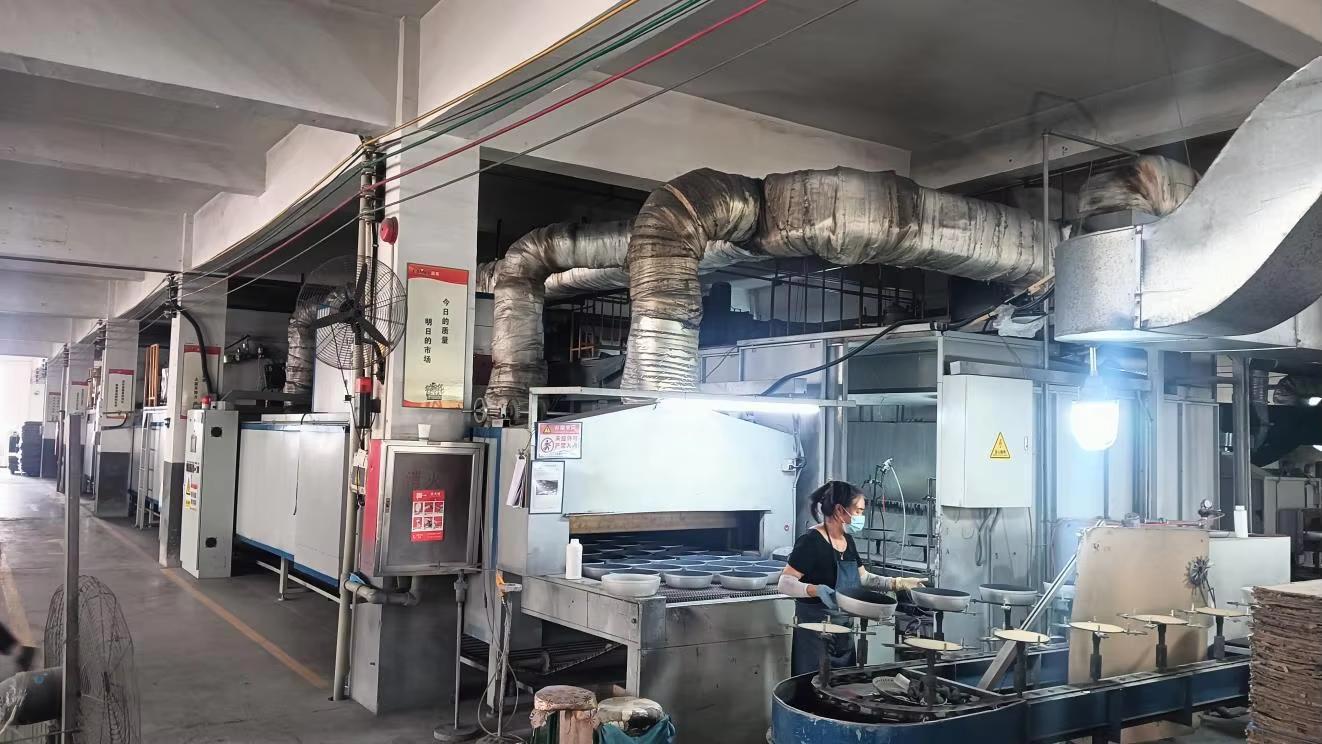
Computer-controlled reciprocal spray nozzles ensuring micrometer-accurate coating thickness (35–45μm).
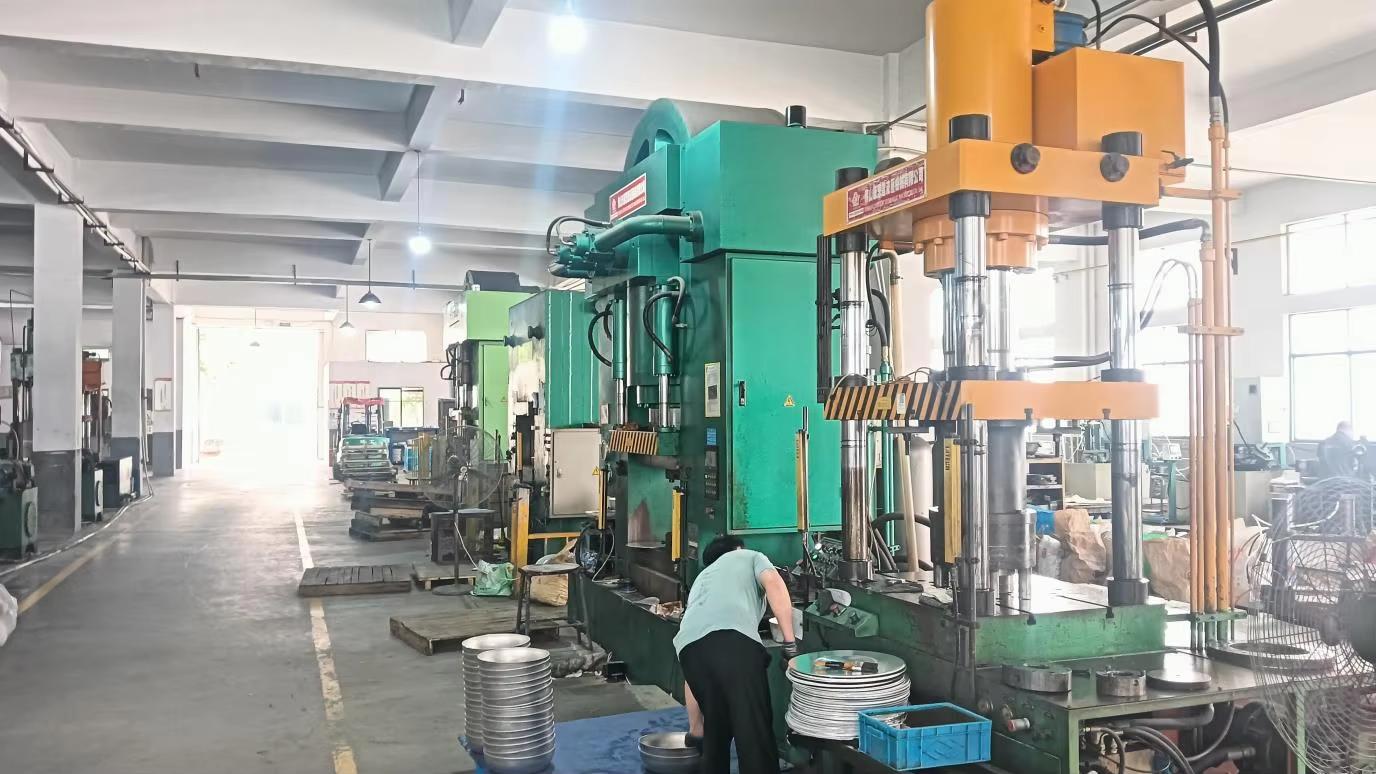
High-tonnage stamping ensuring consistent wall gauge and absolute dimensional stability across large runs.
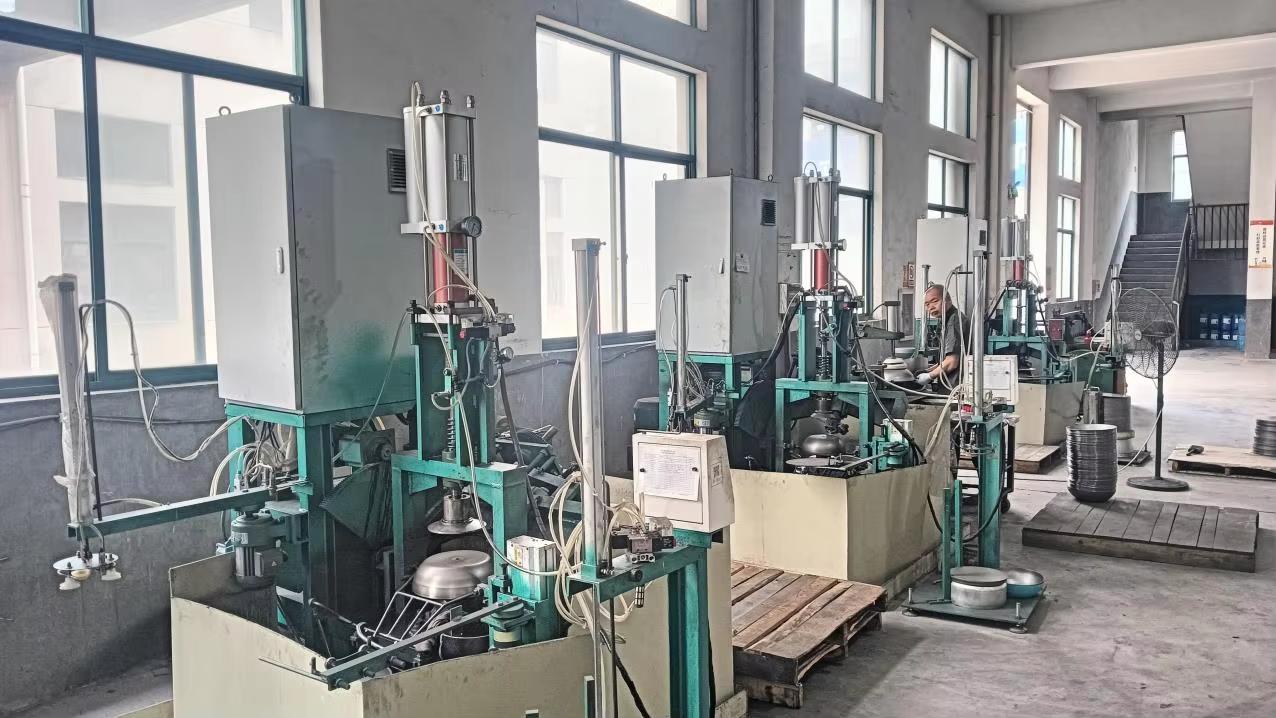
High-precision lathe machining delivering 100% planar flatness for wobble-free contact on glass cooktops.
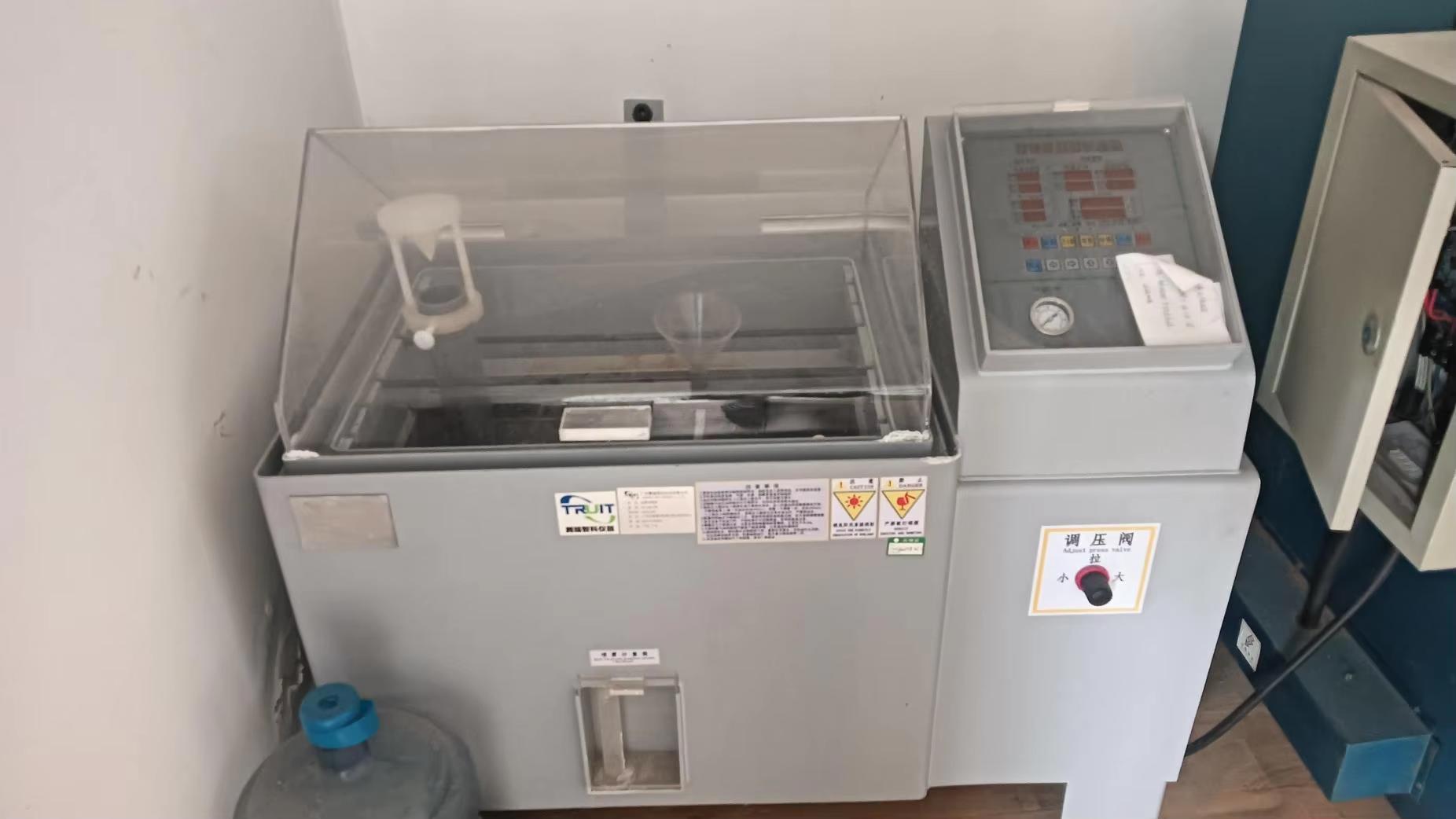
Salt-spray, handle torque, dishwasher simulation, and pencil hardness verification for every shipment.
Strategic logistics integration delivering predictable lead times and optimized freight landed costs directly into the Hanseatic logistics corridor.
For German buyers, the true cost of nonstick cookware is determined not simply at the factory gate (FOB), but by the efficiency and predictability of the ocean freight pipeline. Located in Jinhua, Zhejiang, MEIS Kitchenware enjoys equidistant highway access to two of the world's most efficient container transshipment ports: Ningbo-Zhoushan Port (approx. 210 km) and Port of Shanghai (approx. 330 km).
Direct ocean container routes (operated by carriers such as Hapag-Lloyd, Maersk, and COSCO) transit from Ningbo/Shanghai via the Suez Canal or Cape of Good Hope directly into the Port of Hamburg (HHLA Container Terminals Burchardkai - CTB, and Altenwerder - CTA). Ocean transit times typically range from 28 to 36 days. From the Waltershof and Kattwyk logistics clusters in Hamburg, arriving 40-foot High-Cube (40HQ) containers can be rapidly devanned, custom-cleared via the local Hauptzollamt Hamburg, and cross-docked to regional central distribution warehouses across Lower Saxony, Schleswig-Holstein, North Rhine-Westphalia, and the wider DACH market.
Our packaging engineers design nested casserole sets and space-saver flat handles, increasing 40HQ container capacity by up to 28% (yielding 14,000–18,000 pieces per container, sharply cutting freight costs per unit).
We supply verified HS Code classification (TARIC 7615 10 80 90 for aluminum casseroles, 7323 93 00 for carbon steel), complete Certificates of Origin, Bill of Lading, Packing Lists, and accredited LFGB laboratory test reports.
Whether your procurement model mandates traditional FOB Ningbo/Shanghai, CIF Hamburg, or complete DDP delivery to your logistics hub in Billbrook or Neu Wulmstorf, our experienced international trade desk accommodates your risk profile.
Authoritative technical answers to common questions regarding minimum orders, testing protocols, private label branding, and dishwasher survivability.
Connect directly with Zhejiang MEIS Kitchenware’s technical export desk. Receive our comprehensive nonstick casserole engineering catalogue, sample kits for LFGB lab verification, and custom CIF Hamburg price calculations.