Featured Commercial Cookware Lines for Importers in Havana
Direct factory export catalog verified for Caribbean maritime transportation, high-temperature gas ranges, and commercial hospitality kitchens.
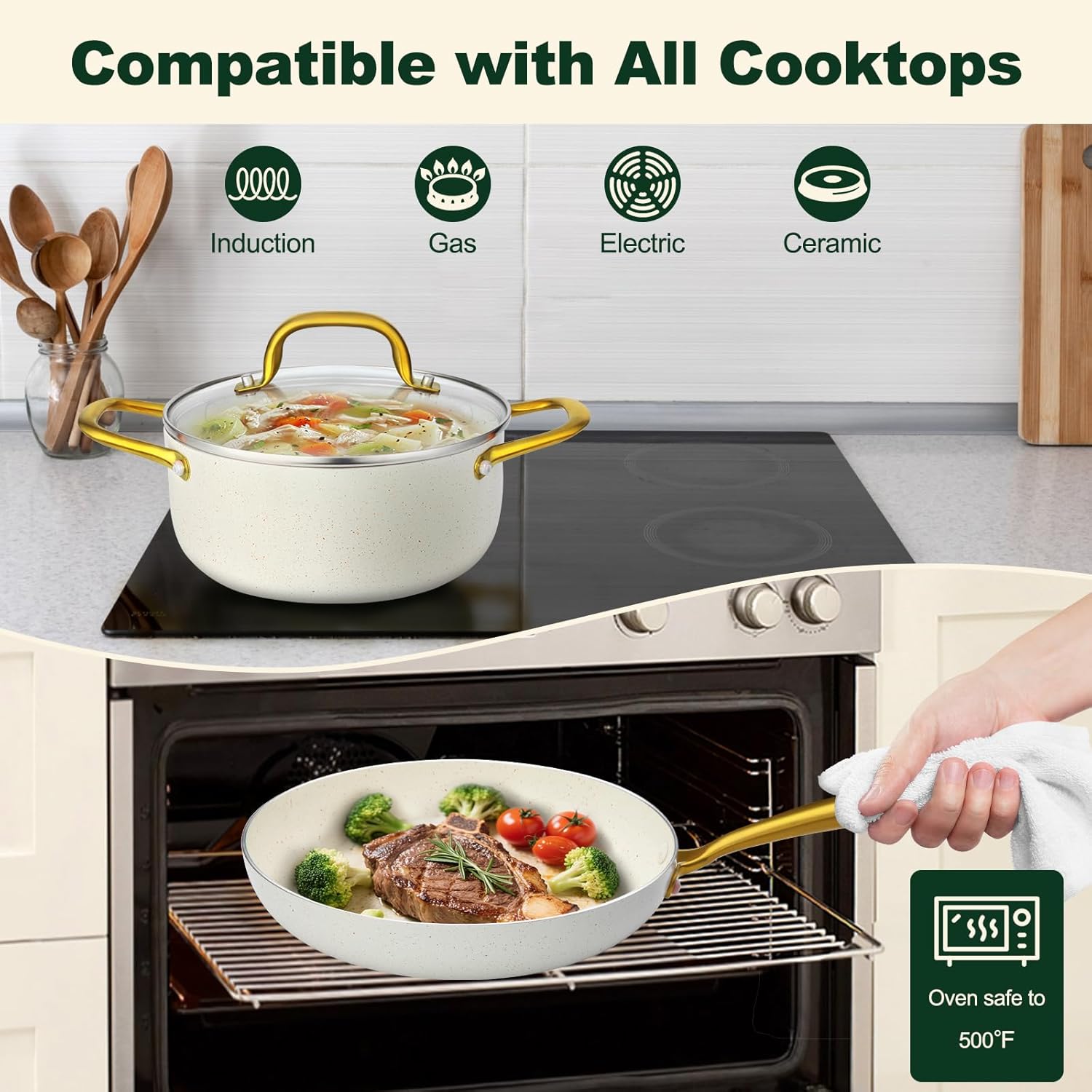
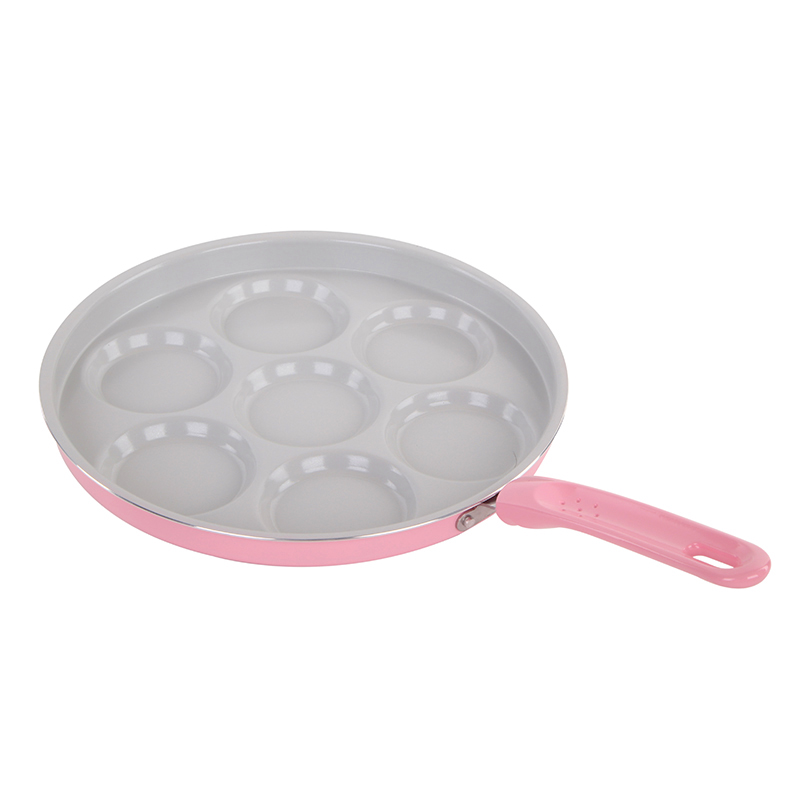
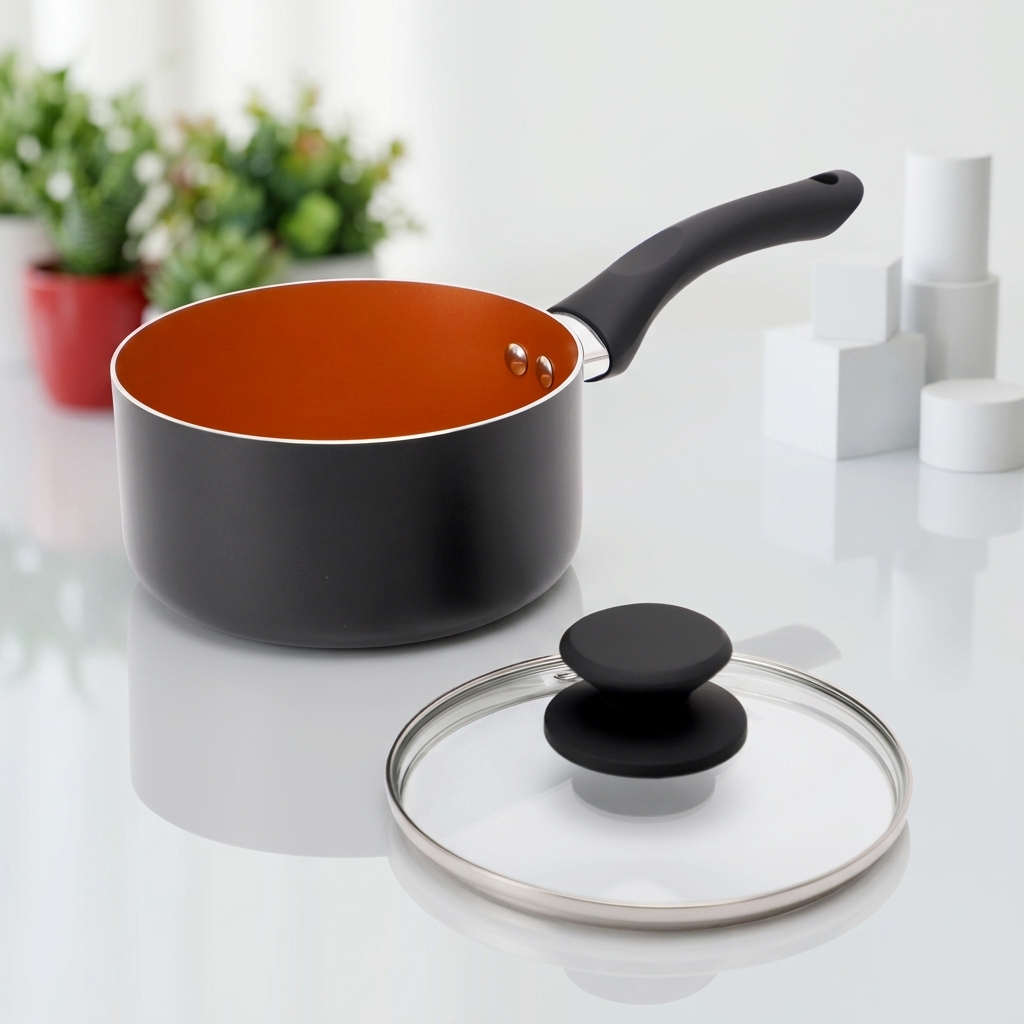
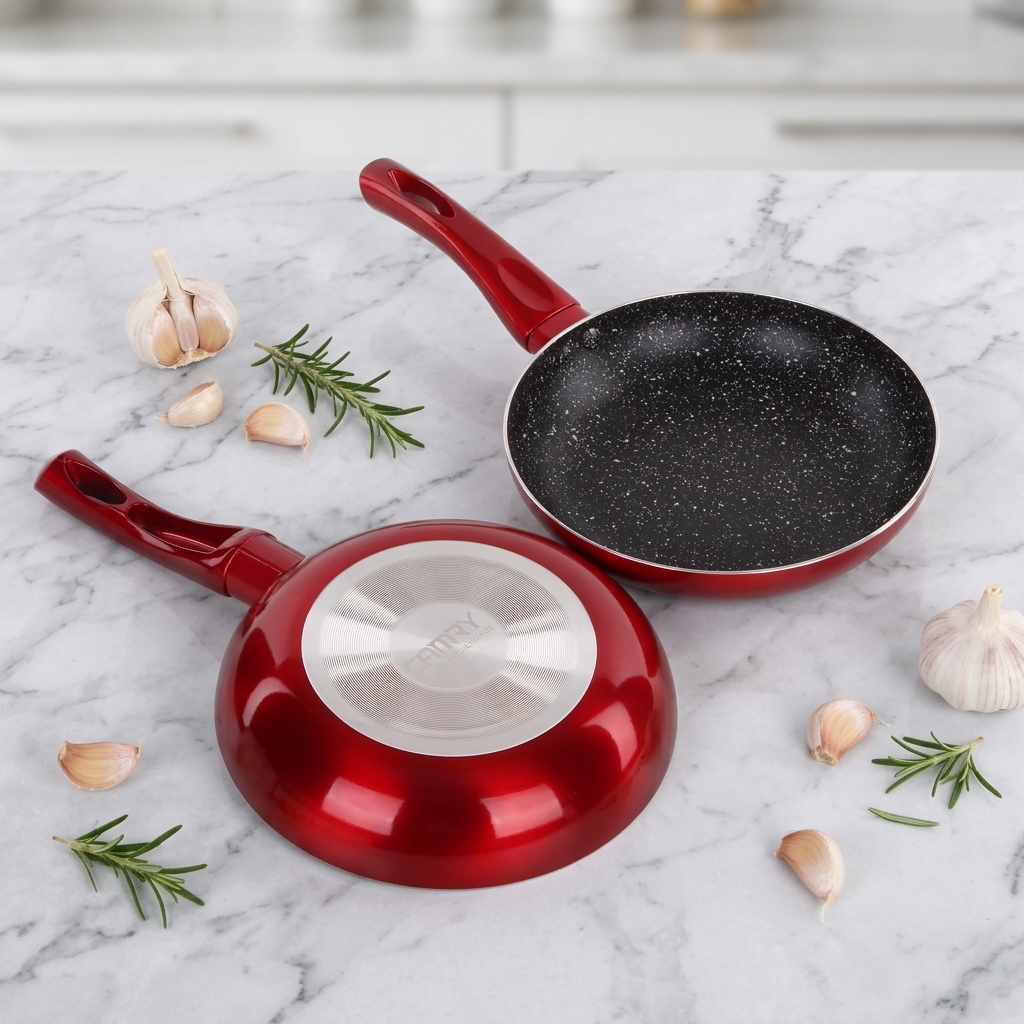

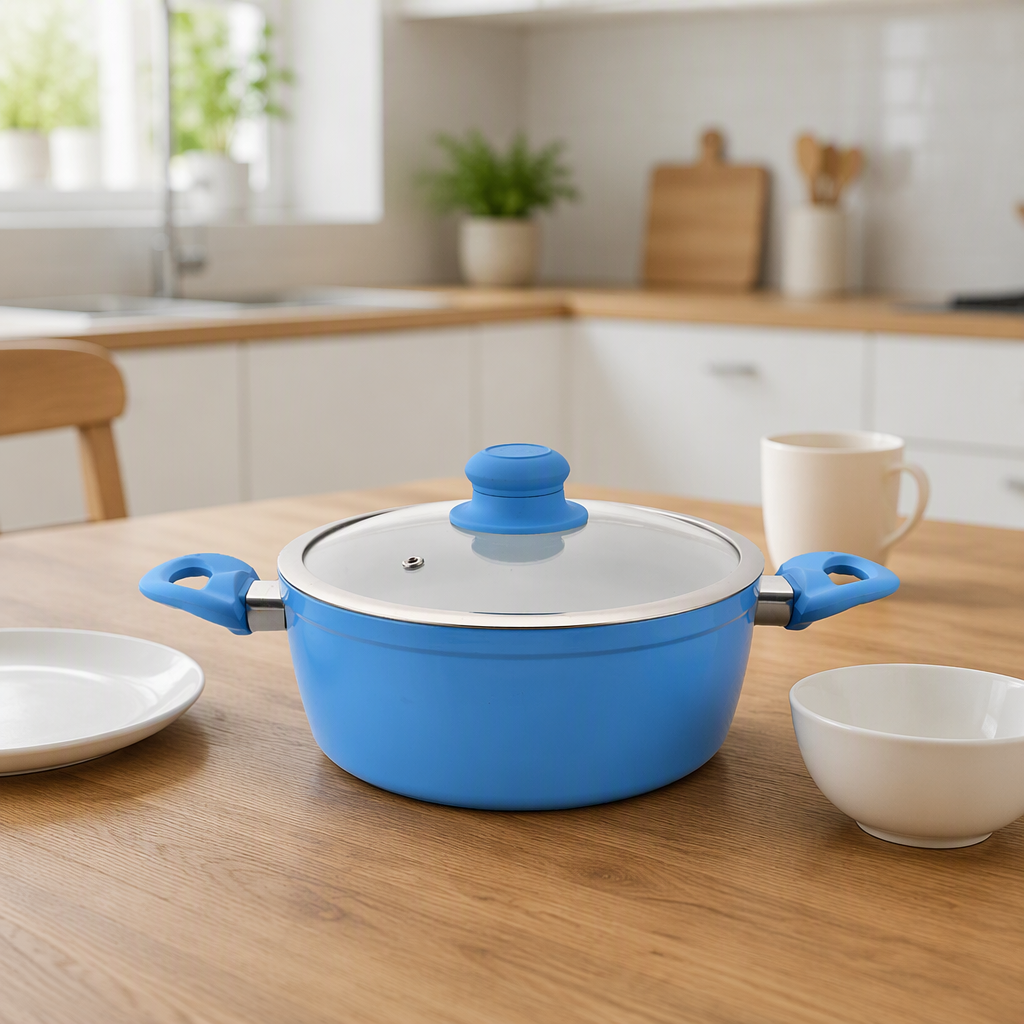
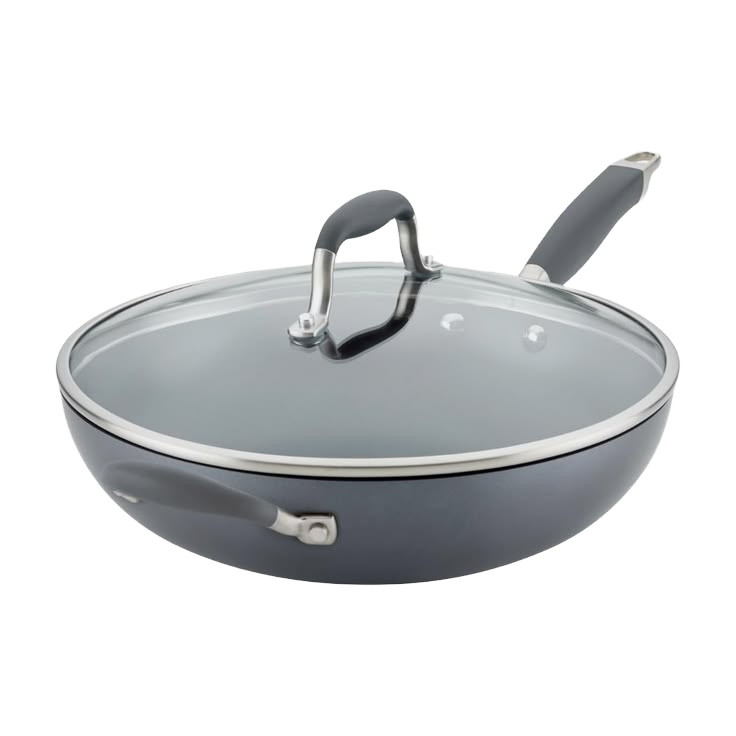

Engineering Assessment: OEM/ODM Aluminum Alloy Saucepans for Havana Sourcing
Procuring commercial-grade cookware sets for the Caribbean market—specifically Havana, Cuba—requires a comprehensive understanding of metallurgy, thermal conductivity, coating adhesion under high humidity, and local energy infrastructure. As a premier OEM/ODM Aluminum Alloy Saucepan Set Supplier & Exporter, Zhejiang MEIS Kitchenware Co., Ltd. delivers purpose-engineered cookware optimized for both retail chains (such as TRD and Cimex channels) and expanding commercial sectors including Paladares (private restaurants), state-operated hotel groups (Iberostar, Meliá Havana networks), and residential consumers across the 15 municipalities of Havana.
Information Gain Insight: Unlike standard commercial cookware exported to temperate zones, aluminum alloy saucepan sets destined for Havana must withstand continuous high-saline coastal air, localized water hardness, and prolonged simmering typical of traditional Cuban culinary preparations like frijoles negros, sofrito reductions, and slow-cooked stews.
1. Thermal Dynamics under Havana Energy Conditions
In Havana, residential and commercial kitchens operate under varying fuel sources, ranging from municipal liquid petroleum gas (LPG) and bottled butane/propane to electric hotplates and induction hobs. Aluminum alloy (specifically 3003 and 4006 structural grade alloys) exhibits a thermal conductivity rating of approximately 225 to 237 W/m·K, significantly outperforming 304-grade stainless steel (16 W/m·K). This high thermal reactivity ensures rapid heat distribution across the pan base, reducing fuel consumption by up to 38% during long simmering cycles—a crucial purchasing criterion for energy-conscious buyers in Cuba.
2. Localized Application Scenarios across Havana Market Segments
Residential & Casas Particulares
Compact 1.5QT to 2.5QT pressed aluminum saucepans equipped with flame-retardant, soft-touch Bakelite handles are extensively deployed in private guesthouses across Vedado and Miramar. Fast thermal response minimizes cooking gas usage during breakfast and daily sauce preparation.
Commercial Paladares & Culinary Operations
Heavy-gauge forged aluminum alloy saucepans featuring thick 4.0mm to 4.5mm bases resist thermal shock and warping under continuous 12-hour kitchen shifts in Old Havana (La Habana Vieja). Sol-Gel ceramic matrix coatings prevent acidic tomatoes and citrus marinades from corroding raw metal.
Coastal Resort & Hotel Procurement
Multi-layer PFOA-free granite speckle interior coatings integrated with induction-bonded magnetic bases ensure seamless operation on modern glass-ceramic induction cooktops used in international hotel kitchens along the Malecón waterfront.
Localized Sourcing & Procurement Trends in Cuba
The Cuban retail and commercial kitchenware sector is undergoing a structural shift driven by economic modernization, private enterprise growth (MSMEs / mipymes), and updated import frameworks. B2B buyers seeking to import aluminum alloy saucepan sets to Havana must align with three primary macro-trends:
- Transition to Non-Toxic Fluoropolymer & Ceramic Coatings: Consumers and commercial buyers in Havana are actively moving away from raw uncoated metal toward non-stick ceramic and granite coatings certified 100% PFOA-free, Lead-free, and Cadmium-free under LFGB and FDA food safety standards.
- Preference for Detachable & Ergonomic Handle Assemblies: High international maritime container freight rates prioritize stackable, space-saving cookware designs. Saucepan sets featuring detachable handles maximize CBM utilization per 40ft High Cube container landed at the Port of Havana (Puerto de La Habana / Zona Especial de Desarrollo Mariel).
- Corrosion-Resistant Exterior Protection: High relative humidity (often exceeding 80% year-round in Havana) requires heat-resistant silicone polyester exterior lacquers or nitrided protective layers that prevent exterior oxidation and salt-spray pitting during sea transit and warehouse storage.
Technical Specifications Matrix for Havana B2B Buyers
Compare our primary structural configurations to select the optimal performance-to-cost ratio for your target wholesale distribution or retail price point.
| Specification Parameter | Pressed Aluminum Saucepan Set | Forged Aluminum Saucepan Set | Nitrided Carbon Steel Pan Series |
|---|---|---|---|
| Base Metal Grade | 1050 / 3003 Aluminum Sheet | 3003 / 4006 Forged Alloy | Heavy-Gauge Cold Rolled Steel |
| Wall / Rim Thickness | 1.8mm – 2.5mm | 2.8mm / 4.0mm – 4.5mm Rim | 1.2mm – 1.8mm Gauge |
| Thermal Conductivity | Ultra-Fast (230 W/m·K) | High Retention / Warp-Resistant | Rapid Heat Transfer (Naturally Magnetic) |
| Coating Options | 2-Layer PTFE / Sol-Gel Ceramic | Granite / Marble Speckle / PVD | Nitrided Surface Layer / Titanium Nonstick |
| Stovetop Compatibility | Gas, Electric, Ceramic (Induction Optional) | All Heat Sources (Induction Ready Base) | Gas, Electric, Direct Induction Native |
| Salt Spray Resistance | Standard (ASTM B117 > 24 hrs) | Enhanced (ASTM B117 > 48 hrs) | High Nitrided Barrier Coating |
| Ideal Market Channel | Mass Wholesale & Supermarkets | Boutique Retail, Hotels & E-Commerce | Commercial Catering & Value Lines |
Zhejiang MEIS Kitchenware: Factory Advantage & E-E-A-T Guarantee
Located in the Dongnan Industrial Zone, Shuxi Street, Jinhua, Zhejiang, China, Zhejiang MEIS Kitchenware Co., Ltd. operates as a fully integrated manufacturer and global exporter. Verified on-site by TÜV Rheinland, our 105-person manufacturing plant encompasses complete end-to-end production lines—eliminating intermediary trading markups and ensuring rigorous quality control at every phase.
TÜV Rheinland Audited Quality
On-site raw material spectrometry, coating thickness calibration, and batch testing ensure full structural integrity. Every shipment complies with international food-contact safety standards.
In-House Tooling & Mold Workshop
Equipped with high-precision lathes and CNC machining centers, our R&D team develops custom mold shapes, customized rim profiles, and private-label handle engravings with rapid 15-day prototyping cycles.
Export Logistics to Havana Port
Extensive experience in sea freight container packing (FCL/LCL), ocean moisture protection, tropical desiccants, and customs documentation tailored for Cuban trade clearance.
Frequently Asked Questions for Havana Buyers & Importers
Partner with a Certified OEM/ODM Cookware Manufacturer
Streamline your supply chain with direct factory pricing, certified food-grade materials, and custom-engineered cookware designed for the Cuban market. Contact our engineering and export team today to receive a comprehensive product catalog, sample options, and freight quotations.
Get Catalog