8-Piece Cookware Suite
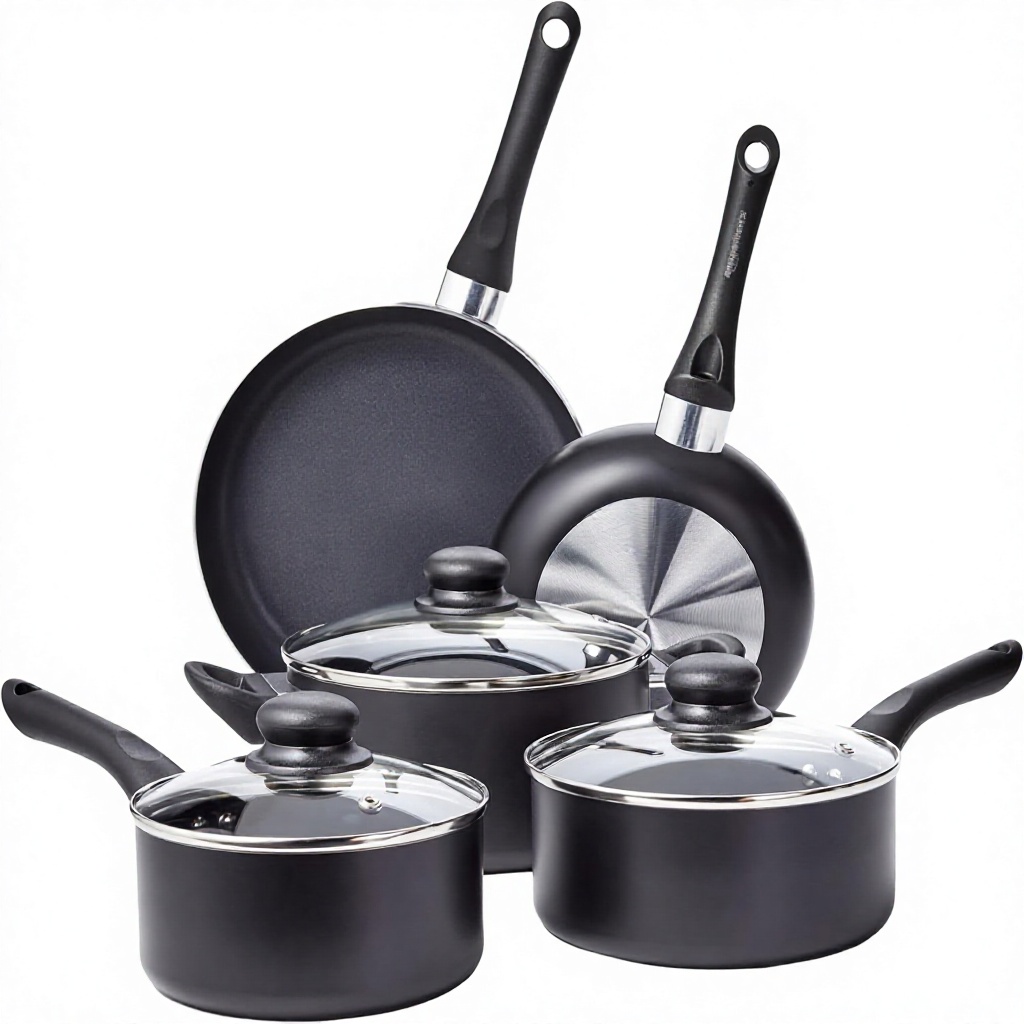
Precision-engineered pressed aluminum, heavy-gauge die-forged alloys, and nitrided carbon steel stir-fry pans tested for Toronto's multi-ethnic commercial kitchens and modern residential condominium induction stovetops.
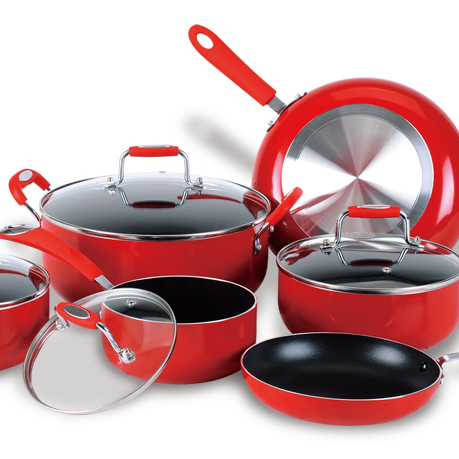
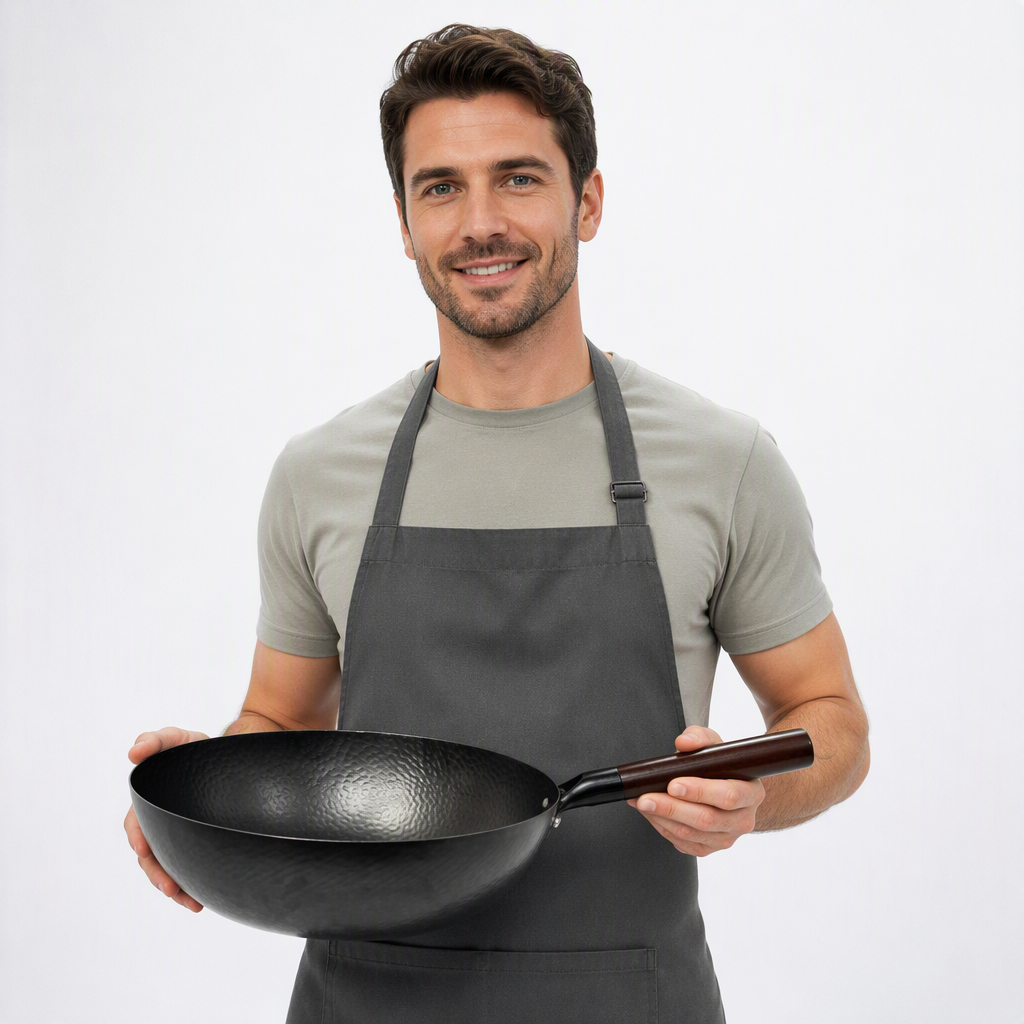
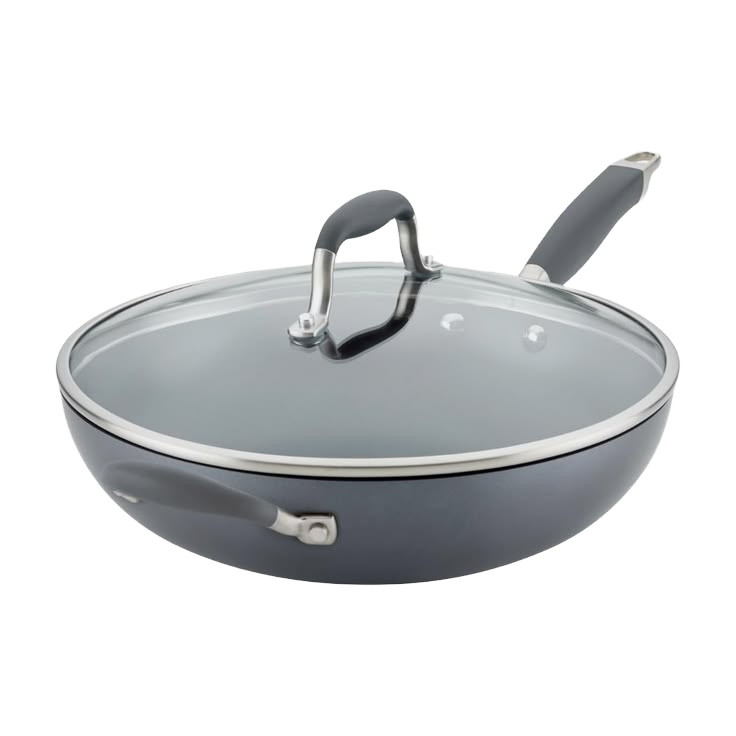
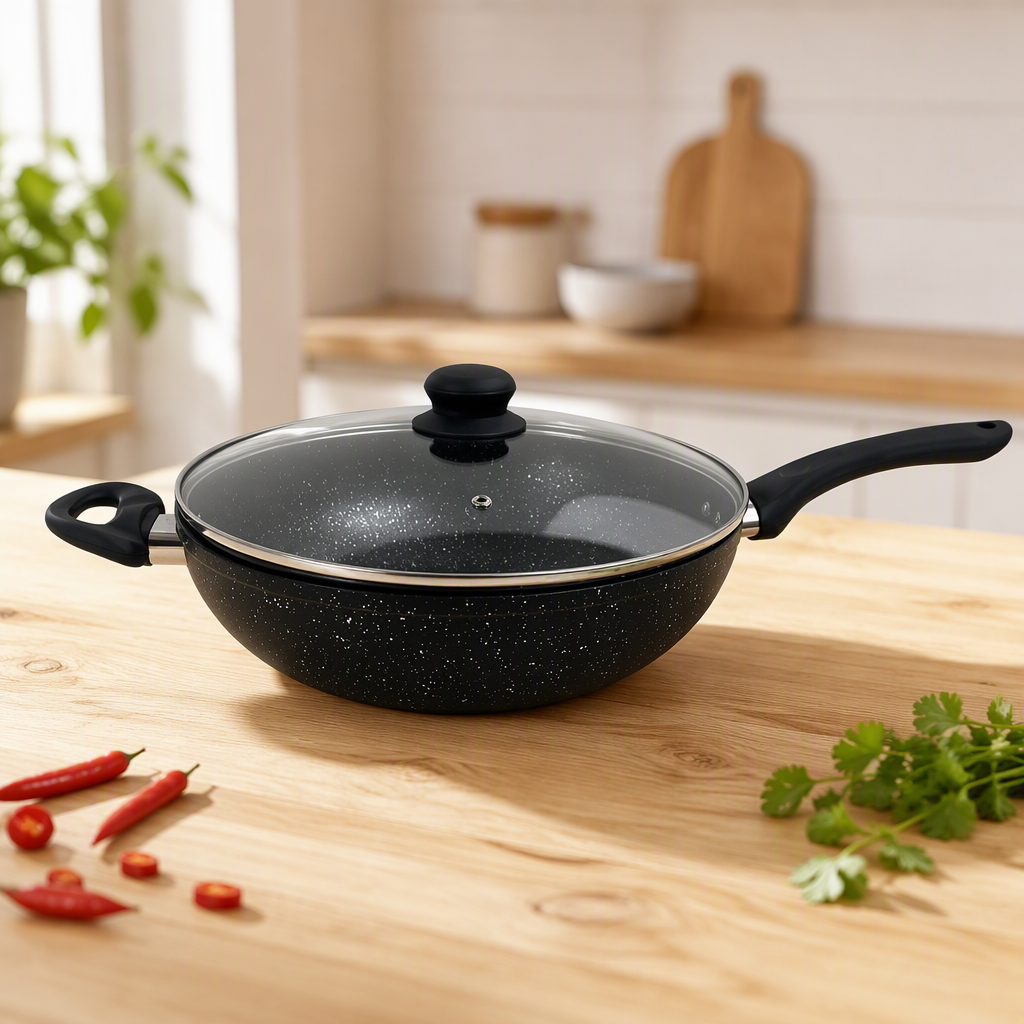
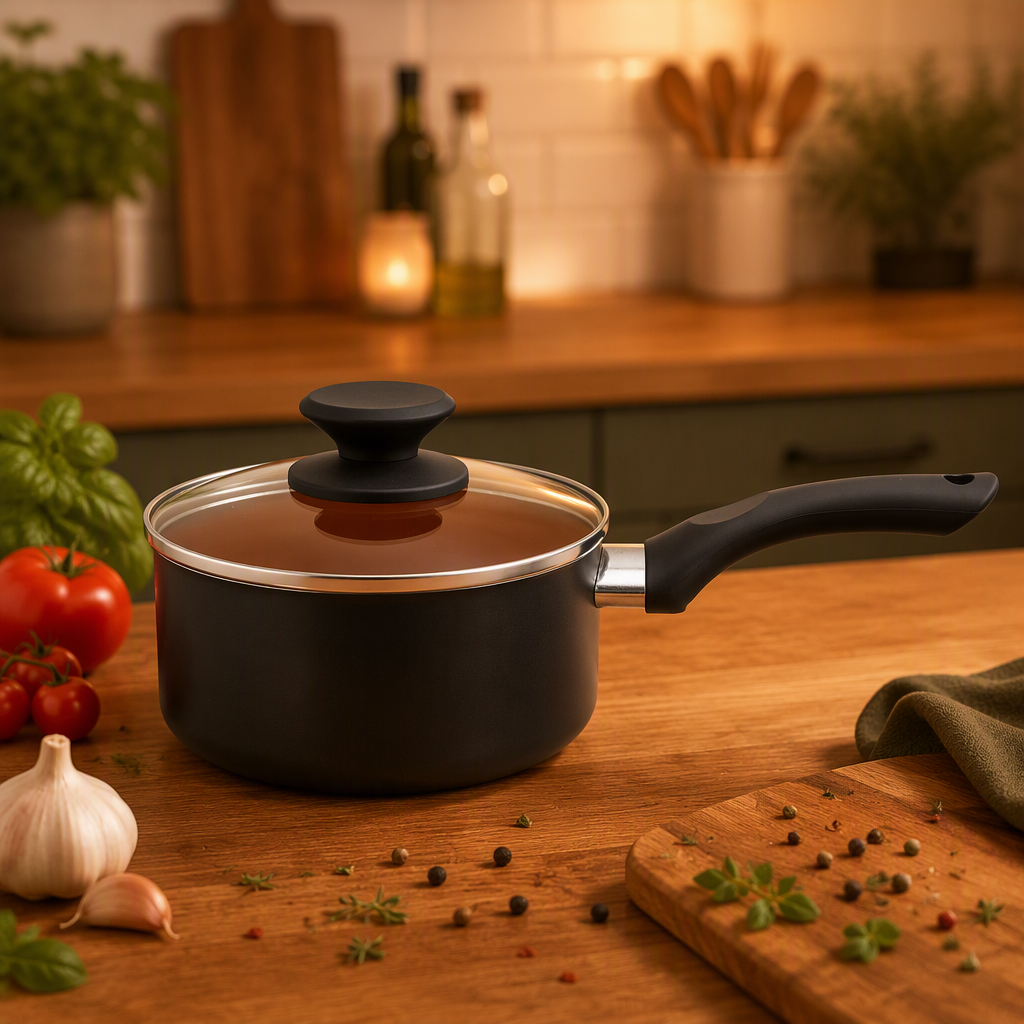
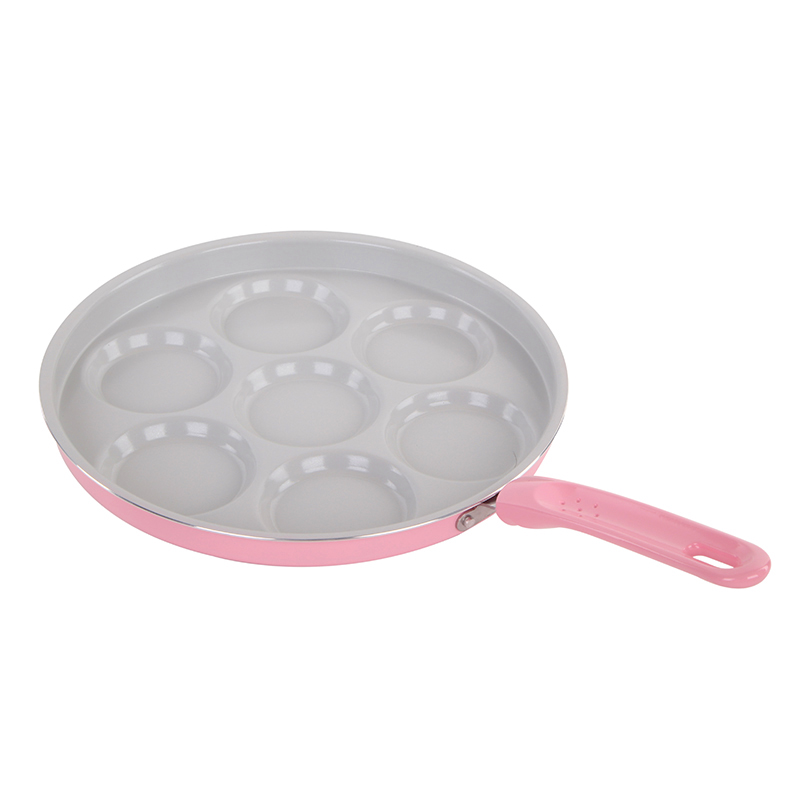
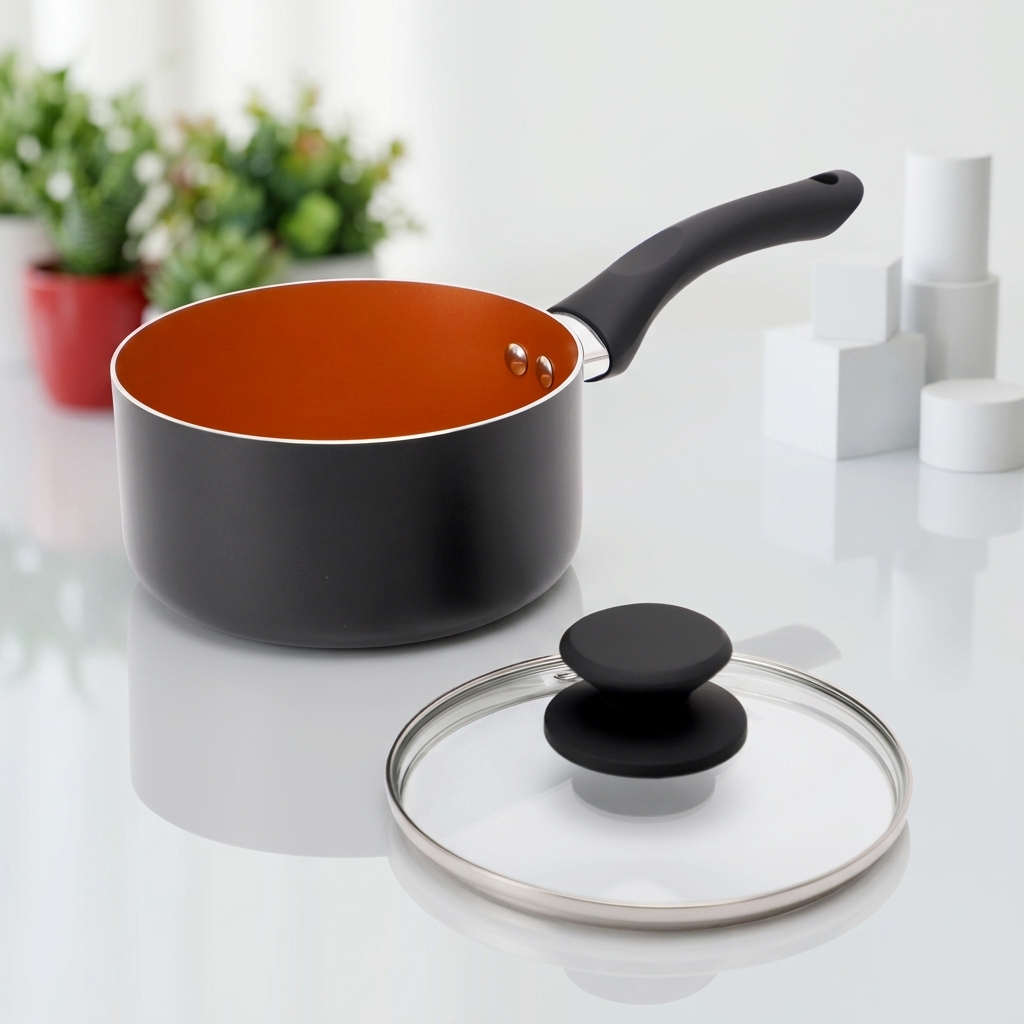
As cross-border supply chains face heightened regulatory scrutiny and rapid retail turnover, Zhejiang MEIS Kitchenware Co., Ltd. serves as a direct, Tier-1 manufacturing partner for consumer brands, retail store groups, and commercial restaurant suppliers operating across the Greater Toronto Area (GTA), Ontario, and wider Canadian distribution hubs.
Operating out of our advanced industrial base in the Dongnan Industrial Zone, Shuxi Street, Jinhua, Zhejiang, our enterprise eliminates middleman trading margins through complete vertical integration. Spanning 20 years of dedicated cookware manufacturing and 18 continuous years servicing premier B2B buyers globally, our facilities have been audited and on-site verified by TÜV Rheinland.
Years Manufacturing
Verified Technical Staff
Batch Curing Tests
Export Destination Ports
Greater Toronto is North America's most dynamic multicultural culinary territory. Sourcing aluminum woks for this distinct demographic ecosystem requires understanding exact residential layouts, cooking habits, and institutional regulatory transitions.
With thousands of compact high-rise residential units across Downtown Toronto, North York, Markham, and Mississauga, consumers encounter strict restrictions on open-flame gas burners. Toronto condo residents require flat-bottom aluminum woks with magnetic stainless bases that heat instantly on electric glass and magnetic induction stoves without warping.
Key Demand: Flat Induction BaseOver 52% of the GTA's population belongs to visible minority demographics with rich culinary traditions—notably Chinese (Cantonese, Szechuan), South Asian (Indian, Pakistani, Sri Lankan karahi cooking), and Filipino communities. Aluminum woks provide the crucial rapid heat transfer required for stir-frying while offering 60% less physical weight than cast iron.
Key Demand: High-Curvature Deep BasinThe booming fast-casual Asian and Hakka restaurant sector across Scarborough, Spadina, and Richmond Hill places continuous mechanical stress on cookware. Toronto commercial kitchen operators demand heavy-gauge forged aluminum woks featuring reinforced three-rivet stainless handles and multi-layer wear-resistant ceramic or granite coatings.
Key Demand: Heavy-Duty Handle Tensile StrengthCanadian consumer and trade trends are heavily shaped by health standards, ecological legislation, and changes to the Ontario Building Code. We build our OEM lines to directly capitalize on these shifts.
Canada is steadily enacting stringent regulations against per- and polyfluoroalkyl substances (PFAS), PFOS, and PFOA in food-contact surfaces. The fastest-growing retail categories across Canadian Tire, Hudson’s Bay, and Walmart Canada are non-toxic mineral granite, ceramic sol-gel, and nitrided metals that provide certified zero chemical leaching at peak culinary temperatures.
Compliance: PFOA & PTFE Free Sol-GelWith the City of Toronto’s TransformTO Net Zero Strategy and broader residential green building mandates accelerating building decarbonization, new residential developments are eliminating natural gas hookups in favor of induction ranges. Aluminum woks without cold-forged stainless induction plates are losing shelf space, driving the dominance of full-coverage induction bottoms.
Tech: Magnetic Stainless Mesh BasesCanadian omnichannel retailers (Amazon.ca, Wayfair.ca, BestBuy.ca marketplace) demand certified drop-tested mail-order packaging (ISTA-3A standard). Retailers reject bulky, fragile woks in flimsy boxes. Our factory provides compact nesting designs, detachable handle systems, and double-walled impact-absorbing kraft packaging that withstand Canadian winter logistics.
Packaging: Detachable Handle SystemsProcurement managers in Ontario balance heat ramp-up velocity, base deflection under thermal cycling, unit shipping weight, and landed margin. Review our technical material matrix below.
| Evaluation Parameter | Forged Aluminum Wok (3003 Alloy) | Pressed Aluminum Wok | Nitrided Carbon Steel Wok |
|---|---|---|---|
| Thermal Conductivity (W/m·K) | 205–215 (Extremely fast, zero hot spots) | 215–225 (Instant heat, thin wall) | 45–55 (Slower spread, high retention) |
| Warp Resistance at 260°C | Superior (4.5mm base / 2.8mm rim) | Moderate (2.0–2.5mm base) | High (Rigid spun steel plate) |
| Landed Shipping Weight Factor | Medium (~1.1–1.4 kg / pan) | Ultralight (~0.7–0.9 kg / pan) | Medium-Heavy (~1.3–1.7 kg / pan) |
| Induction Stovetop Adaptability | Requires perforated or full induction plate | Requires stamped steel magnetic disc | Naturally ferromagnetic throughout body |
| Coating Adhesion Options | Multi-layer granite, ceramic, titanium | Ceramic sol-gel, multi-layer PTFE | Gas-nitrided anti-rust micro-oxide layer |
| Target Toronto Retail Segment | Mid-to-high retail brands, specialty stores | Discount chains, promotional flyer sets | Authentic Asian grocers, restaurant supply |
Our Jinhua manufacturing complex features an end-to-end production ecosystem that shields Canadian procurement partners from component shortages, uneven tolerances, and quality inconsistencies.
Equipped with internal CNC machining centers, precision wire-cutting, and master die-lathes. We turn bespoke 3D industrial renderings into functional testing samples within 14–21 business days.
Pressing lines ranging from 400 to 1,500 metric tons create deep wok cavities, stepped rims, and high-impact induction bonding that resists delamination during continuous rapid quenching.
Cleanroom spray booths with multi-axis automated robots guarantee micro-level coating uniformity, controlled curing temperatures, and complete exterior ceramic and silicone-polyester finish stability.
Every production lot undergoes ASTM-compliant cross-hatch tape testing, continuous neutral salt-spray corrosion resistance tests (NSS), handle static thrust and cyclic fatigue torsion testing.
Shipping cookware across the Pacific to landlocked Ontario requires seasoned logistics planning. Here is how our export operations streamline clearance and reduce detention surcharges.
Containers are drayed from our Jinhua facility to Ningbo-Zhoushan or Shanghai ports (under 200 km). Cargo vessels transit to Port of Vancouver (Roberts Bank/Centerm) or Prince Rupert, transitioning directly to CN (Canadian National) or CPKC (Canadian Pacific Kansas City) rail to the Brampton, Vaughan, or Mississauga intermodal terminals in approximately 22–28 days transit time.
Avg. Transit: 22–28 Days Door-to-RailWe provide full documentation for Canada Border Services Agency (CBSA) clearance under Harmonized System tariff codes 7615.10 (Table, kitchen or other household articles of aluminum) and 7323.99 (Carbon steel kitchenware). Our team prepares certified commercial invoices, packing lists with cubic volume breakdowns, and country-of-origin certificates.
HS Code: 7615.10 / 7323.99Products destined for Ontario are tested under Canada Consumer Product Safety Act (CCPSA) guidelines, verifying lead and cadmium leachate thresholds below detectable regulatory limits. We coordinate with third-party testing agencies (SGS, TÜV, Intertek) to provide pre-shipment compliance dossiers required by major Canadian retail vendor management portals.
Standard: CCPSA Heavy Metal TestedClear, definitive answers addressing minimum order volumes, non-stick durability, bilingual Canadian packaging mandates, and custom OEM sample schedules.
For standard custom OEM/ODM production runs, our baseline MOQ begins at 1,000 to 1,500 pieces for standalone wok models (such as our 30cm or 32cm forged aluminum woks) and 1,000 sets for multi-piece cookware configurations. For new Canadian brands conducting initial market trials across Amazon.ca or boutique kitchenware retailers in Toronto, we can accommodate mixed-SKU container loading (e.g., combining 2–3 compatible wok designs or cookware lines within a single 40ft High Cube container) to minimize inventory holding costs.
In full compliance with Canada's Consumer Packaging and Labelling Act, all packaging, inner retail color boxes, user care manuals, and carton markings can be fully customized with English and French Canadian translations. Our internal prepress design division will provide packaging dielines directly to your branding team or place your provided bilingual vector artwork accurately on color gift boxes, sleeve wraps, hanging cards, and UPC/EAN barcodes.
Yes. Standard thin stamped pans often bow upward in the center when subjected to rapid induction heating due to thermal expansion differences between aluminum and steel. MEIS overcomes this by utilizing heavy-duty die-forged construction with base thicknesses of 4.0mm to 4.5mm combined with hydraulic impact-bonded 430 magnetic stainless steel bottom discs. This ensures the base remains perfectly flat across 2,000W+ induction cooktops, delivering 100% surface contact, even oil pooling, and zero burner buzzing.
For the Canadian market, we strongly recommend our mineral-based ceramic sol-gel coatings and multi-layer granite/marble speckle matrices. These coatings are 100% free of PFOA, PFOS, lead, and cadmium, satisfying both consumer demands for healthy cooking with minimal butter or oil and strict Health Canada consumer safety guidelines. For heavy commercial stir-fry use, our thermo-nitrided carbon steel options provide non-stick characteristics through natural oil seasoning with zero chemical synthetic coatings.
Standard mass production lead time at our Jinhua factory is approximately 35 to 45 days after deposit confirmation and artwork approval. Ocean transit from Ningbo to Vancouver or Prince Rupert takes approximately 14 to 18 days, followed by 5 to 7 days of intermodal rail transport to the CP/CN intermodal yards in Vaughan or Brampton, Ontario. Factoring in customs clearance, total lead time typically ranges between 60 and 75 days door-to-door.
Zhejiang MEIS Kitchenware Co., Ltd. has undergone comprehensive on-site facility assessment and verification by TÜV Rheinland. We maintain ISO9001 quality management systems and conduct multi-tier inspections including incoming ingot spectrometer analysis, CNC wall-thickness gauge checks, dry-film thickness (DFT) coating testing, cross-cut adhesion tests, cyclic handle fatigue testing, and thermal shock submersion testing. Canadian buyers are welcome to appoint third-party inspection firms (e.g., QIMA, SGS, Bureau Veritas) prior to container seal application.
Yes. Full ODM design and mold engineering is one of our primary competitive advantages. If your brand requires a unique wall angle, customized pour spouts, specialized stainless-steel cast handles, or custom embossed branding on the pan base, our engineering division will draft detailed CAD/SolidWorks models, fabricate tooling within our internal CNC tool shop, and deliver physical testing prototypes within 20 days.