Hard-Anodized & High-Performance Cookware Series
Precision-engineered, heavy-duty cookwares designed for max thermal efficiency, scratch resistance, and tropical salt-spray atmospheric longevity.
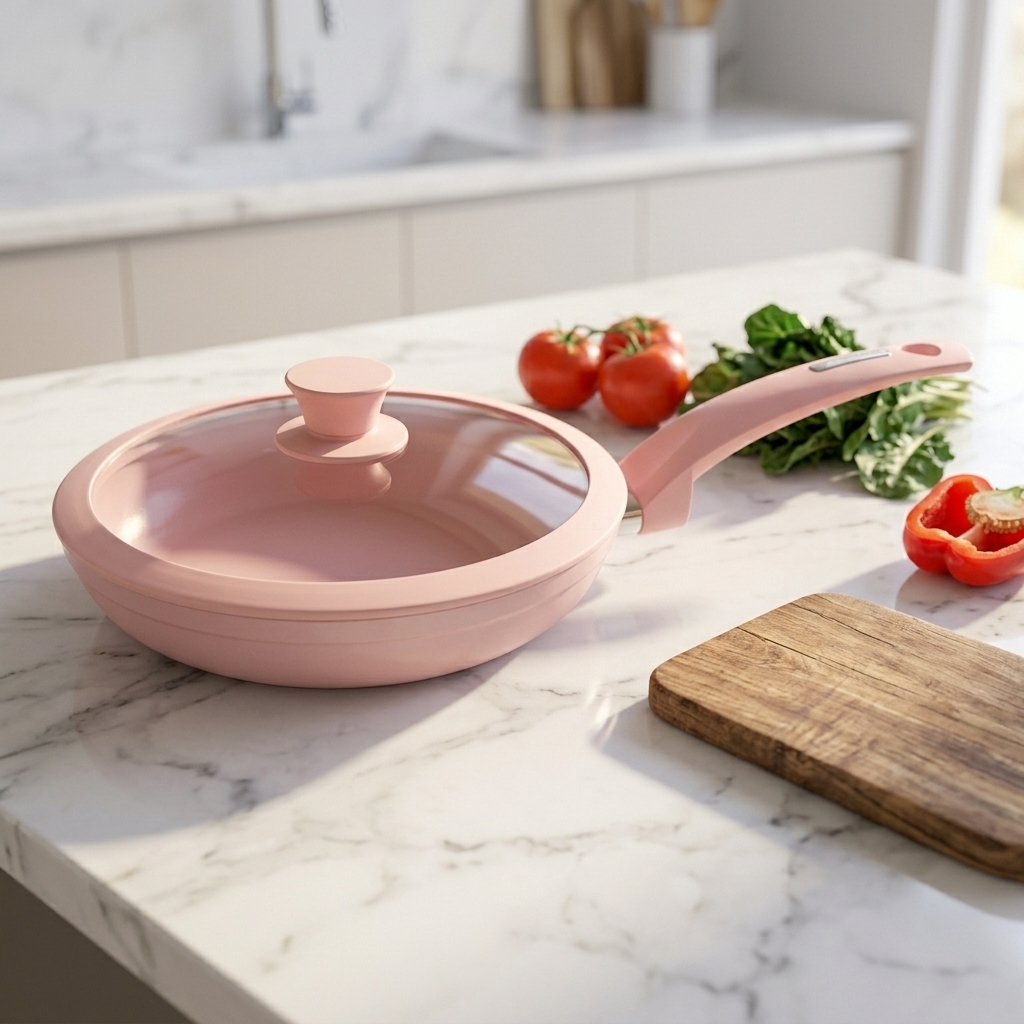
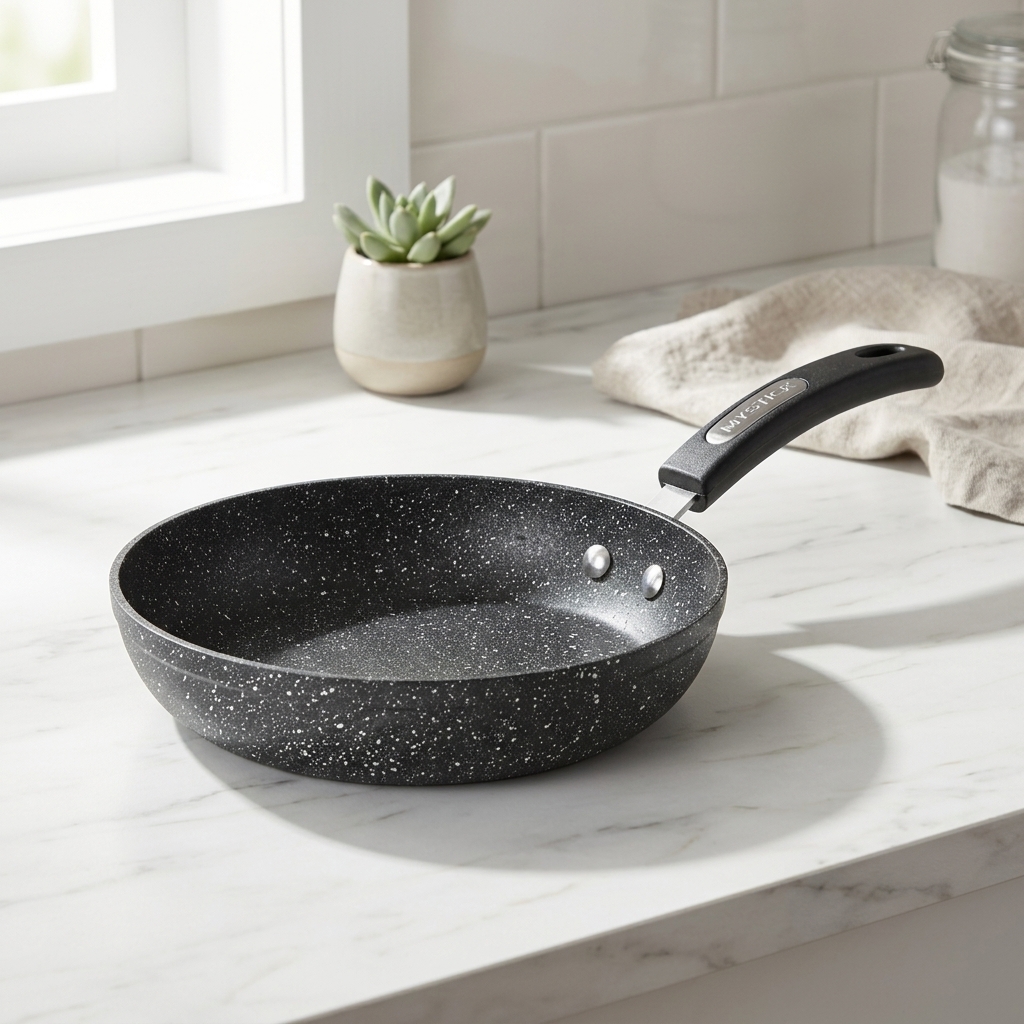
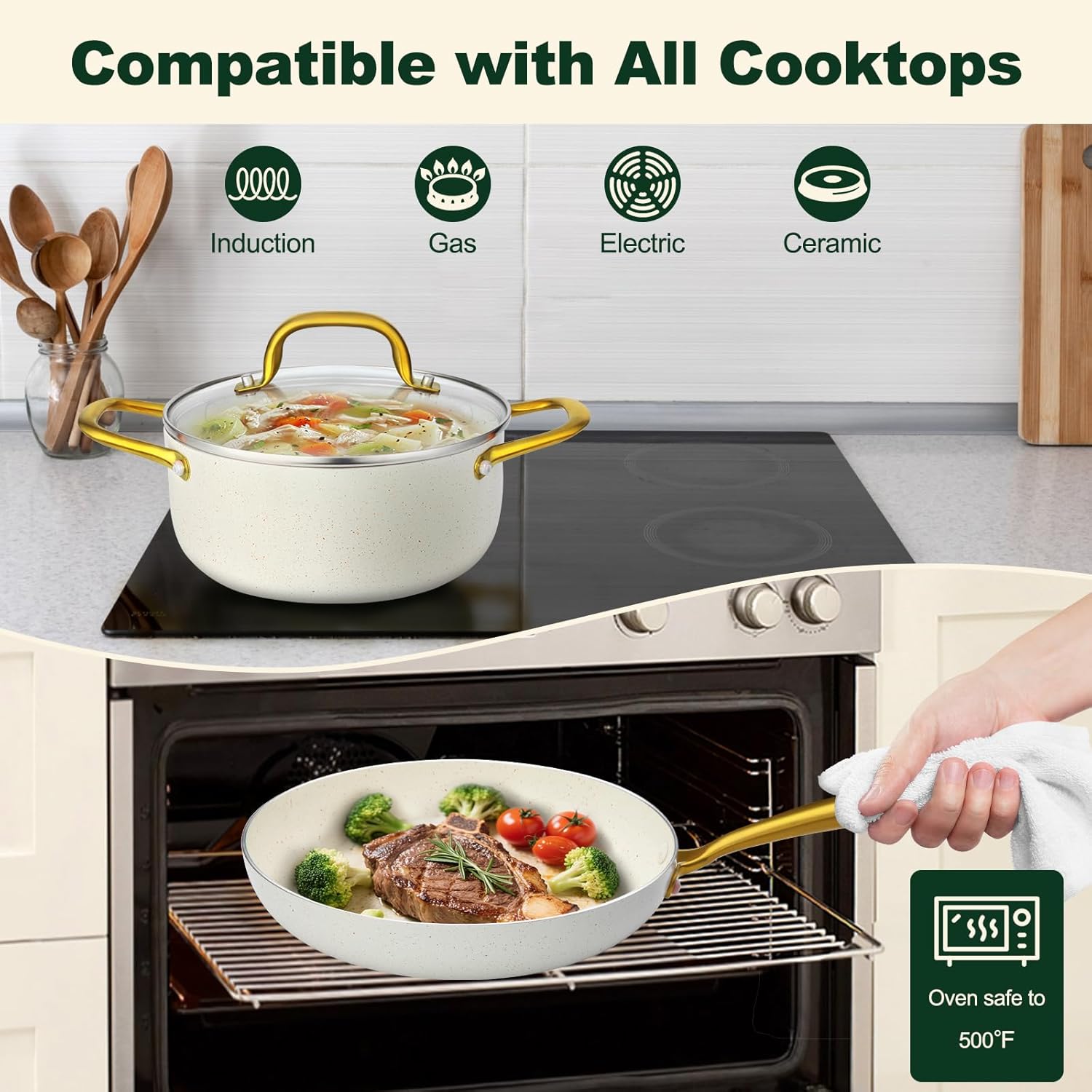
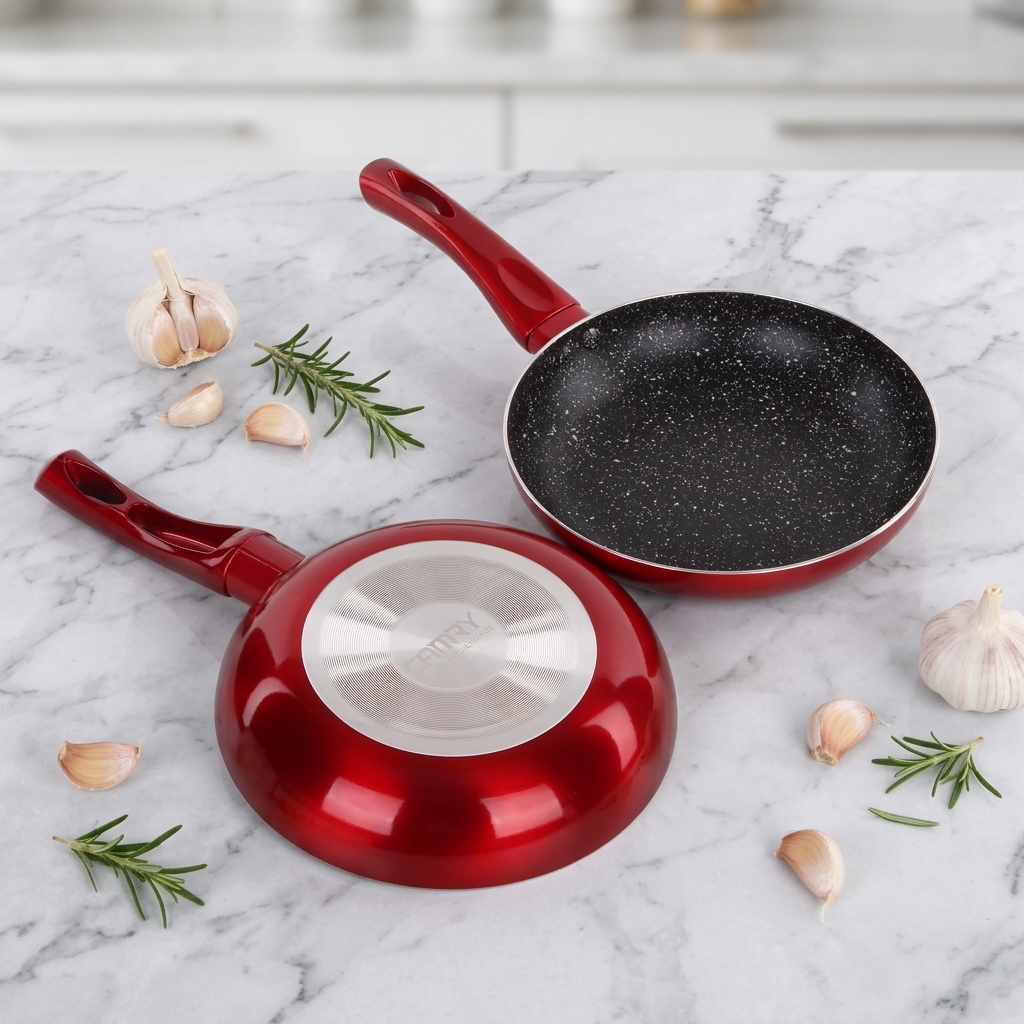
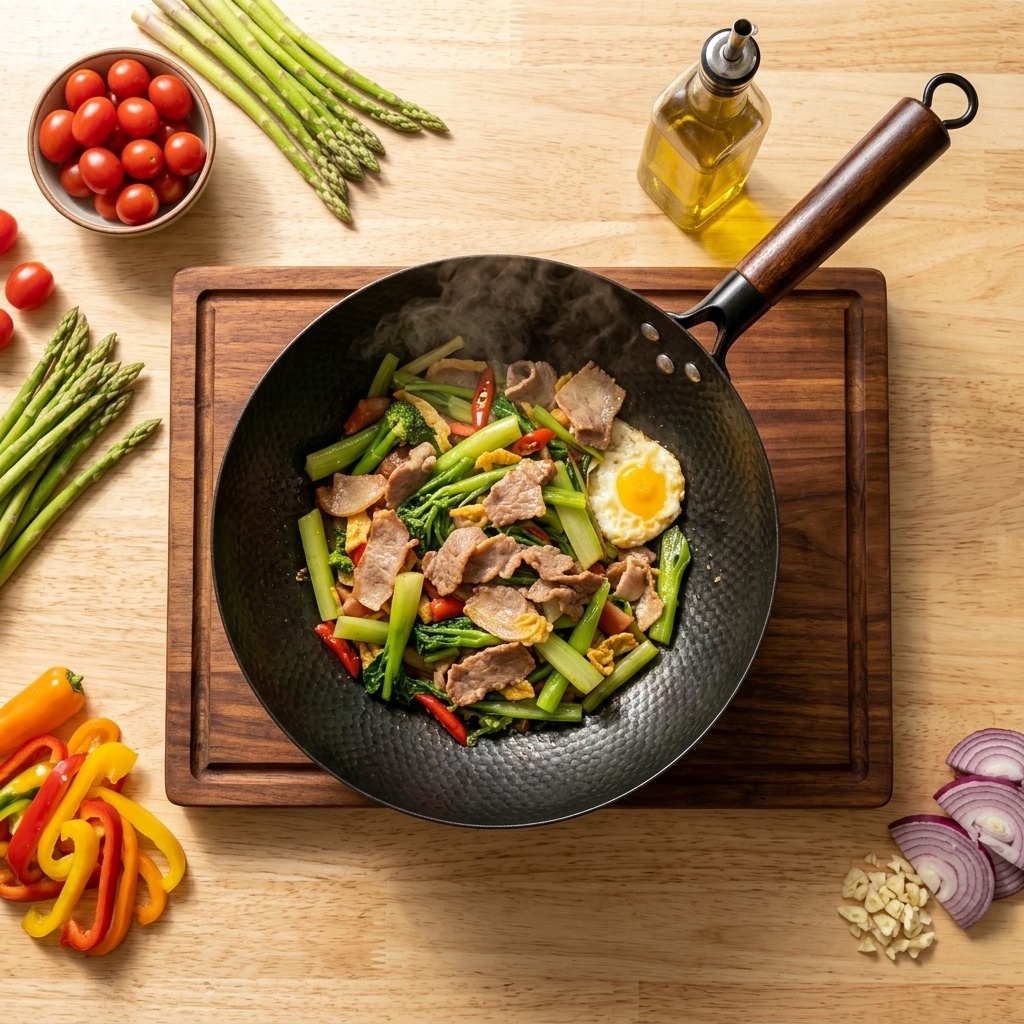
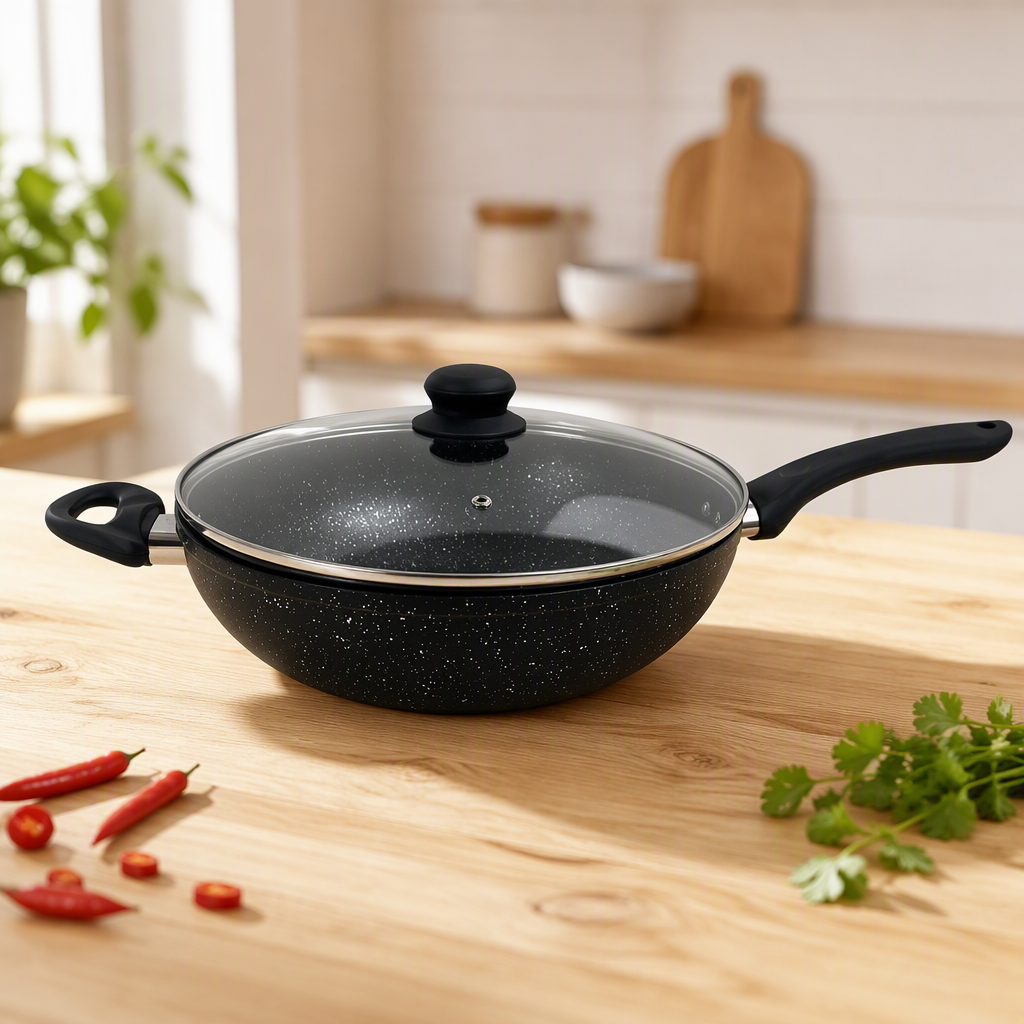
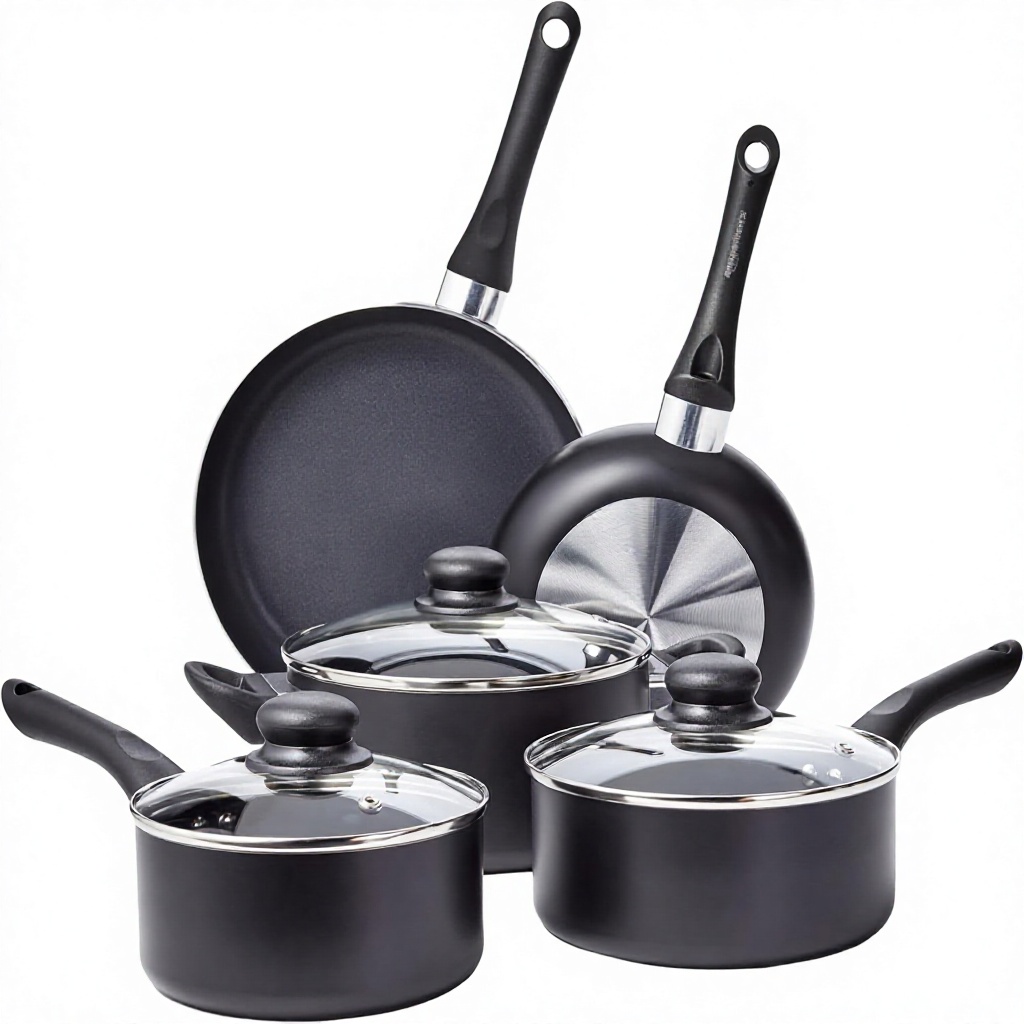
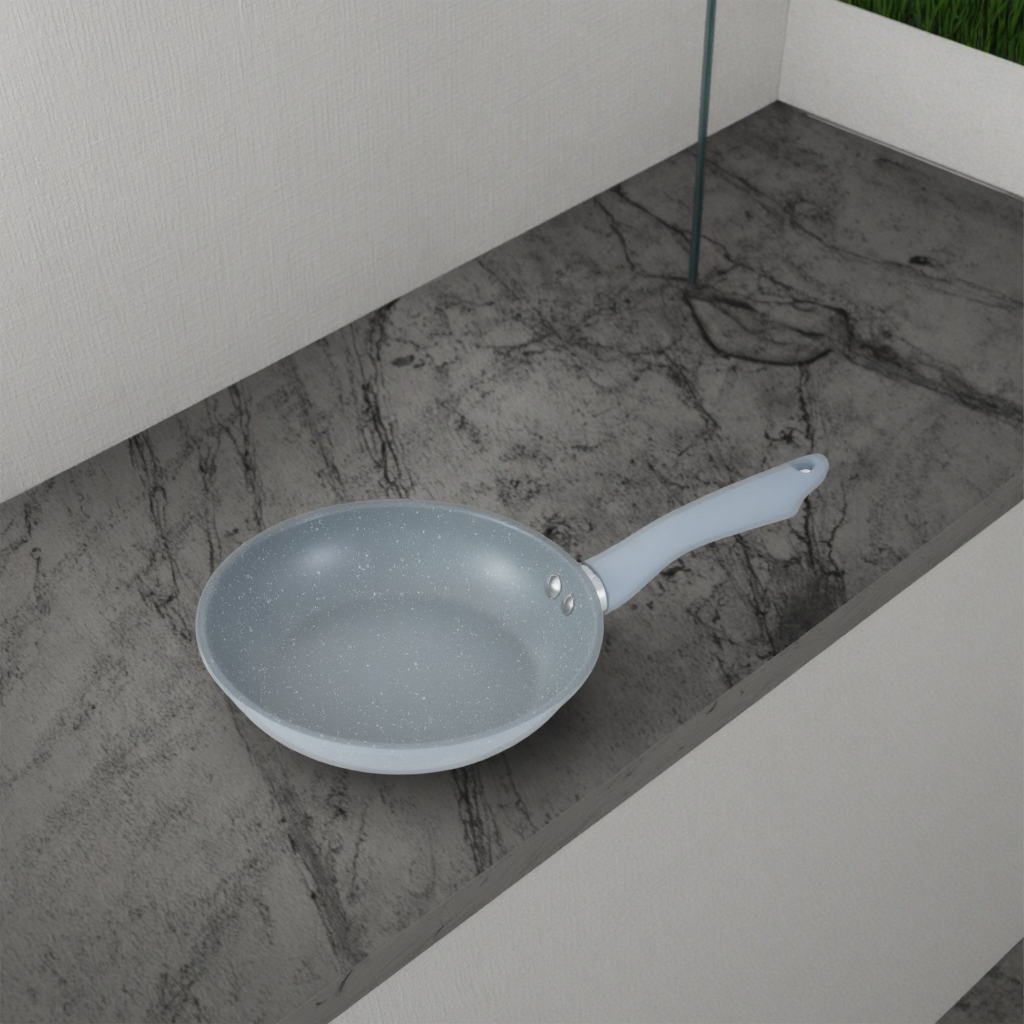
1. The Cuban Culinary Ecosystem: Why Hard-Anodized Cookware is Technical Imperative
The Caribbean market, particularly Cuba, presents a uniquely demanding set of metallurgical and operational challenges for household and commercial cookware. Traditional Cuban gastronomy relies heavily on prolonged simmered dishes, high-heat searing, and oil-intensive frying techniques. Signature staples—ranging from slow-simmered Congrí (black beans and rice) and Ropa Vieja (shredded flank steak in tomato soffrito) to flash-fried Tostones (flattened green plantains) and Chicharrones—demand cooking vessels capable of delivering consistent, high thermal mass distribution without localized hot-spots.
Standard untreated aluminum cookware, while thermally conductive, suffers rapid surface pitting, structural deformation under high temperature spikes, and chemical oxidation when exposed to acidic tomatoes, citrus marinades (naranja agria), and salty coastal air. Conversely, soft non-stick coatings frequently degrade prematurely due to the abrasive nature of long-hour stir cooking and utensil friction. This operational reality makes Type III Electrochemical Hard-Anodized Aluminum the optimal technical choice for Cuban importers, distributor networks, and commercial hospitality buyers.
Through controlled electrochemical oxidation, raw aluminum alloys are transformed into hard-anodized structures featuring an oxidized aluminum matrix layer (Al2O3) exceeding 400 HV Vickers microhardness—twice as hard as stainless steel. This non-reactive, highly dense surface layer effectively isolates acidic ingredients from the metal substrate while preserving aluminum's world-class thermal conductivity (237 W/m·K), ensuring flawless caramelization and rapid temperature response across both gas burners and electric resistance hobs commonly found in Cuban kitchens.
Type III Anodized Core
Electro-chemically hardened aluminum body preventing structural warping under intense, long-duration LPG flame heating.
Tropical Corrosion Guard
Immunity to high atmospheric salinity and humidity in Caribbean coastal ports like Havana, Mariel, and Santiago de Cuba.
Rapid Heat Transference
Saves fuel and gas consumption by heating 30% faster than cast iron while maintaining even thermal diffusion.
2. Localized Market Trends & Import Dynamics in Cuba (Mipymes & Commercial Channels)
The landscape of Cuban retail and trade logistics has undergone significant structural evolution. The legislative growth of micro, small, and medium enterprises (Mipymes) alongside established state-owned purchasing corporations (such as TRD, CIMEX, and Cadena de Tiendas) has unlocked new demand channels for high-durability kitchenware. Cuban consumers and commercial food vendors prioritize multi-functionality, longevity, and long-term cost balance above disposable low-tier alternatives.
Key market drivers currently shaping bulk cookware procurement for Cuba include:
- Diversified Heat Source Compatibility: Fluctuations in power grids and gas supply across provinces necessitate cookware that performs seamlessly on bottled LPG gas hobs, kerosene stoves, hot plates, and modern magnetic induction tops.
- Container Payload Efficiency: Maximizing volume per 40ft HQ container shipped to the Port of Mariel is vital. Nestable cookware configurations, detachable handles, and flat-pack color boxes significantly reduce landed shipping costs per unit.
- Extended Abrasion Life Cycle: Commercial paladares (private restaurants) and busy domestic households require scratch-resistant coatings capable of enduring daily metal spoon contact without flaking or chemical peeling.
Technical Material Matrix: Hard Anodized vs. Standard Alternatives
A comparative engineering evaluation for B2B procurement managers and commercial importers.
| Performance Attribute | Type III Hard Anodized Aluminum | Standard Pressed Aluminum | Forged Granite Non-Stick | Heavy Gauge Carbon Steel |
|---|---|---|---|---|
| Surface Vickers Hardness | 400 - 500 HV | 30 - 50 HV | 100 - 150 HV | 200 - 300 HV |
| Acid & Salt Resistance | Exceptional (Anodized Layer) | Low (Prone to Pitting) | Moderate to High | Moderate (Requires Seasoning) |
| Thermal Conductivity | 237 W/m·K (Ultra-Fast) | 237 W/m·K (Fast) | 220 W/m·K (Uniform) | 50 W/m·K (Medium) |
| Warp Resistance under High Heat | Superior (Die-Forged/Anodized) | Fair / Moderate | High (Thick Rim & Base) | Extreme Structural Rigidity |
| Ideal Cuban Application | Slow Stews, Citrus Marinades, Commercial Paladares | Light Frying, Budget Promotional Sets | Low-Oil Frying, Modern Household Kitchens | High-Heat Wok Cooking, Tostones, Deep Frying |
3. OEM/ODM Customization Framework for Cuban Brands & Importers
At Zhejiang MEIS Kitchenware Co., Ltd., located in the hardware manufacturing hub of Jinhua, Zhejiang, China, we operate as a direct manufacturer—not a trading middleman. Spanning over 20 years of technical expertise and backed by an on-site TÜV Rheinland verification, our facility offers tailored OEM/ODM manufacturing workflows precisely aligned with the regulatory, branding, and packaging needs of Latin American and Caribbean markets.
Our dedicated engineering lines support comprehensive customization options:
- Custom Substrate Gauges: Base thicknesses options ranging from budget-friendly 2.0mm up to commercial-grade 5.0mm heavy-gauge forged structures.
- Exterior Coating Formulations: High-temperature exterior silicone-polyester finishes in classic charcoal grey, matte black, or customized pastel shades to suit retail branding.
- Multi-Layer Interior Systems: Choice of food-safe non-stick coatings including PTFE-free ceramic, granite/marble reinforced non-stick, or pure hard-anodized natural non-reactive surfaces.
- Reinforced Handle Solutions: Stainless steel hollow casting handles riveted with solid aluminum fasteners, cool-touch ergonomic bakelite, or space-saving detachable handle mechanisms engineered for compact shipping containers.
- Customized Export Packaging: High-burst-strength 5-ply corrugated outer cartons treated with moisture-proof linings to withstand ocean humidity during transit from Chinese ports to Mariel/Havana.
Factory QA & Production Standards
Precision manufacturing protocols ensuring every batch meets international food safety and mechanical durability standards.
Spectrometric Alloy Control
Verification of pure 3003/1050 series aluminum ingots prior to stamping to eliminate heavy metal impurities.
ASTM B117 Salt Spray Testing
Standardized 72-hour salt fog exposure testing to guarantee coating integrity against coastal oxidation.
Cross-Hatch Adhesion Test
ISO 2409 grid cutting and tape peel testing confirming maximum chemical-mechanical bond between base metal and coating.
Frequently Asked Questions for Cuban Importers & Wholesalers
Direct technical and trade answers to facilitate seamless containerized procurement.
What is the minimum order quantity (MOQ) for shipping hard-anodized cookware to Cuba?
Our standard MOQ for customized OEM hard-anodized cookware sets ranges from 1,000 to 1,500 sets, while single fry pans or woks typically start at 2,000 to 3,000 pieces per size. However, to support new Mipymes businesses and market testing in Cuba, we offer flexible trial order options where multiple item models can be consolidated into a single 20GP or 40HQ container load.
How does hard-anodized cookware withstand high-salinity coastal environments in Cuba?
Hard anodization converts the superficial layer of aluminum into an integral ceramic-like aluminum oxide matrix through an electrolytic bath. Unlike painted or simple electroplated surfaces, this hard-anodized armor cannot peel, flake, or chip, offering immune defense against humid marine air in Cuban port cities like Havana, Cienfuegos, and Santiago de Cuba.
Can these cookware items be used on both gas stoves and electric induction plates?
Yes. While hard-anodized aluminum is non-magnetic by default, we can fit our cookware with heavy-duty impact-bonded or hole-patterned magnetic stainless steel bases. This enables seamless heat conduction across gas burners, electric coil stoves, vitroceramic tops, and magnetic induction plates.
What export documentation and compliance certifications do you provide for Cuban Customs?
We provide full commercial export documentation required for Cuban customs clearance at Mariel or Havana ports, including Certificates of Origin (COO / Form A), Commercial Invoices, Packing Lists, Bill of Lading (B/L), and food-grade compliance documentation (FDA, LFGB, DGCCRF, and RoHS certificates).
How do you optimize container packing to reduce landed shipping costs per unit?
We specialize in container space optimization. By utilizing nesting pot designs, detachable handles, and flat-packed custom gift/color boxes, we maximize cubic meter utilization within 40ft HQ containers, effectively lowering the per-unit freight overhead for Cuban buyers.
Why choose Zhejiang MEIS Kitchenware Co., Ltd. over trading brokers?
MEIS Kitchenware operates its own 105+ employee production facility in Jinhua, Zhejiang, complete with hydraulic stamping, CNC finishing, automated non-stick spraying, and rigorous QA testing labs. On-site verified by TÜV Rheinland, buying directly from our factory ensures competitive price points, strict quality control, and direct engineering accountability for your private label brand.
Partner with a Verified Hard-Anodized Cookware Manufacturer
Expand your product catalog in Cuba with direct factory pricing, tailored OEM engineering, and dependable containerized shipping support.