Featured Cookware & Pasta Pot Series
Explore our TÜV Rheinland-verified cookware range designed for commercial food service, European distributors, and OEM private labels in Austria.
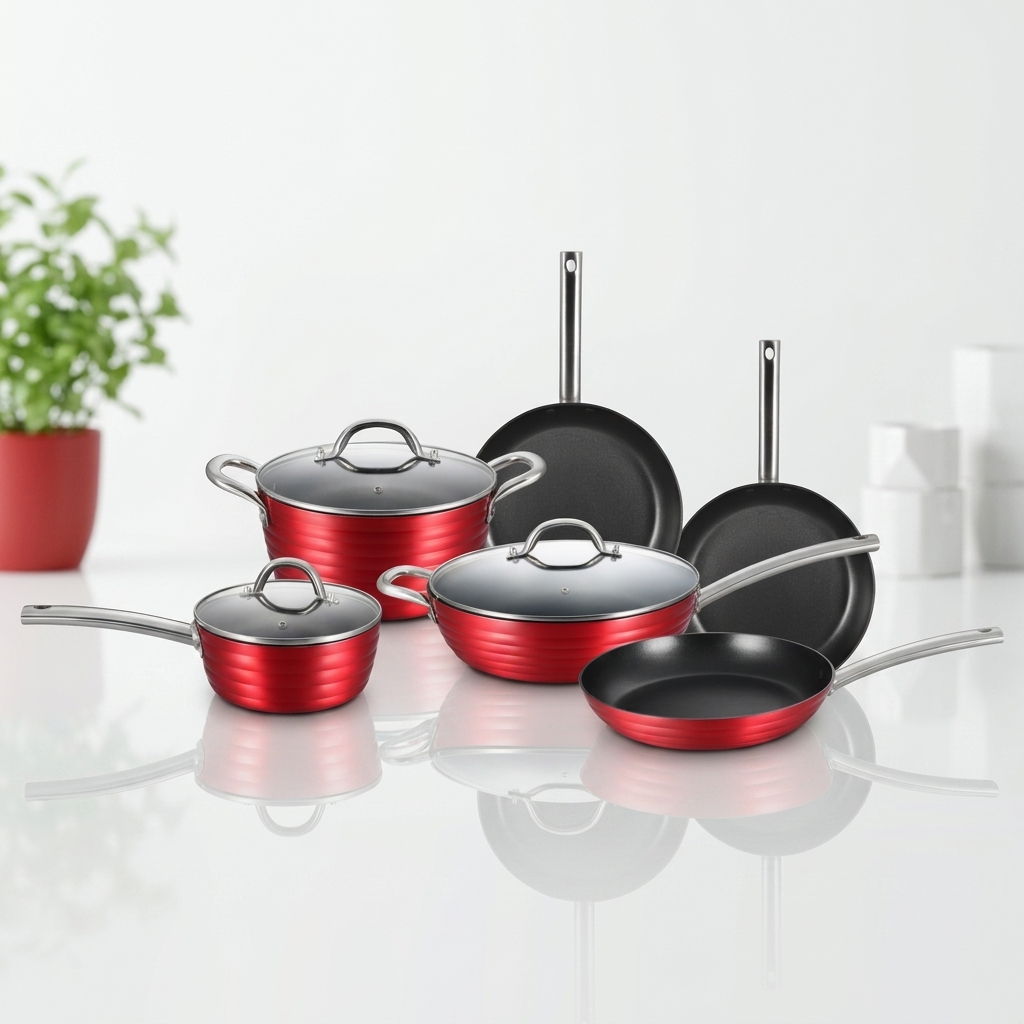
Kitchenware Set 9 Piece Non Stick Cookware Pot Set Metallic Red Outside S/S Handle Induction Bottom
View Details →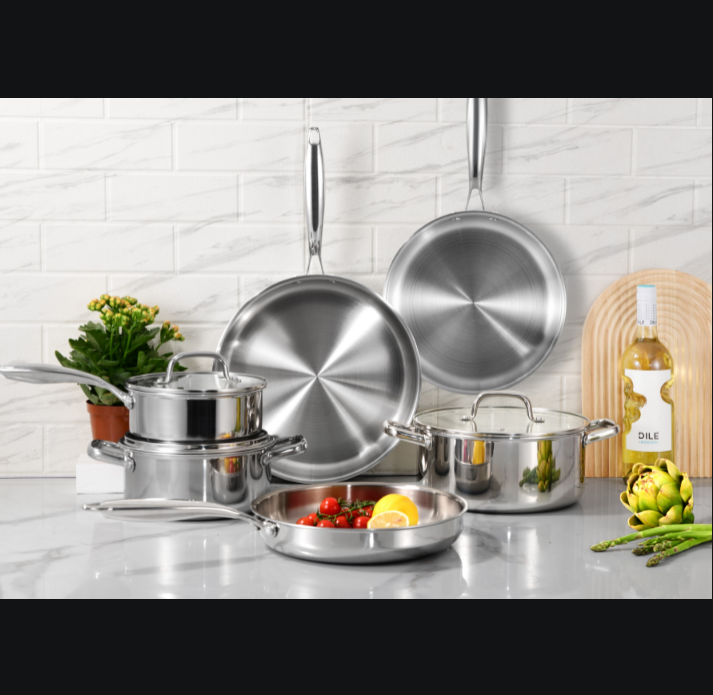
Factory Price Tri-ply Stainless Steel Cookware Set Non-Stick Interior Glass Cover Oven Safe Classic Design
View Details →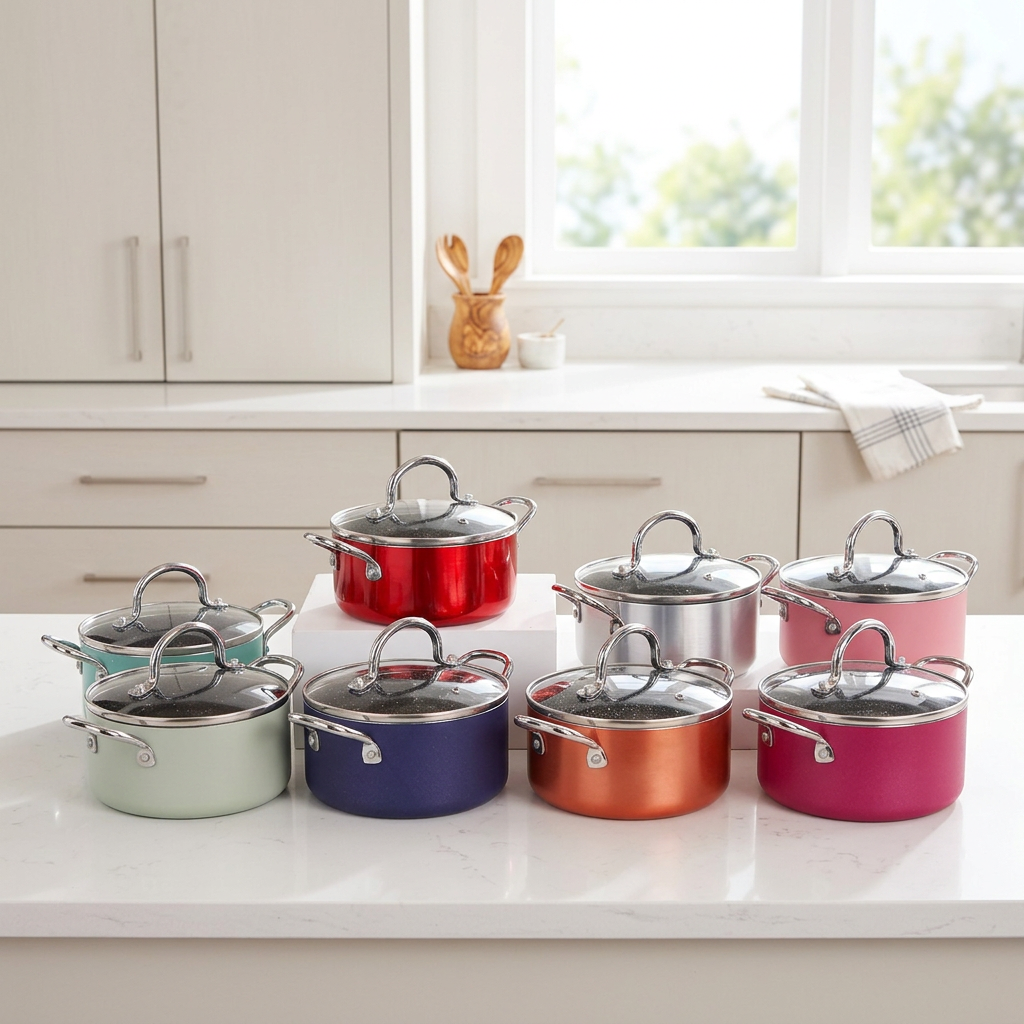
14cm Mini Sauce Pan with Glass Lid Colorful Non Stick Cookware for Induction and Gas Stoves Home Kitchen Use
View Details →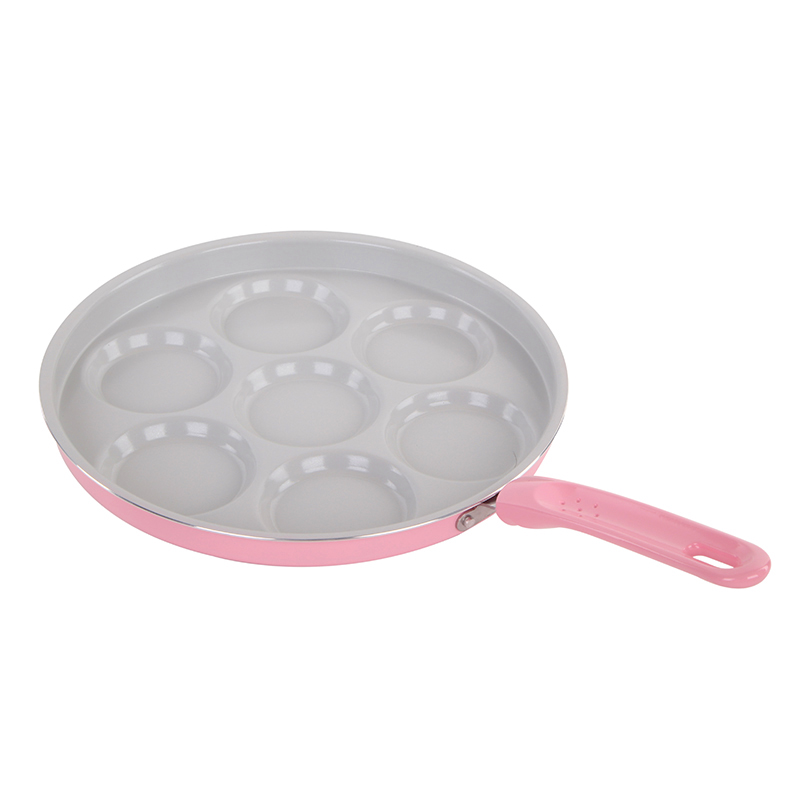
Home Kitchen Eco-Friendly Modern Aluminum Alloy Metal Non-Stick Gas Cooker Egg Fry Pan Cookware Set
View Details →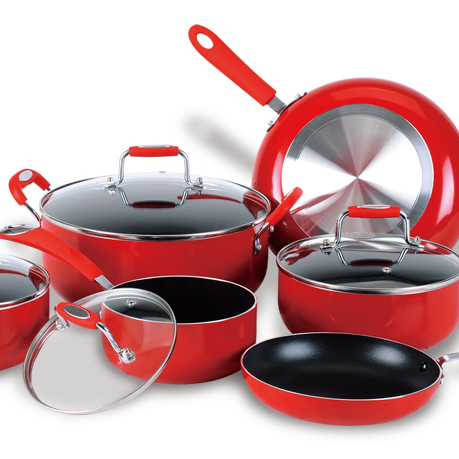
Fashion Kitchen Set of Nonstick Cookware
View Details →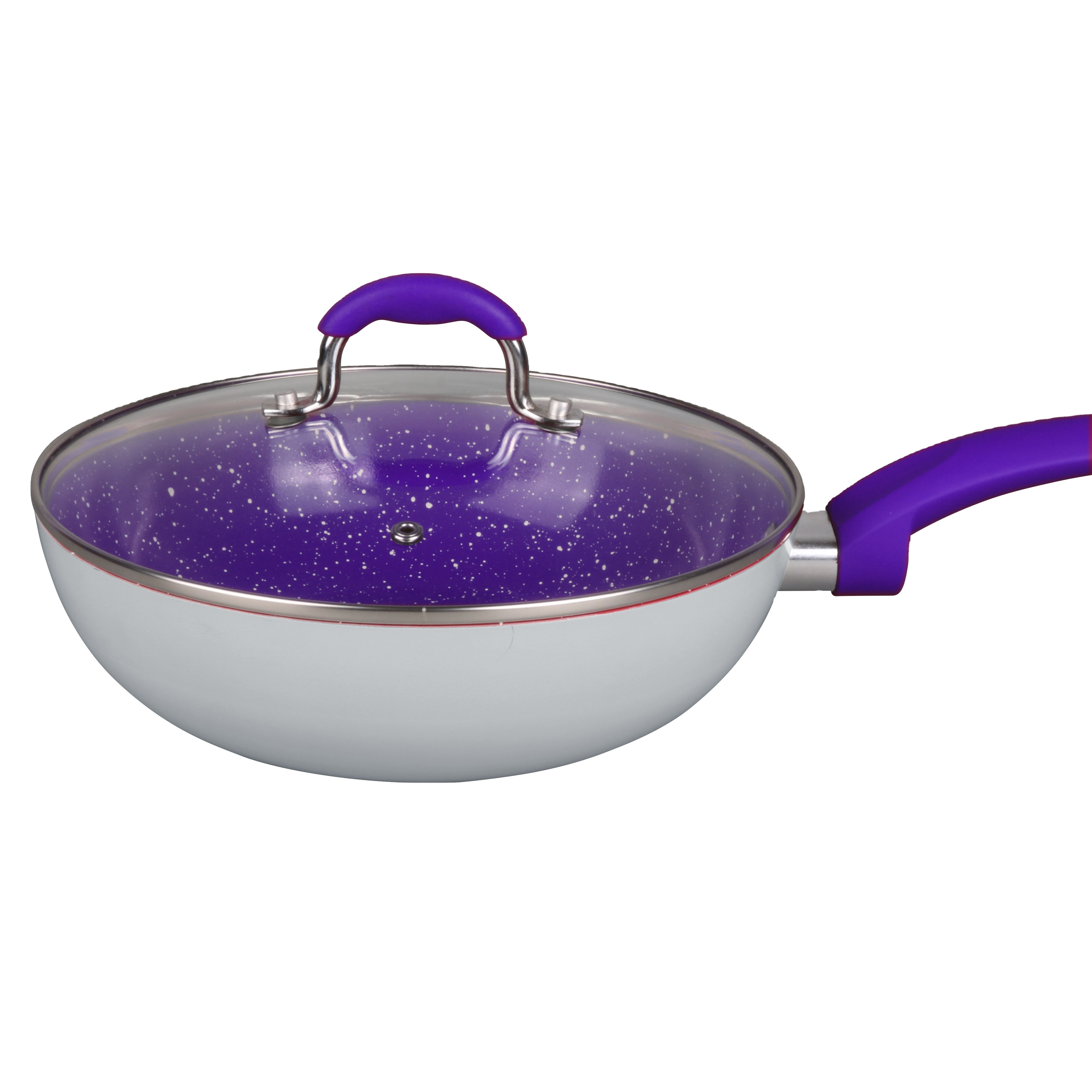
Low Price MOQ 30 cm Marble Coating Non Stick Pressed Wok Deep Fry Pan with Bakelite Cool-touch Handle
View Details →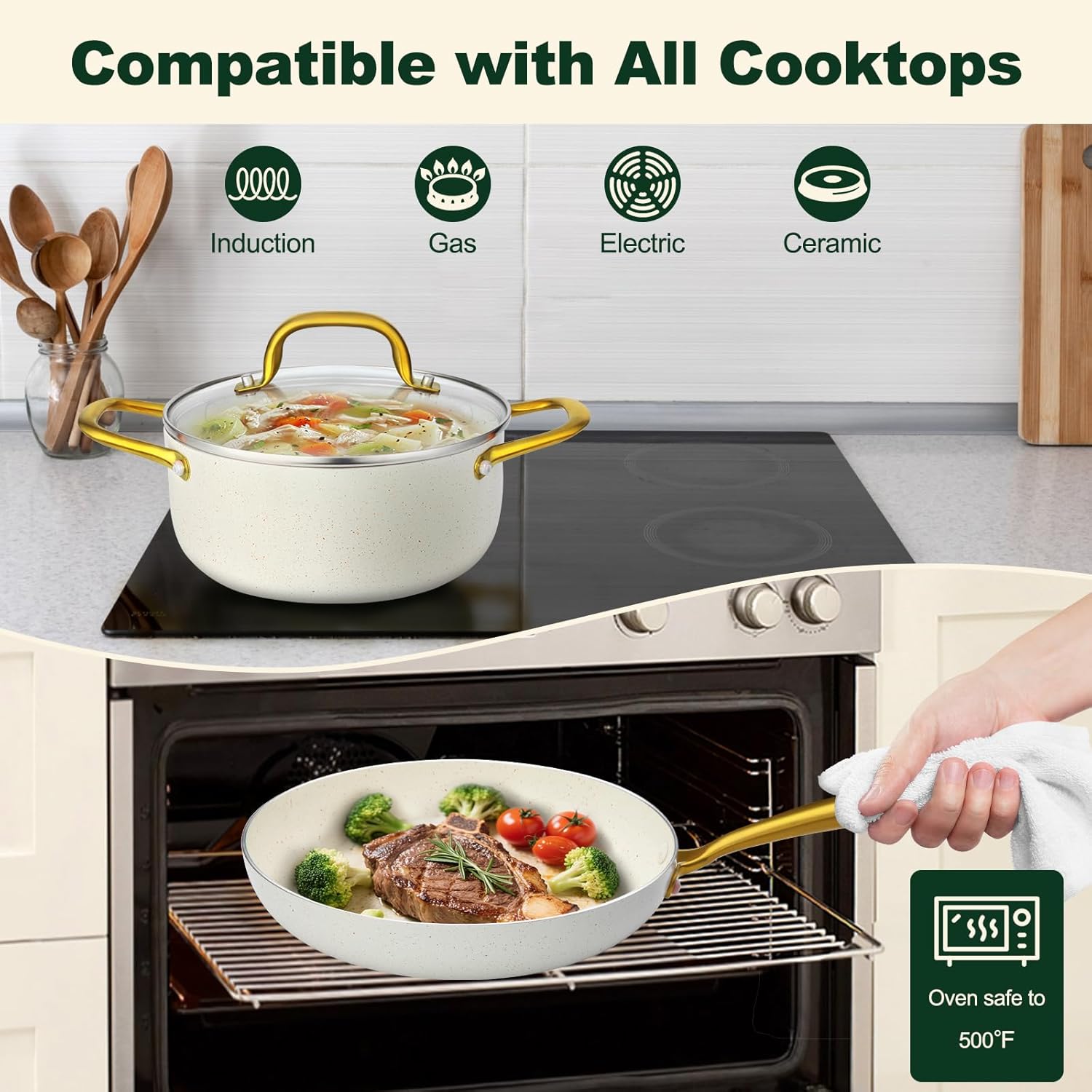
5-PIECE Classic Kitchenware Set Stainless Steel Handle PVD Ceramic Coating Interior Glass Lid Induction Bottom
View Details →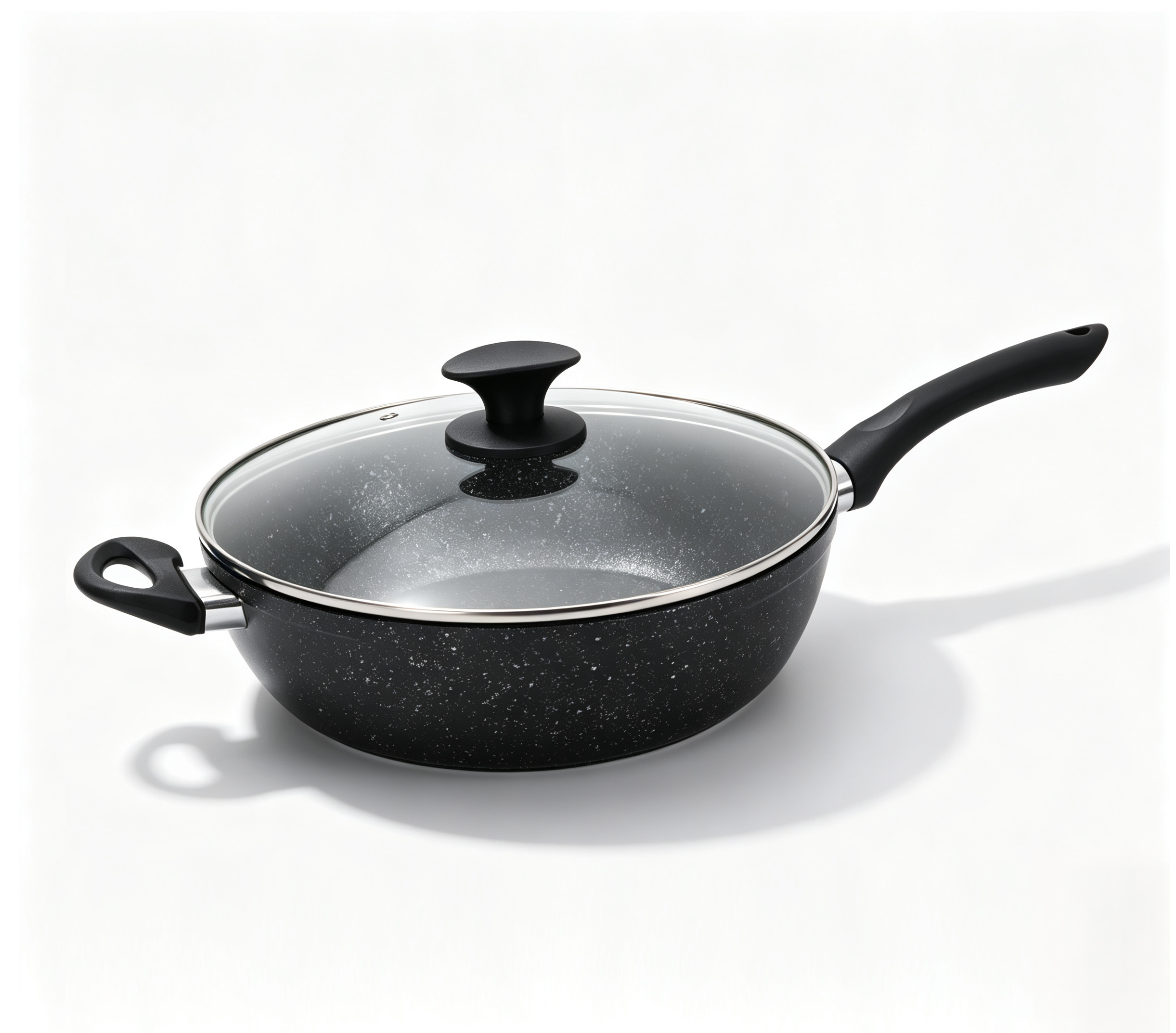
Easy Cleaning Modern Granit Nonstick Aluminum Cookware Pot Multi-function Deep Fry Pan Glass Lid Induction Ready
View Details →Industry Whitepaper: Technical Architecture of Commercial & Retail Pasta Cookware in Austria
As Vienna continues to solidify its reputation as the culinary heart of Central Europe—blending traditional Austrian gastronomy with sophisticated Italian culinary trends—the demand for high-grade, energy-efficient pasta pots and specialized cookware systems has scaled exponentially. For European B2B buyers, retail chain procurement managers, and HoReCa (Hotel, Restaurant, Catering) suppliers in Austria, sourcing pasta boiling equipment requires a clear understanding of heat transfer kinetics, material compliance, and ergonomic durability.
Zhejiang MEIS Kitchenware Co., Ltd. serves as an authoritative OEM/ODM partner operating from Jinhua, Zhejiang. Assessed on-site by TÜV Rheinland, MEIS brings over two decades of metallurgical expertise, precise CNC base-machining, and automated spray-coating technology to deliver pasta pots tailored specifically to the rigorous standards of the Viennese and broader DACH (Germany, Austria, Switzerland) markets.
Tri-Ply Clad Stainless Construction
Combines 304 food-grade stainless steel interior, high-purity aluminum core for rapid lateral heat dispersion, and magnetic 430 exterior steel for seamless induction coupling.
Rapid Energy-Saving Boiling
Engineered to optimize wattage consumption on commercial induction hobs in Vienna, reducing water bring-to-boil duration by up to 28% compared to standard single-bottom pots.
100% PFOA & PFAS Free
Compliant with stringent Austrian Food Safety Guidelines (Österreichisches Lebensmittelbuch) and EU LFGB standardizations for non-toxic, eco-friendly cooking contact.
Localized Market Drivers & Gastronomical Dynamics in Vienna
The Viennese market presents unique operational environments that dictate specific cookware parameters:
- High-Throughput Commercial Kitchens (Vienna HoReCa): Innere Stadt and Neubau boast hundreds of high-volume Italian trattorias, Viennese Beisln, and boutique hotels. Cooking pasta, *Spätzle*, and *Nockerl* continuously requires deep-capacity stock pots fitted with integrated perforated strainer inserts to allow rapid, continuous blanching without constantly draining boiling water.
- Induction Stovetop Standardization: Austria’s commitment to clean energy and modern building codes means induction cooktops dominate both residential kitchens in Favoriten and commercial facilities across Floridsdorf. Pots must possess flat, true bases with magnetic conductivity to maximize thermal efficiency and prevent cooktop buzzing.
- Ergonomic Safety & Heavy Strain Handling: Draining 12 to 20 liters of boiling water demands solid, riveted stay-cool stainless steel handles. Welded or weakly fastened handles represent a safety hazard in fast-paced commercial kitchens; hence, double-riveted construction remains non-negotiable for Viennese importers.
Technical Comparison Matrix for Pasta Pot Importers
Selecting the optimal vessel architecture based on thermal kinetics, weight, and intended market segment in Austria.
| Structural Profile | Material Composition | Heat Distribution Rate | Induction Efficiency | Target Vienna Segment |
|---|---|---|---|---|
| Tri-Ply Full Clad | 18/10 Stainless Steel + Alu Core + 430 S/S | Exceptional (Uniform side-wall heating) | 98% Energy Transfer Rate | High-End Commercial HoReCa & Premium Retail |
| Encapsulated Impact-Bonded Base | 18/8 Stainless Steel with 4.0mm Alu Disk Base | High (Fast bottom heat, steady simmer) | 94% Energy Transfer Rate | Mass Retail & Institutional Catering |
| Heavy Die-Forged Aluminum | Alloy Body + Marble/Granite Coating + S/S Base | Rapid Heating (Lightweight construction) | 91% Energy Transfer Rate | Consumer E-Commerce & Household Department Stores |
| Heavy Gauge Carbon Steel | Pressed Carbon Steel + Ceramic Non-Stick Interior | Ultra-Fast (High initial thermal shock) | 99% (Naturally Ferromagnetic) | Budget Promotional Lines & Quick-Boil Sets |
Localized Application Scenarios in Viennese Gastronomy
Understanding how end-users utilize pasta pots in Vienna allows OEM brand managers to select the correct vessel height, strainer mesh density, and coating finish:
1. Traditional Viennese Dumpling & Spätzle Prep
Preparing regional specialties like Semmelknödel, Topfenknödel, and fresh Eiernockerl requires deep, wide-diameter stock pots that maintain a gentle, steady rolling boil. Encapsulated multi-ply bases prevent thermal drops when cold dough is introduced into water.
2. High-Volume Italian Pasta Stations
Vienna's prominent Italian dining sector utilizes multi-basket pasta cookers. Heavy-duty 18/10 stainless steel pots fitted with 2 to 4 quadrant perforated insert baskets permit chefs to cook separate pasta portions simultaneously in the same water bath, conserving water and electricity.
3. Urban Compact Living (Vienna Apartments)
Modern apartment developments along the Danube feature compact kitchenettes. Space-saving multi-cooker sets—comprising a pasta pot, steamer insert, fry pan, and universal tempered glass lid—offer urban households maximum functionality with minimal cabinet footprint.
4. Sustainable Institutional Catering
Public schools, university canteens (Mensen), and corporate headquarters in Vienna prioritize energy efficiency and easy cleaning. PFOA-free ceramic interior coatings allow quick rinsing and reduce detergent chemical runoff in wastewater.
Regulatory Framework & European Quality Compliance
Importing cookware into Austria requires total adherence to European Union health and chemical safety protocols. Zhejiang MEIS Kitchenware enforces rigorous testing throughout every manufacturing run:
- EU Commission Regulation (EC) No 1935/2004: Guarantees materials coming into contact with food do not transfer constituents to food in quantities that endanger human health.
- German/Austrian LFGB (§§ 30 & 31): Comprehensive chemical testing verifying the absence of heavy metals (lead, cadmium), toxic plasticizers, and aromatic amines in handles or coatings.
- PFAS / PFOA Elimination Directives: Full transition to eco-friendly ceramic reinforced and Sol-Gel non-stick technologies, satisfying strict eco-conscious Viennese consumers.
- Dishwasher & Corrosion Resistance: Salt spray testing for up to 48 hours ensures stainless steel handles, rivets, and exterior coatings resist flash-rusting under commercial dishwashing environments.
Why Partner with Zhejiang MEIS Kitchenware Co., Ltd.?
Direct factory capabilities, verified supply chains, and dedicated OEM support for European cookware brands.
TÜV Rheinland Audited
On-site inspected facility in Jinhua, Zhejiang. Full transparency across pressing, CNC lathe finishing, automatic cleaning, coating spraying, and assembly lines.
In-House Tooling & CNC
Equipped with modern CNC machining center, lathes, and mold-making workshops to rapid-prototype customized pot shapes, handle designs, and private-label embossing.
Seamless Europe Logistics
Decades of experience exporting to European ports (Rotterdam, Hamburg, Koper). Streamlined customs documentation, EUR.1 certificate support, and robust export packaging.
Frequently Asked Questions for Importers in Vienna
Key technical, commercial, and regulatory answers for B2B procurement professionals.
What are the typical MOQ requirements for customized pasta pot shipments to Vienna?
Our standard Minimum Order Quantity (MOQ) for fully customized pasta pots or multi-piece cookware sets ranges from 1,000 to 1,500 sets per model depending on color, coating type, and packaging complexity. For standard catalog items or trial orders testing the Austrian market, smaller batches starting at 500 units can be arranged upon discussion.
Are MEIS cookware products certified for Austrian LFGB and EU food safety standards?
Yes. All raw materials—from stainless steel alloys and aluminum discs to ceramic and granite non-stick spray systems—are tested to meet EU Regulation No. 1935/2004 and German/Austrian LFGB food contact standards. We provide third-party lab test reports (SGS, TÜV, or Intertek) upon request.
Can we order pasta pots with custom strainers, double handles, and laser-etched brand logos?
Absolutely. We specialize in comprehensive OEM and ODM solutions. Our in-house mold and CNC departments can develop custom perforated strainer inserts, specialized lid knobs, exterior color coatings (RAL matching), laser-engraved bottom logos, and custom-designed German/English retail packaging boxes.
How do your pasta pots perform on commercial induction stovetops in Austria?
Our pasta pots feature either full tri-ply clad steel walls or heavy impact-bonded magnetic bases (AISI 430 stainless steel cap). This ensures 100% magnetic induction coupling, fast heat-up times, zero warping under continuous thermal stress, and maximum energy savings on high-wattage European induction hobs.
What is the typical lead time from order confirmation to delivery at Port of Koper / Hamburg?
Production lead time is typically 30 to 45 days after deposit and artwork approval. Ocean transit to primary European logistics gateways servicing Vienna (such as Koper, Slovenia or Hamburg, Germany) takes approximately 25 to 35 days depending on the chosen shipping line.
How does Zhejiang MEIS Kitchenware handle quality control before export?
We maintain an internal quality laboratory equipped with salt spray testing machines, handle fatigue and torque testers, coating thickness meters, and thermal shock ovens. Every batch undergoes 100% raw material verification, in-line assembly inspection, and final AQL random sampling prior to container loading.
Expand Your Cookware Line in the Vienna Market
Get in touch with our engineering and export team today. Receive tailored OEM quotations, technical specifications, and factory samples for your brand.