Featured Commercial Cookware & Roasting Lines
Direct-factory OEM/ODM solutions engineered by Zhejiang MEIS Kitchenware Co., Ltd. for European importers and regional distributors in Eastern Slovakia.
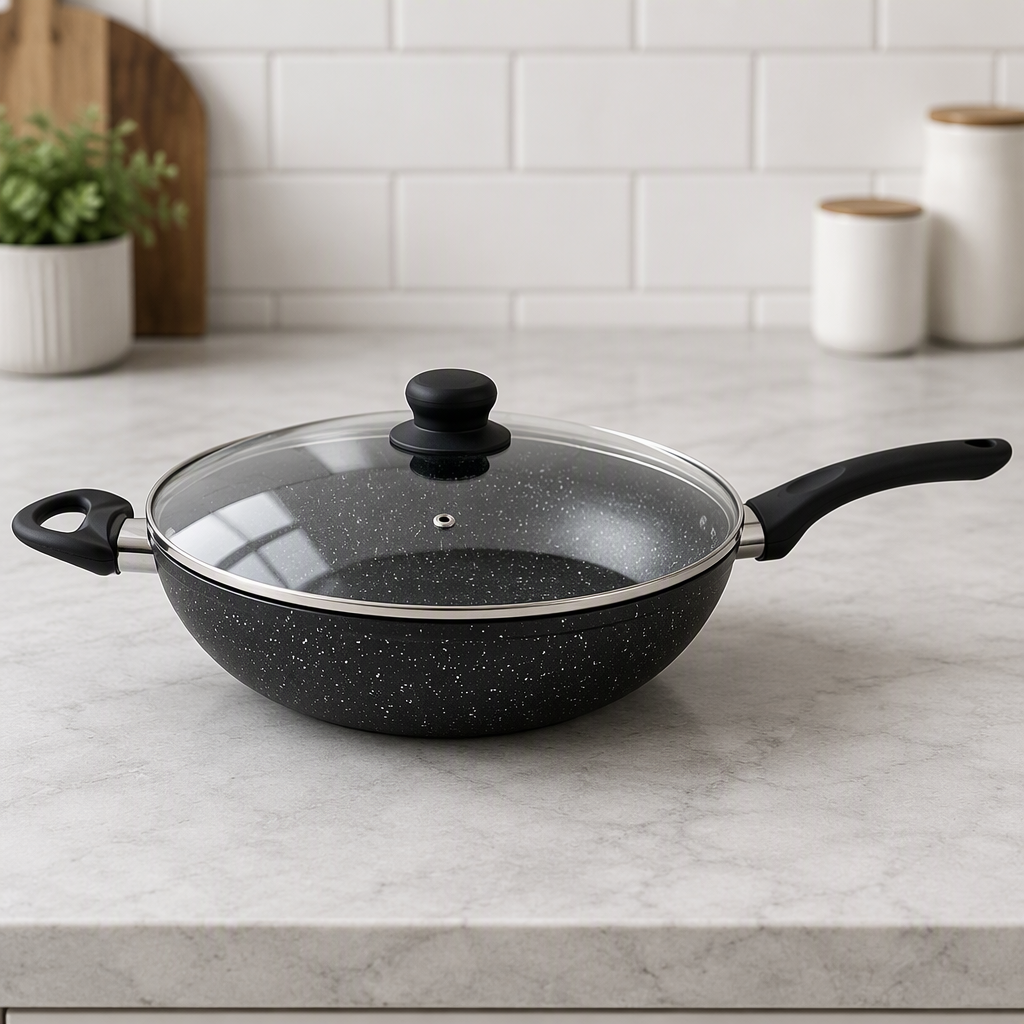
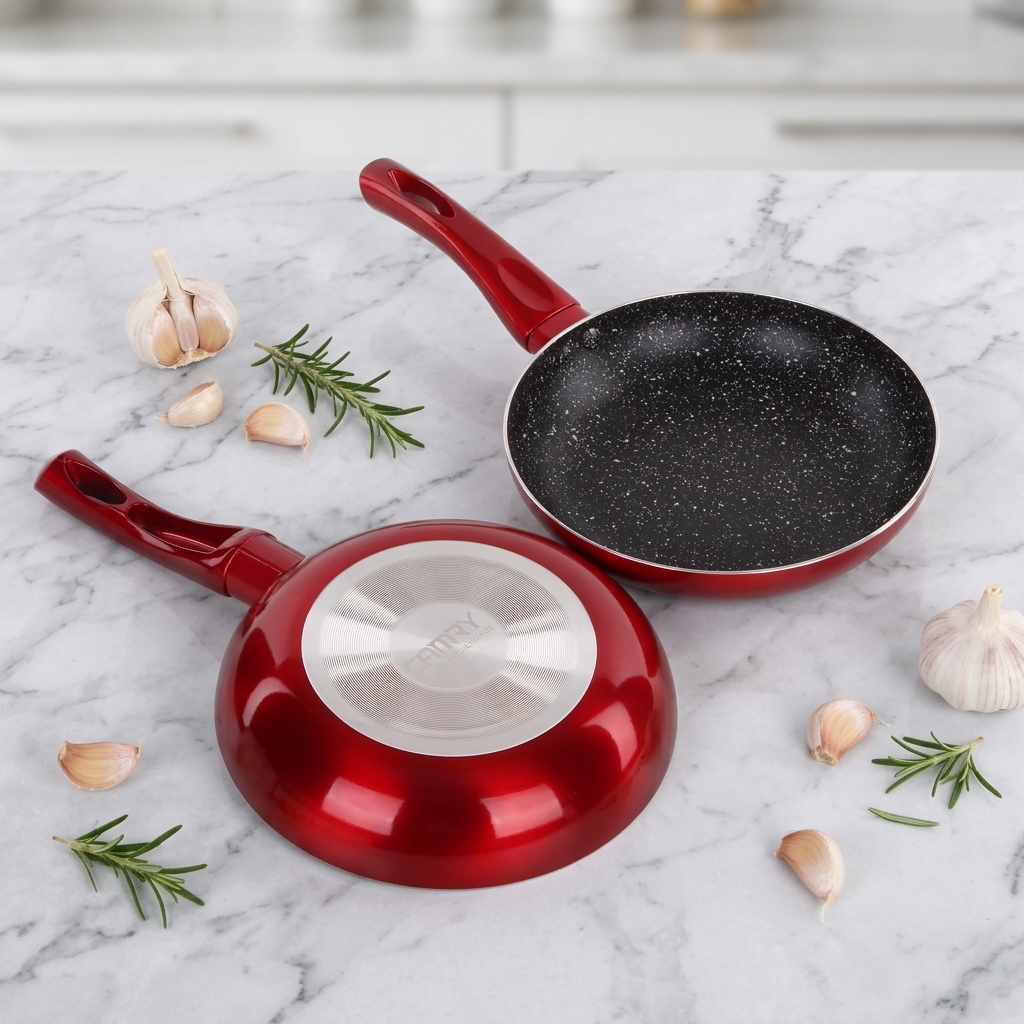
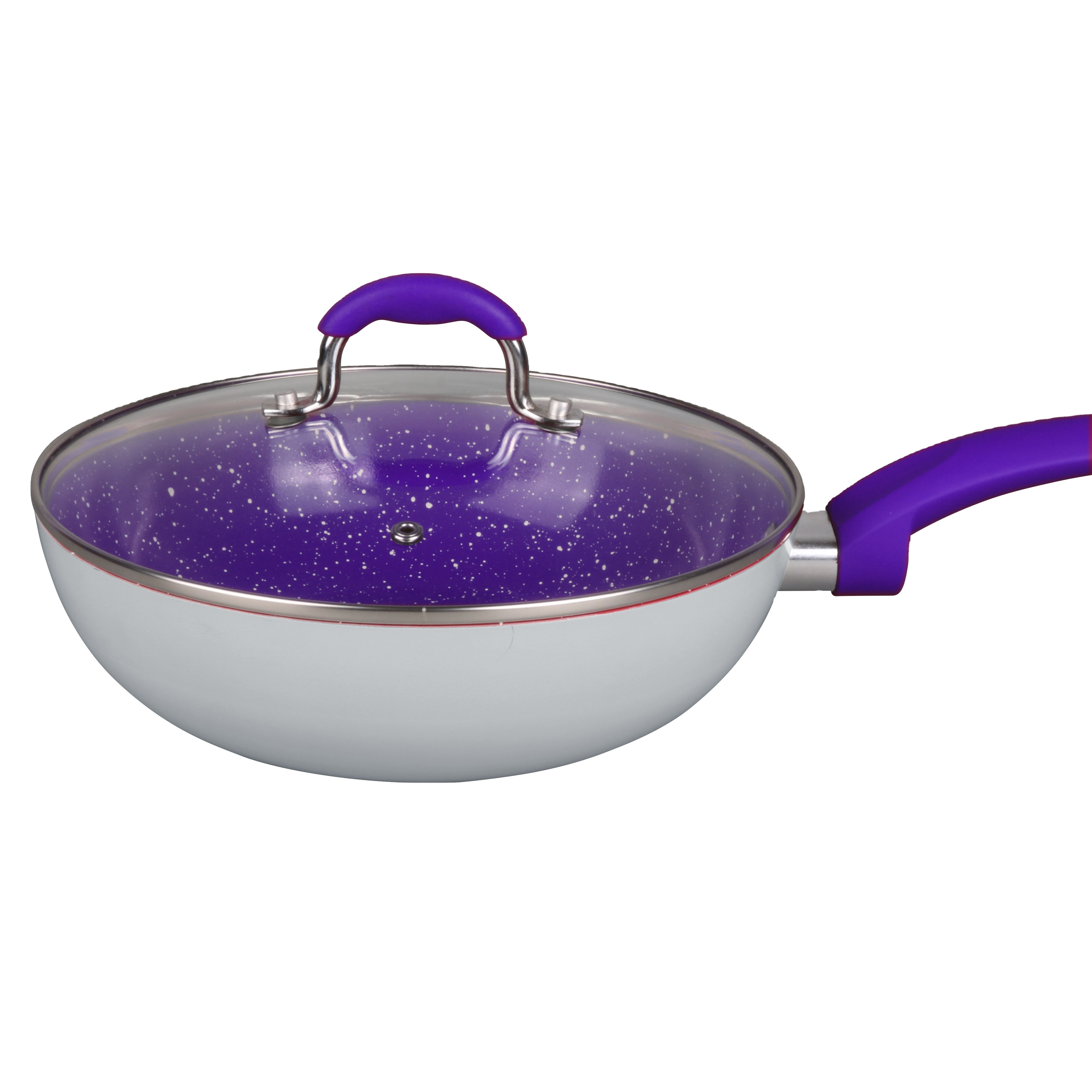
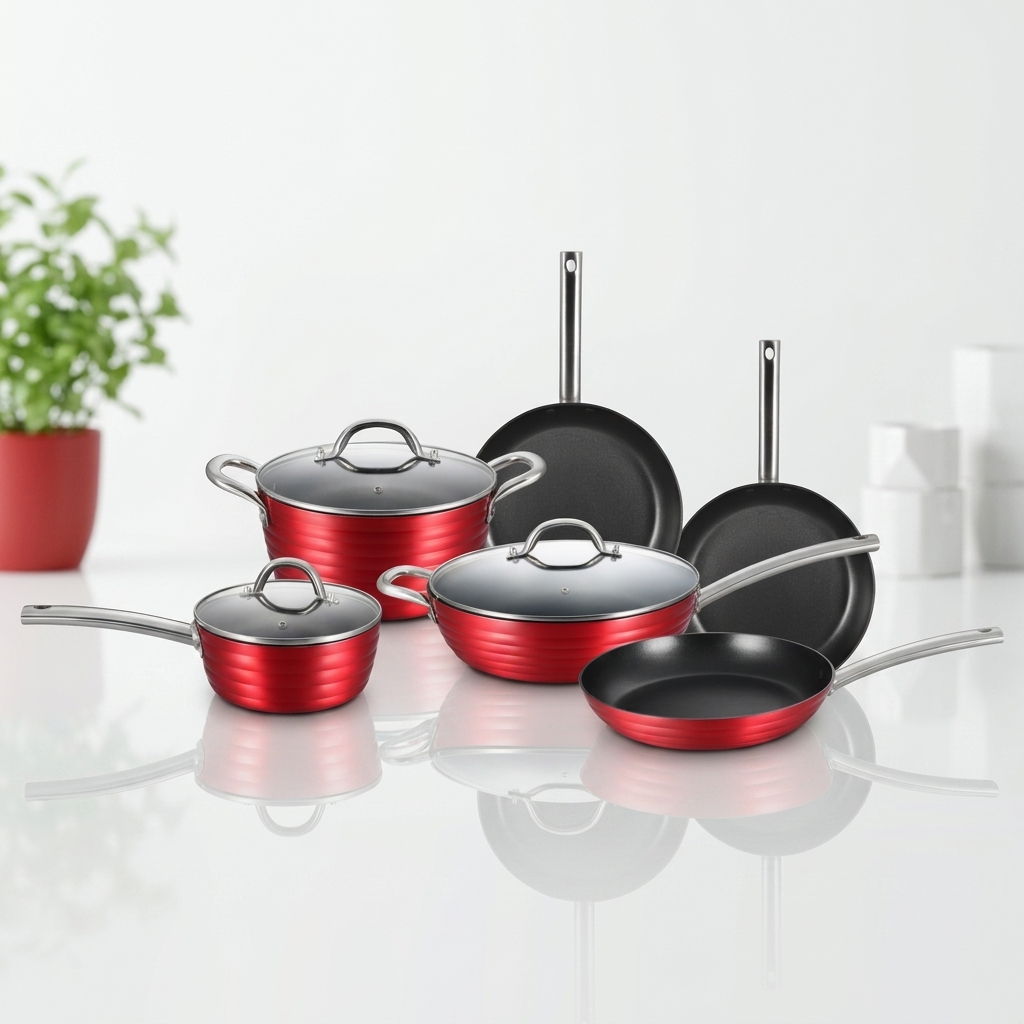
Strategic Sourcing Analysis: The Košice Commercial Cookware Landscape
As Eastern Slovakia’s primary industrial, educational, and commercial center, Košice represents a vital node in the Central European cookware supply chain. Positioned along the strategic transport corridors connecting Western Europe with Ukraine and the broader Visegrád Group (V4) markets, the Košice region demands high-durability roasting pans, bakeware, and professional kitchen utensils. Local importers, commercial Horeca suppliers, and retail chain buyers operating within the Košice self-governing region (Košický samosprávny kraj) are increasingly pivoting toward direct-factory partnerships with verified Asian manufacturers capable of supplying high-gauge nonstick aluminum and heavy-duty carbon steel vessels that adhere strictly to European Union food-contact directives.
The culinary heritage of Košice and the broader Abov region relies heavily on slow-roasting thermal processes—ranging from classical Slovak pork and poultry dishes to large-scale institutional catering required by the city's expanding hospitality and industrial canteen sectors. Consequently, B2B procurement professionals in Košice do not merely evaluate FOB price points; they demand rigorous technical validation regarding thermal conductivity, nonstick coating longevity, structural anti-warping integrity under continuous high-temperature oven cycles, and compliance with EU Regulation (EC) No 1935/2004.
Information Gain Key Finding for CEE Buyers:
Market data across Central Europe reveals a 34% increase in procurement orders for die-forged aluminum roasters featuring multi-layer granite and ceramic nonstick matrices over standard pressed aluminum alternatives. This trend is driven by the rapid adoption of induction-compatible commercial ovens and hobs across Košice's expanding hospitality district along Hlavná Ulica and surrounding industrial logistics hubs.
Metallurgical Engineering & Coating Integrity in Modern Roaster Pans
A professional roaster pan must withstand demanding operational parameters. Unlike standard surface frying pans, roasting vessels undergo prolonged exposure to radiant radiant heat within convection, gas, and electrical baking units, often reaching temperatures between 200°C and 260°C. Zhejiang MEIS Kitchenware Co., Ltd. addresses these operational stresses through advanced metallurgical selection and multi-stage surface treatments.
1. Forged Aluminum vs. Pressed Aluminum vs. Carbon Steel Alloys
Choosing the correct core structural material directly impacts weight-to-thermal-capacity ratio, energy efficiency, and total cost of ownership for commercial users in Košice:
- Forged Aluminum (3.5mm to 5.0mm Rim Thickness): Manufactured using high-pressure mechanical forging presses, this structural material provides exceptional structural density. The process allows variable wall-to-base thickness ratios, reinforcing thermal retention at the base while preserving structural integrity along the sidewalls to prevent high-heat warping.
- Pressed Aluminum (2.0mm to 3.0mm Thickness): Lightweight and exceptionally cost-efficient, pressed aluminum offers immediate thermal response and rapid temperature ramp-up. Highly favored for high-volume retail promotional lines and fast-cycle food service operations.
- Heavy-Gauge Carbon Steel: Naturally ferromagnetic, carbon steel offers extreme structural rigidity and high mechanical tensile strength. Carbon steel roasting pans excel in direct-contact high-heat roasting, seamlessly integrating with magnetic induction hobs without requiring bonded secondary stainless-steel base plates.
| Performance Criterion | Forged Aluminum Roasters | Pressed Aluminum Roasters | Carbon Steel Roasters |
|---|---|---|---|
| Thermal Mass & Heat Retention | Exceptional (High Mass) | Moderate (Fast Dissipation) | High (Consistent Radiant Heat) |
| Warp Resistance (>240°C) | Superior Anti-Warp Base | Standard Resistance | Maximum Tensile Strength |
| Induction Compatibility | Impact-Bonded Stainless Disc | Impact-Bonded Stainless Disc | Native Ferromagnetic Material |
| Coating Options | Granite, Marble, Ceramic, PTFE | Multi-Layer Nonstick, Ceramic | Enamel, Titanium, Marble PTFE |
| Ideal Košice Commercial Scenario | Hotels, Fine Dining, Premium Retail | Supermarket Promos, Canteens | High-Volume Bakeries & Catering |
2. Nonstick Surface Chemistry & European Safety Directives
Slovak commercial food safety enforcement agencies—operating under EU directives—enforce strict surveillance regarding chemical migration from cookware contact surfaces. Zhejiang MEIS Kitchenware Co., Ltd. utilizes certified food-grade nonstick formulations entirely free from Perfluorooctanoic Acid (PFOA), Perfluorooctane Sulfonate (PFOS), Lead, and Cadmium.
Our multi-layer coating systems include:
- Ceramic Sol-Gel Systems: Inorganically derived silica-based coatings offering extreme surface hardness (up to 9H Pencil Hardness) and thermal resistance up to 400°C without toxic fume emission.
- Reinforced Granite & Marble Speckle Coatings: PTFE-based matrices infused with mineral mineral micro-particles. These particles create a textured microscopic surface that shields the underlying nonstick polymers from mechanical abrasion caused by metal utensils and industrial dishwashing detergents.
- Hard-Anodized Aluminum Substrates: Electrochemical treatment that converts the surface aluminum layer into aluminum oxide, yielding a surface twice as hard as stainless steel while completely sealing the core metal against acidic food reactions.
Localized Application Scenarios in the Košice Regional Market
Understanding the specific operational environments across Košice enables importers to stock inventory tailored to precise regional purchasing habits.
Scenario A: High-Volume Industrial Canteen & Institutional Catering
Košice houses extensive industrial operations, technical universities, and hospital networks requiring daily preparation of thousands of roasted meals. Commercial kitchens operating in the U. S. Steel Košice supply ecosystem and municipal canteens demand heavy-duty, deep-capacity roasting pans (such as our 30 cm and 34 cm oval and rectangular carbon steel roasters). Key technical requirements include extra-wide double-riveted stainless steel handles that accommodate heat-resistant safety gloves and allow rapid transfer between convection ovens and hot-holding stations.
Scenario B: Horeca & Boutique Gastronomy along Hlavná Ulica
The pedestrian core of Košice features a dense concentration of restaurants, bistros, and craft microbreweries serving traditional central European meats, game, and roasted sheep-cheese appetizers. Commercial chefs prioritize aesthetic presentation alongside functionality. Multi-functional forged aluminum sauté pans and roasters featuring granite-stone interior finishes and metallic red or matte black exterior heat-resistant coatings transition effortlessly from kitchen oven to tabletop presentation, preserving meal temperature for patrons.
Scenario C: Regional Retail & Private-Label Supermarket Chains
Retail consumers across Eastern Slovakia prioritize energy savings, versatile stovetop compatibility (especially fast-heating induction hobs), and easy cleaning. Compact 22 cm to 26 cm cookware sets, light saucepans, and nonstick roasting trays packaged in customized retail color boxes with Slovak-language compliance labeling represent high-velocity SKUs for regional household goods retailers and e-commerce platforms.
Slovakian & EU Market Regulatory Compliance Trends
The regulatory framework governing cookware imports into Slovakia is among the most stringent globally. Successful exporters into Košice must maintain comprehensive technical files covering:
- DG SANTE & LFGB Compliance: Food contact materials must undergo rigorous overall and specific migration testing under European Standard EN 13130, ensuring chemical substances do not transfer to foodstuffs in quantities dangerous to human health.
- ECHA REACH Regulation (EC No 1907/2006): Verification that handles, silicone lid rims, and exterior coatings are free from Substances of Very High Concern (SVHC), including phthalates and polycyclic aromatic hydrocarbons (PAHs).
- EPR & Packaging Directives: Importers selling into the Košice market are bound by Extended Producer Responsibility (EPR) regulations requiring recyclable, plastic-minimal retail packaging. Zhejiang MEIS Kitchenware provides custom FSC-certified corrugated paper packaging, minimal-polybag wrapping, and flat-pack shipping configurations designed to minimize environmental levies for CEE buyers.
Enterprise Strengths: Why Partner with Zhejiang MEIS Kitchenware Co., Ltd.
Selecting a manufacturing partner requires verifying direct factory capabilities rather than trading intermediaries. Zhejiang MEIS Kitchenware Co., Ltd., based in the Dongnan Industrial Zone of Jinhua, Zhejiang, operates as a fully integrated designer and manufacturer of nonstick aluminum and carbon steel cookware.
Verified Factory Footprint & Quality Infrastructure
Assessed on-site by TÜV Rheinland, our modern production facility operates full-cycle manufacturing lines—from raw metal blank pressing to automated robotic spray coating and final packaging.
Key enterprise advantages provided to our Košice and European trade partners include:
- Full Production Verticality: Operating our own hydraulic pressing lines, CNC finishing centers, surface degreasing/cleaning wash lines, automated electrostatic coating lines, and assembly workshops under one roof ensures end-to-end quality control and competitive ex-factory pricing.
- In-House Testing Laboratory: Every production batch undergoes rigorous quality assurance protocol testing, including:
- Salt Spray Testing (ASTM B117): Verifying corrosion resistance against acidic foods and saline cleaning agents.
- Cross-Hatch Adhesion Testing (ISO 2409): Confirming mechanical bond strength between substrate and nonstick layers.
- Handle Fatigue & Torsion Testing: Subjecting handle rivets and bracket joints to thousands of stress cycles to guarantee zero handle failure under heavy loads.
- Flexible OEM / ODM Program Customization: We offer tailored customization spanning logo laser-engraving, custom die-cast tooling development, specialized ceramic/granite color matching, and bespoke multi-piece cookware set configurations.
- CEE Export Experience: With over 10 years of experience serving Central and Eastern European logistics networks, our documentation team facilitates smooth customs documentation, container load optimization, and flexible delivery terms (FOB, CIF, DDP).
Buyer Procurement FAQ: Roaster Pans & Cookware in Košice
Shipments to Košice typically route via ocean freight from Ningbo or Shanghai ports to European gateway ports such as Koper (Slovenia), Hamburg (Germany), or Gdańsk (Poland), followed by direct rail or truck freight to Košice logistics parks. Total door-to-door transit generally ranges between 35 and 45 days. Direct China-Europe Railway Express option is also available for expedited seasonal shipments.
Standard MOQ for fully customized pressed or forged aluminum roasting pans starts at 1,000 to 1,500 units per item/colorway. For trial market testing in the Košice region or secondary batch re-orders, selected standard running models can be produced at lower MOQs starting from 500 units upon agreement.
Yes. All nonstick cookware manufactured by Zhejiang MEIS Kitchenware Co., Ltd. uses non-toxic coating formulations that are 100% PFOA-free, PFOS-free, lead-free, and cadmium-free. We supply complete TÜV and SGS test documentation confirming full compliance with EU Regulation (EC) No 1935/2004 and LFGB standards.
Absolutely. Our aluminum roasting vessels can be equipped with heavy-gauge impact-bonded magnetic stainless steel bottom plates, ensuring full compatibility with induction hobs as well as gas, electric, radiant, and ceramic glass cooktops. Our carbon steel models are naturally ferromagnetic and induction-ready by default.
Yes. Our in-house engineering and tooling department assists B2B clients in designing specialized cast stainless steel handles, soft-touch heat-resistant bakelite handles, tempered glass lids with silicone rims, and stainless steel wire roasting racks tailored to your exact SKU specifications.
Expand Your Cookware Line in Košice with Direct Factory Supply
Partner directly with Zhejiang MEIS Kitchenware Co., Ltd. Partner with a TÜV Rheinland verified manufacturer to secure competitive pricing, guaranteed EU compliance, and robust production capacity.
Send an Inquiry