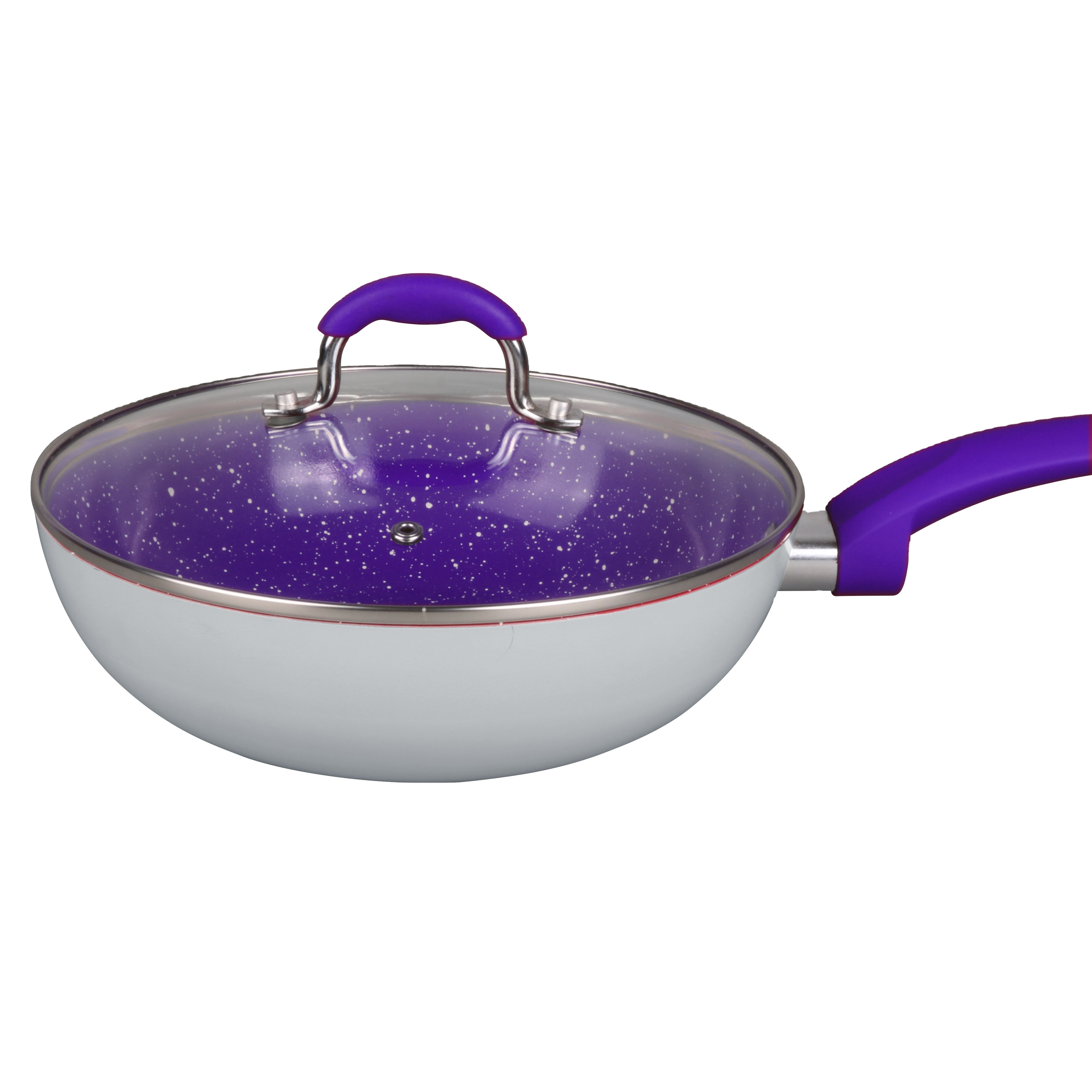
Export Catalog Lineup
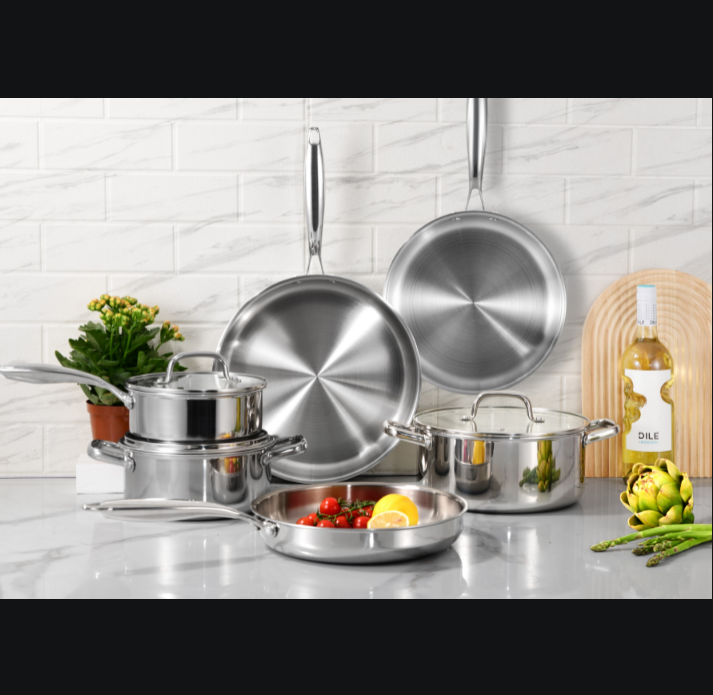
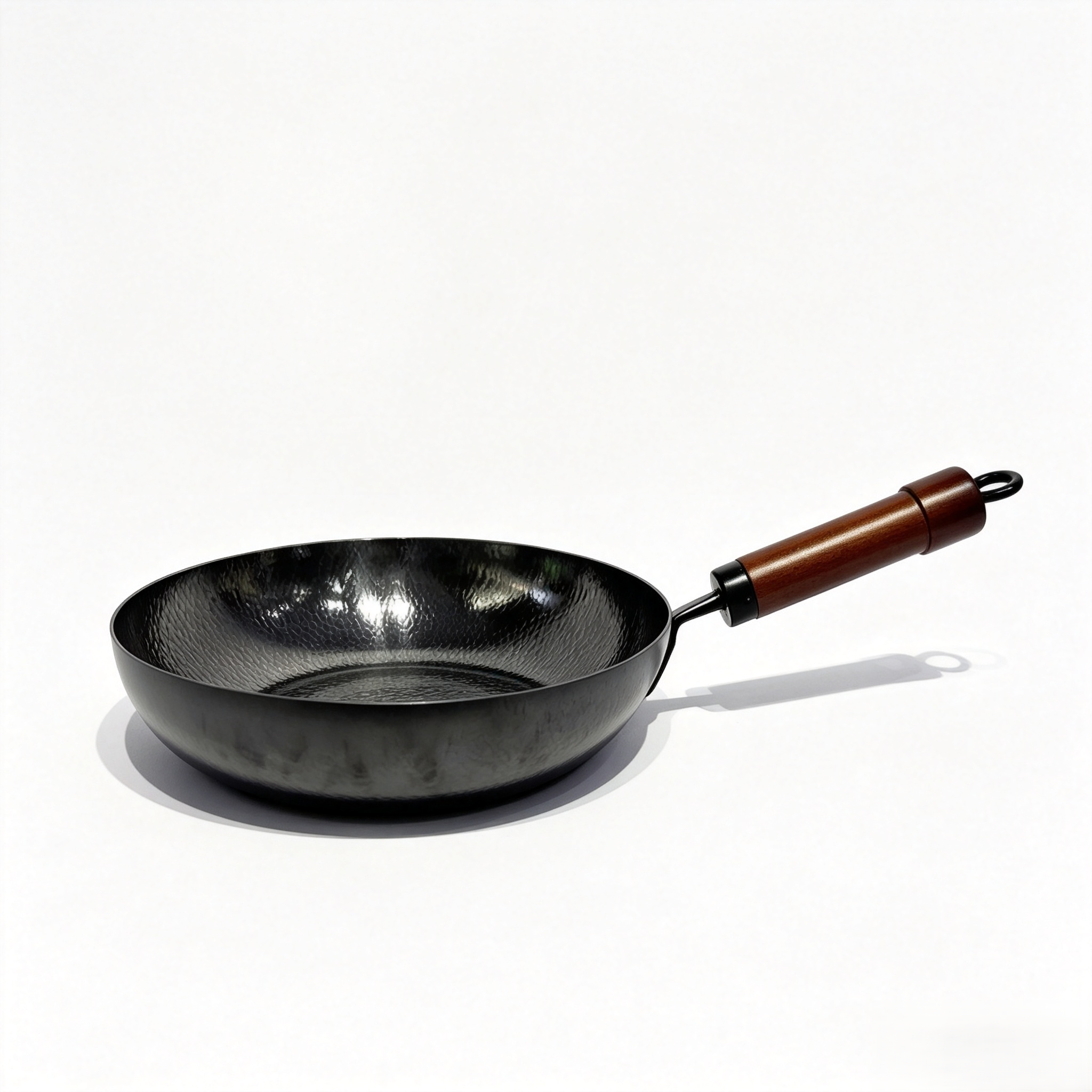
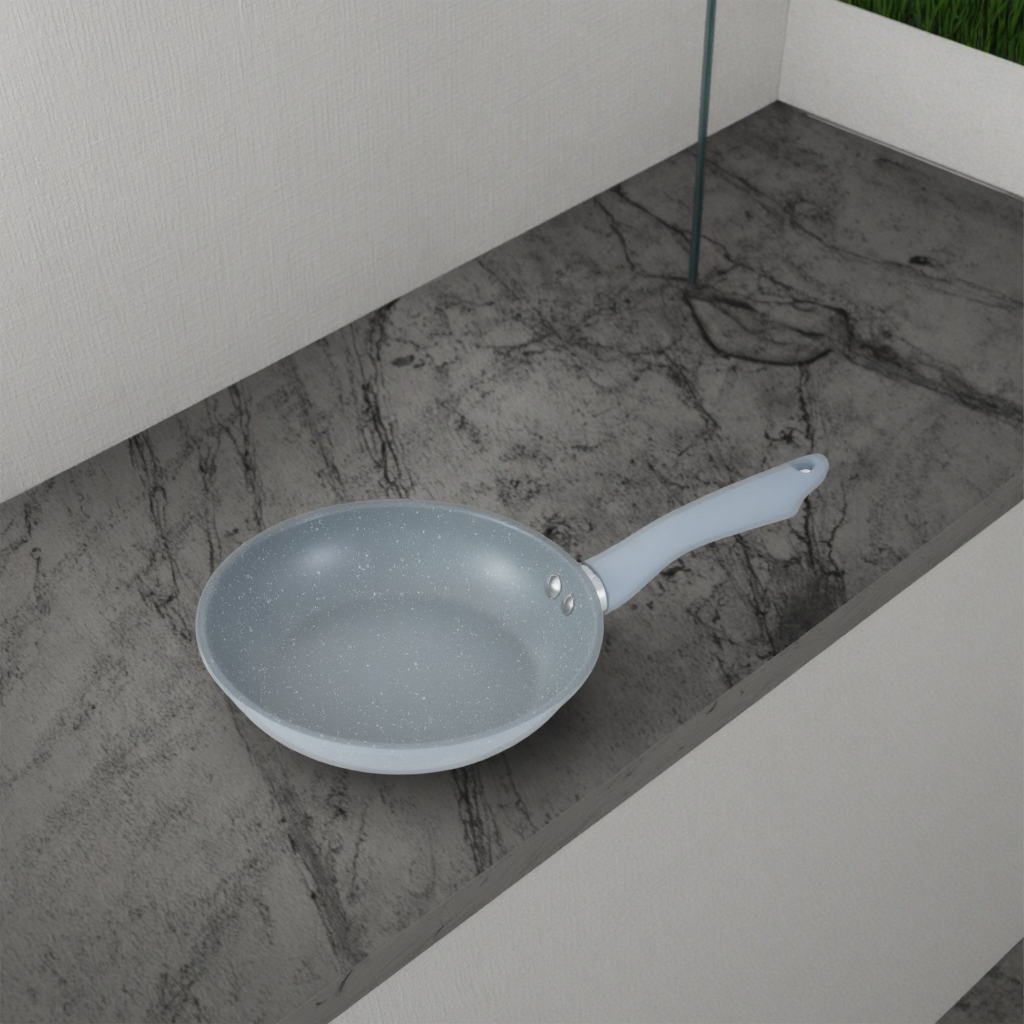
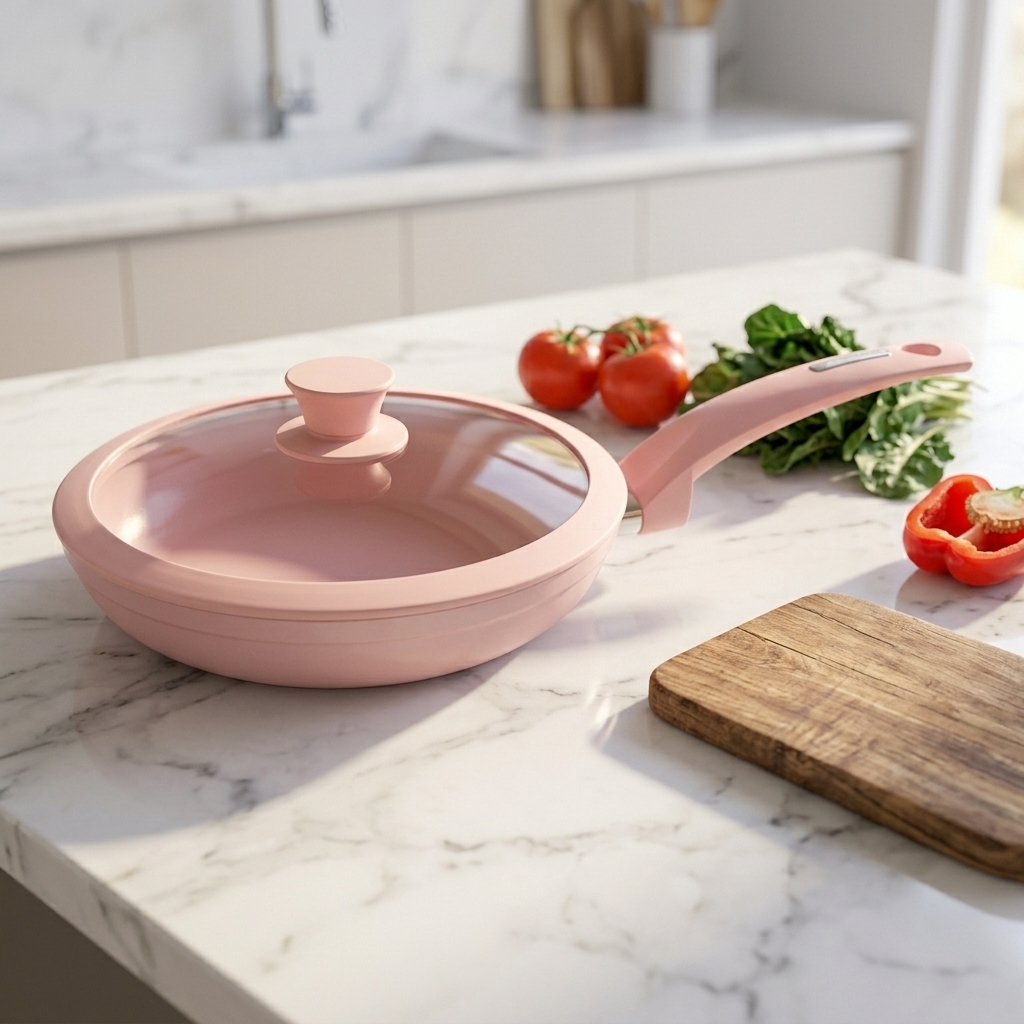
Engineered Skillets & Multi-Ply Vessel Formats
Factory-direct cookware formulations configured to meet US FDA requirements, strict ASTM scratch test tolerances, and mass retail price-point structures.
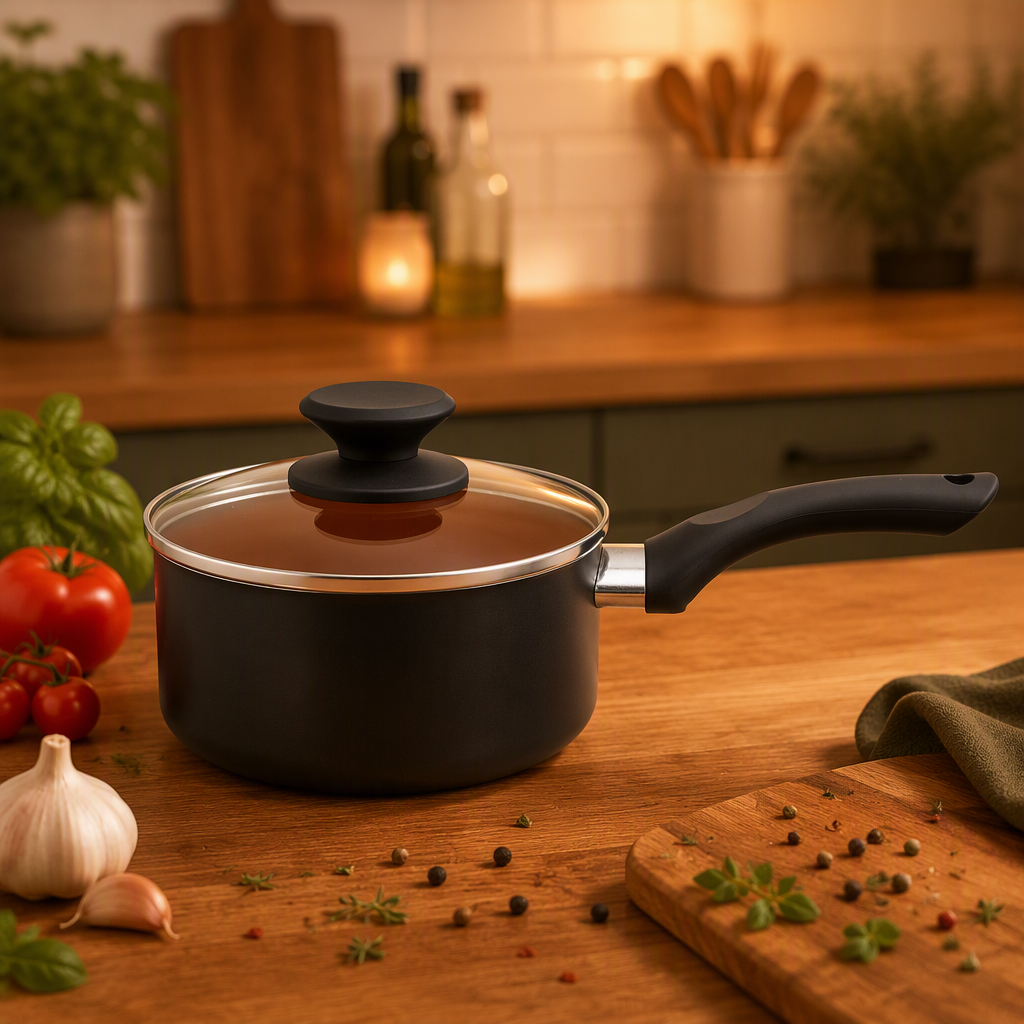
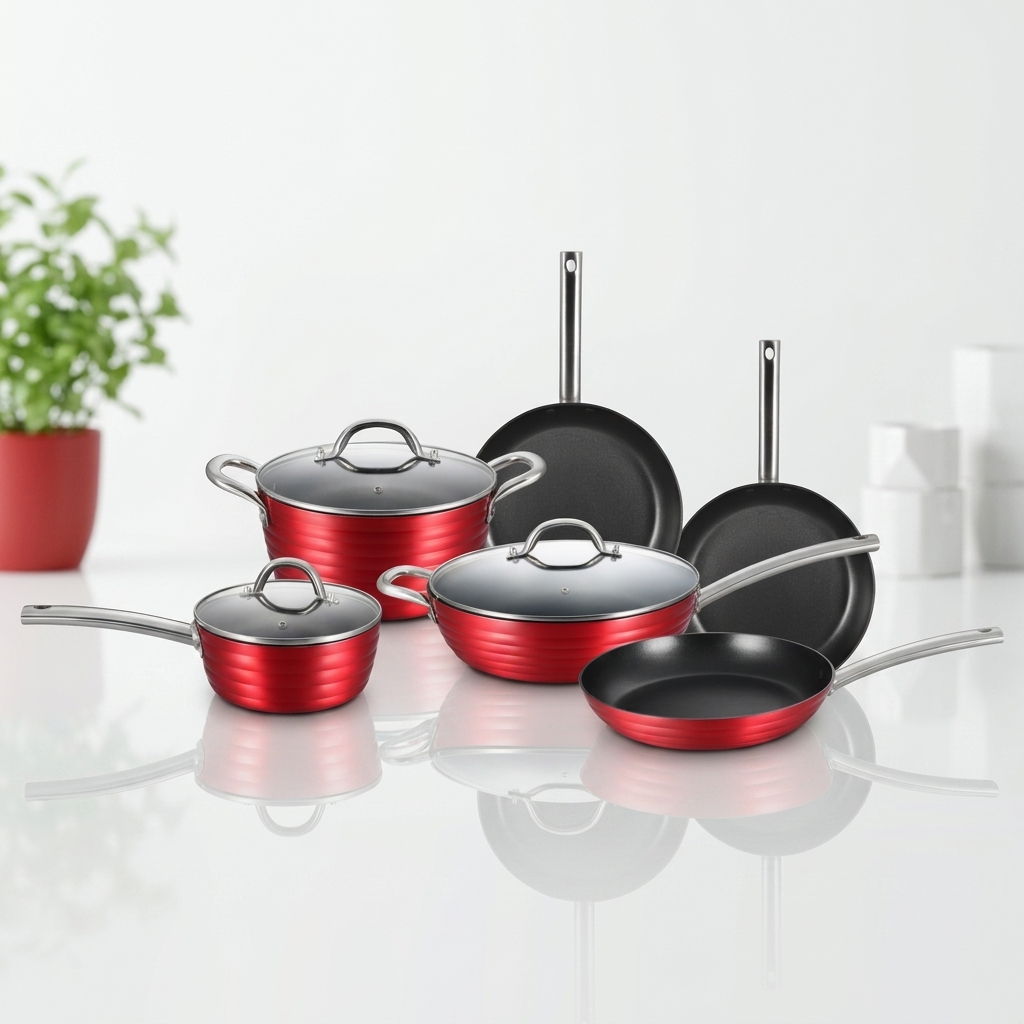
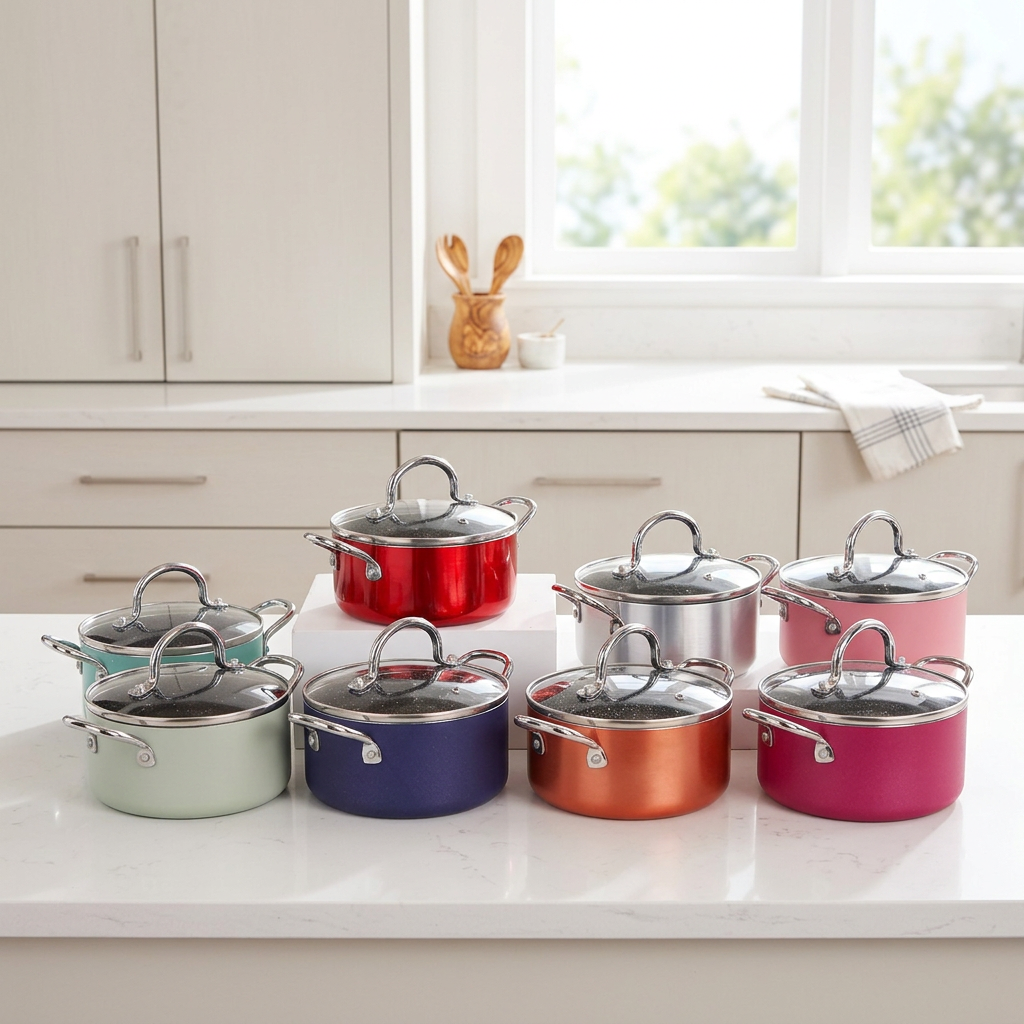
Strategic Supply Chain Integration
Engineering Cookware for the Greater Charlotte Commercial & Consumer Ecosystem
A deep-dive technical brief evaluating culinary performance specifications, retail demographic shifts, and regional logistics dynamics across the Piedmont Urban Crescent.
Metropolitan Demographic Drivers
The Charlotte-Concord-Gastonia metropolitan statistical area (MSA) represents one of the fastest-growing logistics and commercial corridors in the southeastern United States. Driven by sustained corporate expansion in Uptown Charlotte and influxes of culinary-discerning suburban homeowners in Mecklenburg, Union, and York counties, retail inventory planners are witnessing a clear divergence in procurement.
Buyers require durable, aesthetic cookware sets optimized for dense multi-family urban living (modular detachable handle sets) coupled with commercial-grade heavy-gauge fry pans capable of handling intensive searing styles common across Carolina culinary traditions.
Hospitality & Farm-to-Table Rigor
Charlotte's thriving independent restaurant landscape—spanning the South End, NoDa, and Dilworth districts—increasingly favors nitrided carbon steel and tri-ply hybrid skillets. These utensils endure high-heat operational tempos without the premature coating degradation seen in inferior supermarket grades.
High thermal shock thresholds, warp-free magnetic stainless bases for rapid induction cooking, and scratch-resistant multi-layer fluoropolymer or ceramic matrices ensure professional kitchens withstand high table turns while reducing recurring replacement overhead.
Regulatory & Chemical Safety
Wholesale cookware importers and retail brand owners in North Carolina face rigorous compliance standards concerning per- and polyfluoroalkyl substances (PFAS). MEIS proactively manufactures surface coatings fully compliant with California Proposition 65, US FDA 21 CFR 175.300, and European LFGB standards.
Every production run utilizing granite, marble, or ceramic release matrices undergoes standardized thermal migration and heavy-metal leaching tests in our certified internal laboratory, protecting retail clients against compliance exposure.
Engineering Specifications
Material Architecture & Substrate Selection Guide
Compare mechanical deformation thresholds, heat capacitance, and retail positioning across our high-capacity production formats.
| Substrate / Process | Wall / Base Thickness | Thermal Conductivity & Retention | Induction Compatibility | Target US Channel Application |
|---|---|---|---|---|
| Pressed Aluminum (Series 3003) | 1.8 mm – 2.5 mm uniform gauge | Ultra-rapid heat dissipation; low thermal inertia | Requires perforated or whole-plate induction stamping | High-velocity promotional volume, supermarket sets, multi-piece starter packs |
| Forged Aluminum Core | 2.2 mm rim / 4.0 mm – 4.5 mm forged base | Optimized heat distribution; exceptional anti-warping tolerance | Direct integrated magnetic cold-spray or bonded disc | Mid-to-premium mass merchant brands, direct-to-consumer digital kitchenware labels |
| Heavy-Gauge Carbon Steel | 1.5 mm – 2.0 mm cold-rolled steel | Superior high-temperature retention; rapid searing response | Inherent 100% magnetic induction efficiency | Commercial food service, institutional kitchen suppliers, outdoor & heavy-duty pan ranges |
| Tri-Ply Clad Composite | 0.5 mm SS304 + 1.5 mm Al + 0.5 mm SS430 | Balanced heat distribution envelope eliminating hotspots | Naturally induction responsive via SS430 outer wall | Premium specialty cookware stores, boutique culinary retail, high-end private label lines |
Macro-Level Shifts
Key Cookware Trends Shaping North Carolina Procurement
Emerging buyer criteria identified through procurement feedback from major East Coast retail category managers and supply chain directors.
Induction Transition Readiness
With municipal initiatives and modern residential construction across Charlotte shifting rapidly toward energy-efficient electric and induction cooktops, cookware lacking magnetic permeability faces declining sell-through. MEIS produces full-coverage stamped induction bottoms that deliver flawless compatibility and prevent base delamination during cyclic thermal stress.
Clean-Label Ceramic Formulations
American consumers actively seek mineral-based, non-toxic cookware. Our automated spray lines deliver cutting-edge sol-gel ceramic matrices and reinforced granite coatings that maintain smooth release kinetics across hundreds of abrasion cycles while completely eliminating PTFE, PFOA, lead, and cadmium from the formula.
Intermodal Freight Route Optimization
Charlotte serves as a core intermodal transfer point with direct rail connection to the Port of Charleston and Port of Wilmington. MEIS supports optimized container packaging configurations, drop-test certified retail inner cartons, and high-cube sea freight loading protocols that drastically reduce landed cost per unit across the Interstate-85 corridor.
Direct Industrial Source
Engineered In-House at Zhejiang MEIS Kitchenware
Headquartered in the hardware manufacturing hub of Jinhua, Zhejiang, MEIS combines 20 years of technical heritage with TÜV Rheinland-verified manufacturing infrastructure.
In-House Mold & Tooling
Our on-site mold-making facilities, heavy CNC tooling bays, and lathe systems allow rapid turnaround on custom pan profiles, custom-embossed bases, and ergonomic handle designs without relying on outside tooling suppliers.
TÜV Rheinland Verified
Our operational premises have undergone comprehensive, on-site assessment by TÜV Rheinland. We maintain transparent batch tracking, strict raw material input auditing, and end-to-end procedural compliance across our 105 verified staff members.
Advanced Stress Testing
Every production series is validated via salt spray corrosion chambers, handle fatigue life-cycle simulators, rivet thrust testers, and torsion fixtures to ensure total structural integrity prior to packaging.
Global Export Infrastructure
With over a decade of global export operations and 18 years on Alibaba.com, our bilingual engineering and trade documentation teams streamline US customs clearance, commercial invoicing, and bill of lading administration.
20+
Years in Manufacturing
105
Verified Technical Staff
18
Years Gold Supplier
25+
Strategic Material Partners
100%
Batch Traceability
Procurement Due Diligence
Frequently Asked Questions for Charlotte Cookware Importers
Key contractual, regulatory, and production answers addressing common wholesale requirements.
What typical shipping lead times and port routes serve Charlotte, North Carolina?
Shipments depart from Ningbo or Shanghai port, utilizing direct ocean carrier lanes to the Port of Charleston (SC) or Port of Wilmington (NC). Typical ocean transit spans 24 to 32 days. From the terminal, inland rail or dry van haulage delivers containers directly into Charlotte distribution facilities in Pineville, Huntersville, or near Charlotte Douglas International Airport (CLT) within 48 to 72 hours of customs release.
How does MEIS manage US FDA and state-level PFAS compliance requirements?
All fluoropolymer and mineral-based coatings are formulated in certified chemical compliance with US FDA 21 CFR 175.300 and relevant state statutes. We furnish full SGS, TÜV, or Intertek test verification confirming the complete absence of PFOA, lead, and cadmium. For brands seeking non-PTFE positioning, our advanced sol-gel ceramic cookware lines offer 100% PFAS-free compliance.
What are your standard Minimum Order Quantities (MOQ) for custom private-label cookware?
Standard OEM production runs for dedicated pan geometries, custom exterior Pantone colors, and bespoke retail packaging generally start at 1,000 to 3,000 pieces per skillet specification or complete cookware set. Trial runs on select core open-stock skillet models can be supported from 50 to 500 units to facilitate market testing across regional channels.
Can MEIS develop custom skillet molds and handles matching our proprietary industrial design?
Yes. As an authentic manufacturer equipped with in-house CNC mold-making, lathe tooling, and CAD/solid-modeling capabilities, we routinely develop exclusive body profiles, silicone-accented soft-touch handles, cast stainless steel ergonomic grips, and custom-embossed induction base plates based on customer design files or physical samples.
What handle attachment methods are available, and how do they pass mechanical safety tests?
We engineer both high-pressure welded studs (providing a completely smooth, rivet-free interior surface for effortless hygiene) and heavy-gauge aircraft-grade solid aluminum/stainless riveting. All handle systems undergo static load tests, handle fatigue cycling (over 15,000 continuous lifts), and torsional deflection validation prior to shipment release.
Connect Directly with Our Cookware Engineering Team
Looking to optimize skillet production runs, lower landed wholesale costs, or engineer custom cookware sets for the Charlotte market? Request our complete technical specification catalog and factory capability profiles today.